
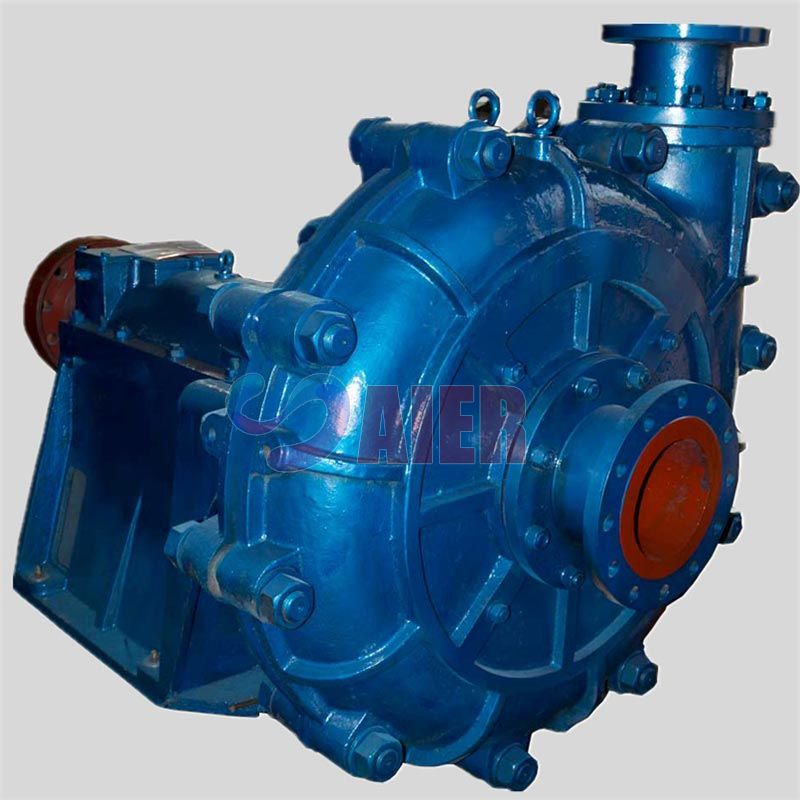
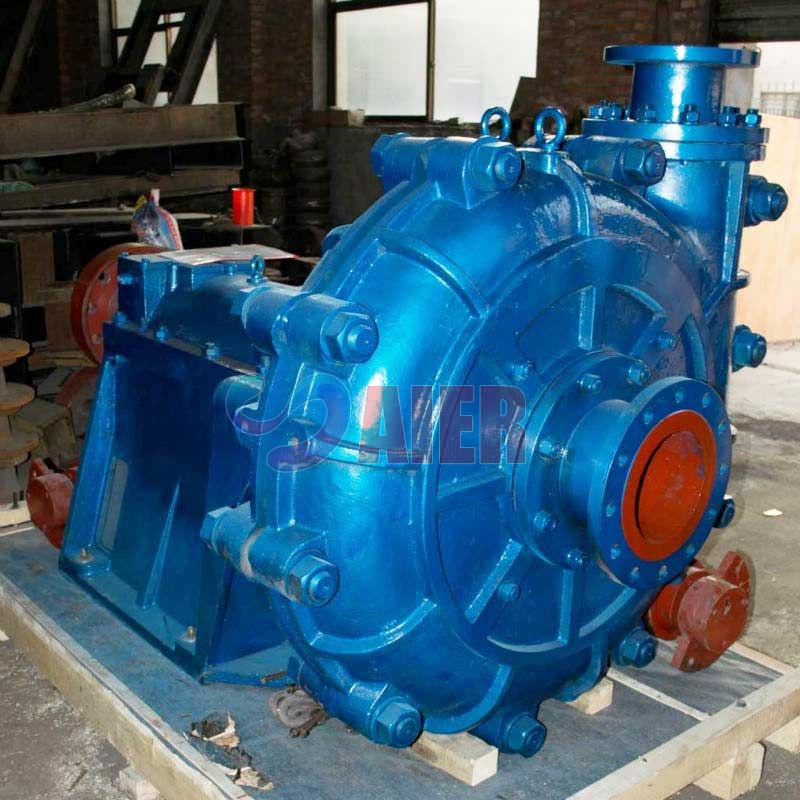
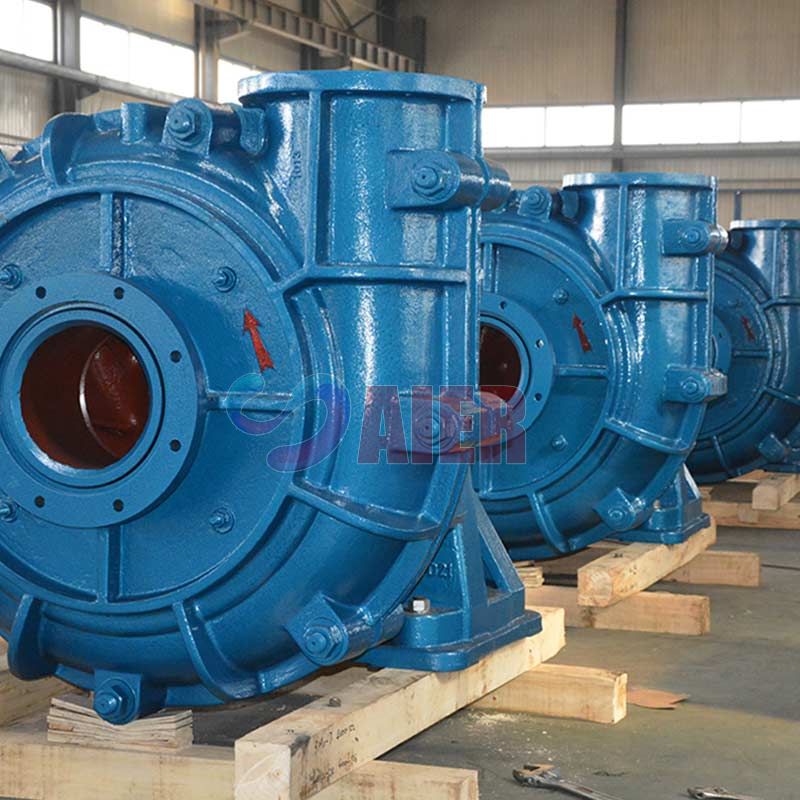
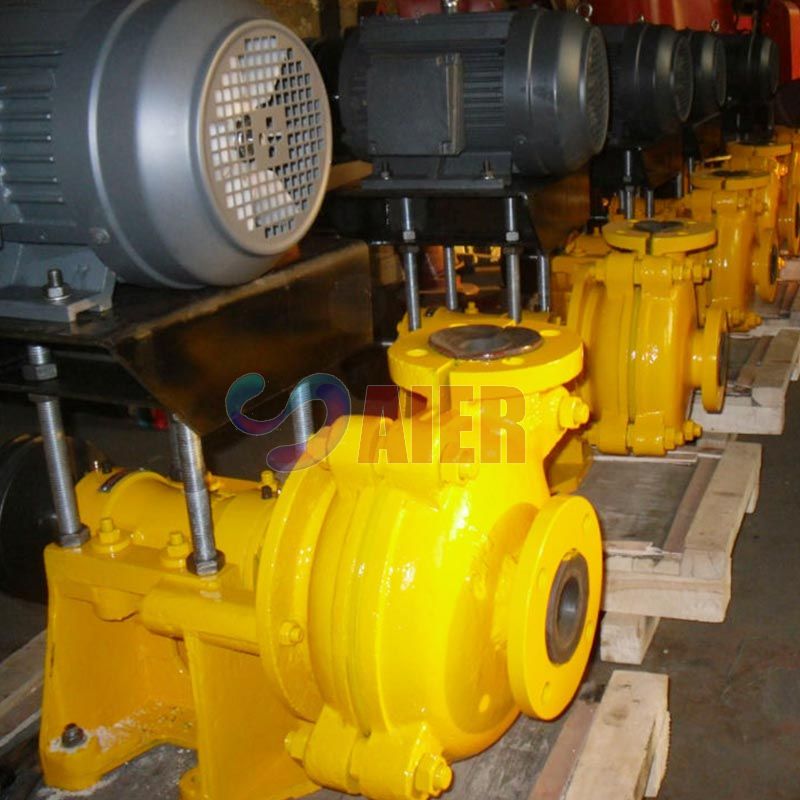
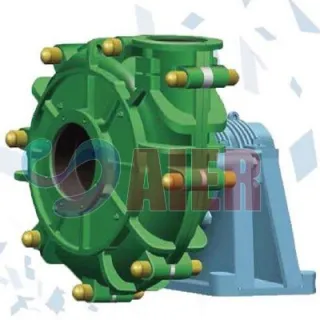
WG High Head Slurry Pump
Selelekela sa Pompo
TLHALOSO:
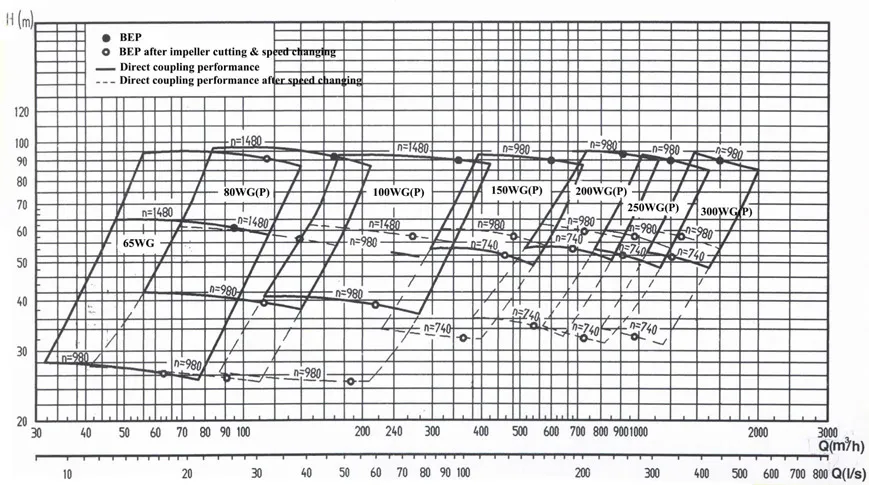
Boholo: 65-300mm
Matla: 37-1919m3/h
Hlooho: 5-94m
Lintho tse tiileng tsa letsoho: 0-90mm
Tekanyo: Max.70%
Khatello e phahameng: Max.4.5mpa
lintho tse bonahalang: Hyper chrome alloy joalo-joalo.
AIER® WG High Efficiency Slurry Pump
In order to meet the requirements on the development of the electric power, metallurgy and coal industries, our company has designed and developed WG(P) Series up-to-date general slurry pump with large capacity, high head, multi-stages in series to remove ash & sludge and to deliver liquid-solids mixture, based on the experience of slurry pump design and manufacture for many years, and abstracting the research results of advanced technology from home and abroad.
Likaroloana
Moralo oa sejoale-joale oa CAD, ts'ebetso e phahameng ea hydraulic, ts'ebetso e phahameng le sekhahla se tlase sa abrasion;
Phase e pharaletseng, e sa koalehang le ts'ebetso e ntle ea NPSH;
Setiiso sa Expeller se kopantsoeng le tiiso ea ho paka le tiiso ea mochini e amohetsoe ho netefatsa slurry hore e se ke ea lutla;
Moralo oa ts'epo o netefatsa MTBF e telele (nako e bolelang lipakeng tsa liketsahalo);
Metric e nang le lubrication ea oli, mokhoa o utloahalang oa ho tlotsa le oa ho pholisa o netefatsa hore ho behoa ho lokela ho sebetsoa tlas'a mocheso o tlaase;
Lisebelisoa tsa likarolo tse metsi li na le ts'ebetso e ntle ea ho thibela ho roala le ho thibela ho bola;
Pompo e ka sebelisoa bakeng sa ho tlosa molora oa metsi a leoatle ho thibela ho bola ha metsi a leoatle, letsoai le moholi, le kutu ea electrochemical;
Pompo e ka sebetsoa ka letoto le nang le mekhahlelo e mengata ka har'a khatello e lumelletsoeng.
Pompo e na le melemo ea kaho e utloahalang, ts'ebetso e phahameng, ts'ebetso e ka tšeptjoang le tlhokomelo e bonolo. E ka sebelisoa haholo bakeng sa ho sebetsana le motsoako o nang le lisebelisoa tse senyang le tse senyang ka matla a motlakase, metallurgy, morafo, mashala, thepa ea kaho le mafapha a indasteri ea lik'hemik'hale, haholo-holo bakeng sa ho tlosa molora le seretse seteisheneng sa matla a motlakase.
Pump Notation
100WG(P):
100: Bophara ba phallo (mm)
WG: Pompo e phahameng ea hlooho e hlabang
P: Lipompo tsa mekhahlelo e mengata (sethala sa 1-2 ntle le letšoao)
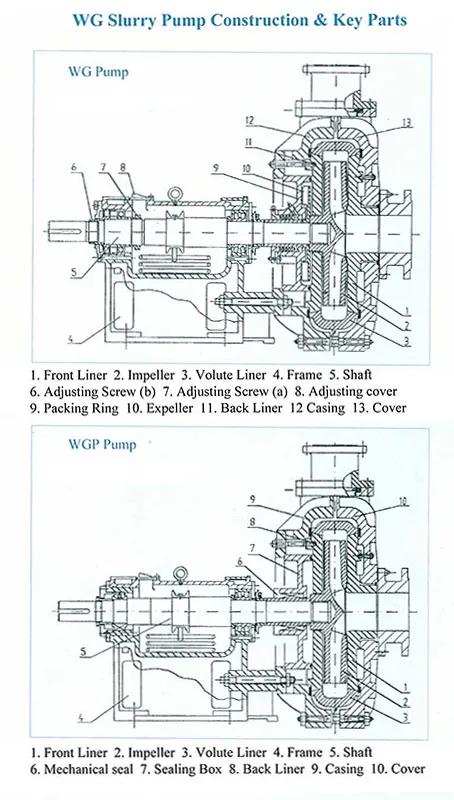
Pompo ea slurry ea WG ke ea sethala se otlolohileng, se le seng, se hulang se le seng, se nang le cantilevered, casing habeli, pompo ea centrifugal slurry. Pompo e potoloha ka tatellano ea oache ho tloha pheletsong ea koloi.
Likarolo tse metsi tsa pompo ea WG le WGP ka bophara bo le bong ba phallo li ka fetoha. Litekanyo tsa tsona tsa ho kenya kemiso li tšoana le tsona. Bakeng sa karolo ea koloi ea WG (P) slurry pump, foreimi e otlolohileng e arohaneng e nang le lubrication ea oli le lihlopha tse peli tsa tsamaiso ea ho pholisa metsi ka hare le ka ntle e amohetsoe. Haeba ho hlokahala, ho ka fanoa ka metsi a pholileng. Lenonyeletso le lokiselitsoeng bakeng sa metsi a pholileng le khatello ea metsi a pholileng li ka bonoa tafoleng ea 1.
Two kinds of shaft seal – expeller seal combined with packing and mechanical seal.
Setiiso sa mochini se fanoang ka metsi a ho tiisa khatello e phahameng se khothaletsoa ha pompo e sebelisoa ka letoto, 'me tiiso ea ho leleka e kopantsoeng le ho paka e sebelisoa pompong ea mohato o le mong.
Khatello ea metsi le palo ea mefuta eohle ea tiiso ea shaft e tjena:
1) Ho tiisa khatello ea metsi
Bakeng sa pompo ea mothati o le mong e nang le tiiso ea expeller e kopantsoeng le ho paka, khatello ea metsi ea shaft seal ke 0.2-0.3 Mpa.
Bakeng sa mekhahlelo e mengata ea ts'ebetso ea lihlopha tse nang le tiiso ea ho leleka e kopantsoeng le ho paka, khatello ea metsi a tiisang e lokela ho ba: Khatello e tlaase ka ho fetisisa ea metsi a tiisitsoeng ea n stage = Hi + 0.7Hn Where: n ≥2.
Bakeng sa tiiso ea mochini, khatello ea metsi e tiisang mohato o mong le o mong oa pompo e phahame ka 0.1Mpa ho feta khatello e tsoang pompong.
2) Ho tiisa khatello ea metsi (sheba tafole 1)
Letlapa la 1: ho tiisa mekhahlelo ea metsi
| Mofuta oa Pompo | Foreimi | Ho Tiisa Metsi (l/s) |
Kopanya Metsi a Kopanetsoeng | Motsoako oa Metsi a Pholisang Ka Frame |
Khatello ea Metsi a Pholisang |
| 65WG | 320 | 0.5 | 1/4" | 1/2", 3/8" | 0.05 ho 0.2Mpa |
| 80 WG | 406 | 0.7 | 1/2" | 3/4", 1/2" | |
| 100WG | |||||
| 80WGP | 406A | ||||
| 100WGP | |||||
| 150WG | 565 | 1.2 | 1/2" | 3/4", 3/4" | |
| 200WG | |||||
| 150WGP | 565A | ||||
| 200WGP | |||||
| 250WG | 743 | 1" | |||
| 300WG | |||||
| 250WGP | 743A |
Moqapi oa Kaho
Pompo Karolo ea Boitsebiso
| Karolo Lebitso | Lintho tse bonahalang | Tlhaloso | HRC | Kopo | OEM Code |
| Liner & Impeller | Tšepe | AB27: 23% -30% tšepe e tšoeu ea chrome | ≥56 | E sebelisoa bakeng sa boemo bo phahameng ba ho apara ka pH pakeng tsa 5 le 12 | A05 |
| AB15: 14% -18% tšepe e tšoeu ea chrome | ≥59 | E sebelisoa bakeng sa maemo a phahameng a ho roala | A07 | ||
| AB29: 27% -29% tšepe e tšoeu ea chrome | 43 | E sebelisoa bakeng sa boemo bo tlase ba pH haholo-holo bakeng sa FGD. E ka boela ea sebelisoa bakeng sa boemo bo bolila bo tlase le ho kenya desulfuration ka pH e seng ka tlase ho 4 | A49 | ||
| AB33: 33% -37% chrome tšepe e tšoeu | E ka tsamaisa slurry e nang le oksijene ka pH eseng ka tlase ho 1 joalo ka phospor-plaster, nitric acid, vitriol, phosphate joalo-joalo. | A33 | |||
| Lesale la ho leleka le ho leleka | Tšepe | B27: 23% -30% chrome tšepe e tšoeu | ≥56 | E sebelisoa bakeng sa boemo bo phahameng ba ho apara ka pH pakeng tsa 5 le 12 | A05 |
| Tšepe e putsoa | G01 | ||||
| Stuffing Lebokose | Tšepe | AB27: 23% -30% tšepe e tšoeu ea chrome | ≥56 | E sebelisoa bakeng sa boemo bo phahameng ba ho apara ka pH pakeng tsa 5 le 12 | A05 |
| Tšepe e putsoa | G01 | ||||
| Frame/Letlapa la sekoahelo, ntlo e behang le setsi | Tšepe | Tšepe e putsoa | G01 | ||
| Tšepe ea ductile | D21 | ||||
| Shaft | Tšepe | Tšepe ea carbon | E05 | ||
| Mokotla oa letsoho, selikalikoe sa lantern/rectrictor, reng ea molala, bolt ea tšoelesa | Ts'epe e sa beng le mabali | 4Kr13 | C21 | ||
| 304 SS | C22 | ||||
| 316 SS | C23 | ||||
| Mehele e kopaneng & litiiso | Rabara | Butyl | S21 | ||
| EPDM rabara | S01 | ||||
| Nitrile | S10 | ||||
| Hypalon | S31 | ||||
| Neoprene | S44/S42 | ||||
| Viton | S50 |
Mokokotlo wa Tshebetso
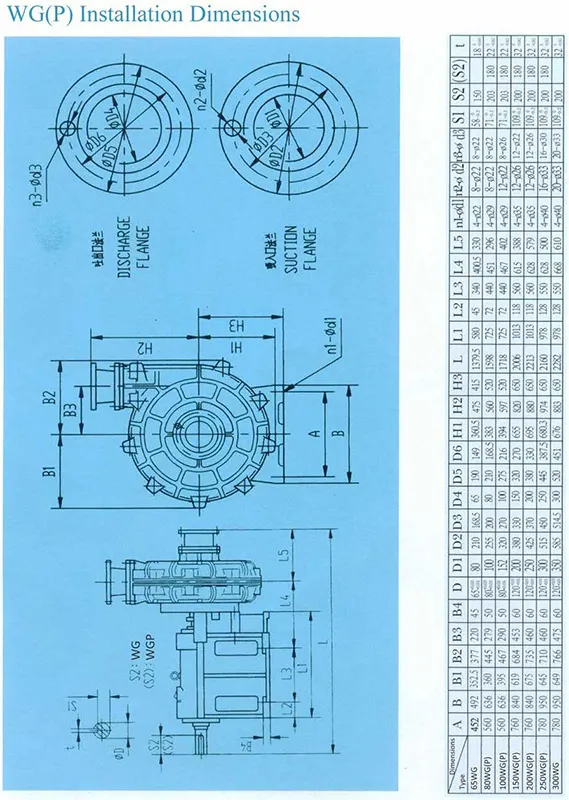
Litekanyo tsa ho kenya
The Role of High Head Slurry Pumps in Long-Distance Slurry Transport Systems
A high head slurry pump plays a pivotal role in transporting abrasive and dense slurries over long distances and significant vertical heights. Unlike standard industrial slurry pumps, high head pumps are specifically engineered to provide the increased pressure necessary for long pipeline systems, ensuring the efficient and consistent movement of solids-laden fluids.
In industries such as mining, mineral processing, coal preparation, and dredging, materials often need to be transported through extended pipelines, sometimes spanning hundreds of meters. The combination of high solids content, abrasive particles, and long transport distances makes conventional pumps unsuitable, as they may fail under high head conditions or suffer from excessive wear. A high head slurry pump addresses these challenges by delivering reliable performance while maintaining operational efficiency.
The design of a high head slurry pump emphasizes durability and resistance to wear. Casings and impellers are often made of high-chrome alloys or wear-resistant metals, allowing the pump to handle abrasive slurries with minimal erosion. Many slurry pump manufacturers also offer customizable options, such as modular impellers and liners, enabling easy maintenance and replacement, thereby reducing downtime and maintenance costs.
Additionally, high head slurry pumps are engineered for optimal hydraulic performance. Their impeller and volute designs minimize energy loss, allowing slurries to be transported at higher pressures without overloading the motor or increasing operational costs. This energy-efficient design is particularly important in industrial settings, where large volumes of slurry must be moved continuously over extended distances.
Applications of high head slurry pumps include tailings disposal, long-distance slurry transport from mines to processing plants, and chemical slurry movement in metallurgical operations. Their ability to sustain high pressures and manage abrasive fluids reliably makes them a critical component in industrial processes.
In conclusion, a high head slurry pump is essential for long-distance slurry transport systems, offering high pressure, durability, and efficiency. Selecting a reliable slurry pump manufacturer ensures that your plant receives a customized, high-performance solution tailored to demanding industrial applications.
How High Head Slurry Pumps Improve Efficiency in Mining and Processing Plants
Mining and mineral processing plants require robust equipment capable of handling abrasive slurries with high solids content. A high head slurry pump is integral in these facilities, enhancing efficiency, reducing energy consumption, and minimizing maintenance needs. By delivering high pressure and flow over long distances, these pumps streamline material handling and improve overall plant productivity.
In mining operations, tailings and ore slurries often need to be transported from extraction sites to processing plants or storage areas. A high head slurry pump is specifically designed to handle this workload, maintaining consistent flow rates even with challenging slurry compositions. This ensures that production lines run smoothly without bottlenecks or downtime caused by pump failure.
The efficiency of a high head slurry pump also translates to energy savings. Advanced impeller designs and optimized hydraulic profiles reduce friction losses and pump energy requirements. Many industrial slurry pumps from reputable slurry pump manufacturers are designed with high efficiency in mind, allowing plants to lower operational costs while maintaining the required throughput.
Maintenance is another area where high head slurry pumps provide advantages. These pumps are constructed with wear-resistant materials such as high-chrome alloys or alloy steels, minimizing erosion from abrasive particles. Replaceable liners and impellers allow maintenance teams to perform targeted repairs without dismantling the entire pump system, reducing downtime and labor costs.
Furthermore, these pumps are available in various configurations, including horizontal and vertical designs, enabling flexible installation in confined or challenging spaces. The modular construction also supports scalability, allowing mining and processing plants to adjust pump capacity as operational needs evolve.
In summary, using a high head slurry pump in mining and processing plants improves slurry transport efficiency, reduces energy consumption, and minimizes maintenance costs. Partnering with a reliable slurry pump manufacturer ensures access to high-quality, durable pumps capable of withstanding abrasive industrial conditions while delivering long-term performance.
Material Selection for High Head Slurry Pumps: Metal vs Alloy
Selecting the appropriate material for a high head slurry pump is crucial to maximize performance, wear resistance, and operational lifespan. Industrial applications often involve abrasive and corrosive slurries, which can quickly erode or damage pumps made from unsuitable materials. Choosing between metal and alloy construction depends on the specific process requirements and the slurry’s characteristics.
Traditional metal slurry pumps are typically made of ductile iron or stainless steel, offering robust structural strength and corrosion resistance. These materials are suitable for moderate abrasiveness and provide reliable long-term service. However, in highly abrasive conditions, such as those found in mining or mineral processing, standard metals may wear quickly, leading to reduced efficiency and increased maintenance costs.
Alloy construction, especially high-chrome or nickel-chrome alloys, offers superior wear resistance and hardness, making them ideal for heavy-duty industrial slurry transport. A high head slurry pump made from these materials can handle slurries with high solids concentrations and large particle sizes without rapid erosion. The enhanced durability ensures continuous operation with minimal downtime, which is essential for high-capacity industrial processes.
Many slurry pump manufacturers offer modular designs that allow clients to choose between metal or alloy liners and impellers based on operational needs. This flexibility enables plants to optimize pump longevity and reduce maintenance frequency. Additionally, alloy materials can improve hydraulic performance by maintaining smooth surfaces within the pump, reducing energy losses and improving overall efficiency.
The selection of materials also impacts cost-effectiveness. While alloy pumps may have higher initial investment costs compared to standard metals, their extended service life and reduced maintenance requirements often result in lower total operational costs over time. Industrial facilities that prioritize reliability and efficiency benefit significantly from investing in high-quality alloy high head slurry pumps.
In conclusion, material selection for a high head slurry pump plays a decisive role in durability, efficiency, and cost-effectiveness. Whether using metal or alloy construction, choosing a reliable slurry pump manufacturer ensures that the pump is tailored to handle demanding industrial slurries while providing long-term operational performance.
Lihlopha tsa lihlahisoa
-
WA Boima-mosebetsi Slurry Pump
-
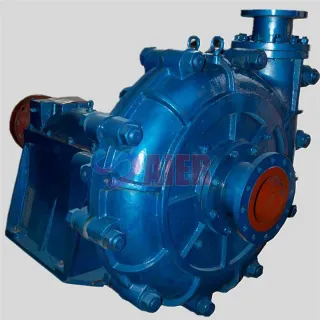
WG High Head Slurry Pump
-
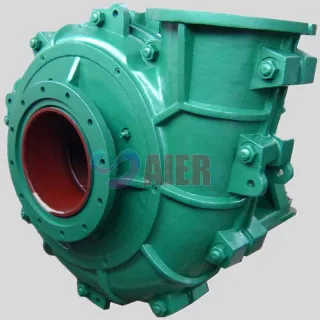
WL Light-duty Slurry Pump
-
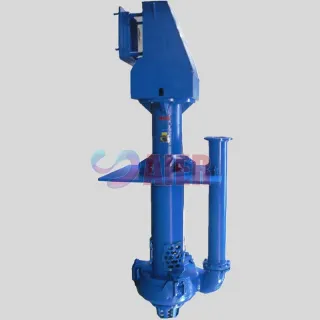
WY Sump Pump
-
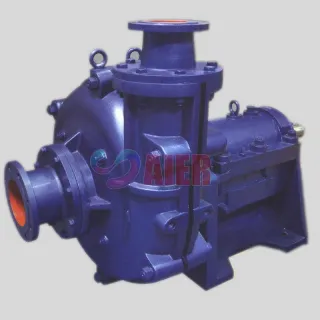
WZ High Katleho ea Slurry Pump
-
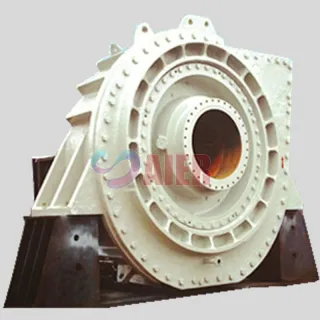
WN Dredge Pump
-
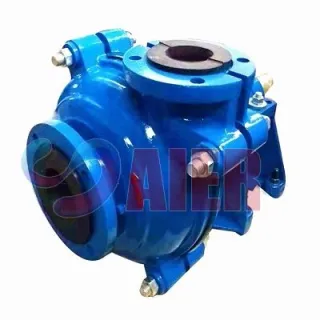
WAJ Rubber Slurry Pump
-
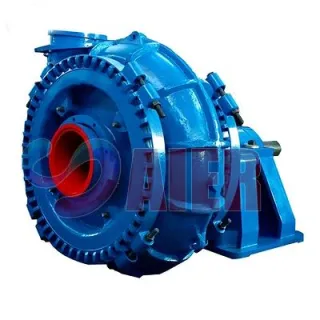
WS, WSG Pompe ea Lehlabathe la Lehlohlojane
-
WS, WSH Pompo ea Tharollo
-
WY Sump Pump
-
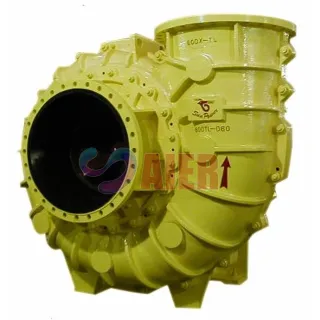
TL, TLR FGD Pompo
-
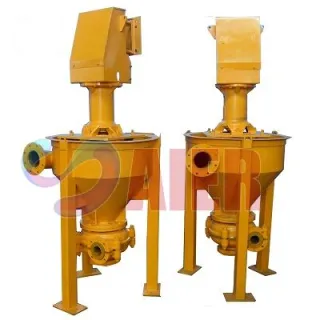
WP Vertical Froth Pump
-
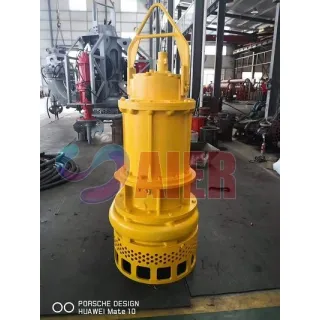
ZJQ Submersible Slurry Pumps
-
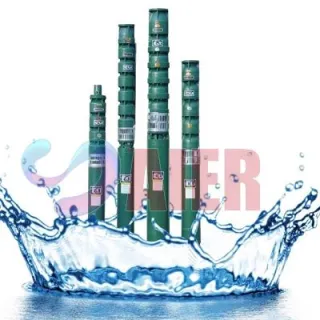
QJ Submersible PUMP
-
ACT (ZCT) Lipompo tsa Ceramic Slurry
-
BCT Ceramic Slurry Pumps