
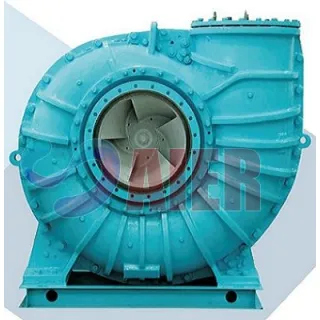
WA Boima-mosebetsi Slurry Pump
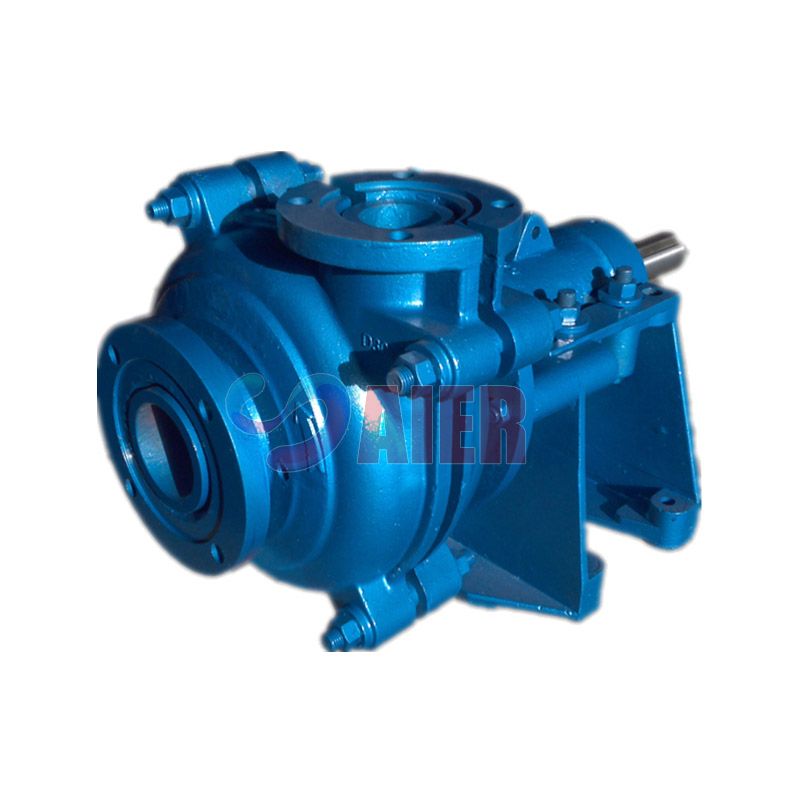
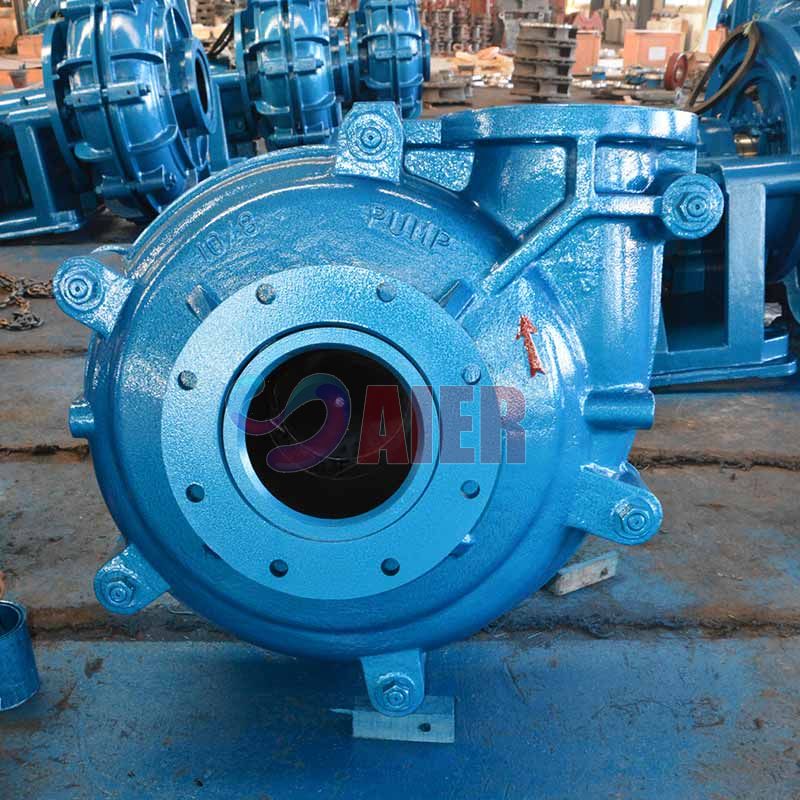
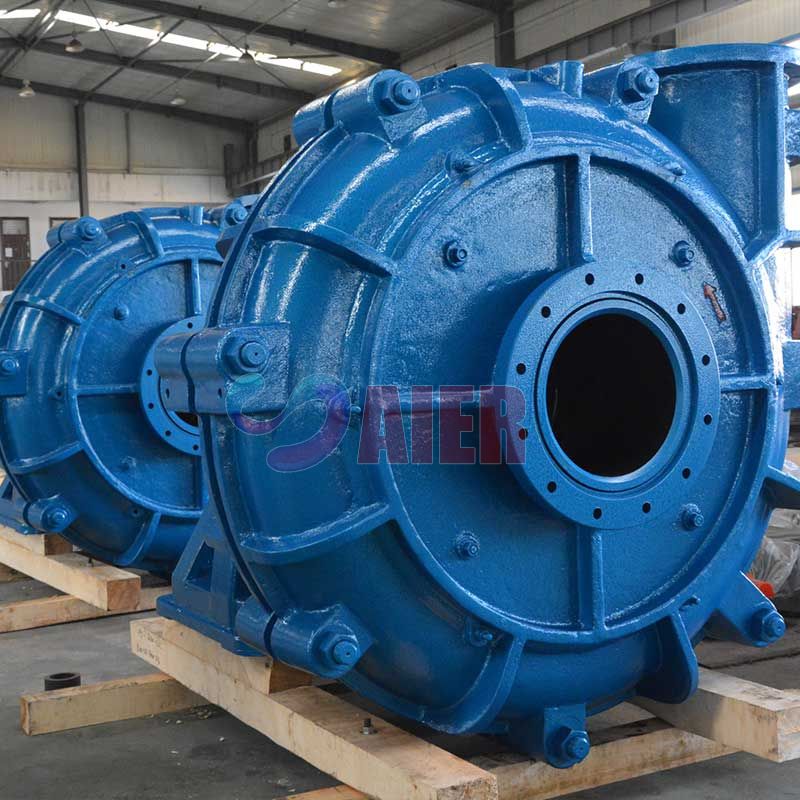
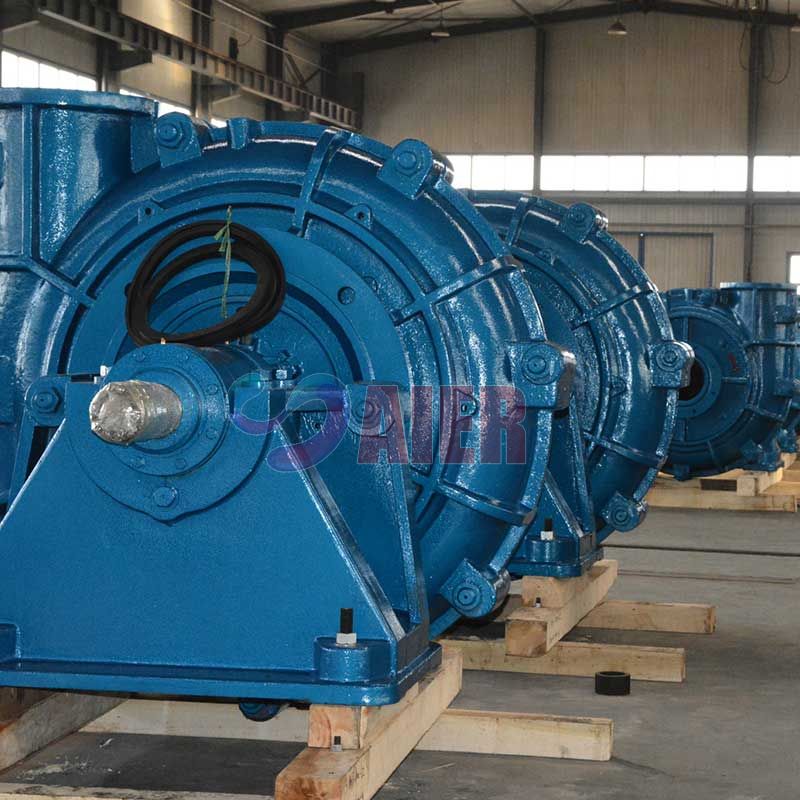
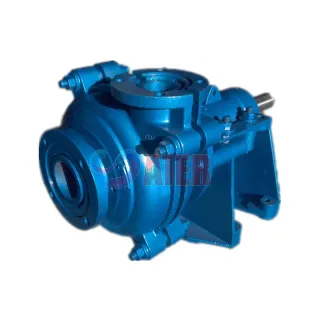
Pompo e boima ea slurry pump ke eng?
WA series heavy duty slurry pump e kentse cantilevered, e rapameng, rabara ea tlhaho kapa tšepe e thata e kentsoeng. lipompo tsa centrifugal slurry. Li etselitsoe ho sebetsana le li-slurries tse abrasive, tse phahameng haholo lefapheng la metallurgical, merafo, mashala, matla, thepa ea mohaho le lefapha le leng la indasteri.
Litlhaloso tsa pompo ea mosebetsi o boima
Boholo: 1 "ho isa ho 22"
Bokhoni: 3.6-5400 m3 / h
Hlooho: 6-125 m
Lintho tse tiileng tsa letsoho: 0-130mm
Tekanyo: 0%-70%
lintho tse bonahalang: Hyper chrome alloy, Rubber, polyurethane, Ceramic, Stainless steel joalo-joalo.
AIER® WA Heavy Duty Slurry Pump
Likarolo tsa pompo ea slurry
1. Letlapa la foreime bakeng sa lipompo tsa letoto la WA le na le tšepe e thata e feto-fetohang kapa li-elastomer tse entsoeng ka khatello. Li-impellers li entsoe ka tšepe e thata kapa li-elastomer liner tse entsoeng ka khatello.
2. Litiiso tsa shaft bakeng sa letoto la WA e ka ba ho paka tiiso, tiiso ea centrifugal kapa tiiso ea mochini.
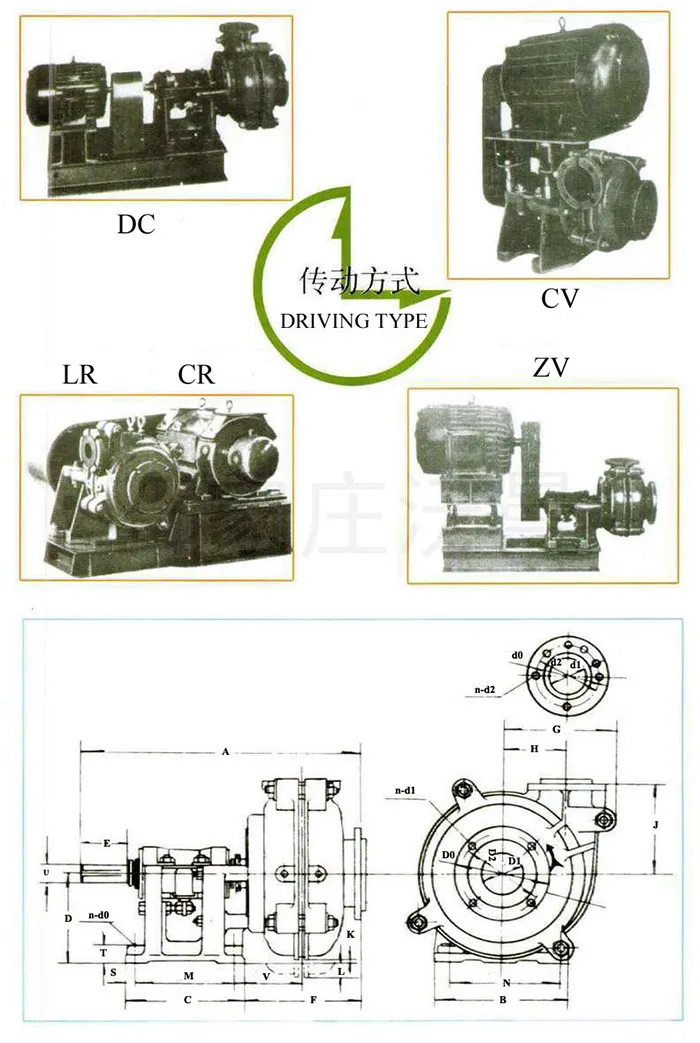
3. Lekala la phallo le ka beoa ka linako tse ling tsa likhato tse 45 ka kopo le ho lebisoa maemong afe kapa afe a robeli ho lumellana le lits'ebetso le lits'ebetso. Ho na le mekhoa e mengata ea ho khanna bakeng sa khetho, joalo ka V-belt, flexible coupling, gearbox, hydraulic coupler variable frequency, silicon e laoloang lebelo, joalo-joalo Har'a bona, mochine o feto-fetohang oa shaft coupling drive le V-belt tšobotsi ea theko e tlaase le ho kenya habonolo.
4. In harsh conditions with sand, sludge, rocks and mud, ordinary slurry pumps tend to clog, wear and fail frequently.. But our heavy-duty slurry pumps are highly resistant to wear and corrosion, which means that the bophelo ba tšebeletso ea lipompo tsa rona tsa slurry e betere ho feta lipompo tsa bahlahisi ba bang.
Lipompompo tsa mosebetsi o boima li sebelisoa hangata
Hobane lipompo tsa rona tsa WA heavy duty slurry pumps li hanana haholo le ho roala le ho bola, lipompo tsa mosebetsi o boima li sebelisoa mefuteng e mengata e fapaneng.
1. Ho tsoa ha leloala la SAG, ho tsoa ha leloala la bolo, Ho tsoa ha Rod mil.
2. Ni acid slurry, lehlabathe le mahoashe, mehatla e mahoashe, matrix a phosphate, liminerale li tsepamisa maikutlo.
3. Mecha ea litaba e boima, li-sugar beet, dredging, tlase / fofa molora, ho sila kalaka, lehlabathe la oli, lehlabathe la liminerale, li-tailings tse ntle, slag granulation, phosphoric acid, mashala, flotation, lik'hemik'hale tsa lik'hemik'hale, makhasi le pampiri, FGD, phepelo ea leholiotsoana, joalo-joalo. .
Lipompom notation
| 200WA-ST: | 100WAJ-D: |
| 200: Bophara ba phallo: mm | 100: Bophara ba phallo: mm |
| WA: Mofuta oa pompo: motsoako oa chrome o kentsoeng | WAJ: Mofuta oa pompo: rabara e kentsoeng |
| ST: Mofuta oa poleiti ea foreimi | D: Mofuta oa poleiti ea foreimi |
Ho ithuta ho rarolla mathata a hau a ho pompa, iteanye le rona today! We are the slurry pump manufacturer that can help you solve your problems.
Moqapi oa Kaho
|
|
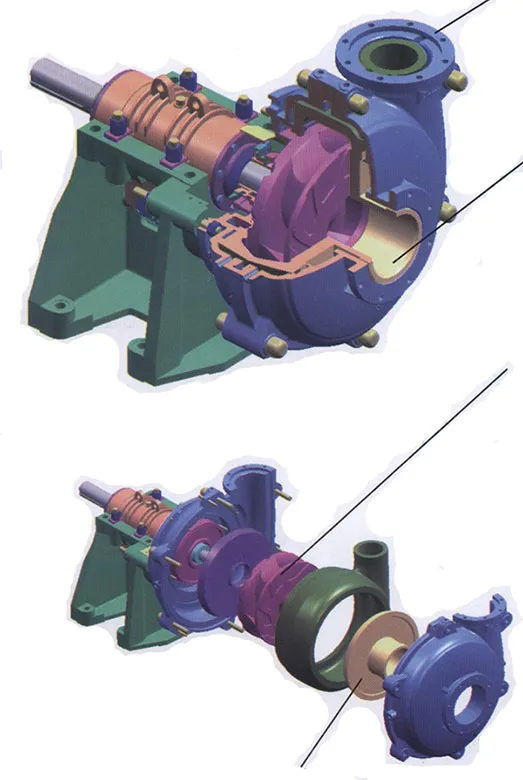
Casing Halofo e arohaneng ea casing ea tšepe e entsoeng ka tšepe kapa ea ductile e na le lithapo tsa ho roala 'me e fana ka matla a matla a ho sebetsa.
Litšepe tse thata tse feto-fetohang le li-elastomer liner tse bōpiloeng |
|
Impeller Impeller e ka 'na ea e-ba e entsoeng ka elastomer kapa tšepe e thata. Li-vanes tse tebileng tsa ho koala li fokotsa khatello ea tiiso le ho fokotsa ho potoloha hape. Likhoele tsa li-cast-in li loketse hantle bakeng sa li-slurries. |
Mating faces in hard metal liners are tapered to allow positive alignment during assembly and allow components to be easily removed for replacement.
Pompo Karolo ea Boitsebiso
| Karolo Lebitso | Lintho tse bonahalang | Tlhaloso | HRC | Kopo | OEM Code |
| Liner & Impeller | Tšepe | AB27: 23% -30% tšepe e tšoeu ea chrome | ≥56 | E sebelisoa bakeng sa boemo bo phahameng ba ho apara ka pH pakeng tsa 5 le 12 | A05 |
| AB15: 14% -18% tšepe e tšoeu ea chrome | ≥59 | E sebelisoa bakeng sa maemo a phahameng a ho roala | A07 | ||
| AB29: 27% -29% tšepe e tšoeu ea chrome | 43 | E sebelisoa bakeng sa boemo bo tlase ba pH haholo-holo bakeng sa FGD. E ka boela ea sebelisoa bakeng sa boemo bo bolila bo tlase le ho kenya desulfuration ka pH e seng ka tlase ho 4 | A49 | ||
| AB33: 33% -37% chrome tšepe e tšoeu | E ka tsamaisa slurry e nang le oksijene ka pH eseng ka tlase ho 1 joalo ka phospor-plaster, nitric acid, vitriol, phosphate joalo-joalo. | A33 | |||
| Rabara | R08 | ||||
| R26 | |||||
| R33 | |||||
| R55 | |||||
| Lesale la ho leleka le ho leleka | Tšepe | B27: 23% -30% chrome tšepe e tšoeu | ≥56 | E sebelisoa bakeng sa boemo bo phahameng ba ho apara ka pH pakeng tsa 5 le 12 | A05 |
| Tšepe e putsoa | G01 | ||||
| Stuffing Lebokose | Tšepe | AB27: 23% -30% tšepe e tšoeu ea chrome | ≥56 | E sebelisoa bakeng sa boemo bo phahameng ba ho apara ka pH pakeng tsa 5 le 12 | A05 |
| Tšepe e putsoa | G01 | ||||
| Frame/Letlapa la sekoahelo, ntlo e behang le setsi | Tšepe | Tšepe e putsoa | G01 | ||
| Tšepe ea ductile | D21 | ||||
| Shaft | Tšepe | Tšepe ea carbon | E05 | ||
| Mokotla oa letsoho, selikalikoe sa lantern/rectrictor, reng ea molala, bolt ea tšoelesa | Ts'epe e sa beng le mabali | 4Kr13 | C21 | ||
| 304 SS | C22 | ||||
| 316 SS | C23 | ||||
| Mehele e kopaneng & litiiso | Rabara | Butyl | S21 | ||
| EPDM rabara | S01 | ||||
| Nitrile | S10 | ||||
| Hypalon | S31 | ||||
| Neoprene | S44/S42 | ||||
| Viton | S50 |
Moralo oa Mojule oa Phetiso
|
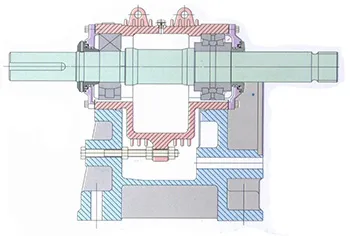
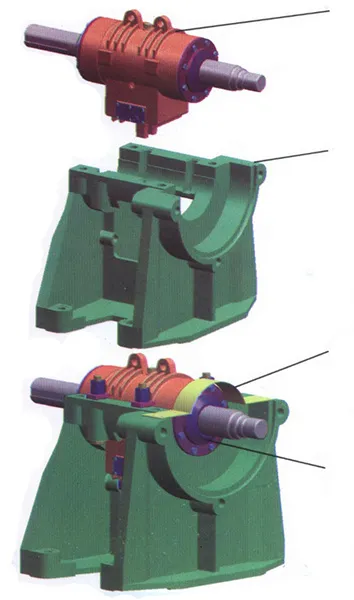
Sekhahla se seholo sa pompo, se cylindrical Ho haha moroalo o boima, ho beha metric ho sebelisa lubrication ea oli kapa lubrication ea mafura; e butsoe ka serial, likarolo tsa kaho tsa molumo o monyenyane le ho tšepahala ho phahameng. |
 |
 |
Kopano ea ho Bearing Shaft Shaft e kholo ea bophara e nang le overhang e khutšoane e fokotsa ho kheloha le ho thothomela. Lirolara tse boima li behiloe ka har'a khatriji e belehang. Motheo oa Pompo Fasten pompo botlaaseng ka palo e fokolang ea liboutu 'me u fetole impeller sebakeng se loketseng ka tlase ho ntlo ea ho jara. Sekoaelo sa metsi se thibela metsi a lutla hore a se ke a fofa. Sekoaelo sa ts'ireletso se thibela ho lutla ha metsi ho tsoa ka har'a bracket e behang.
|
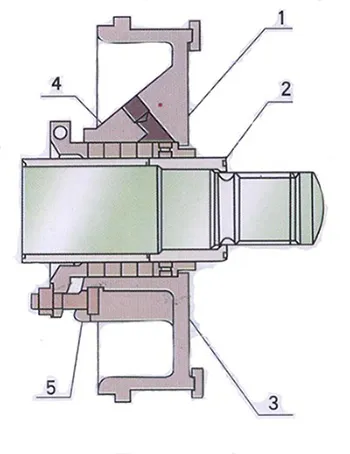
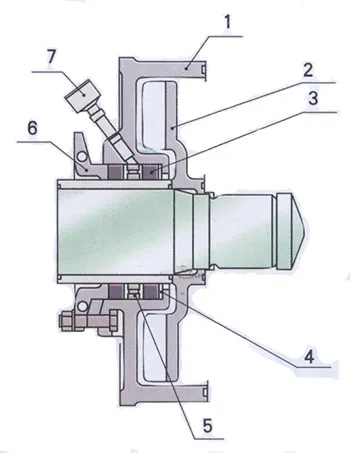
Moralo oa Shaft Seal Module
 |
1. Lebokose la ho Paka 2. Leseli la Lebone le ka Pele 3. Ho paka 4. Packing Gland 5. Sleeve ea Shaft |
|
1. Hlakola Gland 2. Moleleki 3. Ho paka 4. Ho paka Gasket 5. Leseli la Lantern 6. Packing Gland 7. Mohope oa Oli |
 |
 |
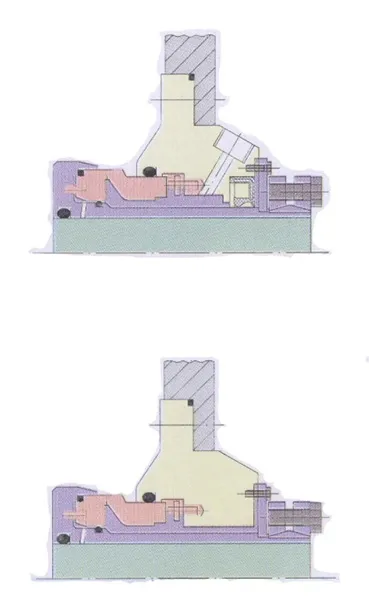
GRJ Mechanical Tiiso Mofuta oa GRG o sebelisetsoa mokelikeli o sa lumelloeng ho hlapolloa. HRJ Mechanical Tiiso Mofuta oa HRJ o sebelisetsoa ho hlapolla metsi a lumelletsoeng. Li-ceramic tse thata le lilekane li amoheloa bakeng sa lisebelisoa tsa likarolo tsa likhohlano. E na le khanyetso e phahameng ea abrasive & bopaki ba ho sisinyeha ho netefatsa hore phello ea ho tiisa e ka khotsofatsoa ke moreki maemong a fapaneng.
|
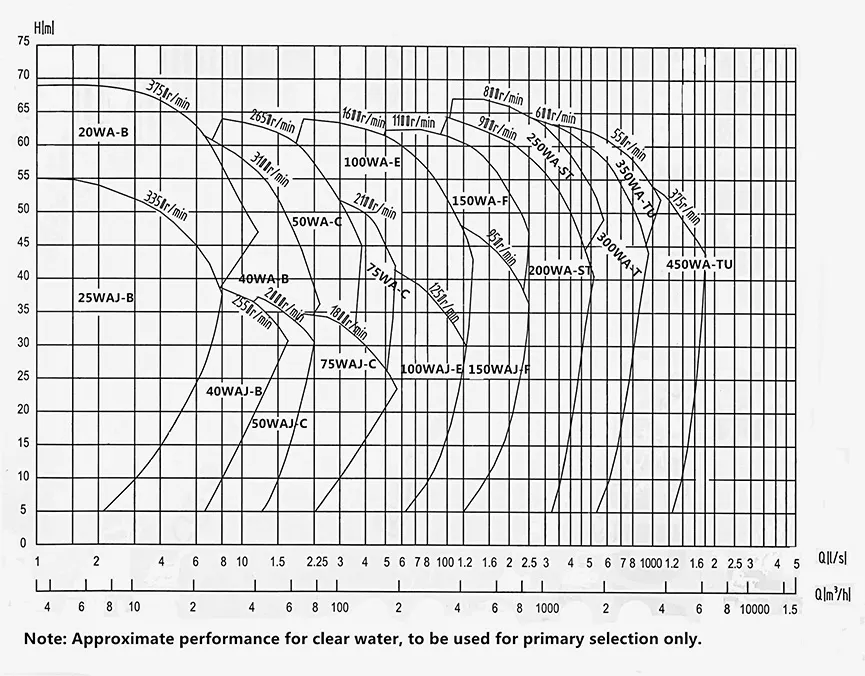
Mokokotlo wa Tshebetso
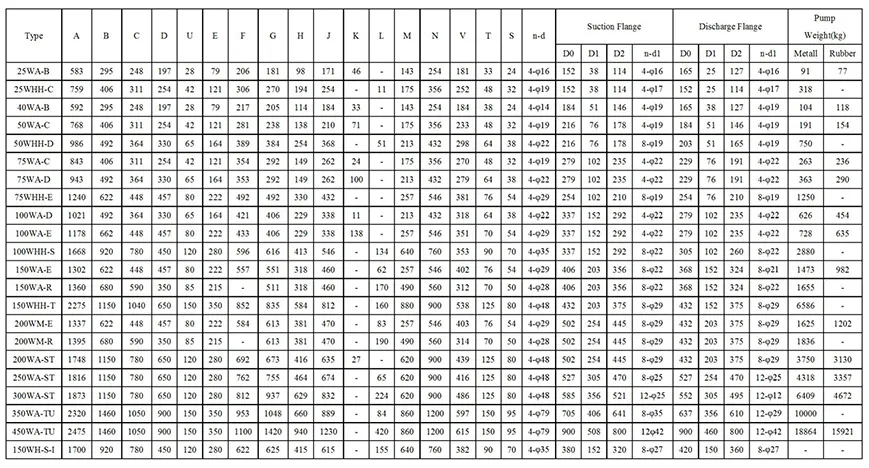
Litekanyo tsa ho kenya
Khetho ea Slurry Pump Impeller
Slurry pump impeller is one of the most important parts of centrifugal slurry pumps. Depending on the application, slurry pump impeller selection is crucial to slurry pump performance. Slurry applications can be especially hard on the impeller of slurry pumps because of their abrasive nature. In order slurry pumps operates efficiently and stand up to the test of time, impeller has to be selected properly for slurry pumps.
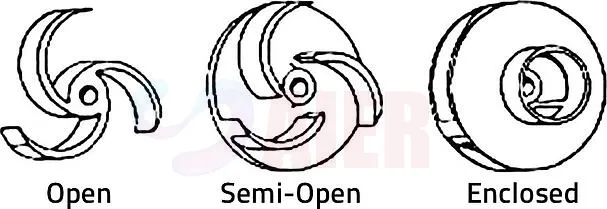
1. Mofuta oa Slurry Pump Impeller
Ho na le mefuta e meraro e fapaneng ea li-impellers tsa pompo ea slurry; bula, butle, le halofo-butsoe. E 'ngoe le e' ngoe e na le matla le mefokolo ea eona, ho itšetlehile ka tšebeliso. Tse ling li molemo bakeng sa ho sebetsana le lintho tse tiileng, tse ling li molemo bakeng sa ts'ebetso e phahameng.
Any type of impeller can be used in slurry applications, but closed slurry pump impellers are more common because they are high efficient and abrasion Resistance,. Open slurry pump impellers are usually used well for high concentration solids as they are less likely to clog. For example, the small fibers in paper stock which, in high densities, may have a tendency to clog the impeller. Pumping slurry can be difficult.
2. Slurry Pump Impeller Size
The size of slurry pump impeller must be considered to ensure it holds up against abrasive wear. Slurry pump impellers are generally larger in size when compared to slurry pumps for less abrasive liquids. The more “meat” the impeller has, the better it will hold up to the task of pumping harsh slurry mixtures. Just think of slurry pump impeller as a football team’s offensive line. These players are usually large and slow. Throughout the whole game they are beaten up, over and over again, but expected to withstand the abuse. You wouldn’t want small players in this position, just like you wouldn’t want a small impeller on your slurry pumps.
3. Slurry Pump Lebelo
Process speed doesn’t have anything to do with choosing slurry pump impeller, but it does have an effect on the life of slurry pump impeller. It is important to find the sweet spot that allows the slurry pump to run as slow as possible, but fast enough to keep solids from settling and clogging. If pumping too fast, the slurry can quickly erode the impeller due to its abrasive nature. This is why it is important to select a larger impeller if possible.
When dealing with slurry, you generally want to go bigger and slower. The thicker the impeller, the better it will hold up. The slower the pump, the less erosion will inflict on the impeller. However, the impeller isn’t the only thing to worry in slurry pump when dealing with slurry. Tough, durable materials of construction are necessary most of the time. Metal slurry pump liners and wear plates are common in slurry applications.
Ho kenngoa ha Slurry Pump
Ho kenya Horizontal Slurry Pump
The mounting and installation of horizontal slurry pumps are generally subject to a number of considerations, including floor space, overhead space for lifting and the likelihood of flooding from spills. Pumps in critical services are often paired in duty/standby mode so that maintenance can be carried out on one pump while the other is running.
Large slurry pumps with high-energy motors - and perhaps with speed reduction gearboxes - would generally be mounted with the shaft axes in the same horizontal plane for ease of maintenance access.
A slurry pump with a belt drive may have the motor mounted beside it if there is sufficient floor space. However, if floor space is limited or there is a risk of flooding, the motor can be mounted above it either directly overhead (also known as “C drive”) or to its rear (reverse overhead mounting or “Z drive”).
Vertical Slurry Pump Installation
Vertical cantilever shaft sump pumps should be selected so that the suction inlet is close to the sump floor. If shaft length is limited by the required running speed and power to be transmitted, a suction pipe (generally two meters long) may be fitted to the suction branch to ensure the sump can be emptied.
Understanding Heavy Duty Slurry Pumps and Their Industrial Applications
A heavy duty slurry pump is a specialized pumping solution designed to handle highly abrasive and dense slurries in demanding industrial applications. Unlike standard pumps, these heavy-duty units are engineered to provide durability, high efficiency, and long operational life in challenging conditions. The structural design of a heavy duty slurry pump includes robust casings, wear-resistant impellers, and reinforced shafts that allow it to manage slurries containing coarse particles, sand, gravel, and mineral residues without excessive wear.
The industrial slurry pump is widely used across multiple sectors, including mining, coal preparation, metallurgical processing, and chemical industries. In mining operations, it efficiently transports slurry from excavation sites to processing facilities, managing high particle loads without compromising flow rates. In coal washing and processing plants, heavy duty slurry pumps handle thick mixtures of coal and water, maintaining continuous operation under severe abrasion conditions.
Metallurgical plants benefit from heavy duty slurry pumps by moving corrosive and abrasive process fluids such as tailings, smelting residues, and acidic solutions. The pump’s materials, typically high-chrome alloys or specialized metals, provide excellent wear resistance and corrosion protection. This ensures consistent operation and reduces downtime, which is crucial for industrial processes with tight production schedules.
A reliable slurry pump supplier will offer pumps with modular designs, allowing for easy replacement of wear parts like impellers and liners. This minimizes maintenance costs and downtime, enhancing productivity in demanding industrial environments. Furthermore, many industrial slurry pumps come in different configurations, including horizontal, vertical, and high-capacity models, enabling customization for specific applications.
In addition to industrial use, heavy duty slurry pumps are critical in water treatment and dredging operations where solid-laden fluids need to be transported efficiently. Their robust construction, combined with advanced hydraulic design, allows them to handle large flow volumes and high concentrations of solids, ensuring reliable performance across all applications.
In summary, a heavy duty slurry pump is a durable, efficient, and versatile solution for handling abrasive and corrosive slurries in various industrial sectors. Partnering with a professional slurry pump supplier ensures access to high-quality pumps that meet operational demands and provide long-term reliability.
Key Advantages of Heavy Duty Slurry Pumps in Abrasive Environments
Heavy duty slurry pumps are specifically designed to withstand the challenges posed by abrasive and corrosive industrial fluids. Their key advantage lies in their ability to operate efficiently under extreme wear conditions while maintaining high flow and pressure. Unlike standard pumps, heavy duty models use wear-resistant materials such as high-chrome iron or stainless steel alloys, which dramatically reduce the effects of erosion from solid particles in slurries.
In highly abrasive environments, such as mining and mineral processing, these pumps can handle slurries with high solids content and large particle sizes. This ensures consistent flow rates without frequent repairs or maintenance shutdowns. Choosing a heavy duty slurry pump from a reputable slurry pump supplier guarantees enhanced durability and reliability in these challenging conditions.
Another advantage is the robust structural design. Industrial slurry pumps are reinforced with thick casings, optimized impeller geometry, and heavy-duty shafts that resist bending and wear. This allows for continuous operation in industrial environments with abrasive fluids, reducing downtime and maintenance costs. Additionally, many pumps are designed with modular components, enabling easy replacement of worn parts such as liners and impellers, which extends the pump’s operational lifespan.
The adaptability of heavy duty slurry pumps also sets them apart. They are available in horizontal and vertical configurations and can be customized for specific flow rates, head requirements, and slurry characteristics. This flexibility makes them suitable for a wide range of applications, from transporting tailings in mining operations to moving chemical slurries in metallurgical plants.
Energy efficiency is another significant advantage. The optimized hydraulic design of these pumps ensures high efficiency even under abrasive conditions, reducing power consumption and operational costs. Industrial facilities that rely on industrial slurry pumps can achieve long-term savings while maintaining reliable performance.
In conclusion, heavy duty slurry pumps offer unmatched durability, wear resistance, and operational efficiency in abrasive environments. By sourcing from a qualified slurry pump supplier, industries can ensure reliable performance, reduced maintenance, and cost-effective operation over extended periods.
Comparing Heavy Duty Slurry Pumps vs Standard Slurry Pumps
When selecting a pump for industrial slurry applications, understanding the differences between heavy duty slurry pumps and standard slurry pumps is essential. Heavy duty pumps are engineered for extreme conditions, whereas standard pumps are suitable for less abrasive and lower solids concentration environments.
A heavy duty slurry pump typically features reinforced casings, high-strength shafts, and wear-resistant impellers made from high-chrome alloys or stainless steel. In contrast, standard slurry pumps often use less durable materials that are prone to rapid erosion when handling abrasive slurries. This material difference directly impacts the lifespan and reliability of the pump in demanding applications.
Another critical difference is the capacity to handle high solids content. Heavy duty pumps can transport slurries containing large particles, high concentrations of solids, and abrasive mixtures, making them ideal for mining, mineral processing, and coal preparation. Standard pumps are limited in this regard and may experience frequent clogging or wear if used beyond their specifications.
Maintenance requirements also vary. A heavy duty slurry pump is designed for modular replacement of wear components such as liners, impellers, and bearings, which reduces downtime and simplifies servicing. Standard pumps may require more frequent overhauls or complete replacements, increasing operational costs and reducing productivity. Partnering with a professional slurry pump supplier ensures access to high-quality heavy duty pumps and replacement parts, optimizing long-term performance.
Finally, heavy duty pumps are often optimized for higher flow rates and pressures, allowing them to handle more demanding industrial processes efficiently. Standard pumps, while sufficient for lighter applications, may struggle under extended operation in high-load environments.
moetsi oa pompo ea submersible ea centrifugal
China submersible pompo moetsi
moetsi oa pompo ea submersible ea motlakase
moetsi oa pompo e ka tlas'a metsi
moetsi oa karolo ea pompo e ka tlas'a metsi
moetsi oa pompo ea pompo ea metsi
moetsi oa lipompo tse kenang ka tlas'a metsi
moetsi oa pompo ea likhoerekhoere
moetsi oa pompo ea metsi ka tlas'a metsi
moetsi oa pompo ea seliba se ka tlas'a metsi
Lihlopha tsa lihlahisoa
-
WA Boima-mosebetsi Slurry Pump
-
WG High Head Slurry Pump
-
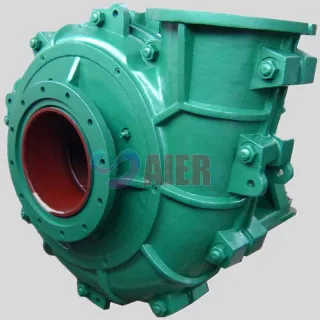
WL Light-duty Slurry Pump
-
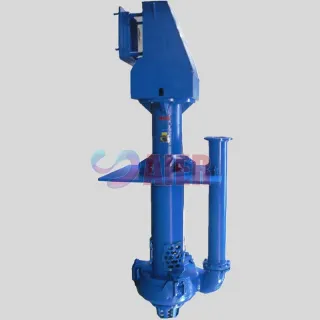
WY Sump Pump
-
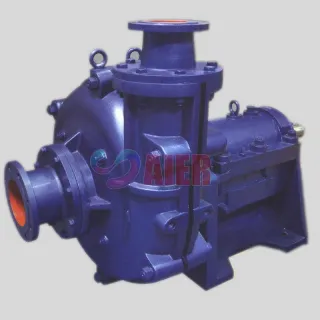
WZ High Katleho ea Slurry Pump
-
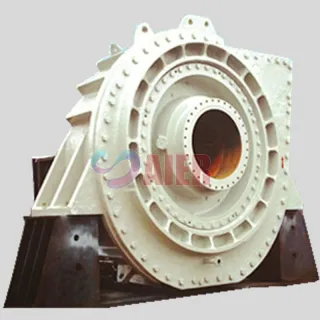
WN Dredge Pump
-
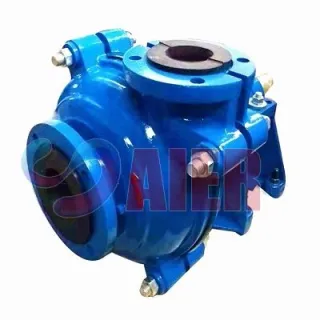
WAJ Rubber Slurry Pump
-
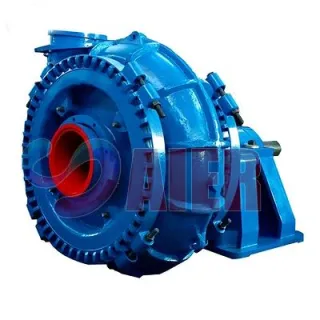
WS, WSG Pompe ea Lehlabathe la Lehlohlojane
-
WS, WSH Pompo ea Tharollo
-
WY Sump Pump
-
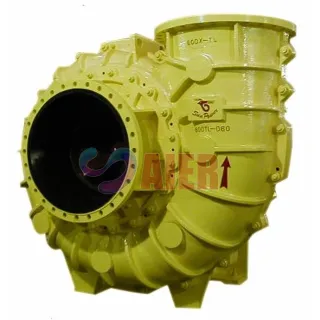
TL, TLR FGD Pompo
-
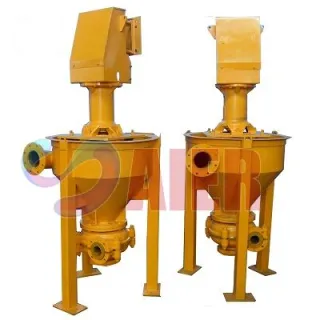
WP Vertical Froth Pump
-
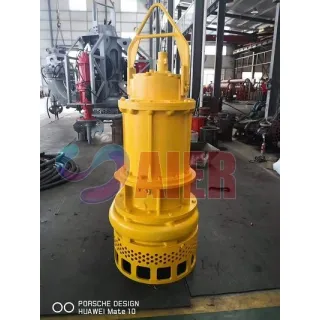
ZJQ Submersible Slurry Pumps
-
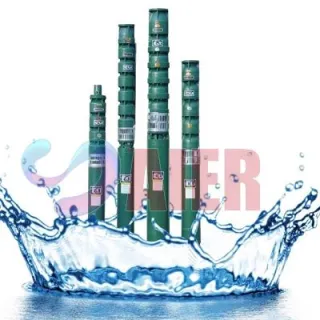
QJ Submersible PUMP
-
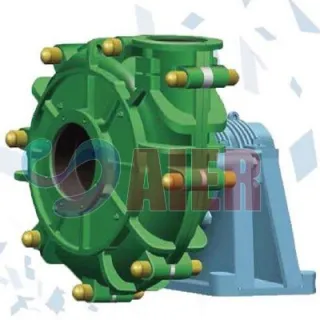
ACT (ZCT) Lipompo tsa Ceramic Slurry
-
BCT Ceramic Slurry Pumps