
QJ Submersible PUMP
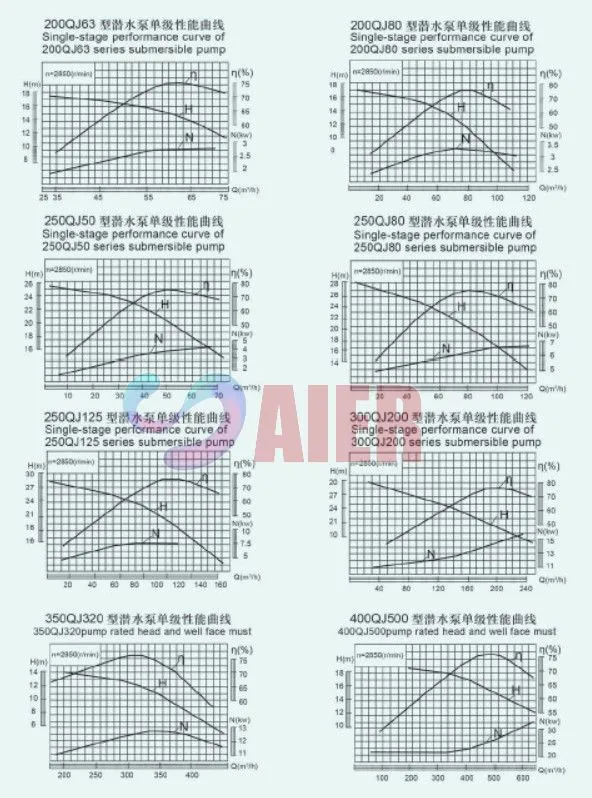
Tlhaloso ea Sehlahisoa
Tlhaloso e Akaretsang
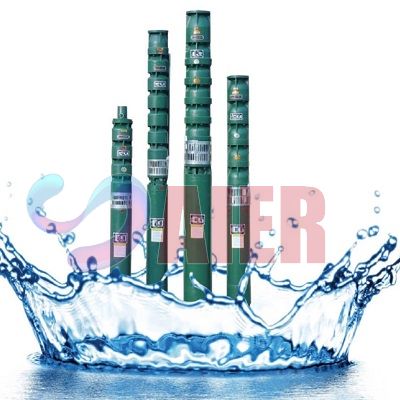
Pompo ea metsi e tlase ea QJ e sebelisoa haholo bakeng sa ho tsamaisa metsi ho tsoa selibeng se tebileng le ho matlafatsa 'me e sebelisoa haholo ho nosetsa masimong, ho ntša metsi libakeng tsa litoropo le mahaeng le merafong le likhoebong tsa indasteri le mesebetsi ea ho baballa metsi ho kenyelletsa letamo, seliba, sistimi ea pholiso le spa joalo-joalo. .Likarolo tse ka sehloohong ke tse latelang: Ka mokhoa o bonolo oa ho sebelisa, ho kenya habonolo, tlhokomelo e bonolo, ts'ireletso ea tikoloho joalo-joalo Melemo, pompo ea ho qoela ea motlakase e bokellang motlakase le pompo ea metsi e ka sebetsa ka metsing 'me e loketse ho e sebelisa le ho e lokisa.
Baetsi ba Lipompo tsa Metsi tse ka Behang
Re baetsi ba litsebi ba lipompo tse ka tlas'a metsi Chaena. Ntle le lipompo tsa metsi, re boetse re fana ka lipompo tse sa tšoaneng tsa slurry, lipompo tsa lehlohlojane, lipompo tsa desulfurization, joalo-joalo Ho ea ka likōpo tse fapaneng, re ka fana ka lihlahisoa tse nang le lisebelisoa tse fapaneng tse kang ho lahla tšepe e sa hloekang, mochine oa khatiso o sa tsitsang, ho lahla boronse, ho lahla tšepe e hlakileng, ho lahla lintho tse khethehileng tse thibelang kutu. Pompo e tlameha ho ba thata ka bophara ba kantle, kahoo maemo a joalo ka ho lutla ha motlakase le tšilafalo ea metsi a ke ke a etsahala.
Litlhaloso
Boholo (ho lahla): 4 "ho isa ho 16"
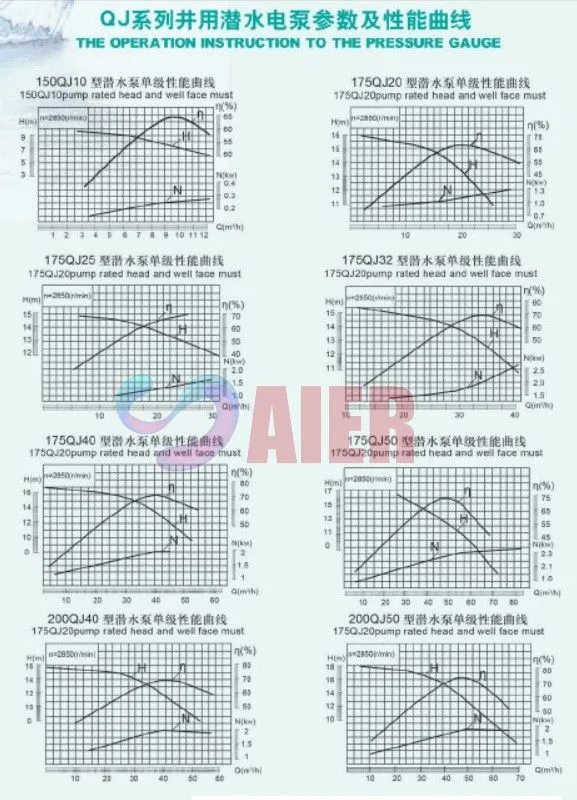
Matla: 2-500m3 / hora
Hlooho: 10m-500 m
Matla a ntlo: 0.75-450kw
lintho tse bonahalang: Cast Iron, Bronze, Stainless steel jj
AIER® QJ Submersible Pump
Maemo a Tšebeliso
①Matla: 380V/3-mohato oa AC, 50Hz
②Boleng ba metsi:
A. Thempereichara ea metsi e ka tlase ho 20 ℃ (e phahameng ho hanyetsa mocheso 80 ℃)
B. Litaba tse tiileng li ka tlase ho 0.01% (ho itšetlehile ka boleng)
C. PH 6.5-8.5
D. Likahare tsa hydrogen sulfide li ka tlase ho 1.15mg/l
E. Litaba tsa oxide ion li ka tlase ho 400mg/l
③Karolo e ka hare ea enjene e ka tlas'a metsi e tlameha ho tlala metsi a hloekileng le pompo e ka tlas'a metsi e tlameha ho qoelisoa ka matla ho ea sebetsa.
④Botebo ba ho nyoloha ha boa lokela ho feta 20% ea hlooho e lekantsoeng ea pompo ea metsi le sefahleho sa seliba se tlameha ho ba boreleli le ho otloloha.
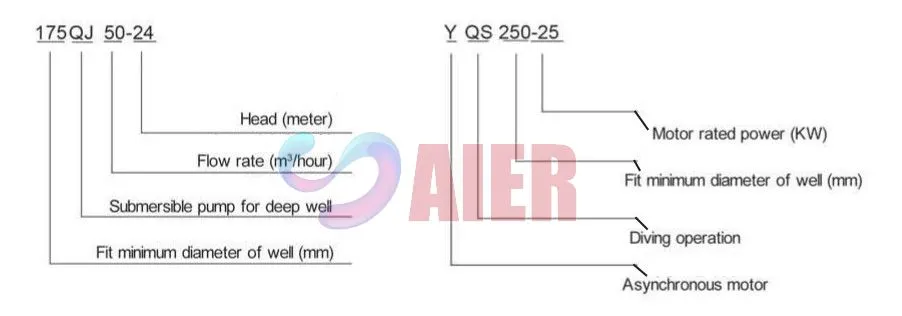
Mofuta oa Notation
Likarolo tse ka Sehloohong
1. Enjene e metsi ka tlas'a metsi. Kamore ea enjene e tlameha ho tlatsoa ka metsi a hloekileng a sebelisetsoang ho pholisa enjene le ho tsamaisa mafura. Filimi e laolang motlakase botlaaseng kapa enjene e sebelisetsoa ho lokisa phapang ea khatello le ho atolosoa ha metsi karolong e ka hare ea enjene e bakoang ke liphetoho tsa mocheso oa enjene.
2. E le ho thibela lithollo tsa lehlabathe tse tsoang selibeng hore li se ke tsa kena karolong e ka hare ea enjene, ho kenngoa oli e ka holimo ea litiiso tse kenngoeng ka morao ebe ho kenngoa lesale le le leng.
3. Ho thibela shaft ea pompo ea metsi hore e se ke ea qhoma, shaft ea pompo ea metsi le shaft ea motor li hokahanngoa ka ho kopanya 'me ho lokela ho kenngoa karolo e ka tlas'a motlakase.
4. Metsi a tlotsa motlakase le pompo ea metsi.
5. The submersible enjene lithapo matsoelintsoeke sebelisoa bakeng sa stator matsoelintsoeke. Kahoo e insulates hantle
6. The centrifugal impeller le vertical blower inlet casing li sebelisoa bakeng sa target="_blank">pompo ea metsi mme sebopeho se bonolo.
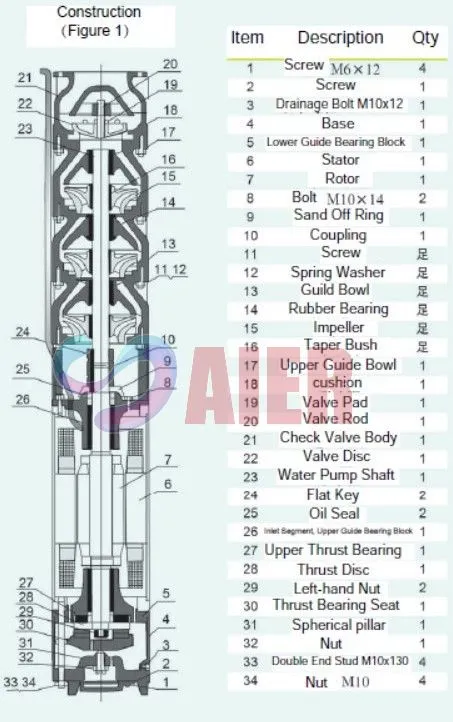
Setšoantšo sa kaho
QJ submersible pump e na le ntlha ea phepelo, shaft ea pompo ea metsi, impeller, blower inlet casing, rubber bear, cheque valve (khetho) joalo-joalo. , stator, stator winding, rotor, tataiso e ka holimo, bearing block, sand off ring, outlet cable, joalo-joalo.
Mokokotlo wa Tshebetso
Advantages of Using Submersible Water Pumps for Continuous Operation
A submersible water pump is a highly efficient and durable pumping solution designed to work entirely underwater, making it ideal for applications requiring continuous operation. Unlike surface-mounted pumps that rely on suction, a submersible pump pushes water upward through direct contact with the liquid, resulting in higher efficiency, less energy loss, and better performance in harsh environments.
One of the most significant advantages of submersible water pumps is their energy efficiency. Because they operate directly in the fluid, there is no air leakage or suction head loss, which means the pump converts more motor energy into hydraulic power. This makes submersible pumps extremely effective in deep wells, reservoirs, and dewatering systems where long-term operation is essential. Leading submersible water pump manufacturers often equip their pumps with advanced motors featuring high-efficiency windings and low energy consumption for round-the-clock operation.
Another major benefit is the quiet and vibration-free operation. Since the entire pump is submerged underwater, the surrounding fluid dampens sound and vibration. This makes submersible pumps suitable for residential, municipal, and industrial applications where noise control is important—such as building basements, urban drainage systems, and cooling water circulation.
In addition, submersible water pumps are known for their excellent anti-cavitation properties. Because they operate below the water surface, the risk of air bubbles forming at the impeller is greatly reduced. This prevents vapor lock, improves hydraulic stability, and minimizes wear on internal components. The constant immersion of the pump also ensures natural cooling for the motor, extending its service life even during extended operation.
Finally, submersible pumps are easy to install and maintain. Most modern models are designed with modular components, corrosion-resistant casings, and advanced sealing systems. This ensures long-lasting reliability in environments such as wastewater treatment, agriculture, mining, and chemical processing. When you choose a product from a reputable submersible water pump manufacturer, you can expect superior performance, reduced maintenance costs, and reliable operation—day after day.
Maintenance and Troubleshooting Tips for Submersible Water Pumps
Proper maintenance of a submersible water pump is essential for ensuring consistent performance, preventing failures, and maximizing operational lifespan. Since these pumps work entirely underwater, they must endure high pressure, varying temperatures, and possible contact with sediments or chemicals. Following a proactive maintenance plan can significantly extend the efficiency and reliability of your system.
The first step is routine inspection. Regularly check the power cable for cracks, fraying, or water ingress, as damaged insulation can cause short circuits. Next, examine the pump’s exterior for corrosion or debris buildup. Sediment accumulation can restrict water flow and reduce pump efficiency. Cleaning the suction strainer and impeller housing every few months helps maintain optimal performance.
A common issue in submersible pumps is reduced discharge flow. This can be caused by impeller wear, clogged intake screens, or partial blockage in the discharge line. If this happens, disconnect the pump, clean the impeller, and inspect for wear or imbalance. Replacing worn impellers or seals promptly prevents more serious mechanical damage.
The mechanical seal is one of the most critical components of a submersible water pump. It prevents water from entering the motor housing. Any leakage or oil contamination in the seal area indicates the need for immediate replacement. Additionally, monitor the bearing temperature and listen for unusual noises—these can signal excessive friction or bearing wear.
Leading submersible water pump manufacturers recommend checking motor insulation resistance periodically to prevent electrical faults. For pumps used in wastewater or industrial environments, schedule quarterly performance tests to track flow, head, and power consumption. If overheating occurs, it could be due to low voltage or excessive solids in the fluid; cleaning the pump and verifying electrical connections typically resolves these problems.
By maintaining your submersible water pump properly—keeping it clean, well-lubricated, and regularly inspected—you can reduce downtime, prevent costly repairs, and ensure reliable operation for years, even in continuous-use applications.
Key Features of High Quality Submersible Water Pumps
A high-quality submersible water pump is engineered for durability, efficiency, and versatility, making it suitable for use in various industries including construction, mining, agriculture, and wastewater management. Understanding the key features that define a superior submersible pump can help users select the best equipment for long-term operation.
The most important feature is robust material construction. Reputable submersible water pump manufacturers use stainless steel, cast iron, or high-chrome alloys to ensure resistance to corrosion, abrasion, and chemical attack. These materials protect the pump body and impeller from harsh conditions such as sewage, slurry, or seawater exposure. A well-built submersible pump can operate continuously even in environments with high sediment or chemical content.
Another key aspect is the advanced mechanical sealing system. Double mechanical seals made of silicon carbide or tungsten carbide prevent leakage and protect the electric motor from water intrusion. Combined with oil-filled motor chambers for cooling and lubrication, these systems ensure long-lasting reliability and smooth operation.
Efficiency is also a hallmark of a top-tier submersible water pump. Precision-engineered impellers and high-efficiency motors minimize energy consumption while delivering consistent flow and head performance. Built-in overload protection and thermal sensors help prevent damage from overheating or voltage fluctuations, ensuring safety in continuous-use environments.
In addition, modern submersible pumps feature modular and service-friendly designs. Easy-to-remove components allow for quick maintenance without dismantling the entire system, reducing downtime. Anti-clog impeller designs and self-cleaning flow channels further enhance reliability, especially in wastewater or industrial slurry applications.
Finally, certified submersible water pump manufacturers perform rigorous quality control and performance testing to guarantee every unit meets global efficiency and safety standards. When you choose a high-quality submersible pump, you’re investing in a machine that provides stable output, reduced maintenance costs, and decades of dependable operation across multiple industries.
Lihlopha tsa lihlahisoa
-
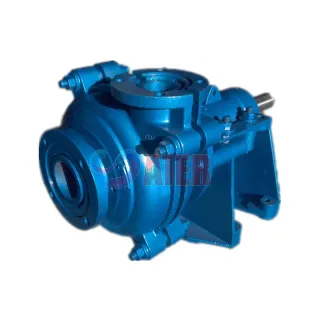
WA Boima-mosebetsi Slurry Pump
-
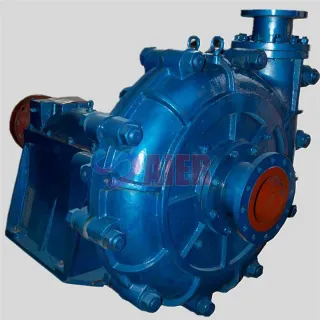
WG High Head Slurry Pump
-
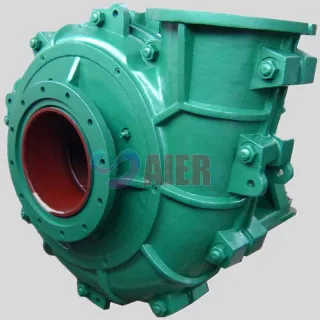
WL Light-duty Slurry Pump
-
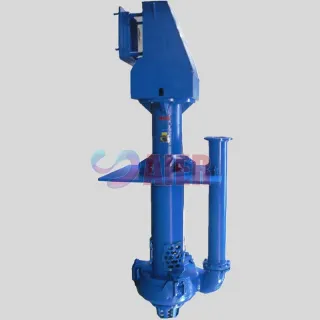
WY Sump Pump
-
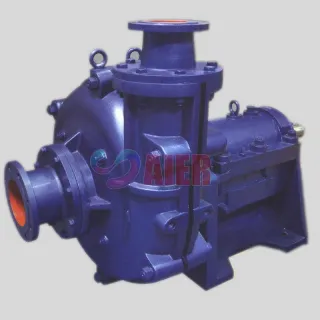
WZ High Katleho ea Slurry Pump
-
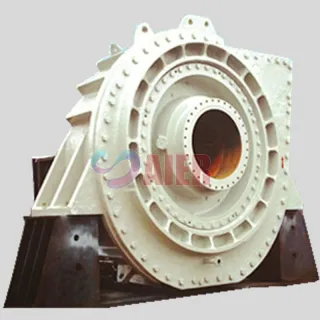
WN Dredge Pump
-
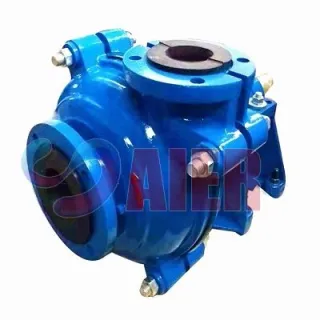
WAJ Rubber Slurry Pump
-
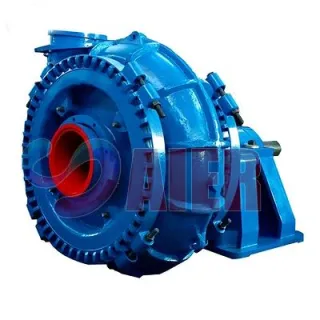
WS, WSG Pompe ea Lehlabathe la Lehlohlojane
-
WS, WSH Pompo ea Tharollo
-
WY Sump Pump
-
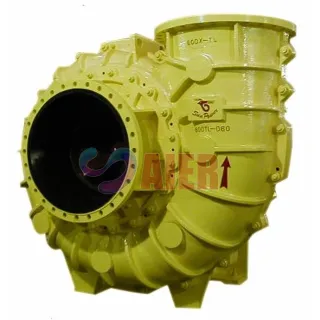
TL, TLR FGD Pompo
-
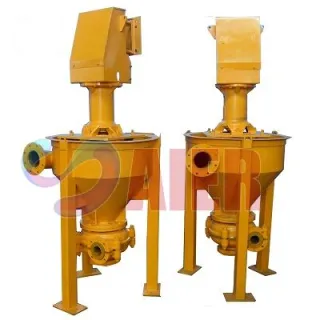
WP Vertical Froth Pump
-
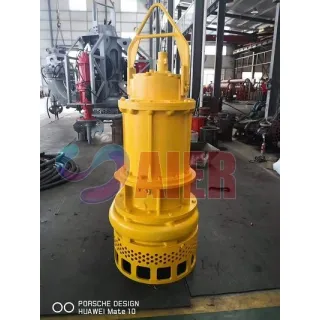
ZJQ Submersible Slurry Pumps
-
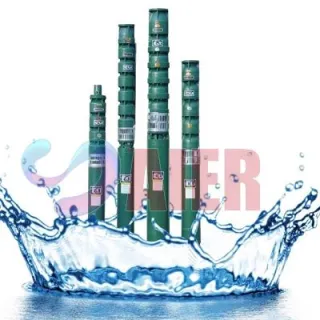
QJ Submersible PUMP
-
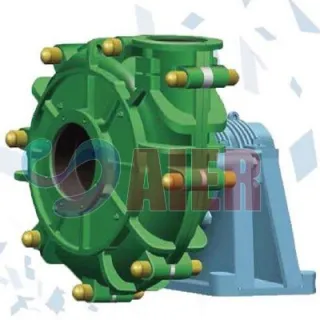
ACT (ZCT) Lipompo tsa Ceramic Slurry
-
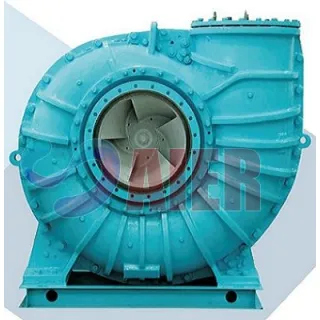
BCT Ceramic Slurry Pumps