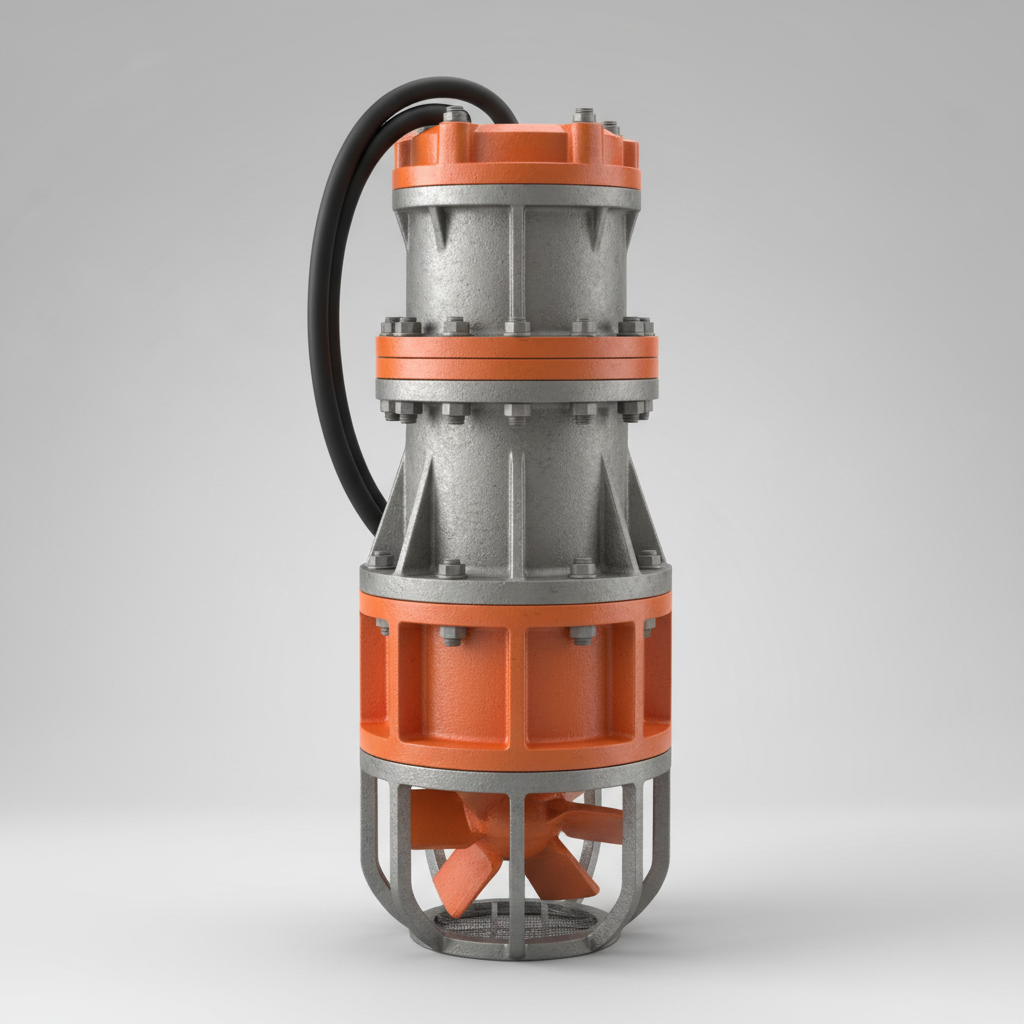
Heavy duty slurry pumps are essential components in a vast array of industries, tackling the challenging task of transporting abrasive and highly concentrated fluids. These robust pumps are designed to withstand harsh conditions, making them indispensable in sectors like mining, wastewater treatment, construction, and oil & gas. Their reliable performance and durability directly translate to increased efficiency and reduced downtime, crucial factors in maintaining productivity and controlling operational costs. The demand for these pumps is constantly growing alongside industrial expansion and increasing environmental regulations demanding effective waste management.
Globally, the market for heavy duty slurry pumps is experiencing substantial growth, driven by infrastructure development in emerging economies and a renewed focus on environmental sustainability. According to recent industry reports, the market is projected to reach billions of dollars in the coming years. This growth necessitates continuous innovation in pump design and materials to address increasingly complex challenges related to abrasion, corrosion, and energy efficiency. Investing in understanding and utilizing the right heavy duty slurry pump is not merely an operational choice, but a strategic one.
The increasing demand isn’t solely tied to industrial progress. Addressing global challenges like water scarcity and resource recovery requires effective handling of solids-laden fluids – a core competency of heavy duty slurry pumps. From dewatering mine tailings to managing sediment in rivers, these pumps play a critical role in preserving the environment and ensuring sustainable resource management. Choosing a robust and efficient pump solution directly contributes to long-term environmental health and responsible resource utilization.
Introduction to Heavy Duty Slurry Pumps
The core function of a heavy duty slurry pump is to efficiently move liquids containing a high concentration of solid particles. Unlike standard pumps designed for clean fluids, these are engineered with features that mitigate wear and tear from abrasive materials. The construction involves robust materials and specialized impeller designs to ensure continuous operation even in the most challenging environments. Selecting the correct heavy duty slurry pump is critical for operational success.
These pumps aren’t simply about moving material; they are integral to process efficiency. Poor pump selection or maintenance can lead to significant downtime, increased energy consumption, and costly repairs. A well-maintained slurry pump can significantly reduce total cost of ownership and ensure a consistent, reliable flow rate. Therefore, understanding the key characteristics and applications of these pumps is paramount for anyone involved in industries dealing with abrasive slurries.
Defining Heavy Duty Slurry Pumps
A heavy duty slurry pump is a type of centrifugal pump specifically designed to handle fluids containing a high percentage of solid particles. The term "slurry" refers to a mixture of solid and liquid, ranging from fine silt to large rocks. The "heavy duty" designation signifies the pump's capability to withstand the abrasive and erosive forces exerted by these solid particles. This is achieved through specialized construction materials and design features.
Modern industries rely heavily on these pumps to transport materials in processes like mineral processing, dredging, chemical manufacturing, and wastewater treatment. These are not one-size-fits-all devices; they come in various configurations – centrifugal, positive displacement, and submersible – each suited to specific slurry characteristics and application requirements. Choosing the correct type of heavy duty slurry pump depends on factors such as solids concentration, particle size, slurry density, and flow rate.
Their connection to modern industry is undeniable. Without efficient slurry pumping, many essential processes would be significantly hampered or rendered economically unviable. Furthermore, the growing focus on environmental remediation and sustainable resource management necessitates robust slurry handling solutions for tasks such as tailings management and sediment removal, making these pumps crucial for both industrial progress and humanitarian needs.
Key Factors in Slurry Pump Performance
Durability is paramount when considering a heavy duty slurry pump. The pump's internal components, particularly the impeller and liner, are subjected to constant abrasion from the solid particles. Materials like high-chromium cast iron, hardened steel, and rubber linings are commonly used to resist wear and prolong pump life. Understanding the specific abrasive properties of the slurry is crucial for selecting the appropriate materials.
Efficiency dictates the operating costs of the pump. A highly efficient pump minimizes energy consumption, reducing both environmental impact and operational expenses. Factors influencing efficiency include impeller design, pump speed, and the alignment of internal components. Regular maintenance, including impeller trimming and seal replacement, is essential for maintaining optimal efficiency of the heavy duty slurry pump.
Solids Handling Capacity determines the pump's ability to convey slurries with varying concentrations and particle sizes. The pump's design must prevent clogging and ensure a consistent flow rate. Impeller geometry, suction inlet size, and pump speed are critical parameters affecting solids handling capacity. Properly sized pumps significantly reduce downtime and enhance process reliability.
Global Applications of Heavy Duty Slurry Pumps
Heavy duty slurry pumps are vital in the mining industry for transporting ore slurries, tailings, and process water. From large-scale copper mines in Chile to iron ore operations in Australia, these pumps enable the efficient extraction and processing of valuable minerals. They are also critical for dewatering mines and managing water resources.
Wastewater treatment plants worldwide rely on slurry pumps to handle sludge, grit, and other solid waste materials. These pumps ensure the effective removal of pollutants and the safe discharge of treated water. The increasing demand for efficient wastewater treatment is driving the growth of the slurry pump market in urban areas.
In the oil and gas industry, slurry pumps are used for drilling mud circulation, transporting produced water, and managing waste materials. These pumps must withstand harsh operating conditions and handle abrasive fluids containing sand, shale, and other solids. Proper pump selection prevents costly downtime and maintains production efficiency.
Heavy Duty Slurry Pump Application Distribution
Advantages and Long-Term Value
Investing in a quality heavy duty slurry pump delivers significant cost savings through reduced downtime, lower maintenance expenses, and improved energy efficiency. A reliable pump ensures continuous operation, minimizing production losses and maximizing throughput. The long-term return on investment often far outweighs the initial purchase price.
Beyond the financial benefits, these pumps contribute to greater sustainability by minimizing water usage and reducing waste. Efficient slurry handling prevents environmental contamination and promotes responsible resource management. Choosing a durable and reliable pump demonstrates a commitment to environmental stewardship and responsible industrial practices.
Future Trends and Innovations
The future of heavy duty slurry pump technology lies in developing pumps that are even more efficient, durable, and environmentally friendly. Research is focused on utilizing advanced materials, such as ceramics and composites, to enhance wear resistance and reduce weight. Smart pump technologies, incorporating sensors and data analytics, are enabling predictive maintenance and optimized performance.
Digitalization is also playing a key role. Remote monitoring and control systems allow operators to track pump performance, diagnose issues, and adjust parameters from anywhere in the world. This enhances operational efficiency, reduces the need for on-site maintenance, and extends pump life. The integration of IoT and AI is revolutionizing the way we manage and maintain these critical assets.
Challenges and Solutions
A major challenge is dealing with highly abrasive slurries that quickly erode pump components. The solution lies in utilizing advanced materials, optimizing impeller designs, and implementing protective coatings. Regular inspections and timely replacement of worn parts are also crucial for maintaining pump performance.
Another challenge is managing energy consumption. Variable frequency drives (VFDs) can be used to adjust pump speed based on flow rate requirements, reducing energy waste and improving efficiency. Optimizing pump system design, including pipe sizing and valve placement, can also minimize energy losses.
Preventing clogging in slurry pumps can be difficult, especially when dealing with solids that tend to settle or agglomerate. Employing pumps with open impeller designs and implementing regular flushing procedures can help prevent blockages and ensure continuous operation. Thoroughly analyzing the slurry characteristics and selecting a pump appropriate for those characteristics is paramount to a successful, long-lasting heavy duty slurry pump solution.
Summary of Heavy Duty Slurry Pump Challenges and Solutions
| Challenge |
Impact on Operations |
Solution |
Preventative Measures |
| Abrasion from Solid Particles |
Reduced Pump Life, Increased Downtime |
Advanced Materials, Protective Coatings |
Regular Inspections, Timely Replacement |
| High Energy Consumption |
Increased Operating Costs, Environmental Impact |
Variable Frequency Drives (VFDs) |
System Optimization, Efficient Pump Selection |
| Slurry Clogging |
Reduced Flow Rate, Pump Failure |
Open Impeller Designs, Flushing Procedures |
Slurry Analysis, Appropriate Pump Selection |
| Corrosion from Chemical Slurries |
Material Degradation, Leakage |
Corrosion-Resistant Materials, Linings |
Chemical Compatibility Assessment |
| Seal Failure |
Leakage, Contamination, Downtime |
High-Quality Seals, Proper Installation |
Regular Seal Inspections, Lubrication |
| Improper Pump Sizing |
Inefficiency, Premature Wear |
Detailed System Analysis, Accurate Flow Rate Calculations |
Consultation with Pump Experts |
FAQS
The lifespan of a heavy duty slurry pump varies significantly depending on the abrasiveness of the slurry, the operating conditions, and the quality of maintenance. Generally, a well-maintained pump can operate effectively for 5-10 years, but in particularly harsh environments, this timeframe may be shorter. Regular inspections and timely replacement of worn parts are crucial for maximizing lifespan and minimizing downtime.
Selecting the right pump requires a thorough understanding of your slurry characteristics, including solids concentration, particle size, slurry density, and flow rate. You also need to consider the pumping head, operating temperature, and any chemical properties of the slurry. Consulting with a pump expert and providing detailed application data is highly recommended. Heavy duty slurry pump selection should be application-specific.
Regular maintenance is essential for ensuring reliable pump operation. Key tasks include inspecting and replacing worn impellers, liners, and seals, lubricating bearings, checking pump alignment, and monitoring for leaks. A preventative maintenance schedule based on operating hours and slurry conditions will help prevent unexpected failures and extend pump life.
A VFD allows you to adjust the pump speed to match the flow rate requirements, significantly reducing energy consumption and minimizing wear and tear on the pump. It also provides soft starting and stopping, reducing stress on the pump and motor. Utilizing a VFD is particularly beneficial in applications with fluctuating flow demands. The efficiency of the heavy duty slurry pump is significantly improved by VFD's.
Using a pump with an open impeller design can help prevent clogging. Regularly flushing the pump with clean water can also remove any accumulated solids. Ensure the suction line is properly sized and free of obstructions. Analyzing the slurry composition and implementing appropriate pre-treatment measures, such as screening or settling, can further reduce the risk of clogging.
Common materials include high-chromium cast iron, hardened steel, stainless steel, and various rubber compounds. High-chromium cast iron offers excellent abrasion resistance. Hardened steel is used for components requiring high strength and durability. Rubber linings provide corrosion resistance and noise reduction. Material selection depends on the specific slurry composition and operating conditions.
Conclusion
Heavy duty slurry pumps are indispensable components in a wide range of industries, providing reliable and efficient solutions for handling abrasive fluids. Their durability, performance, and adaptability make them essential for maintaining operational efficiency, ensuring environmental compliance, and enabling sustainable resource management. Investing in a quality pump and implementing a robust maintenance program are crucial for maximizing long-term value and minimizing total cost of ownership.
As industries continue to evolve and face new challenges, innovation in slurry pump technology will be paramount. The integration of advanced materials, smart technologies, and digitalization will drive the development of pumps that are even more efficient, durable, and environmentally friendly. To learn more about optimizing your slurry handling processes, and exploring the latest advancements in pump technology, visit our website today: www.aierpumps.com