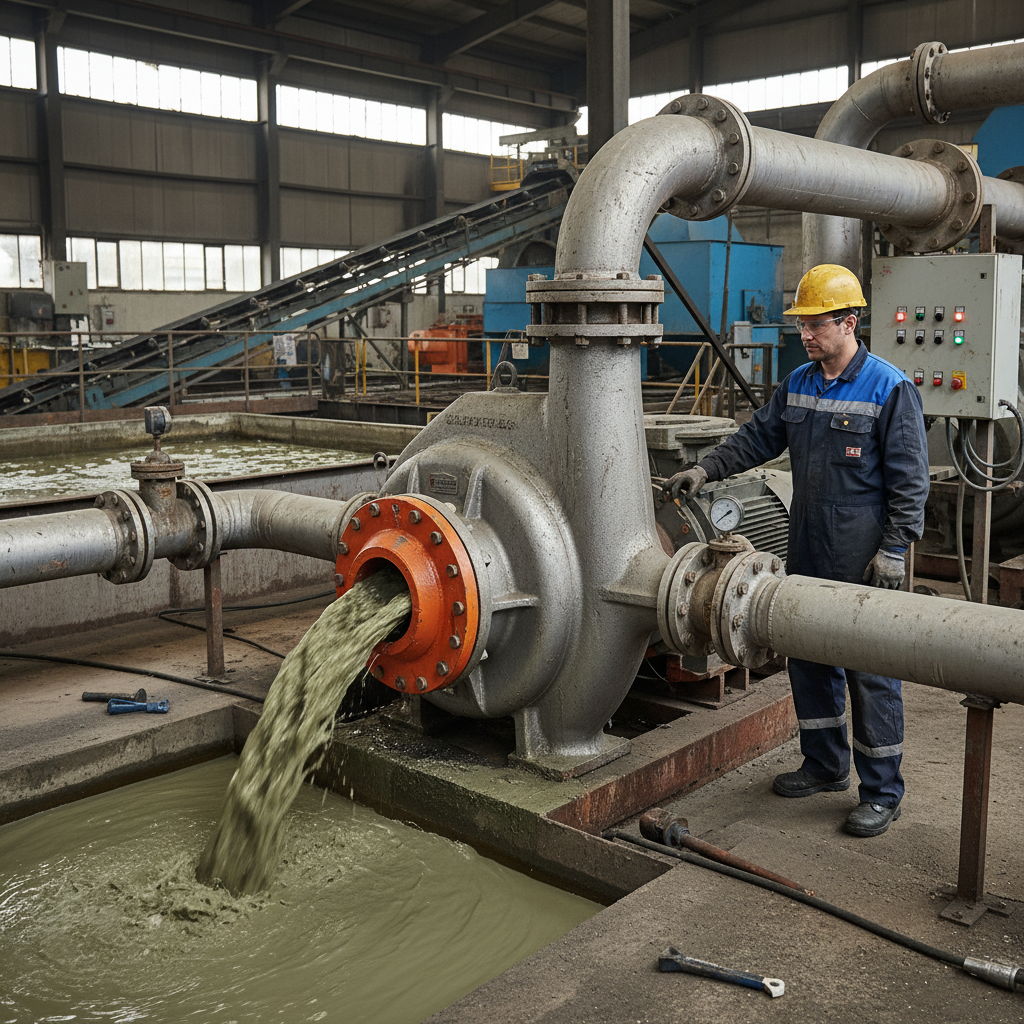
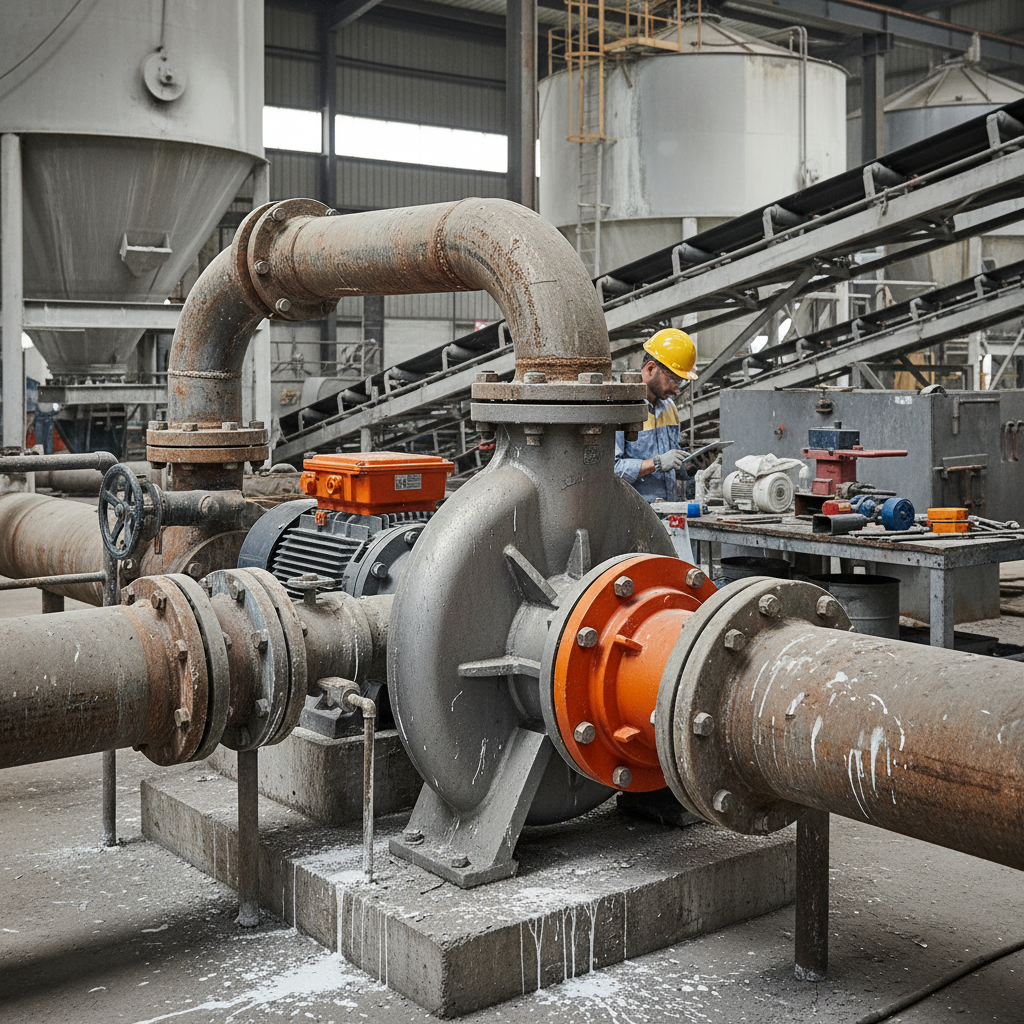
The world increasingly relies on efficient and robust fluid handling solutions, and the vertical slurry pump stands as a critical component in numerous industries. From mining and wastewater treatment to chemical processing and agriculture, the ability to reliably move abrasive and dense fluids is paramount. These pumps are engineered to withstand demanding conditions, ensuring operational continuity and minimizing downtime, which directly translates to significant cost savings and increased productivity globally.
The demand for vertical slurry pump technology is driven by growing industrialization in emerging economies, stricter environmental regulations concerning wastewater discharge, and the need for more sustainable and efficient resource management. The UN Sustainable Development Goals, particularly those related to clean water and sanitation (SDG 6) and responsible consumption and production (SDG 12), underscore the importance of effective fluid handling systems. Globally, industries are adopting more advanced pumping solutions to meet these challenges.
Understanding the nuances of vertical slurry pump design, operation, and maintenance is therefore not merely a technical exercise but a necessity for professionals across a wide spectrum of sectors. Investing in the right pumping technology and adopting best practices can unlock substantial benefits, including reduced environmental impact, improved process efficiency, and a more secure and resilient supply chain.
Defining Vertical Slurry Pump Technology
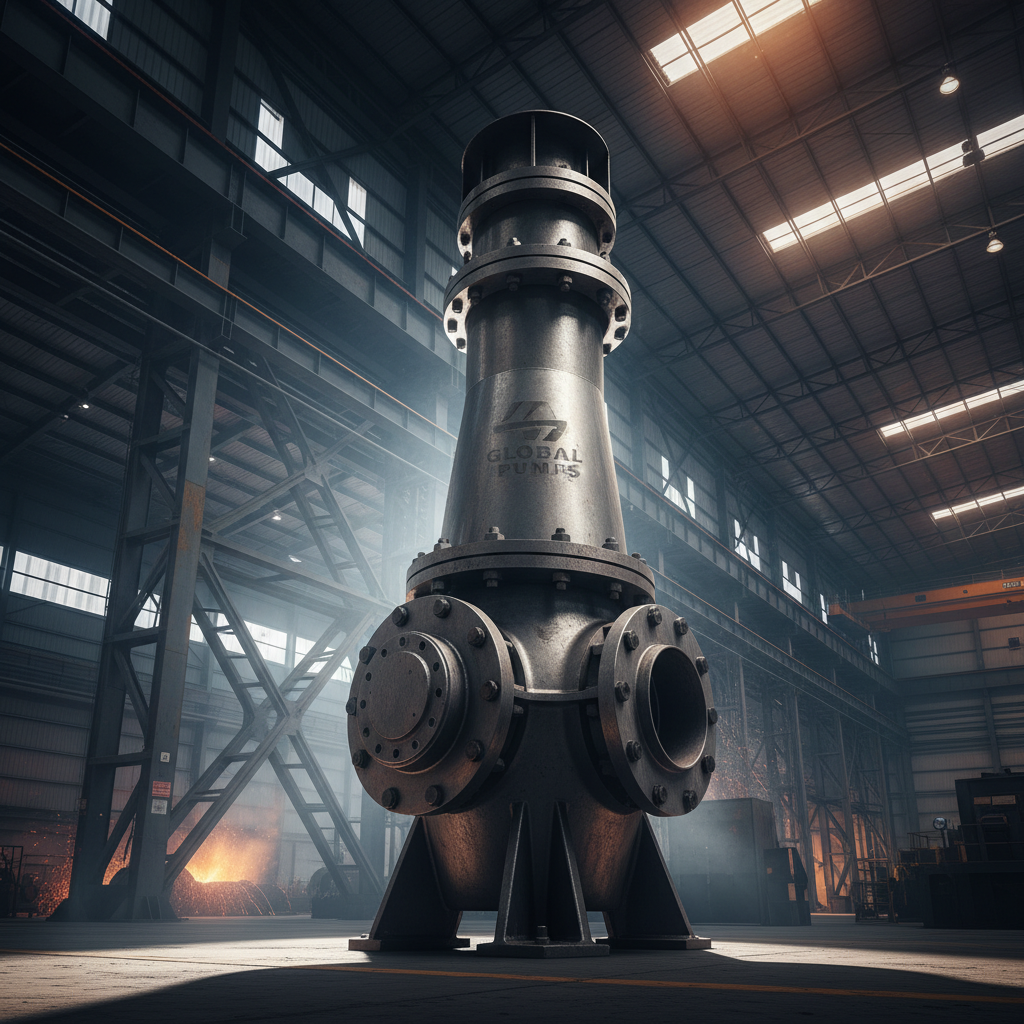
A vertical slurry pump is a type of centrifugal pump specifically designed to handle abrasive and highly concentrated slurries – mixtures of liquids and solid particles. Unlike horizontal pumps, the vertical configuration allows for submersible operation or installation within a tank, eliminating the need for priming and reducing the risk of leaks. This design is particularly well-suited for applications where space is limited or where the slurry source is below the pump.
These pumps are integral to many modern industrial processes. They aren't just about moving material; they’re about enhancing efficiency in sectors ranging from the treatment of mine tailings to the processing of wastewater. The ability to reliably transport these challenging fluids is critical for maintaining environmental compliance, optimizing resource recovery, and ensuring safe and continuous operation.
The Global Importance of Vertical Slurry Pumps
The global market for slurry pumps, including the vertical slurry pump variety, is substantial and continues to grow, fueled by industrial expansion and increasingly stringent environmental regulations. The mining industry alone represents a significant portion of this demand, requiring robust pumps for handling everything from ore slurries to tailings. The World Bank estimates that the global mining sector contributes trillions of dollars to the world economy, making efficient mining operations crucial.
Beyond mining, applications in wastewater treatment, chemical processing, power generation, and even agriculture are driving demand. Developing nations undergoing rapid industrialization represent a key growth area, as they invest in infrastructure to support economic development. The increasing focus on water conservation and pollution control further reinforces the need for reliable and efficient slurry pumping solutions.
A significant challenge lies in addressing the environmental impact of slurry handling, particularly in the mining and dredging sectors. Traditional methods often result in significant water pollution and land degradation. Vertical slurry pumps, coupled with advanced filtration and treatment technologies, offer a pathway toward more sustainable and responsible resource management.
Core Components and Operational Principles
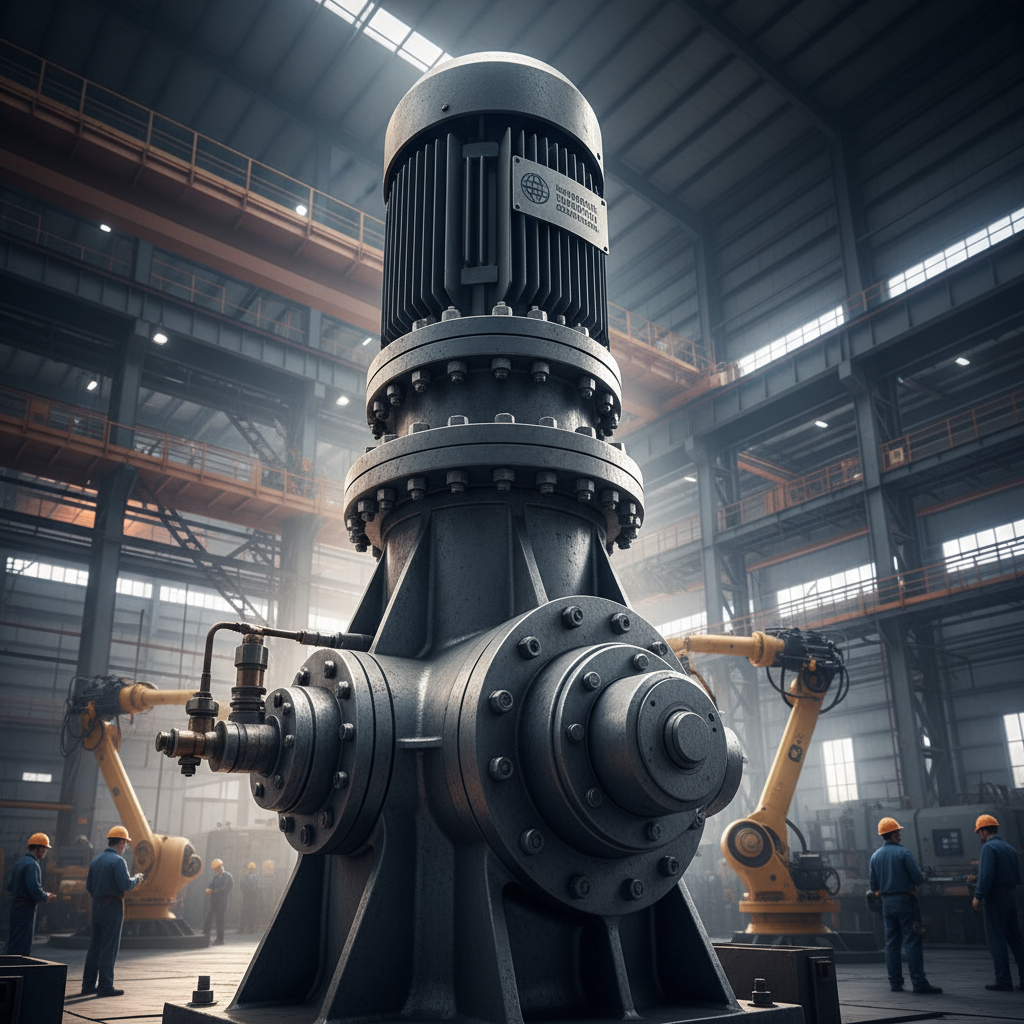
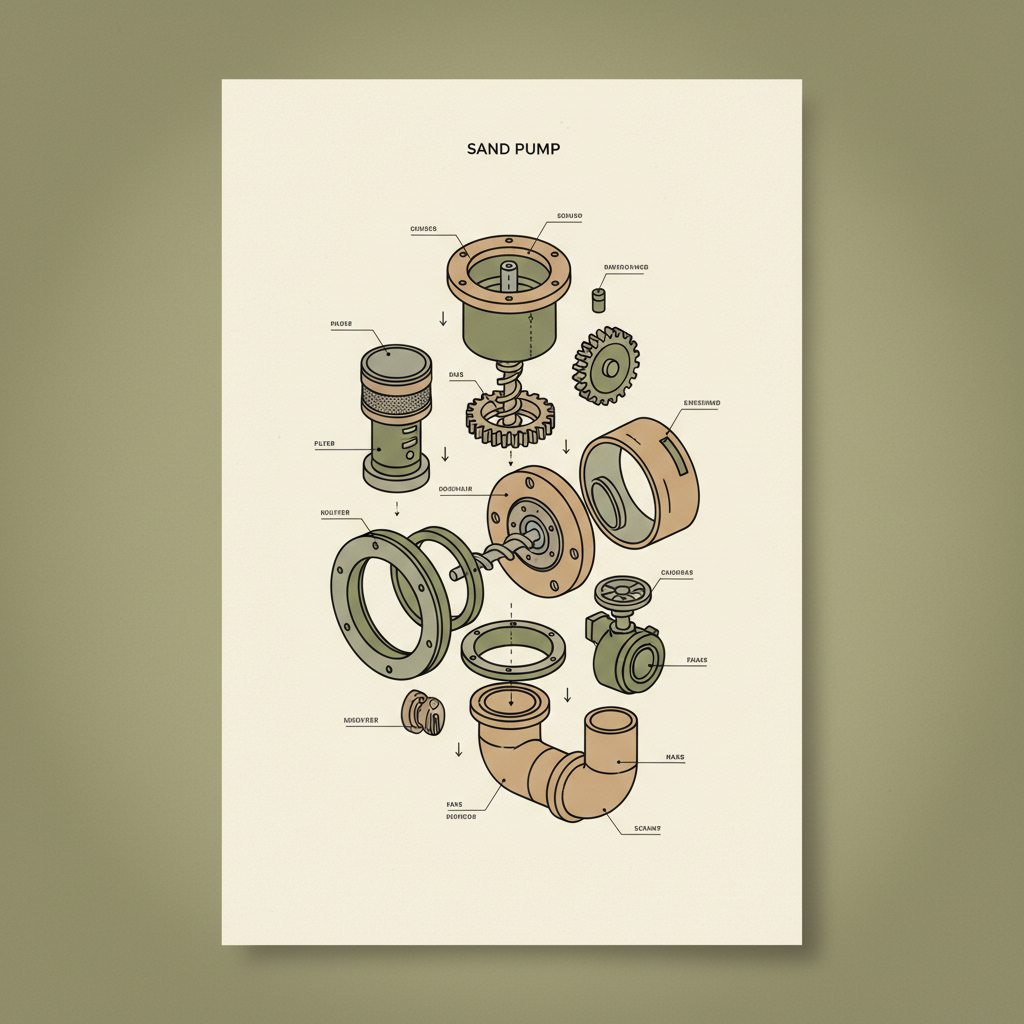
At the heart of a vertical slurry pump lies the impeller, a rotating component that imparts energy to the slurry. Impeller design varies based on the characteristics of the slurry being handled, with options including closed, semi-open, and open impellers. The pump casing provides a housing for the impeller and directs the flow of the slurry. Crucially, the casing is constructed from abrasion-resistant materials to withstand the constant impact of solid particles.
The pump's shaft is supported by bearings, and the entire assembly is typically sealed to prevent leakage. A critical component is the wear-resistant liner within the pump casing which protects the pump from erosion. The motor, usually electric, provides the power to drive the pump. Understanding these fundamental elements is essential for selecting the right vertical slurry pump for a specific application.
Operational principles revolve around centrifugal force. As the impeller spins, it creates a centrifugal force that throws the slurry outwards, increasing its velocity and pressure. This pressure differential drives the slurry through the pump and into the discharge piping. Maintaining consistent flow and pressure is essential for optimal performance.
Key Performance Indicators for Vertical Slurry Pump Selection
Selecting the correct vertical slurry pump requires careful consideration of several key performance indicators (KPIs). Flow rate, measured in gallons per minute (GPM) or cubic meters per hour (m³/h), is the volume of slurry the pump can deliver. Head, measured in feet or meters, represents the maximum height the pump can lift the slurry. These two factors are interdependent and crucial for matching the pump to the system's requirements.
Solids Handling Ability – represented as the maximum particle size and concentration (percentage of solids by weight) the pump can reliably handle – is vital for preventing clogging and wear. Pump efficiency, expressed as a percentage, indicates how effectively the pump converts input power into hydraulic energy. Finally, material of construction, considering the slurry’s chemical composition and abrasiveness, is paramount for ensuring pump longevity and minimizing maintenance.
Vertical Slurry Pump Performance Comparison
Diverse Applications of Vertical Slurry Pumps Worldwide
Vertical slurry pumps find widespread application in mining operations globally. They’re essential for removing water and solids from open-pit and underground mines, transporting ore slurries, and managing tailings. In regions like Australia, Canada, and South America, where mining is a dominant industry, these pumps are critical infrastructure.
Wastewater treatment plants rely heavily on these pumps for handling sludge and other abrasive materials. In rapidly urbanizing areas of Asia and Africa, where wastewater treatment infrastructure is often lacking, the need for robust and efficient slurry pumps is particularly acute. Chemical processing plants utilize them for moving corrosive and abrasive chemicals, ensuring safe and continuous production. Even in agriculture, vertical slurry pumps are employed for handling manure and other organic slurries.
Long-Term Benefits and Value Proposition
The long-term benefits of investing in high-quality vertical slurry pumps extend far beyond initial cost savings. Reduced downtime, due to increased reliability and durability, translates to significant improvements in operational efficiency. Lower maintenance costs, stemming from abrasion-resistant materials and optimized designs, further enhance the overall economic value.
Environmentally, these pumps contribute to sustainable practices by minimizing water consumption and reducing the risk of pollution. From a safety perspective, reliable slurry handling reduces the potential for spills and accidents. The increased productivity and reduced environmental impact fostered by these pumps solidify a solid return on investment.
Future Trends and Innovations in Vertical Slurry Pump Technology
The future of vertical slurry pump technology is being shaped by several key trends. The integration of smart sensors and IoT (Internet of Things) connectivity enables real-time monitoring of pump performance, predictive maintenance, and remote diagnostics. Advancements in materials science are leading to the development of even more abrasion-resistant alloys and polymers.
There's growing interest in energy-efficient pump designs, incorporating variable frequency drives (VFDs) and optimized impeller geometries to reduce power consumption. Furthermore, research into new pump configurations, such as submersible pumps with improved solids handling capabilities, is ongoing. The pursuit of more sustainable and environmentally friendly slurry handling solutions will continue to drive innovation in this field.
The adoption of digital twins – virtual replicas of physical pumps – allows for simulation and optimization of pump performance under various operating conditions, leading to improved designs and reduced development time.
FAQS
Vertical slurry pumps are designed for submerged or close-coupled operation, eliminating the need for priming and reducing leak risks, while horizontal pumps require priming and are generally used for applications where the slurry source is at or below pump level. Vertical pumps often excel in space-constrained environments.
Sizing a vertical slurry pump requires considering flow rate, head (pressure), slurry density, particle size, and abrasion characteristics. It’s crucial to accurately determine these parameters and consult with a pump specialist to select a pump that meets your specific needs and prevents premature wear or inefficiency.
Common materials include cast iron, stainless steel, high-chromium cast iron, and various rubber and polymer linings. The selection of material depends on the slurry's abrasiveness, chemical composition, and temperature. High-chromium cast iron is often used for its excellent abrasion resistance.
Maintenance frequency depends on operating conditions and slurry characteristics. Regular inspections, lubrication, and seal replacements are essential. Monitoring pump vibration and performance parameters can help identify potential issues before they lead to failures. A preventative maintenance schedule is highly recommended.
Yes, specifically designed vertical slurry pumps are capable of handling highly abrasive slurries. These pumps often feature hardened impeller materials, wear-resistant liners, and optimized impeller designs to maximize wear life. Careful material selection is critical for these applications.
The lifespan of a vertical slurry pump varies depending on operating conditions, slurry characteristics, and maintenance practices. With proper maintenance and appropriate material selection, a well-built pump can last for 5-10 years or even longer in less demanding applications. Severe abrasion can significantly reduce lifespan.
Conclusion
In conclusion, the vertical slurry pump is a vital component in a wide range of industrial processes, offering a robust and efficient solution for handling abrasive and dense fluids. From mining and wastewater treatment to chemical processing and agriculture, these pumps play a crucial role in optimizing operations, reducing environmental impact, and ensuring long-term sustainability. Careful selection, proper maintenance, and a keen awareness of evolving technologies are key to maximizing the benefits of these essential machines.
Looking ahead, continued innovation in materials science, sensor technology, and pump design will further enhance the performance and reliability of vertical slurry pumps. Embracing these advancements will not only reduce operational costs but also contribute to a more sustainable and resource-efficient future. For expert guidance and a comprehensive range of vertical slurry pump solutions, visit our website: www.aierpumps.com