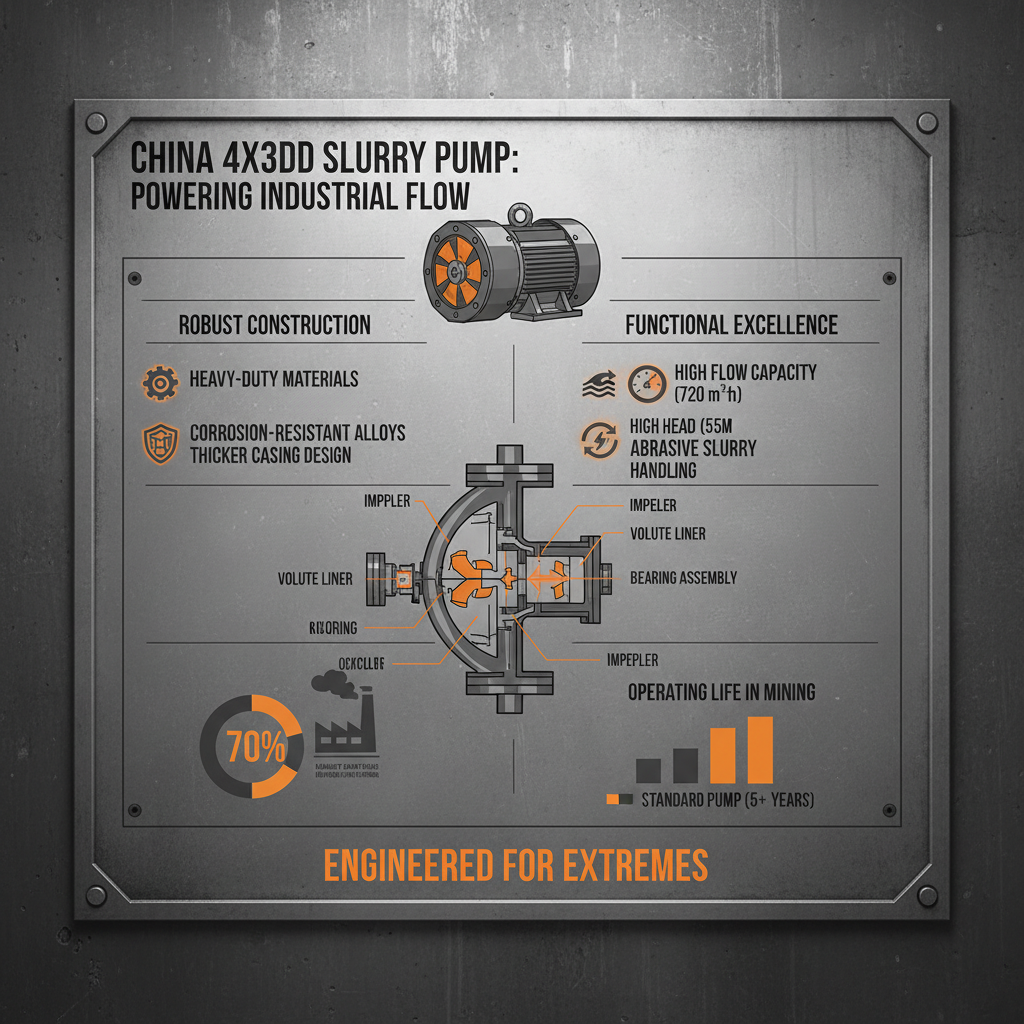
The realm of fluid handling is critical across numerous industries, and when dealing with abrasive or high-density materials, the need for robust pumping solutions becomes paramount. A high head slurry pump is engineered to meet this demand, excelling in applications where significant vertical lift and resistance to wear are essential. This technology isn’t just about moving liquids; it's about ensuring process efficiency, minimizing downtime, and reducing the total cost of ownership in demanding environments.
Globally, industries such as mining, dredging, wastewater treatment, and power generation rely heavily on the effective transport of slurries. The increasing demand for resource extraction and stricter environmental regulations are driving the need for more efficient and reliable pumping solutions. A failure in slurry pumping can lead to costly production stoppages, environmental incidents, and safety hazards, highlighting the critical importance of selecting the right equipment. This is where the specialized capabilities of a high head slurry pump come into play.
Beyond industrial applications, these pumps are becoming increasingly vital in addressing environmental challenges, such as removing sediment from waterways and managing tailings from mining operations. Investing in advanced slurry pumping technology is no longer just a business decision, but a commitment to sustainable practices and responsible resource management. The future success of numerous industries hinges on the continuous improvement and deployment of solutions like the high head slurry pump.
Understanding High Head Slurry Pump Technology
A high head slurry pump isn't simply a pump designed to lift liquids; it’s a carefully engineered system capable of overcoming significant gravitational forces while transporting abrasive, dense slurries. Understanding the interplay between pump design, impeller characteristics, and slurry properties is key to maximizing performance and ensuring longevity. The appropriate selection of materials, construction methods, and operational parameters can dramatically impact the efficiency and reliability of these crucial components.
The technology behind these pumps has evolved considerably over the years, moving from basic centrifugal designs to more sophisticated configurations incorporating advanced hydraulic modeling and wear-resistant materials. This continuous improvement is driven by the need to handle increasingly challenging slurries in demanding applications, from deep mining operations to long-distance pipeline transport.
Defining a High Head Slurry Pump
A high head slurry pump is specifically designed to generate a substantial pressure differential, enabling it to lift slurries to considerable heights or push them over long distances against significant resistance. "Head," in pump terminology, refers to the height a pump can lift a fluid column. High head pumps typically operate with heads exceeding 100 meters (328 feet) and can reach far greater heights depending on the specific design and application.
Unlike standard centrifugal pumps, which are suited for low-head, high-volume applications, high head slurry pumps prioritize pressure over flow rate. They achieve this through specialized impeller designs, close clearances, and robust construction to withstand the stresses associated with high-pressure operation and the abrasive nature of the slurry.
The connection to modern industry stems from the necessity of efficiently processing raw materials and managing waste streams in a variety of sectors. In mining, for instance, high head slurry pumps are vital for lifting ore slurries from underground mines to surface processing plants. Similarly, in wastewater treatment, they facilitate the transfer of sludge to elevated treatment facilities, ensuring effective environmental management.
Core Components and Design Considerations
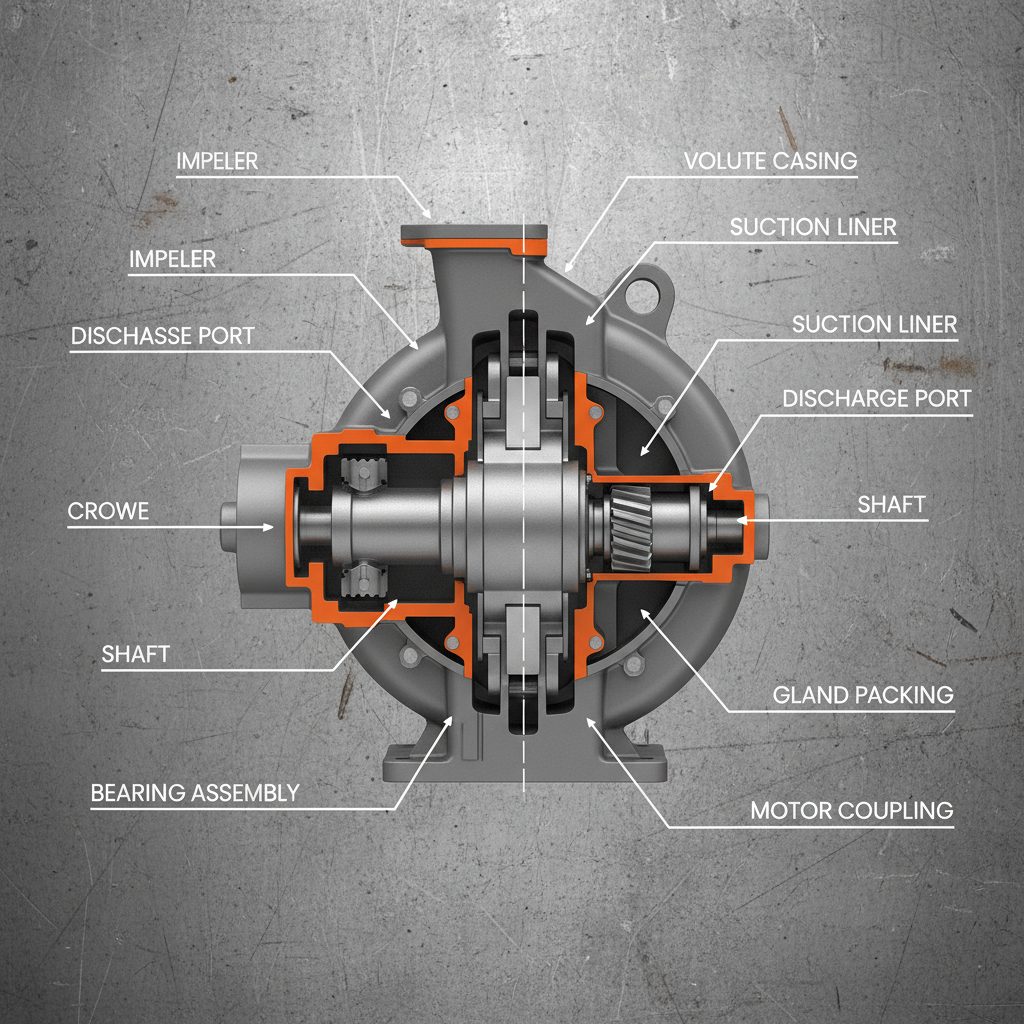
The robust design of a high head slurry pump relies on several key components working in harmony. The impeller, often constructed from hardened metal alloys or ceramic materials, is the driving force, imparting kinetic energy to the slurry. The volute casing, carefully shaped to efficiently convert kinetic energy into pressure, is equally critical. The shaft, bearings, and seals must withstand substantial loads and provide reliable operation even with abrasive particles present.
Selecting the correct materials is paramount. For highly abrasive slurries, wear-resistant alloys like high-chromium cast iron or specialized ceramics are often employed. The pump casing and impeller profiles must also be designed to minimize wear and erosion. Furthermore, the hydraulic design should aim to reduce turbulence and cavitation, which can damage the pump components and reduce efficiency.
Finally, the mechanical seals and bearings play a vital role in ensuring reliable operation. These components must effectively prevent leakage and withstand the radial and axial loads imposed by the slurry and high pressures. Advanced sealing technologies and robust bearing systems are crucial for maximizing pump uptime and minimizing maintenance requirements.
Performance Characteristics of High Head Slurry Pumps
The performance of a high head slurry pump is defined by several key parameters. Head, as previously mentioned, dictates the maximum vertical distance the pump can lift the slurry. Flow rate determines the volume of slurry delivered per unit time, and power consumption reflects the energy required for operation. Pump efficiency, the ratio of hydraulic power output to power input, is a critical metric for assessing operational costs.
These parameters are interconnected and influenced by the characteristics of the slurry itself – its density, viscosity, and particle size distribution. A pump designed for a low-density slurry will perform differently with a high-density mixture. Therefore, accurate slurry analysis is essential for proper pump selection and sizing.
Comparative Performance of Different high head slurry pump Designs
Global Applications of High Head Slurry Pumps
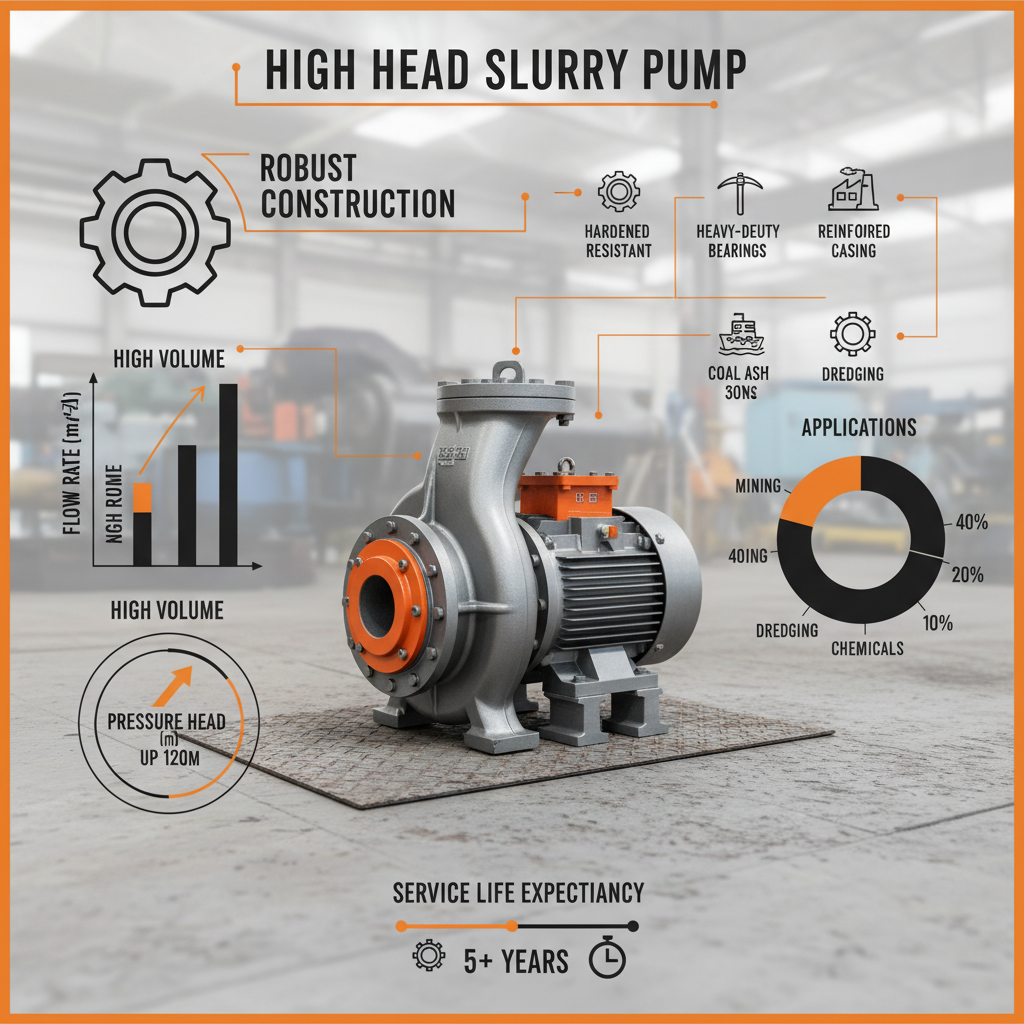
The applications for a high head slurry pump are diverse and span numerous industries globally. In the mining sector, they are essential for dewatering mines, transporting tailings, and moving process slurries. The energy sector utilizes them in coal handling plants and FGD (Flue Gas Desulfurization) systems.
Dredging operations rely heavily on high head slurry pumps to lift sediment and water from the seabed or riverbeds. Wastewater treatment plants use them to transfer sludge and manage effluent. In remote industrial zones, these pumps provide a reliable solution for handling abrasive materials where access to maintenance is limited.
Advantages and Long-Term Value Proposition
Investing in a quality high head slurry pump offers substantial long-term benefits. Reduced downtime due to increased reliability translates to higher productivity and lower operational costs. The use of wear-resistant materials minimizes maintenance requirements and extends the pump's service life.
Beyond economic advantages, these pumps contribute to sustainable practices by optimizing resource utilization and minimizing environmental impact. The efficient transfer of slurries reduces energy consumption, and the robust design minimizes the risk of leaks or spills, protecting surrounding ecosystems. The reliability and longevity build trust and enhance the reputation of operators within their respective industries.
Furthermore, employing the right high head slurry pump can significantly improve worker safety by reducing the risk of equipment failure and associated hazards. This commitment to safety and environmental responsibility is increasingly valued by stakeholders and regulatory bodies.
Future Trends and Innovations in Slurry Pump Technology
The future of high head slurry pump technology is focused on enhanced efficiency, reduced environmental impact, and increased automation. Research and development efforts are underway to explore new materials with superior wear resistance, such as advanced ceramics and composites. Digitalization is playing an increasing role, with the integration of sensors and data analytics to monitor pump performance in real-time.
Predictive maintenance algorithms, powered by machine learning, are being developed to anticipate potential failures and schedule maintenance proactively, minimizing downtime and reducing costs. The adoption of variable frequency drives (VFDs) allows for precise control of pump speed, optimizing energy consumption and tailoring performance to specific application requirements.
Sustainability is also a key driver of innovation, with a focus on developing pumps that consume less energy and utilize environmentally friendly materials. The integration of these advancements will ensure that high head slurry pumps continue to play a vital role in supporting a wide range of industries in a sustainable and efficient manner.
Key Performance Indicators for Evaluating High Head Slurry Pump Efficiency
| Slurry Composition |
Pump Material Resilience |
Operational Efficiency (%) |
Maintenance Frequency (Months) |
| 80% Sand, 20% Water |
High-Chromium Cast Iron |
75 |
12 |
| 60% Clay, 40% Water |
Ceramic Lining |
82 |
18 |
| 90% Gravel, 10% Water |
Hardened Steel Alloy |
68 |
9 |
| 70% Coal Dust, 30% Water |
Polyurethane Coating |
79 |
15 |
| 50% Iron Ore, 50% Water |
Stainless Steel |
85 |
24 |
| 40% Bauxite, 60% Water |
Silicon Carbide |
90 |
36 |
FAQS
The lifespan of a high head slurry pump in mining depends heavily on the slurry's abrasiveness, pump material, and maintenance schedule. However, with proper care, a well-engineered pump can operate effectively for 5-10 years, with major component overhauls occurring around the 5-year mark. Regular inspections and timely replacement of worn parts are crucial for maximizing longevity and preventing catastrophic failures. Proper material selection based on the specific ore being processed is also paramount.
The impeller design is critical for a high head slurry pump's ability to handle solids. Open impellers are better suited for slurries with larger solids content, as they are less prone to clogging. Closed impellers offer higher efficiency but are more susceptible to blockage. Semi-open impellers represent a compromise, providing good efficiency and reasonable solids handling capabilities. The impeller's vane angle and width also influence its performance with different slurry types.
Selecting the correct material is vital. Consider the slurry's abrasiveness, corrosiveness, and temperature. High-chromium cast iron is a common choice for abrasive slurries. Stainless steels are suitable for corrosive environments. Ceramic materials offer exceptional wear resistance but are more brittle. Polymer linings can provide corrosion protection. A thorough slurry analysis, including particle size distribution and chemical composition, is essential for making an informed decision.
Cavitation, the formation and collapse of vapor bubbles within the pump, can severely damage the impeller and casing of a high head slurry pump. This damage leads to reduced efficiency, increased vibration, and ultimately, pump failure. It’s typically caused by insufficient net positive suction head available (NPSHa). Proper pump selection, system design, and operating conditions are crucial for preventing cavitation.
Regular maintenance is key. This includes periodic inspections for wear and damage, lubrication of bearings, seal replacements, and monitoring of pump performance parameters like pressure, flow rate, and power consumption. Implementing a preventative maintenance schedule based on operating hours and slurry conditions can significantly reduce the risk of unexpected breakdowns and extend the pump's service life.
Yes, several technologies are emerging. These include advanced materials like silicon carbide, improved impeller designs optimized through computational fluid dynamics (CFD), and the integration of sensor technology for real-time performance monitoring and predictive maintenance. Variable frequency drives (VFDs) allow for precise control of pump speed, optimizing energy consumption and adapting to changing process requirements.
Conclusion
In conclusion, the high head slurry pump represents a critical component in a vast array of industrial and environmental applications. Its ability to efficiently and reliably transport abrasive, high-density slurries under challenging conditions makes it an indispensable tool for resource extraction, wastewater treatment, and numerous other essential processes. Understanding the core principles of pump design, material selection, and operational considerations is vital for maximizing performance and ensuring long-term value.
Looking ahead, continued innovation in materials, digitalization, and sustainable technologies will further enhance the capabilities and efficiency of these pumps. Embracing these advancements is crucial for addressing the evolving needs of industries globally and contributing to a more sustainable future. For optimized solutions and expert guidance, visit our website at www.aierpumps.com.