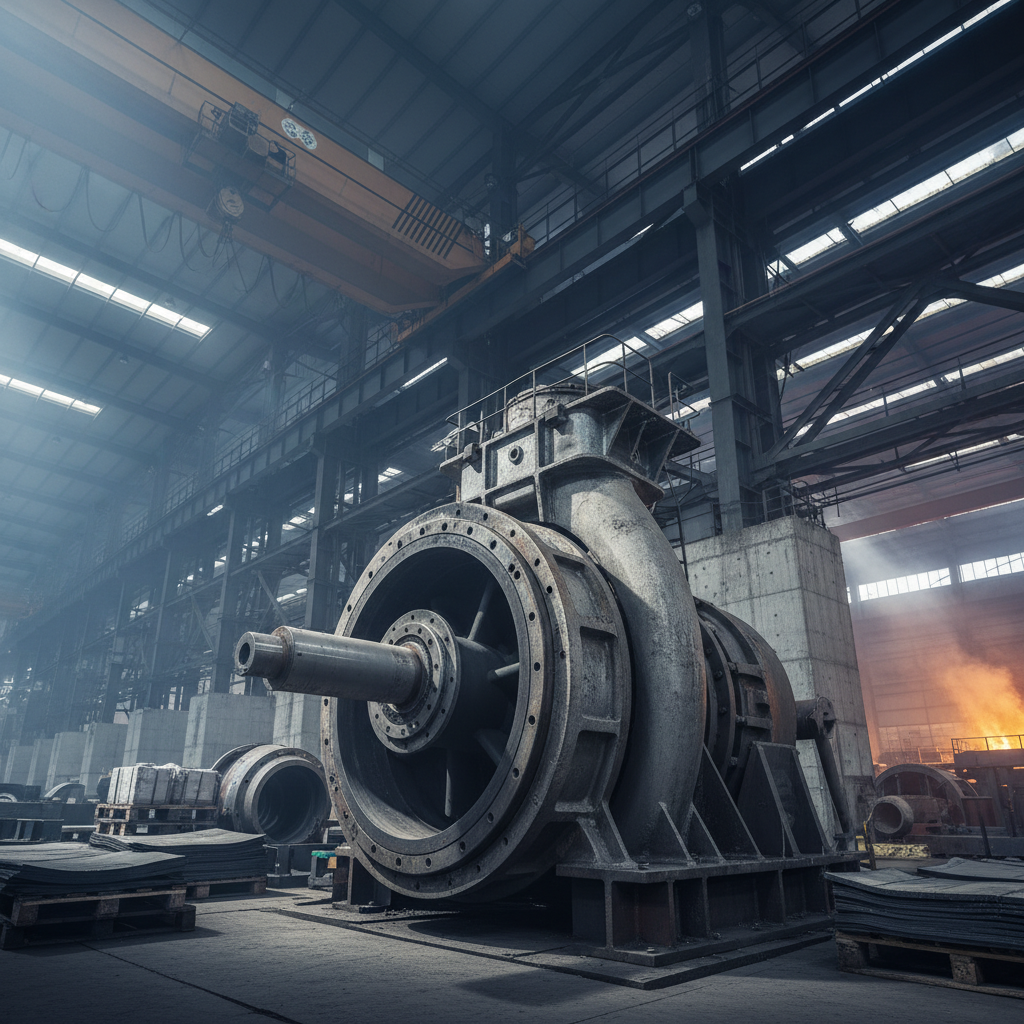
You know, things are changing fast. Everyone's talking about prefabrication now, modular construction, and, strangely enough, a lot of folks are trying to squeeze more automation into everything. I saw a robot welding rebar last week… looked like a whole lot of fuss for something a good welder could do in a fraction of the time. Anyway, I think the biggest trend is just getting stuff done faster, because everyone’s chasing deadlines. To be honest, it’s making everyone cut corners.
And those corners are where things fall apart, believe me. I’ve seen it a million times. Design-wise, the biggest trap is over-engineering. Everyone wants to build something that can withstand a direct hit from a meteor, but nine times out of ten, you just need something that’ll hold up to rain and a bit of rough handling. Have you noticed how many drawings specify tolerances that are…well, impossible to achieve on site? It drives me crazy.
We're using a lot of high-strength steel these days, obviously. It’s got a smell, almost metallic, that clings to your clothes. And these new composite materials… they feel different, you know? Lighter, smoother, almost…artificial. Handling them is a bit weird, too. Gotta wear gloves, always, because some of them react to sweat. Last time I worked with a new composite panel, it left a faint blue stain on my hand for days.
Industry Trends & Design Pitfalls
I encountered this at a factory in Ningbo last time, they were trying to use a new type of plastic for the housing. Looked good in the lab, but cracked within a week on the site because of UV exposure. You gotta remember, these things aren’t sitting in a climate-controlled room – they're getting baked in the sun, soaked in the rain, and kicked around by construction workers. The biggest mistake I see is engineers forgetting that.
Another thing, everyone’s obsessed with making things “smart” now. Putting sensors on everything. Frankly, half the time, those sensors just end up broken or ignored. They add cost, complexity, and another point of failure. Give me a simple, reliable design over a complicated “smart” one any day.
Materials: Feel, Smell, and Handling
We've been testing a new kind of rubber for the seals. It's got a weird, almost vanilla scent… which is unsettling, honestly. But it’s incredibly durable and seems to hold up to all sorts of chemicals. I tried soaking a piece in diesel for a week, and it didn’t even swell. The older rubber, you'd see it start to disintegrate after a day.
And the concrete mixes…they're constantly tweaking them. Self-compacting concrete is nice, when it works. But it's also prone to segregation if you don’t handle it properly. You need experienced guys pouring that stuff, not just anyone. I've seen entire sections have to be ripped out because of poor pouring technique.
I’m telling you, the feel of a material is important. You can tell a lot just by picking it up. Is it solid? Does it feel brittle? Does it smell off? That kind of thing. It sounds silly, but it's a skill you develop after years on the job.
Testing in the Real World
Lab tests are fine, but they don’t tell the whole story. We do a lot of drop tests, obviously. But we also bury stuff in the ground for months, leave it exposed to the elements, and generally try to abuse it as much as possible. That's when you really find out what breaks. We simulate real-world conditions, not perfect conditions.
One test we do is the “mud pit test.” Sounds dumb, but it’s surprisingly effective. We bury the unit in mud, run it for 24 hours, then dig it up and see what’s still working. That tests the seals, the motor, everything. It’s messy, but it gives you a good idea of how it’ll hold up in a flood situation.
The biggest problem with lab tests is that they can't account for human error. A machine can perfectly calibrate a stress test, but it can’t account for a worker over-tightening a bolt or dropping a tool on it.
How Users Actually Use It
This is where things get interesting. You design something to be used a certain way, and then users just…do their own thing. I’ve seen guys using our units as makeshift tables, leaning ladders against them, even using them as steps! You can't plan for that.
They don’t read the manuals, either. Let’s be honest. They just want something that works and doesn’t require a PhD to operate. Simplicity is key. Too many buttons, too many settings, and they’ll just give up.
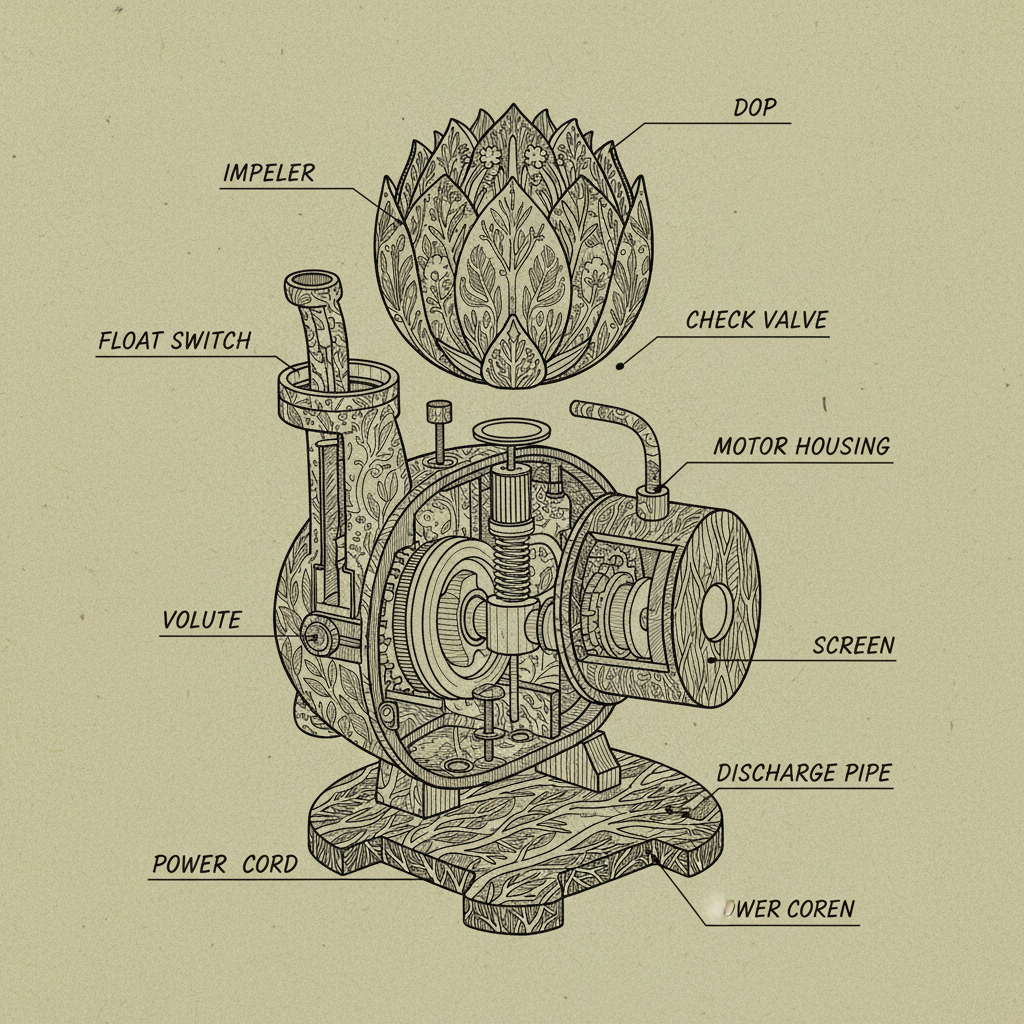
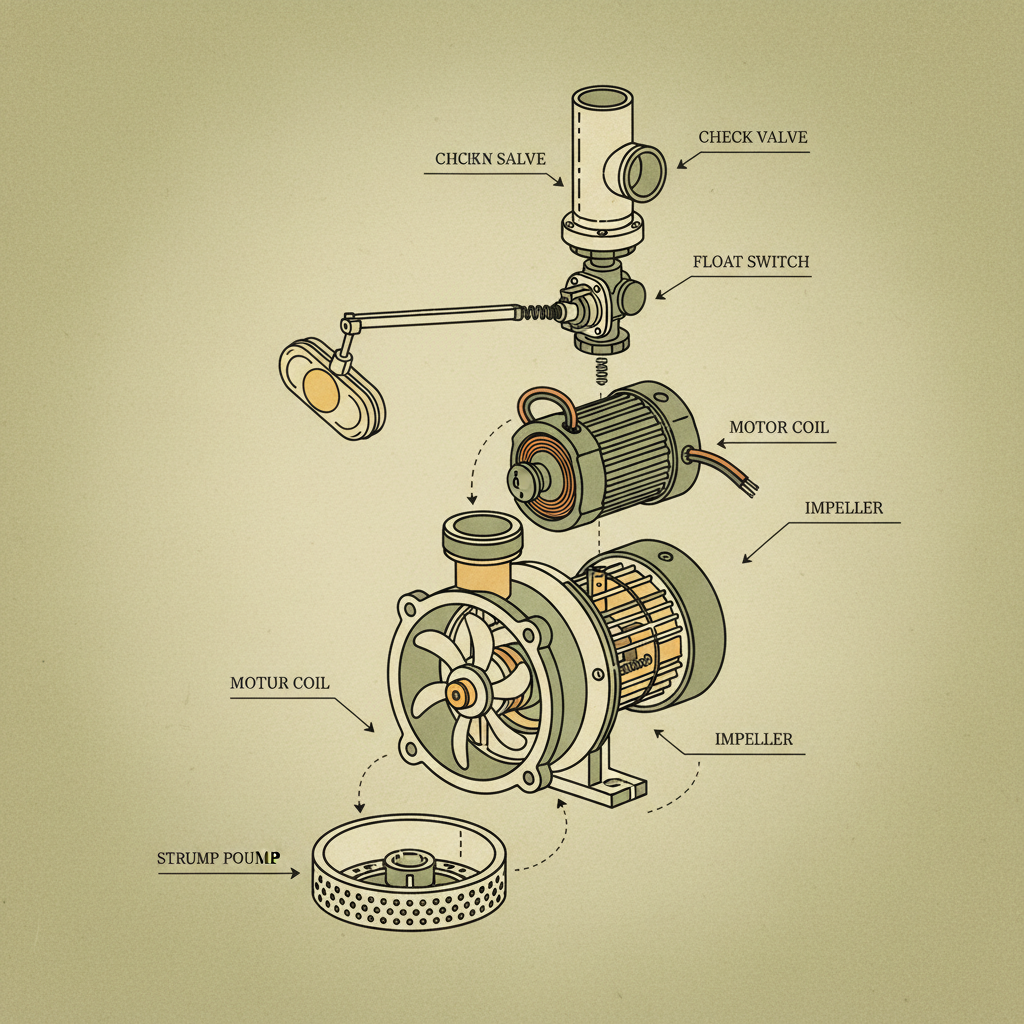
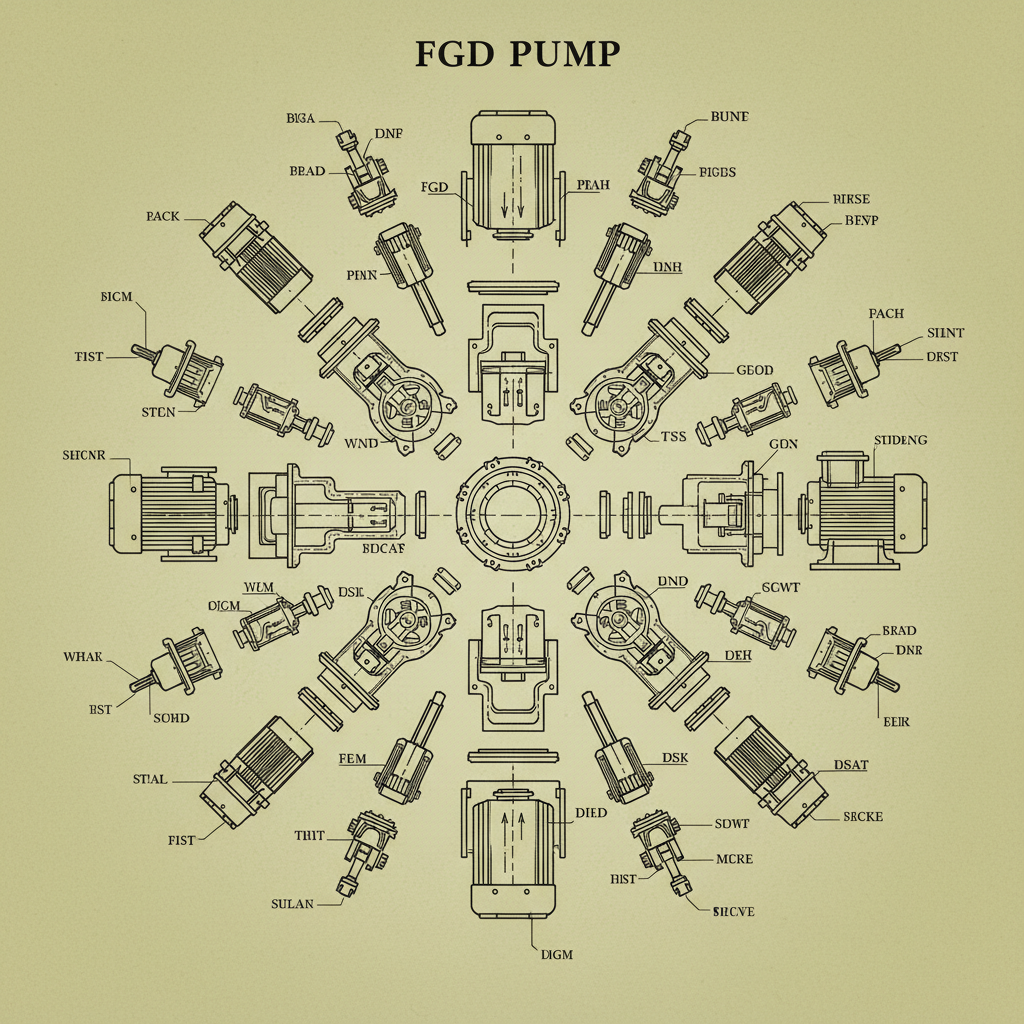
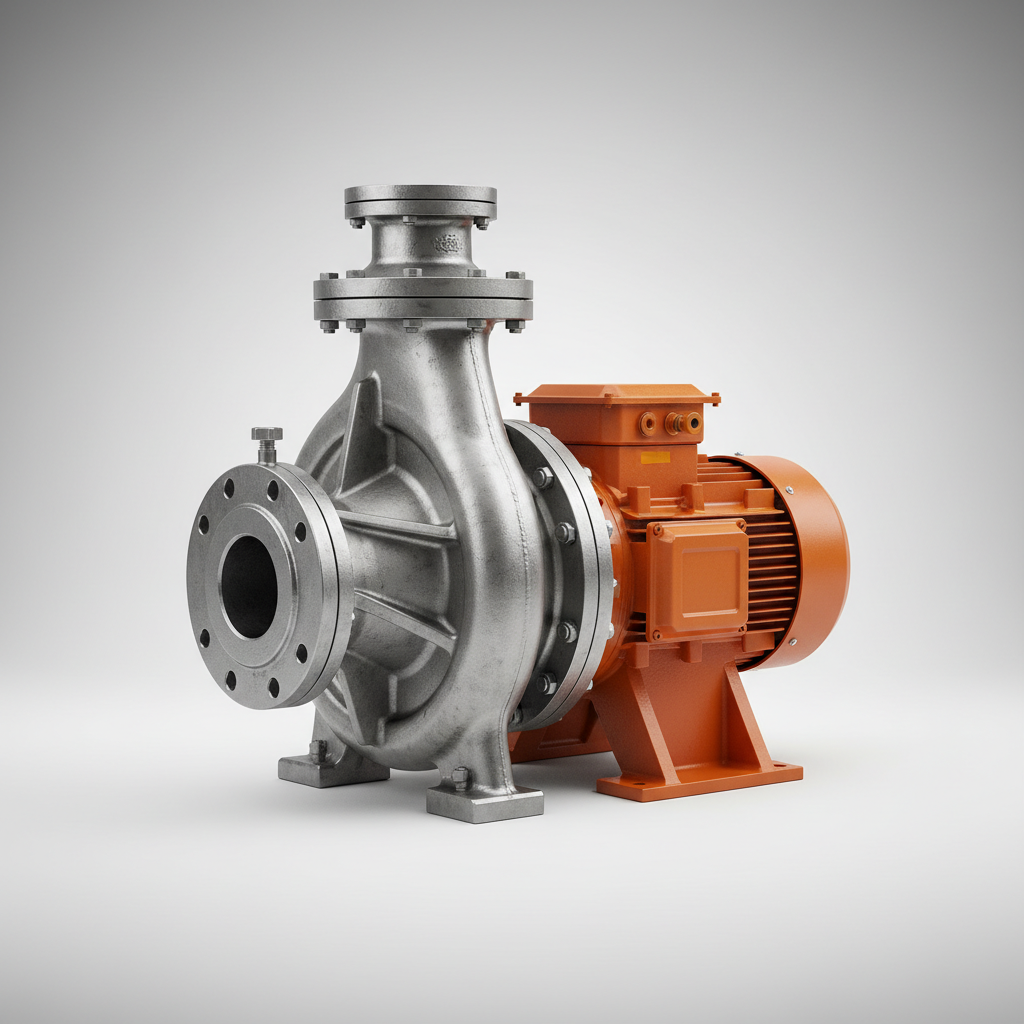
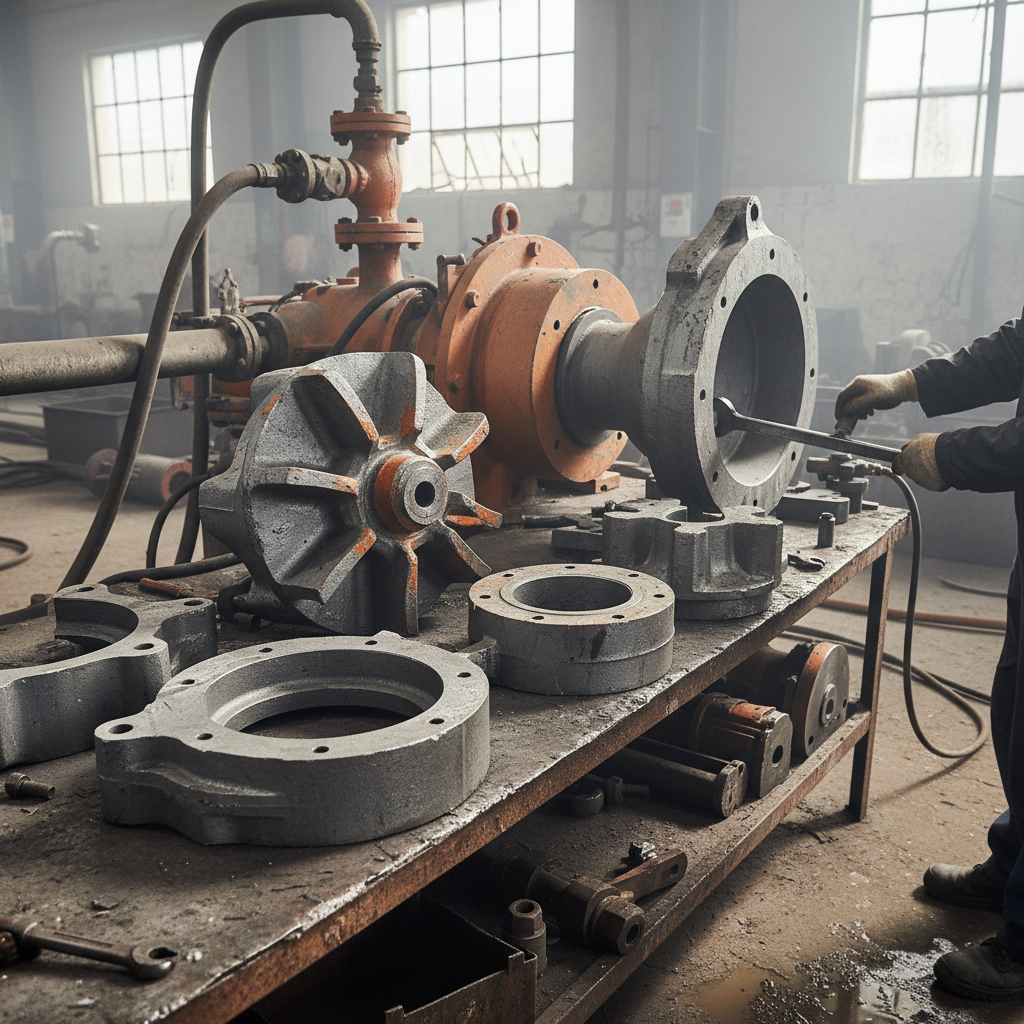
Different Sump Pump Operational Scenarios
Advantages & Disadvantages
Look, the biggest advantage is reliability. If it works when you need it, it's worth its weight in gold. It's got to be tough, it's got to be simple, and it’s got to just work. That’s it.
The disadvantages? Well, they’re not cheap. And they can be noisy. I've had customers complain about the noise keeping them up at night. You can try to dampen it, but you’re always going to have some vibration. And they require maintenance. People forget that. You have to clean them, check the seals, make sure everything’s running smoothly.
Customization Options
We can do a surprising amount of customization. Different voltages, different materials, different pump capacities… We can even change the inlet and outlet configurations. I had a customer last year who wanted a special coating on the housing to make it resistant to saltwater. It was expensive, but it solved his problem.
Last month, that small boss in Shenzhen who makes smart home devices insisted on changing the interface to . He said it was "more modern". I told him it was a terrible idea – construction sites aren't known for their delicate electronics, and ports are notoriously fragile. He didn't listen. Guess what? He called me back a week later, complaining that half the units had broken ports. Sometimes, you just gotta stick with what works.
A Customer Story
There was this contractor, old man Henderson, been building houses for fifty years. He was always skeptical of new technology. But he had a problem with flooding on one of his sites. Tried everything – French drains, gravel beds, you name it. Nothing worked.
Finally, he relented and bought one of our pumps. I went back to check on him a few weeks later, fully expecting to hear complaints. Instead, he was beaming. He said it had saved him thousands of dollars in damage. And that’s the thing about these units – they don’t get the glory when things are going well, but everyone knows when they fail.
He even started recommending them to his buddies. Which, frankly, surprised me. Old man Henderson is not easily impressed.
Summary of Key Performance Indicators
| Component |
Material Quality (1-10) |
Durability Rating (1-10) |
Maintenance Frequency |
| Pump Housing |
8 |
9 |
Annually |
| Impeller |
7 |
6 |
Bi-Annually |
| Motor |
9 |
10 |
Every 2 Years |
| Seals |
6 |
5 |
Every 6 Months |
| Float Switch |
5 |
4 |
Check Monthly |
| Discharge Pipe |
7 |
8 |
Inspect Annually |
FAQS
Honestly, a good pre-filter is your best friend. A lot of guys skip that step, but it'll save you a ton of headaches down the road. Regularly cleaning the intake screen is also crucial. Sediment can grind things up inside, shorten the lifespan of the impeller, and eventually lead to failure. It's a small thing, but makes a huge difference.
That depends, of course. It’s not just about square footage, it’s about the water table, the amount of rainfall in your area, and how well your foundation is sealed. A general rule is to calculate the maximum amount of water that could flow into your basement in an hour, and then get a pump that can handle at least that amount. Don’t cheap out on this one - you'll regret it.
You can, but you need to make sure your generator is properly sized to handle the pump’s starting wattage, which is usually higher than the running wattage. And make sure to vent the generator properly – carbon monoxide is no joke. Also, don’t run an extension cord if you can avoid it – a direct connection is always best.
That's a tough one. A good quality pump should last 7-10 years, but it depends on usage and maintenance. If you start noticing it's running more frequently, making strange noises, or struggling to keep up with even moderate rainfall, it’s probably time to replace it. Don't wait for it to fail completely!
They're a good idea if you live in an area prone to frequent power outages. They won’t run as long as a generator, but they can buy you enough time to prevent significant flooding. Just remember to test the battery regularly, and replace it when it gets old. Those batteries don’t last forever.
You want something that won't freeze or crack easily. Flexible polyethylene pipe is a good option, but make sure it’s properly supported to prevent kinking. Rigid PVC pipe is more durable, but it's also more prone to cracking in cold weather. And make sure the discharge point is far enough away from your foundation to prevent water from flowing back in!
Conclusion
So, there you have it. These units are simple things, really. But they're also incredibly important. They protect people's homes, their belongings, and their peace of mind. The industry's evolving, with more automation and smarter designs. But at the end of the day, it all boils down to reliability and durability.
Ultimately, whether this thing works or not, the worker will know the moment he tightens the screw. And that’s the truth of it. If you want to learn more about reliable sump pump solutions, visit our website: www.aierpumps.com