The efficient and reliable transport of slurries – mixtures of liquids and solid particles – is fundamental to a vast array of industrial processes globally. From mining and wastewater treatment to agriculture and energy production, the demand for robust pump for slurry solutions is ever-increasing. Understanding the nuances of slurry pumping, including pump selection, material science, and operational best practices, is crucial for optimizing performance, minimizing downtime, and ensuring environmental compliance. This knowledge is not merely technical; it directly impacts profitability, sustainability, and safety across numerous sectors.
The global slurry pumping market is a multi-billion dollar industry, driven by continued infrastructure development, tightening environmental regulations, and the increasing complexity of industrial processes. According to industry reports, the market is projected to experience steady growth in the coming years, with Asia-Pacific representing the largest and fastest-growing region. This expansion necessitates the development and deployment of increasingly sophisticated pump for slurry technologies capable of handling abrasive, corrosive, and highly viscous fluids efficiently and reliably.
Addressing the challenges of slurry transport – such as wear, erosion, and clogging – is paramount. Effective slurry pumping solutions minimize operational costs, reduce environmental impact, and maximize the lifespan of critical equipment. Investing in the right pump technology and maintenance strategies is therefore a strategic imperative for businesses across a broad spectrum of industries.
Introduction to pump for slurry
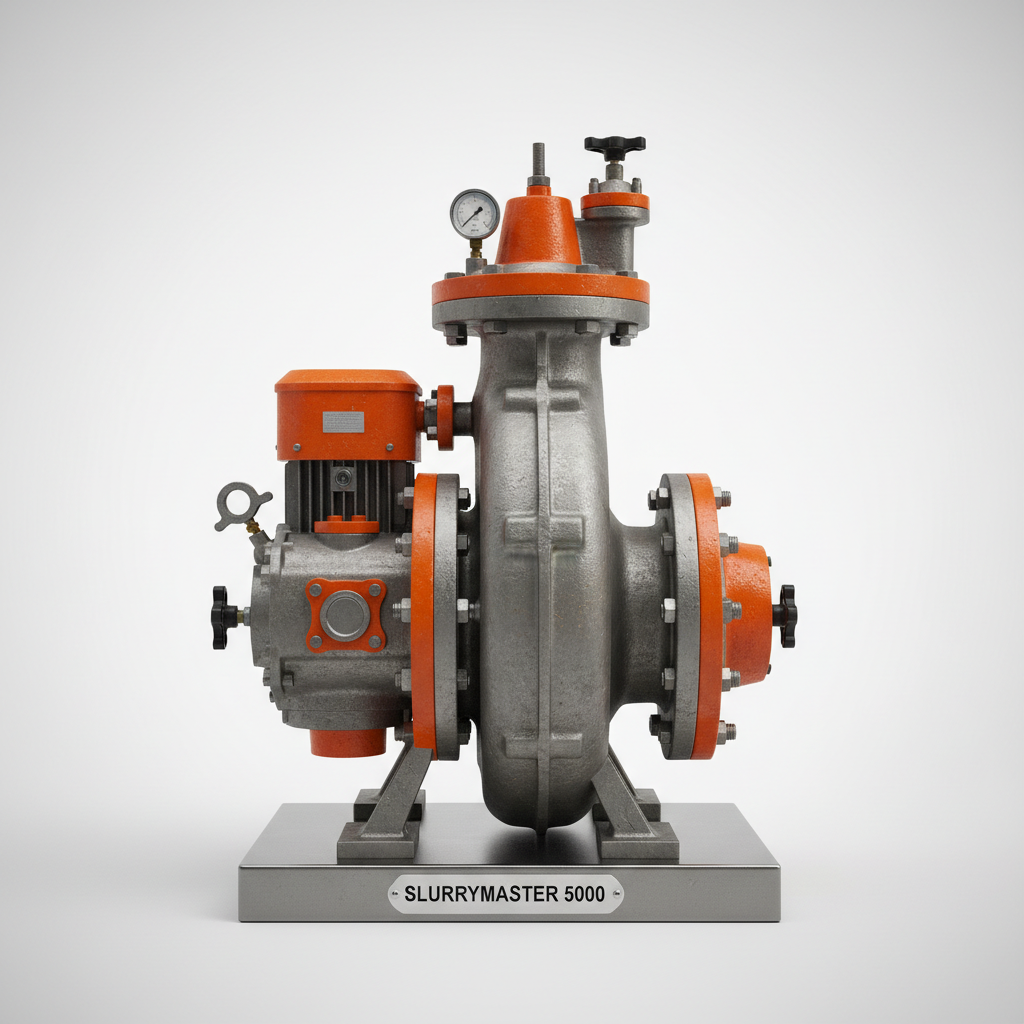
A pump for slurry is designed specifically to handle mixtures containing solid particles suspended in a liquid. Unlike standard pumps which are optimized for clean fluids, slurry pumps incorporate features that resist abrasion, erosion, and clogging, making them essential for industries dealing with abrasive materials like sand, gravel, or chemical precipitates.
These pumps are vital in ensuring efficient operations across diverse applications. Selecting the correct pump for slurry is not simply about moving material; it's about maximizing uptime, reducing maintenance costs, and protecting the integrity of the entire process.
Defining a pump for slurry
At its core, a pump for slurry is a type of positive displacement or centrifugal pump engineered to efficiently transport mixtures containing solid particles. These particles can vary significantly in size, concentration, and abrasive properties, necessitating specialized design features. The key distinction lies in the pump’s ability to maintain consistent flow and pressure despite the presence of solids, preventing damage to the pump itself and ensuring continuous operation.
The development of slurry pumps has been driven by the needs of industries like mining, where transporting ore slurries is a fundamental process. Over time, advancements in materials science and hydraulic design have resulted in pumps capable of handling increasingly abrasive and corrosive slurries with greater efficiency and reliability.
Today, pump for slurry technology plays a critical role not only in resource extraction, but also in wastewater treatment, chemical processing, and even food and beverage production, highlighting its versatility and importance in modern industry.
Core Components of a pump for slurry
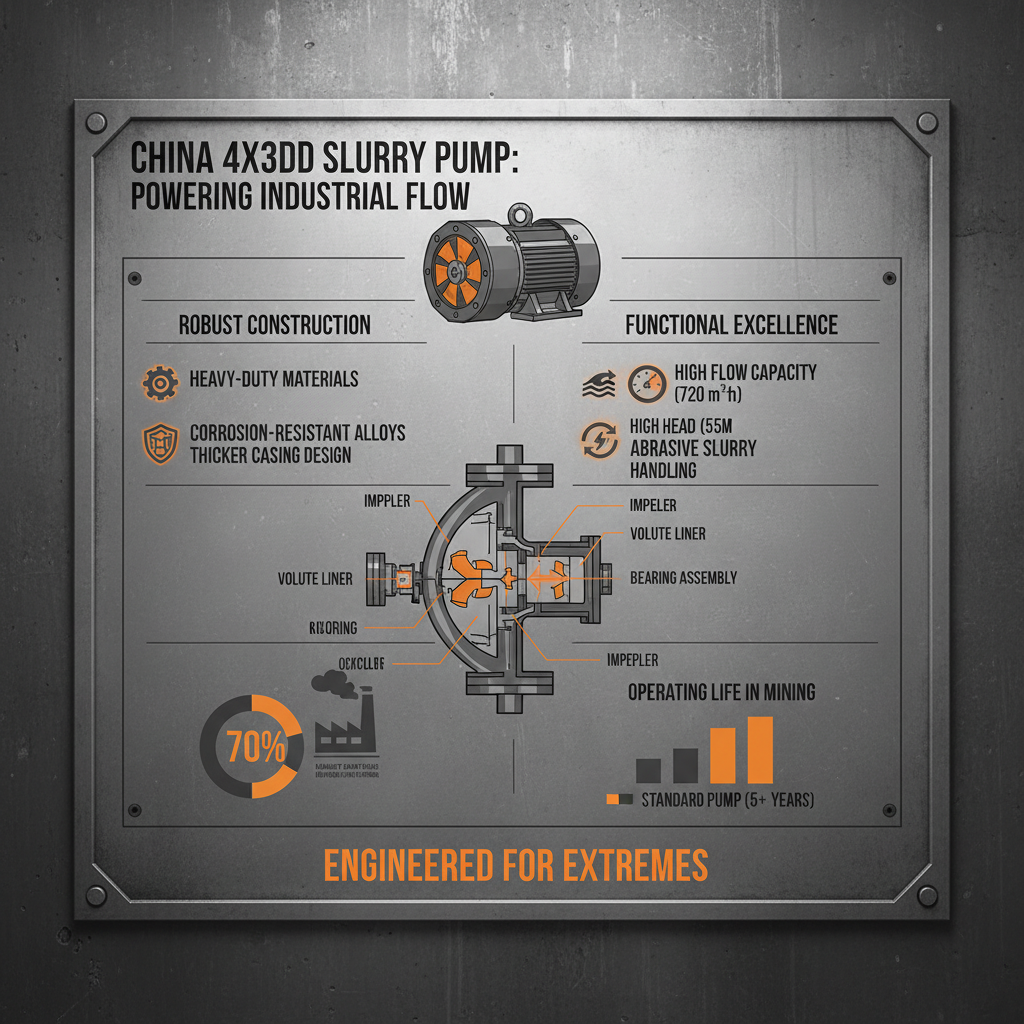
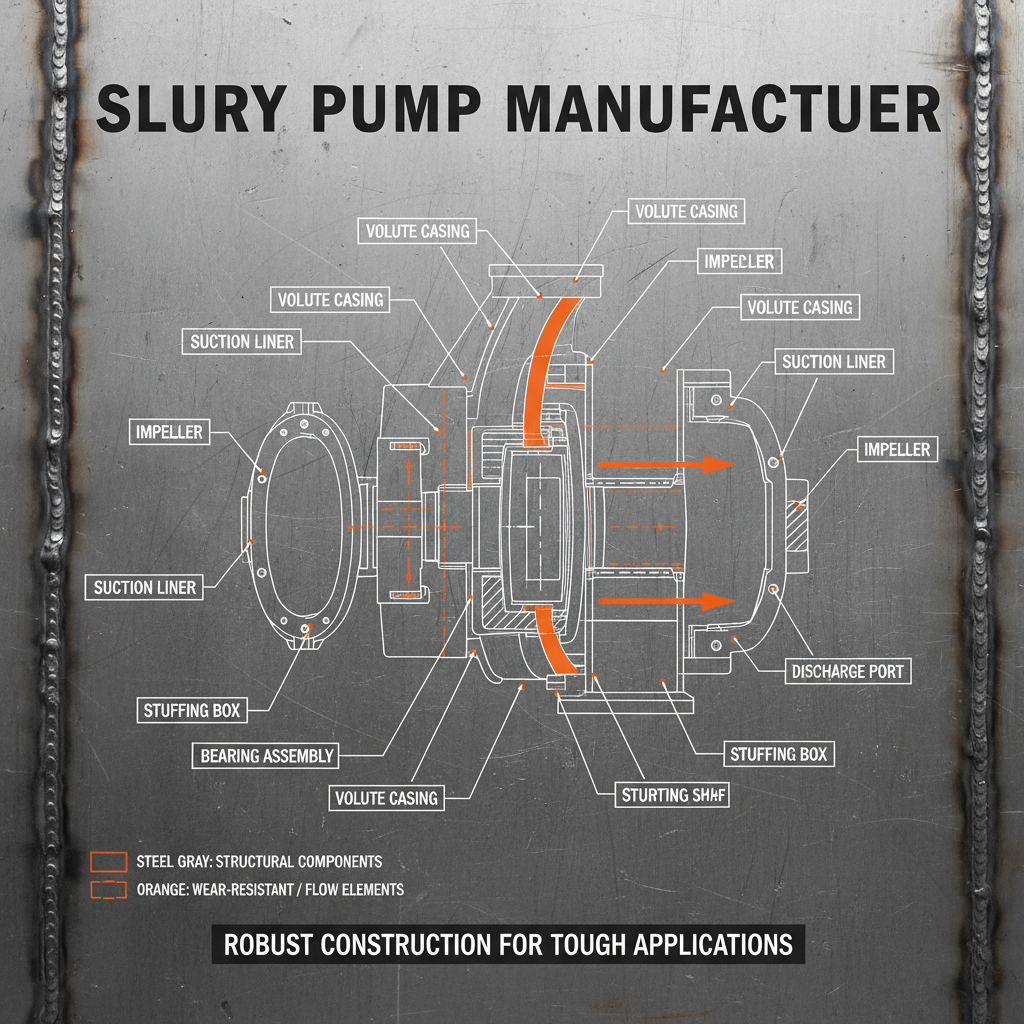
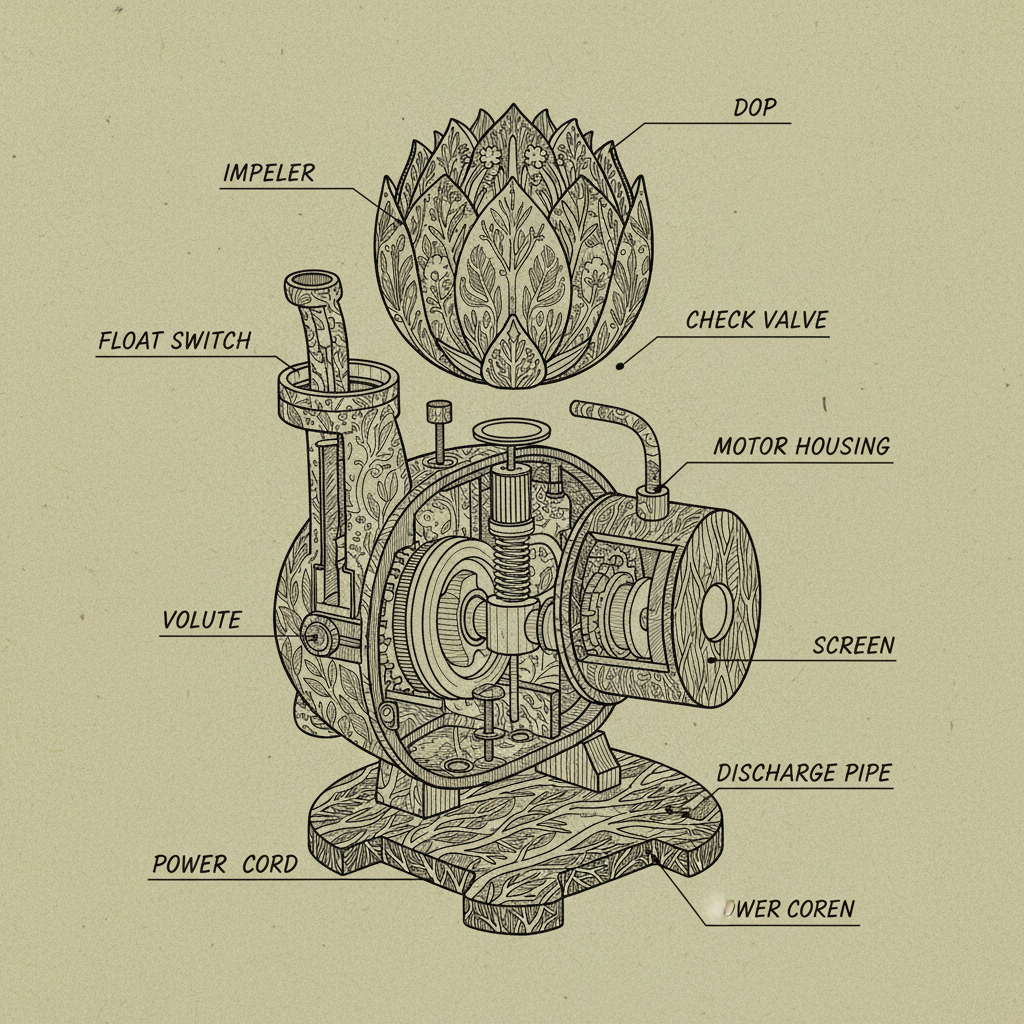
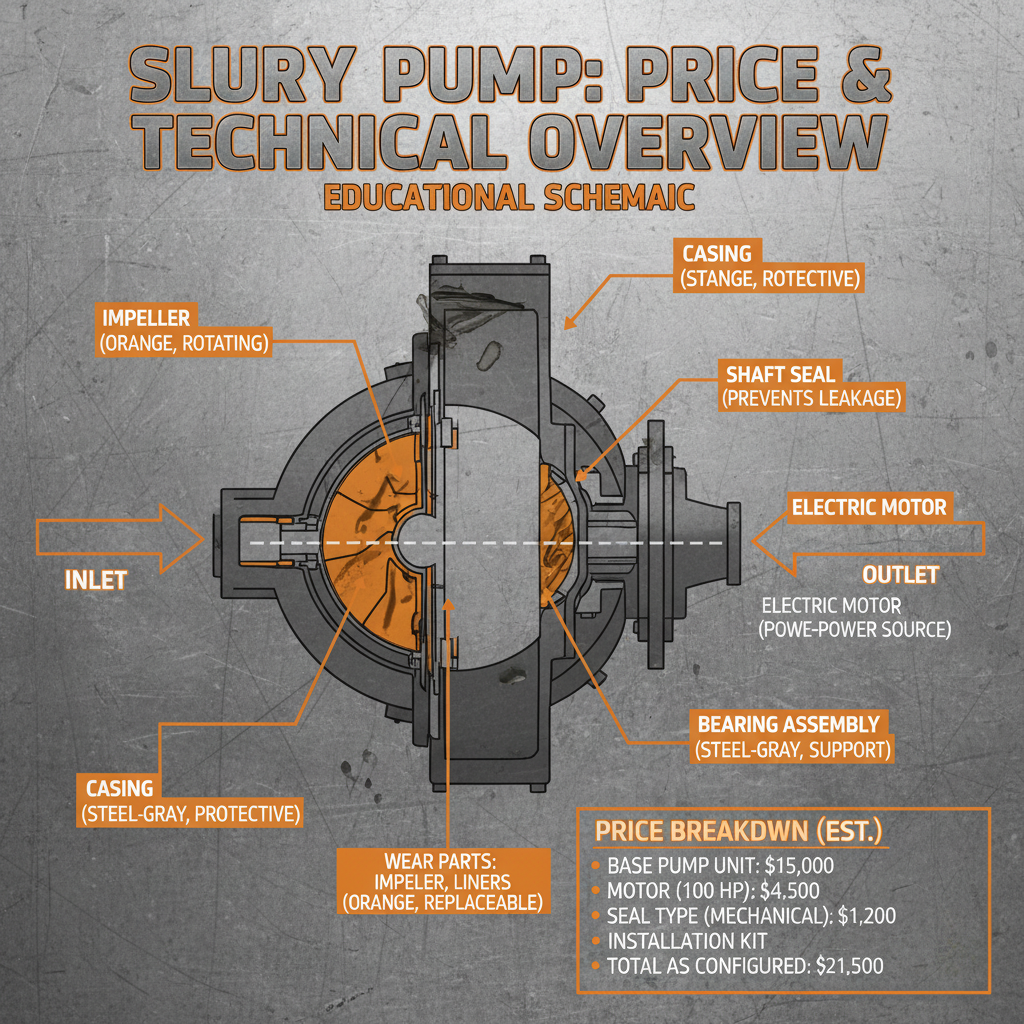
Several key components contribute to the robust performance of a pump for slurry. The impeller, often constructed from high-chrome iron or specialized alloys, is responsible for imparting energy to the slurry. The volute casing, designed to efficiently collect and direct the flow, is also subjected to significant wear and tear.
Furthermore, the pump’s seals and bearings are critical for preventing leakage and ensuring smooth operation. Specifically designed seals, capable of handling abrasive particles, are vital for long-term reliability. Robust bearings are necessary to withstand the increased loads associated with pumping dense slurries.
Material selection is paramount. The choice of materials directly impacts the pump’s resistance to abrasion, corrosion, and erosion, ultimately determining its lifespan and overall performance. Hard metals and specialized polymers are commonly used to construct critical pump components.
Key Performance Indicators for pump for slurry
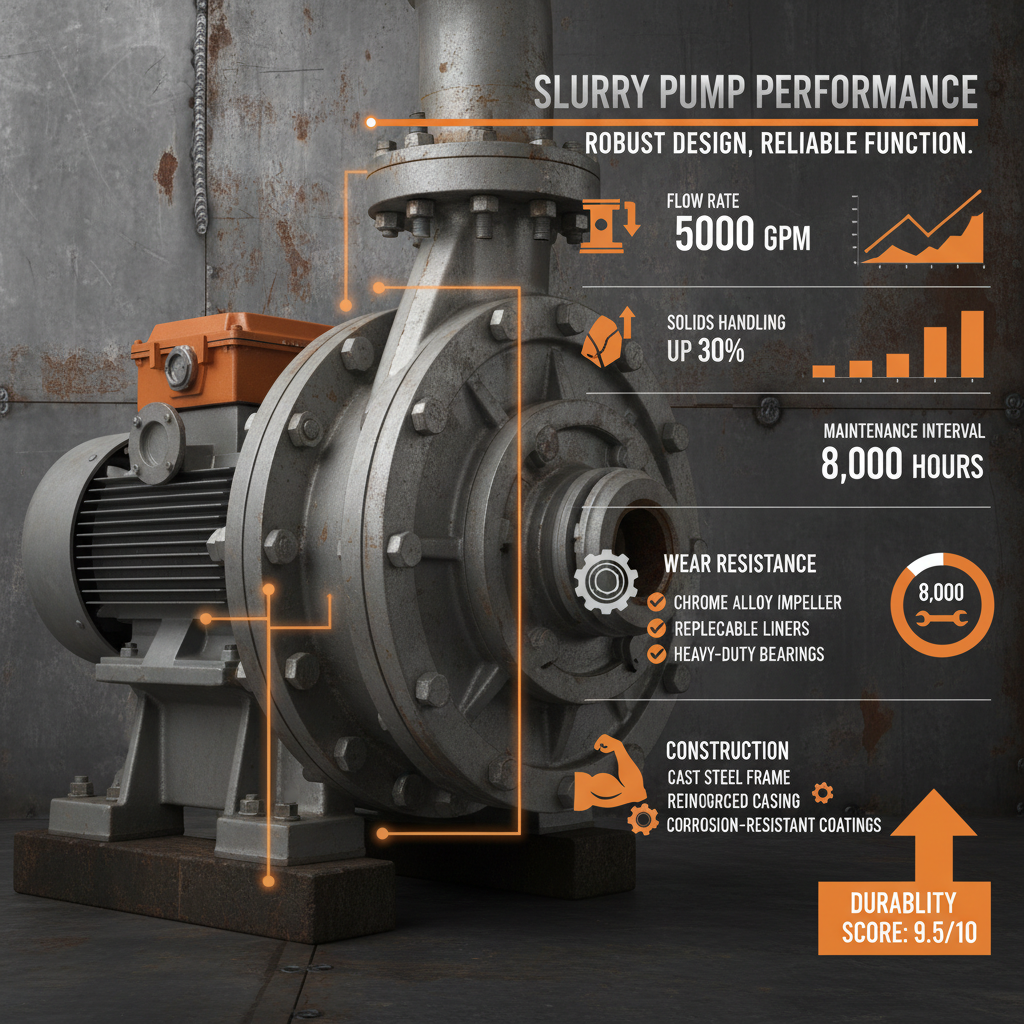
Evaluating the performance of a pump for slurry requires a focus on several key indicators. Head, representing the maximum height the pump can lift the slurry, is a crucial parameter. Flow rate, measuring the volume of slurry pumped per unit time, dictates the pump’s throughput capacity.
Efficiency, calculated as the ratio of hydraulic power output to power input, impacts operational costs. Solids handling capability, defined as the maximum concentration and size of solids the pump can effectively transport, determines its suitability for specific applications.
Comparison of pump for slurry Performance Metrics
Global Applications of pump for slurry
The applications of a pump for slurry are remarkably diverse. In the mining industry, these pumps are essential for transporting ore slurries from the mine site to processing facilities. In wastewater treatment plants, they handle sludge and other abrasive materials.
Chemical processing plants utilize slurry pumps to move corrosive and abrasive chemical mixtures. Furthermore, in the agricultural sector, they facilitate the transfer of fertilizer slurries and irrigation water containing sediment.
The Advantages of Advanced pump for slurry Systems
Investing in advanced pump for slurry systems yields significant benefits. Reduced maintenance costs are a primary advantage, stemming from increased pump longevity and decreased wear. Improved operational efficiency translates to lower energy consumption and reduced downtime.
Enhanced safety is another crucial benefit, as reliable slurry pumping minimizes the risk of spills and equipment failures. The use of durable materials and intelligent designs contributes to a more sustainable and environmentally responsible operation.
Ultimately, a well-chosen pump for slurry system provides a substantial return on investment through increased productivity, reduced operating expenses, and improved safety.
Future Trends in pump for slurry Technology
The future of pump for slurry technology is characterized by several key trends. The integration of smart sensors and predictive maintenance capabilities is enabling proactive monitoring and reducing unplanned downtime. Advanced materials, such as ceramics and composite polymers, are offering superior resistance to abrasion and corrosion.
Furthermore, the development of more energy-efficient pump designs, coupled with variable frequency drives, is minimizing energy consumption and reducing operational costs. Digitalization and remote monitoring capabilities are gaining prominence, allowing for real-time performance analysis and optimized control.
Finally, a growing focus on sustainability is driving the development of pumps that minimize environmental impact and promote responsible resource management.
Key Comparative Analysis of pump for slurry Technologies
| Pump Type |
Abrasion Resistance (1-10) |
Efficiency Rating (1-10) |
Maintenance Frequency (Days) |
| Centrifugal Slurry Pump |
7 |
8 |
90 |
| Positive Displacement Slurry Pump |
9 |
6 |
120 |
| Peristaltic Slurry Pump |
5 |
7 |
60 |
| Diaphragm Slurry Pump |
6 |
5 |
75 |
| Vertical Slurry Pump |
8 |
9 |
100 |
| Submersible Slurry Pump |
7 |
7 |
80 |
FAQS
For highly abrasive slurries, positive displacement pumps, specifically those with robust impeller and casing materials like high-chrome iron, are generally preferred. These pumps excel at handling large solid particles and offer superior resistance to wear and tear, although they often have lower flow rates than centrifugal pumps.
The frequency of inspection depends on the slurry's abrasiveness and concentration. However, a general guideline is to inspect the impeller, casing, and seals every 3-6 months. Regular inspections can identify early signs of wear and allow for proactive maintenance, preventing costly downtime and repairs.
Material selection is critical. Consider the slurry's composition, including the size, shape, and hardness of the solid particles, as well as its corrosive properties. High-chrome iron is common for abrasion resistance, while specialized alloys or polymers are used for corrosion resistance. The pump's operating temperature and pressure also influence material choice.
Preventing clogging involves selecting the right pump type and impeller design for the specific slurry. Maintaining sufficient flow velocity can help keep solids suspended. Incorporating features like open impellers and large passage ways can also reduce the risk of blockages. Regular cleaning and inspection are also essential.
VFDs allow for precise control of the pump's speed, enabling optimization of flow rate and energy consumption. By adjusting the speed to match the slurry's characteristics and system demands, VFDs can reduce wear, minimize energy waste, and extend the pump's lifespan. They're particularly useful in applications with fluctuating flow requirements.
Submersible slurry pumps are ideal for applications where the pump needs to operate directly in the slurry, such as sumps or pits. They eliminate the need for suction lift, simplifying installation and reducing the risk of cavitation. They are also often more energy-efficient than surface-mounted pumps in certain applications.
Conclusion
In conclusion, the selection and effective operation of a pump for slurry are critical for numerous industrial processes. Understanding the core components, performance indicators, and emerging trends in slurry pumping technology is essential for optimizing efficiency, reducing costs, and ensuring long-term reliability. Investing in the right pump solution and implementing proactive maintenance strategies are key to maximizing productivity and minimizing environmental impact.
Looking ahead, the future of slurry pumping will be driven by innovations in materials science, digital technologies, and sustainable design. Embracing these advancements will enable industries to overcome the challenges associated with slurry transport and unlock new levels of performance and efficiency. For expert guidance and a comprehensive range of slurry pumping solutions, visit our website at www.aierpumps.com.