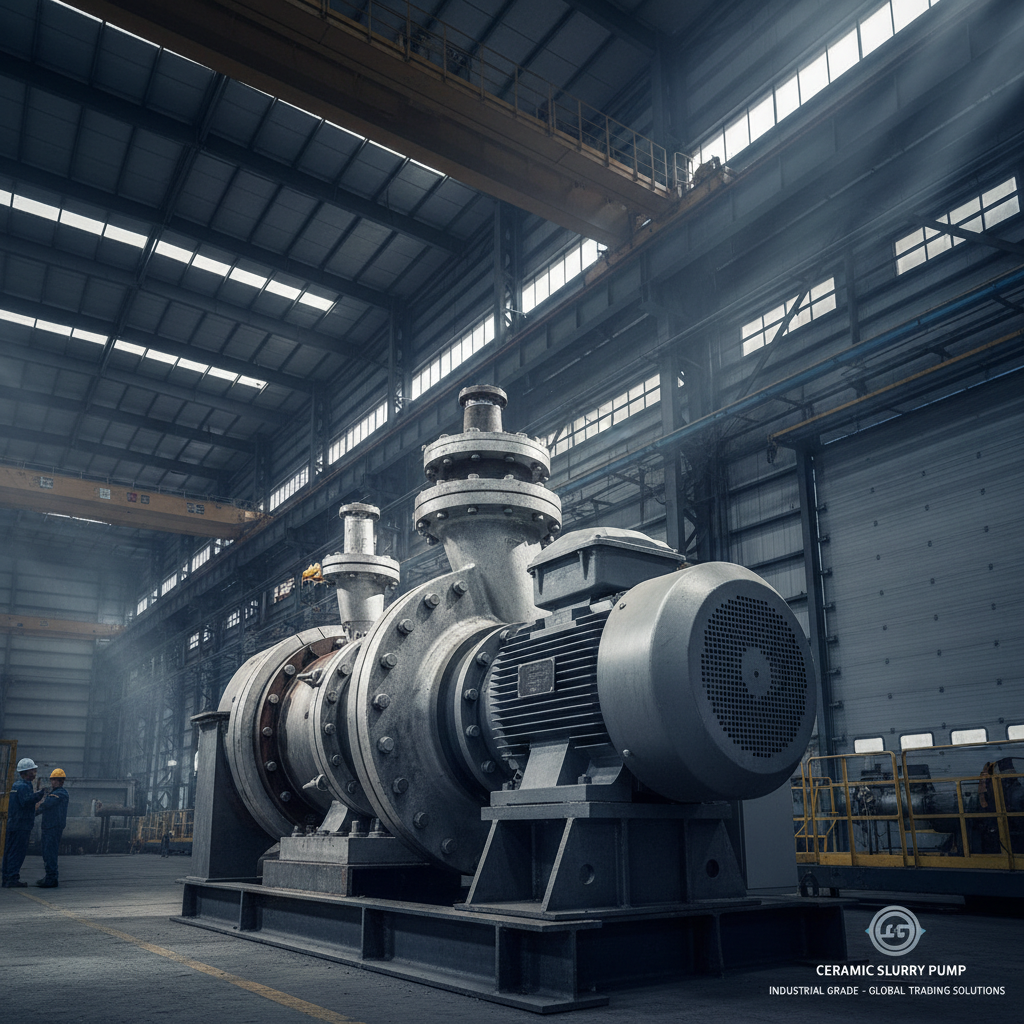
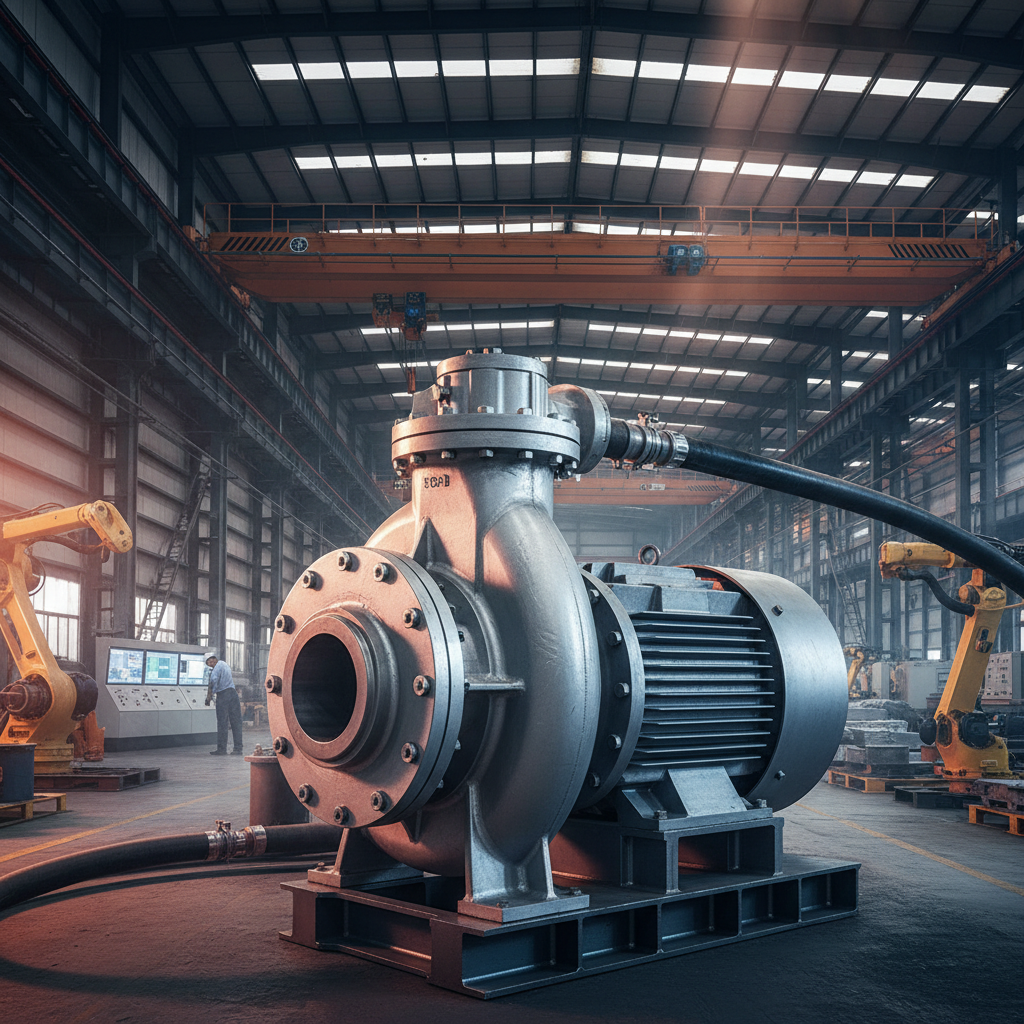
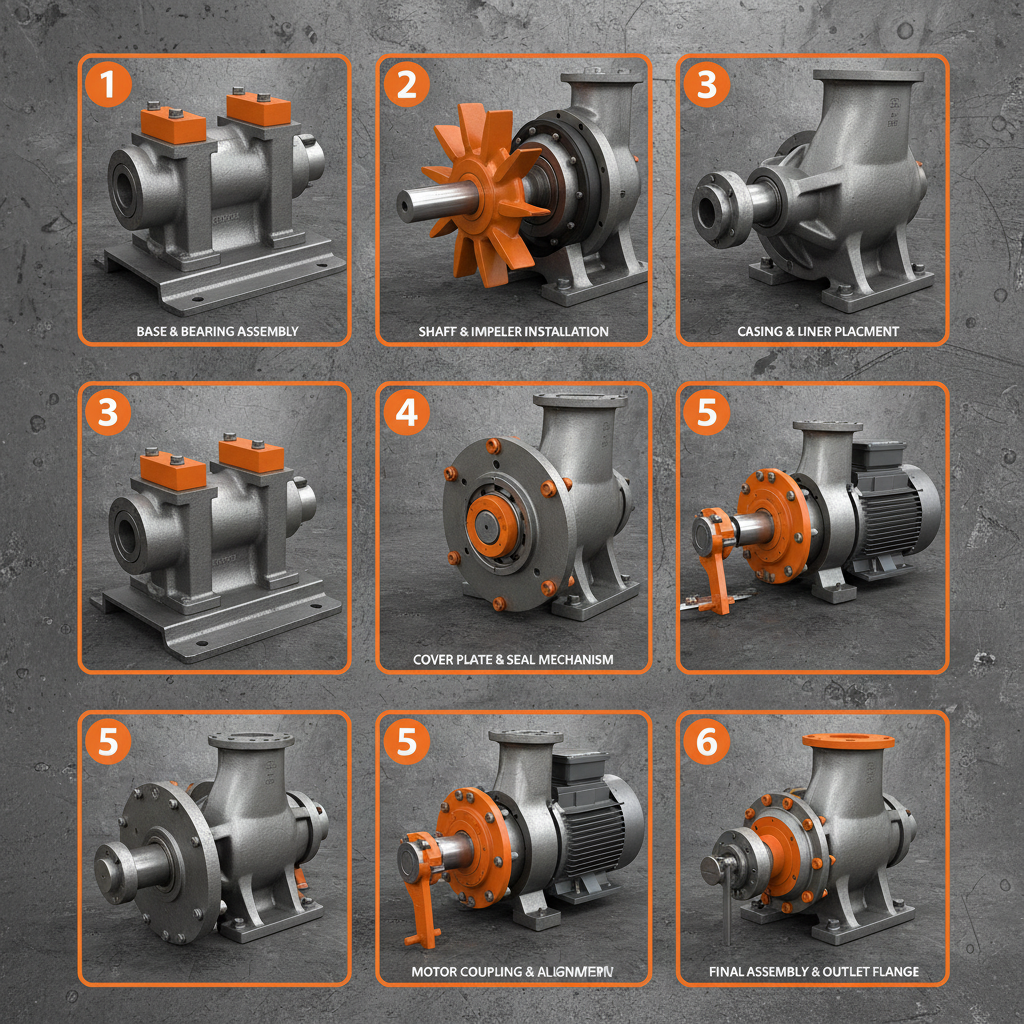
Ceramic slurry pumps are essential components in a vast array of industrial processes, handling abrasive and corrosive materials that would quickly degrade conventional pumps. Their robust construction, utilizing high-wear ceramic components, provides exceptional longevity and reliability, minimizing downtime and maintenance costs. The global demand for efficient and durable slurry handling solutions is driving innovation in ceramic pump technology, making them increasingly critical for industries ranging from mining and chemical processing to wastewater treatment and power generation.
The importance of ceramic slurry pump technology stems from the increasing need for sustainable and cost-effective solutions in challenging industrial environments. As regulations surrounding environmental impact become stricter, the ability to handle abrasive slurries without leaks or failures is paramount. Furthermore, the rising costs associated with downtime and repairs necessitate pumps capable of withstanding harsh conditions for extended periods. The development and adoption of advanced ceramic materials further enhance the performance and efficiency of these pumps, making them a key enabler for modern industrial operations.
Ultimately, a properly specified ceramic slurry pump can significantly contribute to improved process efficiency, reduced operating expenses, and enhanced environmental compliance. Understanding the principles behind their design and operation is crucial for engineers, plant managers, and anyone involved in slurry handling applications, ensuring they select the optimal pump for their specific needs.
Introduction to Ceramic Slurry Pumps
Ceramic slurry pumps are designed to tackle the unique challenges presented by abrasive and corrosive slurries. Unlike traditional pumps prone to rapid wear, these pumps utilize ceramic components—such as alumina, zirconia, or silicon carbide—in areas exposed to the slurry's most damaging effects. This construction significantly extends the pump's lifespan and reduces maintenance requirements.
The application of ceramic materials isn't simply about enhanced durability; it’s also about process efficiency. A reliable ceramic slurry pump ensures consistent flow rates and minimizes the risk of costly process interruptions, ultimately contributing to increased productivity and lower operating costs within the facility.
Defining Ceramic Slurry Pump Technology
At its core, a ceramic slurry pump is a centrifugal pump engineered to handle fluids containing high concentrations of solid particles. These particles can range from fine silts and sands to large, abrasive rocks and metal fragments. The key differentiator lies in the use of ceramic materials for critical wear parts – the impeller, casing, and liners – which are constantly bombarded by these solids.
This technology is particularly vital in industries where handling abrasive slurries is unavoidable. For example, mining operations routinely deal with slurry containing ore particles, while wastewater treatment plants process sludge laden with grit and debris. Traditional metal pumps simply cannot withstand these conditions for extended periods.
The benefits of using ceramic slurry pumps are multifaceted. Not only do they provide exceptional wear resistance, but they also exhibit excellent corrosion resistance, making them suitable for handling aggressive chemical slurries. This combination of properties translates to reduced downtime, lower maintenance costs, and a longer overall service life.
Core Components and Design Features
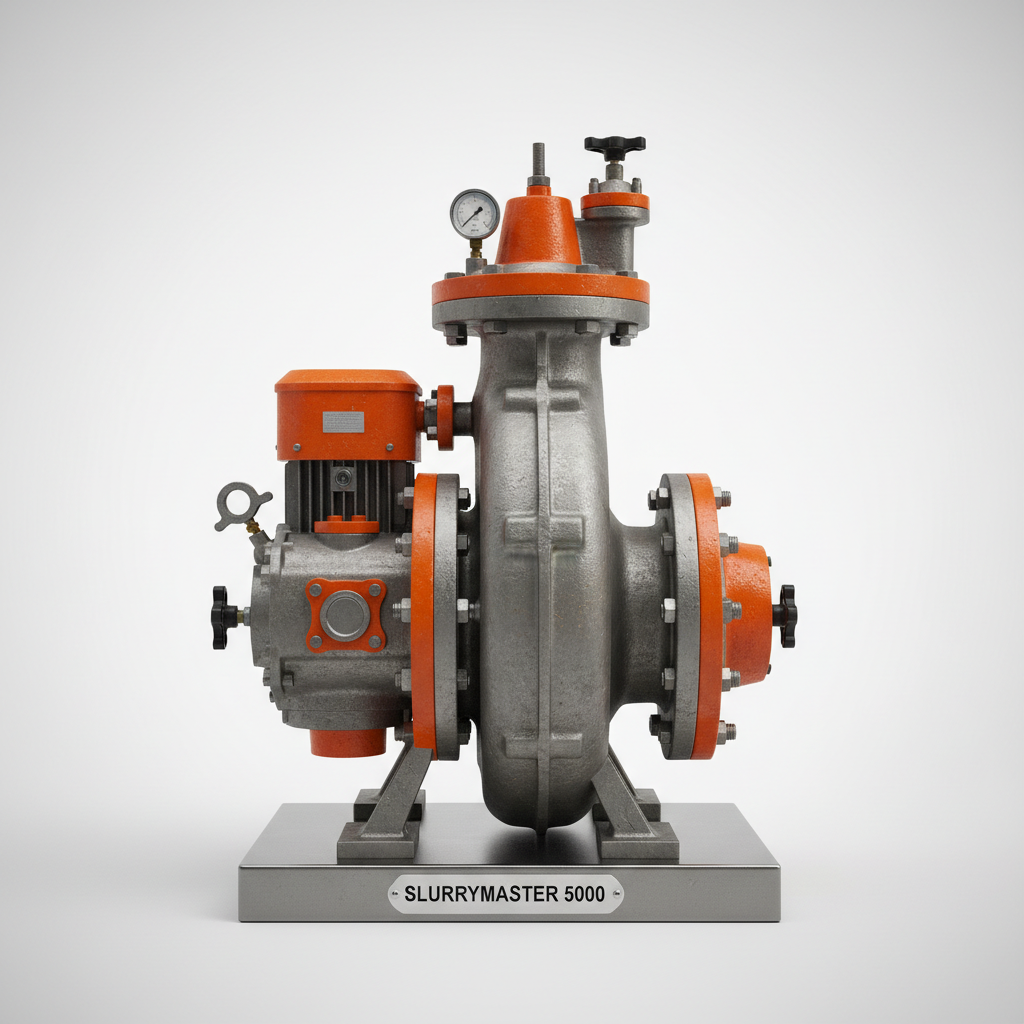
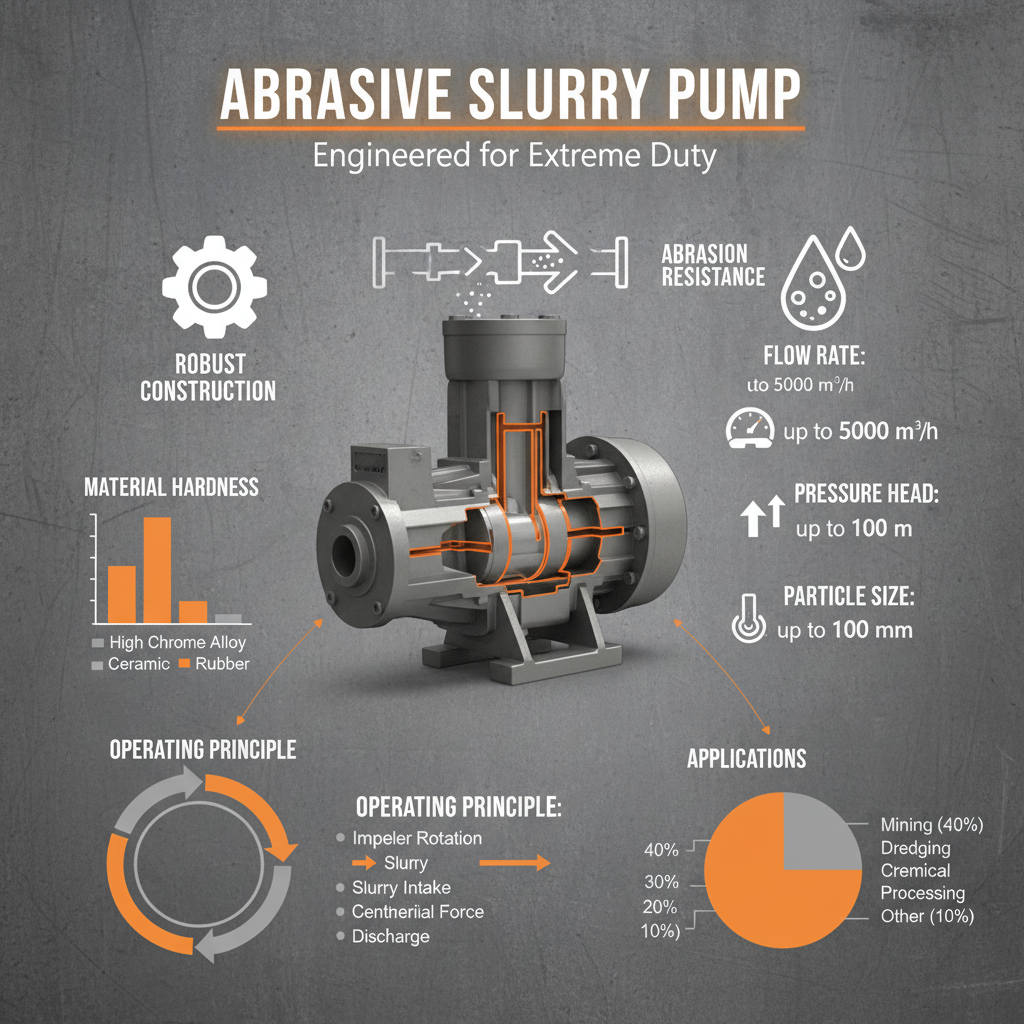
The robustness of a ceramic slurry pump hinges on several core components and design features. The impeller, often the first point of contact with the slurry, is typically constructed from a high-hardness ceramic material, such as alumina. This minimizes erosion and maintains efficient pumping performance.
The pump casing and liners are also frequently made from ceramic or coated with ceramic materials to protect against abrasion and corrosion. Proper design also incorporates a larger flow passage to reduce the velocity of the slurry, thereby minimizing wear. Furthermore, many ceramic slurry pumps utilize an adjustable impeller design, allowing operators to optimize performance for different slurry characteristics.
The mechanical seal is another critical component, often employing advanced sealing technologies to prevent leakage of the abrasive slurry. The selection of appropriate materials and seal configurations is crucial for ensuring long-term reliability and preventing costly downtime.
Performance Metrics of Ceramic Slurry Pumps
Evaluating the performance of a ceramic slurry pump requires considering several key metrics. Solids handling capacity—the maximum concentration of solids the pump can effectively handle—is paramount. Another critical factor is the pump’s head and flow rate, which determine its ability to move the slurry efficiently against a given pressure gradient.
Furthermore, wear resistance is a primary performance indicator. Measuring the pump’s performance degradation over time allows for assessment of its longevity and cost-effectiveness.
Ceramic Slurry Pump Performance Comparison
Global Applications and Industry Impact
The versatility of ceramic slurry pump technology has led to its widespread adoption across numerous industries. In the mining sector, these pumps are vital for transporting ore slurries from extraction sites to processing facilities. Similarly, in the oil and gas industry, they handle drilling muds and produced water containing abrasive sand and solids.
Wastewater treatment plants rely heavily on ceramic slurry pumps to process sludge and grit, ensuring efficient operation and compliance with environmental regulations. The chemical processing industry utilizes these pumps for handling corrosive slurries containing acids, alkalis, and other harsh chemicals. Furthermore, power plants employ them for handling fly ash and other abrasive byproducts of coal combustion.
Long-Term Benefits and Value Proposition
The long-term benefits of investing in a ceramic slurry pump extend far beyond initial cost considerations. Reduced maintenance requirements, stemming from the pump’s exceptional wear resistance, translate to significant savings in labor and replacement parts. Minimized downtime enhances operational efficiency and prevents costly production delays.
Beyond the financial advantages, ceramic slurry pumps offer a sustainable solution. Their extended lifespan reduces the need for frequent replacements, minimizing waste and conserving resources. The reliability and durability of these pumps also enhance safety by reducing the risk of pump failures and potential environmental contamination.
Future Trends in Ceramic Slurry Pump Development
The future of ceramic slurry pump technology is focused on several key areas. Research and development efforts are centered on creating even more wear-resistant ceramic materials, such as advanced silicon carbide composites. Furthermore, advancements in pump design aim to optimize hydraulic performance and reduce energy consumption.
Digitalization is also playing an increasingly important role, with the integration of sensors and data analytics allowing for predictive maintenance and optimized pump operation. The trend toward remote monitoring and control further enhances efficiency and reduces the need for on-site personnel.
Sustainability concerns are driving the development of eco-friendly ceramic materials and manufacturing processes. The goal is to minimize the environmental impact of both pump production and operation, aligning with the global push for a circular economy.
Summary of Ceramic Slurry Pump Trends and Applications
| Trend/Application |
Material Advancement |
Impact on Efficiency |
Sustainability Aspect |
| Mining Slurry Handling |
Advanced Alumina Ceramics |
Improved Flow Rates (8/10) |
Reduced Material Waste |
| Wastewater Treatment |
Zirconia Enhanced Ceramics |
Lower Energy Consumption (7/10) |
Lower Lifecycle Carbon Footprint |
| Chemical Processing |
Silicon Carbide Composites |
Minimized Sludge Buildup (9/10) |
Reduced Chemical Leaks |
| Oil & Gas Drilling |
Hybrid Ceramic Coatings |
Consistent Drilling Performance (7/10) |
Reduced Environmental Impact of Drilling |
| Power Plant Fly Ash Removal |
High-Density Ceramic Liners |
Improved Solids Transport (8/10) |
Sustainable Waste Management |
| Remote Industrial Applications |
Self-Reinforcing Ceramics |
Reduced Maintenance Frequency (9/10) |
Lower Transportation Costs for Repairs |
FAQS
Ceramic slurry pumps offer superior wear resistance, allowing them to handle abrasive slurries for extended periods without significant degradation. This translates to reduced downtime, lower maintenance costs, and a longer overall service life compared to metal pumps, which are prone to erosion and corrosion in harsh environments. They also maintain their efficiency longer, minimizing energy consumption.
Ceramic slurry pumps excel in handling abrasive slurries containing hard particles like sand, gravel, ore, and metal fragments. They are also highly effective with corrosive slurries containing acids, alkalis, and other aggressive chemicals. They are particularly beneficial where slurry composition varies or contains a high solids content.
Different ceramic materials offer varying levels of wear resistance, corrosion resistance, and impact strength. Alumina is commonly used for general-purpose applications, while zirconia provides superior toughness. Silicon carbide offers excellent hardness and chemical resistance. Selecting the appropriate ceramic material is critical for optimizing pump performance based on the specific slurry characteristics.
While ceramic slurry pumps require less maintenance than traditional pumps, regular inspections are still crucial. This includes checking for wear on the impeller and casing, inspecting the mechanical seal, and ensuring proper lubrication. Predictive maintenance techniques, such as vibration analysis, can also help identify potential issues before they lead to failures.
Ceramic slurry pumps typically have a higher initial cost than traditional metal pumps. However, this cost is often offset by their significantly longer lifespan, reduced maintenance requirements, and increased reliability. Over the pump’s lifecycle, the total cost of ownership is often lower for ceramic slurry pumps, making them a cost-effective investment.
Key factors include the slurry’s solid concentration, particle size distribution, abrasiveness, corrosiveness, and temperature. The pump’s required flow rate, head, and operating pressure also need to be considered. Proper material selection and pump design are essential for ensuring optimal performance and longevity.
Conclusion
Ceramic slurry pumps represent a significant advancement in slurry handling technology, offering superior durability, reliability, and cost-effectiveness compared to traditional pumps. Their ability to withstand abrasive and corrosive environments makes them indispensable in a wide range of industries, from mining and wastewater treatment to chemical processing and power generation. Investing in this technology translates to reduced downtime, lower maintenance costs, and a more sustainable approach to industrial operations.
Looking ahead, continued innovation in ceramic materials, pump design, and digital technologies will further enhance the performance and efficiency of these pumps. Embracing these advancements will be crucial for companies seeking to optimize their processes, reduce their environmental impact, and maintain a competitive edge. To learn more about how a ceramic slurry pump can benefit your operations, visit our website today.