The effective management of wastewater is a global challenge, demanding robust and reliable solutions. A pump for wastewater plays a critical role in these systems, moving effluent from collection points to treatment facilities and ultimately, safe discharge or reuse. This is not merely an engineering concern; it’s a public health issue, an environmental necessity, and increasingly, a matter of resource recovery. With growing populations and increasing industrialization, the need for efficient and durable wastewater pumping solutions is only escalating.
The demand for effective pump for wastewater systems is heavily influenced by urbanization and industrial activity, particularly in developing nations. According to the UN, over half the world’s population now lives in urban areas, generating vast amounts of wastewater daily. The World Bank estimates that billions of dollars are needed annually to address wastewater infrastructure gaps. Efficient pumping is crucial for preventing untreated sewage from contaminating water sources, reducing disease outbreaks, and protecting ecosystems.
Investing in high-quality pump for wastewater technology is therefore not simply an expenditure, but a vital investment in public health, environmental sustainability, and economic development. Understanding the intricacies of these systems – their components, applications, and future trends – is paramount for engineers, policymakers, and anyone involved in water management.
Introduction: Global Context of pump for wastewater
The global need for effective wastewater management is continuously increasing, driven by population growth, urbanization, and industrial expansion. A critical component of any wastewater system is the pump for wastewater. These pumps are responsible for moving wastewater from its source – homes, businesses, and industries – to treatment plants, and subsequently, discharge points or reuse applications.
Without reliable pump for wastewater infrastructure, untreated wastewater can contaminate vital water sources, leading to significant public health risks and environmental damage. The financial burden of inadequate wastewater systems extends beyond healthcare costs; it impacts tourism, agriculture, and overall economic productivity. Investing in robust and efficient pumping systems is therefore a cornerstone of sustainable development.
Defining pump for wastewater Systems
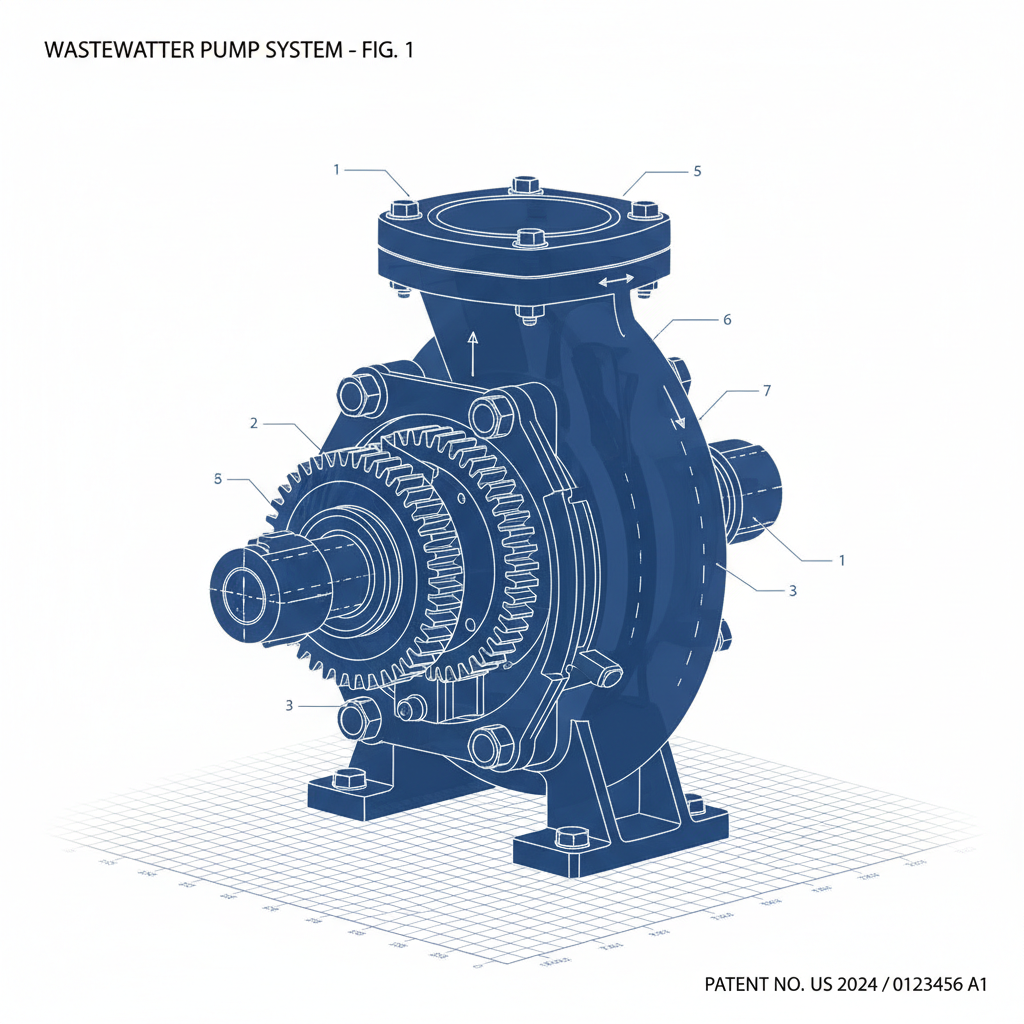
A pump for wastewater is specifically designed to handle the unique challenges presented by wastewater, which often contains solids, debris, and corrosive substances. Unlike pumps used for clean water, these pumps must be robust, clog-resistant, and capable of enduring abrasive materials. They differ from standard water pumps in their construction materials, impeller design, and sealing systems.
These systems aren’t simply about mechanical movement; they represent a critical link in the broader cycle of water management. They are integral to modern sanitation systems, enabling efficient collection and transport of waste, preventing the spread of disease, and supporting the reuse of valuable resources like water and nutrients.
The connection to modern industry and humanitarian needs is direct. Industries rely on pump for wastewater to comply with environmental regulations and manage their process water. In disaster relief scenarios and developing nations, reliable pumping systems are essential for providing safe sanitation and preventing waterborne illnesses.
Key Factors in pump for wastewater Selection
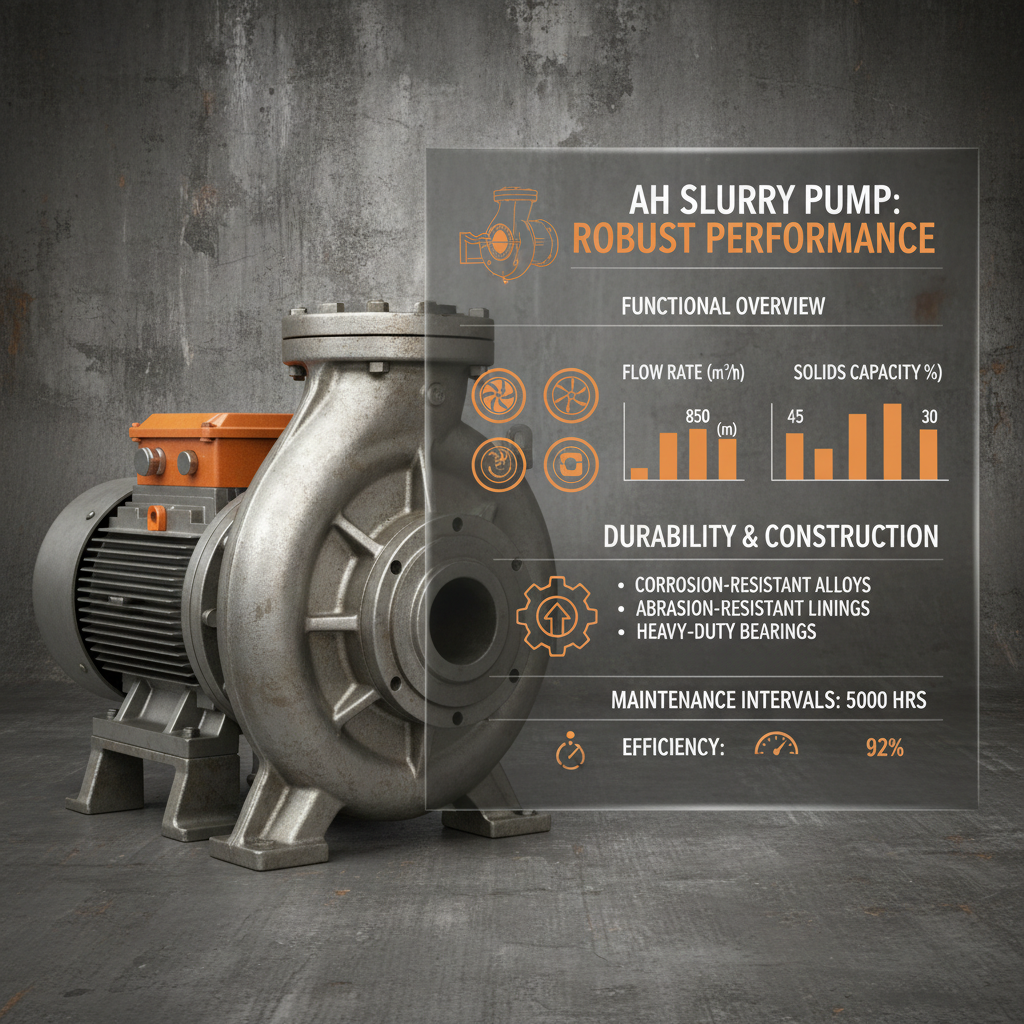
When selecting a pump for wastewater, several key factors must be considered. Durability is paramount, as these pumps operate in harsh environments and are prone to wear and tear. Materials like stainless steel, cast iron with epoxy coatings, and specialized polymers are commonly used to resist corrosion and abrasion.
Flow Rate and Head are crucial performance parameters. The pump must be capable of delivering the required volume of wastewater against the system's total dynamic head (TDH), which includes factors like elevation change, friction losses in the piping, and pressure requirements at the treatment plant. Energy Efficiency is becoming increasingly important, both for cost savings and environmental considerations. High-efficiency pumps can significantly reduce energy consumption and operating costs.
Clog Resistance is essential for handling wastewater containing solids. Pumps with open or recessed impeller designs are less likely to become clogged. Finally, Maintainability and ease of access for repairs are critical for minimizing downtime and ensuring long-term reliability. Selecting a pump with readily available spare parts and a well-established service network is highly advisable.
Global Applications of pump for wastewater
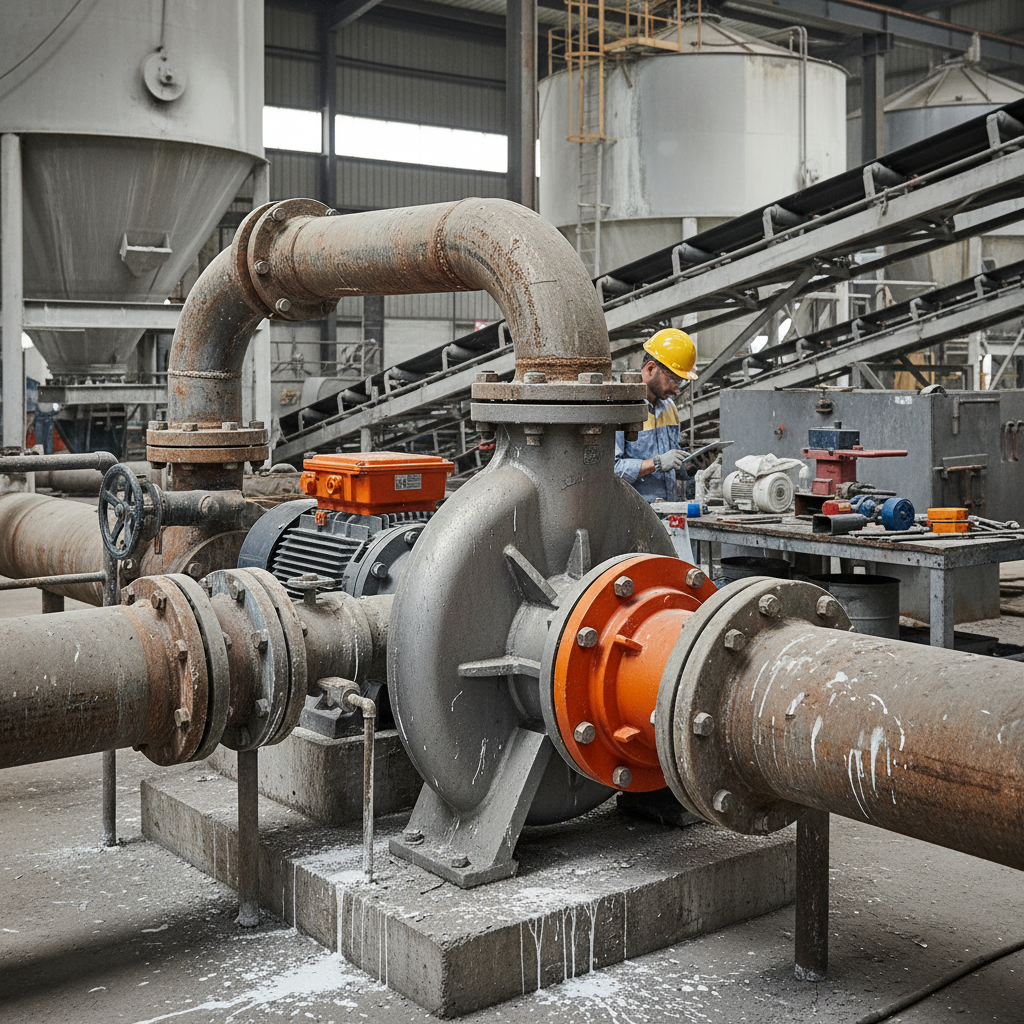
Pump for wastewater systems are deployed in a wide range of applications worldwide. In municipal wastewater treatment plants, they are used for lift stations, transferring wastewater between treatment stages, and pumping treated effluent for reuse. Industrial applications include pumping process wastewater, handling cooling water, and managing stormwater runoff.
These pumps are also essential in agricultural settings for irrigation using treated wastewater. In post-disaster relief operations, portable pump for wastewater systems provide crucial sanitation support to affected communities. Remote industrial zones, mining operations, and offshore platforms all rely on these pumps to manage wastewater effectively.
Specific examples include large-scale wastewater projects in rapidly urbanizing cities in Asia, where pump for wastewater infrastructure is being expanded to accommodate growing populations. In Europe, stringent environmental regulations drive the demand for energy-efficient and high-performance pumping solutions.
Performance Comparison of pump for wastewater Technologies
Advantages & Long-Term Value
Investing in a reliable pump for wastewater system yields significant tangible benefits. These include reduced operating costs through energy efficiency, minimized downtime thanks to enhanced durability, and lower maintenance expenses due to ease of access and readily available parts. Beyond the financial advantages, a properly functioning system promotes environmental sustainability by preventing pollution and supporting water reuse initiatives.
The long-term value extends to social impact as well. Safe and effective wastewater management protects public health, improves quality of life, and fosters economic development. The peace of mind that comes with a robust and dependable system – a trust in its ability to perform consistently – is an invaluable asset.
Future Trends & Innovations in pump for wastewater
The future of pump for wastewater technology is driven by sustainability, digitalization, and automation. Emerging trends include the development of more energy-efficient pump designs, incorporating variable frequency drives (VFDs) for optimized performance, and utilizing smart sensors for real-time monitoring and predictive maintenance.
Integration with digital platforms, such as SCADA systems, allows for remote control, data analysis, and proactive troubleshooting. The adoption of sustainable materials and designs, focusing on circular economy principles, is also gaining momentum. Finally, the use of artificial intelligence (AI) and machine learning (ML) to optimize pump operation and predict potential failures is expected to revolutionize the industry.
Challenges & Solutions in pump for wastewater
Despite advancements in technology, several challenges remain in the field of pump for wastewater systems. These include dealing with increasingly complex wastewater compositions, addressing aging infrastructure, and mitigating the risk of corrosion and fouling. Clogging remains a persistent issue, particularly in systems handling high solids content.
Solutions involve adopting more robust pump designs, implementing advanced screening technologies, and utilizing corrosion-resistant materials. Investing in regular maintenance and inspection programs is crucial for preventing failures and extending the lifespan of existing equipment. Furthermore, the development of innovative coatings and surface treatments can enhance pump durability and reduce fouling.
Addressing these challenges requires a collaborative approach involving engineers, researchers, and policymakers, focused on developing sustainable and cost-effective solutions for wastewater management.
Summary of Common pump for wastewater Challenges and Potential Solutions
| Challenge Area |
Specific Issue |
Potential Solution |
Implementation Cost (1-10) |
| Corrosion |
Degradation of pump materials due to chemical exposure. |
Use of corrosion-resistant alloys and coatings. |
7 |
| Clogging |
Solids buildup obstructing impeller flow. |
Installation of pre-screens and recessed impeller pumps. |
6 |
| Energy Consumption |
High electricity costs associated with pump operation. |
Implementation of VFDs and high-efficiency pump models. |
8 |
| Maintenance |
Frequent repairs and downtime. |
Preventative maintenance schedules and remote monitoring. |
5 |
| Aging Infrastructure |
Outdated pumps reaching end-of-life. |
System upgrades and pump replacements. |
9 |
| Operational Efficiency |
Suboptimal pump performance due to incorrect sizing. |
Comprehensive hydraulic analysis and pump selection. |
7 |
FAQS
The lifespan of a pump for wastewater varies considerably depending on factors like usage, maintenance, and the wastewater composition. However, with proper maintenance, a high-quality pump can reliably operate for 15-25 years. Regular inspections, lubrication, and timely replacement of worn parts are critical for maximizing its lifespan. The type of pump—submersible, centrifugal, etc.—also influences longevity, with some designs inherently more durable in harsh environments.
Selecting the correct pump for wastewater size is crucial for efficiency and reliability. You’ll need to determine the required flow rate (gallons per minute or liters per second) and the total dynamic head (TDH) of your system. The TDH accounts for elevation changes, friction losses in the piping, and any pressure requirements at the discharge point. Consulting with a pump specialist or utilizing pump selection software can help ensure you choose a pump that meets your specific needs without being oversized or undersized.
Regular maintenance is vital for extending the life of your pump for wastewater. Key maintenance tasks include routine inspections for leaks or unusual noises, lubrication of bearings, cleaning of strainers and impellers, and monitoring of electrical connections. Periodic vibration analysis can also help identify potential problems before they lead to costly breakdowns. A documented maintenance schedule is highly recommended.
Yes, significant advancements have been made in energy-efficient pump for wastewater technology. Variable Frequency Drives (VFDs) allow you to adjust the pump speed to match the demand, saving energy during periods of low flow. High-efficiency pump motors and optimized impeller designs also contribute to lower energy consumption. Consider Life Cycle Cost Analysis when evaluating different pump options, taking into account not only the initial purchase price but also the long-term energy costs.
Preventing clogging is essential for uninterrupted operation. Install appropriate screening devices upstream of the pump to remove large solids. Choose a pump with a clog-resistant impeller design, such as a recessed impeller or vortex impeller. Regularly inspect and clean screens and strainers. Consider the type of wastewater being pumped and select a pump designed to handle the expected solids content. Implement a regular flushing protocol if the wastewater contains stringy materials.
Submersible pump for wastewater offer several advantages, including quiet operation, as they are submerged in the wastewater itself. They don't require priming and are less susceptible to cavitation. Their compact design makes them suitable for confined spaces. They're commonly used in lift stations and wastewater treatment plants. However, maintenance can be more challenging as they require draining the wet well for access.
Conclusion
In conclusion, the pump for wastewater is a vital component of modern infrastructure, essential for protecting public health, preserving the environment, and supporting sustainable development. From municipal treatment plants to industrial facilities, these pumps play a critical role in managing the ever-increasing volume of wastewater generated globally. Understanding the key factors influencing pump selection, embracing technological innovations, and prioritizing regular maintenance are crucial for ensuring reliable and efficient wastewater management.
Looking ahead, continued investment in research and development will drive further advancements in pump for wastewater technology, leading to more energy-efficient, durable, and intelligent systems. By embracing these innovations and adopting proactive management strategies, we can effectively address the challenges of wastewater treatment and ensure a sustainable future for all. Visit our website at www.aierpumps.com to explore our comprehensive range of wastewater pumping solutions.