In the demanding landscapes of heavy industry, the efficient transport of abrasive materials is a constant challenge. A high pressure slurry pump serves as the critical heartbeat of these operations, designed specifically to move thick, particulate-heavy fluids over significant distances or heights. Without the ability to maintain high discharge pressures while resisting extreme wear, mining and industrial processes would grind to a halt.
Globally, the demand for these specialized pumping systems has surged as mineral deposits become deeper and more remote, requiring more powerful equipment to transport tailings and ores. Whether it is in the depths of a gold mine in Australia or a wastewater treatment facility in Europe, the reliability of a high pressure slurry pump directly correlates to the operational uptime and profitability of the entire site.
Understanding the nuances of high-pressure slurry transport—from fluid dynamics to material science—allows engineers to optimize energy consumption and reduce the frequent downtime associated with impeller wear. By integrating advanced metallurgy and precision engineering, modern pumps now offer an unprecedented balance of power and durability, ensuring that even the most caustic and abrasive slurries are handled with ease.
Global Industrial Context of High Pressure Slurry Pumps
The global industrial landscape is increasingly reliant on the movement of non-Newtonian fluids. According to industry benchmarks and ISO standards for pumping systems, the efficiency of mineral processing is heavily dependent on the ability to maintain a consistent flow of solids. A high pressure slurry pump addresses the critical challenge of "settling," where heavy particles drop out of suspension, potentially clogging entire pipeline networks.
As the world shifts toward more sustainable mining practices and advanced tailings management, the role of these pumps has evolved. They are no longer just tools for transport but are essential components in water recovery systems, helping industries reduce their environmental footprint by recycling process water and concentrating waste materials more effectively.
Defining the High Pressure Slurry Pump Mechanism
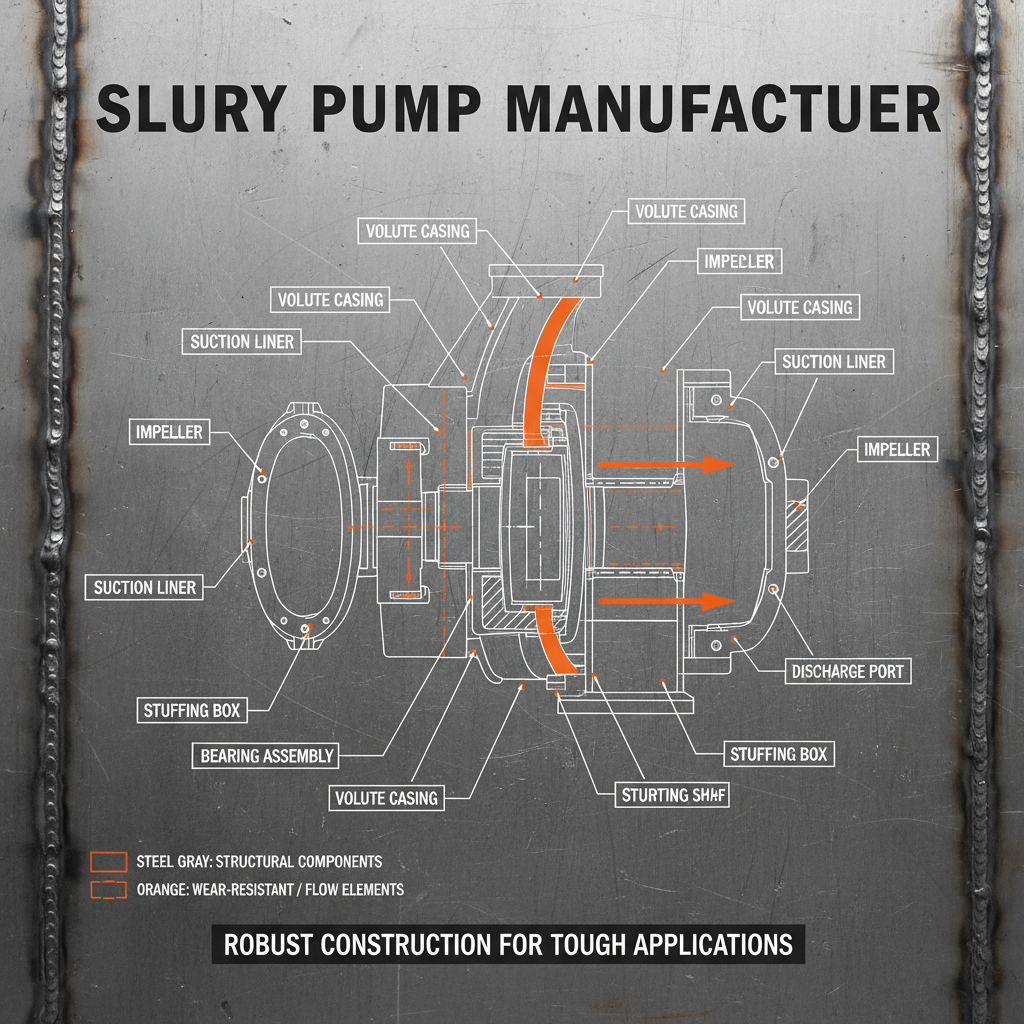
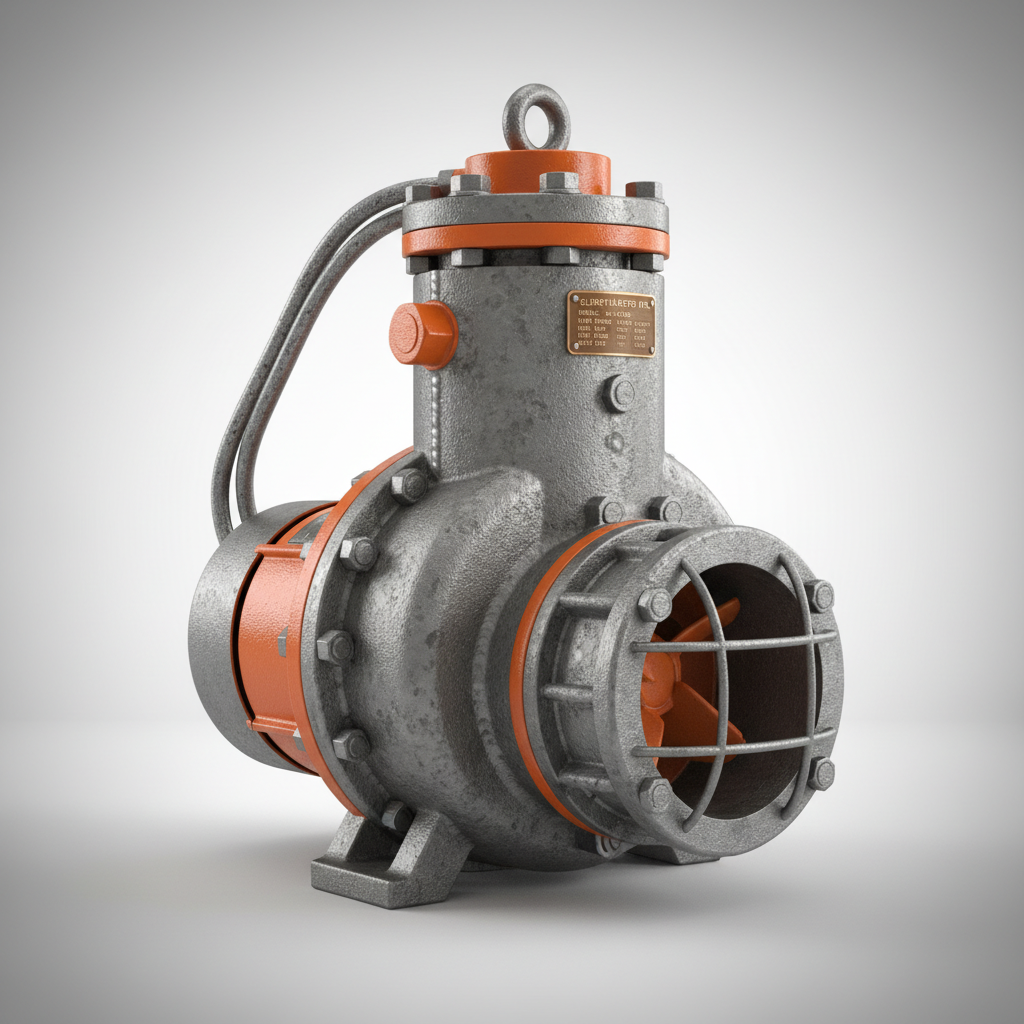
In simple terms, a high pressure slurry pump is a heavy-duty centrifugal or positive displacement machine engineered to move liquids containing high concentrations of solid particles. Unlike standard water pumps, these machines are built to withstand the "sandblasting" effect that occurs when abrasive solids strike the internal surfaces of the pump at high velocities.
The "high pressure" aspect is crucial because slurry is significantly denser than water. To overcome the friction created by solids rubbing against the pipe walls and to push the mixture over steep inclines or long distances, the pump must generate substantial head pressure without cavitating or suffering premature failure.
This capability connects directly to modern humanitarian and industrial needs, such as dredging contaminated harbors to improve shipping safety or transporting mineral wealth from remote regions to processing hubs, ensuring that essential raw materials for the global electronics and construction industries remain available.
Core Components and Engineering Factors
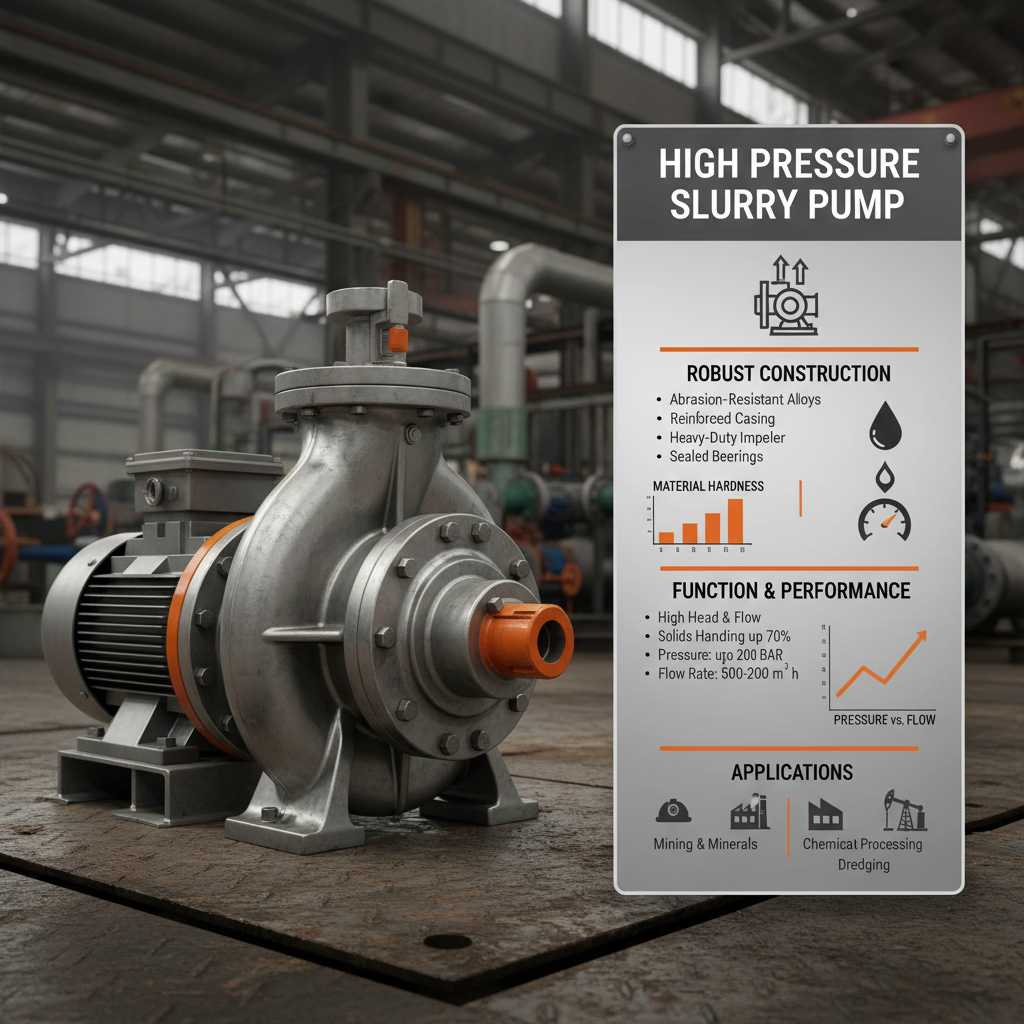
The durability of a high pressure slurry pump begins with its material composition. High-chrome alloys and natural rubber linings are typically used to create a sacrificial barrier that protects the pump casing from the erosive nature of the slurry, ensuring a longer mean time between failures (MTBF).
Another critical factor is the impeller design. A precision-engineered impeller in a high pressure slurry pump must balance hydraulic efficiency with wear resistance. Open or semi-open impeller designs are often preferred to prevent clogging and to allow larger solids to pass through without causing catastrophic internal damage.
Scalability and cost-efficiency are achieved through modular design. By allowing operators to swap out liners and impellers without dismantling the entire pump housing, these systems reduce labor costs and downtime, making the high pressure slurry pump a sustainable choice for long-term industrial projects.
Performance Metrics and Efficiency Analysis
When evaluating a high pressure slurry pump, engineers look at the "Critical Velocity"—the minimum speed at which solids remain suspended. If the pump fails to provide enough pressure to maintain this velocity, the system risks blockage. Therefore, the synergy between pump power and pipeline diameter is the most vital metric for operational success.
Furthermore, energy consumption per ton of material moved is a key KPI. Modern systems utilize Variable Frequency Drives (VFDs) to adjust the pump speed in real-time based on the slurry density, significantly reducing electrical costs and mechanical stress on the motor.
Comparative Performance of High Pressure Slurry Pump Configurations
Global Applications and Real-World Use Cases
In the mining sectors of Chile and Peru, the high pressure slurry pump is indispensable for copper tailings management. These pumps move massive volumes of waste slurry from the processing plant to distant tailings dams, preventing local soil contamination and ensuring the stability of the waste storage facilities.
Beyond mining, these pumps are utilized in municipal sewage projects in Southeast Asia to handle "grit" and heavy sediments that would destroy conventional pumps. In dredging operations, they allow for the removal of heavy seabed silt in remote industrial zones, facilitating the expansion of ports and the deepening of navigation channels for global trade.
Long-Term Economic and Operational Value
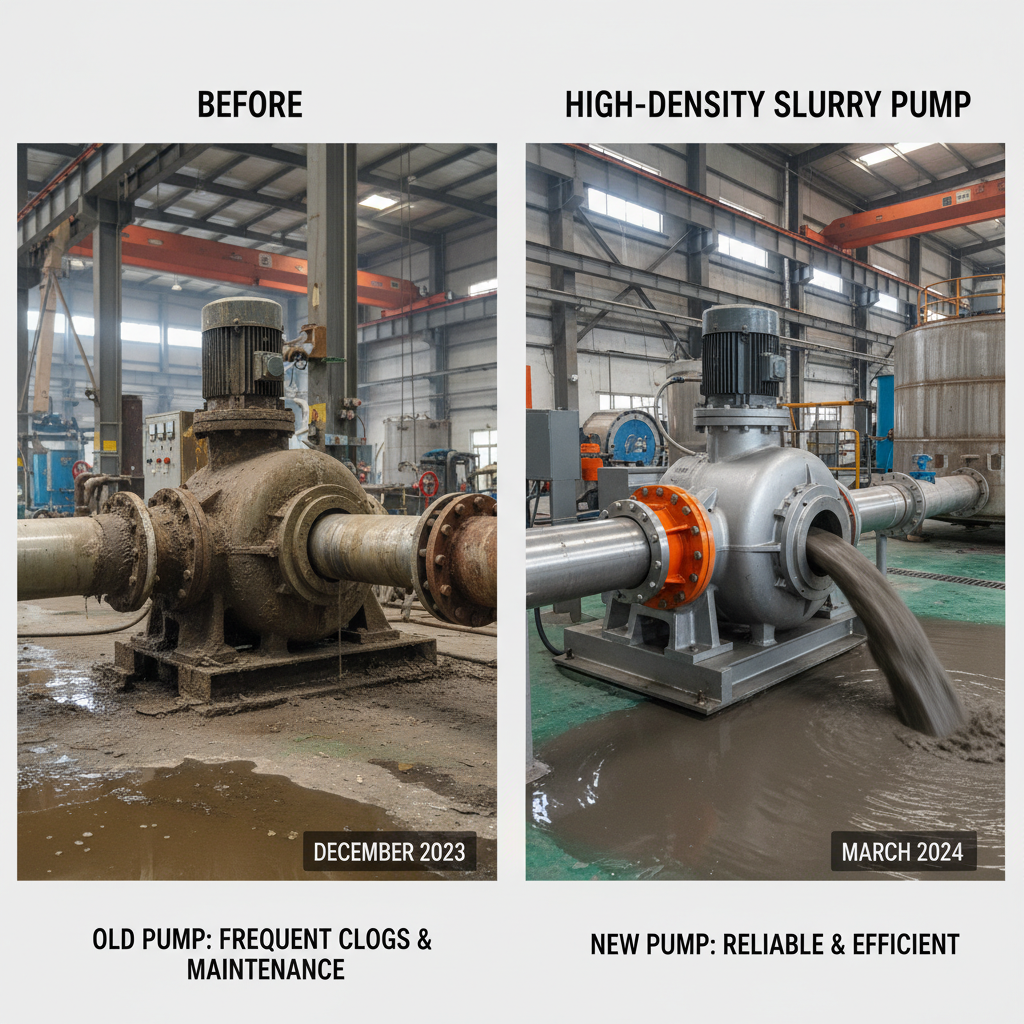
The primary value of investing in a premium high pressure slurry pump is the drastic reduction in Total Cost of Ownership (TCO). While the initial capital expenditure may be higher than a standard pump, the extended intervals between maintenance cycles mean fewer emergency shutdowns and lower labor costs.
From a safety perspective, a reliable pump reduces the risk of pipeline bursts and leaks. In high-pressure environments, a failure can be catastrophic; therefore, the psychological peace of mind provided by a robust, high-quality system is an intangible but vital asset for plant managers.
Furthermore, the ability to handle higher solids concentrations allows plants to move more material using less water. This not only increases the efficiency of the process but also aligns with global ESG (Environmental, Social, and Governance) goals by reducing water wastage in arid regions.
Future Trends in Slurry Pumping Technology
The future of the high pressure slurry pump is inextricably linked to the "Industrial Internet of Things" (IIoT). Smart sensors integrated into the pump casing can now monitor vibration and wear in real-time, allowing for predictive maintenance. Instead of replacing parts on a fixed schedule, operators can replace them exactly when needed, eliminating unnecessary waste.
Material science is also evolving, with the introduction of nano-ceramic coatings and composite polymers that offer even higher resistance to both abrasion and corrosion. These innovations will allow pumps to operate in increasingly caustic environments, such as those found in advanced chemical processing or deep-sea mining.
Automation and AI-driven control systems are further optimizing the flow. By automatically adjusting the speed of a high pressure slurry pump based on the viscosity of the fluid, energy consumption can be reduced by up to 20%, supporting the global transition toward "Green Mining."
Technical Comparison of Slurry Pump Material Options for High Pressure Use
|
Material Type
|
Abrasion Resistance
|
Corrosion Level
|
Typical Application
|
| High Chrome Alloy |
Extreme |
Moderate |
Hard Rock Mining |
| Natural Rubber |
High (Soft Solids) |
Excellent |
Coal Tailings |
| Ceramic Lining |
Maximum |
High |
Chemical Slurry |
| Duplex Stainless |
Moderate |
Maximum |
Seawater/Brine |
| Hardened Iron |
Moderate |
Low |
General Dredging |
| Composite Poly |
High |
High |
Waste Water Grit |
FAQS
A standard pump is designed for clean liquids and will fail quickly when exposed to abrasives. A high pressure slurry pump utilizes specialized wear-resistant materials (like high-chrome alloys) and a robust hydraulic design to move heavy solids without eroding the internal components or losing pressure.
Prevention starts with maintaining the "critical velocity" of the fluid to ensure solids stay in suspension. Using a high pressure slurry pump equipped with a VFD allows you to adjust flow rates based on real-time slurry density, effectively preventing sedimentation and blockages in the pipeline.
For hard rock mining, high-chrome alloys are typically the gold standard due to their extreme hardness. However, if the slurry is also corrosive, a hybrid approach using a high pressure slurry pump with ceramic linings or specialized duplex stainless steels may be more appropriate to prevent chemical attack.
Yes, provided the pump is configured with a semi-open or open impeller. These designs are specifically engineered to allow larger solids to pass through the pump without jamming. Always verify the maximum particle size specification of your high pressure slurry pump before installation.
Replacement intervals vary based on the abrasiveness of the material. However, using a high pressure slurry pump with IIoT monitoring allows for predictive maintenance, replacing liners based on actual thickness measurements rather than a generic calendar schedule, which reduces downtime.
Absolutely. They are widely used in dredging operations to remove contaminated sludge from riverbeds or harbors. A high pressure slurry pump can transport this hazardous waste over long distances to treatment facilities without leaking, protecting the surrounding ecosystem.
Conclusion
In summary, the high pressure slurry pump is much more than a piece of machinery; it is a foundational technology that enables the global movement of essential minerals, the management of industrial waste, and the maintenance of critical infrastructure. By combining advanced materials science with precise hydraulic engineering, these pumps overcome the dual challenges of extreme abrasion and high-density fluid transport.
As we look toward the future, the integration of AI-driven diagnostics and sustainable, low-energy materials will continue to redefine the efficiency of slurry transport. For companies looking to optimize their operational uptime and reduce long-term costs, investing in a high-performance pumping solution is the most effective strategy for sustainable growth. Visit our website: www.aierpumps.com