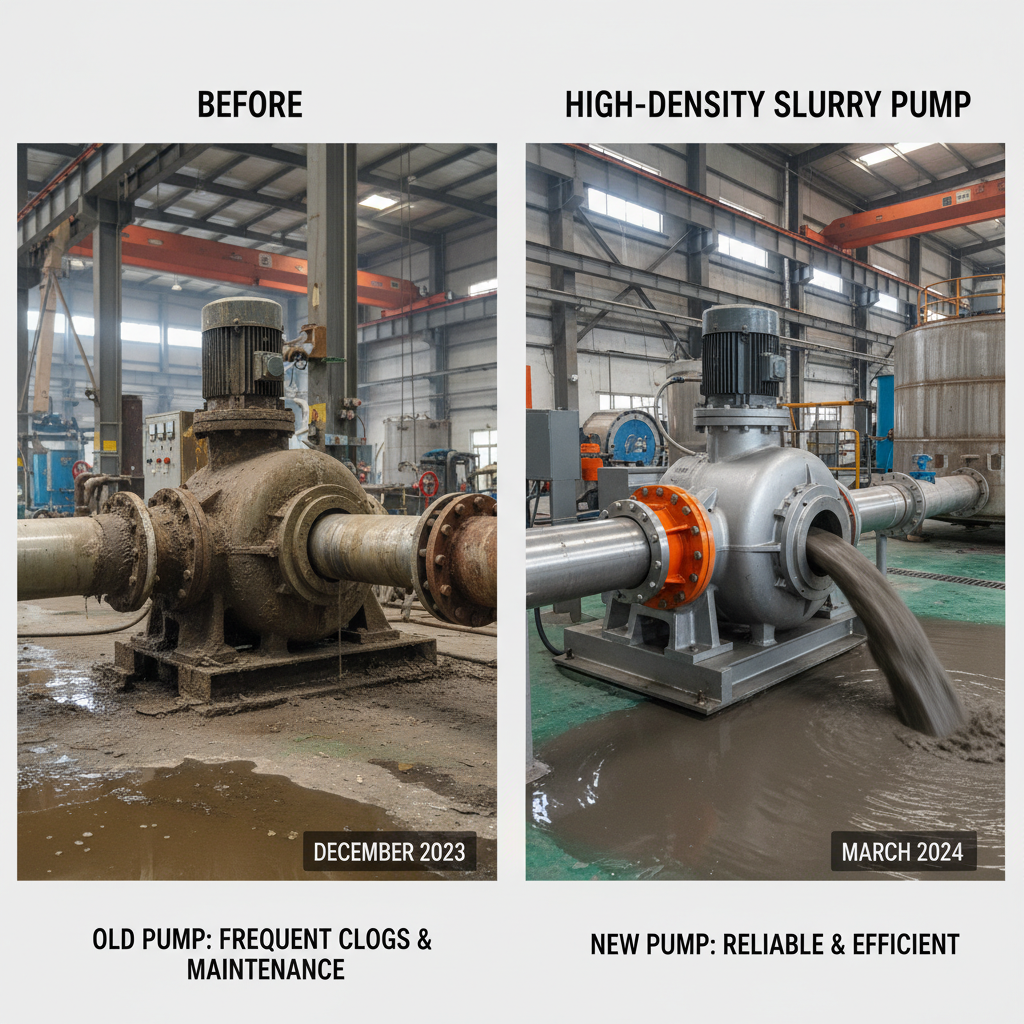
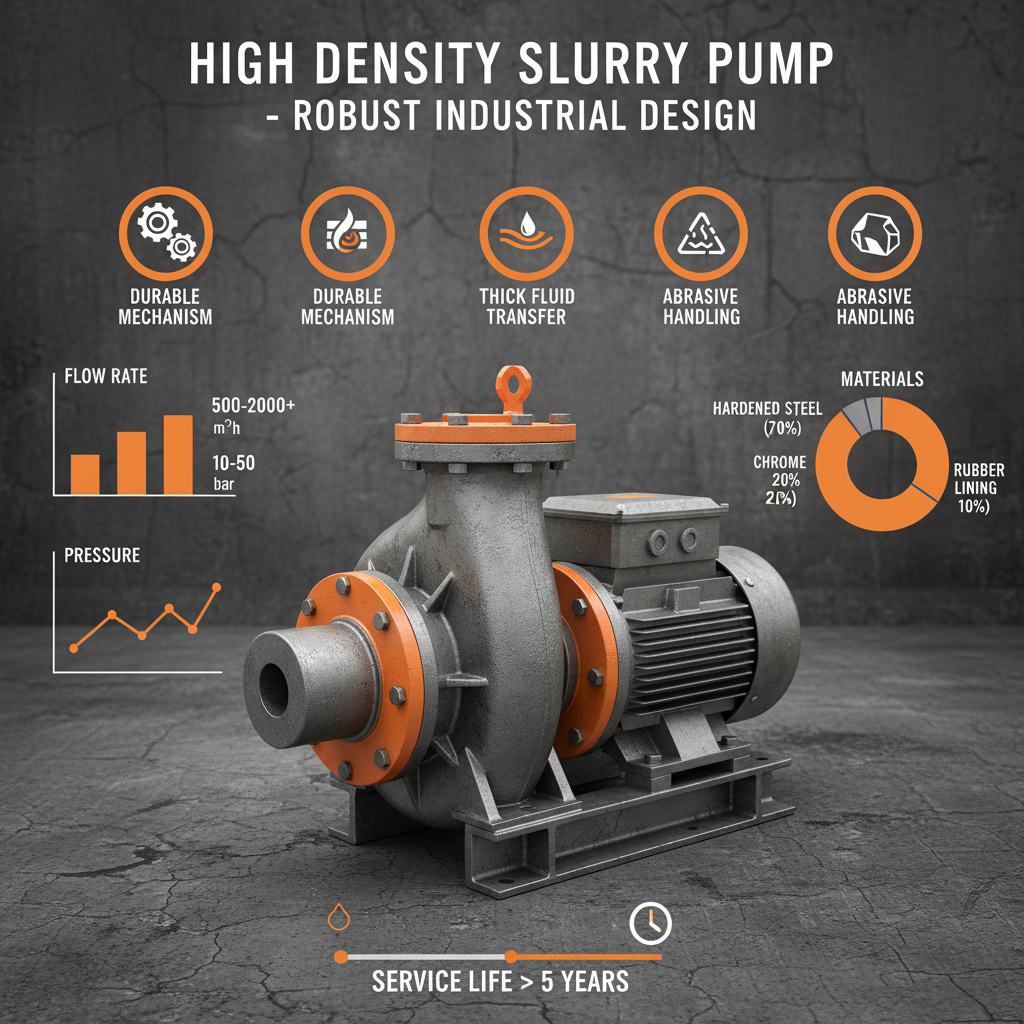
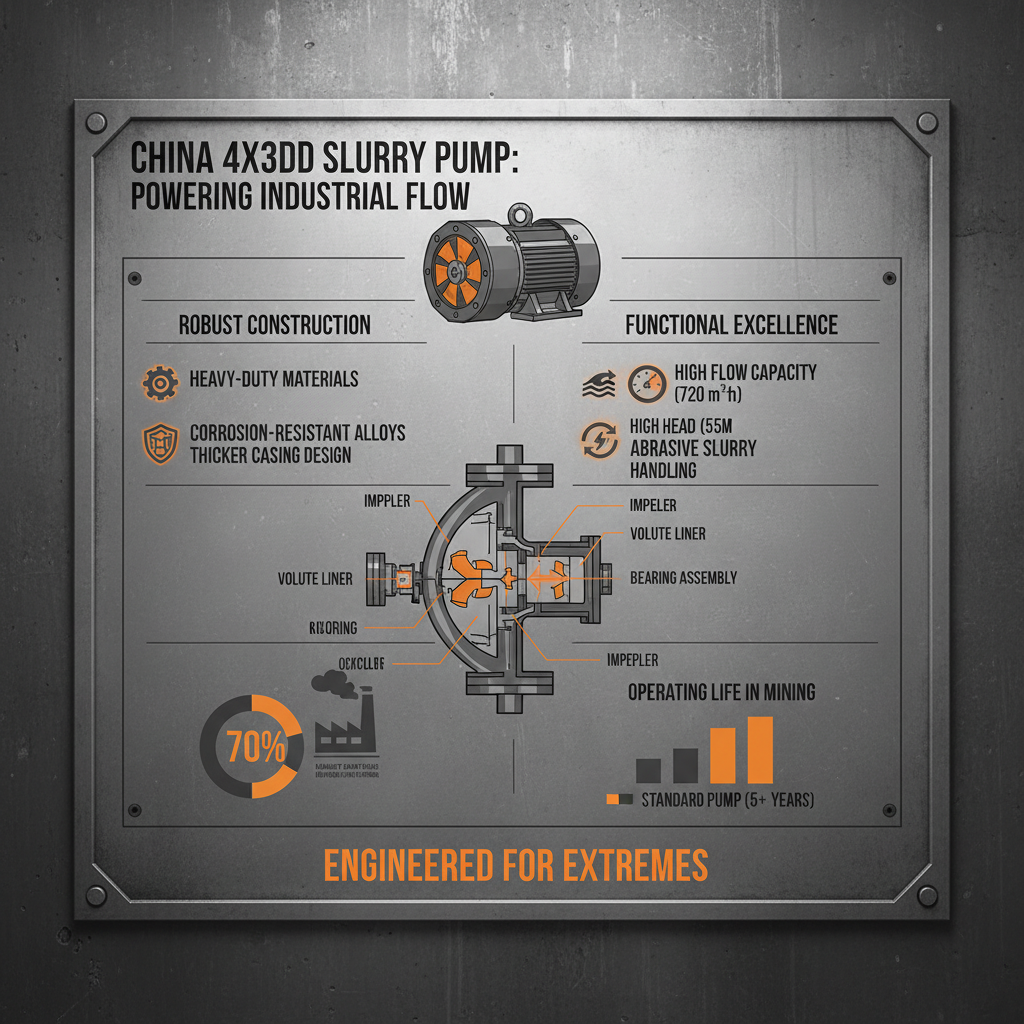
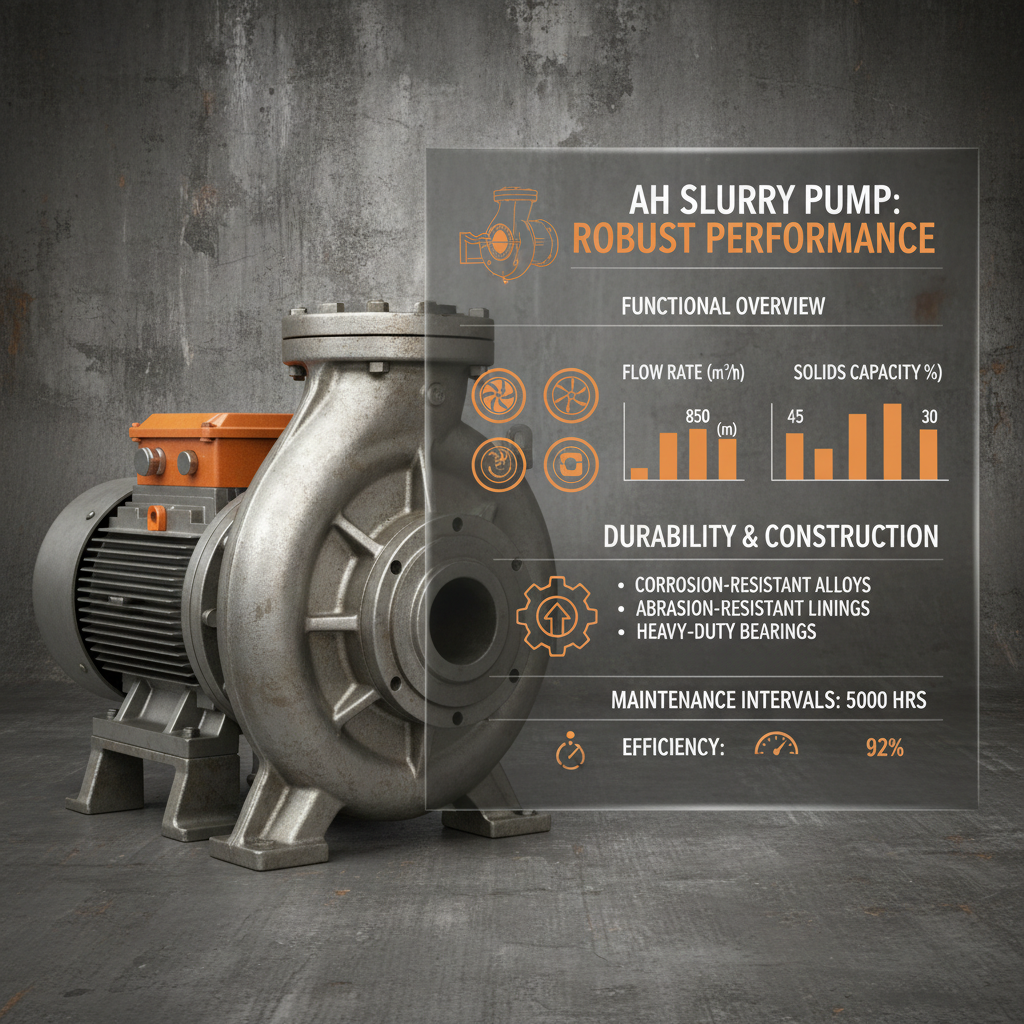
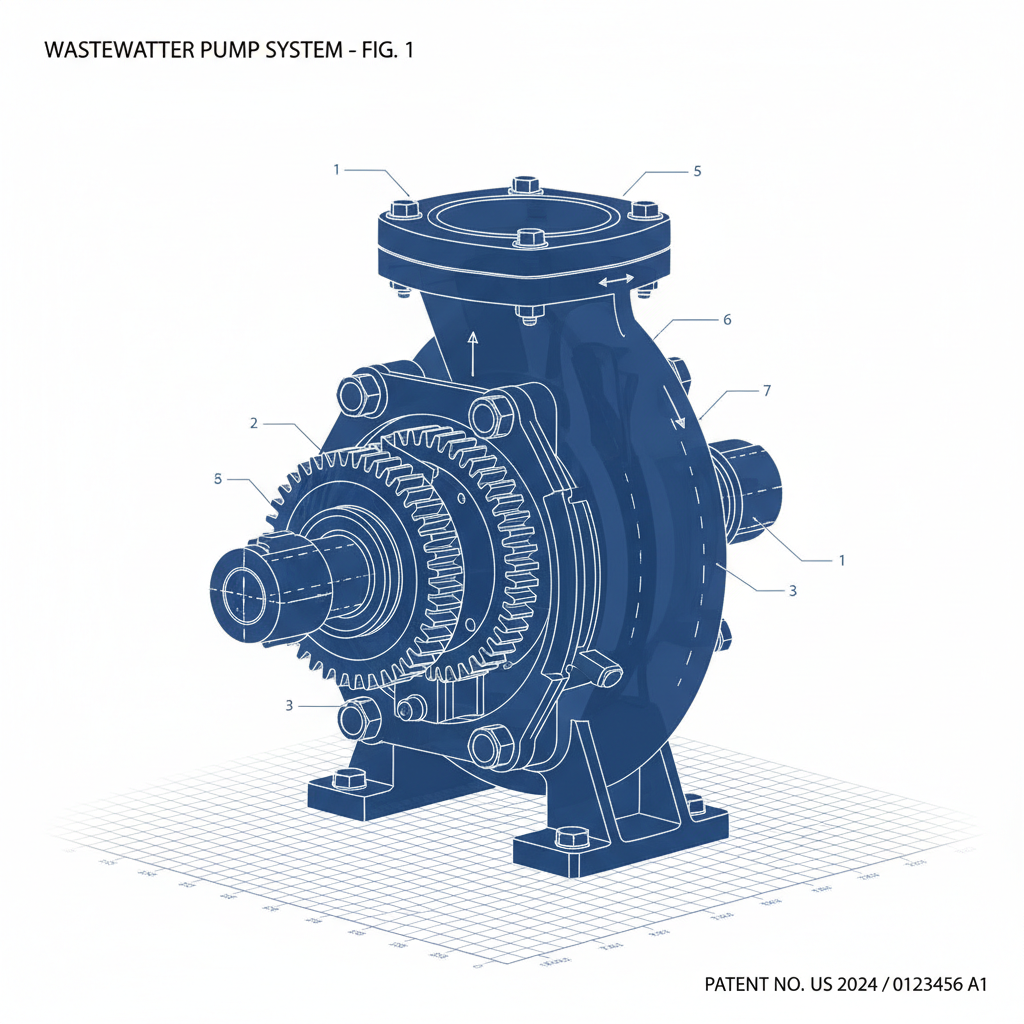
High density slurry pump systems are critical components in numerous industrial processes, particularly those involving the transport of abrasive and dense materials. Their ability to efficiently and reliably move these slurries is fundamental to operations in mining, dredging, power generation, and heavy industrial manufacturing. Understanding the nuances of these pumps – from material selection to hydraulic design – is essential for maximizing operational efficiency, minimizing downtime, and ultimately reducing overall costs. The demand for robust and effective high density slurry pump solutions is constantly growing, driven by increasing industrial activity and stricter environmental regulations that require efficient waste management.
The global market for slurry pumps, including high density variations, is substantial and continues to expand. According to industry reports, the sector is valued in the billions of dollars and is projected to experience significant growth in the coming years. This growth is fueled by increased infrastructure development in emerging economies, a renewed focus on resource extraction, and the need for improved environmental remediation technologies. A key challenge facing the industry is the need to develop pumps that can handle increasingly abrasive and corrosive slurries while maintaining high levels of energy efficiency and durability.
Investing in a properly engineered high density slurry pump isn't just about moving material; it's about safeguarding your entire operation. From preventing costly blockages and equipment failures to minimizing environmental impact and ensuring worker safety, a well-chosen pump is a cornerstone of efficient and sustainable industrial practice. This guide will delve into the key aspects of high density slurry pump technology, exploring its applications, benefits, and future trends.
Understanding High Density Slurry Pumps
The term “high density slurry pump” refers to pumps specifically engineered to handle fluids containing a significant concentration of solid particles with a high specific gravity. These slurries are often characterized by their abrasive nature and high viscosity, requiring pumps constructed from durable materials and featuring optimized hydraulic designs. Choosing the right pump for a high density slurry application is critical for ensuring reliable operation and minimizing maintenance costs.
These pumps aren't simply modified versions of standard centrifugal pumps. They incorporate design features like larger impeller clearances, hardened materials, and robust seals to withstand the constant wear and tear associated with abrasive particles. Properly selected high density slurry pump systems contribute significantly to the overall efficiency and profitability of industrial operations, preventing costly downtime and reducing the need for frequent repairs.
Defining High Density Slurry Pump Technology
A high density slurry pump is a type of pump designed to move fluids containing a high proportion of solid materials with a density greater than water. These materials can include sand, gravel, minerals, coal, and various industrial waste products. Unlike pumps handling clean liquids, slurry pumps must contend with abrasion, corrosion, and increased friction caused by the solid particles suspended within the fluid. The design considerations are therefore far more complex.
The connection to modern industry is vital. Mining operations, for instance, rely heavily on high density slurry pumps to transport ore and tailings. Similarly, the dredging industry uses these pumps for sediment removal and canal maintenance. The effectiveness of these operations, and their ability to meet increasingly stringent environmental regulations, is directly dependent on the performance of the slurry pump systems employed.
More broadly, high density slurry pump technology plays a crucial role in addressing pressing humanitarian needs. In disaster relief situations, they can be used to quickly remove debris and sediment, facilitating access for emergency personnel and restoring essential infrastructure. Their ability to handle difficult and contaminated materials makes them invaluable in environmental remediation projects, contributing to cleaner and healthier communities.
Core Components and Performance Factors
Several key factors determine the performance and longevity of a high density slurry pump. Material Selection is paramount; components in contact with the slurry are typically constructed from high-chromium cast iron, hardened steel, or specialized elastomers to resist abrasion and corrosion. Careful consideration of the slurry's composition is critical when choosing materials.
Impeller Design also plays a crucial role. Impellers are often designed with open or recessed configurations to minimize clogging and maximize slurry passage. The impeller’s geometry, including its blade angle and width, is optimized to efficiently transfer energy to the slurry. The proper impeller design is often customized based on the specific properties of the slurry being pumped.
Sealing Systems are critical for preventing leakage and protecting the pump’s internal components. Mechanical seals, specifically designed for slurry applications, are commonly used to provide a reliable barrier against abrasive particles. Furthermore, Pump Casing Design and Hydraulic Efficiency are key determinants. A robust casing, designed to withstand the pressure and impact of abrasive slurries, is essential for long-term reliability. Maximizing hydraulic efficiency minimizes energy consumption and reduces operating costs.
Applications of High Density Slurry Pumps Across Industries
High density slurry pumps find extensive use in the Mining Industry, where they are crucial for transporting ore slurries from the mine site to processing plants. This includes handling everything from coarse gravel to fine mineral concentrates. The pumps are also essential for dewatering mines and removing tailings.
The Dredging Industry relies on high density slurry pumps for removing sediment from waterways, harbors, and navigation channels. These pumps must be capable of handling abrasive materials like sand, silt, and gravel. In Power Generation, they are used for handling fly ash slurry in coal-fired power plants and for removing sediment from cooling water intake structures.
Performance Comparison of high density slurry pump Methods
Advantages and Long-Term Value Proposition
Investing in a robust high density slurry pump delivers significant advantages. Firstly, enhanced operational efficiency translates to reduced energy consumption and lower operating costs. Secondly, durable construction minimizes downtime and maintenance requirements, maximizing productivity. These pumps are built to withstand the harshest conditions, ensuring a long service life.
Beyond these tangible benefits, high density slurry pumps contribute to sustainability by reducing waste and minimizing environmental impact. By facilitating efficient waste management and resource recovery, they support responsible industrial practices. The reliability of these pumps also enhances worker safety by reducing the risk of equipment failure and process interruptions.
Future Trends and Innovation in High Density Slurry Pumping
The future of high density slurry pump technology is focused on increasing efficiency, improving reliability, and reducing environmental impact. Innovations in materials science are leading to the development of new alloys and polymers that offer superior wear resistance and corrosion protection. Smart pump technologies, incorporating sensors and data analytics, are enabling predictive maintenance and optimized performance.
Furthermore, there is a growing trend towards the development of more energy-efficient pump designs, including variable speed drives and optimized impeller geometries. These advancements contribute to reduced energy consumption and lower carbon emissions, aligning with global sustainability goals. The integration of digital technologies and automation will also play a key role in enhancing the performance and reliability of these systems.
Challenges and Mitigation Strategies
Despite the advancements in high density slurry pump technology, several challenges remain. Abrasive wear continues to be a significant concern, leading to reduced pump life and increased maintenance costs. Clogging and sedimentation can also disrupt pump operation, particularly when handling slurries with high solids content.
To mitigate these challenges, proactive maintenance programs are essential. Regular inspections, component replacements, and slurry analysis can help identify and address potential problems before they escalate. Implementing optimized pump designs, utilizing wear-resistant materials, and employing advanced control systems can also enhance pump reliability and performance.
Furthermore, proper slurry preparation and pre-treatment can significantly reduce the risk of clogging and abrasion. Implementing effective screening and separation processes can remove large particles and reduce the overall solids content of the slurry, improving pump efficiency and extending its lifespan.
Key Performance Indicators for High Density Slurry Pump Selection
| Slurry Characteristics |
Pump Material |
Operational Efficiency |
Maintenance Frequency |
| High Solids Concentration (60-80%) |
High-Chrome Cast Iron |
75% |
Monthly Inspection |
| Highly Abrasive Particles (Quartz) |
Hardened Steel Alloy |
68% |
Bi-Weekly Inspection |
| Corrosive Slurry (Acidic pH) |
Rubber Lining with Polymer Coating |
70% |
Quarterly Inspection |
| Large Particle Size (Up to 100mm) |
Heavy-Duty Cast Steel |
65% |
Monthly Inspection + Impeller Check |
| Low Density Slurry (1.2-1.4 g/cm³) |
Standard High-Chrome Iron |
82% |
Semi-Annual Inspection |
| High Temperature Slurry (80°C) |
Heat-Resistant Alloy Steel |
72% |
Bi-Weekly Inspection + Seal Check |
FAQS
While centrifugal pumps are often more cost-effective for high-volume, low-head applications, positive displacement pumps excel at handling highly viscous and abrasive slurries. Centrifugal pumps can suffer from reduced efficiency and increased wear when handling dense slurries, whereas positive displacement pumps maintain a consistent flow rate regardless of slurry viscosity. The choice depends heavily on the specific slurry characteristics and application requirements. Proper material selection is critical for both types of pumps.
Determining the optimal pump size requires careful consideration of several factors, including the slurry density, flow rate, head pressure, and pipe diameter. It's crucial to perform a thorough hydraulic analysis to account for frictional losses and elevation changes. Consult with a pump specialist to ensure the selected pump is appropriately sized for your specific application, avoiding undersizing which leads to insufficient flow, or oversizing which wastes energy.
Abrasive wear is the primary cause of failure in high density slurry pumps. This is caused by the constant impact of solid particles on pump components. Corrosion can also contribute to wear, especially in slurries containing corrosive chemicals. Prevention strategies include selecting wear-resistant materials, optimizing pump speed, minimizing slurry turbulence, and implementing regular inspection and maintenance programs.
Regular maintenance is essential. This includes routine inspections for wear, lubrication of bearings, checking seal integrity, and monitoring pump performance. Impeller clearances should be checked and adjusted as needed. Vibration analysis can help identify potential problems before they lead to failures. Keeping detailed maintenance records is also crucial for tracking pump performance and identifying trends.
Higher viscosity slurries increase frictional losses within the pump, reducing flow rate and efficiency. They also require more power to pump. It’s important to select a pump capable of handling the slurry’s viscosity, and consider using a pump with a larger impeller diameter or a slower speed. Pre-treatment to reduce viscosity may also be beneficial.
Environmental considerations include preventing leaks and spills, minimizing noise pollution, and managing waste materials. Proper containment measures should be in place to prevent slurry from contaminating surrounding soil or water sources. Selecting energy-efficient pumps and implementing responsible disposal practices also contribute to environmental sustainability.
Conclusion
High density slurry pumps are indispensable components in a wide range of industries, enabling the efficient and reliable transport of abrasive and dense materials. Understanding the key factors that influence pump performance – including material selection, impeller design, and slurry characteristics – is crucial for maximizing operational efficiency and minimizing downtime. By embracing innovative technologies and implementing proactive maintenance programs, you can unlock the full potential of these critical systems.
Looking ahead, continued advancements in materials science, pump design, and digital technologies will drive further improvements in the performance, reliability, and sustainability of high density slurry pumps. Investing in these advancements is not just about optimizing current operations; it’s about building a more efficient, resilient, and environmentally responsible industrial future. For tailored solutions and expert advice, visit our website at www.aierpumps.com.