Vertical sump pumps are crucial components in a wide range of fluid management systems, playing a vital role in industries like wastewater treatment, mining, and construction. Their ability to efficiently remove water and other liquids from submerged environments makes them indispensable for maintaining operational efficiency and preventing costly downtime. Globally, the demand for reliable and effective dewatering solutions is continuously increasing, driven by factors such as urbanization, industrial growth, and increasingly stringent environmental regulations. The effective use of a vertical sump pump can significantly reduce operational costs and improve safety standards.
The significance of vertical sump pumps extends beyond purely industrial applications. They are frequently utilized in municipal infrastructure to manage stormwater runoff, prevent flooding, and maintain the functionality of sewage systems. In regions prone to heavy rainfall or with inadequate drainage, these pumps are often a critical line of defense against water damage and public health risks. The World Bank estimates that investing in robust water management infrastructure, including efficient pumping systems, is essential for sustainable development and resilience to climate change.
Understanding the principles behind vertical sump pump operation, selection, and maintenance is paramount for engineers, facility managers, and anyone involved in liquid handling processes. A properly chosen and maintained vertical sump pump ensures optimal performance, minimizes energy consumption, and extends the lifespan of the equipment, ultimately contributing to a more sustainable and cost-effective operation.
Introduction to Vertical Sump Pumps
Vertical sump pumps are designed specifically for applications where the pump must operate submerged in a liquid, often within a pit or sump. Their vertical orientation allows for efficient operation in confined spaces and reduces the risk of motor submersion, which is a significant advantage over horizontal configurations. This design is particularly useful where space is limited and maintenance access is challenging.
These pumps are widely used for wastewater removal, dewatering of excavations, and controlling fluid levels in various industrial processes. Their robust construction and ability to handle abrasive materials make them suitable for demanding environments. Selecting the appropriate vertical sump pump requires careful consideration of factors such as flow rate, head pressure, and the properties of the liquid being pumped.
Defining Vertical Sump Pumps
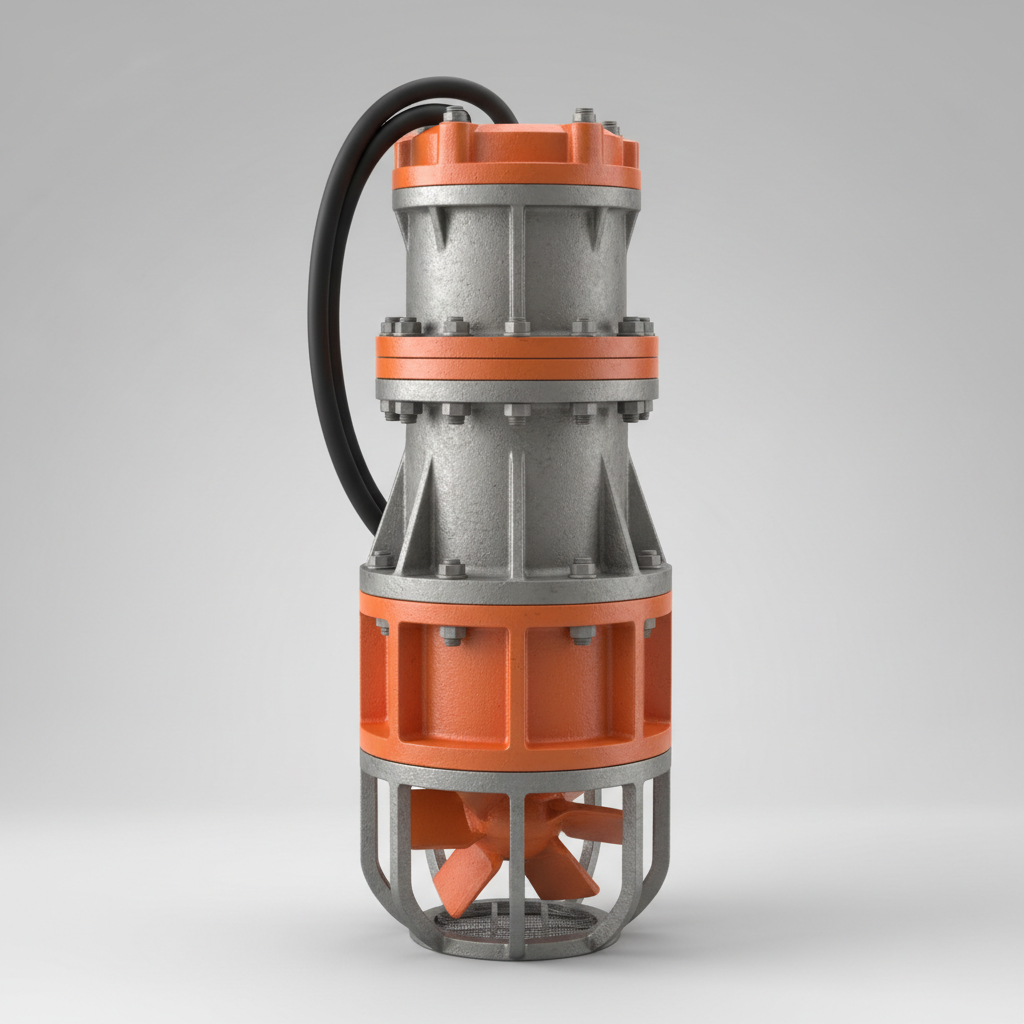
A vertical sump pump is a type of submersible pump characterized by its vertically oriented motor and impeller assembly. Unlike traditional pumps, the motor is positioned above the impeller, providing a compact design ideal for installation in sumps, pits, or basins. The pump draws liquid from the bottom and discharges it upwards, enabling efficient removal of fluids from below grade.
This configuration is essential for maintaining dry basements, preventing flooding in construction sites, and effectively managing wastewater in treatment plants. The design minimizes the need for priming and eliminates suction lift issues, making it a reliable solution for challenging pumping applications. A properly installed vertical sump pump often becomes a vital part of a site’s infrastructure.
In modern industry and humanitarian contexts, vertical sump pumps are integral to ensuring safe and efficient liquid management. They are found in emergency response situations after natural disasters, aiding in the rapid removal of floodwaters and preventing the spread of waterborne diseases. Their reliability and ease of deployment make them a critical tool for disaster relief efforts.
Key Components and Operational Principles
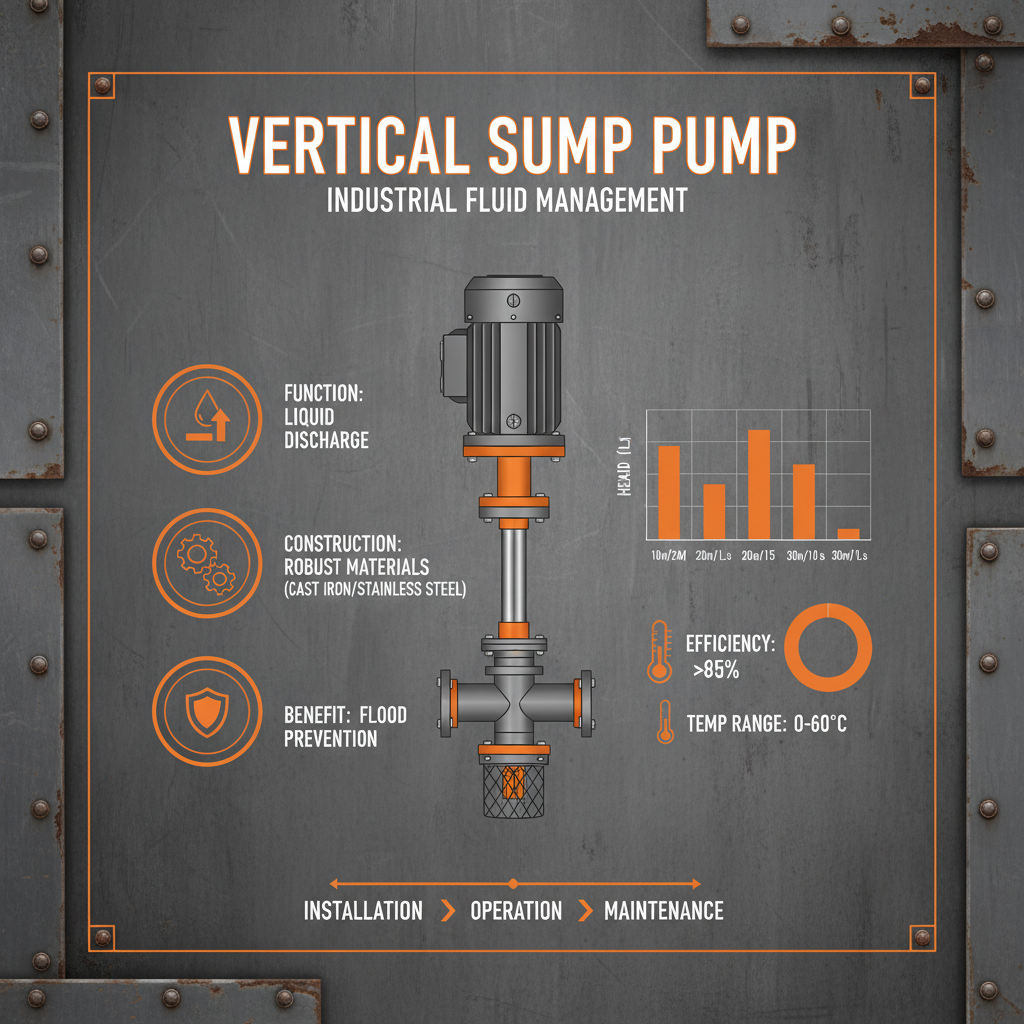
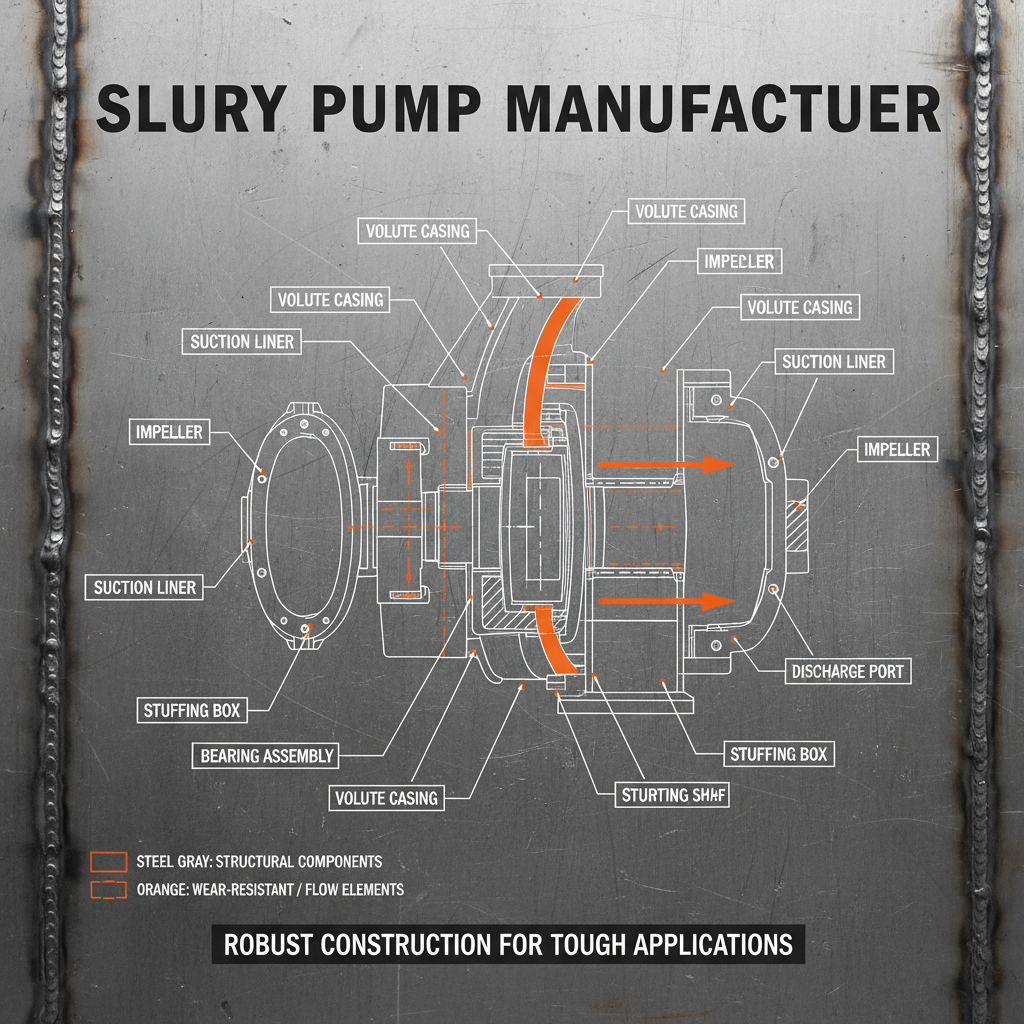
The core components of a vertical sump pump typically include a motor, impeller, volute casing, seal system, and a baseplate for mounting. The motor drives the impeller, which creates centrifugal force to move the liquid. The volute casing collects the liquid and directs it towards the discharge outlet. A crucial aspect of design is the seal system, which prevents liquid from entering the motor housing, protecting it from damage and ensuring long-term operation.
The operational principle relies on converting rotational energy from the motor into kinetic energy of the fluid. As the impeller spins, it creates a pressure differential, drawing liquid into the pump inlet and propelling it outwards. The efficiency of this process is dependent on factors such as impeller design, rotational speed, and the viscosity of the fluid. Regular maintenance of these components is critical to maintaining optimal performance of the vertical sump pump.
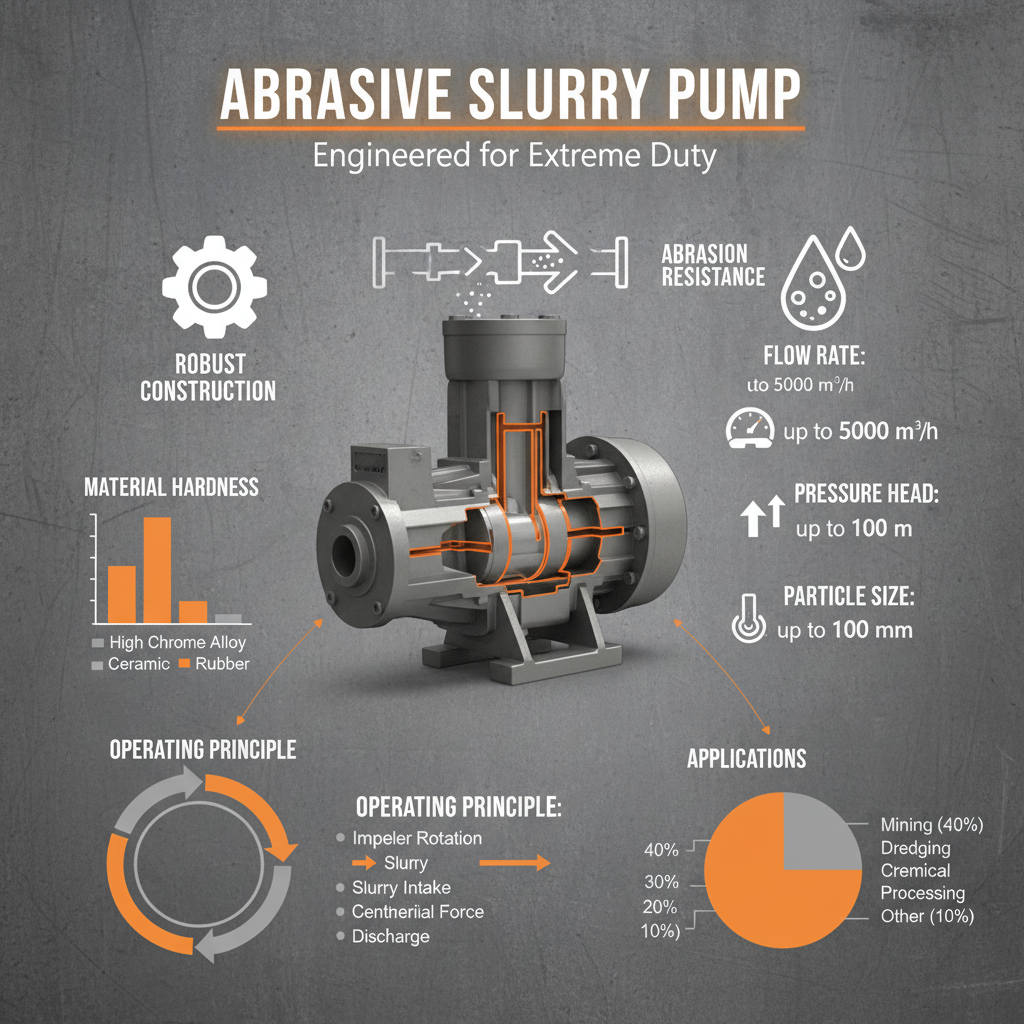
The selection of materials for each component is also crucial, considering the type of liquid being pumped. For abrasive or corrosive fluids, pumps constructed from stainless steel, cast iron with protective coatings, or specialized polymers are often employed. The choice of materials directly impacts the pump's lifespan and its resistance to wear and tear.
Performance Metrics of Vertical Sump Pumps
Evaluating the performance of a vertical sump pump involves several key metrics, including flow rate (measured in gallons per minute or cubic meters per hour), head (the height to which the pump can lift the liquid, measured in feet or meters), and efficiency (the ratio of hydraulic power output to electrical power input). These metrics are critical for ensuring that the pump meets the specific requirements of the application.
Understanding these parameters is crucial for optimizing the pump's performance and minimizing energy consumption. Proper sizing of the pump, based on these metrics, is essential for avoiding issues such as cavitation or overheating.
Comparison of Vertical Sump Pump Performance
Global Applications and Industry Integration
Vertical sump pumps find widespread application across diverse industries. In the wastewater treatment sector, they are essential for removing solids and sludge from settling tanks and lift stations. In the mining industry, they are used for dewatering mineshafts and processing plants, ensuring safe and efficient operations.
Construction sites rely heavily on vertical sump pumps to manage groundwater and prevent flooding during excavation and foundation work. Power plants utilize them for cooling water circulation and managing condensate. Furthermore, in post-disaster relief operations, they are crucial for quickly removing floodwaters and restoring essential services.
Advantages and Long-Term Value Proposition
The advantages of using vertical sump pumps are numerous. Their compact design saves space, while their submersible operation eliminates the need for priming and reduces noise levels. Their robust construction ensures long-term reliability, even in harsh environments. Cost efficiency is also a key benefit, due to lower installation costs and reduced maintenance requirements.
Beyond the tangible benefits, vertical sump pumps contribute to improved safety by minimizing the risk of motor submersion and electrical hazards. Their consistent performance and reliability build trust among operators and stakeholders, enhancing operational efficiency and minimizing downtime. Investing in a quality vertical sump pump is an investment in long-term operational stability.
The long-term value also extends to sustainability. Modern vertical sump pumps are designed for energy efficiency, reducing electricity consumption and lowering carbon emissions. By minimizing water waste and promoting responsible water management, they contribute to a more sustainable future.
Future Trends and Innovations in Vertical Sump Pump Technology
The future of vertical sump pump technology is focused on increased efficiency, improved monitoring capabilities, and greater integration with digital systems. Developments in motor technology, such as permanent magnet motors, are driving higher efficiencies and reducing energy consumption. Smart pumps equipped with sensors and remote monitoring systems are enabling predictive maintenance and optimizing performance.
Innovations in materials science are leading to the development of more durable and corrosion-resistant pumps, extending their lifespan and reducing maintenance costs. Furthermore, the integration of variable frequency drives (VFDs) allows for precise control of pump speed, adapting to changing flow requirements and minimizing energy waste. These advancements position vertical sump pumps as a critical component of future sustainable infrastructure.
The move towards automation and the Industrial Internet of Things (IIoT) will also play a significant role, enabling real-time data analysis and remote control of pump operations. This will lead to more efficient and responsive water management systems, particularly in large-scale industrial and municipal applications.
FAQS
When choosing a vertical sump pump, consider factors like flow rate, head pressure, liquid properties (viscosity, abrasiveness, corrosiveness), solid content, pump material compatibility, and installation space. Understanding these requirements will ensure optimal performance and longevity. Proper sizing of the pump is also crucial to prevent issues like cavitation or overheating. Also be sure to research the reliability of the brand.
Regular maintenance is key to extending the life of your vertical sump pump. Typically, inspections should be performed quarterly, and more frequent if the pump is used in demanding applications. Routine checks should include inspecting seals, bearings, and impeller for wear and tear. Lubrication, cleaning, and monitoring electrical connections are also important preventative measures.
Cavitation occurs when vapor bubbles form within the pump due to low pressure, which then collapse, causing damage to the impeller. It can be prevented by ensuring the pump is properly sized for the application, maintaining adequate suction head, and avoiding obstructions in the inlet. Regularly checking the pump’s net positive suction head required (NPSHr) is also crucial.
Submersible vertical sump pumps offer several advantages, including a more compact design, eliminating the need for priming, reduced noise levels, and a lower risk of motor overheating. They are also less susceptible to cavitation due to their submerged operation. These features make them ideal for applications where space is limited and reliable operation is critical.
For handling abrasive liquids, materials like high-chrome cast iron, hardened stainless steel, or specialized polymer coatings are recommended. These materials provide excellent wear resistance and extend the pump’s lifespan in challenging environments. Selecting the correct material is essential for minimizing maintenance costs and ensuring reliable operation.
Improving energy efficiency involves several strategies, including selecting an energy-efficient pump model, optimizing pump speed with a variable frequency drive (VFD), minimizing pipe friction losses, and ensuring proper system sizing. Regularly monitoring pump performance and addressing any inefficiencies can also contribute to significant energy savings.
Conclusion
In conclusion, vertical sump pumps are indispensable components in a wide array of industries, providing reliable and efficient solutions for fluid management. Their unique design, coupled with advancements in materials and technology, ensures optimal performance and long-term value. Understanding the key factors influencing pump selection, operation, and maintenance is crucial for maximizing their benefits and minimizing operational costs.
Looking ahead, continued innovation in areas such as smart monitoring, energy efficiency, and automation will further enhance the capabilities of vertical sump pumps, contributing to more sustainable and resilient infrastructure. For reliable vertical sump pump solutions and expert guidance, visit our website today: www.aierpumps.com.