Market Analysis
Industrial Pumping Landscape in Slovakia
An analysis of how regional geography and economic focus shape the demand for specialized machinery.
Slovakia possesses a robust industrial base with a strong emphasis on mining, metallurgy, and municipal infrastructure development. The geographical terrain, characterized by diverse river systems and mountainous regions, creates a specific demand for high-capacity water and slurry transport. Industrial sites in the region often deal with abrasive materials that require specialized equipment to maintain continuous operation without excessive downtime. Consequently, the market is shifting away from general-purpose pumps toward highly specialized, material-specific solutions that can withstand the rigors of the local industrial environment.
Current trends indicate a rapid transition toward energy-efficient and automated pumping systems. Driven by European Union sustainability mandates, Slovakian firms are increasingly evaluating the lifecycle cost of their equipment rather than just the initial purchase price. There is a growing demand for smart monitoring integration, allowing operators to predict wear and schedule maintenance before catastrophic failure occurs. This shift is particularly evident in the wastewater sector, where the integration of high-efficiency water pump systems is helping municipalities reduce their carbon footprint and operational expenses.
Looking ahead, the outlook for the Slovakian pumping market is defined by a dual focus on environmental remediation and industrial modernization. The necessity for dredging contaminated riverbeds and upgrading aging sewage networks presents significant opportunities for advanced dredge pump technology. However, the primary constraint remains the volatility of raw material costs and the need for strict adherence to EU machinery safety directives. Companies that can provide a combination of high-durability hardware and transparent, punctual technical support are most likely to secure long-term partnerships in the region.
Technology Evolution
The Progression of Slurry Handling
From basic mechanical transport to precision-engineered fluid dynamics.
Early Phase
Mechanical Adoption
Early industrial systems relied on basic cast-iron pumps. These were prone to rapid wear and required frequent manual overhauls, resulting in low operational uptime.
Expansion Phase
Material Innovation
The introduction of high-chrome alloys and rubber lining revolutionized the industry, allowing pumps to handle significantly higher concentrations of abrasive solids.
Current Phase
Precision Engineering
Modern systems now integrate CFD optimization and smart sensors, maximizing energy efficiency while minimizing the environmental impact of slurry transport.
Shift to Modular Architectures
Industry standards have moved toward modularity, where critical wear parts can be replaced without dismantling the entire pump assembly. This approach reduces the technical skill required for field repairs and lowers the risk of installation errors during maintenance cycles.
Integration of Wear-Sensing Technology
Real-time monitoring of impeller thickness and casing wear is becoming common. By using ultrasonic or pressure-drop sensors, operators can transition from fixed-interval maintenance to condition-based maintenance, optimizing the life of every component.
Hybrid Material Composites
The emergence of ceramic-metal composites is pushing the boundaries of abrasion resistance. These materials provide the structural strength of steel with the surface hardness of ceramics, specifically targeting the most aggressive sand and slurry environments.
Future Outlook
Defining the Next Generation of Industrial Pumping
Technological drivers that are reshaping how solids and liquids are transported globally.
Smart Hydraulic Optimization
AI-driven control systems are now optimizing pump speeds in real-time based on fluid density. This prevents cavitation and reduces unnecessary energy expenditure during variable load conditions.
Sustainable Material Sourcing
There is a push toward using recyclable alloys and biodegradable seals. Reducing the environmental footprint of pump manufacturing is becoming a core requirement for European procurement contracts.
Digital Twin Integration
Companies are creating virtual replicas of their pumping circuits. This allows for precise simulation of flow behavior, enabling engineers to test modifications virtually before implementing them in the field.
Low-Noise Acoustic Engineering
Urban municipal projects now require pumps with reduced noise signatures. Advanced casing damping and vibrational isolation are being integrated to meet strict urban noise ordinances.
The convergence of these trends is driving a fundamental change in how industrial pumps are procured. No longer seen as simple commodity hardware, these systems are now viewed as critical assets that require a holistic approach to design and maintenance. The integration of smart sensors and AI-driven optimization is particularly transformative, as it allows for a drastic reduction in operational risk and a significant extension of equipment lifespan.
Furthermore, the emphasis on sustainability is not merely a regulatory requirement but a strategic business advantage. By reducing energy consumption and utilizing long-wearing materials, operators in Slovakia can significantly lower their total cost of ownership while improving their environmental standing. This evolution toward "Intelligent Pumping" ensures that industrial growth does not come at the expense of ecological stability or operational efficiency.
Application Case-Studies
Real-World Pumping Deployments in Slovakia
How our engineered solutions adapt to specific regional operational environments.
01
Mining Tailings Management in Northern Slovakia
In the abrasive environments of northern mining sites, the primary challenge is the transport of high-density tailings. Using a specialized sand pump with high-chrome liners, operators can move thick slurry over long distances. This reduces the need for frequent pipeline flushing and ensures that tailings ponds are filled efficiently without pump cavitation or premature wear.
02
Urban Wastewater Processing in Bratislava
Municipal sewage systems in densely populated areas face varying flow rates and high debris levels. The deployment of a robust sewage pump with a non-clogging vortex impeller ensures that the facility operates without interruption. This technology handles large solids effectively, reducing the man-hours spent on clearing blockages and ensuring compliance with urban hygiene standards.
03
Riverbed Desilting Projects in the Danube Basin
Maintaining navigable depths in the Danube requires the continuous removal of silt and sand. A high-volume dredge pump is utilized here to transport abrasive sediment from the riverbed to disposal areas. The pump's ability to handle high-concentration solids without clogging allows for faster project completion and reduced rental costs for support barges.
04
Industrial Cooling Water Circulation in Metallurgy Plants
Steel and metallurgy plants require massive volumes of water for cooling, often contaminated with scale and particulates. A high-capacity water pump with corrosion-resistant internals is deployed to maintain thermal stability in the furnaces. The focus here is on energy efficiency and 24/7 reliability to prevent costly production halts due to overheating.
05
Chemical Waste Transport in Industrial Parks
Slovakian chemical zones require the transport of mildly corrosive slurries. By employing a slurry pump with specialized polymer linings and mechanical seals, plants can safely move hazardous waste to treatment facilities. This prevents leaks into the soil and ensures a closed-loop system that meets the highest EU safety and environmental standards.
Operational Perspectives
Representative Deployment Contexts
Insights into how different operators utilize our heavy-duty pumping systems in the field.
In mining operations where abrasion is constant, the transition to high-chrome slurry pumps has significantly reduced our monthly maintenance window. The ability to handle high-density solids without impeller failure has stabilized our production output and lowered our overall spare parts expenditure.
Managing municipal wastewater requires equipment that simply does not clog. Implementing vortex-design sewage pumps has nearly eliminated the need for manual clearing in our primary lift stations, allowing our team to focus on preventative maintenance rather than emergency repairs.
For dredging projects, the balance between flow volume and solids concentration is key. Utilizing heavy-duty dredge pumps has allowed us to move larger volumes of silt more quickly, directly reducing the duration of riverbed maintenance and improving the efficiency of our dredging fleet.
Our Heritage
Aier Machinery: Engineering Trust Since 2005
A journey of commitment to quality, innovation, and global industrial service.
2005
Company Foundation
Aier Machinery Hebei Co., Ltd. was established with a focus on providing high-quality industrial pumping solutions. From the beginning, the company adhered to the core values of a moral team and quality products.
Growth Era
Specialization in Heavy-Duty Pumps
Through concerted efforts and customer support, Aier became one of the largest manufacturers specializing in slurry pumps, dredge pumps, and FGD pumps in China, gaining worldwide recognition for reliability.
Modern Phase
Commitment to Innovation
Continuing the pursuit of progress, the company now focuses on "People-oriented, Scientific Management," committing to technological restructuring and service improvement to meet complex global requirements.
Expert Guidance
Industrial Pumping FAQ
Direct answers to the most common technical and commercial queries from our global clients.
What is the primary difference between a slurry pump and a standard water pump?
The primary difference lies in the material composition and hydraulic design. While standard water pumps are designed for clean fluids, slurry pumps are engineered with abrasion-resistant materials—such as high-chrome alloys—and wider flow passages to handle solids without clogging. In practical terms, a standard pump would suffer rapid impeller erosion and failure if used for abrasive slurries, whereas a slurry pump maintains efficiency and longevity under those conditions.
How do I determine the correct pump size for a dredging project in Slovakia?
Determining the correct size requires an analysis of three factors: the required flow rate (m³/h), the total dynamic head (TDH), and the concentration/type of solids in the fluid. For Slovakian dredging, you must also consider the specific gravity of the riverbed silt. We recommend providing the fluid's viscosity and the desired discharge distance, which allows our engineers to calculate the optimal impeller diameter and motor power to ensure efficient transport without excessive energy waste.
Can your sewage pumps handle large fibrous debris without clogging?
Yes, our sewage pumps are specifically designed with vortex or channel impellers that create a swirling action, allowing solids to pass through the pump casing without making direct contact with the impeller vanes. This mechanism is highly effective for fibrous debris and non-uniform waste. To maximize performance, we suggest matching the pump's free-passage diameter to the maximum expected solid size in your waste stream to ensure completely unobstructed flow.
What are the maintenance requirements for high-chrome alloy pumps?
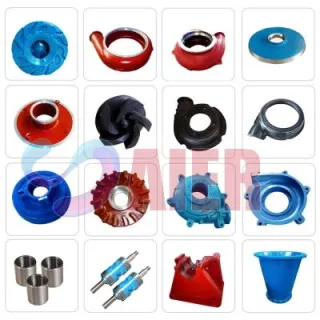
While high-chrome alloys significantly extend the life of the pump, regular inspections of the wear plates and impeller clearances are necessary. We recommend monitoring the flow rate; a drop in efficiency often indicates that the gap between the impeller and the wear plate has widened due to erosion. Because our designs are modular, these wear parts can be replaced quickly without removing the entire pump from the piping system, minimizing operational downtime.
How does Aier Machinery ensure compliance with European environmental standards?
We ensure compliance by integrating high-precision mechanical seals and leak-proof casings that prevent fluid escape into the environment. Furthermore, our focus on CFD-optimized hydraulics reduces energy consumption, helping clients meet EU energy efficiency targets. All our manufacturing processes adhere to strict quality control protocols to ensure that the final product meets the safety and durability requirements expected in the European industrial market.
What is the typical lead time for shipping replacement parts to Slovakia?
Lead times vary based on the specific component and the chosen shipping method. However, we maintain a streamlined logistics network designed to prioritize critical wear parts. For standard replacement impellers or seals, we work with expedited freight partners to ensure the shortest possible downtime. We recommend that clients maintain a small on-site inventory of critical wear components, which we can help plan based on your specific operational wear rates.
Get Expert Consultation
Ready to Optimize Your Industrial Pumping Infrastructure in Slovakia?
Whether you are managing a mining site, a municipal wastewater plant, or a large-scale dredging project, choosing the right pump is critical to your operational success. Our engineering team can help you specify the exact materials and hydraulic configurations needed to maximize your equipment's lifespan and reduce energy costs. Contact us today to discuss your technical requirements and receive a tailored solution for your Slovakian facility.
Discuss Your Requirements