Regional Analysis
The Industrial Pumping Landscape in Greece
Understanding the intersection of geography and industrial demand for heavy-duty pumping solutions.
Greece's industrial sector is characterized by a strong reliance on maritime activities, mining, and large-scale municipal water management. The rugged terrain and expansive coastline create a unique demand for pumps that can handle varying fluid densities and abrasive sediments. From the dredging of Mediterranean ports to the transport of tailings in mining operations, the local market requires equipment that balances extreme durability with the ability to operate in high-salinity environments. This geographical context makes the selection of materials critical for preventing premature failure.
Current market trends indicate a shift toward sustainable and energy-efficient fluid transport. Greek operators are increasingly moving away from oversized, inefficient pumps toward precision-engineered solutions that reduce electricity consumption. There is a growing integration of smart monitoring systems to track wear in real-time, reducing the need for disruptive manual inspections. Furthermore, environmental regulations in the EU are driving the demand for more efficient sewage pump systems that can handle urban runoff with minimal energy waste and zero leakage.
The outlook for the Greek market suggests an increase in infrastructure modernization. As ports are upgraded to accommodate larger vessels, the demand for high-capacity dredge pump systems is expected to rise. The primary constraint remains the high cost of specialized maintenance, creating a significant opportunity for manufacturers who can provide modular, easy-to-service equipment. Companies that offer a combination of high-chrome wear resistance and energy-optimized hydraulics will likely lead the market transition.
Technological Path
Evolution of Heavy-Duty Pumping
The transition from basic fluid transport to high-precision abrasive material handling.
Early Phase
Standard Cast Iron Era
Initial pumping solutions relied on standard cast iron, which suffered from rapid erosion when handling sand or slurry, requiring frequent impeller replacements.
Mid Phase
Alloy Integration
The introduction of high-chrome alloys and hard-metal inserts allowed pumps to handle higher concentrations of solids, significantly extending service life.
Current Phase
Hydraulic Optimization
Modern systems now combine extreme material hardness with CFD-optimized flow paths to maximize efficiency and reduce operational energy costs.
Computational Fluid Dynamics (CFD)
Modern pump design has moved from empirical testing to digital simulation. CFD allows engineers to visualize turbulence and identify high-wear zones before a single piece of metal is cast, ensuring that the impeller geometry is perfectly matched to the fluid's viscosity and particle size.
Advanced Metallurgy
The shift toward duplex stainless steels and specialized ceramics has enabled pumps to operate in chemically aggressive environments. This evolution allows for the simultaneous handling of abrasive solids and corrosive liquids, which was previously a major cause of sudden pump failure.
Intelligent Control Systems
Integration with Variable Frequency Drives (VFDs) allows pumps to adjust flow rates based on real-time demand. This not only prevents cavitation but also extends the life of the pump by avoiding the stress of constant start-stop cycles in heavy-duty applications.
Future Outlook
Emerging Trends in Fluid Engineering
How innovation is redefining the standards of reliability and efficiency in the pumping industry.
Predictive Wear Analytics
Moving from scheduled to condition-based maintenance using acoustic and vibration sensors to predict impeller failure before it occurs.
Low-Carbon Manufacturing
The adoption of energy-efficient casting processes and recyclable alloys to reduce the embodied carbon of industrial pumping equipment.
Modular Scalability
Designing pumping stations with modular capacities that allow operators to expand flow rates without replacing the entire infrastructure.
Hybrid Material Composites
Combining metal cores with polymer coatings to achieve a balance between structural strength and extreme corrosion resistance.
The convergence of digital monitoring and material science is transforming how fluid transport is managed. By implementing predictive analytics, operators can identify the exact moment an impeller begins to lose efficiency, allowing for "just-in-time" maintenance. This shift eliminates the waste of replacing parts too early and the catastrophe of failing too late, creating a more stable operational environment for critical Greek utilities.
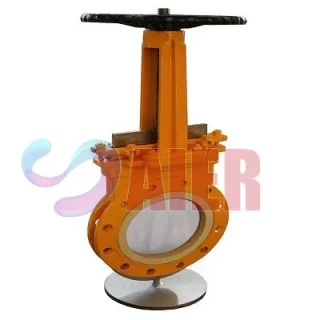
Furthermore, the industry is seeing a strong push toward "total system efficiency." Instead of focusing solely on the pump, engineers are now optimizing the entire circuit—including valves and piping—to reduce head loss. This holistic approach ensures that the high-performance capabilities of a water pump or slurry system are not negated by inefficient surrounding infrastructure.
Practical Applications
Deployment Scenarios in Greece
How our pumping technologies solve real-world operational problems across various Greek sectors.
01
Mediterranean Port Sediment Management
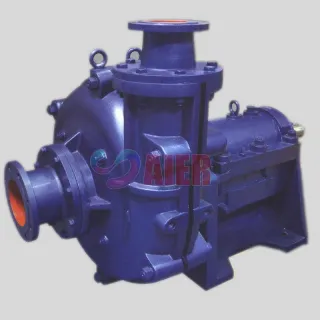
In coastal hubs, accumulated silt and sand block shipping lanes. Using a high-capacity sand pump, operators can efficiently remove heavy deposits. The high-chrome casing prevents the abrasive sand from eroding the pump walls, ensuring consistent suction and discharge rates despite the high particle density of the seabed.
02
Mining Tailings Transport in Northern Greece
Mining operations require the transport of thick, abrasive waste slurries to tailings ponds. A dedicated slurry pump is deployed to handle the high-viscosity mixture. The optimized hydraulic path prevents the slurry from settling in the pump casing, reducing the risk of blockages and minimizing energy consumption during long-distance transport.
03
Urban Wastewater Management in Athens
Municipal systems must handle storm water mixed with urban debris. By installing a vortex-action sewage pump, the city reduces the frequency of manual clog removals. The non-clogging impeller design allows organic matter and plastics to pass through freely, ensuring that basement flooding is prevented during heavy rainfall.
04
Agricultural Irrigation in Rural Peloponnese
Large-scale farms require reliable water pump systems to move water from deep wells to crop fields. In these areas, where power stability can vary, our pumps are paired with VFDs to maintain constant pressure, reducing pipe bursts and ensuring an even distribution of water across the acreage.
05
Industrial FGD Slurry Handling in Power Plants
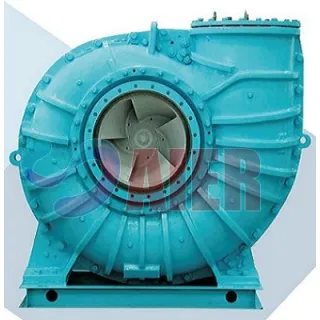
Flue Gas Desulfurization (FGD) processes produce a corrosive and abrasive gypsum slurry. Specialized FGD pumps are used to transport this waste. The use of acid-resistant alloys prevents the casing from pitting, while the hard-wearing impeller ensures that the crystalline gypsum does not cause rapid wear, maintaining system uptime.
Operational Evidence
Representative Deployment Perspectives
Typical outcomes observed when transitioning to high-durability pumping systems.
Transitioning to high-chrome slurry pumps reduced our maintenance intervals from once every three months to once every nine months. The ability to handle high-density tailings without impeller failure has significantly stabilized our daily production throughput in the mine.
The deployment of vortex-action sewage pumps in our urban network has almost entirely eliminated the emergency call-outs for clogged impellers. This has allowed our team to focus on preventative maintenance rather than reactive crisis management during storm seasons.
Operating in a high-salinity coastal environment meant our pumps were corroding from the outside in. Switching to specialized alloys with anti-corrosive coatings has stopped the casing degradation, extending the physical life of the equipment by several years.
Our Heritage
About Aier Machinery
A legacy of precision engineering and commitment to industrial durability.
2005
Company Foundation
Aier Machinery Hebei Co., Ltd. was established with a focus on specialized pumping solutions, laying the groundwork for what would become one of China's leading manufacturers of slurry, dredge, and FGD pumps.
Growth Phase
Global Recognition
By adhering to the core values of "Moral Team, Quality Products, Brand Service," the company expanded its technical capabilities and earned worldwide reputation for durability and performance in abrasive environments.
Current Era
Innovation & Restructuring
Focusing on a "People-oriented, Scientific Management" policy, Aier is currently committed to continuous product innovation and technological restructuring to meet evolving global customer requirements with competitive prices.
Expert Guidance
Frequently Asked Questions
Technical answers to help you select the right pumping system for your application.
What is the primary difference between a standard water pump and a slurry pump?
A standard water pump is designed for clean fluids and typically uses cast iron or stainless steel. In contrast, a slurry pump is specifically engineered to handle abrasive solids. It features high-chrome alloy linings and a modified impeller geometry to prevent rapid erosion and handle higher specific gravity fluids without clogging or premature wear.
How do I determine the correct material for a pump operating in a coastal Greek environment?
For coastal environments, we evaluate the salinity level and the presence of abrasive particles. Typically, we recommend duplex stainless steels or specialized anti-corrosive coatings for the casing to prevent salt-water pitting, combined with high-chrome alloys for the internal wear parts to resist erosion. We analyze your specific fluid composition to provide the most cost-effective material match.
What are the signs that my pump impeller needs replacement?
The most common indicator is a noticeable drop in discharge pressure or flow rate despite the pump running at full speed. Other signs include increased vibration, a rise in energy consumption (higher amperage), and audible cavitation. Regular performance monitoring against the original pump curve is the most accurate way to detect wear.
Can a sewage pump handle heavy industrial debris without clogging?
Yes, provided the pump utilizes a vortex impeller or a grinder system. Vortex pumps create a swirling action that keeps solids suspended in the center of the flow, preventing them from contacting the impeller blades directly. This makes them ideal for industrial waste and municipal storm water where debris size is unpredictable.
How does pump efficiency impact the total cost of ownership in large-scale operations?
Energy typically accounts for over 80% of a pump's lifetime cost. A pump operating at 65% efficiency versus one at 75% can result in thousands of euros in additional electricity costs per year. By optimizing the hydraulic path and matching the pump to the exact duty point, operators can drastically reduce these recurring expenses.
What information do I need to provide for a custom pump selection?
To ensure the best fit, we require: 1) The required flow rate (m3/h), 2) Total Dynamic Head (TDH), 3) Fluid properties (specific gravity, viscosity, and particle size distribution), 4) Chemical composition (pH level and corrosives), and 5) Expected operating hours per day. This data allows us to select the optimal alloy and hydraulic design.
Expert Consultation
Optimize Your Fluid Transport Infrastructure in Greece
Whether you are managing port dredging, mining tailings, or municipal waste, selecting the wrong pump leads to costly downtime. Our engineering team can help you analyze your fluid properties and match you with a high-durability system that reduces wear and energy costs. Contact us today to discuss your specific operational requirements and receive a technical recommendation.
Discuss Your Requirements