Apr . 04, 2026 01:55 Back to list
Choosing the Right High Quality Dredge Pump for Efficient Operations
Choosing the Right High Quality Dredge Pump for Your Needs
Selecting a high quality dredge pump is crucial for efficient sediment removal and maintaining optimal water flow in various applications. From construction sites to environmental remediation projects, the right pump can significantly reduce project timelines and costs. This article will explore the key considerations when choosing a dredge pump, focusing on performance, durability, and application suitability. We will also highlight how Aier Pumps offers reliable and innovative solutions for all your dredging needs.
Understanding Dredge Pump Types
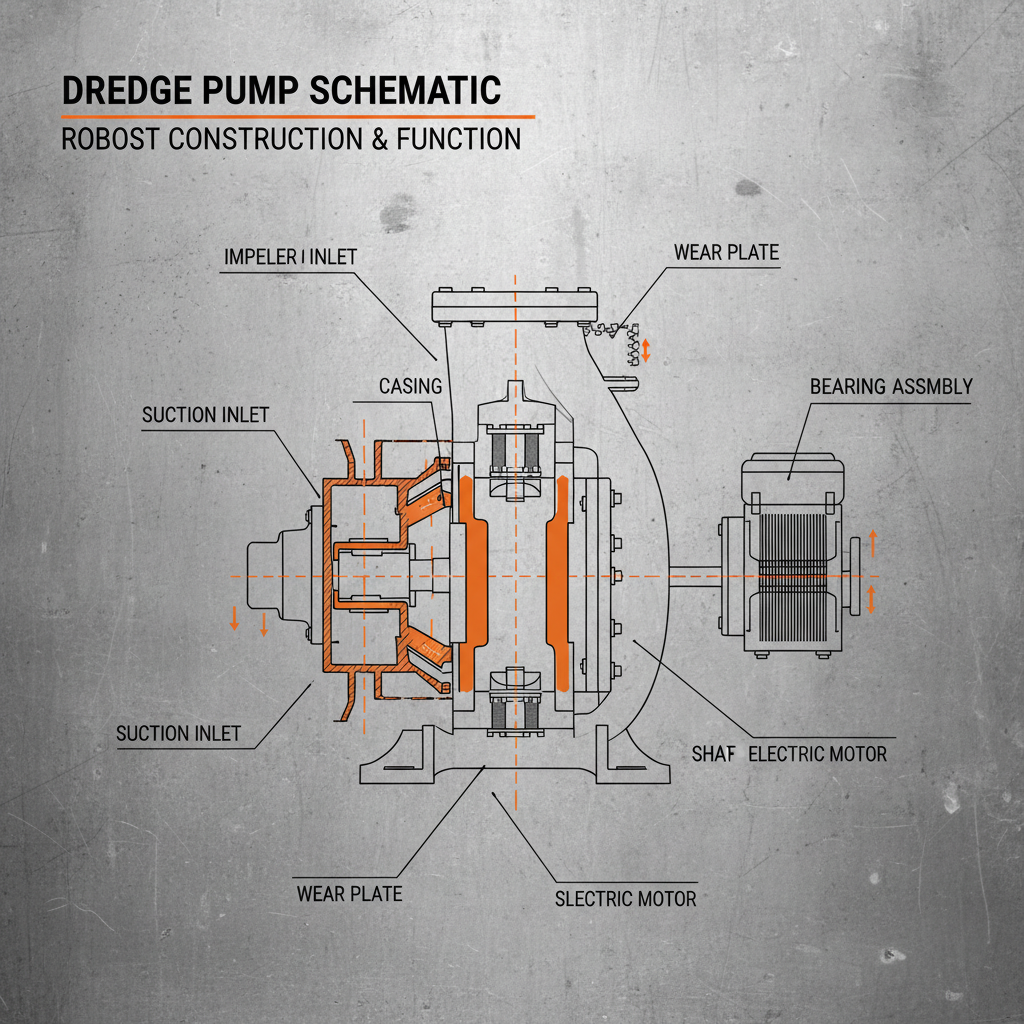
Dredge pumps come in several different types, each suited for specific applications. Hydraulic dredge pumps are popular for their high efficiency and ability to handle abrasive materials. Electric dredge pumps offer a quieter operation and are ideal for environmentally sensitive areas. Diesel dredge pumps provide portability and are suitable for remote locations. Understanding the advantages and disadvantages of each type is essential for making the right choice. Consider the material being dredged – sand, silt, gravel, or a combination – as this will significantly impact pump selection. Aier Pumps offers a comprehensive range of dredge pump types to meet diverse project requirements.
Key Takeaway: Selecting the right pump type based on the application and material being dredged is the first crucial step.
Key Factors When Choosing a High Quality Dredge Pump
Several factors influence the performance and longevity of a dredge pump. These include flow rate (the volume of material moved per unit of time), head (the vertical distance the pump can lift the material), solids handling capacity (the size and concentration of solids the pump can handle), and pump efficiency. Material construction is also vital – pumps designed with durable materials like high-chromium alloys are better suited for abrasive environments. Aier Pumps utilizes advanced materials and engineering to ensure optimal performance and durability in demanding applications.
Essential Considerations:
• Flow Rate: Matches project volume requirements.
• Head: Accommodates the lifting height of the dredged material.
• Solids Handling Capacity: Handles the size and concentration of solids.
• Material Construction: Ensures durability in abrasive environments.
Hydraulic vs. Electric Dredge Pumps: A Detailed Comparison
Choosing between a hydraulic and electric dredge pump often depends on the project's specific needs. Hydraulic pumps offer high power and are well-suited for large-scale dredging operations, but they require a power unit and can be more expensive to operate due to fuel consumption. Electric pumps are more energy-efficient and produce less noise, making them ideal for urban areas or environmentally sensitive zones. However, they may have limited power compared to hydraulic models.
Aier Pumps: Delivering High Quality Dredge Pump Solutions
Aier Pumps specializes in the design, manufacturing, and supply of high quality dredge pumps for a wide range of applications. We offer customized solutions tailored to your specific project needs, ensuring optimal performance and reliability. Our pumps are built to withstand harsh conditions and deliver long-lasting value. We are dedicated to providing exceptional customer service and technical support.
Product Specifications: Aier Pumps’ Heavy Duty Dredge Pump
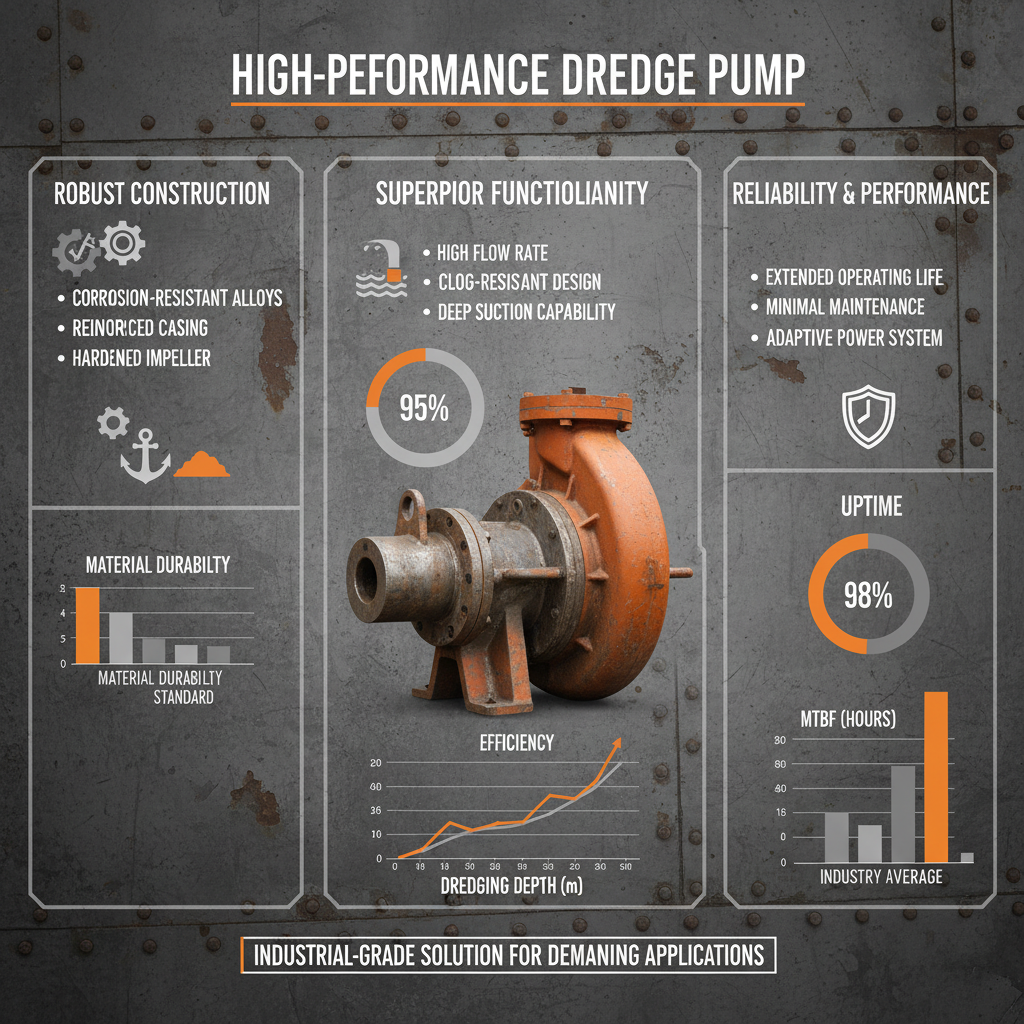
Here are some key specifications of our heavy-duty dredge pump, showcasing the quality and performance Aier Pumps delivers:
Conclusion: Investing in Reliability with Aier Pumps
Choosing the right high quality dredge pump is an investment in the success of your project. Aier Pumps provides reliable, durable, and efficient solutions tailored to your specific needs. Contact us today to discuss your project requirements and receive expert guidance.
Frequently Asked Questions (FAQs)
What maintenance is required for a dredge pump?
Regular maintenance is crucial for prolonging the life of your dredge pump. This includes daily inspections for leaks or unusual noises, regular lubrication of moving parts, and periodic replacement of wear items like impellers and seals. Checking the suction and discharge lines for blockages is also essential. Following the manufacturer's maintenance schedule, as outlined in the pump's manual, will ensure optimal performance and prevent costly repairs. Aier Pumps provides comprehensive maintenance guides and support to our customers.
What are the common applications of dredge pumps?
Dredge pumps are used in a diverse range of applications, including dredging harbors and waterways for navigation, removing sediment from dams and reservoirs, reclaiming land from the sea, and cleaning up contaminated sediments. They're also employed in sand and gravel mining, pipeline trenching, and construction projects requiring dewatering. Aier Pumps provides solutions for both small-scale and large-scale dredging operations.
How do I choose the right impeller for my dredge pump?
The impeller is a critical component of a dredge pump. Selecting the correct impeller depends on the specific application and the type of material being dredged. High-chrome impellers are ideal for abrasive materials like sand and gravel, while rubber-lined impellers are better suited for handling corrosive fluids. Impeller design also impacts the pump's flow rate and head. Aier Pumps’ engineers can assist you in selecting the optimal impeller for your needs.
-
Guide to Selecting a High Quality Dredge Pump for Sand Projects
NewsApr.16,2026
-
Buy high quality warman slurry pump spare parts for Mining
NewsApr.09,2026
-
High Quality Buy Slurry Pump For Efficient Fluid Transfer Solutions
NewsApr.07,2026
-
Choosing the Right High Quality Dredge Pump for Efficient Operations
NewsApr.04,2026
-
Maximize Efficiency with High Quality Recessed Impeller Slurry Pumps for Robust Applications
NewsMar.31,2026
-
Comprehensive Guide to High Quality Warman Slurry Pump Bearing Assembly Performance
NewsMar.28,2026