
Apr . 16, 2026 01:55 Back to list
Guide to Selecting a High Quality Dredge Pump for Sand Projects
Choosing a High Quality Dredge Pump for Sand: The Ultimate Guide
Efficient sand removal and land reclamation projects require equipment that can withstand extreme abrasion and maintain high volumetric efficiency. Investing in a high quality dredge pump for sand is not just about moving material; it is about reducing operational downtime and maximizing the lifespan of your machinery. Whether you are managing a harbor deepening project or a coastal restoration, the right pumping technology determines the cost-effectiveness of your entire operation. In this guide, we will explore the technical nuances that make a sand pump truly "high quality" and how to select the perfect model for your specific geological conditions.
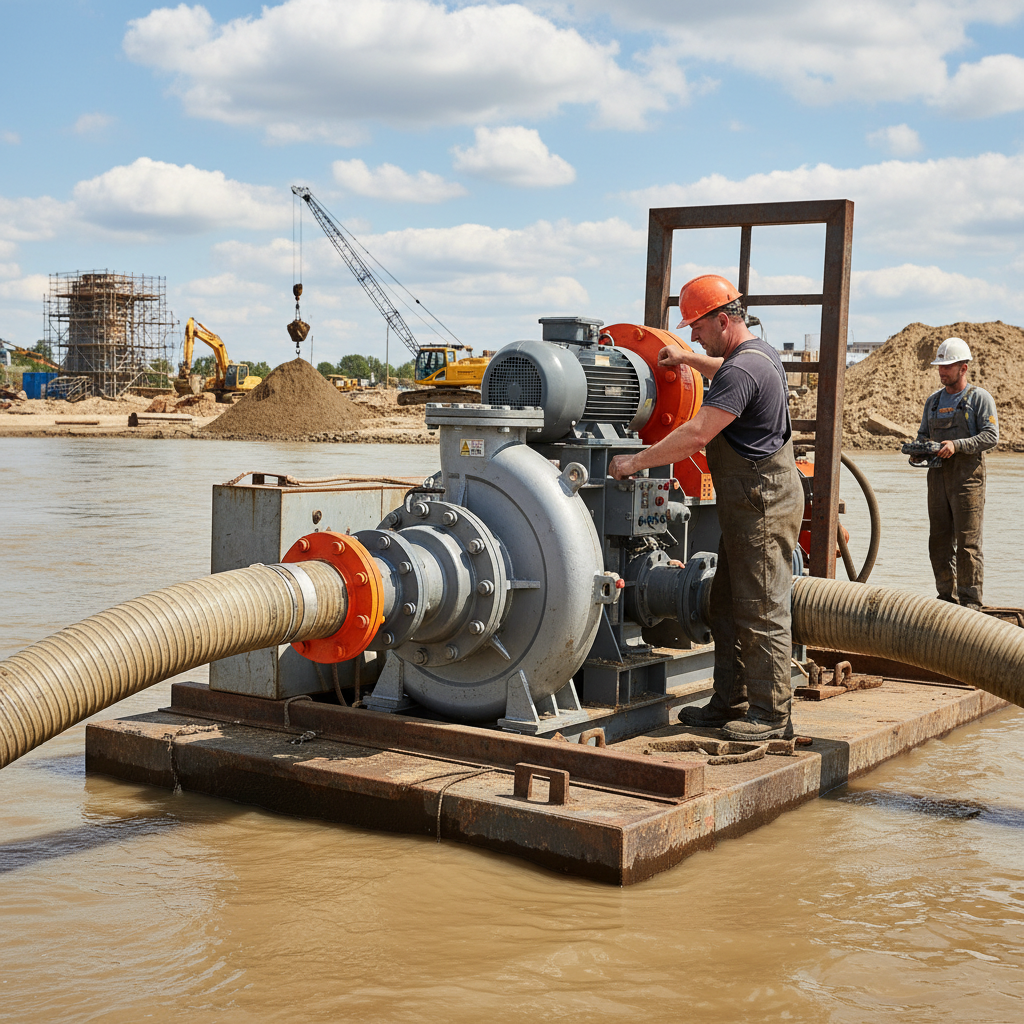
Critical Engineering Features of Sand Dredge Pumps
A high quality dredge pump for sand must prioritize wear resistance. Sand is highly abrasive, meaning the internal components—specifically the impeller and volute—must be constructed from high-chrome alloys or natural rubber linings. These materials prevent the "sandblasting" effect that quickly destroys standard pumps. Additionally, the hydraulic design must ensure a smooth flow path to minimize turbulence, which is where the most severe erosion typically occurs. A well-engineered pump maintains a consistent vacuum and flow rate, ensuring that the sand-to-water ratio remains optimal for transport through the pipeline.
Pro Tip: Always check the Hardness (HRC) of the impeller. For high-sand concentrations, a hardness rating of 60 HRC or higher is recommended to ensure longevity in abrasive environments.
Performance Metrics for a High Quality Dredge Pump for Sand
When evaluating performance, engineers look at the Total Dynamic Head (TDH) and the slurry concentration percentage. A high-quality pump can handle a higher percentage of solids without clogging or experiencing a drastic drop in flow. This efficiency directly impacts the fuel consumption of the power unit and the overall project timeline. By utilizing advanced computational fluid dynamics (CFD), modern pumps are now optimized to handle larger grain sizes while maintaining a stable energy profile. Below is a detailed specification table comparing common configurations used in sand dredging.
Applications of High Quality Dredge Pumps for Sand
The versatility of a high quality dredge pump for sand allows it to be deployed across multiple industrial sectors. In beach nourishment, these pumps move massive quantities of sand to combat coastal erosion. In mining, they are essential for transporting tailings and ore. Furthermore, urban infrastructure projects often rely on these pumps for canal cleaning and reservoir desilting. The ability to handle high-density slurry makes them indispensable for creating artificial islands or expanding port facilities where precision and volume are equally critical.
Maintenance Strategies for Long-Term Reliability
Even the best equipment requires a rigorous maintenance schedule to maintain its "high quality" status. For sand pumps, the most critical point of failure is the mechanical seal and the wear plates. Implementing a predictive maintenance program—monitoring vibration levels and flow pressure drops—can alert operators to wear before a catastrophic failure occurs. Regularly flushing the pump after operations prevents sand from settling and hardening inside the casing, which could lead to blockage during the next start-up. Using genuine replacement parts from AIER Pumps ensures that the metallurgical properties remain consistent with the original design.
Comparing Centrifugal vs. Positive Displacement Sand Pumps
When selecting a high quality dredge pump for sand, you must choose between centrifugal and positive displacement (PD) technology. Centrifugal pumps are the industry standard for high-volume, low-to-medium viscosity slurry. They are simpler to maintain and offer higher flow rates. On the other hand, PD pumps are superior for high-density "paste" dredging where high pressure is required to move thick materials over long distances. The choice depends on your required solid-to-liquid ratio and the total distance the sand must be transported.
Selection Summary:
• Centrifugal: Best for high volume, coastal dredging, and beach nourishment.
• Positive Displacement: Best for high-density slurry, deep mining, and long-distance transport.
Environmental Impact and Energy Efficiency
Modern dredging is under increasing scrutiny regarding its environmental footprint. A high quality dredge pump for sand now incorporates energy-saving Variable Frequency Drives (VFDs). VFDs allow the operator to adjust the pump speed in real-time based on the slurry density, preventing energy waste and reducing the mechanical stress on the system. Furthermore, precision-engineered impellers reduce the "turbidity plume"—the cloud of suspended sediment—which protects local marine ecosystems during the dredging process, ensuring compliance with international environmental regulations.
Conclusion: Maximizing ROI with Premium Dredging Equipment
Choosing a high quality dredge pump for sand is a strategic decision that balances initial capital expenditure with long-term operational costs. By focusing on high-chrome materials, hydraulic efficiency, and smart maintenance, companies can significantly reduce their cost-per-cubic-meter of sand moved. Whether your goal is infrastructure expansion or environmental restoration, the reliability of your pump is the heartbeat of your project. Trust in engineered excellence to ensure your dredging operations remain productive, sustainable, and profitable.
Frequently Asked Questions (FAQs)
What makes a dredge pump "high quality" specifically for sand?
A high-quality sand dredge pump is distinguished by its use of specialized abrasion-resistant materials. While standard pumps use cast iron, a premium pump utilizes high-chrome alloys (such as Cr27) or reinforced rubber linings to combat the erosive nature of sand. Additionally, it features a hydraulically optimized impeller design that reduces internal turbulence and cavitation, which are the primary causes of premature wear. High-quality pumps also offer better sealing systems to prevent sand particles from entering the bearing housing, thereby extending the overall service life of the machine.
How do I calculate the required capacity for my sand dredging project?
Calculating capacity requires knowing the total volume of sand to be moved, the project deadline, and the expected slurry concentration. First, determine the target "solids flow rate" (cubic meters of sand per hour). Then, factor in the water-to-sand ratio (typically 70% water, 30% sand for efficient transport). Once you have the total slurry volume, you can select a pump with a flow rate (Q) and head (H) that meets these requirements. It is always recommended to consult with experts at AIER Pumps to ensure the pump's performance curve matches your site's specific hydraulic needs.
Can a high quality dredge pump handle mixed materials (sand and gravel)?
Yes, but it requires a pump with a larger "maximum particle size" rating. While a pump designed strictly for fine sand can have tighter tolerances, a pump capable of handling gravel must have a larger impeller eye and a wider discharge passage to prevent clogging. High-quality pumps designed for mixed materials often utilize "hard-facing" on the impeller vanes to handle the higher impact energy of gravel. If your site contains significant amounts of rock or large debris, you should specify a "heavy-duty slurry pump" configuration to ensure the equipment can handle the increased mechanical stress without failing.
How often should the wear parts of a sand pump be replaced?
The replacement interval varies based on the sand's composition and the concentration of the slurry. In highly abrasive environments, wear plates and impellers may need inspection every 500 to 1,000 operating hours. However, with a high quality dredge pump for sand using premium chrome alloys, these intervals can be extended significantly. We recommend monitoring the pump's discharge pressure; a noticeable drop in pressure usually indicates that the internal clearances have increased due to wear, signaling that it is time for a component replacement.
-
Guide to Selecting a High Quality Dredge Pump for Sand Projects
NewsApr.16,2026
-
Buy high quality warman slurry pump spare parts for Mining
NewsApr.09,2026
-
High Quality Buy Slurry Pump For Efficient Fluid Transfer Solutions
NewsApr.07,2026
-
Choosing the Right High Quality Dredge Pump for Efficient Operations
NewsApr.04,2026
-
Maximize Efficiency with High Quality Recessed Impeller Slurry Pumps for Robust Applications
NewsMar.31,2026
-
Comprehensive Guide to High Quality Warman Slurry Pump Bearing Assembly Performance
NewsMar.28,2026