Mar . 28, 2026 01:55 Back to list
Comprehensive Guide to High Quality Warman Slurry Pump Bearing Assembly Performance
Understanding High Quality Warman Slurry Pump Bearing Assembly
The reliable operation of any slurry pump heavily relies on the performance of its Warman slurry pump bearing assembly. These assemblies are designed to withstand the harsh conditions of abrasive slurries, ensuring longevity and minimizing downtime. Selecting a high quality Warman slurry pump bearing assembly is crucial for maximizing pump efficiency and reducing maintenance costs. This article delves into the key considerations when choosing a bearing assembly, its components, common issues, and how to ensure optimal performance. We will explore factors impacting bearing life and highlight the importance of preventative maintenance.
Key Components of a Warman Slurry Pump Bearing Assembly
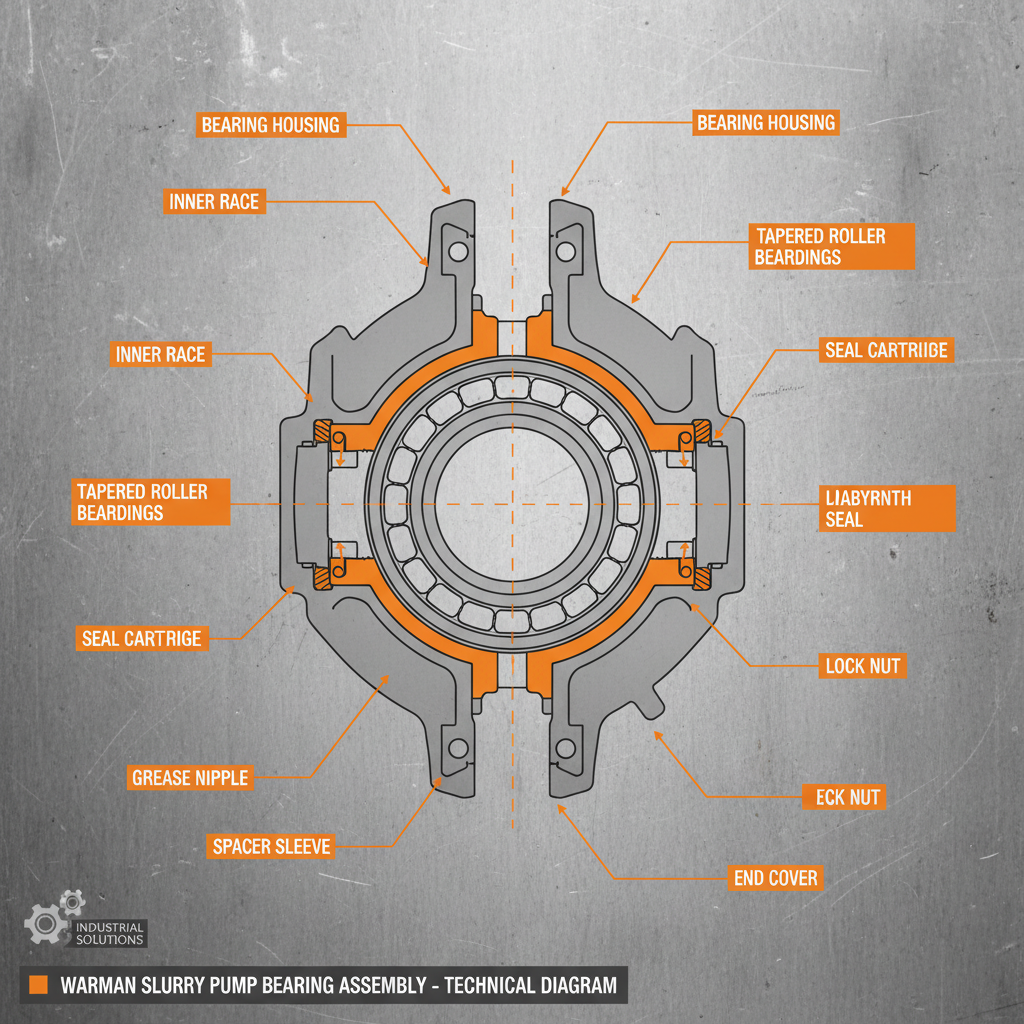
A typical Warman slurry pump bearing assembly comprises several critical components working in unison. These include the bearings themselves (typically heavy-duty roller or ball bearings), bearing housings, seals (to prevent slurry ingress and lubricant leakage), lubrication systems (grease or oil-based), and shaft sleeves. The bearings provide the rotational support for the pump shaft, while the housing protects them from the harsh environment. Effective sealing is paramount to prevent abrasive particles from damaging the bearings and reducing their lifespan. A reliable lubrication system ensures proper bearing cooling and minimizes friction. The material selection for each component is also crucial to withstand corrosion and wear.
Key Takeaway: The integrity of each component within the bearing assembly directly impacts the overall performance and lifespan of the slurry pump.
Factors Influencing Bearing Assembly Life
Several factors contribute to the lifespan of a high quality Warman slurry pump bearing assembly. The abrasiveness of the slurry is a primary concern, as abrasive particles can cause wear and damage to the bearings and seals. Slurry composition (particle size, density, and chemical properties) also plays a significant role. Operating conditions, such as pump speed, pressure, and temperature, also influence bearing life. Improper installation, inadequate lubrication, and misalignment can all lead to premature failure. Regular monitoring of bearing temperature and vibration levels can provide early warning signs of potential problems. Selecting the correct bearing type and lubrication method for the specific application is crucial for maximizing performance and longevity.
Critical Factors Affecting Bearing Life:
• Abrasiveness of the slurry
• Slurry composition
• Operating conditions (speed, pressure, temperature)
• Installation quality
• Lubrication effectiveness
Selecting the Right Warman Slurry Pump Bearing Assembly
Choosing the appropriate Warman slurry pump bearing assembly requires careful consideration of the application's specific requirements. Factors to consider include the slurry type, particle size distribution, flow rate, and operating pressure. Different bearing types (roller, ball, spherical roller) offer varying levels of load capacity and resistance to contamination. Seal materials should be compatible with the slurry composition to prevent corrosion and degradation. The lubrication system should be chosen based on the operating temperature and the required level of protection against contamination. Aier Pumps offers a range of bearing assemblies designed for diverse slurry applications, ensuring optimal performance and reliability.
Preventative Maintenance for Extended Bearing Life
Implementing a robust preventative maintenance program is essential for maximizing the lifespan of your Warman slurry pump bearing assembly. This includes regular inspections for signs of wear, damage, or leakage. Monitoring bearing temperature and vibration levels can provide early warnings of potential issues. Lubrication schedules should be strictly adhered to, and the correct type of lubricant should be used. Proper alignment of the pump shaft and bearing housing is critical. Promptly address any identified issues to prevent them from escalating into more significant problems. Aier Pumps provides comprehensive maintenance services and support to help you keep your pumps operating at peak performance.
Conclusion: Ensuring Reliable Pump Operation
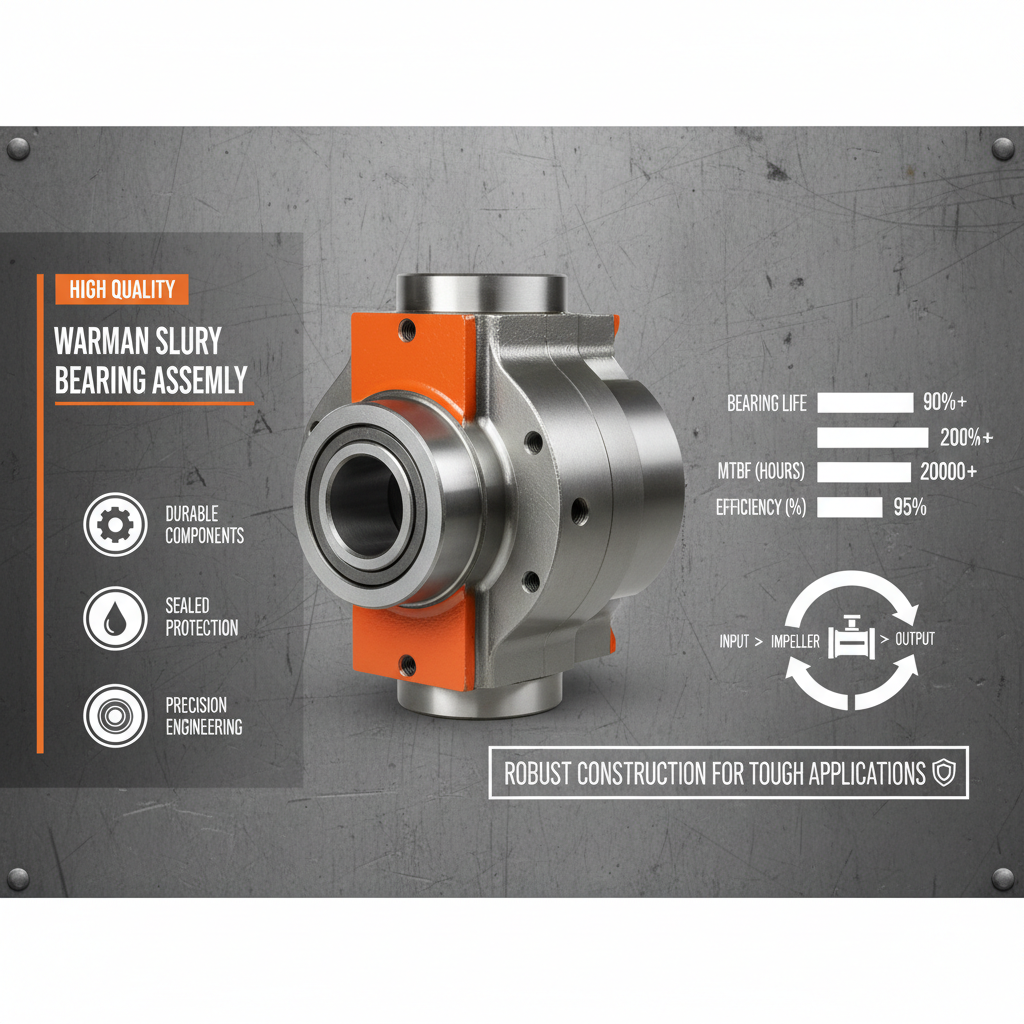
Investing in a high quality Warman slurry pump bearing assembly and implementing a comprehensive preventative maintenance program are crucial for ensuring reliable and efficient pump operation. By carefully considering the application's specific requirements and selecting the appropriate components, you can maximize bearing life and minimize downtime. Aier Pumps is your trusted partner for all your slurry pump needs, providing expert advice, high-quality products, and comprehensive support.
Frequently Asked Questions (FAQs)
What type of lubricant is best for a Warman slurry pump bearing assembly?
The optimal lubricant depends on the specific bearing type, operating temperature, and slurry composition. Generally, heavy-duty synthetic greases are recommended for roller bearings, while mineral oil-based lubricants may be suitable for ball bearings in less demanding applications. It is crucial to select a lubricant that is compatible with the slurry and provides adequate protection against corrosion and wear. Consult the pump manufacturer's recommendations for specific lubricant specifications. Using the wrong lubricant can significantly reduce bearing life and lead to premature failure.
How often should I inspect the bearing assembly?
The frequency of inspection depends on the severity of the service and the pump's operating conditions. As a general guideline, bearings should be inspected at least monthly, or more frequently in demanding applications. During inspection, check for signs of wear, damage, leakage, and abnormal noise or vibration. Monitor bearing temperature and compare it to baseline readings. Keep a detailed record of inspection findings and maintenance activities.
What are the common signs of a failing bearing assembly?
Common signs of a failing bearing assembly include unusual noise (grinding, squealing, or rumbling), excessive vibration, increased bearing temperature, lubricant leakage, and play in the shaft. If any of these symptoms are observed, it's important to investigate the issue immediately and take corrective action. Ignoring these signs can lead to catastrophic pump failure and costly downtime.
Can misalignment cause bearing failure?
Yes, misalignment is a major cause of bearing failure. Misalignment creates excessive stress on the bearings, leading to premature wear and fatigue. It's crucial to ensure proper alignment of the pump shaft and bearing housing during installation and to periodically check alignment during maintenance. Laser alignment tools can be used to accurately measure and correct misalignment.
-
Guide to Selecting a High Quality Dredge Pump for Sand Projects
NewsApr.16,2026
-
Buy high quality warman slurry pump spare parts for Mining
NewsApr.09,2026
-
High Quality Buy Slurry Pump For Efficient Fluid Transfer Solutions
NewsApr.07,2026
-
Choosing the Right High Quality Dredge Pump for Efficient Operations
NewsApr.04,2026
-
Maximize Efficiency with High Quality Recessed Impeller Slurry Pumps for Robust Applications
NewsMar.31,2026
-
Comprehensive Guide to High Quality Warman Slurry Pump Bearing Assembly Performance
NewsMar.28,2026