
WA Pompa per liquami per carichi pesanti
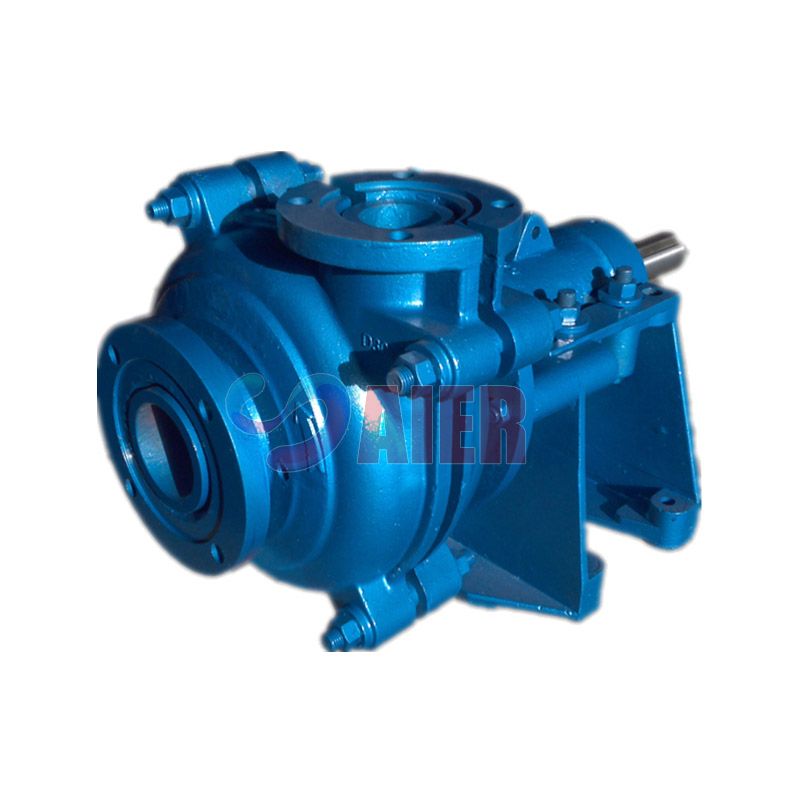
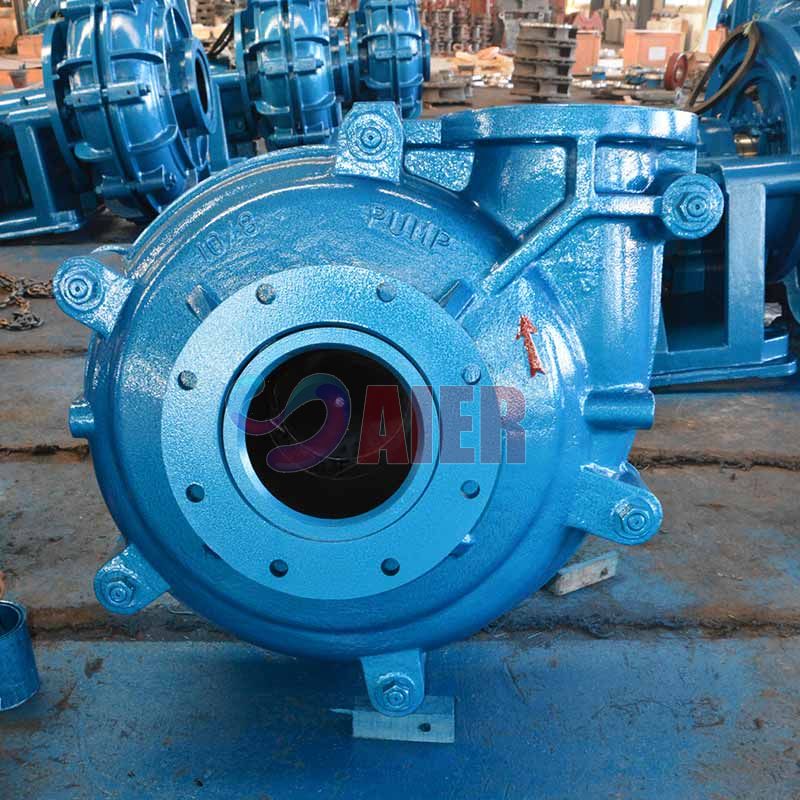
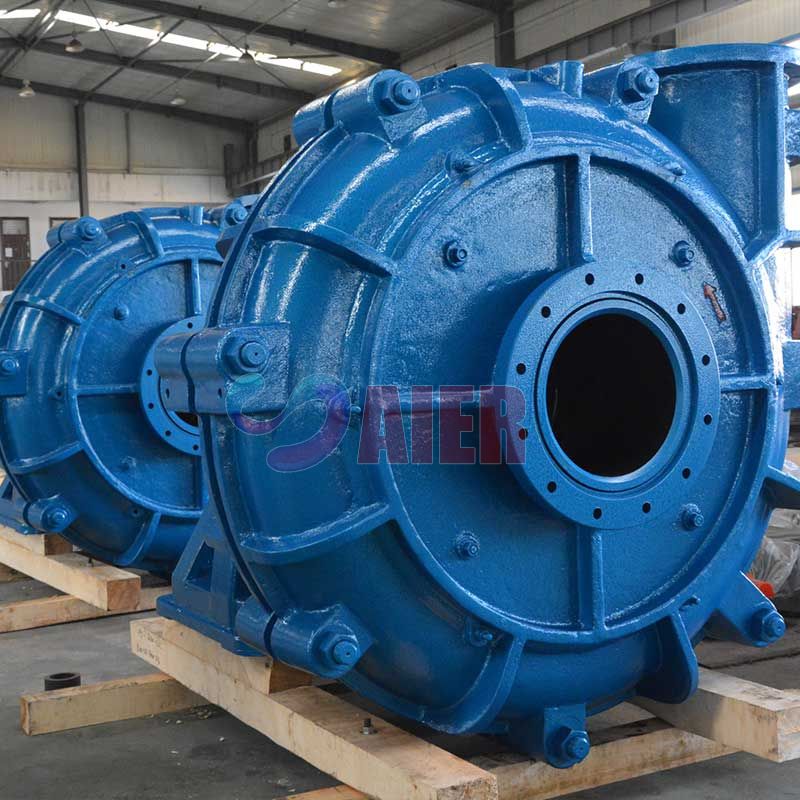
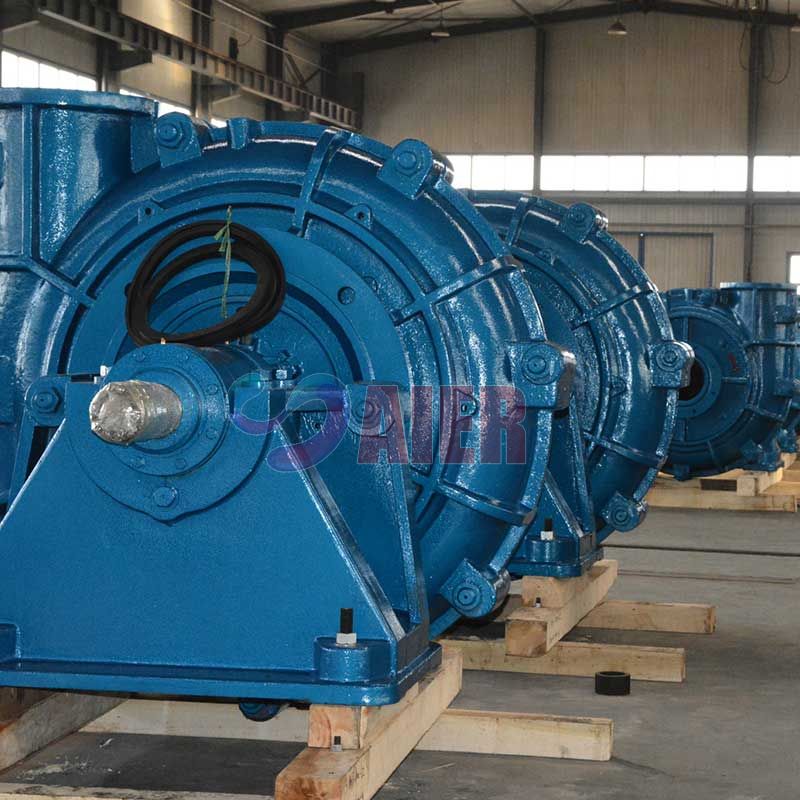
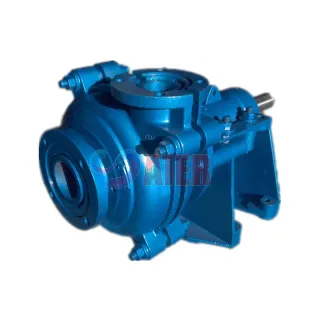
Cos'è la pompa per liquami per carichi pesanti?
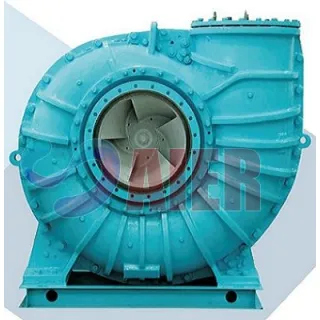
La pompa per liquami per carichi pesanti della serie WA è a sbalzo, orizzontale, rivestita in gomma naturale o metallo duro pompe centrifughe per liquami. Sono progettati per la movimentazione di fanghi abrasivi e ad alta densità nei settori metallurgico, minerario, del carbone, dell'energia, dei materiali da costruzione e di altri settori industriali.
Specifiche della pompa per carichi pesanti
Dimensioni: da 1" a 22"
Portata: 3,6-5400 m3/h
Prevalenza: 6-125 m
Consegna di solidi: 0-130 mm
Concentrazione: 0%-70%
Materiali: lega ipercromata, Gomma, poliuretano, Ceramica, acciaio inossidabile ecc.
AIER® WA Heavy Duty Slurry Pump
Caratteristiche della pompa per liquami
1. La piastra del telaio delle pompe della serie WA è dotata di rivestimenti intercambiabili in metallo duro o in elastomero stampato a pressione. Le giranti sono realizzate con rivestimenti in metallo duro o in elastomero stampato a pressione.
2. Le tenute meccaniche per la serie WA possono essere tenute a baderna, tenute centrifughe o tenute meccaniche.
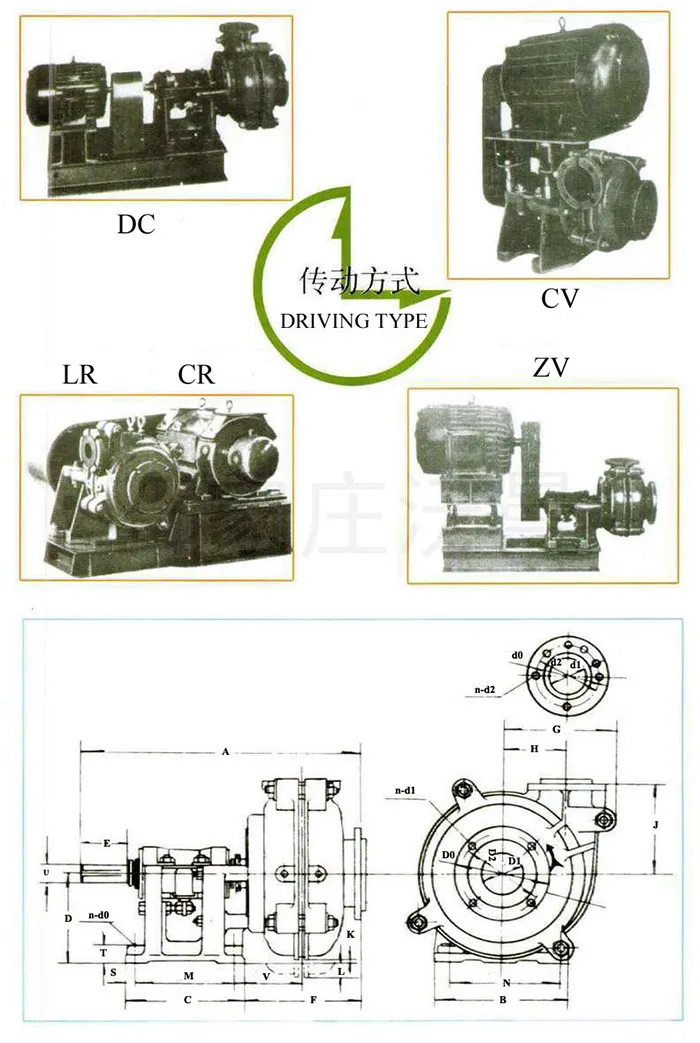
3. Il ramo di scarico può essere posizionato a intervalli di 45 gradi su richiesta e orientato in otto posizioni qualsiasi per adattarsi alle installazioni e alle applicazioni. Sono disponibili molte modalità di azionamento, come cinghia trapezoidale, giunto flessibile, cambio, frequenza variabile dell'accoppiatore idraulico, velocità controllata dal silicio, ecc. Tra questi, la trasmissione con giunto flessibile dell'albero e la cinghia trapezoidale sono caratterizzate da basso costo e facilità di installazione.
4. In harsh conditions with sand, sludge, rocks and mud, ordinary slurry pumps tend to clog, wear and fail frequently.. But our heavy-duty slurry pumps are highly resistant to wear and corrosion, which means that the durata delle nostre pompe per liquami è migliore delle pompe di altri produttori.
Applicazioni tipiche delle pompe per carichi pesanti
Poiché le nostre pompe per liquami per carichi pesanti WA sono altamente resistenti all'usura e alla corrosione, le pompe per carichi pesanti vengono utilizzate in un'ampia gamma di applicazioni.
1. Scarico del mulino SAG, scarico del mulino a sfere, scarico Rod mil.
2. Liquame di acido nichel, sabbia grossolana, sterili grossolani, matrice di fosfato, concentrato di minerali.
3. Mezzi pesanti, barbabietola da zucchero, dragaggio, ceneri pesanti/volanti, macinazione di calce, sabbie bituminose, sabbie minerali, sterili fini, granulazione di scorie, acido fosforico, carbone, flottazione, prodotti chimici di processo, pasta di legno e carta, FGD, alimentazione a ciclone, ecc. .
Notazione delle pompe
| 200WA-ST: | 100WAJ-D: |
| 200: Diametro uscita: mm | 100: Diametro uscita: mm |
| WA: Tipo di pompa: rivestita in lega di cromo | WAJ: Tipo di pompa: rivestita in gomma |
| ST: tipo con piastra telaio | D: Tipo con piastra telaio |
Per sapere come risolvere i tuoi problemi di pompaggio, Contattaci today! We are the slurry pump manufacturer that can help you solve your problems.
Progettazione edile
|
|
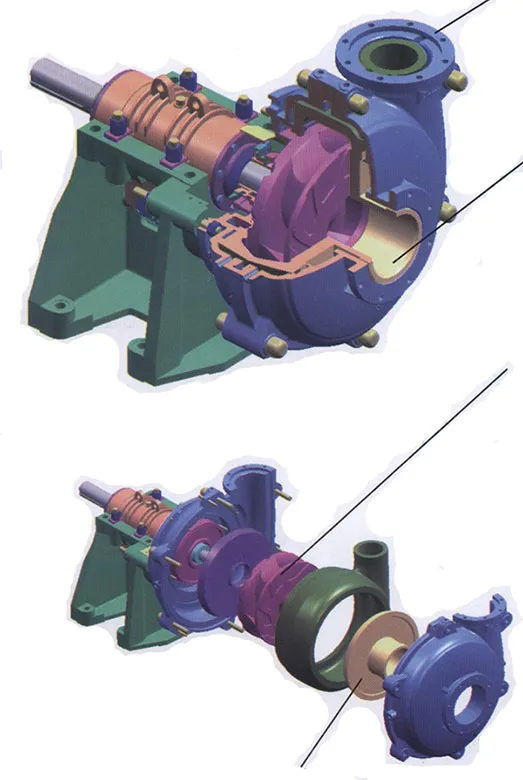
Involucro Le metà divise dell'involucro in ghisa o ghisa duttile contengono i rivestimenti antiusura e forniscono elevate capacità di pressione operativa.
Rivestimenti intercambiabili in metallo duro ed elastomero stampato |
|
Girante La girante può essere in elastomero stampato o in metallo duro. Le palette di tenuta laterali profonde alleviano la pressione della tenuta e riducono al minimo il ricircolo. Le filettature della girante fuse sono più adatte per i fanghi. |
Mating faces in hard metal liners are tapered to allow positive alignment during assembly and allow components to be easily removed for replacement.
Materiale della parte della pompa
| Nome della parte | Materiale | Specifica | HRC | Applicazione | Codice OEM |
| Liner e girante | Metallo | AB27: 23%-30% ferro bianco cromo | ≥56 | Utilizzato per condizioni di usura più elevate con pH compreso tra 5 e 12 | A05 |
| AB15: 14%-18% ferro bianco cromo | ≥59 | Utilizzato per condizioni di usura più elevate | A07 | ||
| AB29: 27%-29% ferro bianco cromo | 43 | Utilizzato per condizioni di pH più basso, in particolare per FGD. Può essere utilizzato anche per condizioni a bassa acidità e installazioni di desolforazione con pH non inferiore a 4 | A49 | ||
| AB33: 33%-37% ferro bianco cromo | Può trasportare liquami ossigenati con pH non inferiore a 1 come gesso al fosforo, acido nitrico, vetriolo, fosfato ecc. | A33 | |||
| Gomma | R08 | ||||
| R26 | |||||
| R33 | |||||
| R55 | |||||
| Espulsore e anello dell'espulsore | Metallo | B27: 23%-30% ferro bianco cromo | ≥56 | Utilizzato per condizioni di usura più elevate con pH compreso tra 5 e 12 | A05 |
| Ferro grigio | G01 | ||||
| Premistoppa | Metallo | AB27: 23%-30% ferro bianco cromo | ≥56 | Utilizzato per condizioni di usura più elevate con pH compreso tra 5 e 12 | A05 |
| Ferro grigio | G01 | ||||
| Telaio/piastra di copertura, alloggiamento dei cuscinetti e base | Metallo | Ferro grigio | G01 | ||
| Ferro duttile | D21 | ||||
| Lancia | Metallo | Acciaio al carbonio | E05 | ||
| Manicotto dell'albero, anello lanterna/limitatore, anello del collo, bullone premistoppa | Acciaio inossidabile | 4Cr13 | C21 | ||
| 304 SS | C22 | ||||
| 316 SS | C23 | ||||
| Anelli e guarnizioni per giunti | Gomma | Butile | S21 | ||
| Gomma EPDM | S01 | ||||
| Nitrile | S10 | ||||
| Hypalon | S31 | ||||
| Neoprene | S44/S42 | ||||
| Vitone | S50 |
Progettazione del modulo di trasmissione
|
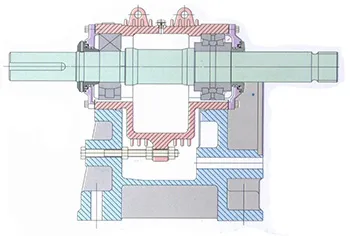
Albero pompa di grande diametro, cilindrico Costruzione di carichi pesanti, cuscinetti metrici con lubrificazione ad olio o lubrificazione a grasso; aperto in serie, le caratteristiche costruttive di piccolo volume e di alta affidabilità. |
 |
 |
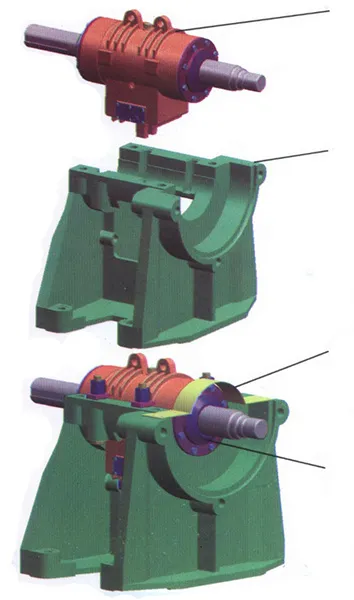
Gruppo cuscinetto albero Un albero di grande diametro con una sporgenza corta riduce al minimo la deflessione e le vibrazioni. I cuscinetti a rulli per carichi pesanti sono alloggiati in una cartuccia rimovibile. Base della pompa Fissare la pompa alla base con un numero minimo di bulloni e regolare la girante in una posizione comoda sotto l'alloggiamento del cuscinetto. La copertura impermeabile impedisce all'acqua di fuoriuscire di volare. La copertura di protezione impedisce perdite d'acqua dalla staffa del cuscinetto.
|
Progettazione del modulo di tenuta dell'albero
 |
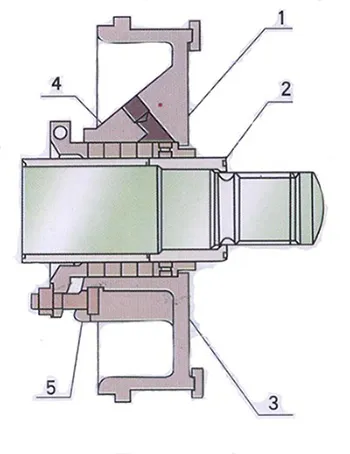
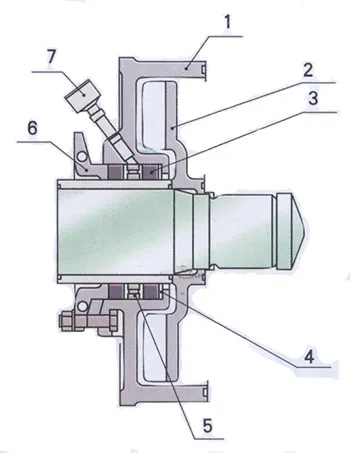
1. Scatola di imballaggio 2. Anello della lanterna anteriore 3. Imballaggio 4. Premistoppa 5. Manicotto dell'albero |
|
1. Ghiandola di rilascio 2. Espulsore 3. Imballaggio 4. Guarnizione di tenuta 5. Anello della lanterna 6. Premistoppa 7. Coppa dell'olio |
 |
 |
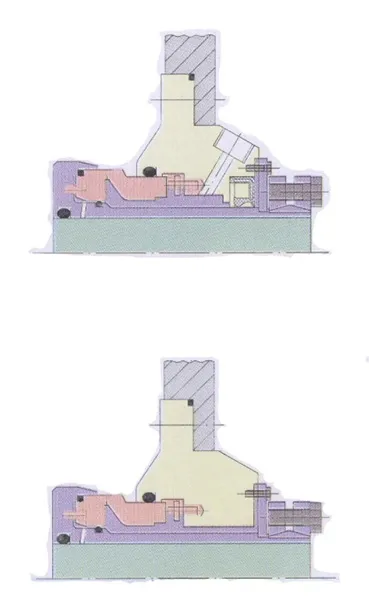
Tenuta meccanica GRJ Il tipo GRG viene utilizzato per liquidi che non possono essere diluiti. Tenuta meccanica HRJ Il tipo HRJ viene utilizzato per i liquidi diluiti consentiti. Ceramica e alleato ad alta durezza sono adottati per il materiale delle parti di attrito. Possiede un'elevata resistenza all'abrasione e alle vibrazioni per garantire che l'effetto sigillante possa essere soddisfatto dal cliente in varie condizioni.
|
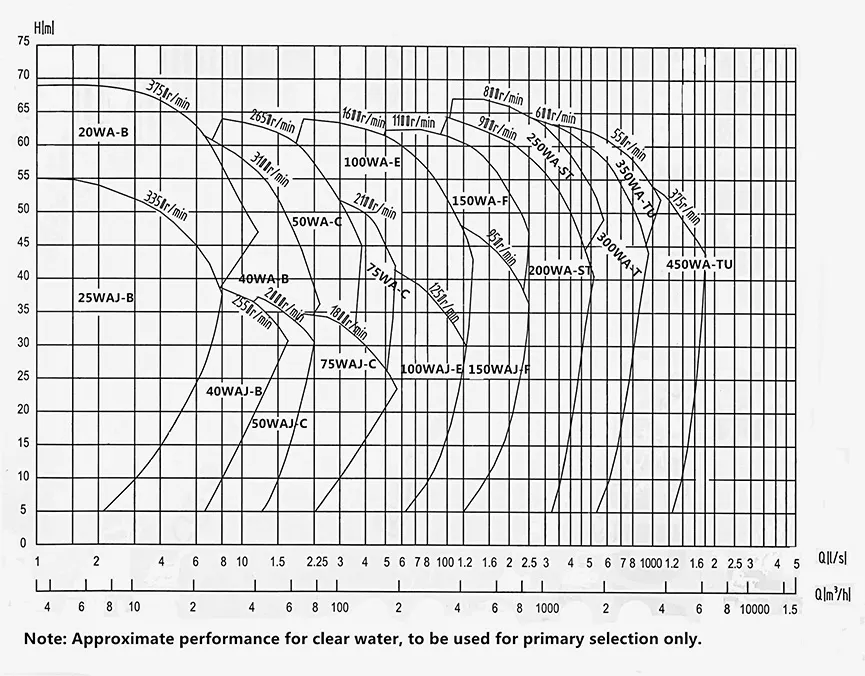
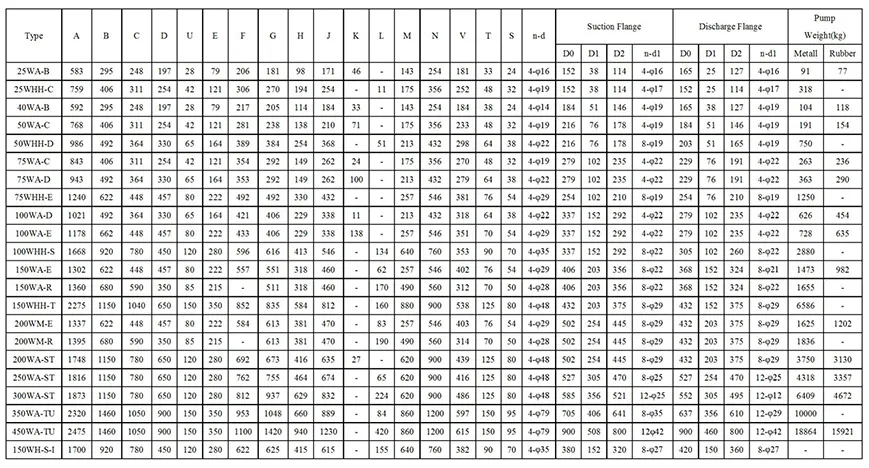
Curva di prestazione
Dimensioni di installazione
Selezione della girante della pompa per liquami
Slurry pump impeller is one of the most important parts of centrifugal slurry pumps. Depending on the application, slurry pump impeller selection is crucial to slurry pump performance. Slurry applications can be especially hard on the impeller of slurry pumps because of their abrasive nature. In order slurry pumps operates efficiently and stand up to the test of time, impeller has to be selected properly for slurry pumps.
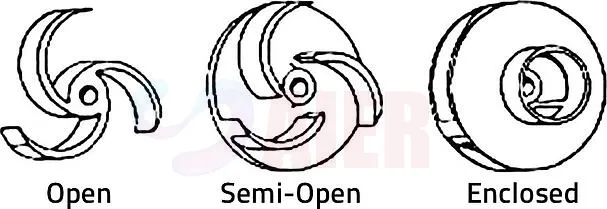
1. Tipo di girante della pompa per liquami
Esistono tre diversi tipi di giranti per pompe per liquami; aperto, chiuso e semiaperto. Ognuno ha i propri punti di forza e di debolezza, a seconda dell'applicazione. Alcuni sono migliori per la gestione dei solidi, altri sono migliori per l'alta efficienza.
Any type of impeller can be used in slurry applications, but closed slurry pump impellers are more common because they are high efficient and abrasion Resistance,. Open slurry pump impellers are usually used well for high concentration solids as they are less likely to clog. For example, the small fibers in paper stock which, in high densities, may have a tendency to clog the impeller. Pumping slurry can be difficult.
2. Dimensioni della girante della pompa per liquami
The size of slurry pump impeller must be considered to ensure it holds up against abrasive wear. Slurry pump impellers are generally larger in size when compared to slurry pumps for less abrasive liquids. The more “meat” the impeller has, the better it will hold up to the task of pumping harsh slurry mixtures. Just think of slurry pump impeller as a football team’s offensive line. These players are usually large and slow. Throughout the whole game they are beaten up, over and over again, but expected to withstand the abuse. You wouldn’t want small players in this position, just like you wouldn’t want a small impeller on your slurry pumps.
3. Velocità della pompa del liquame
Process speed doesn’t have anything to do with choosing slurry pump impeller, but it does have an effect on the life of slurry pump impeller. It is important to find the sweet spot that allows the slurry pump to run as slow as possible, but fast enough to keep solids from settling and clogging. If pumping too fast, the slurry can quickly erode the impeller due to its abrasive nature. This is why it is important to select a larger impeller if possible.
When dealing with slurry, you generally want to go bigger and slower. The thicker the impeller, the better it will hold up. The slower the pump, the less erosion will inflict on the impeller. However, the impeller isn’t the only thing to worry in slurry pump when dealing with slurry. Tough, durable materials of construction are necessary most of the time. Metal slurry pump liners and wear plates are common in slurry applications.
Installazione della pompa per liquami
Installazione della pompa per liquami orizzontale
The mounting and installation of horizontal slurry pumps are generally subject to a number of considerations, including floor space, overhead space for lifting and the likelihood of flooding from spills. Pumps in critical services are often paired in duty/standby mode so that maintenance can be carried out on one pump while the other is running.
Large slurry pumps with high-energy motors - and perhaps with speed reduction gearboxes - would generally be mounted with the shaft axes in the same horizontal plane for ease of maintenance access.
A slurry pump with a belt drive may have the motor mounted beside it if there is sufficient floor space. However, if floor space is limited or there is a risk of flooding, the motor can be mounted above it either directly overhead (also known as “C drive”) or to its rear (reverse overhead mounting or “Z drive”).
Vertical Slurry Pump Installation
Vertical cantilever shaft sump pumps should be selected so that the suction inlet is close to the sump floor. If shaft length is limited by the required running speed and power to be transmitted, a suction pipe (generally two meters long) may be fitted to the suction branch to ensure the sump can be emptied.
Understanding Heavy Duty Slurry Pumps and Their Industrial Applications
A heavy duty slurry pump is a specialized pumping solution designed to handle highly abrasive and dense slurries in demanding industrial applications. Unlike standard pumps, these heavy-duty units are engineered to provide durability, high efficiency, and long operational life in challenging conditions. The structural design of a heavy duty slurry pump includes robust casings, wear-resistant impellers, and reinforced shafts that allow it to manage slurries containing coarse particles, sand, gravel, and mineral residues without excessive wear.
The industrial slurry pump is widely used across multiple sectors, including mining, coal preparation, metallurgical processing, and chemical industries. In mining operations, it efficiently transports slurry from excavation sites to processing facilities, managing high particle loads without compromising flow rates. In coal washing and processing plants, heavy duty slurry pumps handle thick mixtures of coal and water, maintaining continuous operation under severe abrasion conditions.
Metallurgical plants benefit from heavy duty slurry pumps by moving corrosive and abrasive process fluids such as tailings, smelting residues, and acidic solutions. The pump’s materials, typically high-chrome alloys or specialized metals, provide excellent wear resistance and corrosion protection. This ensures consistent operation and reduces downtime, which is crucial for industrial processes with tight production schedules.
A reliable slurry pump supplier will offer pumps with modular designs, allowing for easy replacement of wear parts like impellers and liners. This minimizes maintenance costs and downtime, enhancing productivity in demanding industrial environments. Furthermore, many industrial slurry pumps come in different configurations, including horizontal, vertical, and high-capacity models, enabling customization for specific applications.
In addition to industrial use, heavy duty slurry pumps are critical in water treatment and dredging operations where solid-laden fluids need to be transported efficiently. Their robust construction, combined with advanced hydraulic design, allows them to handle large flow volumes and high concentrations of solids, ensuring reliable performance across all applications.
In summary, a heavy duty slurry pump is a durable, efficient, and versatile solution for handling abrasive and corrosive slurries in various industrial sectors. Partnering with a professional slurry pump supplier ensures access to high-quality pumps that meet operational demands and provide long-term reliability.
Key Advantages of Heavy Duty Slurry Pumps in Abrasive Environments
Heavy duty slurry pumps are specifically designed to withstand the challenges posed by abrasive and corrosive industrial fluids. Their key advantage lies in their ability to operate efficiently under extreme wear conditions while maintaining high flow and pressure. Unlike standard pumps, heavy duty models use wear-resistant materials such as high-chrome iron or stainless steel alloys, which dramatically reduce the effects of erosion from solid particles in slurries.
In highly abrasive environments, such as mining and mineral processing, these pumps can handle slurries with high solids content and large particle sizes. This ensures consistent flow rates without frequent repairs or maintenance shutdowns. Choosing a heavy duty slurry pump from a reputable slurry pump supplier guarantees enhanced durability and reliability in these challenging conditions.
Another advantage is the robust structural design. Industrial slurry pumps are reinforced with thick casings, optimized impeller geometry, and heavy-duty shafts that resist bending and wear. This allows for continuous operation in industrial environments with abrasive fluids, reducing downtime and maintenance costs. Additionally, many pumps are designed with modular components, enabling easy replacement of worn parts such as liners and impellers, which extends the pump’s operational lifespan.
The adaptability of heavy duty slurry pumps also sets them apart. They are available in horizontal and vertical configurations and can be customized for specific flow rates, head requirements, and slurry characteristics. This flexibility makes them suitable for a wide range of applications, from transporting tailings in mining operations to moving chemical slurries in metallurgical plants.
Energy efficiency is another significant advantage. The optimized hydraulic design of these pumps ensures high efficiency even under abrasive conditions, reducing power consumption and operational costs. Industrial facilities that rely on industrial slurry pumps can achieve long-term savings while maintaining reliable performance.
In conclusion, heavy duty slurry pumps offer unmatched durability, wear resistance, and operational efficiency in abrasive environments. By sourcing from a qualified slurry pump supplier, industries can ensure reliable performance, reduced maintenance, and cost-effective operation over extended periods.
Comparing Heavy Duty Slurry Pumps vs Standard Slurry Pumps
When selecting a pump for industrial slurry applications, understanding the differences between heavy duty slurry pumps and standard slurry pumps is essential. Heavy duty pumps are engineered for extreme conditions, whereas standard pumps are suitable for less abrasive and lower solids concentration environments.
A heavy duty slurry pump typically features reinforced casings, high-strength shafts, and wear-resistant impellers made from high-chrome alloys or stainless steel. In contrast, standard slurry pumps often use less durable materials that are prone to rapid erosion when handling abrasive slurries. This material difference directly impacts the lifespan and reliability of the pump in demanding applications.
Another critical difference is the capacity to handle high solids content. Heavy duty pumps can transport slurries containing large particles, high concentrations of solids, and abrasive mixtures, making them ideal for mining, mineral processing, and coal preparation. Standard pumps are limited in this regard and may experience frequent clogging or wear if used beyond their specifications.
Maintenance requirements also vary. A heavy duty slurry pump is designed for modular replacement of wear components such as liners, impellers, and bearings, which reduces downtime and simplifies servicing. Standard pumps may require more frequent overhauls or complete replacements, increasing operational costs and reducing productivity. Partnering with a professional slurry pump supplier ensures access to high-quality heavy duty pumps and replacement parts, optimizing long-term performance.
Finally, heavy duty pumps are often optimized for higher flow rates and pressures, allowing them to handle more demanding industrial processes efficiently. Standard pumps, while sufficient for lighter applications, may struggle under extended operation in high-load environments.
produttore di pompe sommergibili centrifughe
produttore cinese di pompe sommergibili
produttore di pompe elettriche sommergibili
produttore di pompe sommergibili
produttore di componenti per pompe sommergibili
produttore di alberi per pompe sommergibili
produttore di ricambi per pompe sommergibili
produttore di pompe sommergibili per acque luride
produttore di pompe ad acqua sommergibili
produttore di pompe sommergibili per pozzi
Categorie di prodotti
-
WA Pompa per liquami per carichi pesanti
-
Pompa per liquami ad alta prevalenza WG
-
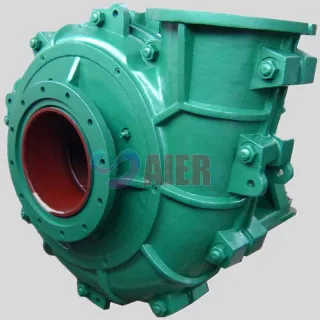
Pompa per liquami leggera WL
-
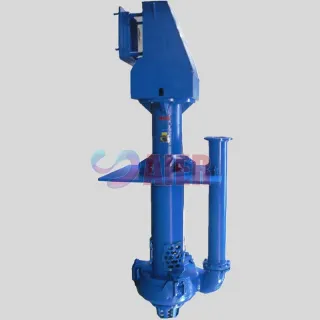
Pompa di scarico WY
-
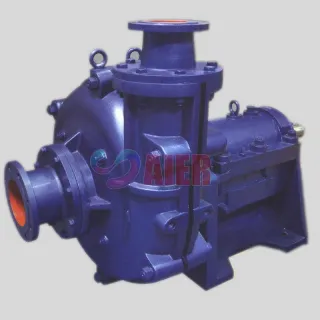
Pompa per liquami ad alta efficienza WZ
-
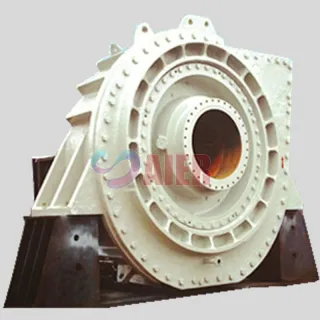
Pompa per dragare WN
-
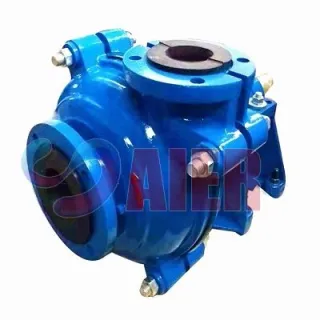
Pompa per liquami di gomma WAJ
-
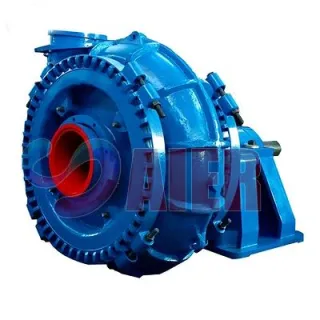
Pompa per sabbia di ghiaia WS, WSG
-
WS, Pompa per soluzione WSH
-
Pompa di scarico WY
-
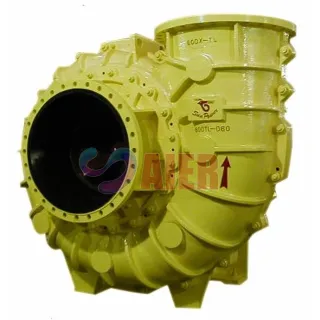
Pompa TL, TLR FGD
-
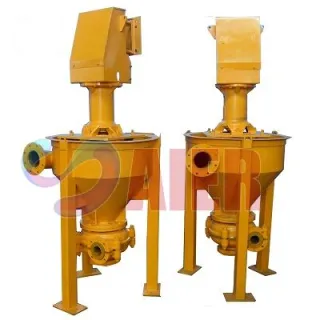
Pompa per schiuma verticale WP
-
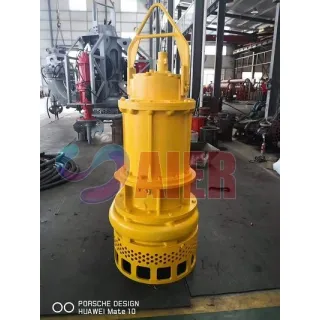
Pompe sommergibili per liquami ZJQ
-
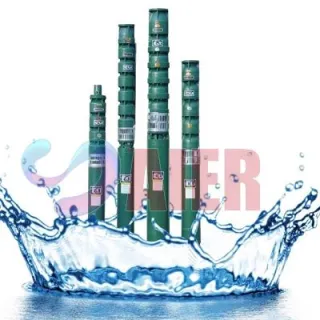
POMPA Sommergibile QJ
-
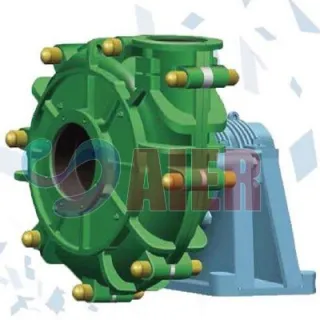
Pompe per liquami ceramici ACT (ZCT).
-
Pompe per liquami ceramici BCT