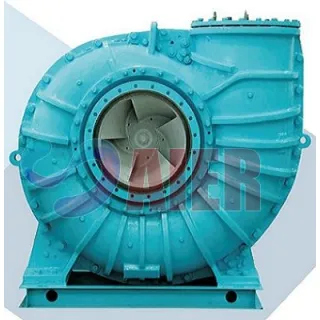
Pompa TL, TLR FGD
Descrizione del prodotto
SPECIFICHE:
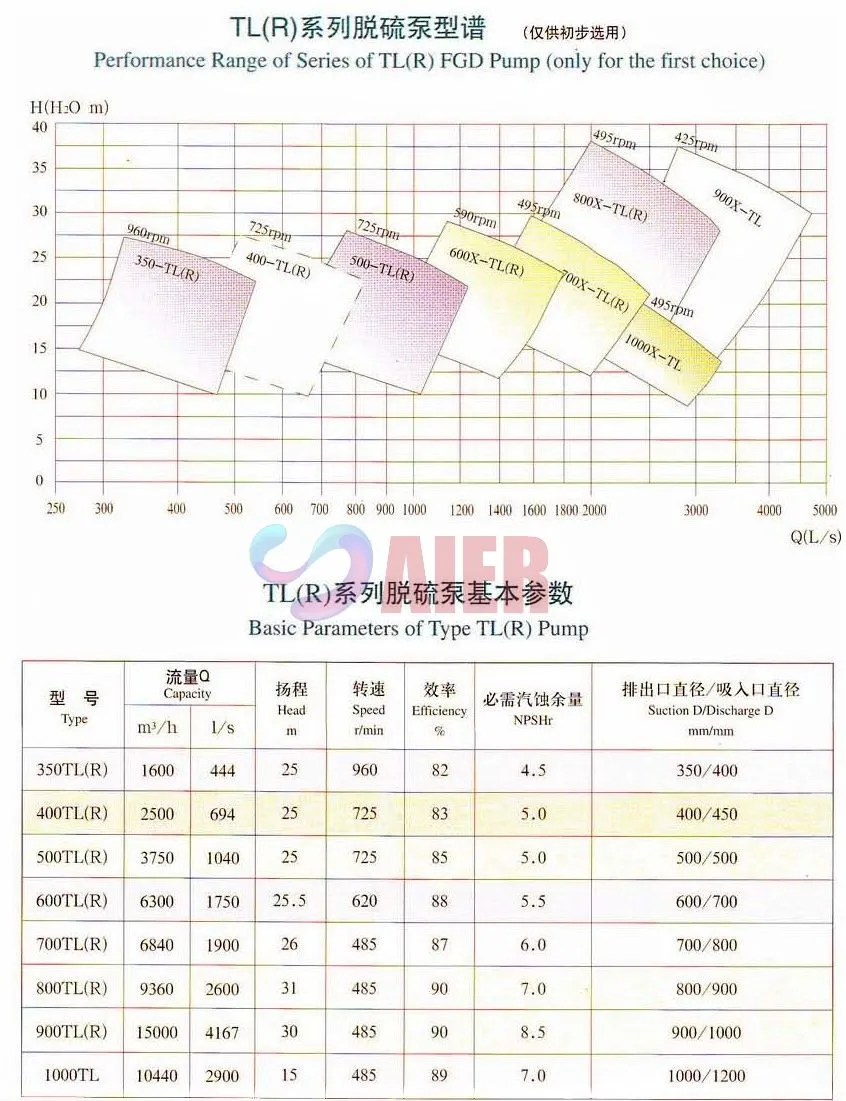
Dimensioni: 350-1000 mm
Capacità: 1500-14000 m3/h
Prevalenza: 10-33 m
Particelle massime: 180 mm
Temperature Range: ≤80°C
Materials: Hyperchrome, Natural Rubber, etc
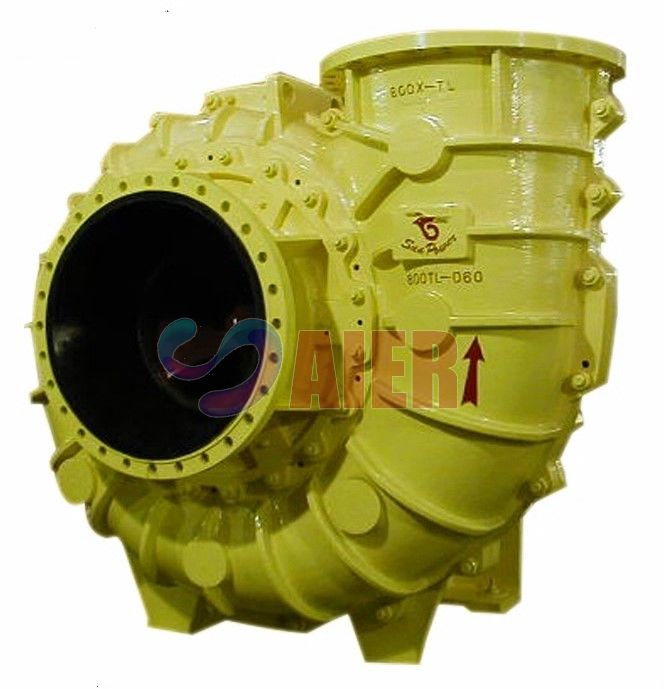
AIER® Pompa TL, TLR FGD
Generale
La serie di pompe TL FGD è una pompa centrifuga orizzontale monostadio ad aspirazione singola. Viene utilizzata principalmente come pompa di circolazione per la torre assorbente nelle applicazioni FGD. Ha tali caratteristiche: ampia gamma di capacità di flusso, alta efficienza, elevato potere di risparmio. Questa serie di pompe è abbinata a una staffa a X con struttura stretta che può far risparmiare molto spazio. Nel frattempo la nostra azienda sviluppa molti tipi di materiali destinati alle pompe per FGD.
Caratteristiche tecnologiche
Le parti bagnate della pompa sono progettate mediante tecniche avanzate di analisi di simulazione del flusso CFD per garantire un design affidabile e un funzionamento efficace.
Può cambiare la girante’s posizione nel corpo della pompa regolando il gruppo cuscinetto per mantenere la pompa sempre in funzione in modo altamente efficiente.
Questo tipo di pompa adotta una struttura estraibile posteriore, garantendo una facile costruzione e una facile manutenzione. Non è così’Non è necessario smontare la tubazione di ingresso e uscita.
All'estremità della pompa sono fissati due set di cuscinetti a rulli conici, all'estremità di comando è presente un cuscinetto a rulli della colonna. Il cuscinetto è lubrificato ad olio. Tutto ciò può migliorare le condizioni di lavoro del cuscinetto e aumentarne notevolmente la durata.
Tenuta meccanica integrata specializzata nella tecnologia FGD per garantirne il funzionamento.
Selezione dei materiali
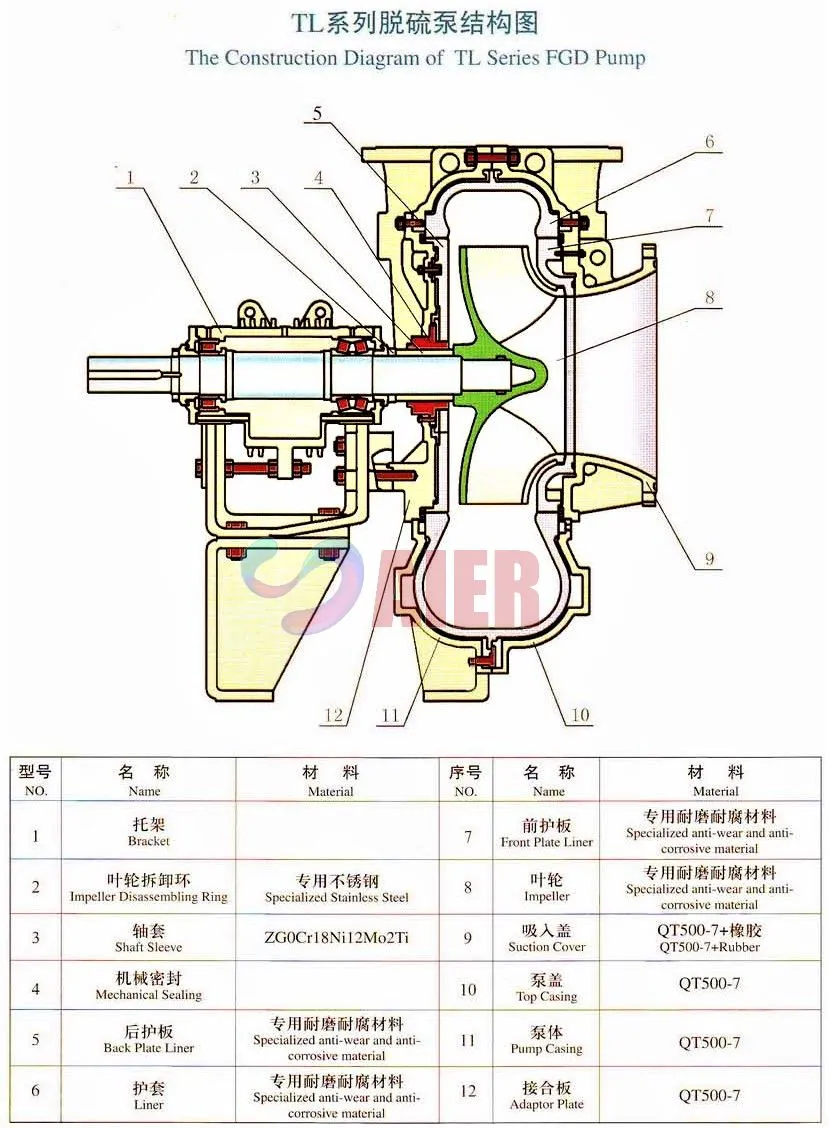
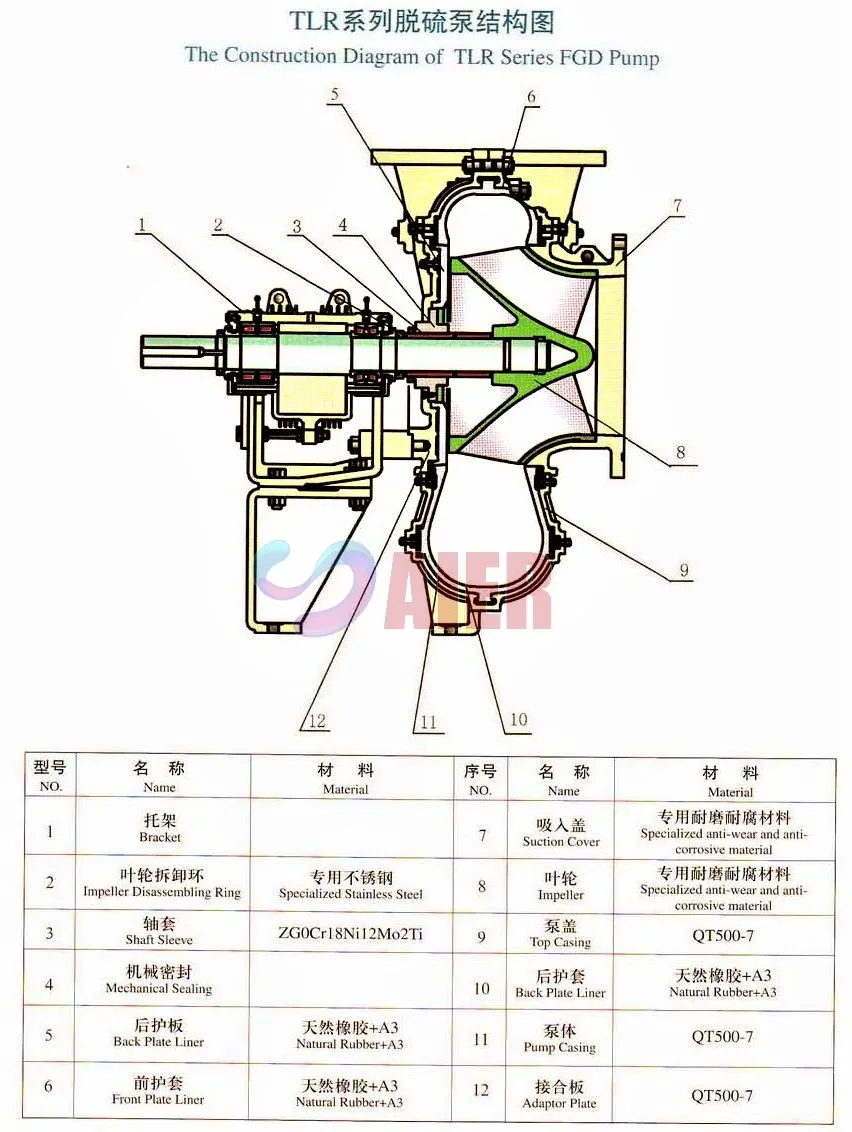
AIER ha sviluppato un nuovo tipo di materiale antiusura e anticorrosivo specializzato che possiede l'acciaio inossidabile duplex’s proprietà anticorrosiva e l'alto ferro bianco cromato’s proprietà antiabrasiva nel processo FGD.
Nel corpo della pompa in gomma, la girante, il coperchio di aspirazione/piastra di copertura sono tutti realizzati in materiale specializzato antiusura e anticorrosivo; il materiale del rivestimento anteriore, del rivestimento posteriore e dell'inserto del rivestimento posteriore è in gomma naturale leggera e con eccellenti proprietà anticorrosive e basso costo.
Nel corpo della pompa in metallo, la girante, il rivestimento della voluta, la piastra di aspirazione e la piastra posteriore sono tutti realizzati in materiale specializzato antiusura e anticorrosivo, il coperchio di aspirazione è in ferro duttile con gomma.
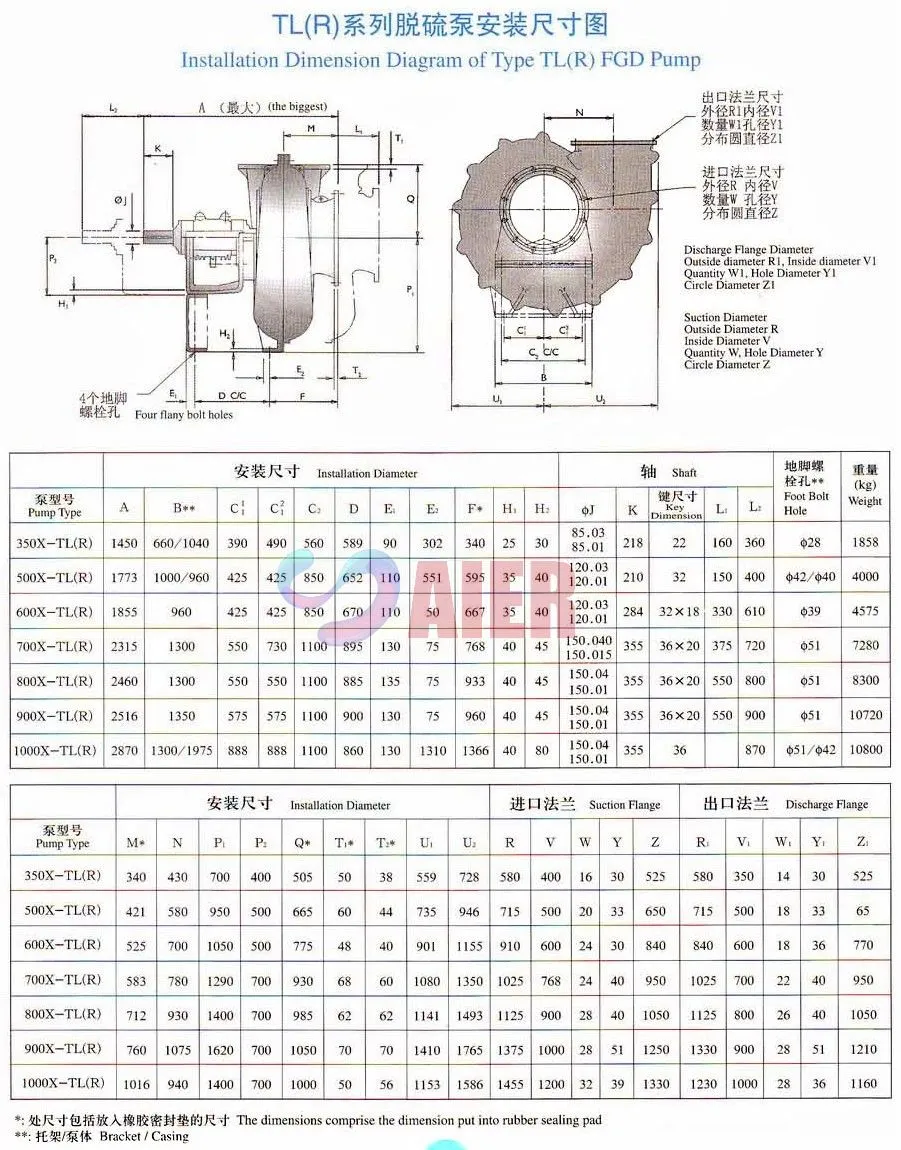
Diagramma di costruzione
Gamma di prestazioni e parametri principali
Dimensioni del contorno
How to Choose the Right FGD Pump Manufacturer for Your Project
Selecting the right FGD pump manufacturer is a critical step for ensuring the success of flue gas desulfurization projects. An FGD pump is a highly specialized piece of equipment, designed to handle abrasive and corrosive slurries efficiently. Choosing a reliable manufacturer guarantees long-term performance, minimal maintenance, and compliance with environmental standards.
First, consider the experience and expertise of the manufacturer. Leading FGD pump manufacturers like Aier Machinery Hebei Co., Ltd. have decades of experience producing pumps for industrial and power plant applications. Their knowledge of slurry characteristics, materials engineering, and hydraulic design ensures that every high quality FGD pump is optimized for both durability and efficiency.
Next, examine the product range and customization capabilities. Different FGD systems have unique requirements in terms of flow rate, head, and slurry composition. A reputable OEM FGD pump manufacturer can provide tailored solutions, from horizontal to vertical designs, and can adjust material composition, impeller design, and wear-resistant linings according to project demands. This customization ensures optimal performance in specific industrial conditions.
Another key factor is quality assurance and testing procedures. High-quality FGD pumps must withstand continuous operation with abrasive and corrosive materials. Look for manufacturers who implement rigorous quality control at every stage, including casting, machining, assembly, and performance testing. Certifications and adherence to international standards indicate a manufacturer’s commitment to reliability.
After-sales support is equally important. A trusted FGD pump manufacturer should offer technical guidance, spare parts availability, and maintenance support. This ensures minimal downtime and quick troubleshooting in case of operational issues.
Finally, consider global experience and references. Companies like Aier Machinery, a renowned OEM FGD pump manufacturer, have delivered pumps worldwide, providing solutions for thermal power plants and industrial projects across different environments. Their proven track record demonstrates reliability and technical competence.
In summary, choosing the right FGD pump manufacturer involves evaluating experience, product range, customization capabilities, quality assurance, and after-sales support. Partnering with a reputable OEM FGD pump manufacturer ensures that your project benefits from a high quality FGD pump that is efficient, durable, and reliable under demanding conditions.
Maintenance and Troubleshooting Tips for FGD Pumps
Proper maintenance is essential for ensuring the longevity and performance of an FGD pump. As these pumps handle abrasive and corrosive slurries in flue gas desulfurization systems, regular inspection and maintenance can prevent downtime and reduce operational costs. Aier Machinery Hebei Co., Ltd., a leading FGD pump manufacturer, offers solutions and guidance for extending pump life.
The first maintenance tip is regular inspection of wear parts. Impellers, casings, liners, and seals are constantly exposed to abrasive slurry. Using high-quality materials, as found in a high quality FGD pump, reduces wear, but regular visual inspections are still necessary. Replace worn parts promptly to avoid damage to other components.
Next, monitor pump performance parameters, including flow rate, pressure, vibration, and noise. Any deviation from normal operating conditions may indicate impeller erosion, blockage, or misalignment. Addressing these issues early prevents further damage. Working with an OEM FGD pump manufacturer ensures that spare parts and technical support are readily available for troubleshooting.
Lubrication and bearing maintenance are also critical. Bearings support the pump shaft and impeller, and insufficient lubrication can lead to overheating or failure. Follow manufacturer recommendations for lubrication intervals and types of lubricants. High-quality pumps from experienced FGD pump manufacturers often include advanced bearing assemblies designed for extended service life.
For chemical corrosion protection, check the integrity of lining and coatings. Acidic or chemically aggressive slurries can degrade the pump over time. Maintaining the lining and promptly repairing any damage ensures consistent operation of your FGD pump.
Finally, implement a preventive maintenance schedule. Document inspections, part replacements, and performance checks. An organized maintenance program, supported by guidance from a trusted OEM FGD pump manufacturer, significantly improves reliability and reduces unexpected downtime.
In conclusion, proper maintenance of an FGD pump includes monitoring wear parts, performance parameters, lubrication, and corrosion protection. Partnering with a reputable FGD pump manufacturer ensures access to high-quality pumps, spare parts, and technical support, keeping operations safe, efficient, and uninterrupted.
Comparing Horizontal and Vertical FGD Pumps for Power Plants
In power plants, FGD pumps are critical for transporting abrasive slurries in flue gas desulfurization systems. Selecting between horizontal and vertical pump designs impacts efficiency, maintenance, and overall operational performance. Aier Machinery Hebei Co., Ltd., a leading FGD pump manufacturer, provides both types, tailored to specific industrial requirements.
Horizontal FGD pumps are widely used for their simplicity, ease of installation, and maintenance accessibility. Their shaft and bearings are typically easier to service, and the modular design allows for quick replacement of wear parts. A high quality FGD pump in horizontal configuration is ideal for applications with moderate suction lift and space availability. Horizontal pumps are especially suitable when continuous monitoring and maintenance access are important.
In contrast, vertical FGD pumps are preferred in deep sump or confined-space installations. The vertical design allows the pump to operate directly from a slurry sump, reducing the need for a long suction pipeline. Vertical pumps from an experienced OEM FGD pump manufacturer like Aier Machinery are engineered to handle high head and abrasive slurries efficiently. They are often more compact and better suited for deep installations, although they may require specialized maintenance procedures.
Both horizontal and vertical FGD pumps feature wear-resistant materials, including high chrome alloys and stainless steel, ensuring long service life in corrosive and abrasive environments. Advanced hydraulic design optimizes flow efficiency and reduces energy consumption, providing cost-effective operation for power plants.
Another consideration is installation and space constraints. Horizontal pumps need more floor space but allow easier maintenance, while vertical pumps save space but may require overhead access for certain servicing tasks. A trusted FGD pump manufacturer can help determine the best configuration based on site layout and operational requirements.
In summary, both horizontal and vertical FGD pumps have distinct advantages. Horizontal pumps offer accessibility and simplicity, while vertical pumps are ideal for deep or confined installations. Partnering with a reputable FGD pump manufacturer ensures you receive a high quality FGD pump designed to meet your plant’s specific operational demands
Categorie di prodotti
-
WA Pompa per liquami per carichi pesanti
-
Pompa per liquami ad alta prevalenza WG
-
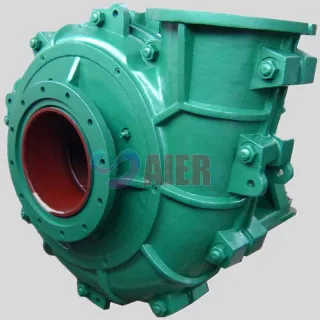
Pompa per liquami leggera WL
-
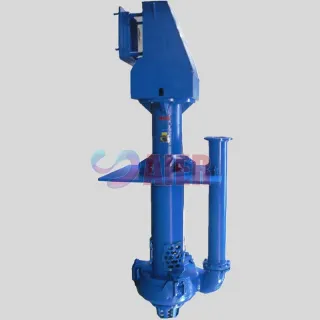
Pompa di scarico WY
-
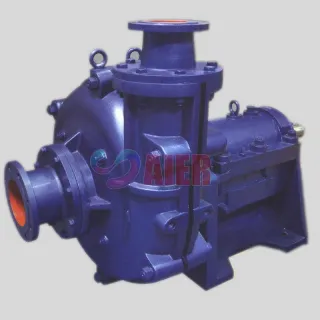
Pompa per liquami ad alta efficienza WZ
-
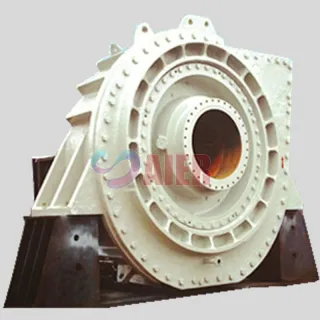
Pompa per dragare WN
-
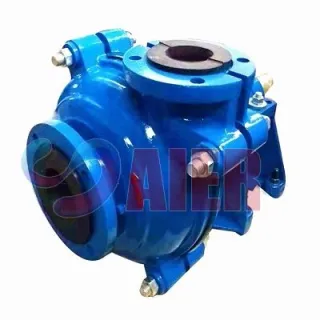
Pompa per liquami di gomma WAJ
-
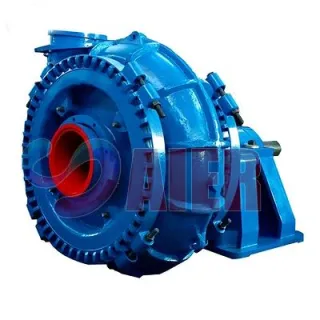
Pompa per sabbia di ghiaia WS, WSG
-
WS, Pompa per soluzione WSH
-
Pompa di scarico WY
-
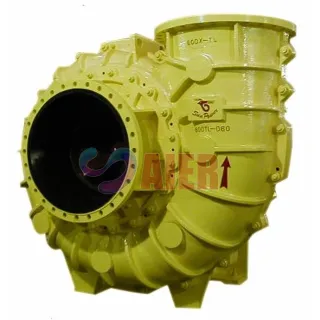
Pompa TL, TLR FGD
-
Pompa per schiuma verticale WP
-
Pompe sommergibili per liquami ZJQ
-
POMPA Sommergibile QJ
-
Pompe per liquami ceramici ACT (ZCT).
-
Pompe per liquami ceramici BCT