Feb . 28, 2026 01:55 Back to list
Choosing the Right High Quality Water Pump for Optimal Performance
Choosing the Right High Quality Water Pump: A Comprehensive Guide
Selecting a high quality water pump is crucial for a wide range of applications, from agricultural irrigation to industrial processes and residential water supply. The market is flooded with options, making it challenging to find the best fit for your specific needs. This guide will delve into the key considerations when purchasing a water pump, focusing on performance, durability, and cost-effectiveness. Investing in the right pump ensures efficient operation, minimizes downtime, and ultimately saves you money. We'll explore different pump types, essential specifications, and how to choose a pump that delivers reliable performance for years to come.
Understanding Different Types of Water Pumps
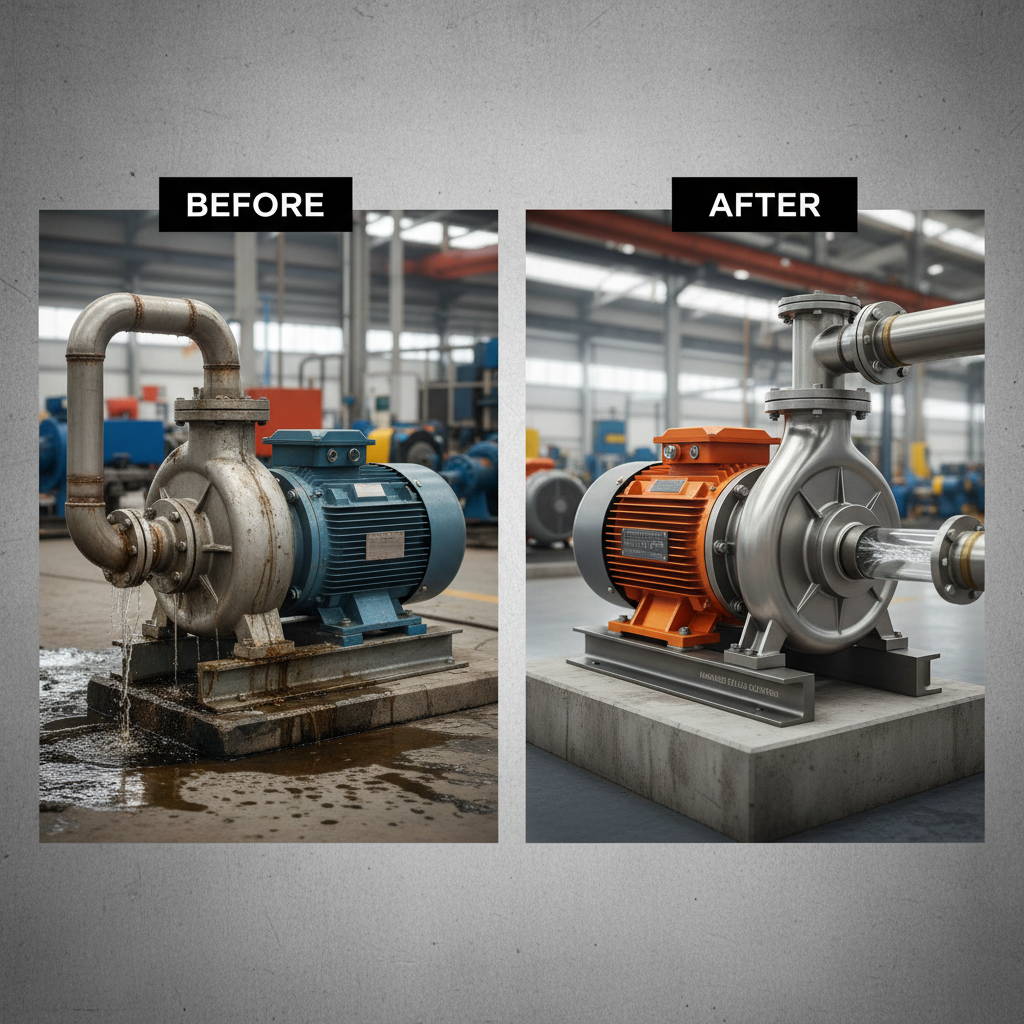
Water pumps come in various types, each designed for specific applications. Centrifugal pumps are the most common, known for their simplicity, reliability, and ability to handle large volumes of water. Submersible pumps are ideal for wells and boreholes, as they are designed to be fully immersed in water. Diaphragm pumps excel at handling viscous fluids and solids, making them suitable for wastewater and chemical applications. Positive displacement pumps, like rotary vane pumps, deliver a consistent flow rate, regardless of pressure changes. Choosing the right type depends on the fluid being pumped, the required flow rate, and the pressure head (the height to which the pump needs to lift the water). Aier Pumps offers a wide range of these types to fit diverse needs.
Key Pump Types: Centrifugal, Submersible, Diaphragm, and Positive Displacement. Each type offers unique advantages based on specific application requirements.
Key Specifications to Consider When Buying a High Quality Water Pump
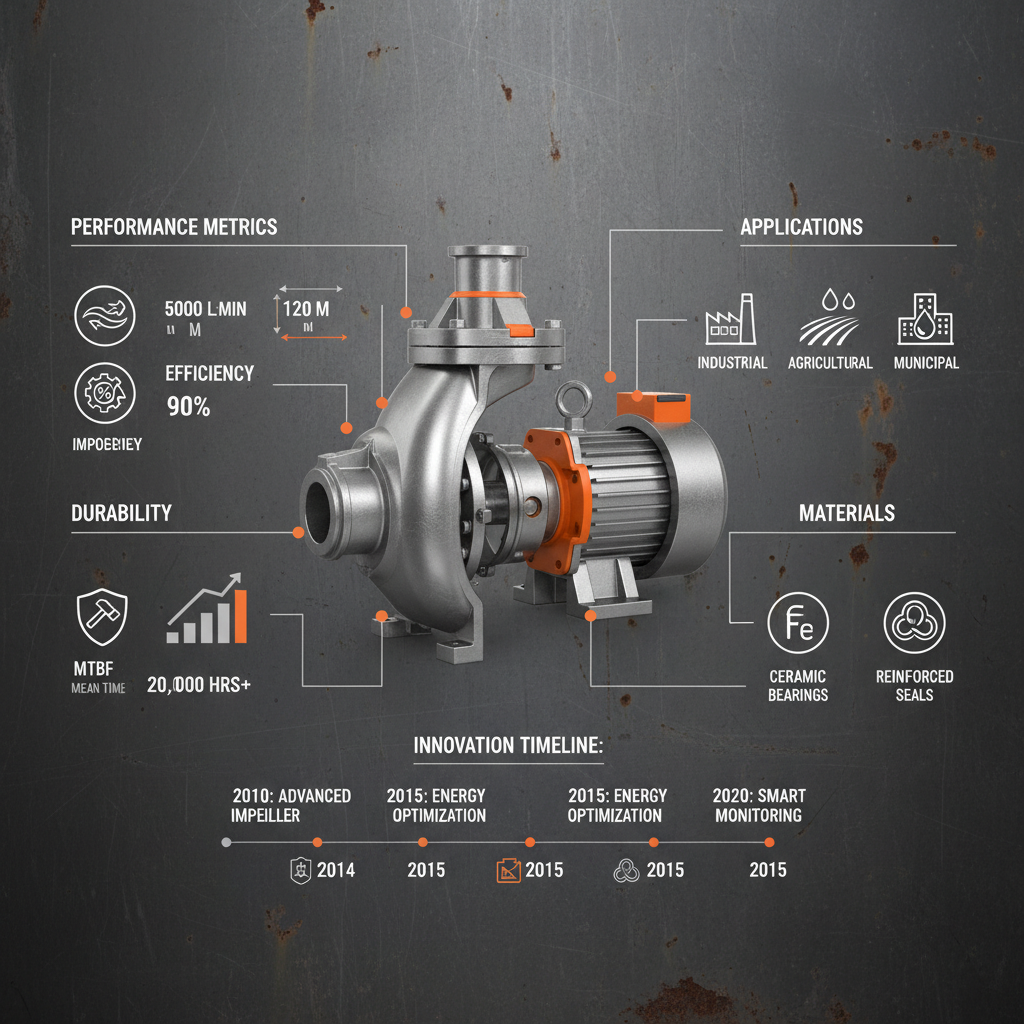
When evaluating water pumps, several specifications are critical. Flow rate (measured in gallons per minute or liters per hour) determines the volume of water the pump can deliver. Head (measured in feet or meters) indicates the maximum height the pump can lift the water. Horsepower (HP) or wattage indicates the pump's power consumption. Inlet and outlet size determine the compatibility with your plumbing system. Material construction (e.g., cast iron, stainless steel, plastic) impacts durability and resistance to corrosion. Power source (electric, gasoline, diesel) influences portability and operating costs. Understanding these specifications ensures you select a pump that meets your performance requirements.
Essential Specifications:
• Flow Rate: Volume of water delivered per unit time
• Head: Maximum height water can be lifted
• Horsepower/Wattage: Power consumption
• Inlet/Outlet Size: Plumbing compatibility
Centrifugal vs. Submersible Pumps: A Detailed Comparison
Centrifugal and submersible pumps are two popular choices, but they differ significantly. Centrifugal pumps are typically installed above ground and require priming (filling the pump casing with water) before operation. They are best suited for applications with a consistent water supply. Submersible pumps, on the other hand, are installed directly into the water source and are self-priming. They are ideal for wells, boreholes, and situations where the water source is below the pump's location. The following table highlights key differences:
Factors Influencing the Cost of a High Quality Water Pump
The price of a water pump varies depending on several factors. Pump type, size, and materials significantly impact cost. Higher horsepower pumps and those made from stainless steel generally command a higher price. Brand reputation and warranty also play a role. Consider the long-term costs, including energy consumption, maintenance, and potential repairs. While a cheaper pump may seem attractive initially, investing in a durable, high-quality pump can save you money in the long run.
Aier Pumps: Your Trusted Source for Water Pump Solutions
At Aier Pumps, we are dedicated to providing customers with reliable, high-performance water pump solutions. We offer a comprehensive range of pumps to suit diverse applications, backed by expert technical support and competitive pricing. Our commitment to quality and customer satisfaction sets us apart. We understand the importance of selecting the right pump for your needs, and our team is here to help you every step of the way. Browse our catalog today and find the perfect water pump for your requirements.
Conclusion: Invest in Reliable Water Pumping
Choosing a high quality water pump is an investment in efficiency and reliability. By understanding your specific needs, considering key specifications, and selecting a reputable supplier like Aier Pumps, you can ensure a long-lasting and dependable water pumping solution.
Frequently Asked Questions (FAQs)
What is the optimal flow rate for a typical residential water supply?
For a typical residential water supply, a flow rate of 6-12 gallons per minute (GPM) is usually sufficient. However, the specific requirement depends on the number of fixtures and simultaneous usage. For example, a household with multiple bathrooms and a sprinkler system may require a higher flow rate. It’s always best to calculate your peak demand to determine the appropriate pump size. Consider factors like showering, washing dishes, and running the washing machine simultaneously. Aier Pumps can help you assess your needs and recommend the optimal flow rate.
How do I maintain a water pump to extend its lifespan?
Regular maintenance is crucial for extending the lifespan of your water pump. This includes cleaning the pump inlet screen to prevent debris buildup, checking for leaks, and lubricating moving parts as recommended by the manufacturer. For submersible pumps, inspect the power cable for damage. Periodically check the pump's voltage and amperage to ensure it's operating within the specified range. Finally, protect the pump from freezing temperatures during winter months.
What safety precautions should I take when installing a water pump?
Safety is paramount when installing a water pump. Always disconnect the power supply before performing any maintenance or installation work. Ensure the pump is properly grounded to prevent electrical shock. Use appropriate piping and fittings that are compatible with the pump's inlet and outlet sizes. Follow all local plumbing codes and regulations. If you are not comfortable with electrical or plumbing work, it's best to hire a qualified professional. Aier Pumps provides detailed installation manuals and safety guidelines.
What is the significance of the pump’s horsepower rating?
The horsepower (HP) rating indicates the pump’s power and its ability to deliver water at a specific flow rate and head. A higher HP rating generally means the pump can handle larger volumes of water or lift it to greater heights. However, a higher HP pump also consumes more energy. It’s important to choose a pump with an HP rating that matches your application requirements. An oversized pump can be inefficient and costly to operate, while an undersized pump may not provide adequate performance.
-
Guide to Selecting a High Quality Dredge Pump for Sand Projects
NewsApr.16,2026
-
Buy high quality warman slurry pump spare parts for Mining
NewsApr.09,2026
-
High Quality Buy Slurry Pump For Efficient Fluid Transfer Solutions
NewsApr.07,2026
-
Choosing the Right High Quality Dredge Pump for Efficient Operations
NewsApr.04,2026
-
Maximize Efficiency with High Quality Recessed Impeller Slurry Pumps for Robust Applications
NewsMar.31,2026
-
Comprehensive Guide to High Quality Warman Slurry Pump Bearing Assembly Performance
NewsMar.28,2026