Mar . 12, 2026 01:55 Back to list
Selecting High Quality Rubber Slurry Pump Parts for Optimal System Performance
Selecting High Quality Rubber Slurry Pump Parts for Optimal Performance
Maintaining the efficiency and longevity of your slurry pump system relies heavily on the quality of its components. Aier Pumps specializes in providing durable and reliable rubber slurry pump parts. This article will delve into the importance of choosing high-quality parts, common types of rubber components, factors to consider when selecting them, and how to ensure optimal pump performance. Investing in superior parts minimizes downtime, reduces maintenance costs, and maximizes the overall return on your pump system investment.
Why High-Quality Rubber Matters in Slurry Pumps
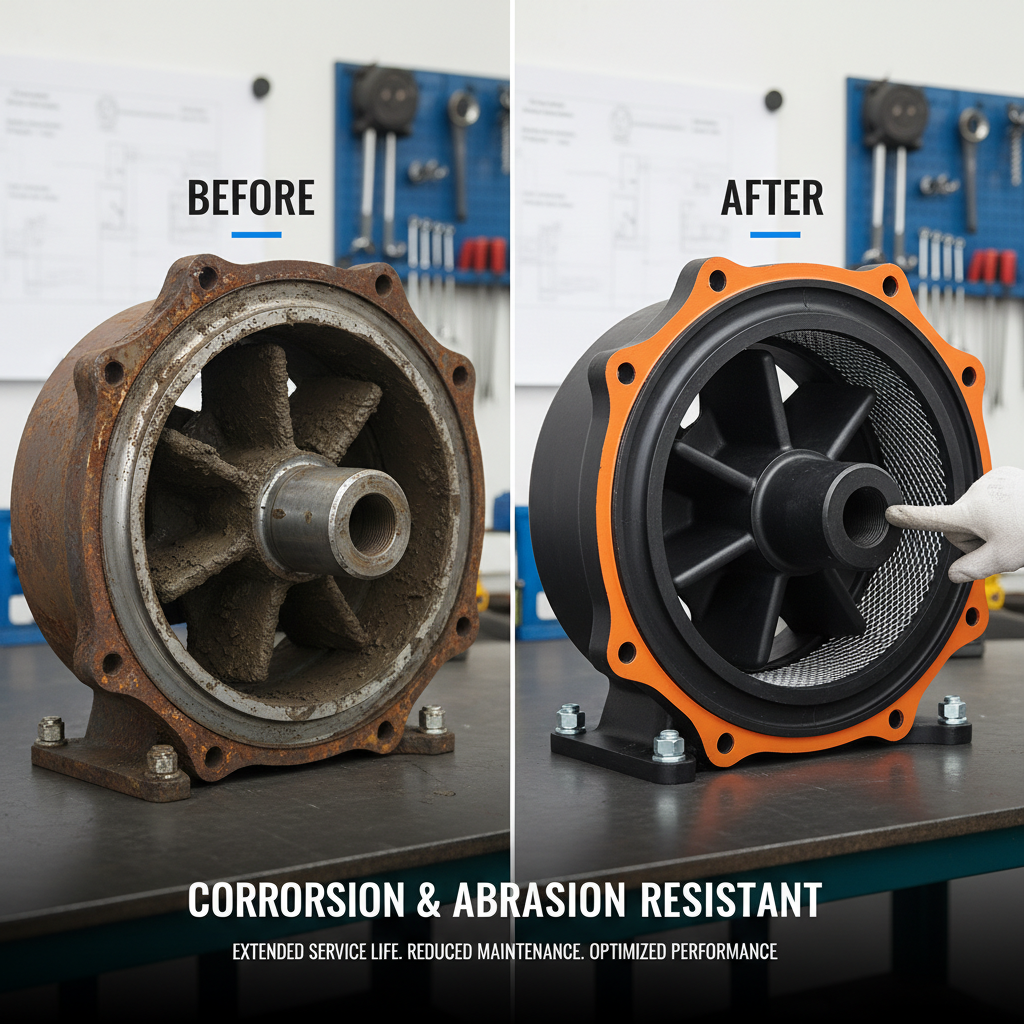
Slurry pumps operate in challenging environments, handling abrasive and corrosive materials. The rubber components within these pumps are the first line of defense against wear and tear. Inferior rubber quickly degrades, leading to leaks, reduced pump efficiency, and ultimately, costly repairs or replacements. High-quality rubber, specifically engineered for slurry applications, provides superior resistance to abrasion, corrosion, and impact. It maintains its elasticity and sealing properties for a longer lifespan, minimizing downtime and optimizing performance. Choosing the right rubber compound is critical and should align with the specific slurry being pumped.
Key Benefits of High-Quality Rubber Parts:
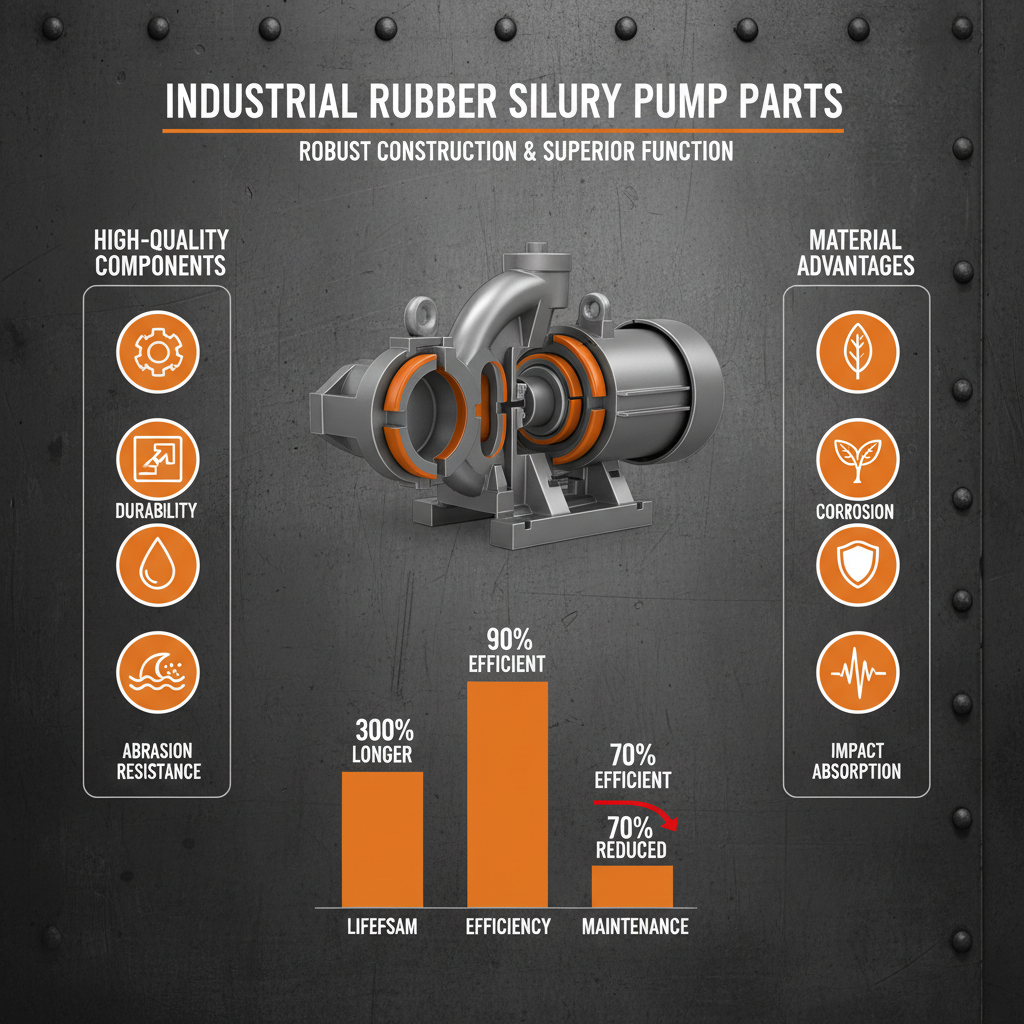
- Extended pump lifespan
- Reduced maintenance frequency
- Improved pump efficiency
- Lower total cost of ownership
- Enhanced safety and reliability
Common Rubber Components in Slurry Pumps
Several key components within a slurry pump rely on rubber for effective operation. These include: impeller liners, casing liners, volute liners, and rubber hoses. Impeller liners protect the impeller from abrasion, while casing liners safeguard the pump housing. Volute liners guide the slurry flow efficiently. Rubber hoses are often used for suction and discharge applications, offering flexibility and corrosion resistance. The specific rubber compounds used in each component are tailored to withstand the unique stresses and chemical properties of the slurry.
Rubber Component Breakdown:
• Impeller Liners: Protect impeller from abrasive wear.
• Casing Liners: Safeguard pump housing against corrosion.
• Volute Liners: Optimize slurry flow within the pump.
• Rubber Hoses: Provide flexible, corrosion-resistant connections.
Factors to Consider When Choosing Rubber Slurry Pump Parts
Selecting the right rubber parts requires careful consideration of several factors. The slurry's composition (particle size, concentration, and chemical properties) is paramount. The operating temperature and pressure also play a critical role. Furthermore, the pump's rotational speed and the expected lifespan of the parts must be factored into the decision. Different rubber compounds offer varying levels of resistance to abrasion, corrosion, and temperature extremes. Consulting with a slurry pump specialist, like the team at Aier Pumps, can ensure you choose the most appropriate materials for your specific application.
Comparing Rubber Compounds for Slurry Pump Applications
Different rubber compounds possess unique properties, making them suitable for specific slurry applications. Natural rubber offers excellent abrasion resistance but limited chemical resistance. Neoprene provides good chemical resistance but lower abrasion resistance. EPDM excels in high-temperature applications and offers good chemical resistance. Finally, polyurethane combines excellent abrasion and tear resistance, making it ideal for highly abrasive slurries. Choosing the optimal compound is a balancing act, weighing the specific requirements of your application. Aier Pumps offers a range of rubber compounds to suit diverse slurry conditions.
Ensuring Optimal Pump Performance and Longevity
Beyond selecting high-quality rubber slurry pump parts, proper maintenance and operational practices are crucial. Regularly inspect the rubber components for wear and tear, and replace them promptly when necessary. Avoid operating the pump beyond its designed capacity, as this can accelerate wear. Implement a preventative maintenance schedule to ensure timely inspections and replacements. Proper lubrication and alignment of the pump are also essential for optimal performance. Partnering with a reliable supplier like Aier Pumps provides access to expert advice and high-quality replacement parts.
Conclusion: Investing in Quality for Long-Term Reliability
Choosing high-quality rubber slurry pump parts is a critical investment for any operation relying on slurry pumping. By prioritizing durability, selecting the appropriate rubber compounds, and implementing a robust maintenance program, you can significantly reduce downtime, lower maintenance costs, and maximize the lifespan of your pump system. Don't compromise on quality – choose Aier Pumps for reliable and long-lasting solutions.
Frequently Asked Questions (FAQs)
What is the typical lifespan of rubber slurry pump liners?
The lifespan of rubber slurry pump liners varies significantly based on the abrasiveness of the slurry, the pump's operating conditions, and the quality of the rubber compound. Generally, liners can last anywhere from 6 months to 2 years. Regular inspections are crucial to identify wear and tear before it leads to pump failure. Using a higher-quality rubber compound specifically designed for abrasive slurries will significantly extend the liner's lifespan. Aier Pumps provides a range of liner options to suit different applications and slurry types.
How do I determine the best rubber compound for my slurry?
Determining the best rubber compound requires a thorough understanding of your slurry's characteristics. Consider the particle size, concentration, and chemical composition. If the slurry is highly abrasive, polyurethane or a high-abrasion natural rubber might be suitable. For chemically corrosive slurries, neoprene or EPDM may be preferred. Analyzing a sample of your slurry and consulting with a slurry pump specialist at Aier Pumps will help ensure you select the optimal compound.
What are the signs that my rubber pump parts need replacing?
Common signs that rubber pump parts need replacing include decreased pump efficiency, increased vibration, unusual noises, and visible cracks or wear on the rubber components. Leaks around the pump seals are also a clear indication of deterioration. Regular inspections, ideally during scheduled maintenance, can help identify these issues early on and prevent more significant problems. Addressing these issues promptly will prevent costly downtime and repairs.
Where can I find reliable suppliers of rubber slurry pump parts?
Finding a reliable supplier is crucial for ensuring the quality and longevity of your pump system. Aier Pumps is a leading provider of high-quality rubber slurry pump parts, offering a wide range of options to suit various applications. Look for suppliers with a proven track record, technical expertise, and a commitment to customer service. Choosing a supplier who can provide guidance and support will help you make informed decisions and optimize your pump system’s performance.
-
Guide to Selecting a High Quality Dredge Pump for Sand Projects
NewsApr.16,2026
-
Buy high quality warman slurry pump spare parts for Mining
NewsApr.09,2026
-
High Quality Buy Slurry Pump For Efficient Fluid Transfer Solutions
NewsApr.07,2026
-
Choosing the Right High Quality Dredge Pump for Efficient Operations
NewsApr.04,2026
-
Maximize Efficiency with High Quality Recessed Impeller Slurry Pumps for Robust Applications
NewsMar.31,2026
-
Comprehensive Guide to High Quality Warman Slurry Pump Bearing Assembly Performance
NewsMar.28,2026