Feb . 26, 2026 01:55 Back to list
Choosing the Right High Quality Dirty Water Drainage Pump for Effective Water Removal
Choosing the Right High Quality Dirty Water Drainage Pump: A Comprehensive Guide
Dealing with dirty water and drainage issues can be a significant challenge for various industries and homeowners alike. Selecting the correct dirty water drainage pump is essential for efficient and reliable water removal. This article provides an in-depth look at the factors to consider when choosing a high-quality pump, with a focus on applications, features, and the benefits of investing in a durable and effective solution. Aier Pumps offers a range of pumps specifically designed to handle the toughest drainage challenges.
Understanding Dirty Water Drainage Pumps
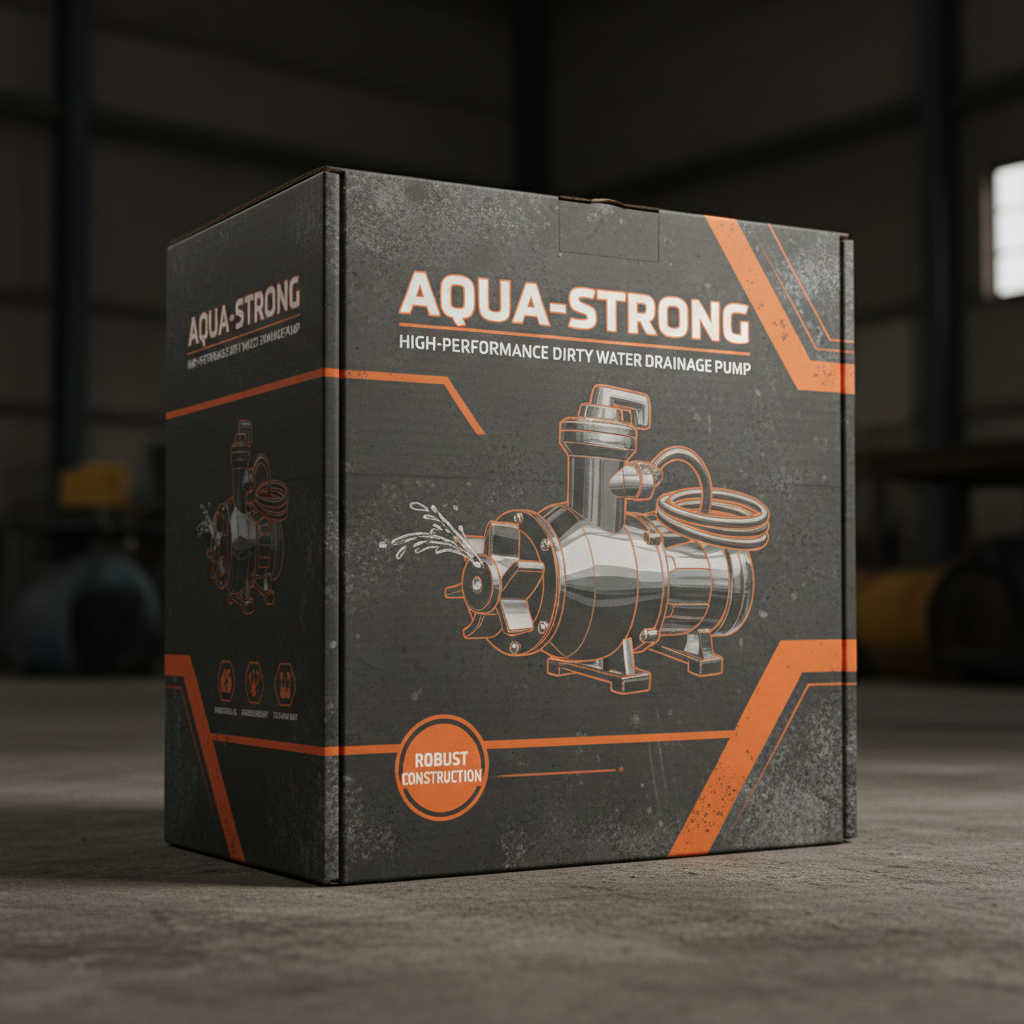
Dirty water drainage pumps are designed to handle water containing solids, debris, and other contaminants that would quickly damage standard centrifugal pumps. These pumps are commonly used in construction sites, agricultural fields, flooded basements, and industrial applications. They're built with robust impellers and casings to prevent clogging and ensure continuous operation. Choosing a pump with the appropriate flow rate and head (vertical lift) is critical for your specific needs. Aier Pumps specializes in pumps designed for these challenging conditions.
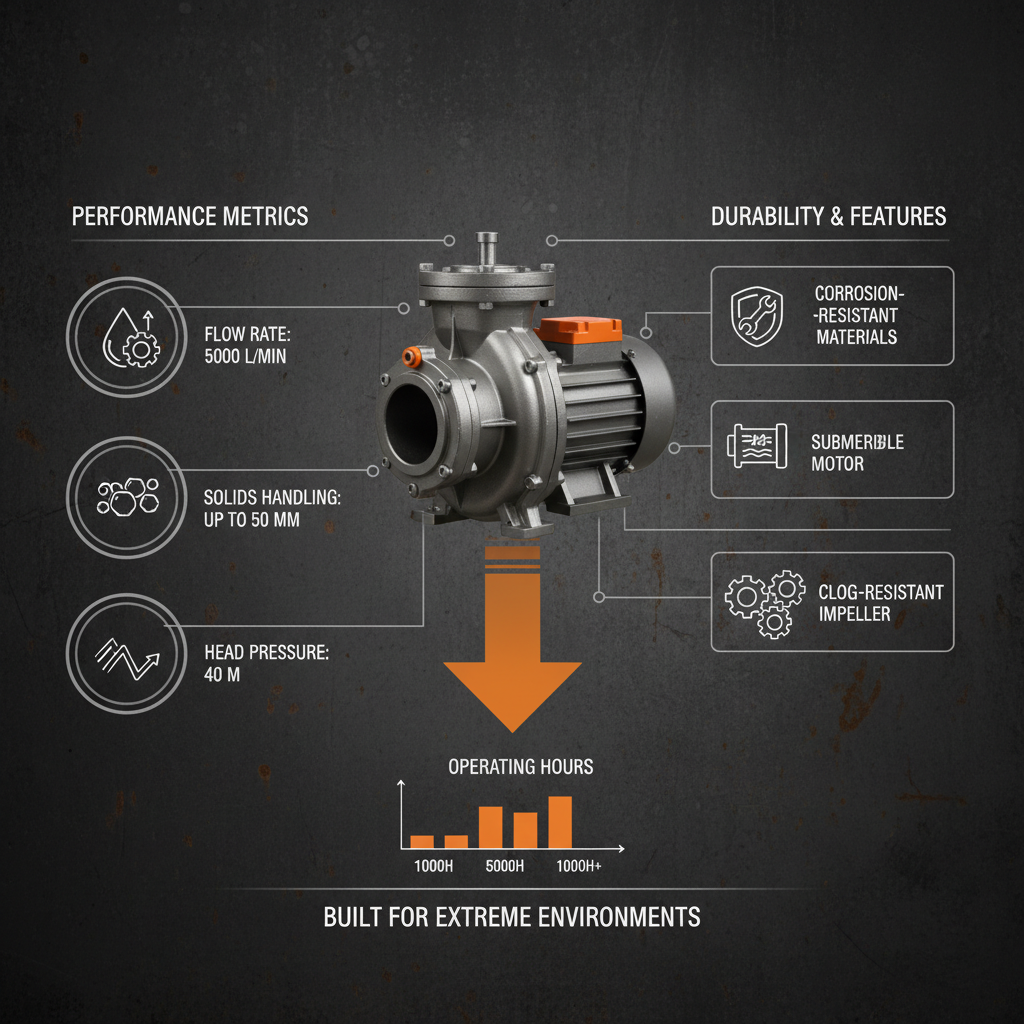
Key Features: Durable construction, clog-resistant impellers, ability to handle solids, various flow rates and head capacities.
Key Considerations When Selecting a High Quality Dirty Water Drainage Pump
Several factors should be considered when selecting a dirty water drainage pump. First, determine the flow rate (gallons per minute or liters per minute) required for your application. This depends on the volume of water needing to be removed and the time frame for doing so. Second, consider the head, which refers to the vertical distance the pump needs to lift the water. Third, assess the size of the solids the pump needs to handle – larger solids require pumps with larger impeller passages. Finally, think about the power source available (electric, gasoline, or diesel).
Essential Factors to Consider:
• Flow Rate (GPM/LPM)
• Head (Vertical Lift)
• Solid Handling Capability
• Power Source (Electric, Gas, Diesel)
Comparing Different Types of Dirty Water Pumps
Several types of dirty water pumps are available, each with its own advantages and disadvantages. Submersible pumps are placed directly into the water and are ideal for applications where the pump needs to be self-priming. Surface pumps sit outside the water and require a suction hose. Diaphragm pumps are known for their ability to handle highly viscous fluids and abrasive materials. The choice of pump type depends on the specific application and the characteristics of the water being pumped. Aier Pumps offers pumps from all these categories.
Applications of High Quality Dirty Water Drainage Pumps
These pumps are invaluable in a multitude of applications. Construction sites rely on them to dewater excavations and foundations. Agriculture utilizes them for irrigation and drainage of fields. Homeowners use them to remove floodwater from basements and yards. Industrial plants use them to manage wastewater and process fluids. Selecting a pump designed for the specific application ensures optimal performance and longevity.
Choosing Aier Pumps for Your Dirty Water Drainage Needs
At Aier Pumps, we understand the importance of reliable and efficient drainage solutions. We offer a wide range of high-quality dirty water drainage pumps designed to meet the demands of diverse applications. Our pumps are built with durable materials and innovative designs to ensure long-lasting performance and minimal maintenance. We provide expert support to help you select the right pump for your specific needs.
Conclusion: Invest in a Reliable Drainage Solution
Choosing the right dirty water drainage pump is a critical investment for any project. Aier Pumps provides high-quality, durable, and efficient pumps designed to handle the toughest drainage challenges. Don't compromise on quality – choose Aier Pumps for reliable performance and peace of mind.
Frequently Asked Questions (FAQs)
What size pump do I need for a flooded basement?
Determining the right pump size for a flooded basement depends on the amount of water, the height it needs to be lifted (head), and the drainage location. Typically, a pump with a flow rate of 50-100 GPM is sufficient for most basement flooding situations. However, if the basement is deeply flooded or the discharge point is a significant distance away, a higher capacity pump may be required. It’s also important to consider the solids content of the water, as basements can accumulate silt and debris. A pump with a solids handling capability of at least 1/2 inch is recommended. Aier Pumps offers a range of submersible pumps ideal for basement dewatering.
How do I prevent clogging in my dirty water pump?
Preventing clogging is crucial for maintaining pump performance. Install a strainer or filter on the pump inlet to catch large debris. Regularly inspect and clean the strainer. Avoid pumping water with excessive amounts of stringy materials, such as seaweed or rags. If you anticipate pumping water with significant solids, choose a pump with a larger impeller passage. Periodic flushing of the pump with clean water can also help prevent buildup.
What is the difference between submersible and surface pumps?
Submersible pumps are designed to be fully immersed in the water, while surface pumps remain outside the water source. Submersible pumps are self-priming and generally more efficient, making them ideal for deep water or situations where priming is difficult. Surface pumps are easier to access for maintenance and can be powered by gasoline or diesel engines, offering greater flexibility in remote locations. The best choice depends on the specific application and accessibility.
How long will a dirty water pump last?
The lifespan of a dirty water pump depends on several factors, including the quality of the pump, the frequency of use, and the type of water being pumped. With proper maintenance, a high-quality pump like those offered by Aier Pumps can last for 5-10 years or more. Regular inspections, cleaning, and adherence to the manufacturer's recommendations are essential for maximizing pump life.
-
Guide to Selecting a High Quality Dredge Pump for Sand Projects
NewsApr.16,2026
-
Buy high quality warman slurry pump spare parts for Mining
NewsApr.09,2026
-
High Quality Buy Slurry Pump For Efficient Fluid Transfer Solutions
NewsApr.07,2026
-
Choosing the Right High Quality Dredge Pump for Efficient Operations
NewsApr.04,2026
-
Maximize Efficiency with High Quality Recessed Impeller Slurry Pumps for Robust Applications
NewsMar.31,2026
-
Comprehensive Guide to High Quality Warman Slurry Pump Bearing Assembly Performance
NewsMar.28,2026