
Pompa do szlamu WG z wysokim ciśnieniem
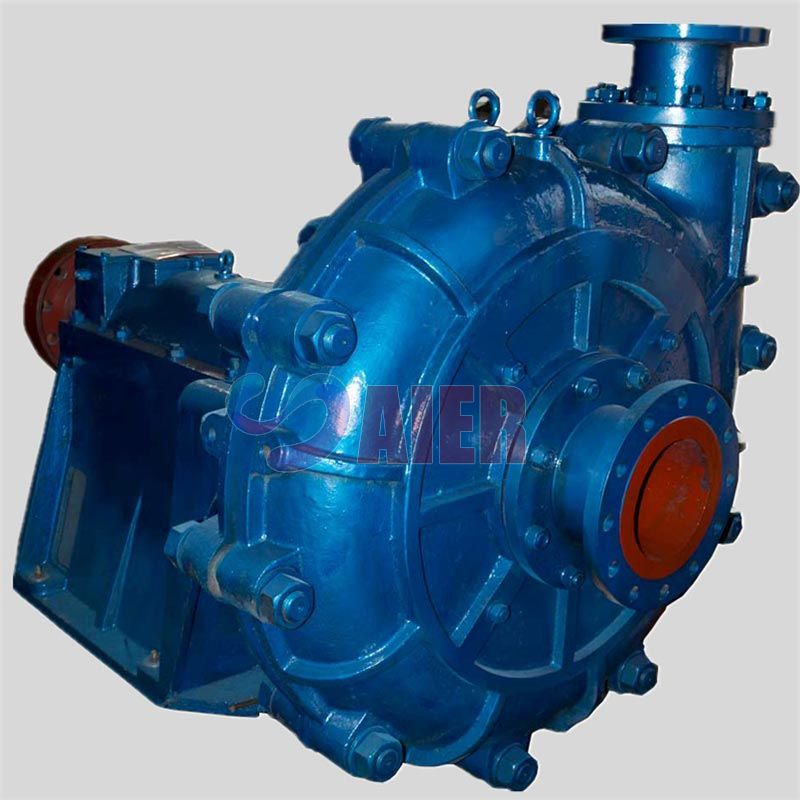
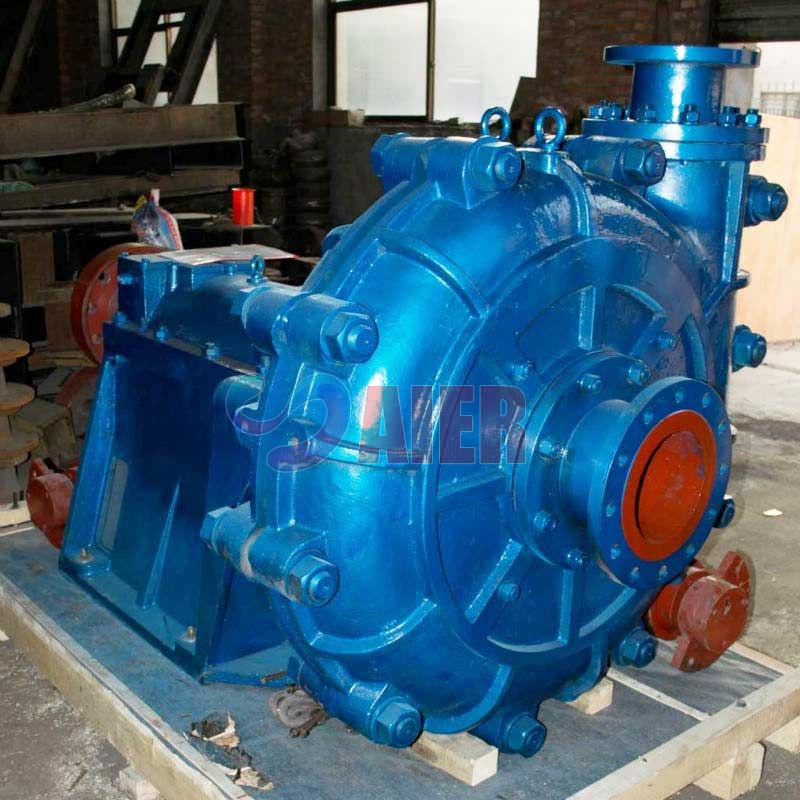
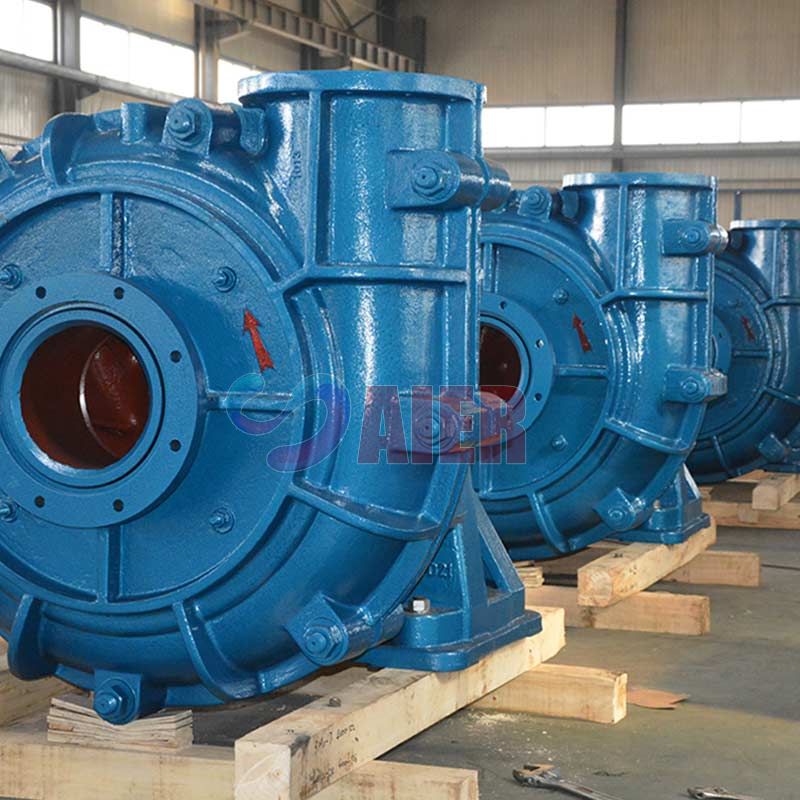
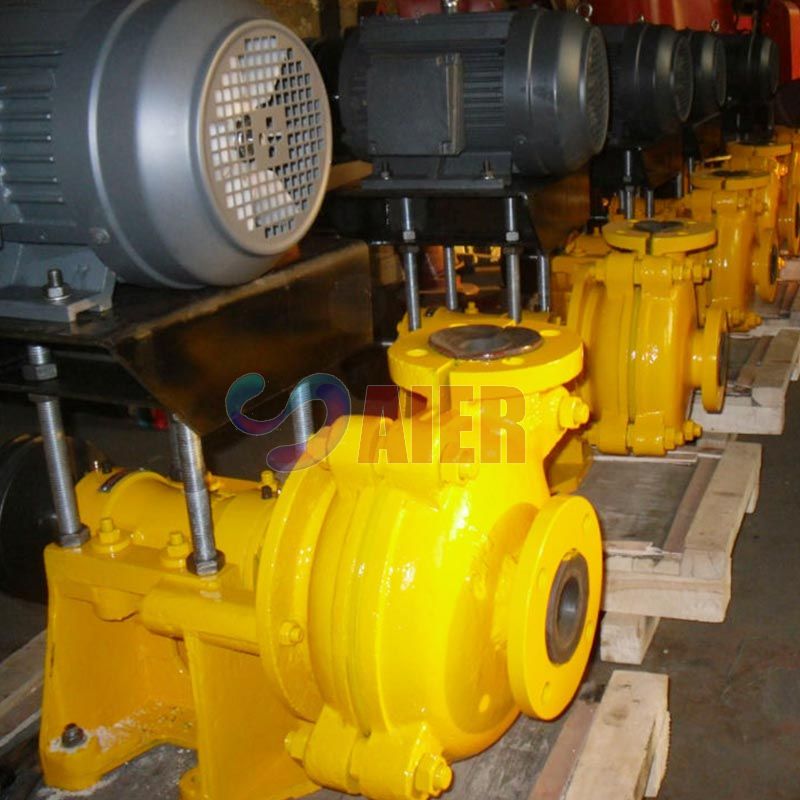
Wprowadzenie pompy
SPECYFIKACJA:
Rozmiar: 65-300 mm
Wydajność: 37-1919m3/h
Głowa: 5-94m
Przekazywanie ciał stałych: 0-90mm
Stężenie: Maks. 70%
Maksymalne ciśnienie: maks. 4,5 mpa
Materiały: Stop Hyper Chrome itp.
AIER® WG High Efficiency Slurry Pump
In order to meet the requirements on the development of the electric power, metallurgy and coal industries, our company has designed and developed WG(P) Series up-to-date general slurry pump with large capacity, high head, multi-stages in series to remove ash & sludge and to deliver liquid-solids mixture, based on the experience of slurry pump design and manufacture for many years, and abstracting the research results of advanced technology from home and abroad.
Cechy
Nowoczesny projekt CAD, super wydajność hydrauliczna, wysoka wydajność i niższy współczynnik ścierania;
Szerokie przejście, brak zatykania i dobre działanie NPSH;
Zastosowano uszczelnienie ekspelera w połączeniu z uszczelnieniem uszczelnienia i uszczelnieniem mechanicznym, aby zagwarantować wyciek szlamu;
Projekt niezawodności zapewnia długi MTBF (średni czas między zdarzeniami);
Łożysko metryczne ze smarowaniem olejowym, rozsądne systemy smarowania i chłodzenia zapewniają pracę łożyska w niskiej temperaturze;
Materiały mokrych części mają dobre właściwości przeciwzużyciowe i antykorozyjne;
Pompę można stosować do usuwania popiołu z wody morskiej, aby zapobiec korozji wody morskiej, soli i mgły oraz korozji elektrochemicznej;
Pompa może pracować szeregowo, wielostopniowo w zakresie dopuszczalnego ciśnienia.
Pompa ma zalety rozsądnej konstrukcji, wysokiej wydajności, niezawodnej pracy i łatwej konserwacji. Może być szeroko stosowany do przeładunku mieszaniny materiałów ściernych i korozyjnych w elektroenergetyce, hutnictwie, kopalniach, przemyśle węglowym, materiałów konstrukcyjnych i przemyśle chemicznym, szczególnie do usuwania popiołów i szlamów w elektrowniach.
Notacja pompy
100WG(P):
100: Średnica wylotu (mm)
WG: Pompa szlamowa o dużej wysokości podnoszenia
P: Pompy wielostopniowe (1-2 stopnie bez oznaczenia)
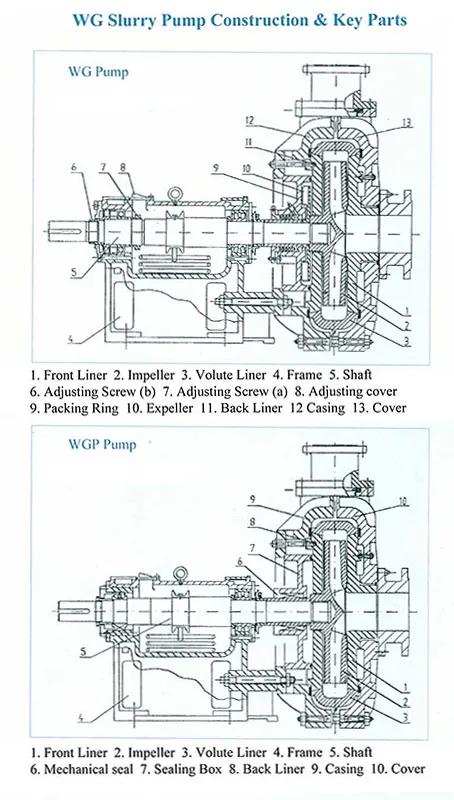
Pompa szlamowa WG jest poziomą, jednostopniową, jednostopniową pompą szlamową, wspornikową, podwójną obudową i odśrodkową pompą szlamową. Pompa obraca się w kierunku zgodnym z ruchem wskazówek zegara, patrząc od strony napędu.
Mokre części pomp WG i WGP o tej samej średnicy wylotowej mogą być zamienne. Ich wymiary montażowe są również takie same. W części napędowej pompy szlamowej WG(P) zastosowano poziomą dzieloną ramę ze smarowaniem olejowym i dwoma zestawami układów chłodzenia wodą wewnątrz i na zewnątrz. W razie potrzeby można dostarczyć wodę chłodzącą. Przygotowane złącze wody chłodzącej i ciśnienie wody chłodzącej można zobaczyć w tabeli 1.
Two kinds of shaft seal – expeller seal combined with packing and mechanical seal.
W przypadku pracy szeregowej zaleca się stosowanie uszczelnienia mechanicznego zasilanego wodą uszczelniającą pod wysokim ciśnieniem, w przypadku pompy jednostopniowej stosowane jest uszczelnienie ekspelera w połączeniu z uszczelnieniem.
Ciśnienie wody i ilość wszelkiego rodzaju uszczelnień wału są następujące:
1) Ciśnienie wody uszczelniającej
W przypadku pompy jednostopniowej z uszczelnieniem ekspelera w połączeniu z uszczelnieniem ciśnienie wody w uszczelnieniu wału wynosi 0,2-0,3 Mpa.
W przypadku pracy wielostopniowej w połączeniu szeregowym z uszczelnieniem ekspelera w połączeniu z uszczelnieniem ciśnienie wody uszczelniającej powinno wynosić: Najniższe ciśnienie wody uszczelniającej z n stopnia = Hi + 0.7Hn Where: n ≥2.
W przypadku uszczelnienia mechanicznego ciśnienie wody uszczelniającej na każdym etapie pompy jest wyższe o 0,1 MPa niż ciśnienie na wylocie pompy
2) Ciśnienie wody uszczelniającej (patrz tabela 1)
Tabela 1: Parametry wody uszczelniającej
| Typ pompy | Rama | Uszczelniająca woda (l/s) |
Uszczelnianie złącza wodnego | Złącze wody chłodzącej Na Ramce |
Ciśnienie wody chłodzącej |
| 65WG | 320 | 0.5 | 1/4" | 1/2", 3/8" | 0,05 do 0,2 MPa |
| 80 WG | 406 | 0.7 | 1/2" | 3/4", 1/2" | |
| 100WG | |||||
| 80WGP | 406A | ||||
| 100WGP | |||||
| 150WG | 565 | 1.2 | 1/2" | 3/4", 3/4" | |
| 200WG | |||||
| 150WGP | 565A | ||||
| 200WGP | |||||
| 250WG | 743 | 1" | |||
| 300WG | |||||
| 250WGP | 743A |
Projekt budowlany
Materiał części pompy
| Częściowe imię | Materiał | Specyfikacja | HRC | Aplikacja | Kod OEM |
| Wkładki i wirnik | Metal | AB27: 23% -30% chromowanego białego żelaza | ≥56 | Stosowany w warunkach zwiększonego zużycia przy pH od 5 do 12 | A05 |
| AB15: 14% -18% chromowanego białego żelaza | ≥59 | Używany w przypadku większego zużycia | A07 | ||
| AB29: 27% -29% chromowanego białego żelaza | 43 | Stosowany w warunkach niższego pH, szczególnie w przypadku FGD. Może być również stosowany w instalacjach warunków niskokwasowych i odsiarczających o pH nie mniejszym niż 4 | A49 | ||
| AB33: 33% -37% chromowanego białego żelaza | Może transportować utlenioną zawiesinę o pH nie mniejszym niż 1, taką jak tynk fosforowy, kwas azotowy, witriol, fosforany itp. | A33 | |||
| Ekspeler i pierścień ekspelera | Metal | B27: 23% -30% chromowanego białego żelaza | ≥56 | Stosowany w warunkach zwiększonego zużycia przy pH od 5 do 12 | A05 |
| Szare żelazo | G01 | ||||
| Dławnica | Metal | AB27: 23% -30% chromowanego białego żelaza | ≥56 | Stosowany w warunkach zwiększonego zużycia przy pH od 5 do 12 | A05 |
| Szare żelazo | G01 | ||||
| Rama/pokrywa, obudowa łożyska i podstawa | Metal | Szare żelazo | G01 | ||
| Ciągliwy metal | D21 | ||||
| Wał | Metal | Stal węglowa | E05 | ||
| Tuleja wału, pierścień rozstawczy/dławik, pierścień szyjkowy, śruba dławnicy | Stal nierdzewna | 4Cr13 | C21 | ||
| 304 SS | C22 | ||||
| 316 SS | C23 | ||||
| Pierścienie przegubowe i uszczelki | Guma | Butyl | S21 | ||
| Guma EPDM | S01 | ||||
| Nitryl | S10 | ||||
| Hypalon | S31 | ||||
| Neopren | S44/S42 | ||||
| Viton | S50 |
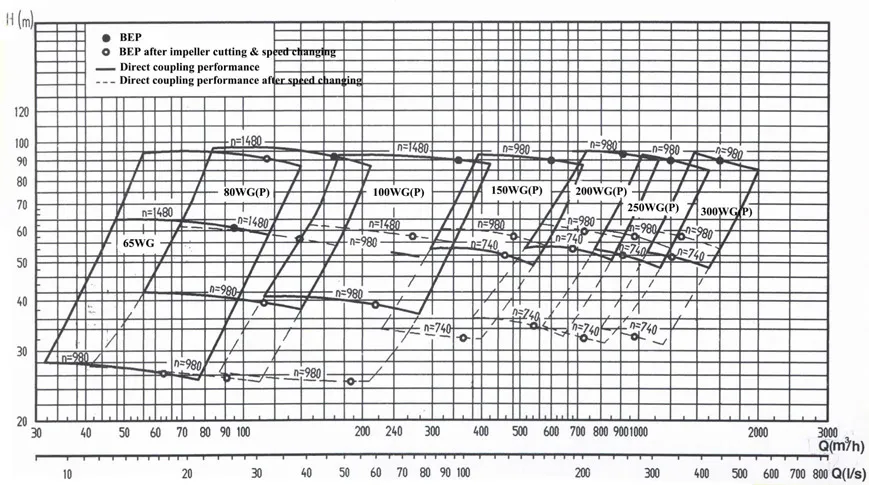
Krzywa wydajności
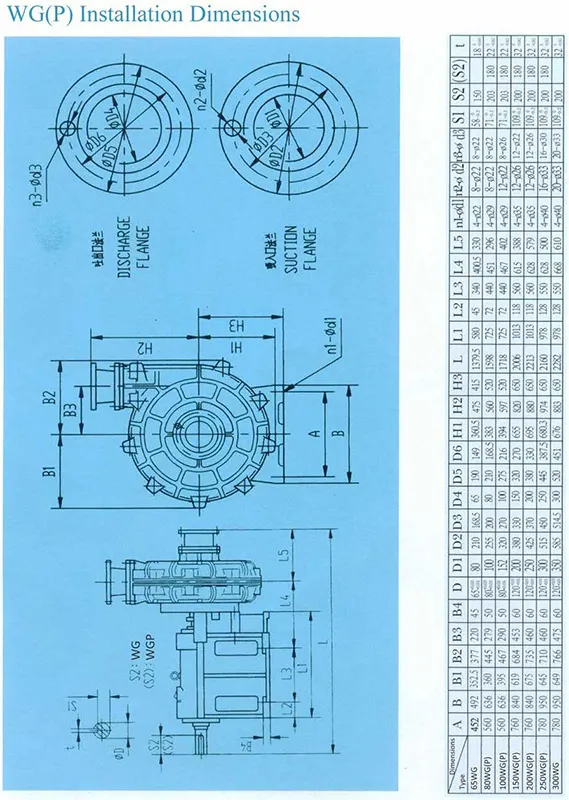
Wymiary instalacyjne
The Role of High Head Slurry Pumps in Long-Distance Slurry Transport Systems
A high head slurry pump plays a pivotal role in transporting abrasive and dense slurries over long distances and significant vertical heights. Unlike standard industrial slurry pumps, high head pumps are specifically engineered to provide the increased pressure necessary for long pipeline systems, ensuring the efficient and consistent movement of solids-laden fluids.
In industries such as mining, mineral processing, coal preparation, and dredging, materials often need to be transported through extended pipelines, sometimes spanning hundreds of meters. The combination of high solids content, abrasive particles, and long transport distances makes conventional pumps unsuitable, as they may fail under high head conditions or suffer from excessive wear. A high head slurry pump addresses these challenges by delivering reliable performance while maintaining operational efficiency.
The design of a high head slurry pump emphasizes durability and resistance to wear. Casings and impellers are often made of high-chrome alloys or wear-resistant metals, allowing the pump to handle abrasive slurries with minimal erosion. Many slurry pump manufacturers also offer customizable options, such as modular impellers and liners, enabling easy maintenance and replacement, thereby reducing downtime and maintenance costs.
Additionally, high head slurry pumps are engineered for optimal hydraulic performance. Their impeller and volute designs minimize energy loss, allowing slurries to be transported at higher pressures without overloading the motor or increasing operational costs. This energy-efficient design is particularly important in industrial settings, where large volumes of slurry must be moved continuously over extended distances.
Applications of high head slurry pumps include tailings disposal, long-distance slurry transport from mines to processing plants, and chemical slurry movement in metallurgical operations. Their ability to sustain high pressures and manage abrasive fluids reliably makes them a critical component in industrial processes.
In conclusion, a high head slurry pump is essential for long-distance slurry transport systems, offering high pressure, durability, and efficiency. Selecting a reliable slurry pump manufacturer ensures that your plant receives a customized, high-performance solution tailored to demanding industrial applications.
How High Head Slurry Pumps Improve Efficiency in Mining and Processing Plants
Mining and mineral processing plants require robust equipment capable of handling abrasive slurries with high solids content. A high head slurry pump is integral in these facilities, enhancing efficiency, reducing energy consumption, and minimizing maintenance needs. By delivering high pressure and flow over long distances, these pumps streamline material handling and improve overall plant productivity.
In mining operations, tailings and ore slurries often need to be transported from extraction sites to processing plants or storage areas. A high head slurry pump is specifically designed to handle this workload, maintaining consistent flow rates even with challenging slurry compositions. This ensures that production lines run smoothly without bottlenecks or downtime caused by pump failure.
The efficiency of a high head slurry pump also translates to energy savings. Advanced impeller designs and optimized hydraulic profiles reduce friction losses and pump energy requirements. Many industrial slurry pumps from reputable slurry pump manufacturers are designed with high efficiency in mind, allowing plants to lower operational costs while maintaining the required throughput.
Maintenance is another area where high head slurry pumps provide advantages. These pumps are constructed with wear-resistant materials such as high-chrome alloys or alloy steels, minimizing erosion from abrasive particles. Replaceable liners and impellers allow maintenance teams to perform targeted repairs without dismantling the entire pump system, reducing downtime and labor costs.
Furthermore, these pumps are available in various configurations, including horizontal and vertical designs, enabling flexible installation in confined or challenging spaces. The modular construction also supports scalability, allowing mining and processing plants to adjust pump capacity as operational needs evolve.
In summary, using a high head slurry pump in mining and processing plants improves slurry transport efficiency, reduces energy consumption, and minimizes maintenance costs. Partnering with a reliable slurry pump manufacturer ensures access to high-quality, durable pumps capable of withstanding abrasive industrial conditions while delivering long-term performance.
Material Selection for High Head Slurry Pumps: Metal vs Alloy
Selecting the appropriate material for a high head slurry pump is crucial to maximize performance, wear resistance, and operational lifespan. Industrial applications often involve abrasive and corrosive slurries, which can quickly erode or damage pumps made from unsuitable materials. Choosing between metal and alloy construction depends on the specific process requirements and the slurry’s characteristics.
Traditional metal slurry pumps are typically made of ductile iron or stainless steel, offering robust structural strength and corrosion resistance. These materials are suitable for moderate abrasiveness and provide reliable long-term service. However, in highly abrasive conditions, such as those found in mining or mineral processing, standard metals may wear quickly, leading to reduced efficiency and increased maintenance costs.
Alloy construction, especially high-chrome or nickel-chrome alloys, offers superior wear resistance and hardness, making them ideal for heavy-duty industrial slurry transport. A high head slurry pump made from these materials can handle slurries with high solids concentrations and large particle sizes without rapid erosion. The enhanced durability ensures continuous operation with minimal downtime, which is essential for high-capacity industrial processes.
Many slurry pump manufacturers offer modular designs that allow clients to choose between metal or alloy liners and impellers based on operational needs. This flexibility enables plants to optimize pump longevity and reduce maintenance frequency. Additionally, alloy materials can improve hydraulic performance by maintaining smooth surfaces within the pump, reducing energy losses and improving overall efficiency.
The selection of materials also impacts cost-effectiveness. While alloy pumps may have higher initial investment costs compared to standard metals, their extended service life and reduced maintenance requirements often result in lower total operational costs over time. Industrial facilities that prioritize reliability and efficiency benefit significantly from investing in high-quality alloy high head slurry pumps.
In conclusion, material selection for a high head slurry pump plays a decisive role in durability, efficiency, and cost-effectiveness. Whether using metal or alloy construction, choosing a reliable slurry pump manufacturer ensures that the pump is tailored to handle demanding industrial slurries while providing long-term operational performance.
Kategorie produktów
-
WA Pompa do szlamu o dużej wytrzymałości
-
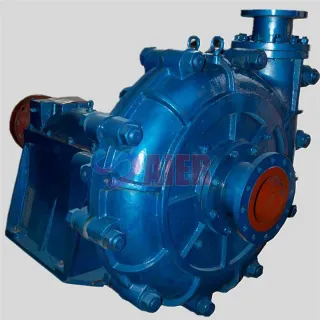
Pompa do szlamu WG z wysokim ciśnieniem
-
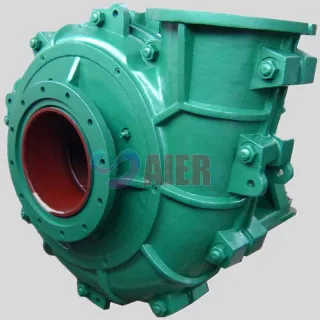
WL Lekka pompa do szlamu
-
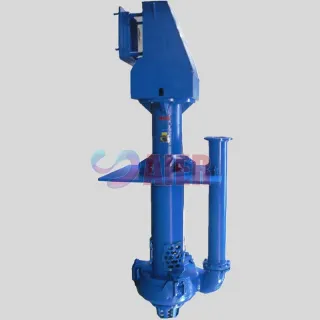
WY Pompa ściekowa
-
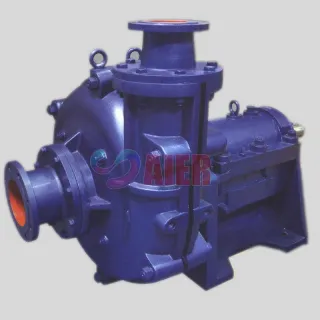
Pompa do szlamu WZ o wysokiej wydajności
-
Pompa pogłębiająca WN
-
Pompa do szlamu gumowego WAJ
-
Pompa do piasku żwirowego WS, WSG
-
Pompa roztworu WS, WSH
-
WY Pompa ściekowa
-
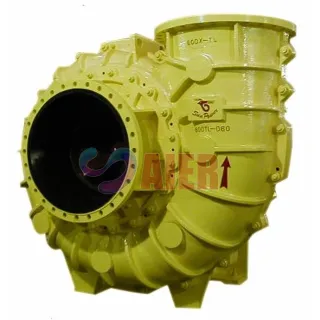
Pompa TL, TLR FGD
-
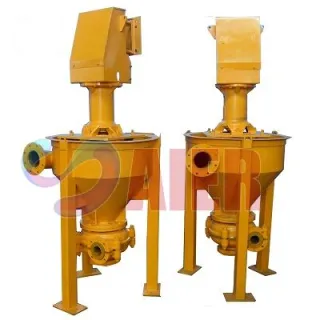
Pionowa pompa pianowa WP
-
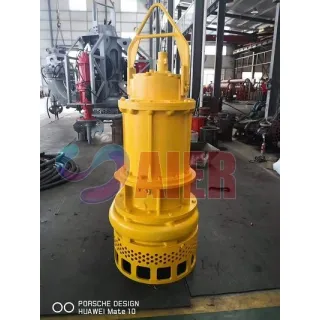
Zatapialne pompy do szlamu ZJQ
-
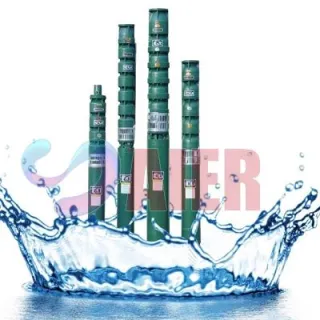
POMPA zanurzeniowa QJ
-
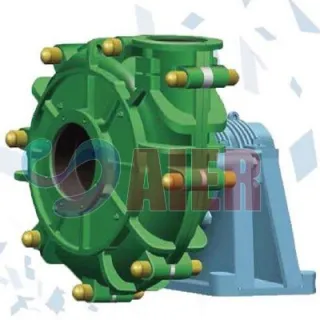
Ceramiczne pompy szlamowe ACT (ZCT).
-
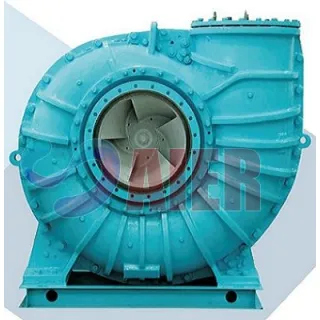
Ceramiczne pompy szlamowe BCT