
POMPA zanurzeniowa QJ
Opis produktu
Ogólny opis
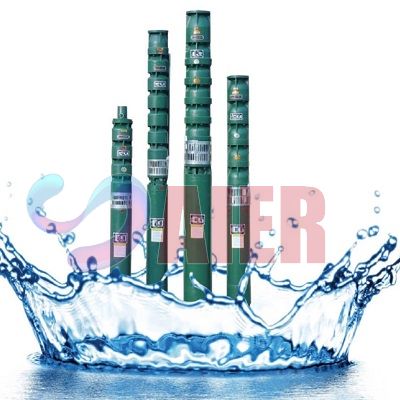
Pompa głębinowa QJ jest używana głównie do przenoszenia wody ze studni głębinowych i jej podnoszenia i jest szeroko stosowana w nawadnianiu pól uprawnych, odprowadzaniu wody na obszarach miejskich i wiejskich, w kopalniach i przedsiębiorstwach przemysłowych oraz w pracach związanych z oszczędzaniem wody, w tym w zbiornikach, fontannach, systemach chłodzenia i spa itp. Główne cechy są następujące: Łatwa obsługa, łatwa instalacja, łatwa konserwacja, ochrona środowiska itp. Zalety: elektryczna pompa nurkowa, która zbiera silnik i pompę wodną, może pracować w wodzie i jest wygodna w użyciu i naprawie.
Producenci zatapialnych pomp wodnych
Jesteśmy profesjonalnym producentem pomp głębinowych w Chinach. Oprócz pomp wodnych dostarczamy również różne pompy szlamowe, pompy do żwiru, pompy odsiarczające itp. Zgodnie z różnymi żądaniami możemy dostarczyć produkty z różnych materiałów, takich jak odlewy ze stali nierdzewnej, zgrzewanie wtłaczane ze stali nierdzewnej, odlewy z brązu, zwykłe odlewy z żeliwa, Odporny na korozję specjalny odlew z materiału. Pompa musi mieć odpowiednią średnicę zewnętrzną, aby nie wystąpiły takie sytuacje, jak nieszczelność uszczelek silnika i zanieczyszczenie wody.
Dane techniczne
Rozmiar (rozładowanie): 4" do 16"
Wydajność: 2-500m3/godz
Głowa: 10m-500m
Moc domowa: 0,75-450 kW
Materiał: żeliwo, brąz, stal nierdzewna itp
AIER® QJ Submersible Pump
Warunki użytkowania
①Zasilanie: 380 V/3 fazy prądu przemiennego, 50 Hz
②Jakość wody:
A. Temperatura wody jest niższa niż 20 ℃ (odporność na wysoką temperaturę 80 ℃)
B. Zawartość substancji stałych jest mniejsza niż 0,01% (w zależności od jakości)
C. PH 6,5-8,5
D. Zawartość siarkowodoru jest mniejsza niż 1,15 mg/l
E. Zawartość jonów tlenkowych jest mniejsza niż 400 mg/l
③Wewnętrzna część silnika podwodnego musi być wypełniona czystą wodą, a pompa głębinowa musi bezpiecznie zanurzyć się do pracy.
④Głębokość montażu nie może przekraczać 20% nominalnej wysokości podnoszenia pompy wodnej, a powierzchnia studni musi być gładka i prosta.
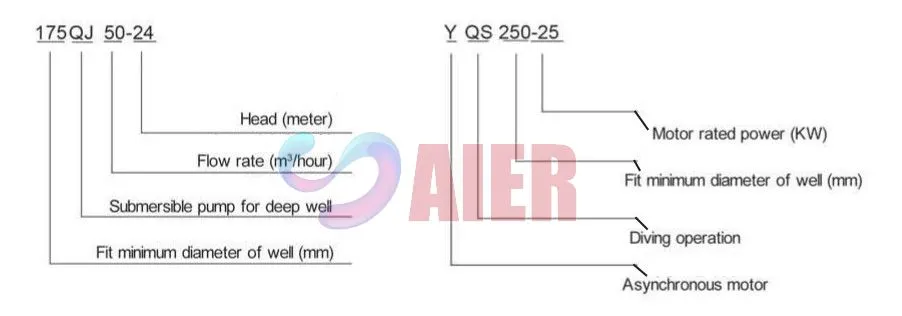
Oznaczenie typu
Główne cechy
1. Silnik jest mokrym silnikiem podwodnym. Komorę silnika należy napełnić czystą wodą, która służy do chłodzenia silnika i smarowania łożysk. Folia regulująca napięcie na podstawie lub silniku służy do regulacji różnicy ciśnień i rozszerzania się wody w wewnętrznej części silnika spowodowanej zmianami temperatury silnika.
2. Aby zapobiec przedostawaniu się ziaren piasku ze studni do wewnętrznej części silnika, montuje się górne przedłużenie, dwa uszczelnienia olejowe, które są zamontowane odwrotnie i jeden pierścień piaskowy.
3. Aby zapobiec przeskakiwaniu wału pompy wodnej, wał pompy wodnej i wał silnika są połączone sprzęgłem, a w dolnych częściach silnika należy zamontować łożysko oporowe.
4. Woda smaruje łożysko silnika i pompy wodnej.
5. Do uzwojenia stojana stosuje się przewody uzwojenia silnika głębinowego. Więc dobrze izoluje
6. Wirnik odśrodkowy i pionowa obudowa wlotu dmuchawy są używane w pompie wodnej target="_blank">, a ich konstrukcja jest prosta.
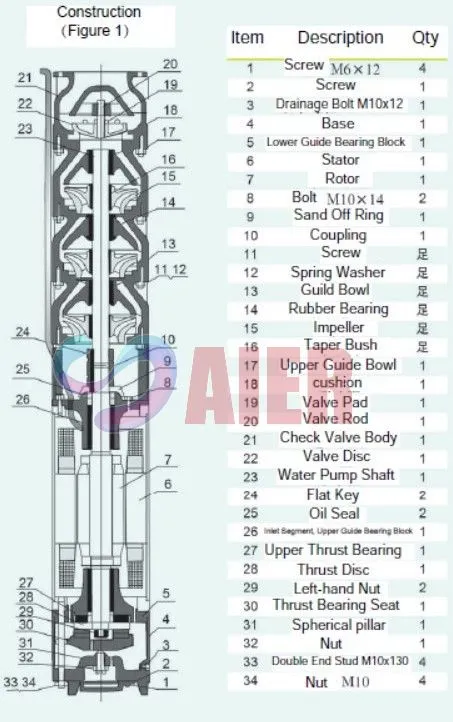
Schemat budowy
Pompa głębinowa QJ składa się głównie z punktu zasilania, wału pompy wodnej, wirnika, obudowy wlotu dmuchawy, łożyska gumowego, zaworu zwrotnego (opcja) itp. Silnik głębinowy składa się z podstawy, folii regulującej napięcie, łożyska oporowego, tarczy oporowej, dolnego bloku łożyska prowadzącego , stojan, uzwojenie stojana, wirnik, górna prowadnica, blok łożyskowy, pierścień piaskowy, kabel wyjściowy itp.
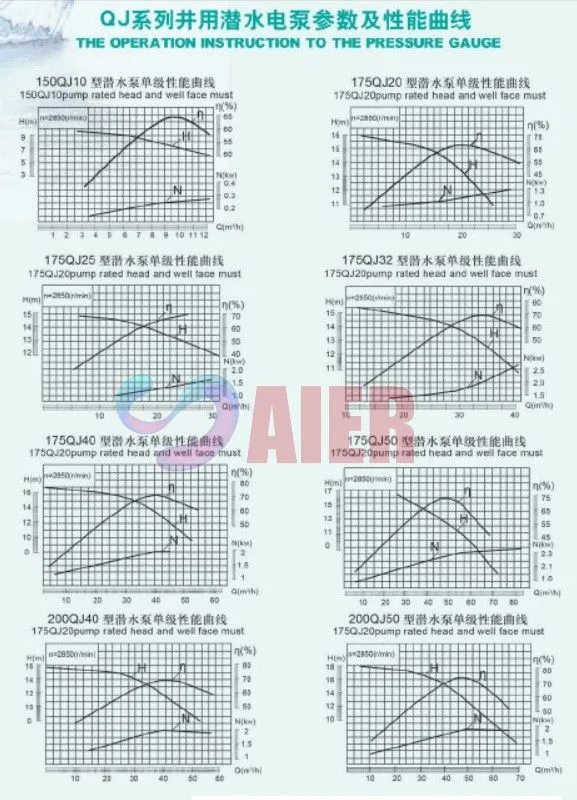
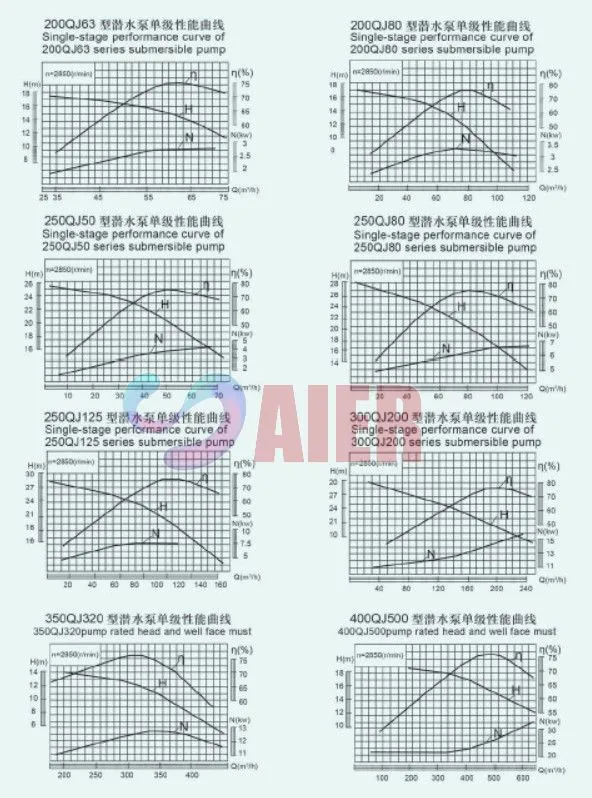
Krzywa wydajności
Advantages of Using Submersible Water Pumps for Continuous Operation
A submersible water pump is a highly efficient and durable pumping solution designed to work entirely underwater, making it ideal for applications requiring continuous operation. Unlike surface-mounted pumps that rely on suction, a submersible pump pushes water upward through direct contact with the liquid, resulting in higher efficiency, less energy loss, and better performance in harsh environments.
One of the most significant advantages of submersible water pumps is their energy efficiency. Because they operate directly in the fluid, there is no air leakage or suction head loss, which means the pump converts more motor energy into hydraulic power. This makes submersible pumps extremely effective in deep wells, reservoirs, and dewatering systems where long-term operation is essential. Leading submersible water pump manufacturers often equip their pumps with advanced motors featuring high-efficiency windings and low energy consumption for round-the-clock operation.
Another major benefit is the quiet and vibration-free operation. Since the entire pump is submerged underwater, the surrounding fluid dampens sound and vibration. This makes submersible pumps suitable for residential, municipal, and industrial applications where noise control is important—such as building basements, urban drainage systems, and cooling water circulation.
In addition, submersible water pumps are known for their excellent anti-cavitation properties. Because they operate below the water surface, the risk of air bubbles forming at the impeller is greatly reduced. This prevents vapor lock, improves hydraulic stability, and minimizes wear on internal components. The constant immersion of the pump also ensures natural cooling for the motor, extending its service life even during extended operation.
Finally, submersible pumps are easy to install and maintain. Most modern models are designed with modular components, corrosion-resistant casings, and advanced sealing systems. This ensures long-lasting reliability in environments such as wastewater treatment, agriculture, mining, and chemical processing. When you choose a product from a reputable submersible water pump manufacturer, you can expect superior performance, reduced maintenance costs, and reliable operation—day after day.
Maintenance and Troubleshooting Tips for Submersible Water Pumps
Proper maintenance of a submersible water pump is essential for ensuring consistent performance, preventing failures, and maximizing operational lifespan. Since these pumps work entirely underwater, they must endure high pressure, varying temperatures, and possible contact with sediments or chemicals. Following a proactive maintenance plan can significantly extend the efficiency and reliability of your system.
The first step is routine inspection. Regularly check the power cable for cracks, fraying, or water ingress, as damaged insulation can cause short circuits. Next, examine the pump’s exterior for corrosion or debris buildup. Sediment accumulation can restrict water flow and reduce pump efficiency. Cleaning the suction strainer and impeller housing every few months helps maintain optimal performance.
A common issue in submersible pumps is reduced discharge flow. This can be caused by impeller wear, clogged intake screens, or partial blockage in the discharge line. If this happens, disconnect the pump, clean the impeller, and inspect for wear or imbalance. Replacing worn impellers or seals promptly prevents more serious mechanical damage.
The mechanical seal is one of the most critical components of a submersible water pump. It prevents water from entering the motor housing. Any leakage or oil contamination in the seal area indicates the need for immediate replacement. Additionally, monitor the bearing temperature and listen for unusual noises—these can signal excessive friction or bearing wear.
Leading submersible water pump manufacturers recommend checking motor insulation resistance periodically to prevent electrical faults. For pumps used in wastewater or industrial environments, schedule quarterly performance tests to track flow, head, and power consumption. If overheating occurs, it could be due to low voltage or excessive solids in the fluid; cleaning the pump and verifying electrical connections typically resolves these problems.
By maintaining your submersible water pump properly—keeping it clean, well-lubricated, and regularly inspected—you can reduce downtime, prevent costly repairs, and ensure reliable operation for years, even in continuous-use applications.
Key Features of High Quality Submersible Water Pumps
A high-quality submersible water pump is engineered for durability, efficiency, and versatility, making it suitable for use in various industries including construction, mining, agriculture, and wastewater management. Understanding the key features that define a superior submersible pump can help users select the best equipment for long-term operation.
The most important feature is robust material construction. Reputable submersible water pump manufacturers use stainless steel, cast iron, or high-chrome alloys to ensure resistance to corrosion, abrasion, and chemical attack. These materials protect the pump body and impeller from harsh conditions such as sewage, slurry, or seawater exposure. A well-built submersible pump can operate continuously even in environments with high sediment or chemical content.
Another key aspect is the advanced mechanical sealing system. Double mechanical seals made of silicon carbide or tungsten carbide prevent leakage and protect the electric motor from water intrusion. Combined with oil-filled motor chambers for cooling and lubrication, these systems ensure long-lasting reliability and smooth operation.
Efficiency is also a hallmark of a top-tier submersible water pump. Precision-engineered impellers and high-efficiency motors minimize energy consumption while delivering consistent flow and head performance. Built-in overload protection and thermal sensors help prevent damage from overheating or voltage fluctuations, ensuring safety in continuous-use environments.
In addition, modern submersible pumps feature modular and service-friendly designs. Easy-to-remove components allow for quick maintenance without dismantling the entire system, reducing downtime. Anti-clog impeller designs and self-cleaning flow channels further enhance reliability, especially in wastewater or industrial slurry applications.
Finally, certified submersible water pump manufacturers perform rigorous quality control and performance testing to guarantee every unit meets global efficiency and safety standards. When you choose a high-quality submersible pump, you’re investing in a machine that provides stable output, reduced maintenance costs, and decades of dependable operation across multiple industries.
Kategorie produktów
-
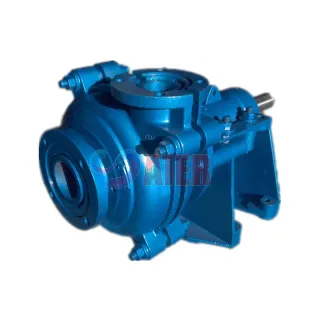
WA Pompa do szlamu o dużej wytrzymałości
-
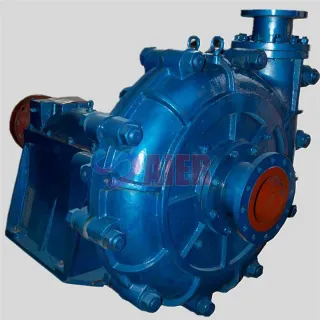
Pompa do szlamu WG z wysokim ciśnieniem
-
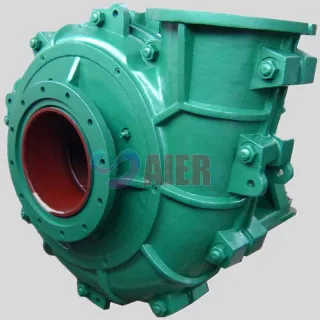
WL Lekka pompa do szlamu
-
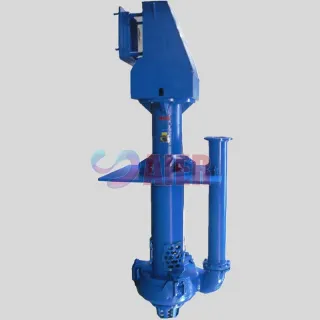
WY Pompa ściekowa
-
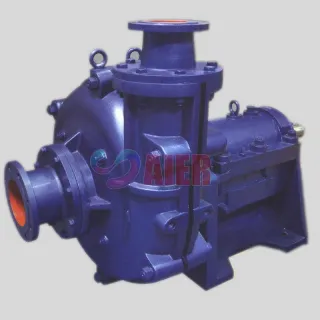
Pompa do szlamu WZ o wysokiej wydajności
-
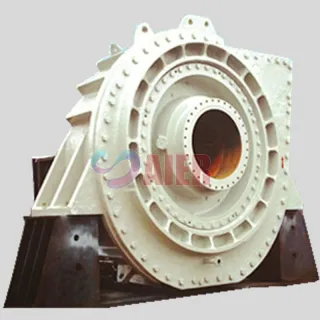
Pompa pogłębiająca WN
-
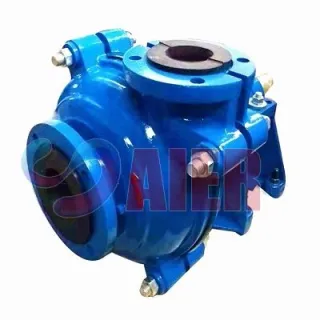
Pompa do szlamu gumowego WAJ
-
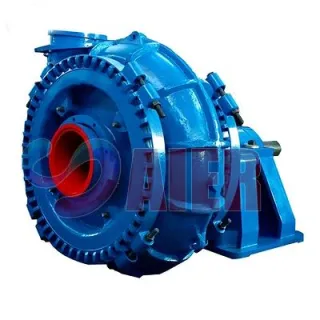
Pompa do piasku żwirowego WS, WSG
-
Pompa roztworu WS, WSH
-
WY Pompa ściekowa
-
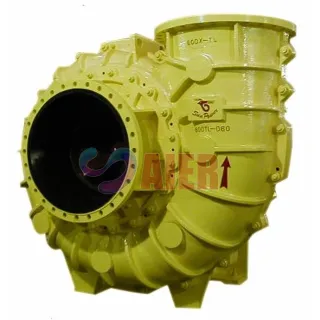
Pompa TL, TLR FGD
-
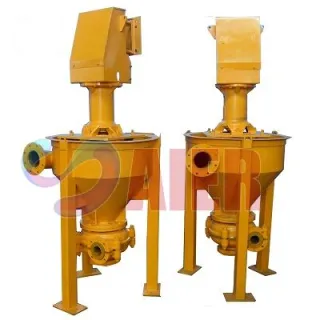
Pionowa pompa pianowa WP
-
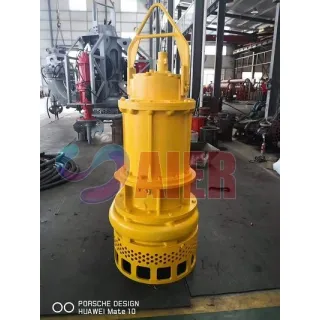
Zatapialne pompy do szlamu ZJQ
-
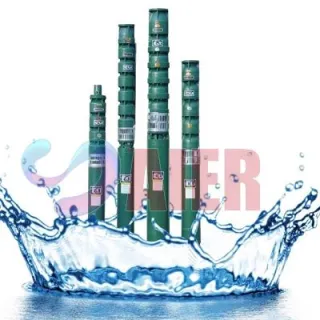
POMPA zanurzeniowa QJ
-
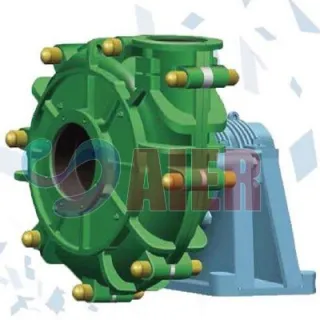
Ceramiczne pompy szlamowe ACT (ZCT).
-
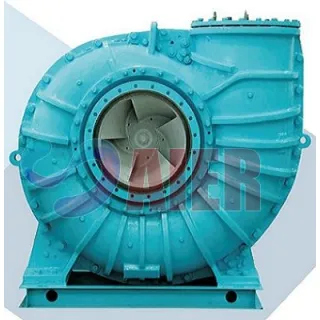
Ceramiczne pompy szlamowe BCT