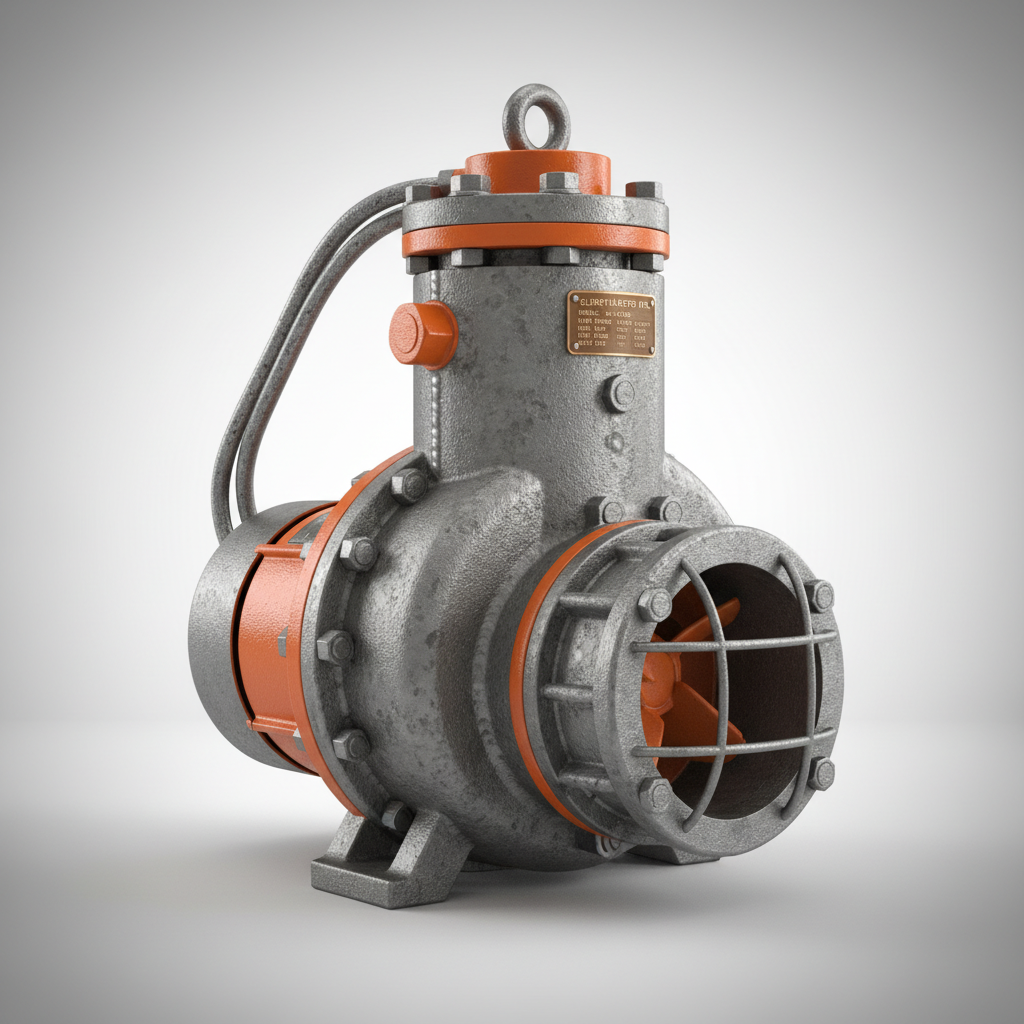
You know, lately everyone's talking about miniaturization and modularization. Seems like everything has to be smaller, lighter, and plug-and-play. I've been seeing a lot more pre-fabricated components arriving on site, which, honestly, is a mixed bag. It saves time, sure, but then you run into the "it doesn't quite fit" problem. Have you noticed that? Always something.
And honestly, the biggest pitfall in design? Overthinking. Engineers love to get lost in simulations and theoretical stress tests. But real life… real life is a worker dropping a wrench on it, or it getting rained on for a week straight. That's the real test.
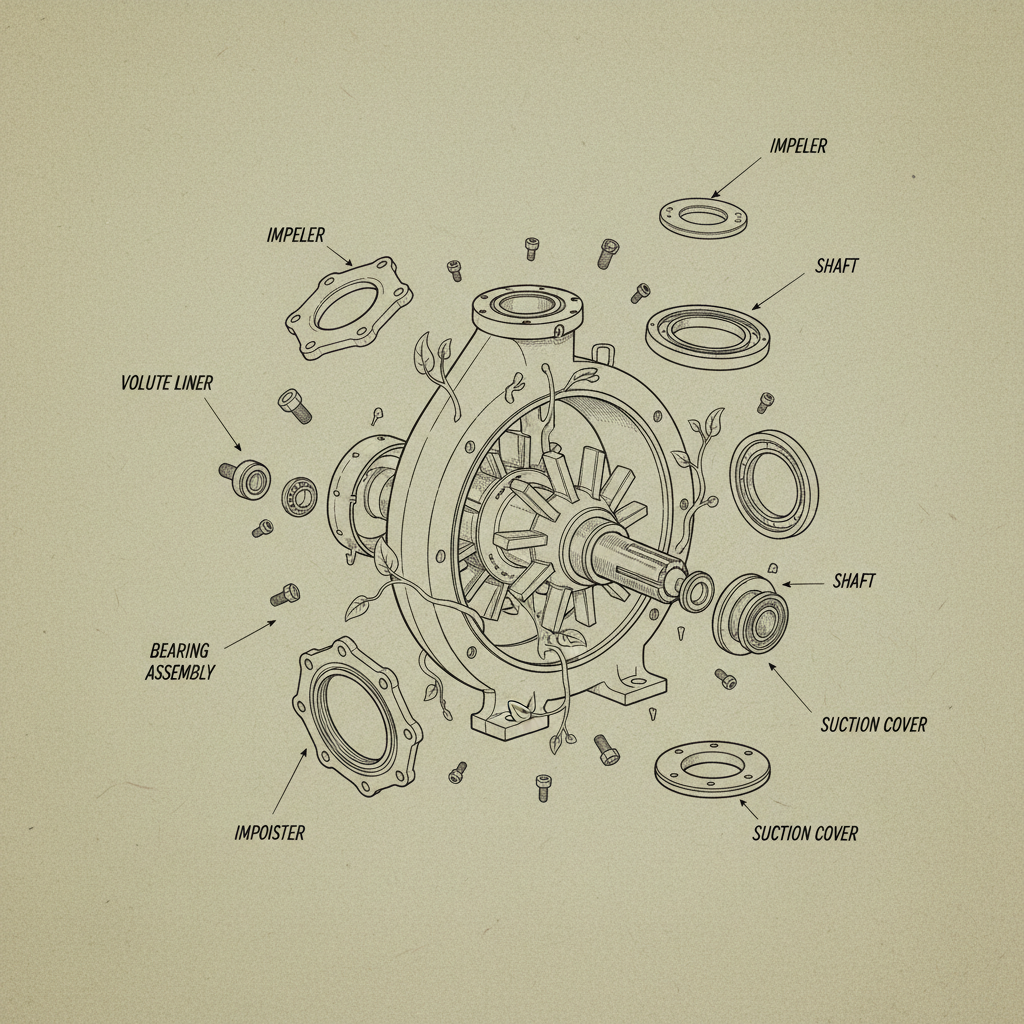
We’re mainly working with high-density polyethylene for the casings, you know, the HDPE stuff. It’s tough, resists corrosion… smells kinda plasticky when you first open the pallets, though. I’ve spent enough time unpacking these to know. Then for the impellers, we’ve been switching to a specialized ceramic alumina. It’s surprisingly light, feels almost…smooth, not gritty like the older materials. But it is brittle, so you have to be careful handling it. We also use a lot of stainless steel, 316 mostly. Standard stuff.
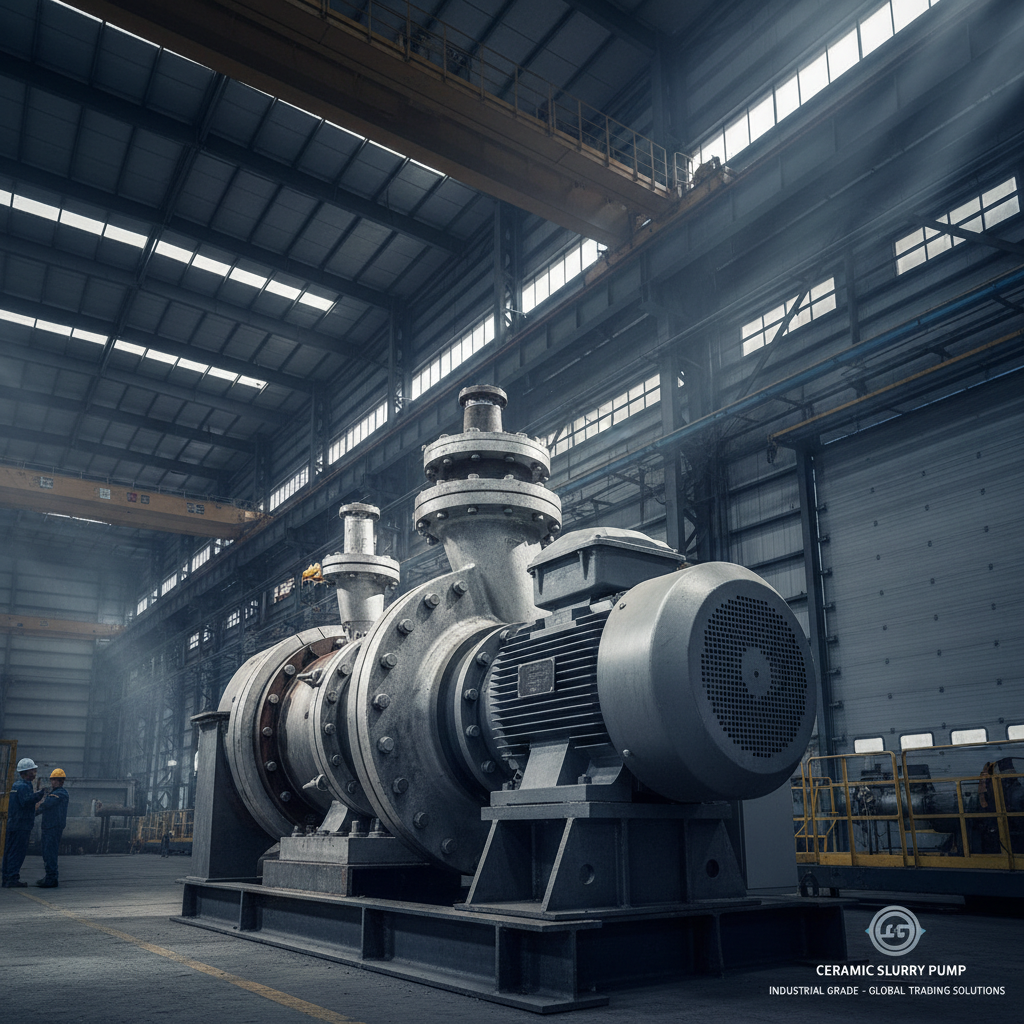
The Current Landscape of Slurry Pump Technology
To be honest, the biggest shift I’ve seen in the last few years is the move towards variable speed drives and more intelligent monitoring systems. It's not just about pumping anymore, it’s about optimizing the process. People want to know exactly how much energy they're using, how the pump is performing, and when maintenance is needed. It's all about predictive maintenance, they call it. Sounds fancy, but it’s really about avoiding downtime.
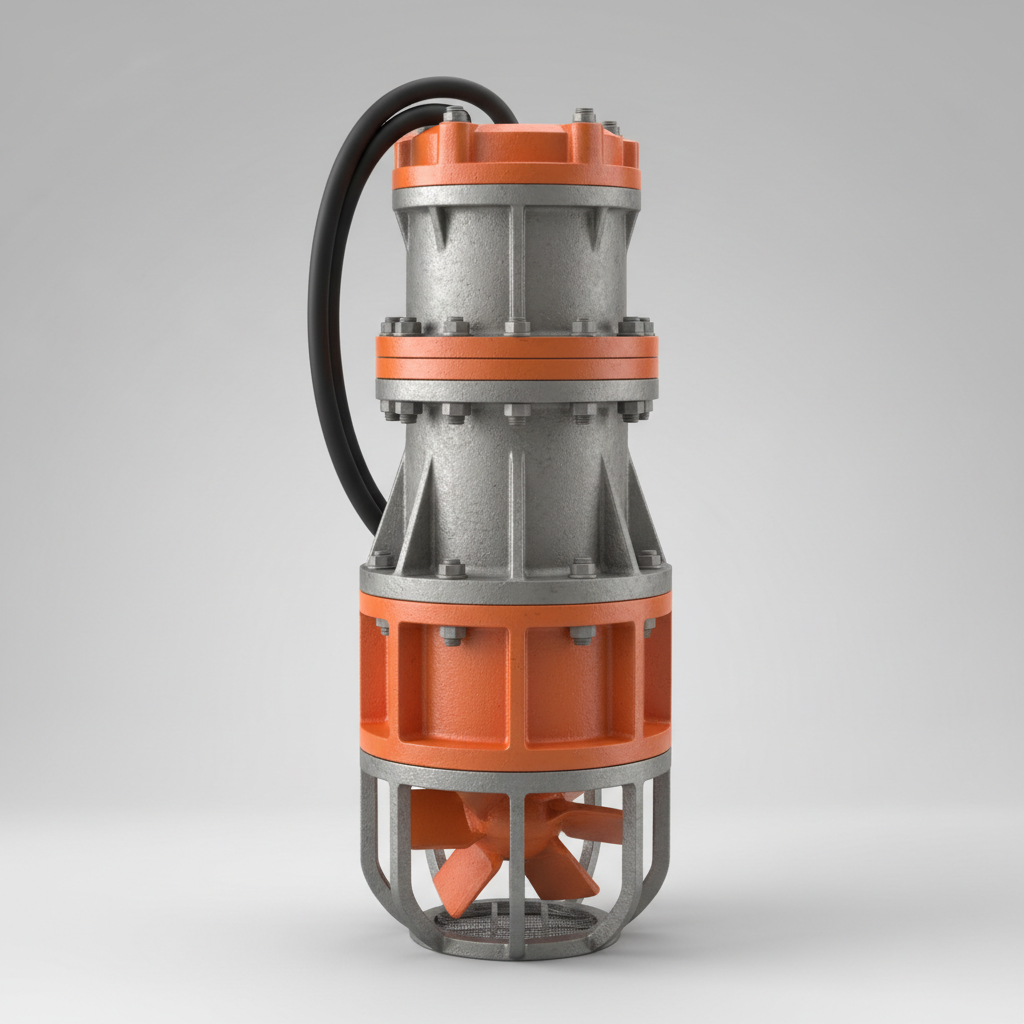
And the demand for smaller, more efficient pumps is growing, especially in applications like dewatering construction sites or handling industrial waste. Space is always at a premium, so anything that can fit into a tighter footprint is a win. Strangely, that also means more complicated hydraulics to get the same performance.
Common Design Traps in Slurry Pump Manufacturing
I encountered this at a factory in Ningbo last time. They were so focused on increasing the pump’s capacity, they completely overlooked the wear resistance of the impeller. It lasted all of a month before it started disintegrating. A month! They were using a cheaper alloy, thinking they could get away with it. You’ve got to remember, slurry is abrasive. Really abrasive.
Another common mistake? Insufficient sealing. Leaks are a nightmare. Not just for the environment, but for maintenance costs. Replacing seals is a pain. And then there's the whole issue of cavitation. Too much suction lift, or improperly sized piping, and you'll get cavitation, which eats away at the impeller like nobody’s business.
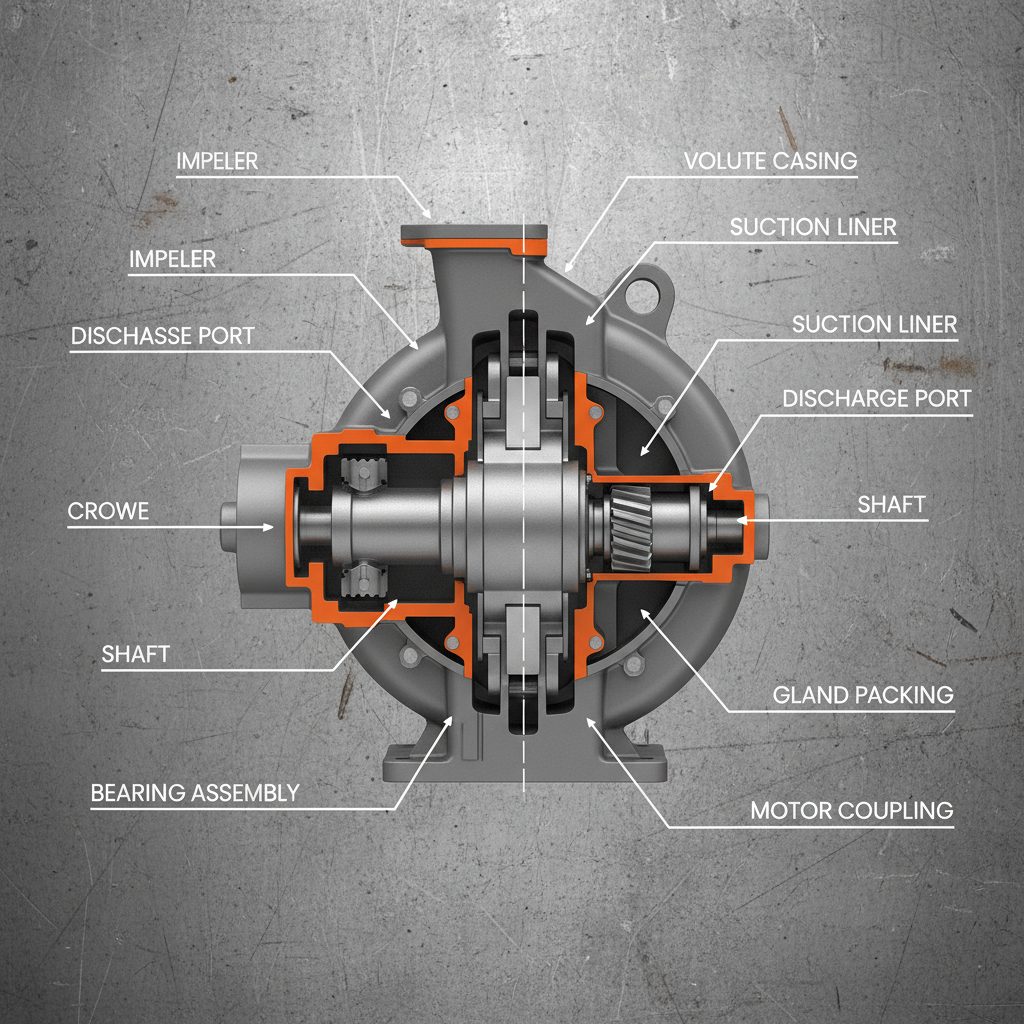
And don't even get me started on improperly designed volute casings. A poorly designed volute leads to turbulence, which reduces efficiency and increases wear. You need smooth flow, smooth flow is key.
Materials Used in Modern Slurry Pump Construction
We use a lot of rubber linings too, especially for pumps handling highly corrosive slurries. The rubber acts as a barrier, protecting the metal components from attack. It's a bit messy to apply, smells strongly of sulfur, but it extends the pump's lifespan considerably. The type of rubber matters though - natural rubber, neoprene, EPDM… each has its strengths and weaknesses depending on the slurry composition.
Then there's the shaft material. 4140 alloy steel is pretty standard for smaller pumps, but for larger, heavier-duty applications, we often use higher-strength alloys like 4340 or even duplex stainless steels. You really need to consider the torsional stress. And the bearings, of course. Proper lubrication is crucial. I've seen pumps seize up because someone skimped on the grease.
And let's not forget the seals! Mechanical seals are the go-to for most applications, but for very abrasive slurries, we sometimes use packing glands. They require more maintenance, but they can handle larger solids. It's a trade-off, really. Anyway, I think it’s all about matching the material to the job.
Real-World Slurry Pump Testing Methodologies
Forget the lab tests. Those are useful for baseline data, sure, but the real test is on the job site. We run endurance tests, pumping actual slurry for weeks, sometimes months, at a time. We monitor everything: flow rate, pressure, power consumption, vibration levels, bearing temperatures… the works.
We also do wear rate analysis. We’ll disassemble the pump periodically and measure the amount of material lost from the impeller and casing. It's a messy job, honestly. Sand everywhere. But it gives us a good indication of how long the pump will last in real-world conditions.
Slurry Pump Wear Resistance Comparison
Actual User Applications of Slurry Pumps
Mining is the big one, obviously. Moving ore slurry, tailings… it’s relentless. But you also see them in wastewater treatment plants, chemical processing facilities, even the food and beverage industry. Anywhere you have a liquid with solids, really.
I was talking to a guy from a dredging company last month. They’re using these pumps to remove silt and debris from harbors and waterways. That's a tough application - highly abrasive, corrosive, and constantly changing conditions. They need robust pumps that can handle anything.
Advantages and Disadvantages of Current Slurry Pump Designs
The biggest advantage right now is efficiency. The newer designs are much more efficient than the older ones, which translates to lower energy costs. Also, the availability of different materials allows you to tailor the pump to the specific application. That’s a huge benefit.
But… they can be expensive. Especially the high-performance models. And maintenance can be a pain, especially if you’re dealing with highly abrasive slurries. You have to be diligent about inspections and replacements. Later… Forget it, I won’t mention how often I see people ignoring those inspection schedules.
And frankly, the complexity can be a problem. There are so many different components and settings. It can be overwhelming for operators who aren’t properly trained.
Customization Options and Real-World Examples
You can customize just about everything. Impeller material, casing material, seal type, shaft configuration… you name it. Last month, that small boss in Shenzhen who makes smart home devices insisted on changing the interface to , and the result was a complete disaster. Said it looked "more modern". It didn't fit, of course, and we had to redo the entire intake manifold. Cost him a fortune.
We also do a lot of modifications to the impeller design. If a customer needs to handle larger solids, we can increase the impeller diameter or change the vane angle. It’s all about optimizing the pump for the specific application.
And we can add different types of coatings to the casing and impeller to improve wear resistance. Ceramic coatings, polyurethane coatings… they all have their benefits.
Summary of Slurry Pump Customization Parameters
| Parameter |
Typical Values/Options |
Impact on Performance |
Cost Estimate (USD) |
| Impeller Material |
HDPE, Ceramic Alumina, Stainless Steel |
Wear Resistance, Efficiency |
$50 - $500 |
| Casing Material |
Cast Iron, Stainless Steel, Rubber Lined |
Corrosion Resistance, Abrasion Resistance |
$100 - $1000 |
| Seal Type |
Mechanical Seal, Packing Gland |
Leakage Prevention, Maintenance Frequency |
$20 - $200 |
| Shaft Material |
4140 Alloy Steel, 4340 Alloy Steel, Duplex Stainless Steel |
Torsional Strength, Corrosion Resistance |
$80 - $800 |
| Coating Type |
Ceramic Coating, Polyurethane Coating |
Wear Resistance, Corrosion Resistance |
$150 - $1500 |
| Impeller Vane Angle |
20-45 Degrees (Customizable) |
Flow Rate, Head Pressure |
$30 - $300 |
FAQS
Honestly? Material selection. Choosing the right impeller material for the slurry composition is critical. Abrasive slurries need hard, wear-resistant materials. Corrosive slurries need materials that can withstand chemical attack. Ignoring this is asking for trouble. Regular inspections and replacing worn components promptly are also essential, of course, but the right material is the first line of defense.
It depends on the application, but as a general rule, I’d say at least every month. Look for signs of leakage, wear, or damage. A small leak can quickly turn into a major problem. And don’t just visually inspect them – check the seal chamber for any buildup of solids. It’s cheap insurance to catch a failing seal early.
Cavitation happens when the pressure inside the pump drops too low, causing the liquid to vaporize and form bubbles. These bubbles then collapse, creating shockwaves that damage the impeller. To prevent it, make sure you have adequate suction head, proper piping design, and that you're not running the pump too fast for the specific slurry. It’s a tricky thing to diagnose, but a good understanding of fluid dynamics is key.
No, absolutely not. Every pump has a maximum solids handling capability. Trying to pump solids that are too large will damage the impeller and clog the pump. You need to select a pump that's specifically designed for the size and type of solids you’re dealing with. There’s a reason they call them ‘solids handling pumps’ - they aren’t magic!
Variable speed drives (VSDs) allow you to adjust the pump’s speed to match the flow rate requirements. This can save you a lot of energy, especially in applications where the flow rate fluctuates. It also reduces wear and tear on the pump, extending its lifespan. Plus, you can fine-tune the pump's performance to optimize the process.
Before storage, thoroughly flush the pump to remove any remaining slurry. Then, lubricate all bearings and seals, and protect the pump from corrosion. You might want to consider adding a desiccant to the pump casing to absorb any moisture. A little preventative maintenance goes a long way to ensure the pump is ready to go when you need it.
Conclusion
So, ultimately, slurry pumps are complex machines, but the core principles remain the same: choose the right materials, protect against wear, and ensure proper maintenance. The industry's leaning towards smarter, more efficient designs, and customization is becoming increasingly important.
But at the end of the day, whether this thing works or not, the worker will know the moment he tightens the screw. That’s the real test. If it feels right, sounds right, and doesn't leak… well, then you’ve got a good pump. And that’s all that really matters.