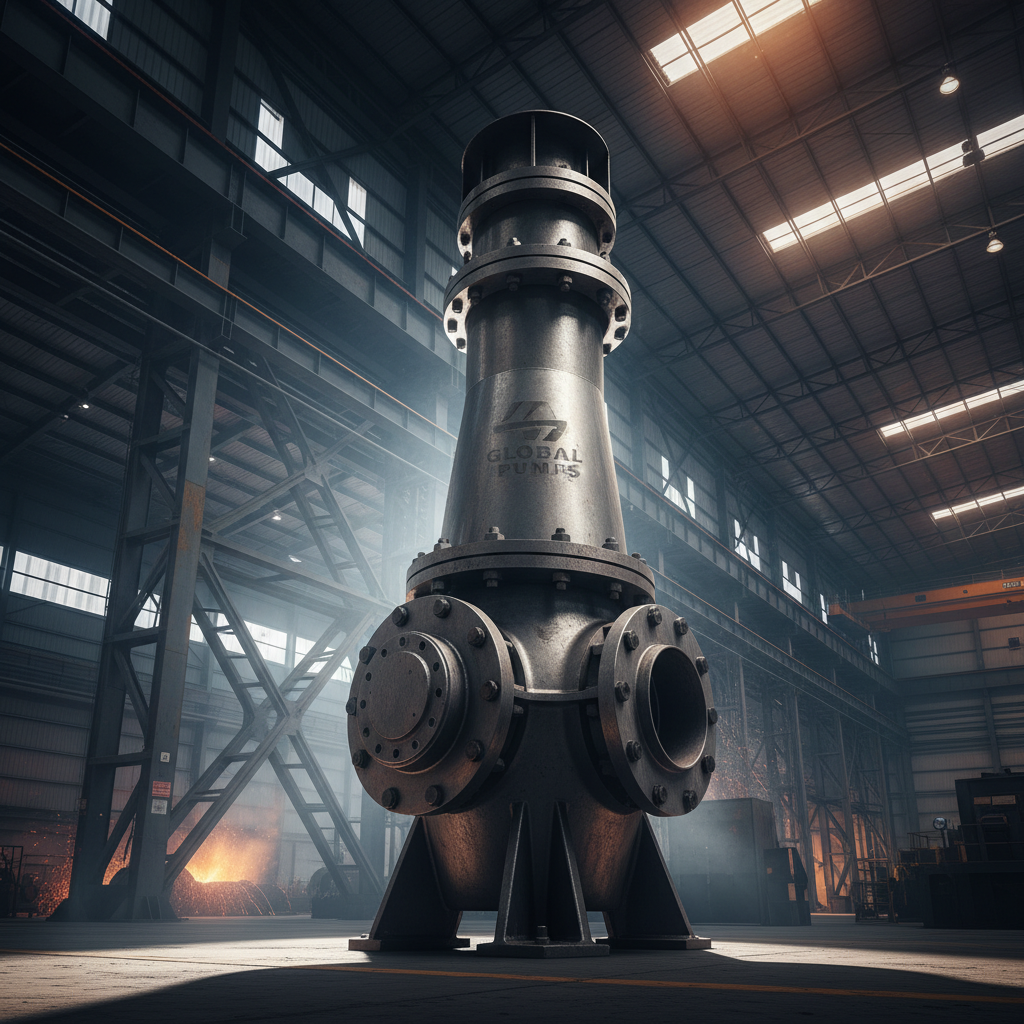
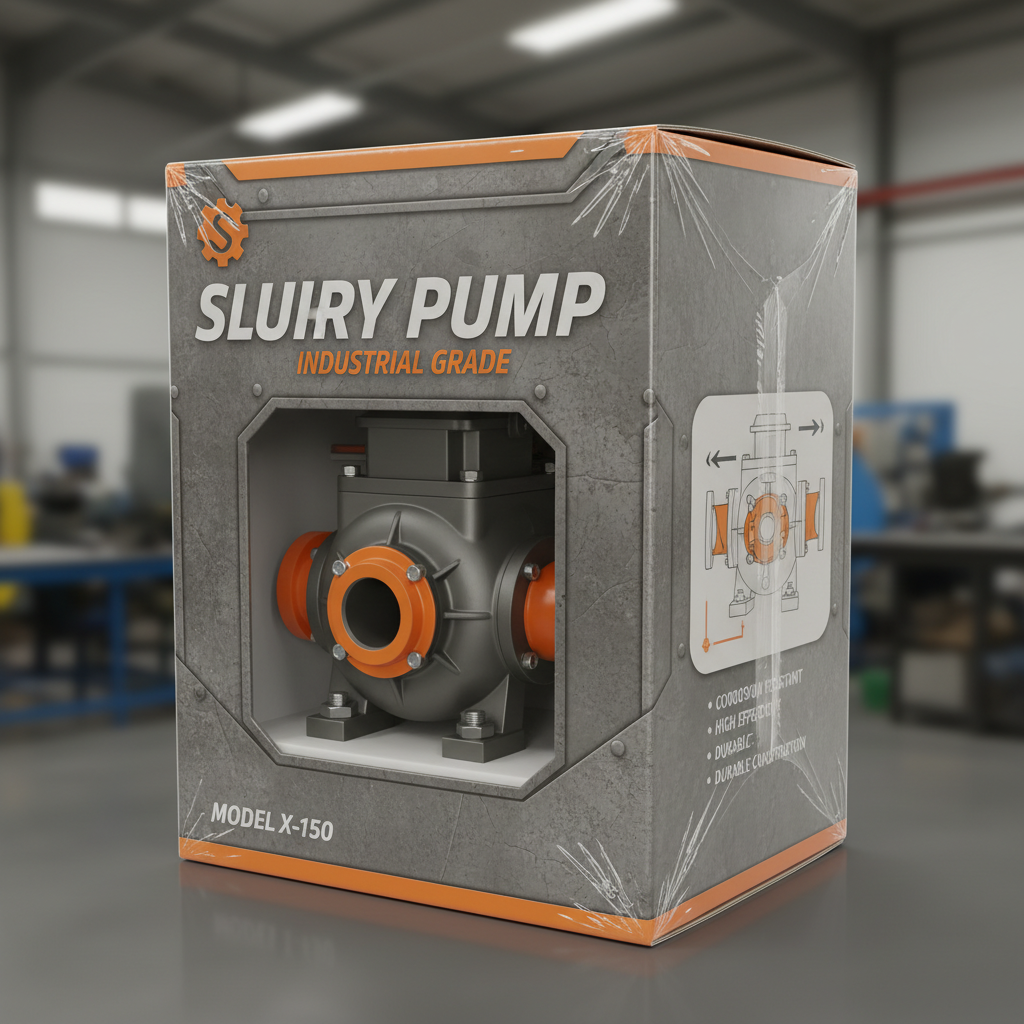
Look, I’ve spent the last fifteen years knee-deep in mud on construction sites, wrestling with pumps that either couldn't handle the slurry, choked up constantly, or just plain died on me mid-job. That’s why a reliable heavy duty submersible slurry pump isn't just a piece of equipment, it’s the difference between keeping a project on schedule and a costly, frustrating delay. We’re talking about moving abrasive materials – think concrete washout, mining tailings, even sewage – and you need something built to endure. It’s about minimizing downtime, maximizing efficiency, and frankly, getting the job done without constant headaches.
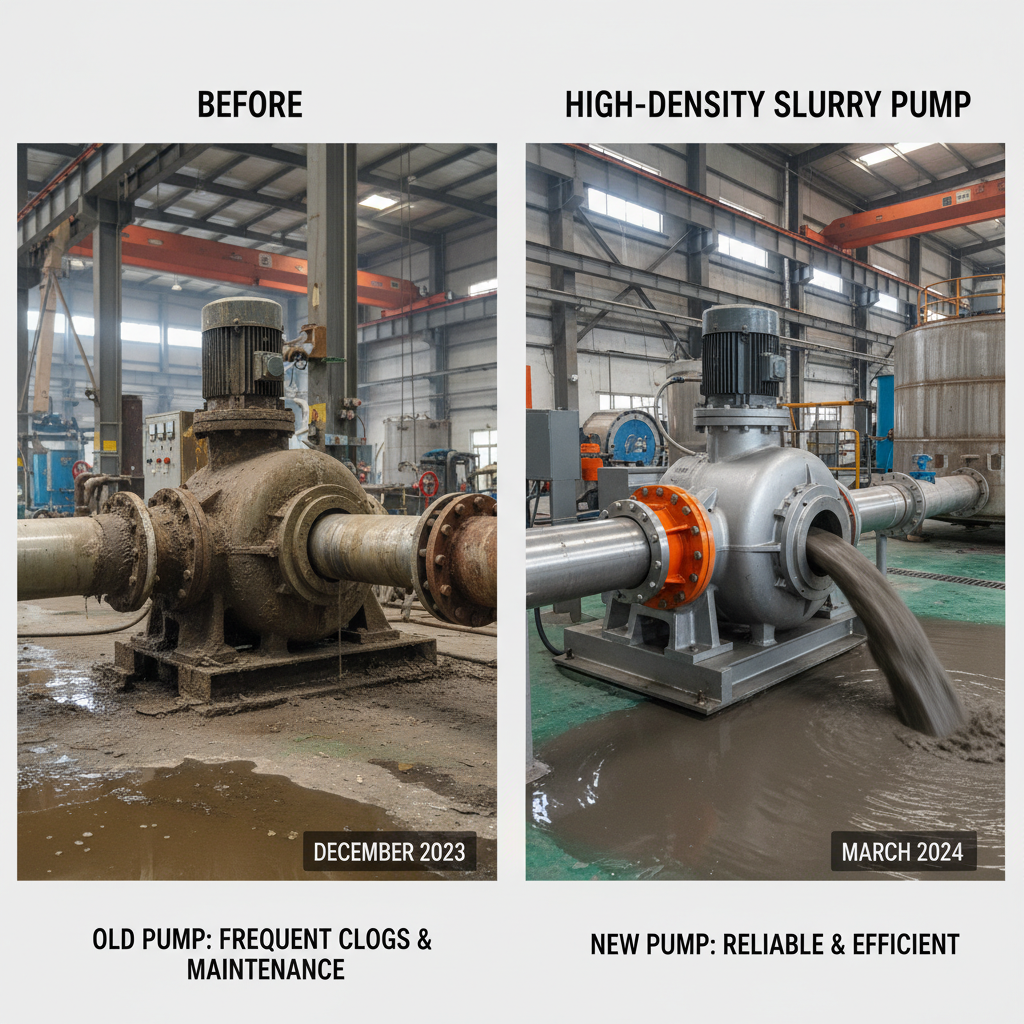
What I've seen over the years is that cheaping out on a pump is a false economy. You spend more on man-hours clearing blockages, repairs, or even bringing in a second pump to compensate for a failing one. A heavy duty submersible slurry pump is an investment, and a smart one at that. It means less babysitting, more consistent performance, and ultimately, a better bottom line. The key is finding one that's not just powerful, but also intelligently designed for the specific slurry you’re dealing with.
Too many manufacturers focus on horsepower alone. That’s like putting a big engine in a flimsy chassis. You need abrasion resistance in the impeller and casing, a robust sealing system, and a motor designed to handle the fluctuating demands of pumping thick, gritty mixtures. And it has to be submersible. Trying to prime a surface pump with that stuff is a nightmare, trust me. I've seen projects held up for days just fighting with priming issues.
The Importance of heavy duty submersible slurry pump in Modern Construction
These pumps aren’t just for big construction projects anymore. With increasing urbanization and a focus on responsible waste management, the demand for reliable slurry handling is growing globally. The UN estimates that global construction output will reach $18.5 trillion by 2030, and a significant portion of that relies on efficient slurry removal. Without effective heavy duty submersible slurry pump solutions, projects face delays, environmental concerns, and increased costs.
What I see on sites is that properly specified pumps improve site safety, reduce environmental impact, and overall contribute to a more efficient workflow. It's not about just moving the slurry; it's about doing it safely and responsibly. That's where the investment in a quality pump really pays off.
Defining heavy duty submersible slurry pump: A Practical Overview
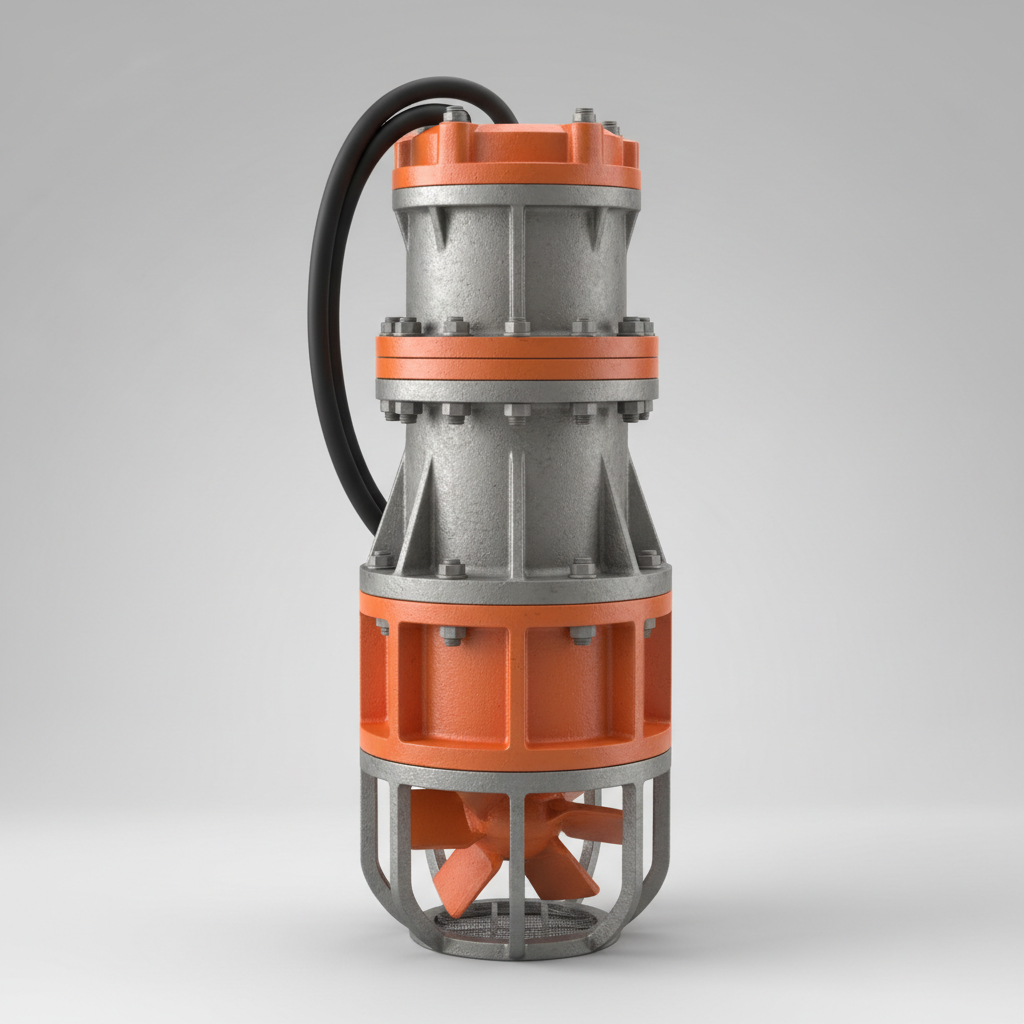
Simply put, a heavy duty submersible slurry pump is designed to move liquids containing a high concentration of solids – everything from sand and gravel to mud, sludge, and chemical mixtures. The ‘submersible’ part means the entire pump unit is designed to be submerged in the slurry, eliminating the need for priming and reducing the risk of cavitation. It’s a huge advantage when you're dealing with difficult-to-handle materials.
The difference between a standard water pump and a slurry pump is crucial. Standard pumps aren’t built to withstand the abrasion and impact of solids. Slurry pumps have hardened components – impellers, casings, and seals – specifically engineered to resist wear and tear. They also often feature larger solids handling capabilities.
This technology is vital for countless industries beyond construction – mining, wastewater treatment, agriculture, even emergency response. It's about dealing with the messy, difficult stuff that keeps the world moving. The ability to handle these materials efficiently directly impacts productivity and minimizes environmental risks.
Key Features of Robust heavy duty submersible slurry pump Systems
Durability is paramount. You want a pump built with high-chromium alloy or ceramic components to resist abrasion. I’ve seen pumps with polyurethane linings that hold up remarkably well in particularly harsh environments. The casing needs to be thick and robust, capable of withstanding the pressure and impact of the slurry. heavy duty submersible slurry pump selection often comes down to matching material to the slurry.
Sealing systems are another critical area. A good pump will have multiple mechanical seals, often with an oil-filled barrier, to prevent slurry from entering the motor and causing damage. Leaks are a nightmare, not only because they cause downtime but also because they can pose an environmental hazard.
Finally, the motor itself needs to be designed for the demanding conditions. Look for a submersible motor with a robust cooling system and overload protection. The motor's efficiency also impacts energy consumption, which can add up over time. A well-designed motor will run cooler and last longer.
Performance Metrics for heavy duty submersible slurry pump Selection
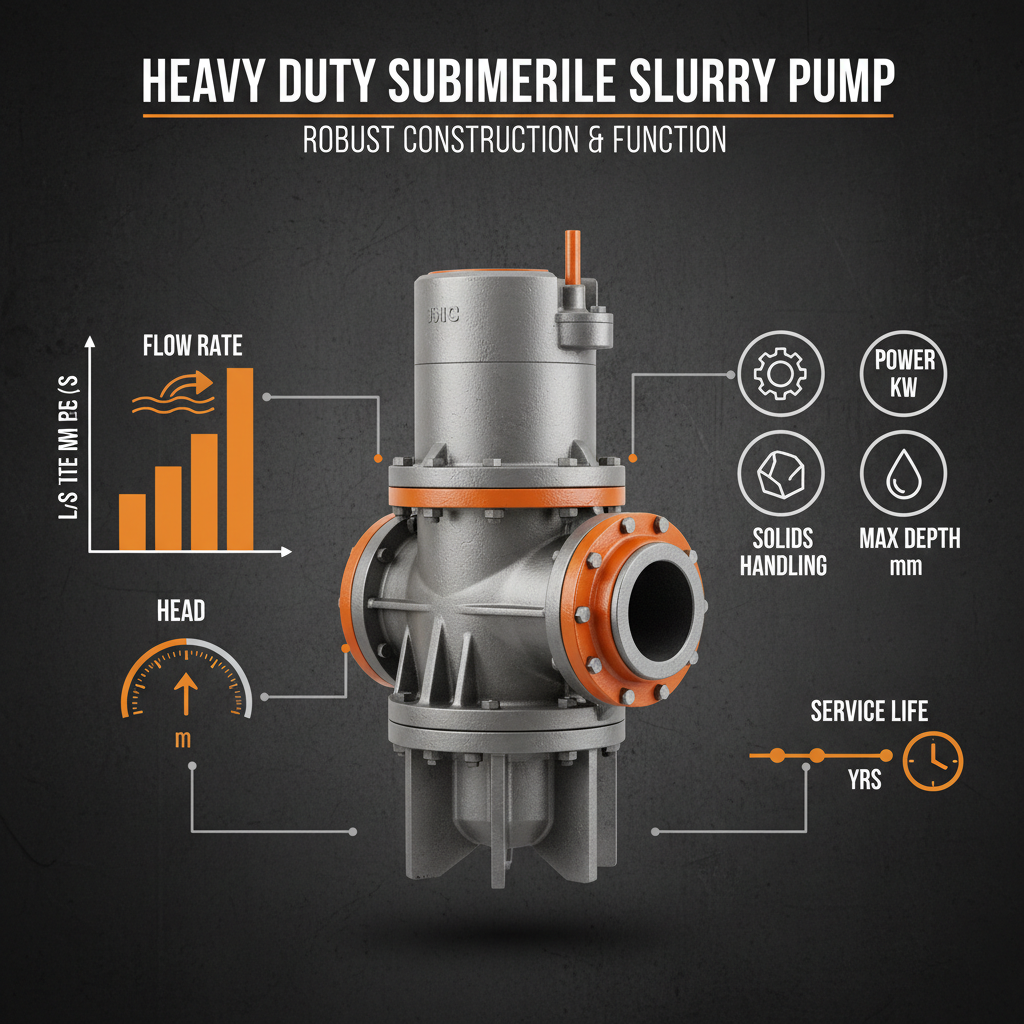
When I'm spec'ing a pump, I don't just look at the horsepower. Flow rate (gallons per minute or cubic meters per hour) is crucial, but it needs to be matched to the head (the vertical distance the pump needs to lift the slurry). Too little head, and the pump won’t reach its destination. Too much, and it’ll struggle and overheat.
Solids handling capability is another key metric. This tells you the maximum size of solids the pump can pass without clogging. The slurry’s specific gravity (density) also matters. Heavier slurries require more power to move.
Comparison of heavy duty submersible slurry pump Methods
Global Applications of heavy duty submersible slurry pump Technology
In mining operations across South America, heavy duty submersible slurry pump are essential for dewatering tailings ponds and moving slurry to processing plants. In the oil sands of Canada, they handle the thick, abrasive mixtures used in extraction.
Wastewater treatment plants worldwide rely on these pumps to handle sludge and grit. In post-disaster relief operations, they're used to quickly remove floodwater and debris. Even in remote agricultural areas, they’re invaluable for irrigation and drainage.
The Long-Term Value and Cost Savings of heavy duty submersible slurry pump
Investing in a quality heavy duty submersible slurry pump reduces lifecycle costs. Less downtime means fewer delays and lower labor expenses. The increased efficiency translates to energy savings.
Beyond the tangible benefits, there's the peace of mind knowing you have a reliable system that won't fail you when you need it most. That's worth a lot, especially on a critical project. And, from a sustainability perspective, reducing downtime and improving efficiency minimizes waste and environmental impact.
Future Trends and Innovations in heavy duty submersible slurry pump Design
We’re seeing a push towards smarter pumps with integrated sensors and remote monitoring capabilities. This allows for predictive maintenance – identifying potential problems before they cause a failure. Variable frequency drives (VFDs) are becoming more common, allowing operators to adjust pump speed and flow rate to optimize energy consumption.
There's also a focus on developing more abrasion-resistant materials, like advanced ceramics and composites. And, as the world moves towards greater sustainability, we'll see more energy-efficient pump designs and a greater emphasis on minimizing environmental impact.
Finally, the integration of AI and machine learning is starting to emerge, allowing pumps to adapt to changing slurry conditions and optimize performance in real-time.
Summary of Considerations for heavy duty submersible slurry pump Implementation
| Slurry Composition |
Pump Material |
Maintenance Schedule |
Operational Costs |
| High Solids Content (sand, gravel) |
High-Chromium Alloy |
Monthly Seal Inspection |
$500/month |
| Corrosive Chemicals |
Stainless Steel |
Bi-Annual Motor Checkup |
$750/month |
| Fine Sludge (wastewater) |
Polyurethane Lining |
Quarterly Impeller Inspection |
$300/month |
| Abrasive Mining Tailings |
Ceramic Components |
Annual Full System Overhaul |
$1000/month |
| Variable Solids Concentration |
Hybrid Material Construction |
Regular Performance Monitoring |
$600/month |
| High Temperature Slurry |
Heat-Resistant Alloy |
Cooling System Maintenance |
$800/month |
FAQS
Lifespan varies greatly depending on the slurry composition, operating conditions, and maintenance schedule. Generally, with proper care, you can expect 5-10 years of reliable service. However, highly abrasive slurries will shorten the lifespan, necessitating more frequent component replacements. Regular inspection and preventative maintenance are critical for maximizing pump life.
Selecting the right size involves considering flow rate, head (vertical lift), and the specific gravity of the slurry. You need to accurately estimate the volume of slurry you need to move per unit of time and the height it needs to be lifted. Oversizing can lead to inefficient energy consumption, while undersizing can cause pump overload and premature failure. Consulting with a pump specialist is highly recommended.
Regular maintenance includes inspecting the mechanical seals, checking the impeller for wear, lubricating bearings, and monitoring the motor for overheating. Regularly flushing the pump with clean water can help prevent buildup of solids. Keep detailed records of maintenance activities to track pump performance and identify potential issues early on.
Always disconnect the pump from the power source before performing any maintenance. Wear appropriate personal protective equipment (PPE), including gloves, safety glasses, and boots. Be aware of the potential for hazardous materials in the slurry and follow all relevant safety regulations. Ensure the pump is properly grounded to prevent electrical shock.
Common causes include abrasion of impeller and casing, seal failure, motor burnout due to overheating, and clogging from oversized solids. Preventive maintenance, proper pump selection, and careful monitoring of operating conditions can significantly reduce the risk of failure.
A more efficient pump consumes less energy, reducing operating costs. It also minimizes wear and tear on components, extending the pump's lifespan and reducing maintenance requirements. While a more efficient pump may have a higher initial cost, the long-term savings in energy and maintenance can often outweigh the investment.
Conclusion
Ultimately, a heavy duty submersible slurry pump is much more than just a machine; it’s a critical component of any operation that deals with abrasive materials. Choosing the right pump, based on a thorough understanding of the application and a commitment to preventative maintenance, is essential for ensuring reliability, efficiency, and safety. It’s an investment that pays dividends in reduced downtime, lower operating costs, and a more sustainable operation.
Looking ahead, we’ll see continued innovation in pump design, driven by the need for greater efficiency, reduced environmental impact, and smarter operation. By embracing these advancements and prioritizing preventative maintenance, we can unlock the full potential of this technology and ensure projects are completed on time, on budget, and with minimal disruption. Visit our website at www.aierpumps.com to learn more about our range of solutions.