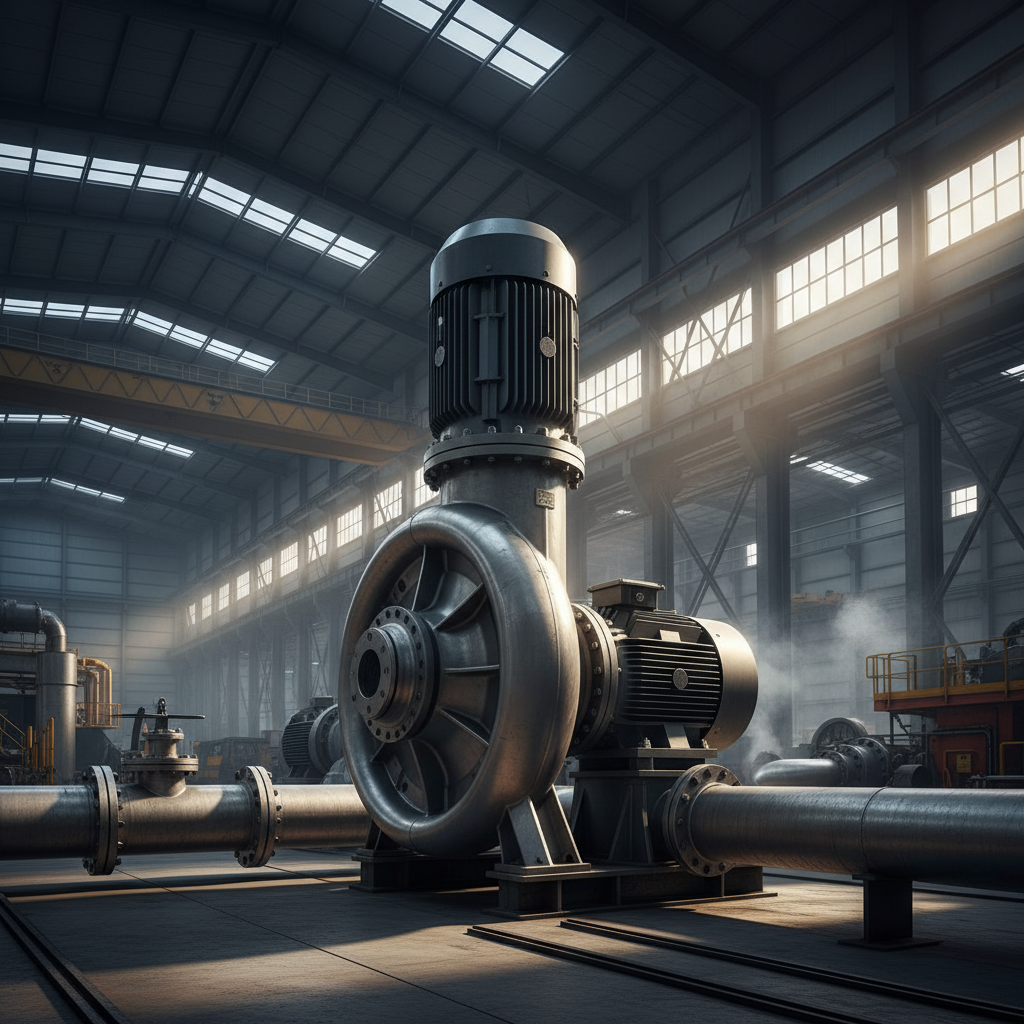
Look, I’ve spent the last fifteen years knee-deep in mud on construction sites, wrestling with pumps of every kind. And let me tell you, when things get real – when you're dealing with thick slurry, abrasive materials, and a ticking clock – a reliable diesel slurry pump isn’t just a piece of equipment, it's a lifeline. We're talking about keeping projects moving, preventing costly downtime, and, frankly, getting everyone home safe. It’s not about flashy specs; it’s about getting the job done, day in and day out.
What I’ve seen over the years is that most guys underestimate the sheer punishment these pumps take. It’s not just about flow rate; it's the material itself. Sand, gravel, even concrete… it chews up standard pumps. A good diesel slurry pump is built to handle that, designed to withstand constant abrasion and maintain consistent performance. It’s about minimizing wear and tear, maximizing uptime, and reducing the headaches of constant repairs.
And it's not always about massive operations, either. I’ve seen these pumps used in everything from dewatering excavation sites to handling tailings in mining operations. The versatility is key. The ability to run independently, without relying on grid power, is a huge advantage on remote sites. It’s a self-contained solution that delivers the power you need, when and where you need it.
The Importance of Diesel Slurry Pumps in Modern Industry
The global construction, mining, and wastewater treatment industries rely heavily on efficient material handling. Increasingly, operators are turning to diesel slurry pumps to meet these demands. According to a recent report by the World Bank, infrastructure development in emerging economies is projected to require over $1 trillion in investment annually. This translates to a significant need for robust and reliable pumping solutions, particularly in areas lacking consistent grid power.
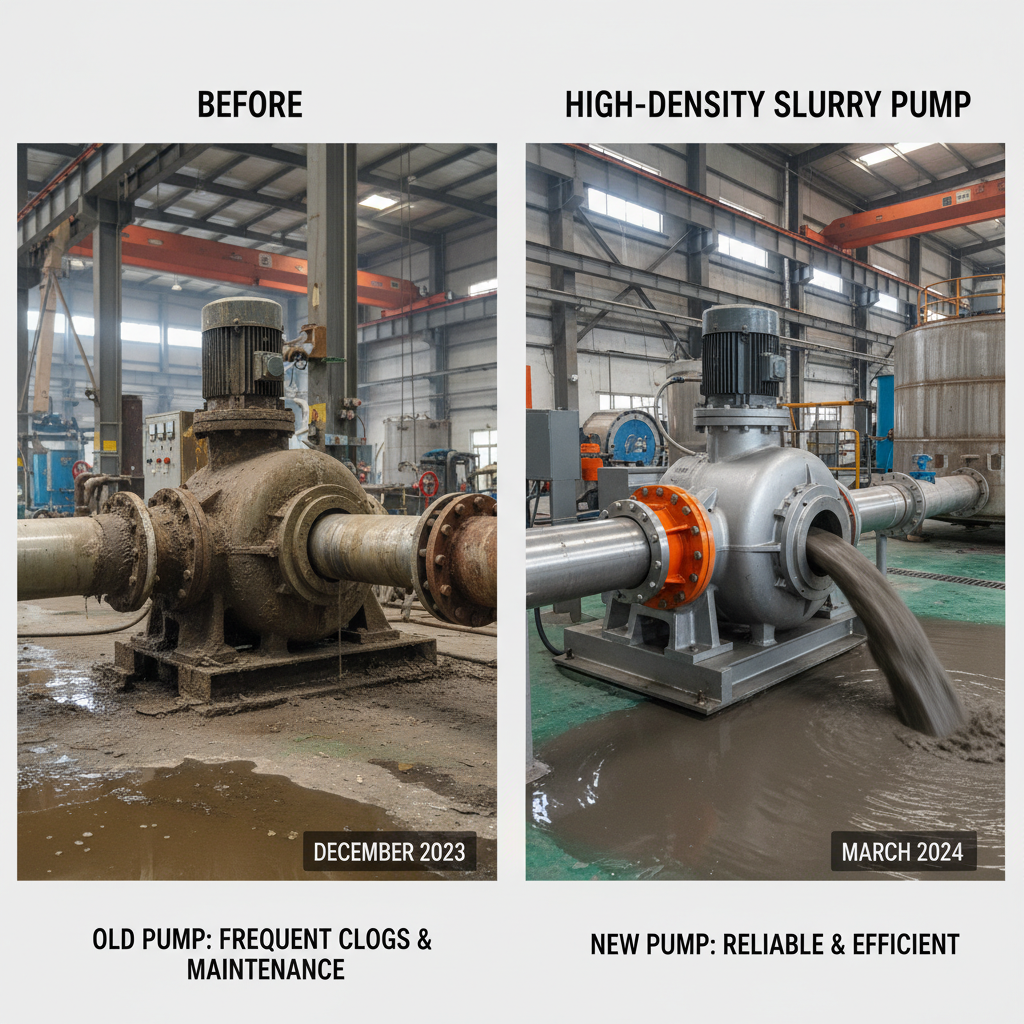
The problem is, standard pumps simply can’t cut it when dealing with abrasive materials and challenging conditions. This leads to frequent breakdowns, costly repairs, and project delays. That’s where the specialized design of a diesel slurry pump makes all the difference. They're engineered to handle the toughest jobs, ensuring continuous operation and minimizing downtime – a crucial factor in maintaining project timelines and budgets.
Defining Diesel Slurry Pumps and Their Role
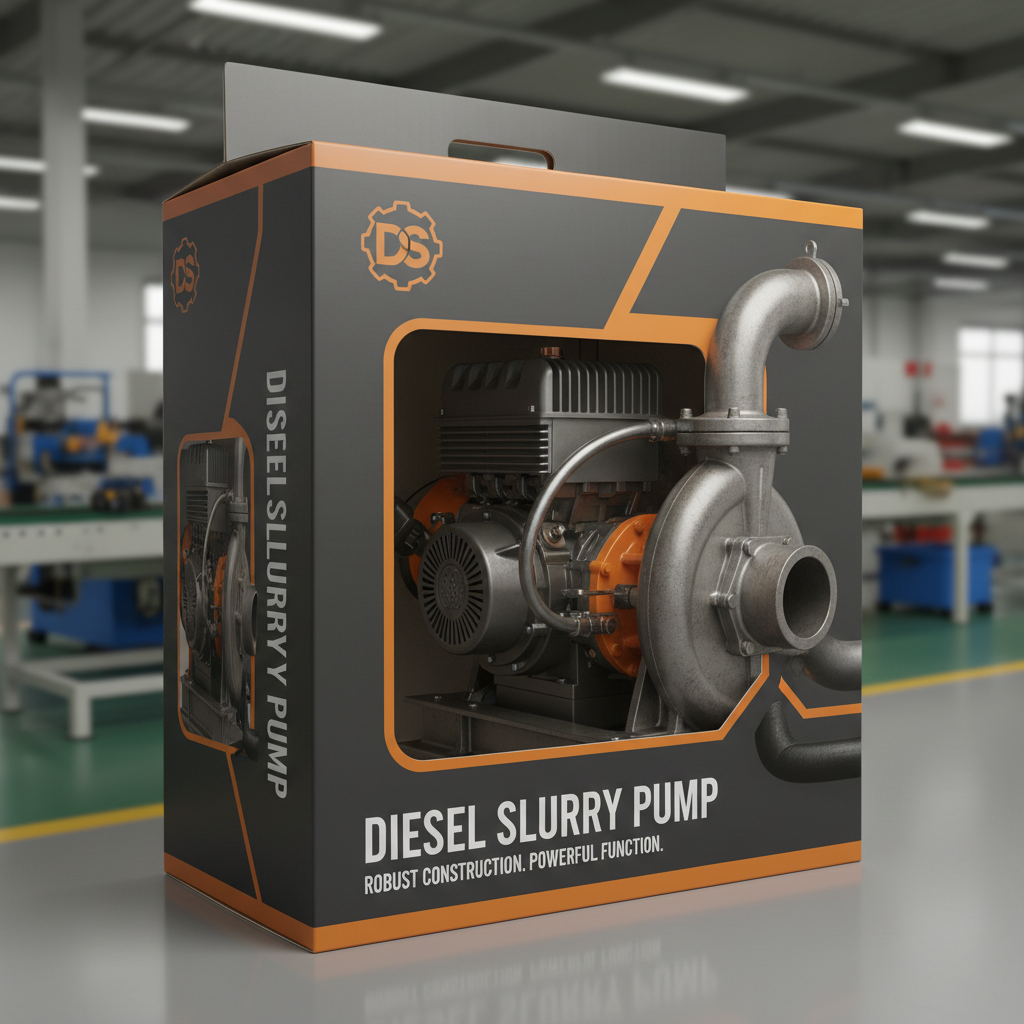
Essentially, a diesel slurry pump is a self-contained pumping system designed to move liquids containing a high concentration of solid particles – the "slurry." Unlike standard water pumps, these are built with robust components capable of withstanding abrasive wear and preventing clogging. The diesel engine provides the power, making them ideal for remote locations or situations where electricity isn't readily available.
Their role extends far beyond simply transferring liquids. In the construction industry, they're critical for dewatering excavation sites, removing sediment, and handling concrete washout. In mining, they’re used for processing tailings and transporting mineral concentrates. Even in environmental applications, they play a vital role in wastewater treatment and sludge removal.
Think of it like this: a regular pump is a family sedan – good for everyday use. A diesel slurry pump is an off-road truck – built to tackle the toughest terrain and haul heavy loads. The connection to modern industry and even humanitarian needs is clear: they allow us to manage resources, build infrastructure, and protect the environment, even in the most challenging circumstances.
Key Components and Operational Factors
The heart of any diesel slurry pump is its impeller. Unlike the smooth impellers found in standard pumps, slurry pump impellers are often designed with a more open configuration, and are crafted from hardened materials like high-chrome alloys, to resist wear and prevent clogging. The casing is equally important, often built with a thick, durable lining to protect against abrasion.
Beyond the core components, operational factors are crucial. The slurry's characteristics – particle size, density, and abrasiveness – all impact pump performance and lifespan. Proper priming is essential to prevent cavitation and damage. Regular maintenance, including impeller inspection and seal replacement, is non-negotiable. Ignoring these factors can lead to premature failure and costly repairs.
Finally, the diesel engine itself needs to be reliable and efficient. Look for pumps with engines known for their durability and fuel efficiency. The engine's power output must be appropriately matched to the pump's capacity and the slurry's characteristics. It’s a whole system, and all parts need to work together.
Performance Metrics and Efficiency Considerations
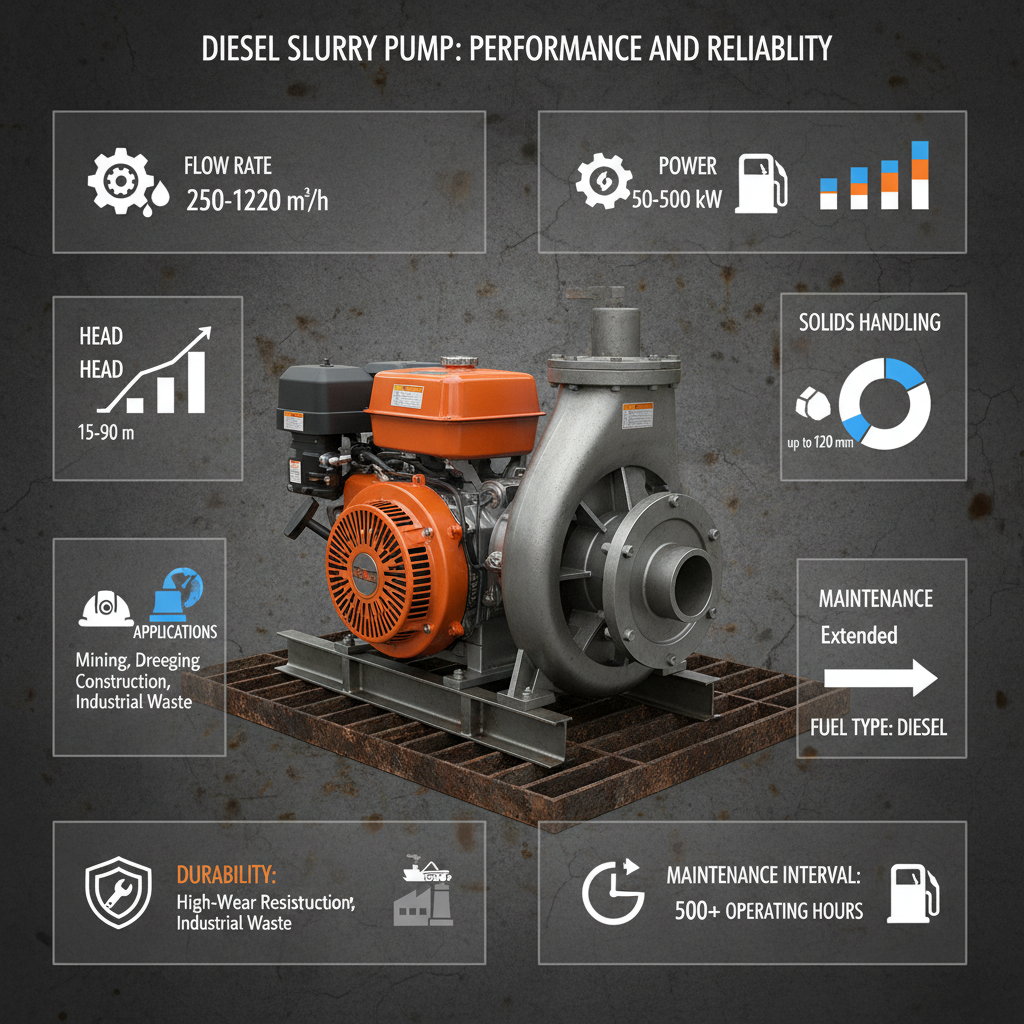
When evaluating a diesel slurry pump, flow rate and head (the height to which the pump can lift the slurry) are the primary performance metrics. But don’t stop there. You need to consider the pump's efficiency – how much energy it consumes to deliver that flow and head. A more efficient pump translates to lower fuel costs and reduced emissions.
Also, look at the pump’s solids handling capacity. This specifies the maximum size and concentration of solid particles the pump can handle without clogging. A higher solids handling capacity means less downtime for clearing obstructions.
Diesel Slurry Pump Efficiency Comparison
Global Applications and Real-World Use Cases
I've seen diesel slurry pumps in action all over the world. In remote mining operations in Australia, they’re essential for processing ore and managing tailings. In post-disaster relief efforts in Southeast Asia, they’ve been used to quickly dewater flooded areas and remove debris.
In the construction of large-scale infrastructure projects, like tunnels and dams, they're crucial for handling the massive amounts of slurry generated during excavation. In the oil sands of Canada, they play a vital role in separating oil from the sand and clay mixture. And even in environmental remediation projects, they're used to remove contaminated sediment from waterways.
Long-Term Value and Economic Benefits
The initial cost of a diesel slurry pump can be higher than a standard pump, but the long-term value far outweighs the upfront investment. The reduced downtime, lower maintenance costs, and increased efficiency translate into significant savings over the pump's lifespan.
Beyond the direct economic benefits, there's also the issue of safety. A reliable pump minimizes the risk of equipment failure, which can create hazardous conditions for workers. And from a sustainability standpoint, a more efficient pump reduces fuel consumption and emissions, contributing to a smaller environmental footprint.
Ultimately, a good slurry pump isn’t just a piece of machinery; it’s an investment in productivity, safety, and sustainability. It's a key component of a successful operation.
Future Trends and Technological Advancements
We’re starting to see a shift towards more intelligent diesel slurry pumps, equipped with sensors and remote monitoring capabilities. This allows operators to track pump performance in real-time, identify potential issues before they become major problems, and optimize operation for maximum efficiency.
There's also increasing interest in hybrid power systems, combining diesel engines with battery technology to reduce fuel consumption and emissions. And advancements in materials science are leading to the development of even more durable and abrasion-resistant pump components.
The future of slurry pumping is about smart, sustainable, and reliable solutions. It's about leveraging technology to improve efficiency, reduce costs, and minimize environmental impact.
Core Analysis of Future Trends and Challenges in Diesel Slurry Pump Technology
| Technology Area |
Current Status |
Potential Impact on Diesel Slurry Pumps |
Implementation Challenges |
| Sensor Integration |
Early stage adoption of vibration, pressure, and flow sensors. |
Predictive maintenance, optimized performance, reduced downtime. |
Data security, sensor reliability in harsh environments, integration complexity. |
| Hybrid Power Systems |
Prototype systems combining diesel and battery power. |
Reduced fuel consumption, lower emissions, improved energy efficiency. |
Battery cost, battery lifespan, weight and size of battery packs. |
| Advanced Materials |
Ongoing research into high-chrome alloys and ceramic coatings. |
Increased abrasion resistance, extended component lifespan, reduced maintenance. |
Material cost, manufacturing complexity, compatibility with existing designs. |
| Remote Monitoring |
Cloud-based platforms for real-time pump monitoring and data analysis. |
Improved operational efficiency, faster response to failures, remote diagnostics. |
Connectivity issues in remote locations, data privacy concerns, cybersecurity threats. |
| Automated Controls |
Limited use of automated controls for pump start/stop and flow regulation. |
Reduced operator intervention, optimized performance based on real-time conditions. |
Control system complexity, reliability of automation components, safety considerations. |
| Digital Twins |
Emerging concept of creating virtual replicas of pumps for simulation and analysis. |
Improved design optimization, predictive maintenance, enhanced training and troubleshooting. |
Data accuracy, computational requirements, model validation. |
FAQS
The lifespan of a diesel slurry pump really depends on how it's used and maintained, but with regular maintenance – impeller checks, seal replacements, and engine servicing – you can realistically expect 5,000 to 10,000 hours of operation. More abrasive applications will shorten that, obviously. Proper operation, avoiding dry running, and timely repairs are crucial.
There’s no hard and fast rule. It depends on the slurry composition and operating hours. However, a good rule of thumb is to inspect the impeller every 500 hours of operation, and replace it when you notice significant wear or erosion. Look for reduced performance or increased vibration as indicators. Ignoring this can lead to catastrophic failure.
Generally, you want to use a high-quality, low-sulfur diesel fuel. Sulfur can contribute to engine wear and corrosion. Using fuel with a cetane number appropriate for your engine’s specifications is also important for efficient combustion. Avoid contaminated fuel, as it can quickly damage the fuel injectors and other engine components.
Priming is critical! Always follow the manufacturer's instructions. Typically, you'll need to fill the pump casing and suction line with slurry before starting the engine. Some pumps have self-priming capabilities, but it’s still good practice to ensure the casing is full. Avoid running the pump dry, as this can severely damage the seals and impeller.
Loss of suction could be caused by several things. Check for air leaks in the suction line, a clogged impeller, or a blocked suction strainer. Also, verify that the slurry level in the source is sufficient. If the problem persists, inspect the pump casing and seals for wear or damage. Remember to isolate the pump before performing any repairs.
Absolutely. Always wear appropriate personal protective equipment (PPE), including safety glasses, gloves, and steel-toe boots. Ensure the pump is properly grounded to prevent electrical shock. Be aware of the surrounding environment and keep unauthorized personnel away from the pump. And always follow the manufacturer’s safety guidelines.
Conclusion
From the mud and grit of construction sites to the demands of remote mining operations, the diesel slurry pump remains an indispensable tool. Its ability to handle abrasive materials, operate independently, and deliver reliable performance makes it a cornerstone of numerous industries. Understanding its core components, operational factors, and future trends is essential for anyone involved in material handling.
Looking ahead, advancements in sensor technology, hybrid power systems, and materials science promise even greater efficiency, reliability, and sustainability. By embracing these innovations and prioritizing proper maintenance, we can ensure that these pumps continue to meet the evolving demands of a globalized and increasingly challenging world. For reliable and robust diesel slurry pump solutions, visit our website: www.aierpumps.com.