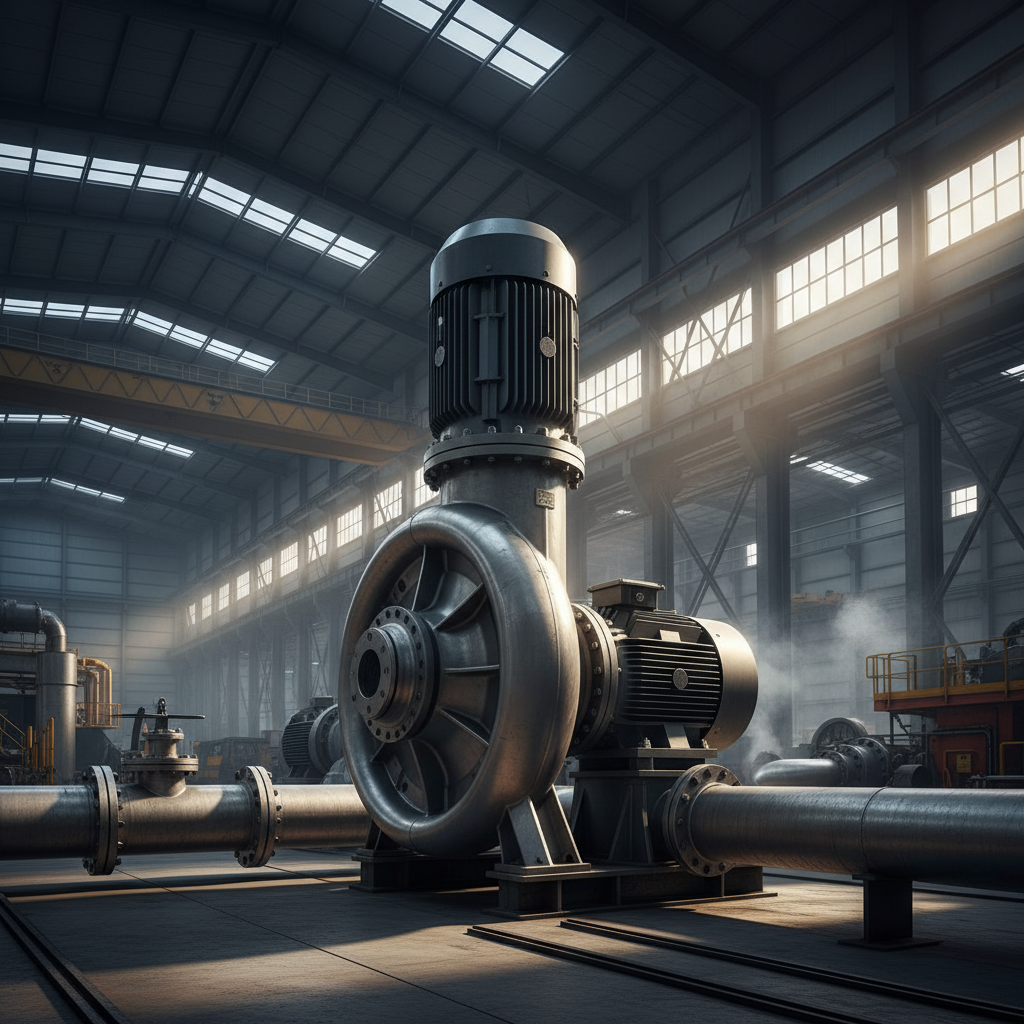
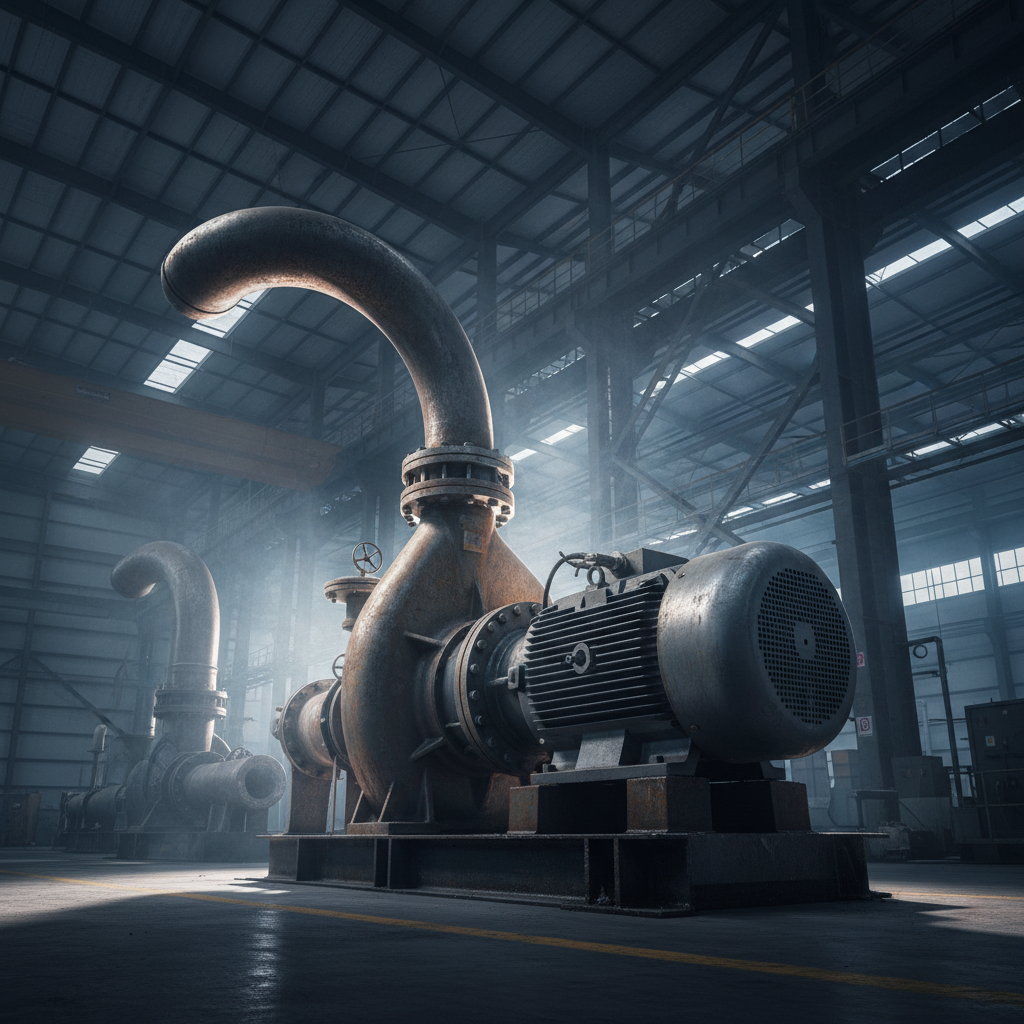
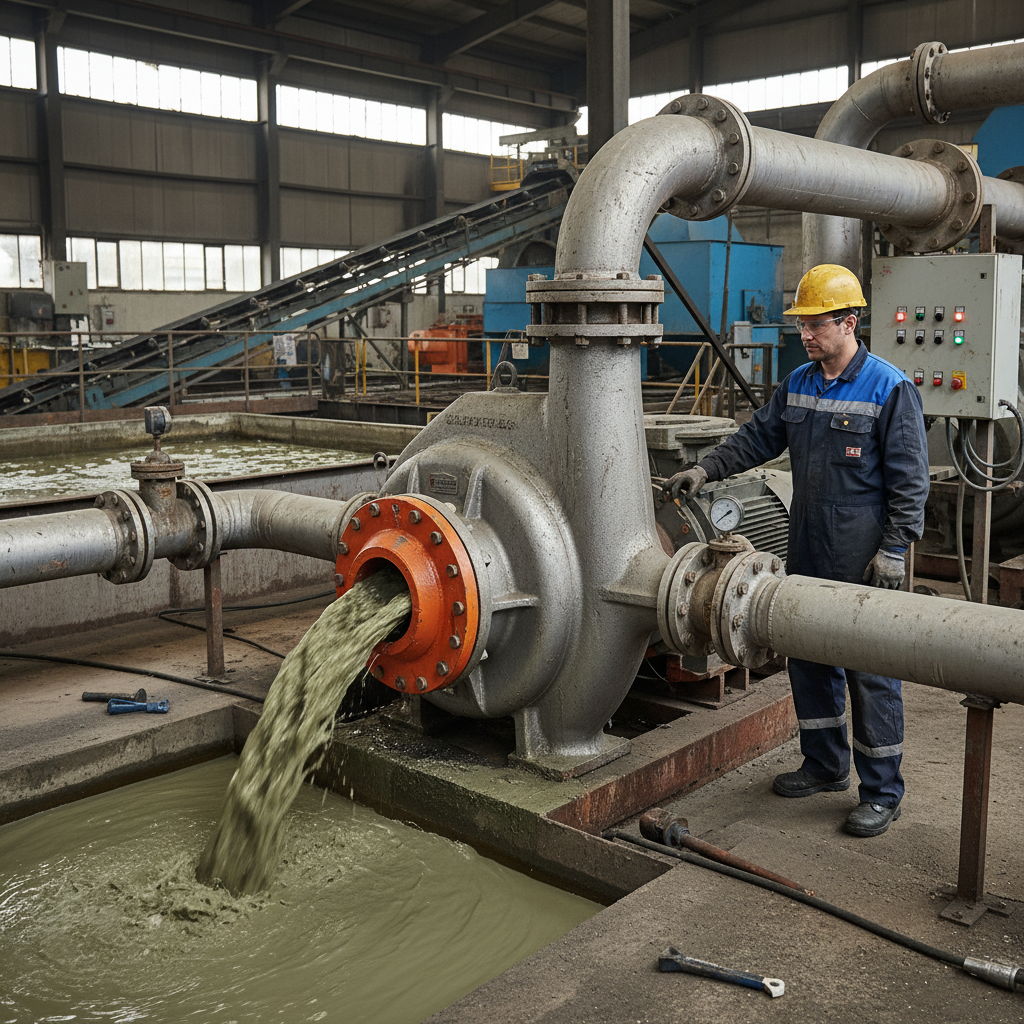
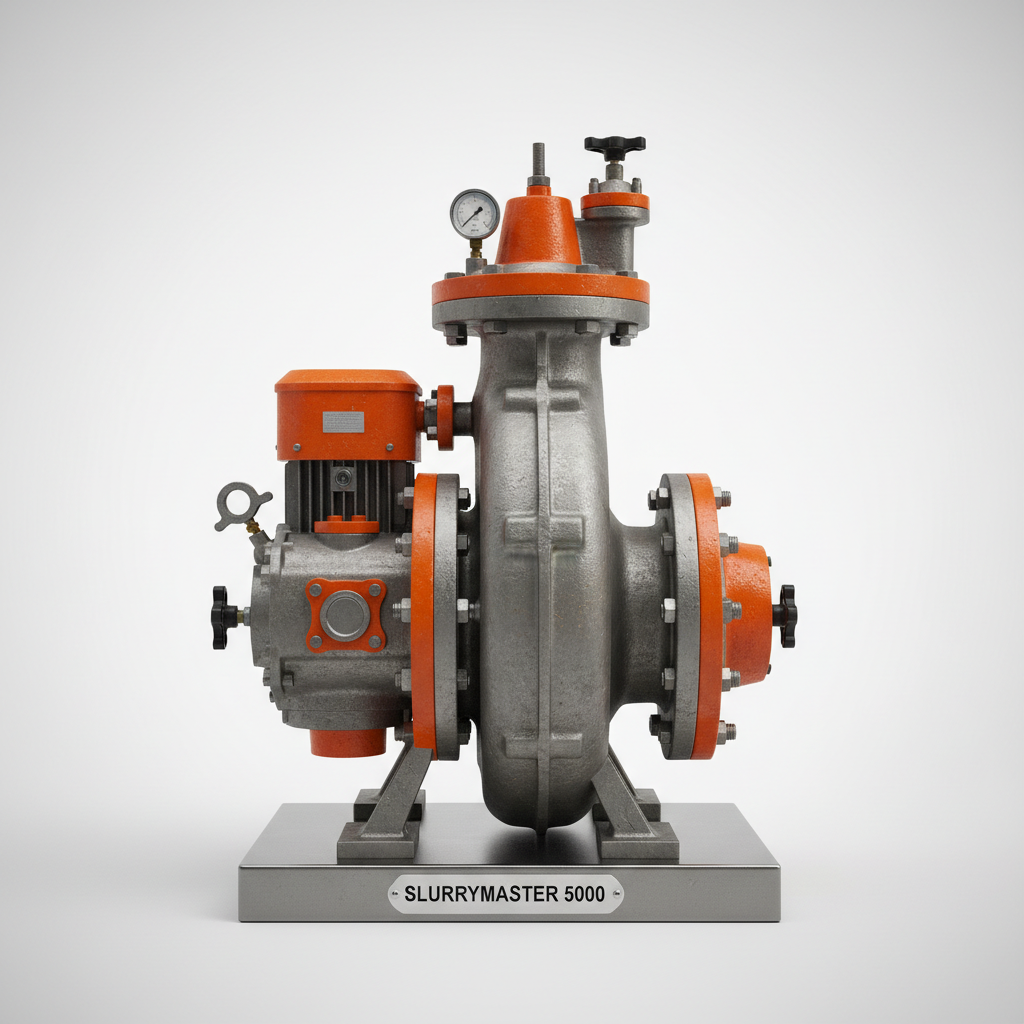
Centrifugal wastewater pumps are crucial components in modern infrastructure, playing a vital role in the safe and efficient management of wastewater across diverse applications. From municipal sewage treatment plants to industrial facilities and agricultural operations, these pumps are designed to move large volumes of liquid containing solids, making them indispensable for public health and environmental protection. Understanding the principles, capabilities, and advancements in centrifugal wastewater pump technology is increasingly important as global populations grow and environmental regulations become more stringent.
The escalating challenges of water scarcity and pollution have underscored the significance of effective wastewater treatment and reuse. Centrifugal wastewater pumps, specifically engineered to handle abrasive and corrosive fluids, are at the heart of these processes. The global wastewater treatment market is experiencing substantial growth, driven by factors such as increasing urbanization, industrial expansion, and a heightened awareness of sustainable water management practices. This creates a growing demand for robust and reliable centrifugal wastewater pumps that can meet evolving industry standards.
Investing in a deep understanding of these pumps – their operation, maintenance, and selection criteria – translates to optimized performance, reduced operational costs, and minimized environmental impact. This knowledge empowers professionals and organizations to make informed decisions, contribute to sustainable development, and safeguard public health in an increasingly water-stressed world.
Introduction to Centrifugal Wastewater Pumps
Centrifugal wastewater pumps represent a cornerstone in the effective handling and treatment of municipal and industrial wastewater. Their design leverages centrifugal force to efficiently move fluids containing solids, making them suitable for a wide range of demanding applications. The inherent simplicity of the design, combined with robust construction, ensures reliable operation and minimizes maintenance requirements.
These pumps are integral to preventing environmental contamination and safeguarding public health. By reliably moving wastewater to treatment facilities, they allow for the removal of harmful pollutants and the safe discharge or reuse of treated water. The widespread adoption of centrifugal wastewater pump systems reflects their proven performance and cost-effectiveness in addressing critical wastewater management challenges.
Defining Centrifugal Wastewater Pumps
A centrifugal wastewater pump is a type of rotodynamic pump that uses a rotating impeller to increase the velocity of a fluid. This increased velocity is then converted to pressure, allowing the pump to move liquids from a lower elevation to a higher elevation, or over a long distance. Unlike positive displacement pumps, centrifugal pumps are non-positive displacement, meaning their flow rate varies depending on the system pressure.
Specifically designed for wastewater, these pumps incorporate features to handle solids, abrasive materials, and corrosive substances often found in sewage, industrial effluent, and other wastewater streams. Key design elements include open impellers, wear-resistant materials, and robust sealing systems to prevent leakage and ensure long-term reliability.
The application of centrifugal wastewater pump technology extends beyond simply moving water; it's about facilitating responsible water management, enabling sustainable industrial processes, and protecting the environment. Their ability to handle complex fluids makes them essential for a wide range of industries and communities worldwide.
Core Components and Design Features
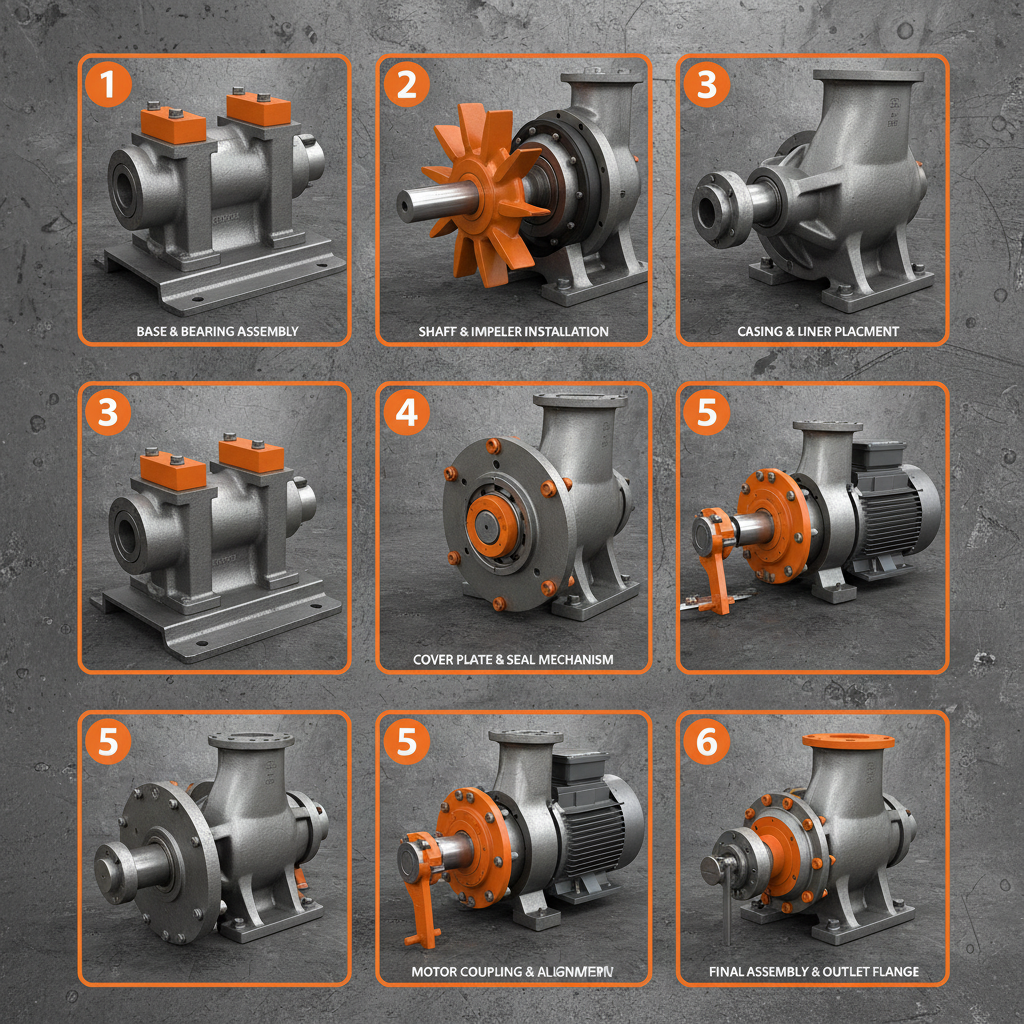
The effectiveness of a centrifugal wastewater pump hinges on several key components. The impeller, the rotating element, is responsible for imparting energy to the fluid. The volute casing surrounds the impeller and converts the velocity energy into pressure energy. A robust shaft connects the impeller to the motor, transmitting the rotational force. Seals are critical for preventing leakage and maintaining pump efficiency.
The design features are particularly important in wastewater applications. Open or semi-open impellers are used to prevent clogging from solids. Materials like stainless steel, hardened iron, and specialized polymers are selected for their resistance to corrosion and abrasion. The casing is often designed with larger passageways to accommodate solid particles. Furthermore, advanced hydraulic designs optimize pump efficiency and reduce energy consumption.
The selection of the right materials and design features for a specific application is paramount. Factors such as the size and type of solids present in the wastewater, the chemical composition of the fluid, and the required flow rate and pressure all influence the optimal pump configuration.
Key Performance Characteristics
Several key performance characteristics define the suitability of a centrifugal wastewater pump for a given application. Head, measured in feet or meters, represents the maximum height the pump can lift the fluid. Flow rate, typically expressed in gallons per minute (GPM) or liters per second (LPS), indicates the volume of fluid the pump can deliver.
Efficiency, expressed as a percentage, reflects how effectively the pump converts energy into fluid power. The pump curve, a graphical representation of head versus flow rate, provides valuable insight into the pump's performance across its operating range. NPSH (Net Positive Suction Head) is a critical parameter that indicates the minimum pressure required at the pump inlet to prevent cavitation.
Centrifugal Wastewater Pump Performance Comparison
Global Applications in Wastewater Management
Centrifugal wastewater pumps find widespread application across numerous sectors globally. Municipal wastewater treatment plants rely heavily on these pumps for conveying sewage, sludge, and treated effluent. Industrial facilities, including power plants, chemical processing plants, and food processing facilities, utilize them for managing industrial wastewater.
In agriculture, centrifugal pumps are employed for irrigation and drainage systems, handling water containing agricultural runoff. Mining operations use them for dewatering and slurry transport. Emergency response teams deploy portable centrifugal pumps in flood control and disaster relief situations. From densely populated urban centers to remote rural communities, centrifugal wastewater pump systems are essential for safeguarding water resources and protecting public health.
Advantages and Long-Term Value Proposition
The advantages of utilizing centrifugal wastewater pumps are manifold. Their relatively simple design translates to lower initial costs and reduced maintenance requirements. Their ability to handle large volumes of fluid efficiently contributes to lower energy consumption and operational expenses. Their robustness and durability ensure a long service life, maximizing return on investment.
Beyond the economic benefits, these pumps offer significant environmental advantages. They enable effective wastewater treatment, minimizing pollution and protecting water resources. Their reliability reduces the risk of system failures and environmental spills. Investing in high-quality centrifugal wastewater pump systems demonstrates a commitment to sustainability and responsible environmental stewardship.
The long-term value extends beyond cost savings and environmental protection. Reliable wastewater management safeguards public health, promotes economic development, and enhances the quality of life for communities worldwide.
Future Trends and Technological Advancements
The future of centrifugal wastewater pump technology is characterized by a focus on increased efficiency, improved reliability, and enhanced monitoring capabilities. Advancements in materials science are leading to the development of even more corrosion-resistant and abrasion-resistant pump components.
Digitalization is playing a crucial role, with the integration of sensors, data analytics, and remote monitoring systems enabling predictive maintenance and optimized pump performance. Variable frequency drives (VFDs) are becoming increasingly common, allowing for precise control of pump speed and flow rate to match varying demand.
Further innovation is expected in areas such as energy recovery systems, which can harness the energy from wastewater flow to reduce overall energy consumption. These advancements will contribute to more sustainable and cost-effective wastewater management solutions.
Summarizing Core Challenges and Solutions in Centrifugal Wastewater Pump Technology
| Challenge |
Impact on Performance |
Proposed Solution |
Implementation Cost (1-10) |
| Clogging from Solids |
Reduced Flow Rate, Increased Energy Consumption |
Open or Semi-Open Impellers, Robust Screening Systems |
4 |
| Corrosion and Abrasion |
Reduced Pump Life, Increased Maintenance Costs |
Specialized Materials (Stainless Steel, Polymers) |
7 |
| Cavitation |
Pump Damage, Reduced Efficiency |
Optimized Pump Design, Proper NPSH Calculation |
5 |
| Energy Inefficiency |
High Operating Costs, Increased Carbon Footprint |
Variable Frequency Drives (VFDs), High-Efficiency Motors |
6 |
| Lack of Real-Time Monitoring |
Reactive Maintenance, Increased Downtime |
Sensor Integration, Remote Monitoring Systems |
8 |
| Seal Failure |
Leakage, Environmental Contamination |
Advanced Seal Designs, Regular Seal Inspections |
3 |
FAQS
The lifespan of a centrifugal wastewater pump can vary significantly based on several factors, including the quality of construction, operating conditions, maintenance schedule, and the nature of the wastewater being pumped. However, with proper maintenance and operation, a well-built centrifugal wastewater pump can typically last between 15 to 25 years. Regular inspections, timely repairs, and adherence to manufacturer recommendations are crucial for maximizing pump lifespan.
Selecting the correct size pump requires careful consideration of several parameters, including the required flow rate, total dynamic head (TDH), and the characteristics of the wastewater. First, determine the flow rate needed to meet your application's demands. Then, calculate the TDH, which accounts for elevation changes, friction losses, and pressure requirements. Consult pump performance curves and work with a qualified pump supplier to ensure proper sizing. Oversizing can lead to inefficiency, while undersizing can result in inadequate performance.
When handling corrosive fluids, selecting the appropriate material for the pump components is essential to prevent premature failure. Stainless steel alloys, such as 316 stainless steel, are commonly used due to their excellent corrosion resistance. Specialized polymers, like polypropylene or PVDF, are also suitable for certain corrosive environments. The specific material selection should be based on the chemical composition of the wastewater and the level of corrosion expected. Consulting with a materials expert is highly recommended.
Preventive maintenance is crucial for ensuring the reliable operation of a centrifugal wastewater pump. A recommended schedule includes weekly visual inspections for leaks or unusual noises, monthly checks of motor amperage and voltage, and annual inspections of bearings, seals, and impellers. Lubrication should be performed as recommended by the manufacturer. Implementing a proactive maintenance program can significantly reduce downtime and extend the pump's lifespan.
Cavitation occurs when the absolute pressure at the pump inlet falls below the vapor pressure of the liquid, causing bubbles to form and collapse. Common causes include insufficient Net Positive Suction Head (NPSH), high liquid temperature, and restrictions in the suction line. Cavitation can damage the impeller and reduce pump efficiency. Ensuring adequate NPSH, minimizing suction line losses, and maintaining appropriate liquid temperature are essential for preventing cavitation.
Several strategies can enhance energy efficiency. Implementing Variable Frequency Drives (VFDs) allows you to adjust pump speed to match demand, reducing energy consumption during periods of low flow. Regularly inspecting and cleaning impellers to remove buildup improves pump efficiency. Optimizing the piping system to minimize friction losses and ensuring proper pump selection for the specific application are also crucial steps. Conducting an energy audit can identify additional opportunities for improvement.
Conclusion
Centrifugal wastewater pumps represent a fundamental technology for managing wastewater effectively and sustainably. Their ability to handle solids, reliability, and relatively low maintenance requirements make them indispensable across a wide range of applications. From municipal treatment plants to industrial facilities, these pumps play a critical role in protecting public health and the environment. Understanding the core principles, key components, and emerging trends in centrifugal wastewater pump technology is essential for professionals involved in water and wastewater management.
Looking ahead, continued innovation in materials, digitalization, and energy efficiency will further enhance the performance and sustainability of these vital systems. Investing in advanced pump technologies and implementing proactive maintenance programs will ensure long-term reliability and minimize environmental impact. For more information and to explore our range of centrifugal wastewater pump solutions, visit our website today!