

Regional Analysis
The Industrial Pumping Landscape in Egypt
Analyzing the intersection of geography and industrial demand for fluid handling.
Egypt's industrial sector is characterized by a heavy reliance on the Nile Delta and various mining operations in the Eastern Desert. The geography dictates a high demand for specialized dredge pump systems used for maintaining canal depths and managing siltation in agricultural irrigation networks. Furthermore, the expansion of urban infrastructure in Cairo and Alexandria has increased the requirement for robust sewage and wastewater management systems capable of handling high sediment loads without failure.
Current market trends show a shift toward sustainability and operational cost reduction. Companies are increasingly moving away from traditional, high-maintenance pumps in favor of energy-efficient, wear-resistant machinery. There is a growing emphasis on "Total Cost of Ownership" (TCO), where the initial investment is weighed against the long-term savings in electricity and downtime. This is particularly evident in the mining sector, where the ability to transport abrasive materials efficiently is a primary competitive advantage.
The outlook for the Egyptian market remains positive, driven by large-scale infrastructure projects and the modernization of industrial zones. However, the primary constraint remains the volatility of operating conditions, such as extreme heat and varying fluid densities. The opportunity lies in deploying intelligent pumping solutions that can adapt to these fluctuations, providing a stable operational baseline for Egyptian industrial operators while minimizing environmental impact through better resource management.
Technology Path
Evolution of Heavy-Duty Pumping Systems
From basic water movement to advanced abrasive material transport.
Early Phase
Standard Hydraulics
Reliance on cast iron pumps for basic water transport. These systems suffered from rapid wear when exposed to any abrasive content, requiring frequent replacement of internals.
Growth Phase
Material Specialization
Introduction of high-chrome alloys and rubber linings. This transition allowed for the handling of actual slurries and sands, enabling more efficient dredging and mining operations.
Current Phase
Precision Optimization
Integration of CFD (Computational Fluid Dynamics) and VSDs. Modern pumps are now tuned for specific fluid densities to maximize energy efficiency and minimize wear.
From General to Specific
The industry has moved from "one-size-fits-all" water pumps to highly specific applications. Today, a sand pump is engineered differently from a sewage pump, focusing on different wear mechanisms and flow characteristics.
Wear Resistance Focus
The focus has shifted from simple "strength" to "abrasion resistance." Advanced metallurgy now allows pump components to last several times longer in high-sand environments, reducing the total cost of maintenance.
Digital Integration
Real-time monitoring of vibration, temperature, and flow rate is becoming standard. This allows for predictive maintenance, where components are replaced just before failure, avoiding costly unplanned downtime.
Future Outlook
Emerging Trends in Global Pump Manufacturing
How technology is redefining the way we move abrasive and hazardous fluids.
Smart Flow Control
The adoption of AI-driven sensors to adjust pump speed based on slurry density in real-time, reducing energy waste and preventing pump cavitation.
Advanced Composite Materials
Moving beyond alloys to ceramic-metal composites that offer near-diamond hardness, drastically extending the life of impellers in extreme mining conditions.
Modular Design Systems
Developing pumps with quick-swap internal cartridges to reduce the time required for overhaul from days to hours, minimizing industrial downtime.
Eco-Friendly Lubrication
Implementation of biodegradable lubricants and sealed systems to prevent soil and water contamination in sensitive ecological zones like the Nile Delta.
The convergence of these trends is leading toward a "Zero-Downtime" operational model. By combining advanced materials with predictive AI, the industry is moving away from reactive repairs. Instead, sensors detect a slight change in the vibration pattern of a sand pump impeller, triggering a scheduled replacement during a natural break in production. This shifts the financial burden from emergency capital expenditure to planned operational expenditure.
Furthermore, global regulations on energy efficiency are forcing manufacturers to redesign pump hydraulics. The new focus is on reducing "internal recirculation" and "turbulence losses," which have traditionally been accepted as inevitable. By using advanced simulation software, engineers can now create pump geometries that maintain high efficiency across a wider range of flow rates, ensuring that equipment remains productive even as the consistency of the pumped slurry changes.
Application Contexts
Practical Deployment Scenarios in Egypt
How our pumping solutions are applied to solve specific regional challenges.
01
Nile River Silt Management for Irrigation
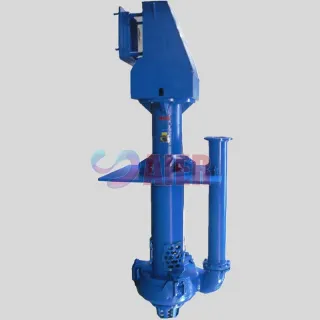
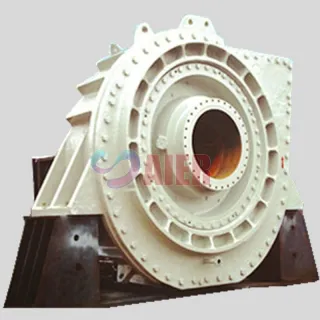
In the agricultural zones of the Delta, silt accumulation blocks critical irrigation channels. A specialized dredge pump is deployed to remove heavy sediment. The local condition involves high organic matter mixed with abrasive sand. By using a wide-channel impeller and wear-resistant liners, the system removes silt without clogging, ensuring water reaches distant fields during the dry season.
02
Mining Tailings Transport in the Eastern Desert
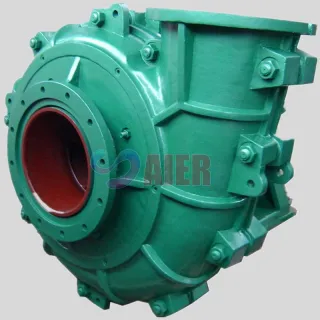
Mining sites in remote desert regions must transport mineral tailings to waste ponds. The slurry is highly abrasive and dense. A heavy-duty slurry pump with high-chrome alloy internals is used to move this material over long distances. The use of VSDs allows the operator to adjust flow based on the ore concentration, reducing energy costs in an area where power is generated via expensive diesel generators.
03
Urban Wastewater Lifting in Alexandria
Coastal cities face a mix of sewage and sand infiltration from beaches. Standard pumps fail due to the abrasive nature of the sand. A vortex-design sewage pump is installed in lifting stations. The design ensures that sand and debris are kept in suspension and moved through the pump without contacting the casing walls, preventing erosion and reducing the need for manual cleaning.
04
Industrial Cooling Water Systems in Suez Canal Zone
Factories in the Suez Canal Economic Zone require massive volumes of water for cooling. The water often contains salinity and fine particulates. High-capacity water pump arrays are deployed. To combat the corrosive saline environment, these pumps feature specialized coatings and stainless steel shafts, ensuring a long service life and reducing the risk of leakage in a high-stakes industrial environment.
05
Construction Site Dewatering for New Administrative Capital
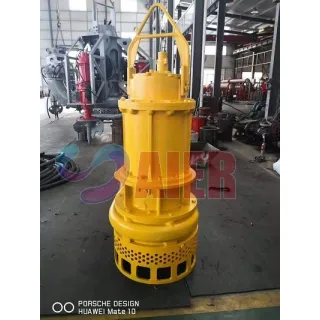
During the construction of Egypt's new capital, deep excavations often hit groundwater mixed with fine sand. This requires a sand pump capable of continuous operation. The pump must handle "dirty" water without impeller wear. By utilizing a submersible pump with a hardened wear plate, contractors can keep excavation pits dry, accelerating the construction timeline of critical government buildings.
Deployment Evidence
Representative Operator Perspectives
Illustrative scenarios showing the impact of specialized pumping hardware on operational efficiency.
In abrasive dredging applications, the transition from standard cast iron to high-chrome alloy pumps typically results in a significant reduction in downtime. Operators often report that the extended life of the impeller reduces the frequency of overhaul cycles from monthly to quarterly, which is critical for maintaining project schedules in Nile-based projects.
For wastewater management in coastal cities, the implementation of vortex technology solves the persistent issue of sand clogging. By preventing the accumulation of solids in the pump casing, municipal operators can reduce the manpower required for manual cleaning and avoid the risk of motor burnout caused by blockages.
Energy optimization through VSD integration allows for a more responsive pumping system. In scenarios where slurry density fluctuates throughout the day, the ability to modulate pump speed ensures that the system always operates at its best efficiency point, leading to a measurable decrease in monthly power expenditures.
Company Heritage
About Aier Machinery Hebei Co., Ltd.
A legacy of precision engineering and commitment to industrial quality.
2005
Company Foundation
Aier Machinery Hebei Co., Ltd. was founded with a vision to provide high-quality industrial pumping solutions. From the start, the company focused on the specialized niche of slurry and dredge pumps, building a foundation based on technical expertise and quality products.
Growth Era
Market Expansion
Through the concerted efforts of staff and support from customers, the company evolved into one of the largest pump manufacturers in China specializing in slurry, dredge, and FGD pumps, earning worldwide recognition for its adherence to "Moral Team, Quality Products, Brand Service."
Modern Phase
Innovation Commitment
Today, Aier insists on a "People-oriented, Scientific Management" policy. The company remains committed to continuous product innovation and technological restructuring to meet the evolving requirements of global customers with punctual service and competitive pricing.

Expert Advice
Industrial Pumping Frequently Asked Questions
Technical guidance to help you select and maintain the right equipment.
What is the primary difference between a slurry pump and a standard water pump?
The primary difference lies in the materials and hydraulic design. While standard water pumps use cast iron or stainless steel for clean fluids, slurry pumps are constructed with abrasion-resistant materials like high-chrome alloys or rubber linings. They are designed with wider flow passages and specialized impeller geometries to handle suspended solids without experiencing rapid erosion or clogging, which would destroy a standard pump in a very short time.
How do I determine the correct pump size for a dredging project in Egypt?
Selection requires a detailed analysis of the fluid properties: the specific gravity of the slurry, the percentage of solids by volume, and the particle size distribution. You must then calculate the Total Dynamic Head (TDH), which includes the static lift and friction losses in the pipeline. We recommend consulting technical charts to match these variables with the pump's performance curve to ensure the operating point is near the Best Efficiency Point (BEP).
Can these pumps handle the extreme temperature fluctuations found in Egyptian deserts?
Yes, our industrial pumps are designed for harsh environments. We utilize heat-resistant mechanical seals and heavy-duty motor insulation classes to prevent overheating. For extreme cases, we can integrate external cooling jackets or suggest specific installation orientations that maximize natural airflow. It is critical to ensure that the lubrication system is rated for high-temperature operation to prevent premature bearing failure during peak summer months.
What maintenance schedule is recommended for a pump handling high-sand content?
A proactive schedule is essential. We recommend daily checks on vibration levels and seal leakage. Weekly inspections should focus on the pump's discharge pressure to detect internal wear. Every 3 to 6 months, depending on the slurry concentration, the impeller and liner should be measured for wear thickness. Replacing these components before they reach their critical wear limit prevents catastrophic failure and maintains volumetric efficiency.
How does a vortex sewage pump prevent clogging compared to a centrifugal pump?
In a standard centrifugal pump, fluid is pushed directly through the impeller vanes, where solids can easily get trapped. A vortex pump uses a recessed impeller that creates a powerful whirlpool (vortex) within the pump casing. This action draws the fluid and solids through the pump without them ever making direct contact with the impeller, allowing large or fibrous debris to pass through freely and significantly reducing the risk of blockages.
What is the next step if I need a customized pumping solution for a specific site?
The first step is to provide a detailed technical specification sheet including the fluid type, desired flow rate, total head, and available power supply. Once this data is received, our engineering team performs a hydraulic simulation to determine the optimal pump model and material selection. We then provide a technical proposal including the performance curves and a recommended spare parts list to ensure your system is supported throughout its operational life.
Ready to Optimize
Secure High-Efficiency Pumping Systems for Your Egyptian Project
Whether you are managing large-scale dredging in the Nile Delta or mineral transport in the desert, choosing the right equipment is the difference between profit and downtime. Our engineers are ready to help you select a pump that balances initial cost with long-term durability. Contact us today to discuss your specific flow requirements and receive a technical consultation tailored to the unique environmental conditions of Egypt.
Discuss Your Requirements