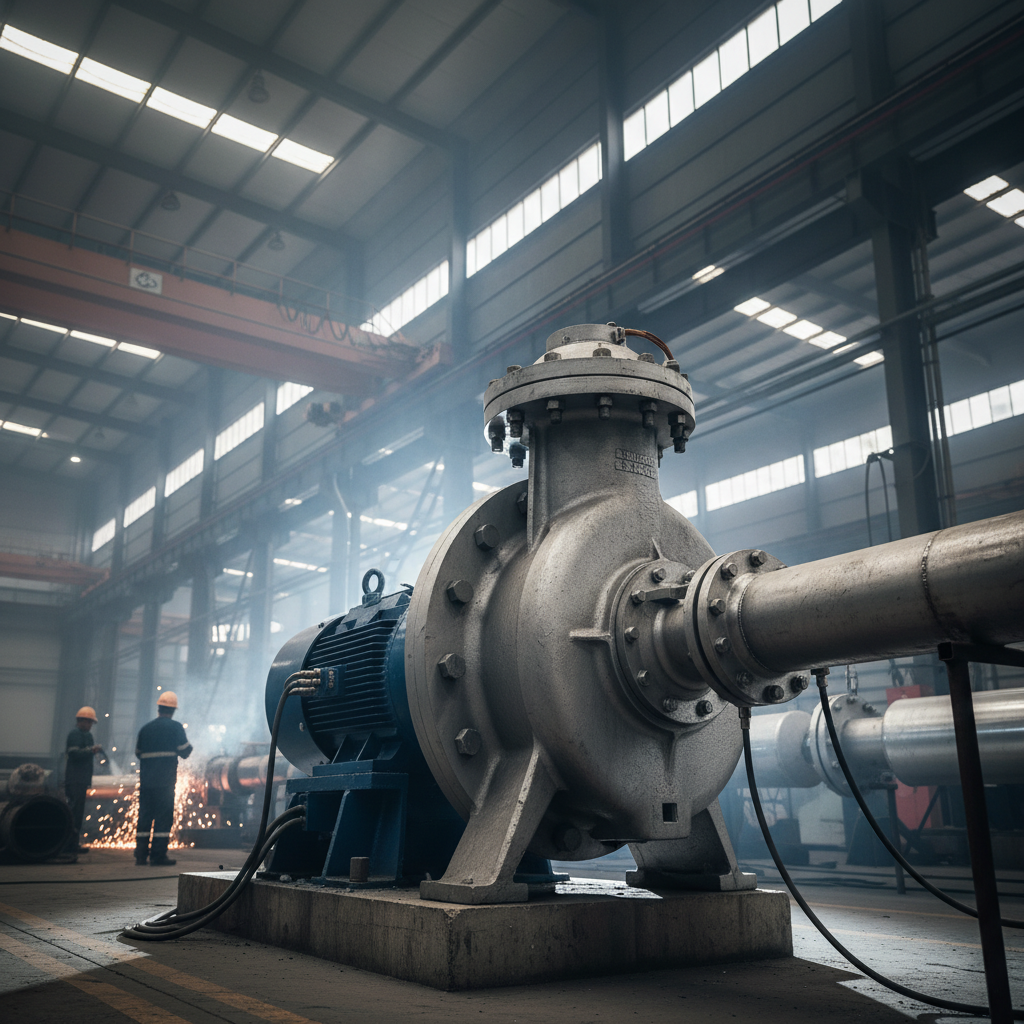
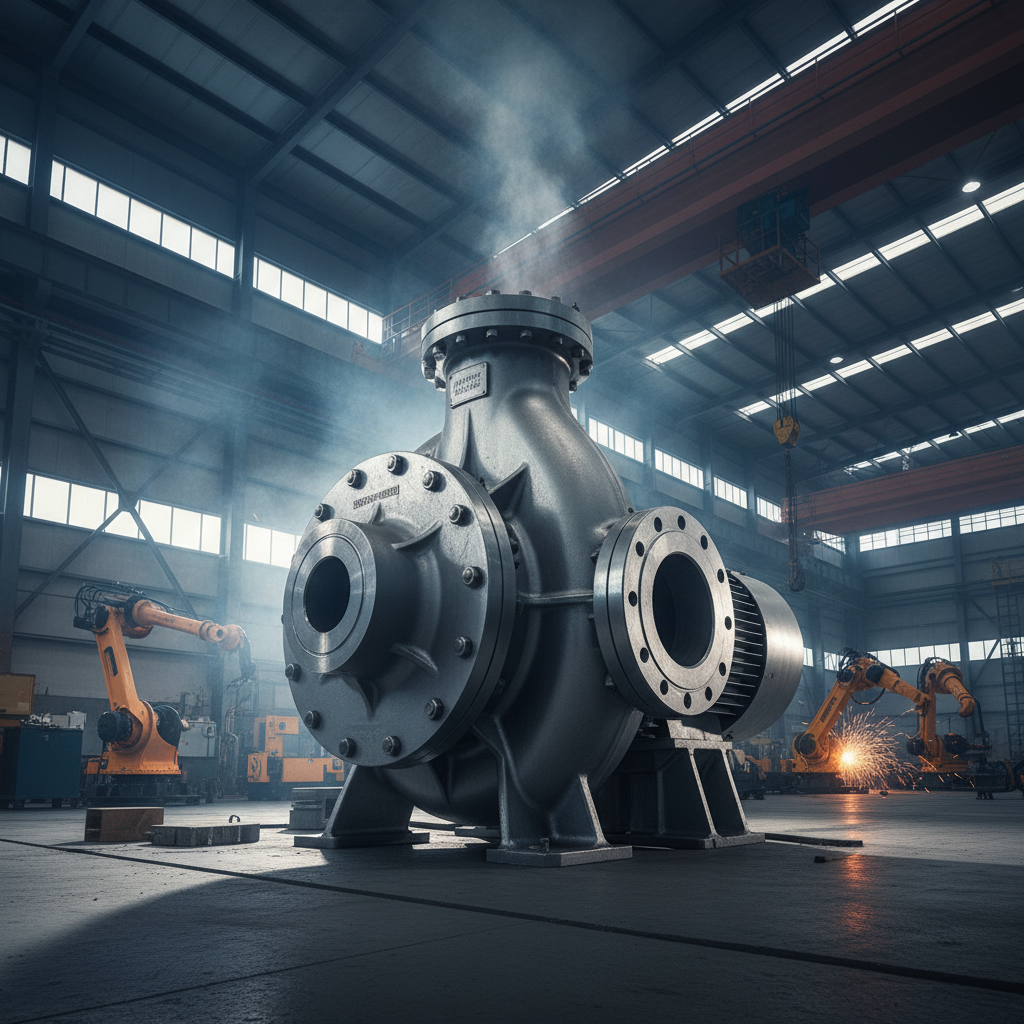
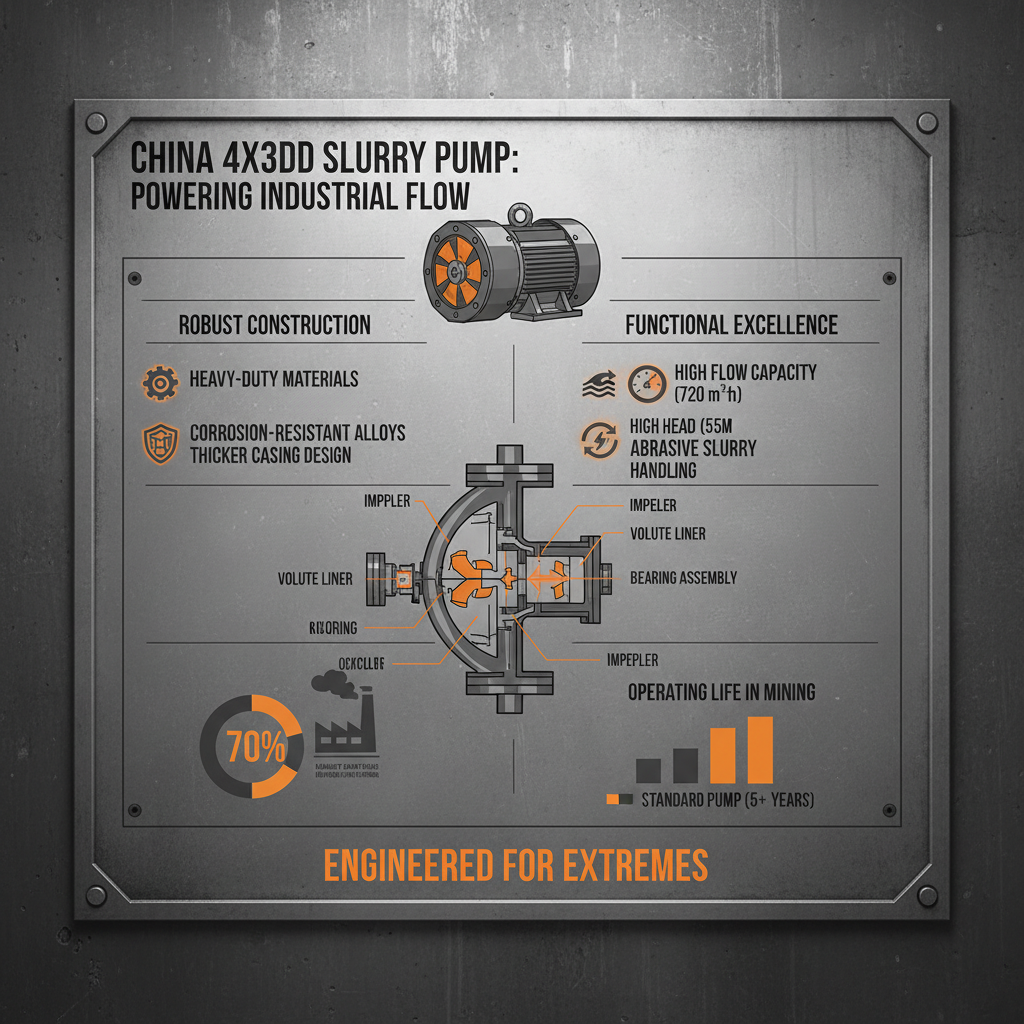
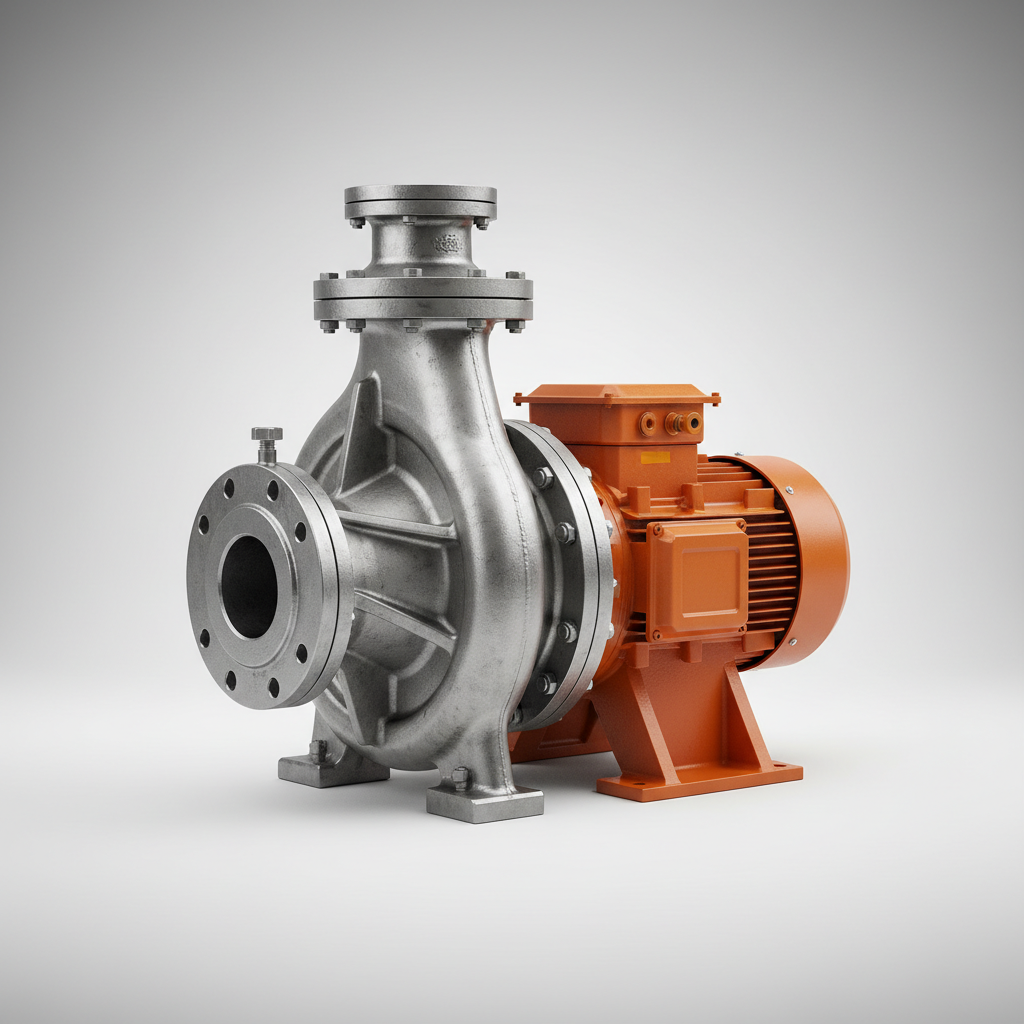
Metal slurry pumps are critical components in a vast array of industrial processes, responsible for the efficient and reliable transportation of abrasive materials suspended in liquids. Their significance stems from their ability to handle demanding conditions – high concentrations of solids, corrosive fluids, and significant wear – that would quickly overwhelm standard pumps. The global demand for these pumps is directly linked to the continued growth of industries like mining, dredging, wastewater treatment, and chemical processing, making understanding their functionality and application paramount for engineers, operators, and procurement professionals alike.
The increasing global focus on sustainable practices and resource recovery is further driving the adoption of metal slurry pump technology. As industries strive to minimize environmental impact and maximize the utilization of raw materials, efficient slurry handling becomes increasingly important for processes like tailings management in mining, and the processing of recycled materials. This trend positions metal slurry pumps as a vital enabling technology for a more sustainable future.
Understanding the nuances of metal slurry pump selection, operation, and maintenance is no longer a specialized concern, but a necessity for ensuring operational efficiency, minimizing downtime, and optimizing overall process performance. Proper application leads to reduced life-cycle costs and increased profitability.
Introduction to metal slurry pump
Metal slurry pumps are specifically engineered to transport mixtures of liquids and solid particles, often abrasive and high in density. These pumps differ significantly from standard centrifugal pumps due to their robust construction and design features intended to withstand the erosive and corrosive effects of slurries. They play a crucial role in processes where solid materials need to be moved efficiently over considerable distances, or against significant pressure.
The core function of a metal slurry pump extends beyond simply moving materials; it’s about doing so reliably, cost-effectively, and with minimal maintenance. Selecting the correct pump for a given slurry composition and application is paramount to maximizing lifespan and preventing costly downtime. Factors like impeller design, casing material, and sealing systems all contribute to the overall performance and longevity of the pump.
Defining Metal Slurry Pumps
A metal slurry pump can be defined as a type of pump designed to move abrasive or corrosive mixtures of liquids and solids. Unlike standard pumps that are designed for clean fluids, metal slurry pumps are built with heavier-duty materials and specialized designs to resist wear, erosion, and corrosion caused by the slurry. The “metal” designation refers not only to the common materials used in their construction (cast iron, stainless steel, high-chrome alloys), but also the types of particles they routinely handle – often metallic ores, minerals, or industrial byproducts.
These pumps are essential in industries dealing with the transportation of solids such as mining, wastewater, dredging, and chemical processing. They ensure that solid-laden liquids are moved efficiently and reliably, contributing to the smooth operation of complex industrial processes. Understanding the distinction between slurry pumps and other pump types is crucial for effective system design.
The efficient handling of metal slurries directly impacts downstream processes, influencing productivity, reducing maintenance costs, and ensuring environmental compliance. Therefore, selecting the appropriate metal slurry pump is a critical decision for any operation reliant on the movement of solid-liquid mixtures.
Key Characteristics of metal slurry pump
The defining characteristic of a metal slurry pump is its robust construction. Impellers, casings, and liners are often manufactured from high-chrome alloys or hardened steels, designed to resist abrasive wear. This is essential for applications where the slurry contains sharp or hard particles that would quickly degrade less durable materials. Proper material selection is the foundation of a long-lasting and efficient slurry pump.
Another key feature is the design of the impeller. Slurry pump impellers are typically designed with larger clearances than those found in standard centrifugal pumps. This wider space minimizes clogging and allows abrasive particles to pass through without causing excessive wear. The impeller’s geometry (open, semi-open, or closed) is also carefully chosen based on the characteristics of the slurry being pumped.
Sealing systems in metal slurry pumps are also specialized, often employing mechanical seals or gland packing designed to handle abrasive fluids. These seals prevent leakage while accommodating the varying pressures and flows inherent in slurry applications. Maintaining the integrity of the sealing system is critical for preventing environmental contamination and ensuring safe operation.
Performance Metrics of metal slurry pump
Evaluating the performance of a metal slurry pump requires considering several key metrics beyond standard flow rate and pressure. Solids Handling Capacity (SHC), expressed as a percentage of solids by weight, defines the pump’s ability to transport a specific concentration of solid particles. Higher SHC values indicate greater capacity to handle dense slurries.
Another important metric is the Abrasion Resistance Index (ARI), which quantifies the pump's ability to withstand the erosive effects of abrasive particles. This index is typically determined through standardized testing procedures and helps compare the longevity of different pump designs and materials.
Metal Slurry Pump Performance Comparison
Global Applications and Industries
Metal slurry pumps find widespread application across numerous industries globally. Mining is a primary sector, where they are essential for transporting ore slurries from underground or open-pit mines to processing plants. Dredging operations rely heavily on these pumps for removing sediment and maintaining waterways. In the chemical processing industry, they handle corrosive and abrasive mixtures used in various manufacturing processes.
Wastewater treatment facilities employ metal slurry pumps to manage sludge and other solids-laden waste streams. Power generation plants use them for handling ash slurries. In remote industrial zones, such as oil sands operations, reliable slurry pumping is critical for maintaining efficient production.
The Advantages of metal slurry pump
The primary advantage of using a metal slurry pump is its durability and ability to withstand harsh operating conditions. This translates directly to reduced maintenance costs and prolonged pump life, contributing to significant long-term savings. Compared to standard pumps, metal slurry pumps require less frequent repairs and replacements.
Another key benefit is their reliability. Engineered for continuous operation in demanding environments, they minimize downtime and ensure consistent process flow. This reliability is particularly crucial in industries where interruptions can have significant financial consequences.
Furthermore, advancements in metal slurry pump technology have led to increased energy efficiency, contributing to lower operating costs and a smaller environmental footprint. Modern designs often incorporate features that optimize hydraulic performance and reduce energy consumption.
Future Trends and Innovations in metal slurry pump
The future of metal slurry pump technology is focused on several key areas, including the development of even more abrasion-resistant materials. Research is ongoing into advanced alloys and ceramic coatings that can further extend pump lifespan in highly abrasive applications. Digitalization is also playing a growing role, with the integration of sensors and data analytics enabling predictive maintenance and optimized pump performance.
Automation and remote monitoring are becoming increasingly common, allowing operators to proactively manage pump performance and identify potential issues before they lead to downtime. Sustainable design principles are also driving innovation, with a focus on reducing energy consumption and minimizing environmental impact. The integration of AI-powered control systems will optimize performance in real-time, based on slurry characteristics and operating conditions.
Finally, the development of modular and customizable pump designs is gaining traction, allowing for tailored solutions to meet the specific needs of individual applications. This flexibility will enable operators to optimize performance and reduce costs across a wider range of slurry handling tasks.
Addressing Challenges and Finding Solutions
One common challenge in metal slurry pump application is accurately predicting wear rates. Slurry composition, particle size distribution, and flow velocity all significantly impact pump lifespan, and accurately forecasting these effects can be difficult. Solutions involve advanced wear modeling software and on-site slurry analysis.
Another limitation is the potential for clogging, especially when handling slurries with high solids concentrations or fibrous materials. Improved impeller designs, wider clearances, and automated cleaning systems can mitigate this issue. Regular inspection and maintenance are also crucial for preventing blockages.
Finally, the high initial cost of specialized metal slurry pumps can be a barrier to entry for some operators. However, a lifecycle cost analysis often reveals that the long-term savings from reduced maintenance and increased reliability outweigh the upfront investment.
Summary of Challenges and Solutions for Metal Slurry Pump Performance
| Challenge |
Impact on Performance |
Potential Solution |
Implementation Cost (1-10) |
| Wear Rate Prediction |
Reduced pump lifespan, increased maintenance |
Advanced wear modeling software, slurry analysis |
7 |
| Slurry Clogging |
Reduced flow rate, potential pump failure |
Improved impeller design, automated cleaning systems |
6 |
| High Initial Cost |
Budget constraints, delayed investment |
Lifecycle cost analysis, phased implementation |
5 |
| Corrosion |
Material degradation, reduced efficiency |
Corrosion-resistant materials, protective coatings |
8 |
| Energy Consumption |
Increased operating costs, environmental impact |
Variable frequency drives, efficient impeller designs |
4 |
| Seal Failure |
Leakage, environmental contamination |
Advanced seal technologies, regular inspection |
7 |
FAQS
Highly abrasive slurries containing hard, angular particles like silica, quartz, or iron ore are the most damaging. These materials cause rapid wear on pump components, especially the impeller and casing. The size and concentration of these particles also play a significant role. Selecting appropriate materials and impeller designs for these types of slurries is critical for maximizing pump life.
Correct pump sizing requires careful consideration of several factors, including flow rate, total dynamic head (TDH), slurry specific gravity, solids concentration, and particle size distribution. It's best to consult with a pump specialist or use pump sizing software that takes these parameters into account. Oversizing can lead to inefficiency, while undersizing can cause premature wear and reduced performance.
High-chrome alloys offer excellent abrasion resistance, making them ideal for handling highly abrasive slurries. They provide significantly longer wear life compared to standard cast iron, reducing maintenance costs and downtime. The addition of chromium creates hard carbides within the alloy structure, resisting erosion from particle impact.
Regular inspection and maintenance are crucial for preventing failures. A visual inspection should be conducted weekly, checking for leaks, unusual noise, or excessive vibration. Scheduled maintenance, including seal replacement, impeller inspection, and bearing lubrication, should be performed based on operating hours and slurry characteristics. Following the manufacturer's recommendations is vital.
Handling shear-sensitive slurries (like those containing polymers or flocculated solids) requires careful consideration. High shear forces can break down these slurries, reducing their effectiveness. Low-shear impeller designs and reduced pump speeds are often employed to minimize shear stress. A pump specialist can help determine the best approach for your specific slurry.
The pump liner provides a sacrificial wear surface, protecting the pump casing from direct abrasion by the slurry. Liners are typically made from materials that are more resistant to wear than the casing itself, such as rubber, polyurethane, or high-chrome alloys. Regularly inspecting and replacing the liner is a cost-effective way to extend the overall life of the pump.
Conclusion
Metal slurry pumps are indispensable components in numerous industries worldwide, providing reliable and efficient transportation of abrasive and corrosive mixtures. Their robust construction, specialized designs, and ongoing technological advancements ensure optimal performance, reduced downtime, and lower lifecycle costs. Understanding the key characteristics, performance metrics, and emerging trends in metal slurry pump technology is essential for maximizing operational efficiency and sustainability.
Investing in the right metal slurry pump, coupled with a proactive maintenance strategy, can unlock significant benefits for organizations across various sectors. As industries continue to prioritize sustainability and resource recovery, the demand for advanced slurry handling solutions will undoubtedly grow. To learn more about how a metal slurry pump can benefit your operations, visit our website: www.aierpumps.com