
QJ Puma Ruku
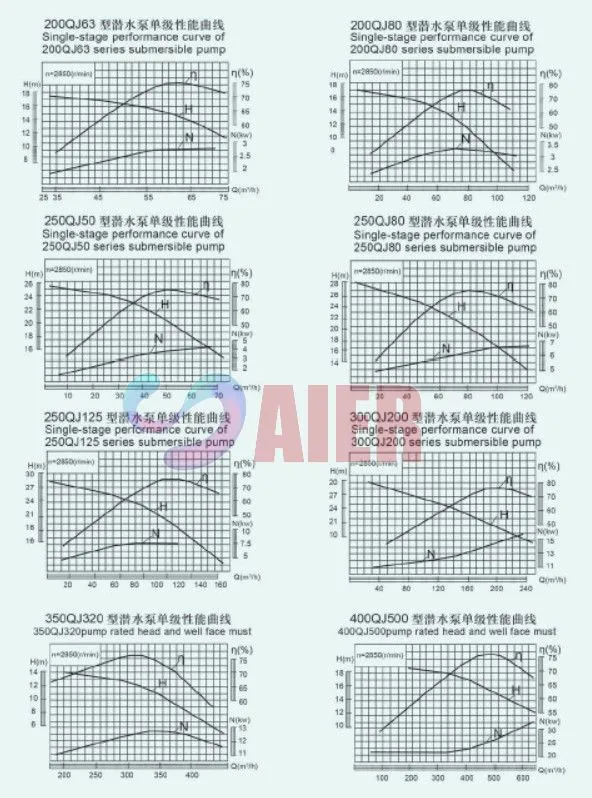
Whakaahuatanga Hua
Whakaahuatanga Whanui
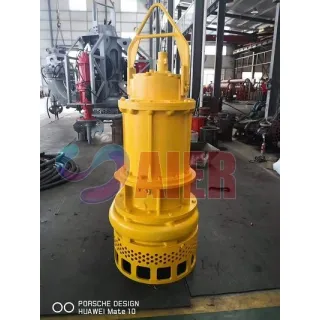
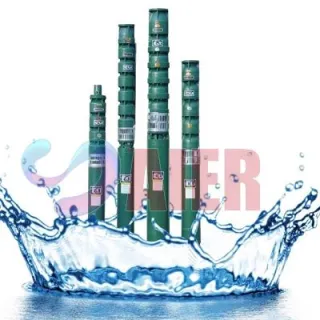
Ko te QJ papu ruku e whakamahia ana mo te kawe wai mai i te puna hohonu me te whakanui, ka whakamahia nuitia ki te whakamakuku i nga whenua paamu, te whakaheke wai i nga taone me nga taiwhenua me nga maina me nga umanga ahumahi me nga mahi tiaki wai tae atu ki te puna, te puna, te punaha whakamahana me te kaukau aha atu. Ko nga ahuatanga matua e whai ake nei: Ma te ngawari ki te whakamahi, ngawari ki te whakauru, ngawari ki te tiaki, ki te tiaki i te taiao me etahi atu Painga, ka taea e te papu ruku hiko e kohi ana i te motuka me te papu wai ka mahi i roto i te wai, he pai ki te whakamahi me te whakatika.
Nga Kaihanga Pump Wai Ruku
Ko matou he kaihanga ngaio o nga papu ruku i Haina. I tua atu i nga papu wai, ka tukuna ano e matou etahi momo papu slurry, papu kirikiri, papu desulfurization, me etahi atu. waikura ātete makanga rauemi motuhake. Me kaha te papu ki te diameter o waho, no reira karekau e puta nga ahuatanga penei i te hiri hiri motuka me te parahanga wai.
Whakatakotoranga
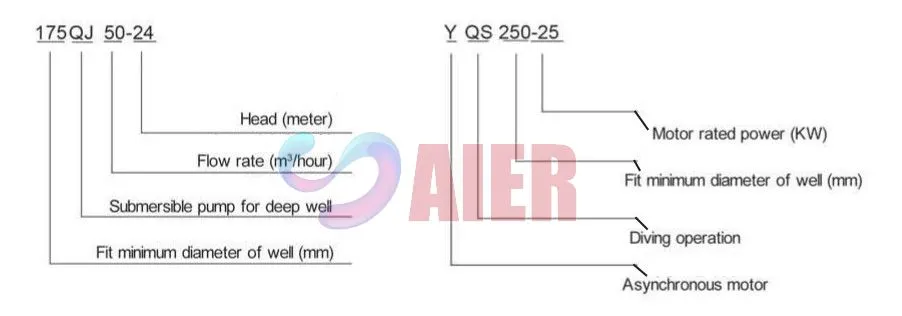
Rahi (tuku): 4" ki te 16"
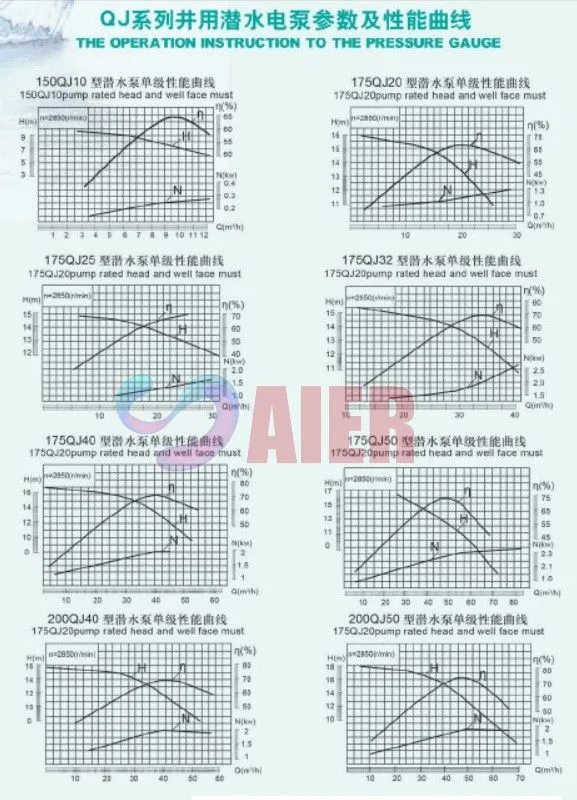
Raukaha: 2-500m3/haora
Upoko: 10m-500m
Whare Mana: 0.75-450kw
Material: Maka rino, parahi, kowiri tira etc
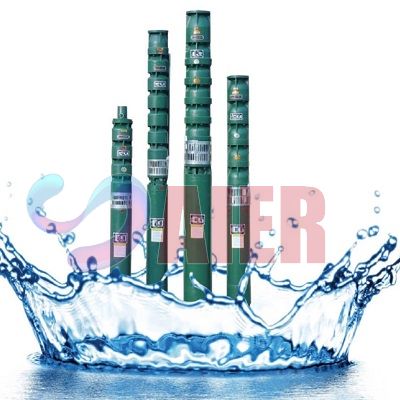
AIER® QJ Submersible Pump
Nga Tikanga Whakamahi
①Te Mana: 380V/3-waa AC, 50Hz
②Kounga wai:
A. Ko te pāmahana o te wai kei raro i te 20 ℃ (te teitei o te pāmahana parenga 80 ℃)
B. He iti ake te ihirangi totoka i te 0.01% (e whakawhirinaki ana ki te kounga)
C. PH 6.5-8.5
D. Ko te ihirangi o te hauwai sulfide he iti iho i te 1.15mg/l
E. Ko te ihirangi o te waikura katote he iti iho i te 400mg/l
③Me ki tonu te taha o roto o te motini ruku ki te wai ma, me te papu ruku kia ruku ki te mahi.
④Kia kaua e neke ake i te 20% te hohonutanga o te papapa wai ki te upoko me te mata pai kia maeneene me te tika.
Momo Panui
Nga waahanga matua
1. Ko te motini he motini ruku maku. Me whakakiia te ruuma motuka ki te wai ma e whakamahia ana mo te whakamatao motika me te whakahinuhinu te kawe. Ko te kiriata whakahaere ngaohiko i runga i te turanga, i te motuka ranei ka whakamahia mo te whakarereke i te rereketanga o te pehanga me te whakamaaramatanga o te wai i roto i te waahanga o roto o te motuka na nga huringa ngawari o te motuka.
2. Kia kore ai nga kirikiri mai i te puna e uru ki roto o te motini, me whakanoho te toronga o runga kia rua nga hinu hiri ka utaina whakamuri, ka whakauruhia kia kotahi te kirikiri o te mowhiti.
3. Kia kore ai e peke te pou papu wai, ka honoa te rakau papu wai me te rakau motopaika ma te hono me te whakauru i te pikaunga ki roto i nga waahanga o raro o te motuka.
4. Ka whakahinuhinu te wai i te motini me te kawe papu wai.
5. Ka whakamahia nga waea awhi motopaika ruku mo te awhi hiko. Na he pai te whakamau
6. Kei te whakamahia te impeller centrifugal me te pouaka pupuhi pupuhi poutū mo te whaainga = "_blank">paa wai, a he ngawari te hanganga.
Hoahoa Hangahanga
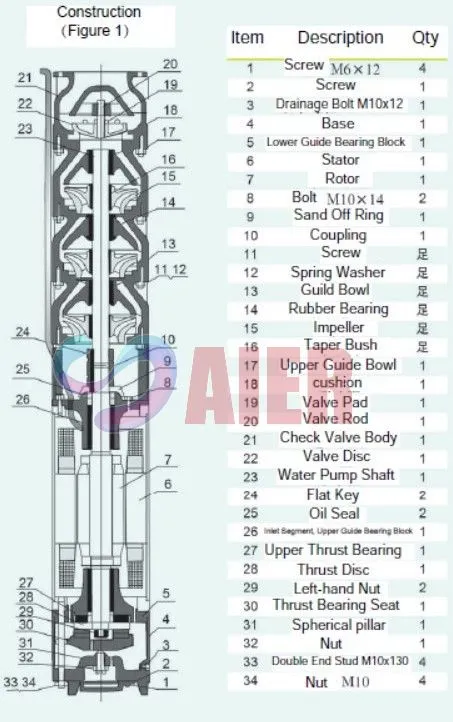
QJ papu ruku te nuinga ngā o te wāhi whangai, wai papu rakau, impeller, blower casing kokoru, rapa whanau, taki taki (kōwhiringa) me ētahi atu Ko te motopaika submersible ngā o te turanga, ngaohiko te whakarite kiriata, te turakina te mau, te pana kōpae, raro arataki arai poraka , stator, stator awhiowhio, rotor, kaiarahi o runga, poraka e mau ana, onepu atu mowhiti, taura putanga, etc.
Mahinga Mahinga
Advantages of Using Submersible Water Pumps for Continuous Operation
A submersible water pump is a highly efficient and durable pumping solution designed to work entirely underwater, making it ideal for applications requiring continuous operation. Unlike surface-mounted pumps that rely on suction, a submersible pump pushes water upward through direct contact with the liquid, resulting in higher efficiency, less energy loss, and better performance in harsh environments.
One of the most significant advantages of submersible water pumps is their energy efficiency. Because they operate directly in the fluid, there is no air leakage or suction head loss, which means the pump converts more motor energy into hydraulic power. This makes submersible pumps extremely effective in deep wells, reservoirs, and dewatering systems where long-term operation is essential. Leading submersible water pump manufacturers often equip their pumps with advanced motors featuring high-efficiency windings and low energy consumption for round-the-clock operation.
Another major benefit is the quiet and vibration-free operation. Since the entire pump is submerged underwater, the surrounding fluid dampens sound and vibration. This makes submersible pumps suitable for residential, municipal, and industrial applications where noise control is important—such as building basements, urban drainage systems, and cooling water circulation.
In addition, submersible water pumps are known for their excellent anti-cavitation properties. Because they operate below the water surface, the risk of air bubbles forming at the impeller is greatly reduced. This prevents vapor lock, improves hydraulic stability, and minimizes wear on internal components. The constant immersion of the pump also ensures natural cooling for the motor, extending its service life even during extended operation.
Finally, submersible pumps are easy to install and maintain. Most modern models are designed with modular components, corrosion-resistant casings, and advanced sealing systems. This ensures long-lasting reliability in environments such as wastewater treatment, agriculture, mining, and chemical processing. When you choose a product from a reputable submersible water pump manufacturer, you can expect superior performance, reduced maintenance costs, and reliable operation—day after day.
Maintenance and Troubleshooting Tips for Submersible Water Pumps
Proper maintenance of a submersible water pump is essential for ensuring consistent performance, preventing failures, and maximizing operational lifespan. Since these pumps work entirely underwater, they must endure high pressure, varying temperatures, and possible contact with sediments or chemicals. Following a proactive maintenance plan can significantly extend the efficiency and reliability of your system.
The first step is routine inspection. Regularly check the power cable for cracks, fraying, or water ingress, as damaged insulation can cause short circuits. Next, examine the pump’s exterior for corrosion or debris buildup. Sediment accumulation can restrict water flow and reduce pump efficiency. Cleaning the suction strainer and impeller housing every few months helps maintain optimal performance.
A common issue in submersible pumps is reduced discharge flow. This can be caused by impeller wear, clogged intake screens, or partial blockage in the discharge line. If this happens, disconnect the pump, clean the impeller, and inspect for wear or imbalance. Replacing worn impellers or seals promptly prevents more serious mechanical damage.
The mechanical seal is one of the most critical components of a submersible water pump. It prevents water from entering the motor housing. Any leakage or oil contamination in the seal area indicates the need for immediate replacement. Additionally, monitor the bearing temperature and listen for unusual noises—these can signal excessive friction or bearing wear.
Leading submersible water pump manufacturers recommend checking motor insulation resistance periodically to prevent electrical faults. For pumps used in wastewater or industrial environments, schedule quarterly performance tests to track flow, head, and power consumption. If overheating occurs, it could be due to low voltage or excessive solids in the fluid; cleaning the pump and verifying electrical connections typically resolves these problems.
By maintaining your submersible water pump properly—keeping it clean, well-lubricated, and regularly inspected—you can reduce downtime, prevent costly repairs, and ensure reliable operation for years, even in continuous-use applications.
Key Features of High Quality Submersible Water Pumps
A high-quality submersible water pump is engineered for durability, efficiency, and versatility, making it suitable for use in various industries including construction, mining, agriculture, and wastewater management. Understanding the key features that define a superior submersible pump can help users select the best equipment for long-term operation.
The most important feature is robust material construction. Reputable submersible water pump manufacturers use stainless steel, cast iron, or high-chrome alloys to ensure resistance to corrosion, abrasion, and chemical attack. These materials protect the pump body and impeller from harsh conditions such as sewage, slurry, or seawater exposure. A well-built submersible pump can operate continuously even in environments with high sediment or chemical content.
Another key aspect is the advanced mechanical sealing system. Double mechanical seals made of silicon carbide or tungsten carbide prevent leakage and protect the electric motor from water intrusion. Combined with oil-filled motor chambers for cooling and lubrication, these systems ensure long-lasting reliability and smooth operation.
Efficiency is also a hallmark of a top-tier submersible water pump. Precision-engineered impellers and high-efficiency motors minimize energy consumption while delivering consistent flow and head performance. Built-in overload protection and thermal sensors help prevent damage from overheating or voltage fluctuations, ensuring safety in continuous-use environments.
In addition, modern submersible pumps feature modular and service-friendly designs. Easy-to-remove components allow for quick maintenance without dismantling the entire system, reducing downtime. Anti-clog impeller designs and self-cleaning flow channels further enhance reliability, especially in wastewater or industrial slurry applications.
Finally, certified submersible water pump manufacturers perform rigorous quality control and performance testing to guarantee every unit meets global efficiency and safety standards. When you choose a high-quality submersible pump, you’re investing in a machine that provides stable output, reduced maintenance costs, and decades of dependable operation across multiple industries.
Nga waahanga hua
-
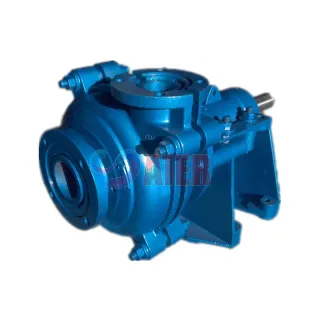
WA Puma Putaamaha
-
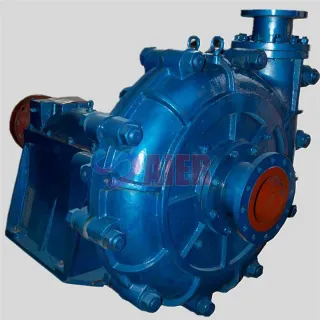
WG High Head Slurry Pump
-
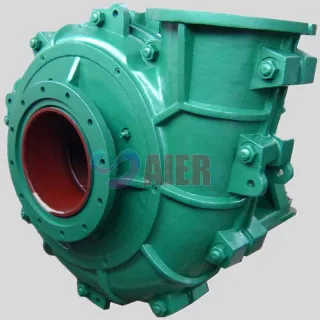
WL Maama-mahi Pupu Pupu
-
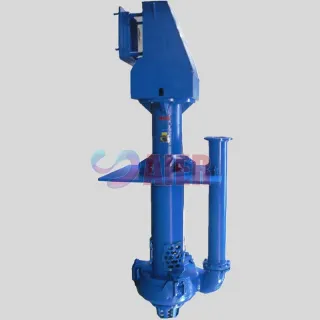
WY Pump Pump
-
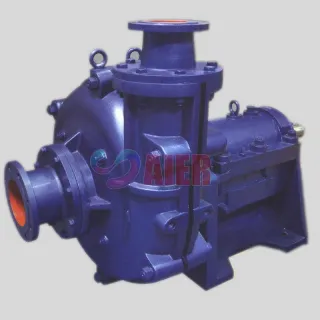
WZ High Efficiency Slurry Pump
-
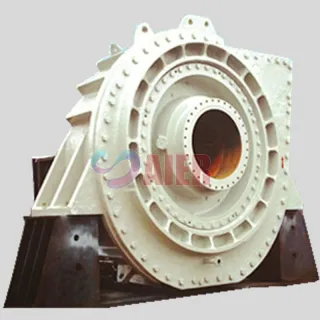
WN Dredge Pump
-
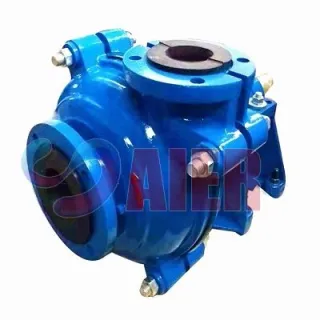
WAJ Rubber Slurry Pump
-
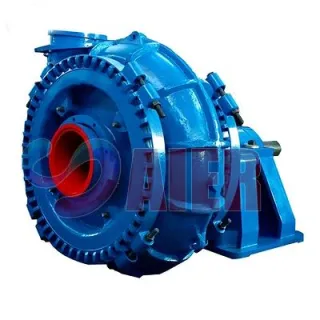
WS, WSG Gravel Sand Pump
-
WS, WSH Solution Pump
-
WY Pump Pump
-
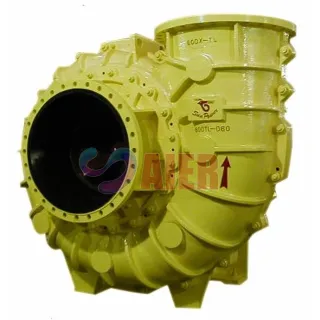
TL, TLR FGD Pump
-
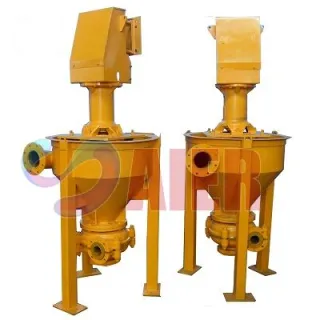
WP Poutū Froth Pump
-
ZJQ Pumps Slurry Pumps
-
QJ Puma Ruku
-
ACT (ZCT) Pump Pupuu Karamiki
-
BCT Ceramic Slurry Pumps