
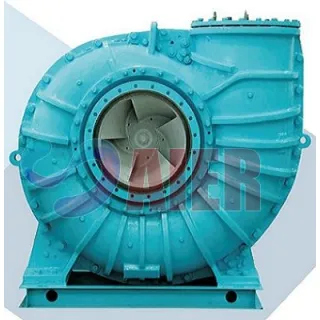
WA Didelio našumo srutų siurblys
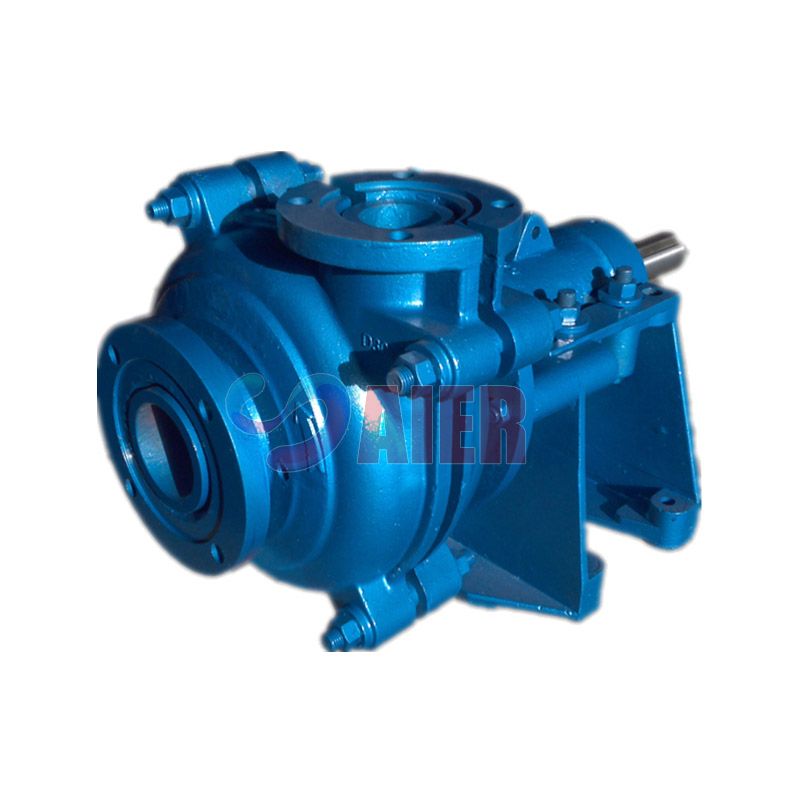
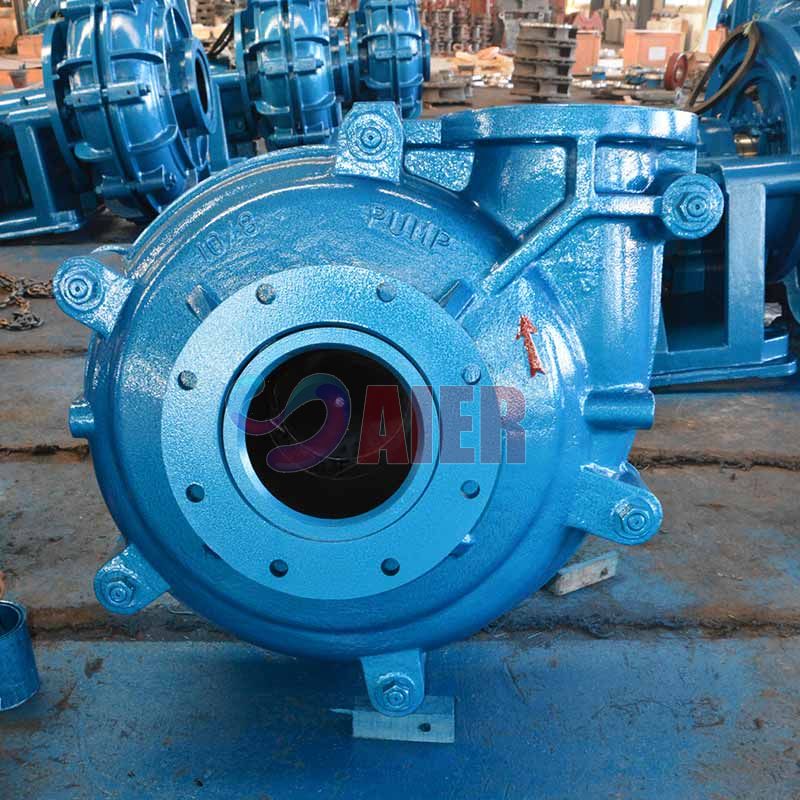
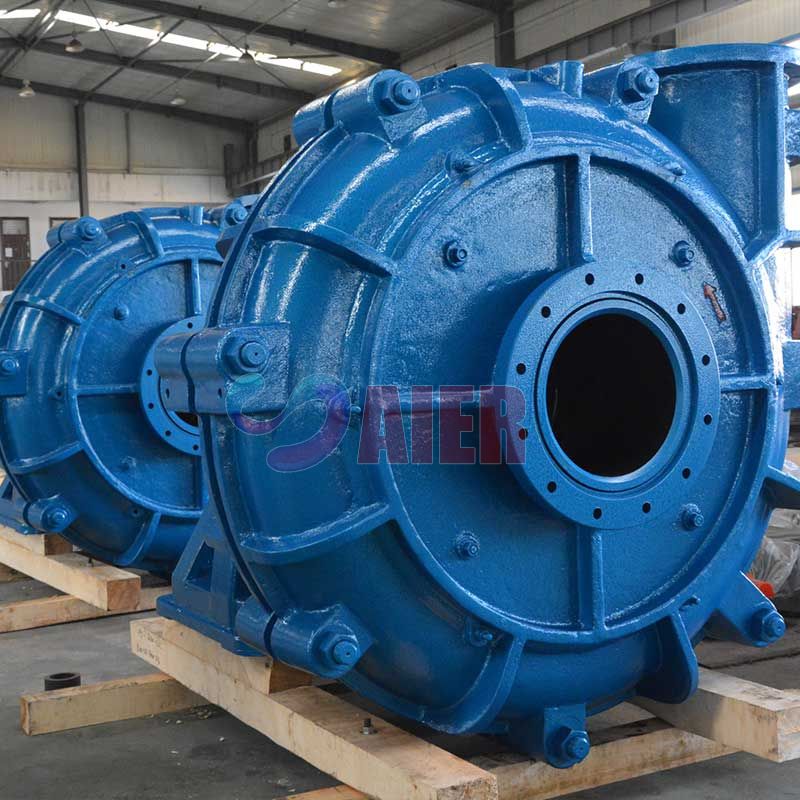
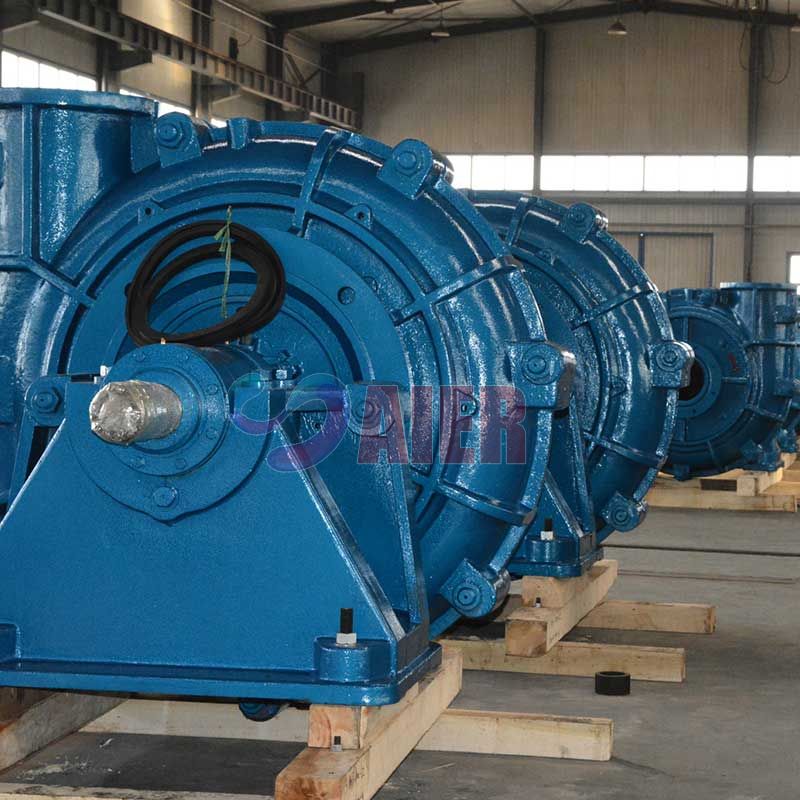
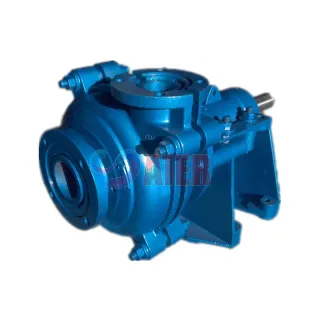
Kas yra didelio galingumo srutų siurblys?
WA serijos didelio našumo srutų siurblys yra konsolinis, horizontalus, padengtas natūralia guma arba kietu metalu išcentriniai srutų siurbliai. Jos skirtos abrazyvinėms, didelio tankio srutoms tvarkyti metalurgijos, kasybos, anglies, energetikos, statybinių medžiagų ir kitose pramonės šakose.
Didelio galingumo siurblio specifikacijos
Dydis: nuo 1" iki 22"
Našumas: 3,6-5400 m3/val
Galva: 6-125 m
Kietosios dalelės: 0-130 mm
Koncentracija: 0–70 %
Medžiagos: hiperchromo lydinys, Guma, poliuretanas, Keramika, nerūdijantis plienas ir kt.
AIER® WA Heavy Duty Slurry Pump
Srutų siurblio savybės
1. WA serijos siurblių rėmo plokštė turi keičiamus kietmetalinius arba presuoto elastomero įdėklus. Sparnuotės yra pagamintos iš kieto metalo arba presuoto elastomero įdėklų.
2. WA serijos veleno sandarikliai gali būti sandarinimo tarpikliai, išcentriniai arba mechaniniai sandarikliai.
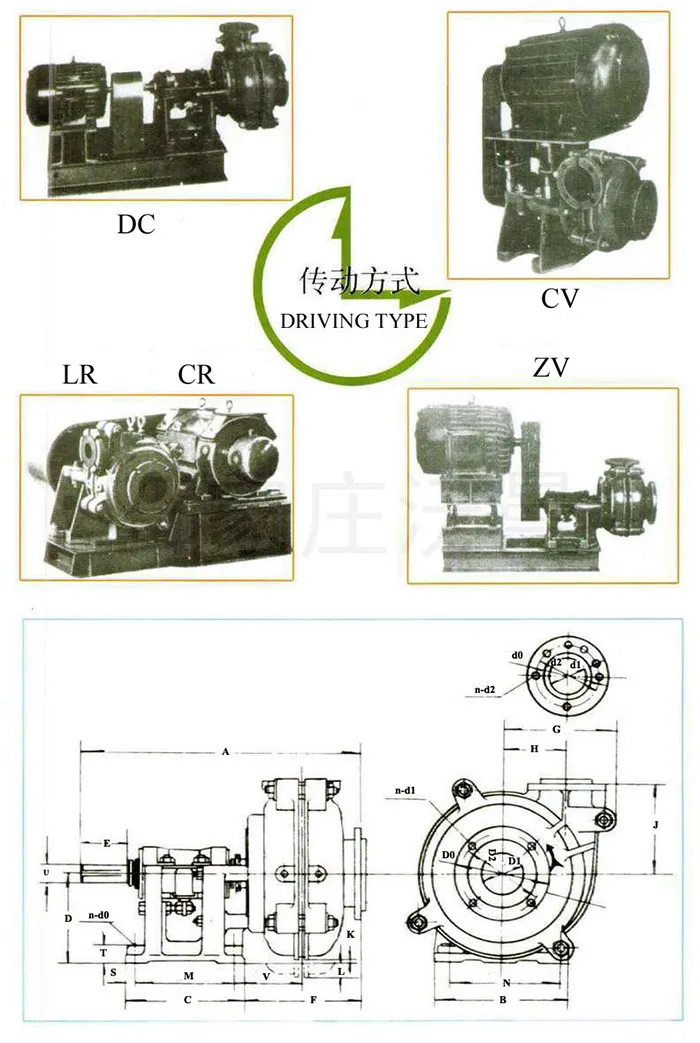
3. Pagal pageidavimą išleidimo šaka gali būti išdėstyta 45 laipsnių intervalais ir nukreipta į bet kurias aštuonias padėtis, kad tiktų įrengimams ir pritaikymams. Pasirinkimui yra daug pavaros režimų, tokių kaip trapecinis diržas, lanksti mova, pavarų dėžė, kintamo dažnio hidraulinė mova, siliciu valdomas greitis ir t.
4. In harsh conditions with sand, sludge, rocks and mud, ordinary slurry pumps tend to clog, wear and fail frequently.. But our heavy-duty slurry pumps are highly resistant to wear and corrosion, which means that the mūsų srutų siurblių tarnavimo laikas yra geresnis nei kitų gamintojų siurbliai.
Tipiški didelio našumo siurbliai
Kadangi mūsų didelio galingumo srutų siurbliai WA yra labai atsparūs nusidėvėjimui ir korozijai, didelio galingumo siurbliai naudojami įvairiais tikslais.
1. SAG malūno išleidimas, rutulinio malūno išleidimas, strypų iškrovimas.
2. Ni rūgšties srutos, rupus smėlis, stambios atliekos, fosfatinė matrica, mineralų koncentratas.
3. Sunkiosios terpės, cukriniai runkeliai, gilinimas, dugniniai / lakieji pelenai, kalkių šlifavimas, aliejinis smėlis, mineralinis smėlis, smulkios atliekos, šlako granuliavimas, fosforo rūgštis, anglis, flotacija, proceso chemikalai, plaušiena ir popierius, FGD, ciklono tiekimas ir kt. .
Siurblių žymėjimas
| 200WA-ST: | 100WAJ-D: |
| 200: Išėjimo skersmuo: mm | 100: Išėjimo skersmuo: mm |
| WA: Siurblio tipas: chromo lydinio pamušalas | WAJ: Siurblio tipas: guminis |
| ST: rėmo plokštės tipas | D: rėmo plokštės tipas |
Norėdami sužinoti, kaip išspręsti siurbimo problemas, Susisiekite su mumis today! We are the slurry pump manufacturer that can help you solve your problems.
Statybos projektavimas
|
|
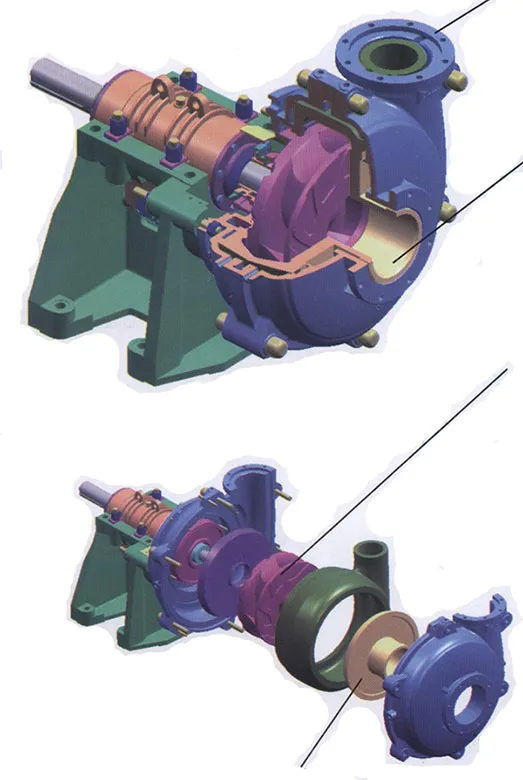
Korpusas Suskaidytose korpuso pusėse iš ketaus arba kaliojo ketaus yra susidėvėję įdėklai ir užtikrinamas didelis darbinis slėgis.
Keičiami kietmetaliniai ir suformuoti elastomero įdėklai |
|
Darbaratis Darbinis ratas gali būti pagamintas iš elastomero arba kieto metalo. Gilios pusės sandarinimo mentės sumažina sandariklio slėgį ir sumažina recirkuliaciją. Užlieti sparnuotės sriegiai geriau tinka srutoms. |
Mating faces in hard metal liners are tapered to allow positive alignment during assembly and allow components to be easily removed for replacement.
Siurblio dalies medžiaga
| Dalies pavadinimas | Medžiaga | Specifikacija | HRC | Taikymas | OEM kodas |
| Įdėklai ir sparnuotė | Metalas | AB27: 23–30 % chromo baltos geležies | ≥56 | Naudojamas didesnio susidėvėjimo sąlygoms, kai pH yra nuo 5 iki 12 | A05 |
| AB15: 14–18 % chromo baltojo geležies | ≥59 | Naudotas didesniam nusidėvėjimui | A07 | ||
| AB29: 27%-29% chromo baltos geležies | 43 | Naudojamas esant žemesniam pH sąlygoms, ypač FGD. Jis taip pat gali būti naudojamas mažai rūgštaus būsenos ir sieros pašalinimo įrenginiuose, kurių pH ne mažesnis kaip 4 | A49 | ||
| AB33: 33%-37% chromo baltos geležies | Jis gali transportuoti deguonies prisotintas srutas, kurių pH ne mažesnis kaip 1, pvz., fosforo tinką, azoto rūgštį, vitriolį, fosfatą ir kt. | A33 | |||
| Guma | R08 | ||||
| R26 | |||||
| R33 | |||||
| R55 | |||||
| Išspaudimo ir išspaudimo žiedas | Metalas | B27: 23–30 % chromo baltojo geležies | ≥56 | Naudojamas didesnio susidėvėjimo sąlygoms, kai pH yra nuo 5 iki 12 | A05 |
| Pilka geležis | G01 | ||||
| Įdaru Dėžė | Metalas | AB27: 23–30 % chromo baltos geležies | ≥56 | Naudojamas didesnio susidėvėjimo sąlygoms, kai pH yra nuo 5 iki 12 | A05 |
| Pilka geležis | G01 | ||||
| Rėmas / dangtelis, guolio korpusas ir pagrindas | Metalas | Pilka geležis | G01 | ||
| Kaliojo ketaus | D21 | ||||
| Velenas | Metalas | Anglinio plieno | E05 | ||
| Veleno įvorė, žibinto žiedas / varžtas, kaklo žiedas, riebokšlio varžtas | Nerūdijantis plienas | 4Cr13 | C21 | ||
| 304 SS | C22 | ||||
| 316 SS | C23 | ||||
| Jungčių žiedai ir sandarikliai | Guma | butilas | S21 | ||
| EPDM guma | S01 | ||||
| Nitrilas | S10 | ||||
| Hypalon | S31 | ||||
| Neoprenas | S44/S42 | ||||
| Vitonas | S50 |
Transmisijos modulio dizainas
|
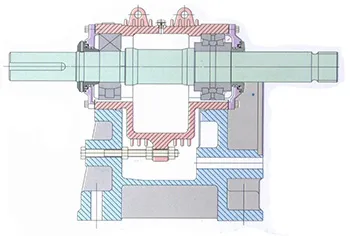
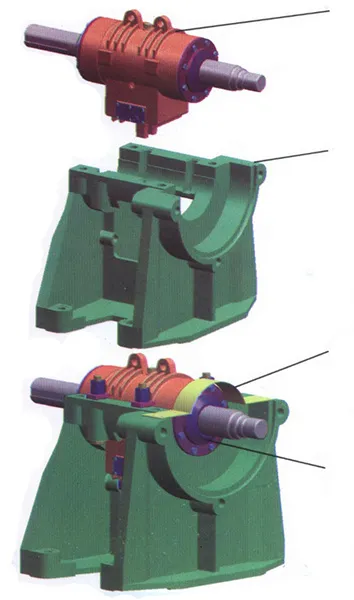
Didelio skersmens siurblio velenas, cilindrinis Didelės apkrovos, metrinių guolių konstrukcija naudojant alyvos sutepimą arba tepimą; atidarytas serijiniu būdu, konstrukcijos ypatybės yra mažos apimties ir didelio patikimumo. |
 |
 |
Veleno guolių mazgas Didelio skersmens velenas su trumpa iškyša sumažina deformaciją ir vibraciją. Didelės apkrovos ritininiai guoliai yra patalpinti išimamoje guolių kasetėje. Siurblio bazė Pritvirtinkite siurblį prie pagrindo su minimaliu varžtų skaičiumi ir nustatykite darbaratį patogioje padėtyje po guolio korpusu. Vandeniui atsparus dangtelis neleidžia nutekėjusiam vandeniui skristi. Apsauginis dangtelis apsaugo nuo vandens nutekėjimo iš guolio laikiklio.
|
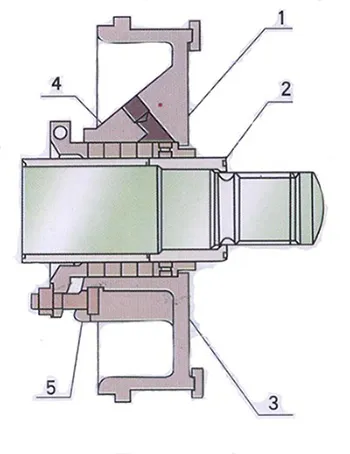
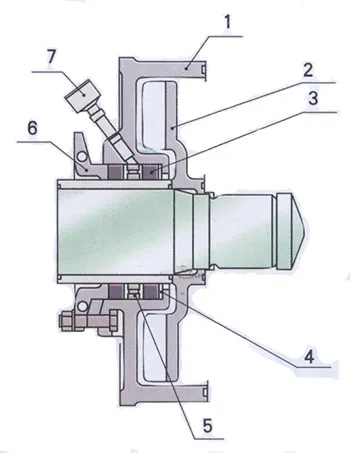
Veleno sandariklio modulio konstrukcija
 |
1. Pakavimo dėžutė 2. Priekinio žibinto žiedas 3. Pakavimas 4. Pakavimo riebokšlis 5. Veleno įvorė |
|
1. Atlaisvinkite liauką 2. Išspaudas 3. Pakavimas 4. Tarpinė tarpinė 5. Žibinto žiedas 6. Pakavimo riebokšlis 7. Alyvos taurė |
 |
 |
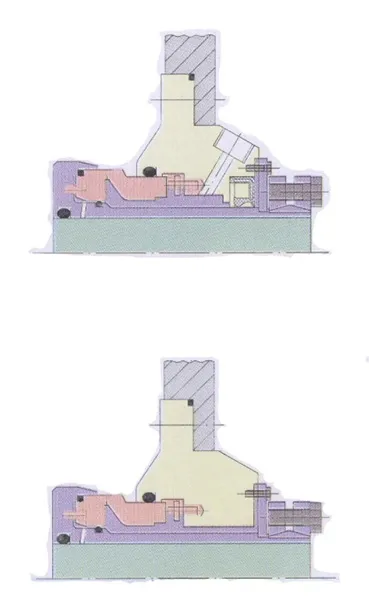
GRJ mechaninis sandariklis GRG tipas naudojamas skysčiui, kurio negalima skiesti. HRJ mechaninis sandariklis HRJ tipas naudojamas skysčiu leidžiamam skiedimui. Didelio kietumo keramika ir sąjungininkė yra pritaikyta frikcinių dalių medžiagoms. Jis pasižymi dideliu abrazyviniu atsparumu ir atsparumu drebėjimui, kad garantuotų, kad klientas gali patenkinti sandarinimo efektą įvairiomis sąlygomis.
|
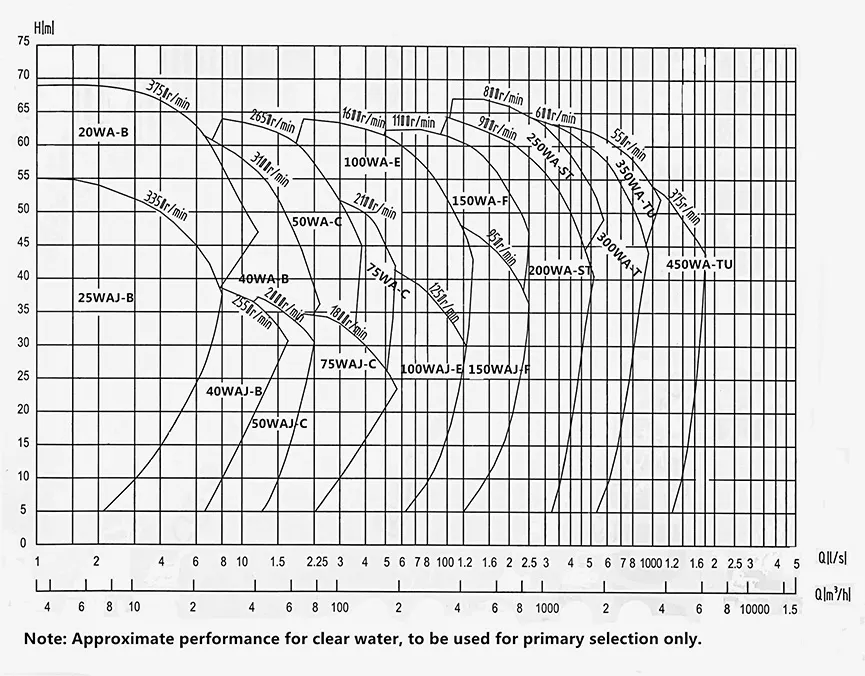
Našumo kreivė
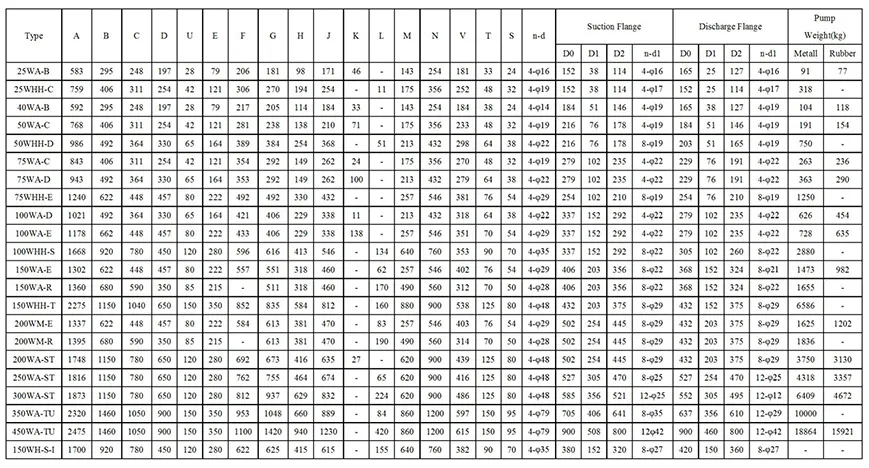
Montavimo matmenys
Srutų siurblio sparnuotės pasirinkimas
Slurry pump impeller is one of the most important parts of centrifugal slurry pumps. Depending on the application, slurry pump impeller selection is crucial to slurry pump performance. Slurry applications can be especially hard on the impeller of slurry pumps because of their abrasive nature. In order slurry pumps operates efficiently and stand up to the test of time, impeller has to be selected properly for slurry pumps.
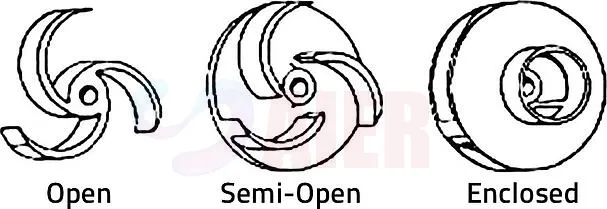
1. Srutų siurblio sparnuotės tipas
Yra trijų skirtingų tipų srutų siurblio sparnuotės; atviras, uždaras ir pusiau atviras. Kiekvienas turi savo stipriąsias ir silpnąsias puses, priklausomai nuo programos. Kai kurie yra geresni kietųjų medžiagų tvarkymui, kiti yra geresni dėl didelio efektyvumo.
Any type of impeller can be used in slurry applications, but closed slurry pump impellers are more common because they are high efficient and abrasion Resistance,. Open slurry pump impellers are usually used well for high concentration solids as they are less likely to clog. For example, the small fibers in paper stock which, in high densities, may have a tendency to clog the impeller. Pumping slurry can be difficult.
2. Srutų siurblio sparnuotės dydis
The size of slurry pump impeller must be considered to ensure it holds up against abrasive wear. Slurry pump impellers are generally larger in size when compared to slurry pumps for less abrasive liquids. The more “meat” the impeller has, the better it will hold up to the task of pumping harsh slurry mixtures. Just think of slurry pump impeller as a football team’s offensive line. These players are usually large and slow. Throughout the whole game they are beaten up, over and over again, but expected to withstand the abuse. You wouldn’t want small players in this position, just like you wouldn’t want a small impeller on your slurry pumps.
3. Srutų siurblio greitis
Process speed doesn’t have anything to do with choosing slurry pump impeller, but it does have an effect on the life of slurry pump impeller. It is important to find the sweet spot that allows the slurry pump to run as slow as possible, but fast enough to keep solids from settling and clogging. If pumping too fast, the slurry can quickly erode the impeller due to its abrasive nature. This is why it is important to select a larger impeller if possible.
When dealing with slurry, you generally want to go bigger and slower. The thicker the impeller, the better it will hold up. The slower the pump, the less erosion will inflict on the impeller. However, the impeller isn’t the only thing to worry in slurry pump when dealing with slurry. Tough, durable materials of construction are necessary most of the time. Metal slurry pump liners and wear plates are common in slurry applications.
Srutų siurblio montavimas
Horizontalus srutų siurblio montavimas
The mounting and installation of horizontal slurry pumps are generally subject to a number of considerations, including floor space, overhead space for lifting and the likelihood of flooding from spills. Pumps in critical services are often paired in duty/standby mode so that maintenance can be carried out on one pump while the other is running.
Large slurry pumps with high-energy motors - and perhaps with speed reduction gearboxes - would generally be mounted with the shaft axes in the same horizontal plane for ease of maintenance access.
A slurry pump with a belt drive may have the motor mounted beside it if there is sufficient floor space. However, if floor space is limited or there is a risk of flooding, the motor can be mounted above it either directly overhead (also known as “C drive”) or to its rear (reverse overhead mounting or “Z drive”).
Vertical Slurry Pump Installation
Vertical cantilever shaft sump pumps should be selected so that the suction inlet is close to the sump floor. If shaft length is limited by the required running speed and power to be transmitted, a suction pipe (generally two meters long) may be fitted to the suction branch to ensure the sump can be emptied.
Understanding Heavy Duty Slurry Pumps and Their Industrial Applications
A heavy duty slurry pump is a specialized pumping solution designed to handle highly abrasive and dense slurries in demanding industrial applications. Unlike standard pumps, these heavy-duty units are engineered to provide durability, high efficiency, and long operational life in challenging conditions. The structural design of a heavy duty slurry pump includes robust casings, wear-resistant impellers, and reinforced shafts that allow it to manage slurries containing coarse particles, sand, gravel, and mineral residues without excessive wear.
The industrial slurry pump is widely used across multiple sectors, including mining, coal preparation, metallurgical processing, and chemical industries. In mining operations, it efficiently transports slurry from excavation sites to processing facilities, managing high particle loads without compromising flow rates. In coal washing and processing plants, heavy duty slurry pumps handle thick mixtures of coal and water, maintaining continuous operation under severe abrasion conditions.
Metallurgical plants benefit from heavy duty slurry pumps by moving corrosive and abrasive process fluids such as tailings, smelting residues, and acidic solutions. The pump’s materials, typically high-chrome alloys or specialized metals, provide excellent wear resistance and corrosion protection. This ensures consistent operation and reduces downtime, which is crucial for industrial processes with tight production schedules.
A reliable slurry pump supplier will offer pumps with modular designs, allowing for easy replacement of wear parts like impellers and liners. This minimizes maintenance costs and downtime, enhancing productivity in demanding industrial environments. Furthermore, many industrial slurry pumps come in different configurations, including horizontal, vertical, and high-capacity models, enabling customization for specific applications.
In addition to industrial use, heavy duty slurry pumps are critical in water treatment and dredging operations where solid-laden fluids need to be transported efficiently. Their robust construction, combined with advanced hydraulic design, allows them to handle large flow volumes and high concentrations of solids, ensuring reliable performance across all applications.
In summary, a heavy duty slurry pump is a durable, efficient, and versatile solution for handling abrasive and corrosive slurries in various industrial sectors. Partnering with a professional slurry pump supplier ensures access to high-quality pumps that meet operational demands and provide long-term reliability.
Key Advantages of Heavy Duty Slurry Pumps in Abrasive Environments
Heavy duty slurry pumps are specifically designed to withstand the challenges posed by abrasive and corrosive industrial fluids. Their key advantage lies in their ability to operate efficiently under extreme wear conditions while maintaining high flow and pressure. Unlike standard pumps, heavy duty models use wear-resistant materials such as high-chrome iron or stainless steel alloys, which dramatically reduce the effects of erosion from solid particles in slurries.
In highly abrasive environments, such as mining and mineral processing, these pumps can handle slurries with high solids content and large particle sizes. This ensures consistent flow rates without frequent repairs or maintenance shutdowns. Choosing a heavy duty slurry pump from a reputable slurry pump supplier guarantees enhanced durability and reliability in these challenging conditions.
Another advantage is the robust structural design. Industrial slurry pumps are reinforced with thick casings, optimized impeller geometry, and heavy-duty shafts that resist bending and wear. This allows for continuous operation in industrial environments with abrasive fluids, reducing downtime and maintenance costs. Additionally, many pumps are designed with modular components, enabling easy replacement of worn parts such as liners and impellers, which extends the pump’s operational lifespan.
The adaptability of heavy duty slurry pumps also sets them apart. They are available in horizontal and vertical configurations and can be customized for specific flow rates, head requirements, and slurry characteristics. This flexibility makes them suitable for a wide range of applications, from transporting tailings in mining operations to moving chemical slurries in metallurgical plants.
Energy efficiency is another significant advantage. The optimized hydraulic design of these pumps ensures high efficiency even under abrasive conditions, reducing power consumption and operational costs. Industrial facilities that rely on industrial slurry pumps can achieve long-term savings while maintaining reliable performance.
In conclusion, heavy duty slurry pumps offer unmatched durability, wear resistance, and operational efficiency in abrasive environments. By sourcing from a qualified slurry pump supplier, industries can ensure reliable performance, reduced maintenance, and cost-effective operation over extended periods.
Comparing Heavy Duty Slurry Pumps vs Standard Slurry Pumps
When selecting a pump for industrial slurry applications, understanding the differences between heavy duty slurry pumps and standard slurry pumps is essential. Heavy duty pumps are engineered for extreme conditions, whereas standard pumps are suitable for less abrasive and lower solids concentration environments.
A heavy duty slurry pump typically features reinforced casings, high-strength shafts, and wear-resistant impellers made from high-chrome alloys or stainless steel. In contrast, standard slurry pumps often use less durable materials that are prone to rapid erosion when handling abrasive slurries. This material difference directly impacts the lifespan and reliability of the pump in demanding applications.
Another critical difference is the capacity to handle high solids content. Heavy duty pumps can transport slurries containing large particles, high concentrations of solids, and abrasive mixtures, making them ideal for mining, mineral processing, and coal preparation. Standard pumps are limited in this regard and may experience frequent clogging or wear if used beyond their specifications.
Maintenance requirements also vary. A heavy duty slurry pump is designed for modular replacement of wear components such as liners, impellers, and bearings, which reduces downtime and simplifies servicing. Standard pumps may require more frequent overhauls or complete replacements, increasing operational costs and reducing productivity. Partnering with a professional slurry pump supplier ensures access to high-quality heavy duty pumps and replacement parts, optimizing long-term performance.
Finally, heavy duty pumps are often optimized for higher flow rates and pressures, allowing them to handle more demanding industrial processes efficiently. Standard pumps, while sufficient for lighter applications, may struggle under extended operation in high-load environments.
išcentrinio povandeninio siurblio gamintojas
Kinijos povandeninių siurblių gamintojas
elektrinio povandeninio siurblio gamintojas
povandeninio siurblio gamintojas
povandeninio siurblio dalies gamintojas
povandeninio siurblio veleno gamintojas
panardinamųjų siurblių atsarginių dalių gamintojas
povandeninių nuotekų siurblių gamintojas
panardinamojo vandens siurblio gamintojas
povandeninio šulinio siurblio gamintojas
Produktų kategorijos
-
WA Didelio našumo srutų siurblys
-
WG aukšto slėgio srutų siurblys
-
WL lengvas srutų siurblys
-
WY karterio siurblys
-
WZ didelio efektyvumo srutų siurblys
-
WN žemsiurbės siurblys
-
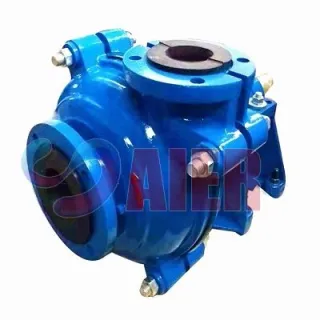
WAJ guminis srutų siurblys
-
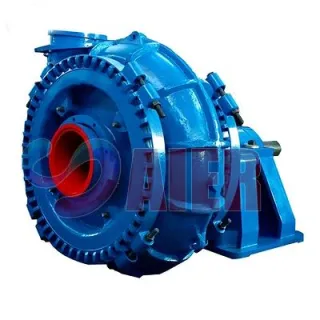
WS, WSG žvyro smėlio siurblys
-
WS, WSH tirpalo siurblys
-
WY karterio siurblys
-
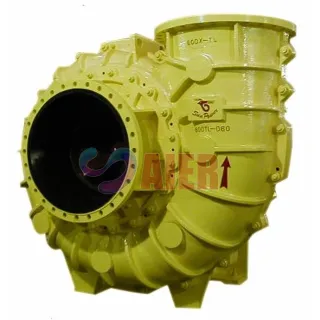
TL, TLR FGD siurblys
-
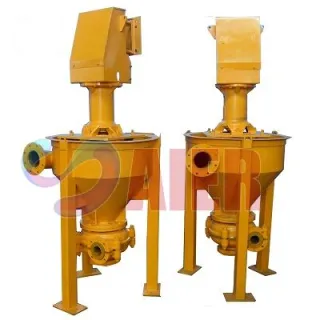
WP vertikalus putų siurblys
-
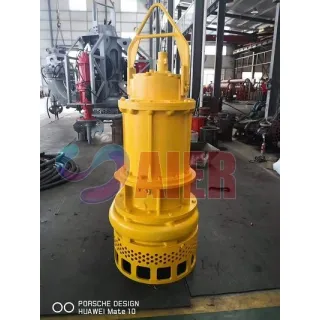
ZJQ panardinamieji srutų siurbliai
-
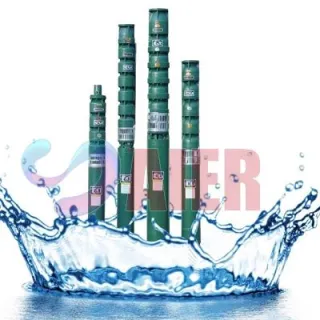
QJ povandeninis siurblys
-
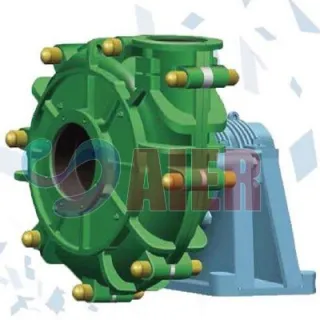
ACT (ZCT) keraminiai srutų siurbliai
-
BCT keraminiai srutų siurbliai