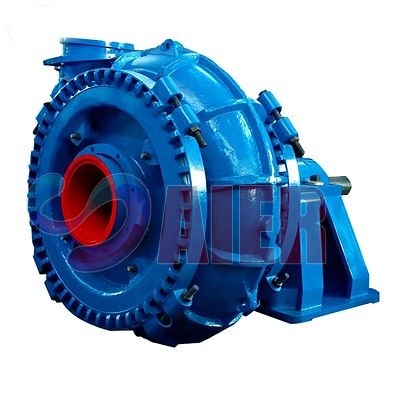
High Efficiency China Clay Dredge Pump for Mineral Slurry
Efficiently transporting high-viscosity mineral slurries requires specialized equipment capable of resisting extreme abrasion while maintaining constant flow. For operations involving kaolin and other silicate minerals, the selection of a pump depends heavily on the ability to handle dense, abrasive particles without premature seal failure or impeller wear. Achieving a balance between hydraulic efficiency and mechanical durability is the primary challenge for engineers in the mineral processing sector.
Aier Machinery focuses on this technical intersection by integrating advanced sealing technologies—including internal, external, and non-flushing mechanical seals—into our slurry and dredge pump lines. By optimizing the internal geometry and utilizing wear-resistant materials, these systems ensure that the transport of mineral clays remains continuous, reducing unplanned downtime and operational costs for large-scale mining and dredging projects.

Engineering Challenges in Mineral Clay Transport and Dredging
The transportation of china clay and similar mineral slurries presents a unique set of engineering hurdles. Unlike standard water pumping, these fluids are characterized by high solids concentration and significant abrasive properties. The primary issue is particle impingement, where mineral crystals strike the internal surfaces of the pump, leading to rapid material loss in the impeller and casing.
Furthermore, the viscosity of clay slurries can vary based on water content and mineral composition, requiring a pump that can maintain a stable vacuum and head pressure. Without precise hydraulic design, the system is prone to cavitation or clogging, which severely impacts the overall throughput of the dredging operation. Engineers must prioritize fluid dynamics to ensure a smooth transition of the slurry through the pump volute.
- Abrasive Wear: Continuous erosion of high-chrome alloy components.
- Seal Degradation: Slurry penetration into the shaft assembly causing leakage.
- Viscosity Fluctuations: Changes in slurry density affecting motor load.
- Maintenance Cycles: The need for rapid part replacement to avoid production halts.

Advanced Sealing Solutions for Slurry and FGD Applications
The longevity of a dredge pump is often determined not by its impeller, but by its sealing system. Aier Machinery provides a comprehensive range of mechanical seals designed to prevent the ingress of abrasive particles into the bearing housing. Depending on the application, we offer internal flushing, external flushing, and non-flushing mechanical seals, ensuring that the seal faces remain lubricated and cool.
For high-demand environments, such as Flue Gas Desulfurization (FGD) pumps, our seals are engineered to be equivalent to global standards like John Crane, Burgmann, and Flowserve. This compatibility allows for seamless integration into existing OEM systems while providing the specialized robustness required for the chemical and abrasive nature of mineral slurry. By implementing external flushing, operators can actively push abrasive particles away from the seal faces, exponentially increasing the mean time between failures (MTBF).
Optimizing Procurement for Mineral Processing Equipment
When sourcing a china clay dredge pump, procurement managers must look beyond the initial purchase price and evaluate the Total Cost of Ownership (TCO). This includes the cost of consumables, the energy efficiency of the motor, and the availability of replacement parts. A pump that is cheap to buy but requires monthly impeller replacements is a liability in a high-volume production environment.
Key evaluation criteria should include the material grade of the wetted parts—typically high-chrome alloys or specialized rubber linings—and the versatility of the sealing arrangement. A flexible pump design that allows for the upgrade from a non-flushing to an external flushing seal as the slurry concentration increases provides long-term operational security. We recommend conducting a slurry analysis (particle size and pH level) before finalizing specifications to ensure the pump is matched to the actual site conditions.
Technical Configuration and Suitability Matrix
| Seal Type | Flushing Requirement | Abrasive Resistance | Recommended Application |
|---|---|---|---|
| Internal Flushing | Low to Medium | Medium | General Mineral Slurry |
| External Flushing | High (Clean Water) | Very High | High-Density Clay Dredging |
| Non-Flushing | None | Low to Medium | Light Duty Water/Sludge |
| OEM Equivalent | Application Specific | High | FGD and Industrial Processing |
| Custom Alloy Seal | Variable | Extreme | Corrosive Mineral Slurries |
Manufacturing Quality and Material Integrity
Reliability in slurry pumping begins at the foundry. The casting of impellers and casings must be free of porosity and internal stress to withstand the constant impact of mineral solids. Aier Machinery adheres to a strict "Details Influence Results" philosophy, ensuring that every component is precision-machined to minimize turbulence and maximize hydraulic flow.
Our commitment to quality is reflected in our ability to provide OEM-equivalent seals and components that meet the rigorous demands of global industrial standards. By focusing on scientific management and technological innovation, we restructure our product designs to meet evolving customer requirements for higher efficiency and longer wear life. This systematic approach to manufacturing ensures that our pumps perform consistently across diverse geological conditions worldwide.
Future Trends in High-Density Slurry Transport
The industry is moving toward "Intelligent Dredging," where sensors are integrated into the pump housing to monitor vibration and seal pressure in real-time. This allows for predictive maintenance, where seals can be flushed or replaced based on actual wear data rather than fixed schedules. The integration of variable frequency drives (VFDs) also allows operators to adjust flow rates based on the real-time density of the china clay slurry, optimizing energy consumption.
Furthermore, the development of new composite materials is reducing the weight of pump components while increasing their hardness. As mineral deposits become deeper and more complex, the demand for high-head, high-efficiency dredge pumps will continue to grow. Aier Machinery remains committed to product innovation and restructuring to ensure our equipment evolves alongside these technological advancements, providing competitive and sustainable solutions for the global mining community.
Technical Frequently Asked Questions
What is the main difference between internal and external flushing seals?
Internal flushing uses the pumped medium itself to lubricate the seal, which is suitable for cleaner slurries. External flushing introduces a separate source of clean water to create a barrier, preventing abrasive particles from reaching the seal faces, making it ideal for high-density mineral clays.
How do I choose the right impeller material for clay dredging?
The choice depends on the abrasiveness and corrosivity of the slurry. High-chrome alloys are typically used for high abrasion, while rubber-lined impellers may be preferred for specific types of softer, yet corrosive, mineral slurries.
Can Aier pumps replace existing John Crane or Flowserve seals?
Yes, we provide OEM mechanical seals that are equivalent in design and performance to brands such as John Crane, Burgmann, Flowserve, and AES, ensuring full compatibility with your existing pump hardware.
What causes the most frequent failures in slurry pumps?
The most common failures are seal leakage due to particle infiltration and impeller erosion. Implementing a proper flushing system and selecting the correct alloy material are the most effective ways to prevent these issues.
Is a non-flushing seal suitable for heavy mineral dredging?
Generally, no. Non-flushing seals are better suited for water or low-solids applications. For heavy dredging, a flushing system is essential to keep the seal faces clean and prevent rapid failure.
How does slurry density affect pump performance?
Increased density raises the viscosity and the friction loss within the pump and piping. This requires higher torque from the motor and can lead to a decrease in the total dynamic head (TDH) the pump can achieve.
Industry Technical References
- ISO Standards for Centrifugal Pumps
- Pump Engineering and Design Guidelines
- Mineral Processing and Slurry Handling Trends
- Research on Abrasive Wear in Mineral Pumps
Selecting the right pumping equipment is a balance of material science and hydraulic engineering. Whether you require a customized seal configuration or a high-capacity dredge system, Aier Machinery provides the technical expertise to ensure your operations remain efficient and durable.
Related Technical Insights