
WA Slurry Pump dị arọ
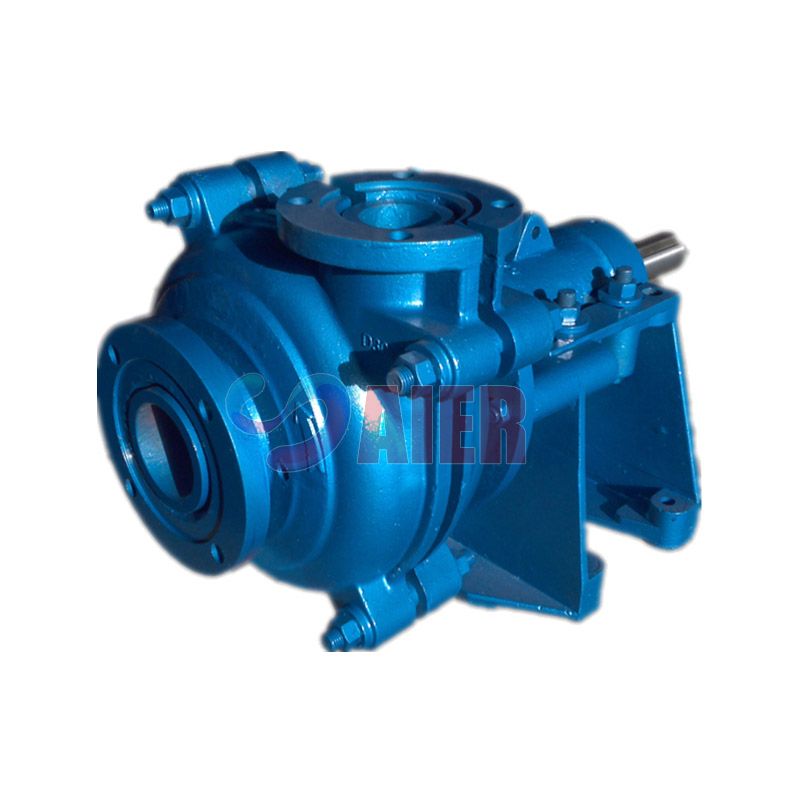
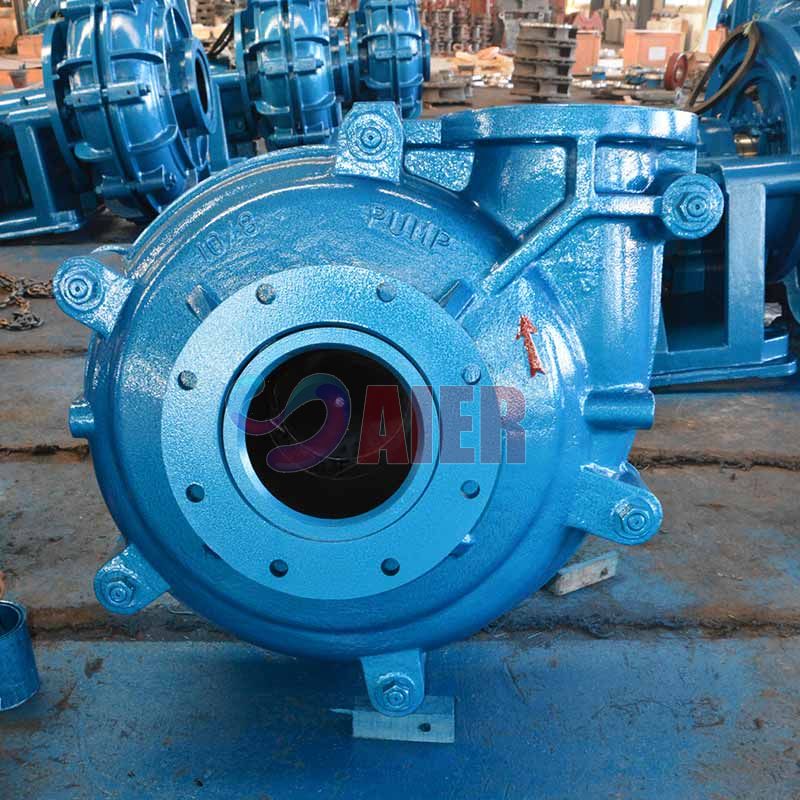
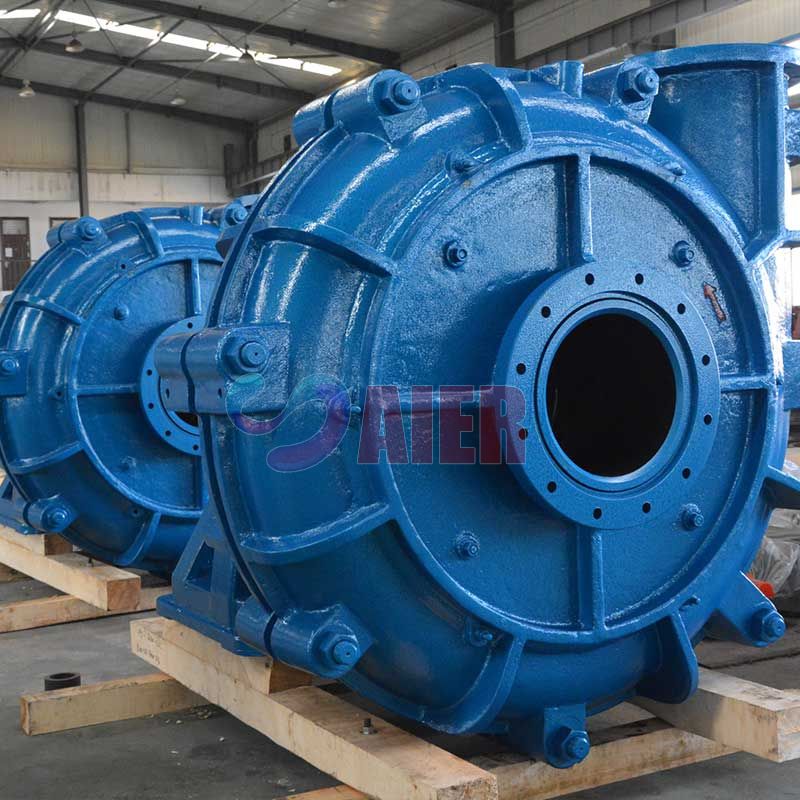
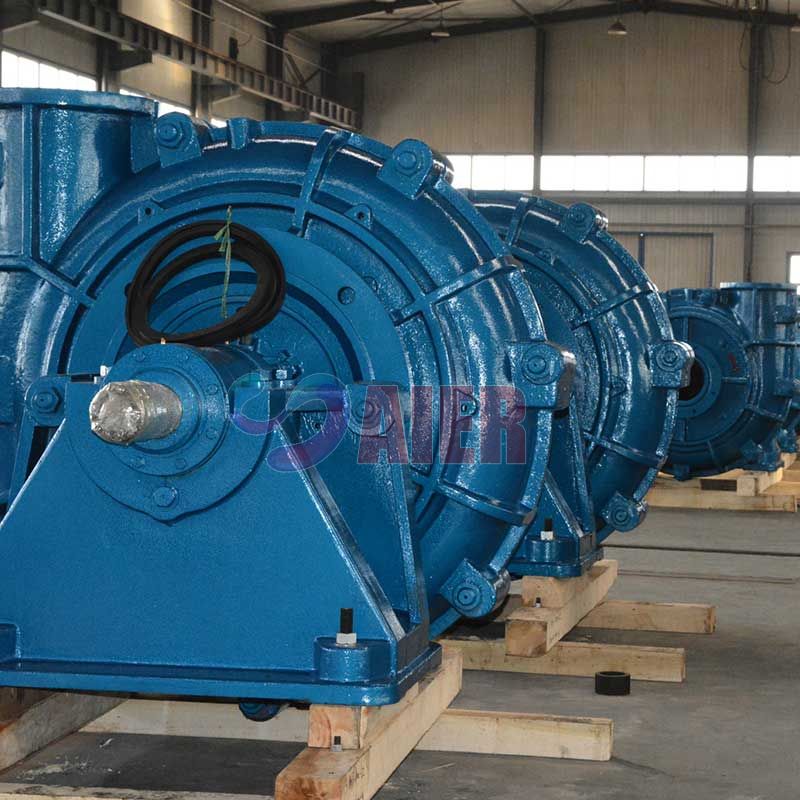
Kedu ihe bụ mgbapụta slurry dị arọ?
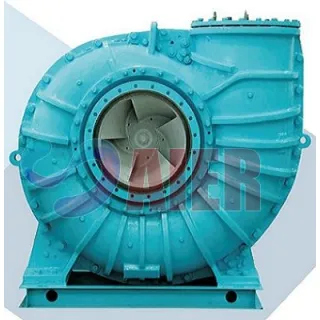
WA usoro arọ ọrụ slurry mgbapụta bụ cantilevered, kehoraizin, eke roba ma ọ bụ ike ígwè lined centrifugal slurry nfuli. Emebere ha maka ijikwa abrasive, nnukwu njupụta dị elu na metallurgical, Ngwuputa, coal, ike, ihe ụlọ na ngalaba ụlọ ọrụ ndị ọzọ.
Nkọwapụta mgbapụta ọrụ dị arọ
Size: 1" ruo 22"
Ike: 3.6-5400 m3 / h
Isi: 6-125 m
Aka siri ike: 0-130mm
Ntinye uche: 0%-70%
Akụrụngwa: Hyper chrome alloy, Rubber, Polyurethane, Ceramic, igwe anaghị agba nchara wdg.
AIER® WA Heavy Duty Slurry Pump
Atụmatụ nke slurry mgbapụta
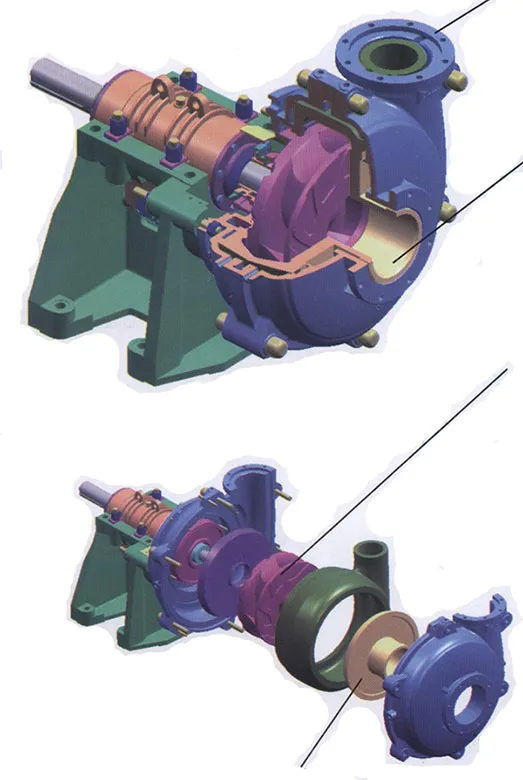
1. The etiti efere maka WA usoro nfuli nwere ike mgbanwe metal siri ike ma ọ bụ nrụgide kpụrụ elastomer liners. A na-eji ígwè siri ike ma ọ bụ nrụgide elastomer eme ihe ndị ahụ.
2. The shaft akara maka WA usoro nwere ike ịbụ mbukota akara, centrifugal akara ma ọ bụ n'ibu akara.
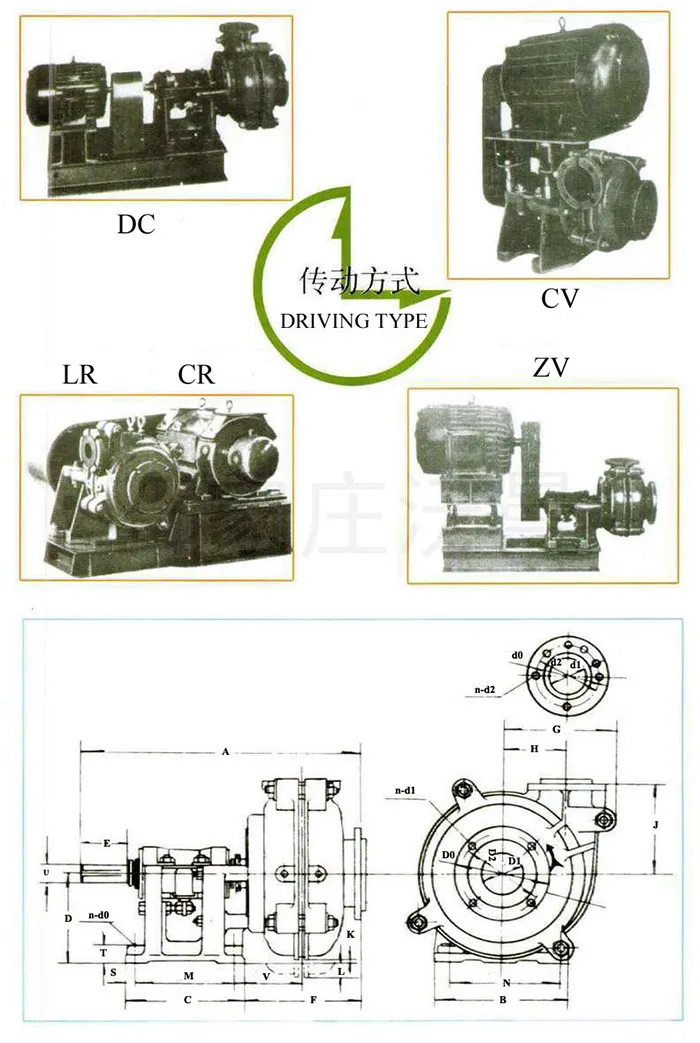
3. Enwere ike idowe alaka ụlọ ọrụ n'oge etiti 45 degrees site na ịrịọ arịrịọ ma na-adabere na ọnọdụ asatọ ọ bụla iji kwado nrụnye na ngwa. E nwere ọtụtụ mbanye ụdịdị maka nhọrọ, dị ka V-belt, mgbanwe njikọ, gearbox, hydraulic coupler variable ugboro, silicon na-achịkwa ọsọ, wdg N'etiti ha, na-agbanwe aro njikọ mbanye na V-belt atụmatụ nke ala na-eri na mfe echichi.
4. In harsh conditions with sand, sludge, rocks and mud, ordinary slurry pumps tend to clog, wear and fail frequently.. But our heavy-duty slurry pumps are highly resistant to wear and corrosion, which means that the ndụ ọrụ nke anyị slurry nfuli dị mma karịa nfuli ndị nrụpụta ndị ọzọ.
Nnukwu ọrụ nfuli ngwa ngwa
N'ihi na nfuli slurry WA dị arọ anyị na-eguzogide oke iyi na corrosion, a na-eji nfuli ọrụ dị arọ n'ọtụtụ ngwa.
1. SAG igwe igwe na-agbapụta, igwe igwe na-agba bọọlụ, Mgbapụta mkpịrị osisi.
2. Ni acid slurry, ájá na-adịghị mma, ọdụdụ na-adịghị mma, matrix phosphate, mineral na-etinye uche.
3. Mgbasa ozi dị arọ, beet sugar, dredging, ala / uyi na-efe efe, na-egweri lime, ájá mmanụ, ájá ịnweta, ọdụdụ dị mma, slag granulation, phosphoric acid, coal, flotation, usoro chemical, pulp na akwụkwọ, FGD, cyclone feed, etc. .
Ngosipụta mgbapụta
| 200WA-ST: | 100WAJ-D: |
| 200: dayameta ọpụpụ: mm | 100: dayameta ọpụpụ: mm |
| WA: Ụdị mgbapụta: chrome alloy lined | WAJ: Ụdị mgbapụta: eriri rọba |
| ST: Efere efere ụdị | D: Ụdị efere etiti |
Iji mụta otu esi edozi nsogbu mgbapụta gị, kpọtụrụ anyị today! We are the slurry pump manufacturer that can help you solve your problems.
Nhazi ihe owuwu
|
|
Casing Nkedo nkedo ma ọ bụ ígwè ductile gbawara agbawa nwere ihe ndị na-eyi uwe ma na-enye ike nrụgide dị elu.
Ọla ọla siri ike na-agbanwe agbanwe na elastomer liners akpụ akpụ |
|
impeller The impeller nwere ike ịbụ elastomer akpụziri ma ọ bụ ígwè siri ike. Vanes mkpuchi dị n'akụkụ dị omimi na-ebelata nrụgide akara ma belata mkpụgharị okirikiri. Eriri impeller nke nkedo dị mma maka slurries. |
Mating faces in hard metal liners are tapered to allow positive alignment during assembly and allow components to be easily removed for replacement.
Ihe Nkebi Pump
| Aha akụkụ | Ihe onwunwe | Nkọwapụta | HRC | Ngwa | Koodu OEM |
| Liners & impeller | Ọla | AB27: 23% -30% chrome ọcha ígwè | ≥56 | A na-eji ya maka ọnọdụ akwa akwa na pH n'etiti 5 na 12 | A05 |
| AB15: 14% -18% chrome ọcha ígwè | ≥59 | Ejiri ya maka ọnọdụ akwa akwa | A07 | ||
| AB29: 27% -29% chrome ọcha ígwè | 43 | Ejiri ya maka ọnọdụ pH dị ala karịsịa maka FGD. Enwere ike iji ya maka ọnọdụ utoojoo dị ala na ntinye desulfuration na pH ọ bụghị ihe na-erughị 4 | A49 | ||
| AB33: 33% -37% chrome ọcha ígwè | Ọ nwere ike ibufe slurry oxygenated na pH ọ bụghị ihe na-erughị 1 dị ka phospor-plaster, nitric acid, vitriol, phosphate etc. | A33 | |||
| Rubber | R08 | ||||
| R26 | |||||
| R33 | |||||
| R55 | |||||
| mgbanaka Expeller & onye na-achụpụ | Ọla | B27: 23% -30% chrome ọcha ígwè | ≥56 | A na-eji ya maka ọnọdụ akwa akwa na pH n'etiti 5 na 12 | A05 |
| Igwe isi awọ | G01 | ||||
| Igbe ihe | Ọla | AB27: 23% -30% chrome ọcha ígwè | ≥56 | A na-eji ya maka ọnọdụ akwa akwa na pH n'etiti 5 na 12 | A05 |
| Igwe isi awọ | G01 | ||||
| Efere / efere mkpuchi, ụlọ na-ebu & isi | Ọla | Igwe isi awọ | G01 | ||
| Iron ductile | D21 | ||||
| Osisi | Ọla | Carbon ígwè | E05 | ||
| Aka uwe, mgbanaka oriọna / ihe mgbanaka, mgbanaka olu, bolt gland | Igwe anaghị agba nchara | 4Cr13 | C21 | ||
| 304 SS | C22 | ||||
| 316 SS | C23 | ||||
| Mgbanaka nkwonkwo & akara | Rubber | Butyl | S21 | ||
| EPDM rọba | S01 | ||||
| Nitrile | S10 | ||||
| Hypalon | S31 | ||||
| Neoprene | S44/S42 | ||||
| Viton | S50 |
Nbufe Module
|
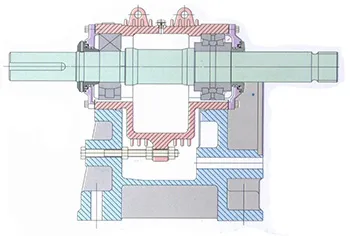
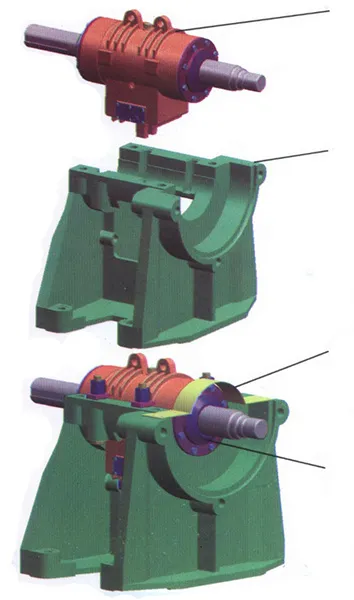
Ogwe mgbapụta buru ibu dayameta, cylindrical Ịrụ ibu dị arọ, metric bearing na-eji mmanu mmanu ma ọ bụ mmanu griiz; meghere na nsonazụ, atụmatụ ihe owuwu nke obere olu na ntụkwasị obi dị elu. |
 |
 |
Mgbakọ nke Shaft Bearing Nnukwu ogwe dayameta nke nwere mkpirisi mkpirisi na-ebelata ntụgharị na ịma jijiji. A na-edobe ebe a na-adọba ụgbọala dị arọ n'ime katrij ibu mbughari. Mgbapụta mgbapụta Kechie mgbapụta ahụ na ntọala ya na ọnụ ọgụgụ kacha nta nke bolts ma dozie impeller n'ọnọdụ dị mma n'okpuru ebe a na-ebu ibu. Mkpuchi mkpuchi mmiri na-egbochi mmiri ntapu ife efe. Ihe mkpuchi mkpuchi na-egbochi mmiri ịpụpụ site na ihe nkwado.
|
Nhazi Module Shaft Akara
 |
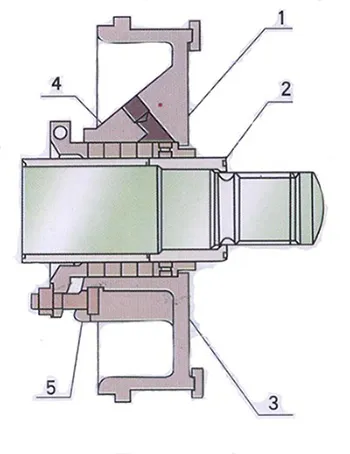
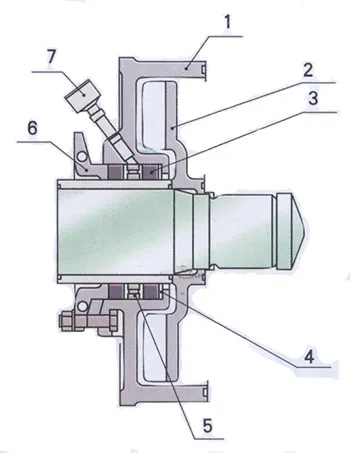
1. Igbe nkwakọ ngwaahịa 2. mgbanaka oriọna ihu 3. mbukota 4. Mbukota Gland 5. Ogwe aka aka |
|
1. Hapụ Gland 2. Onye nchụpụ 3. mbukota 4. Nkwakọ ngwaahịa 5. mgbanaka lantern 6. Mbukota Gland 7. Iko mmanu |
 |
 |
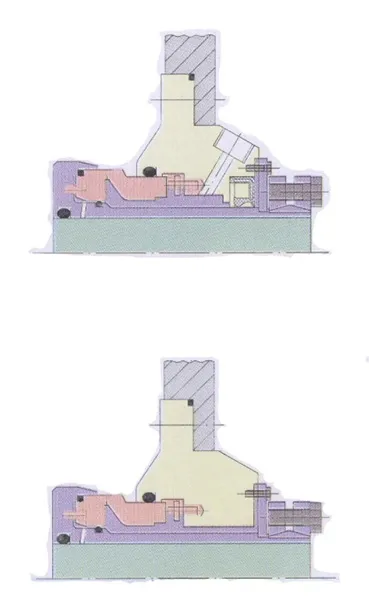
GRJ Mechanical Akara A na-eji ụdị GRG mee ihe maka mmiri mmiri nke anaghị ekwe ka agbaze ya. Akara Mechanical HRJ A na-eji ụdị HRJ mee ihe maka itughari mmiri ekwenyere. A na-anakwere seramiiki siri ike dị elu na mmekorita maka ihe nke akụkụ esemokwu. Ọ nwere nguzogide abrasive dị elu & ihe ngosi ịma jijiji na-ekwe nkwa na ndị ahịa nwere ike ime afọ ojuju akara n'ọnọdụ dị iche iche.
|
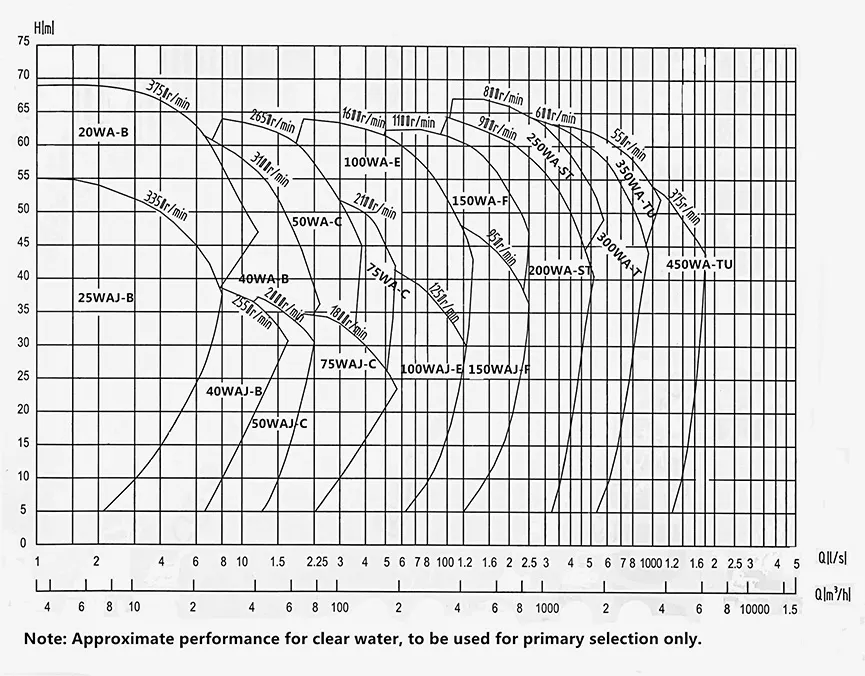
Arụmọrụ Curve
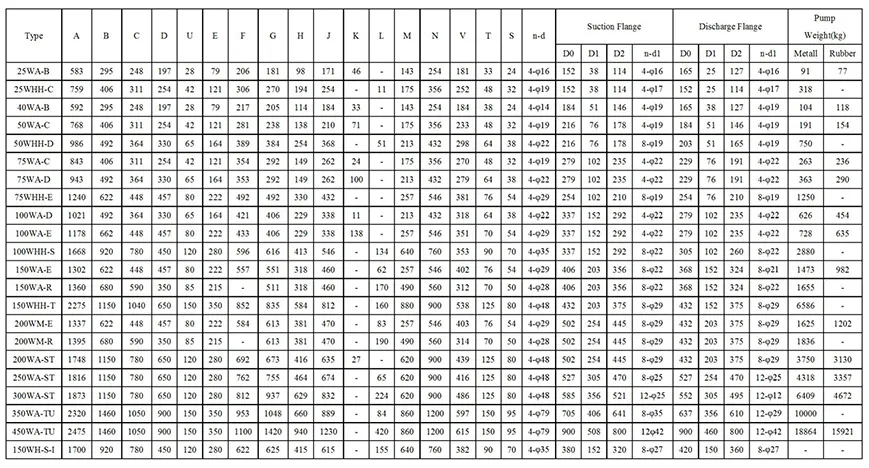
Akụkụ nwụnye
Nhọrọ Slurry Pump impeller
Slurry pump impeller is one of the most important parts of centrifugal slurry pumps. Depending on the application, slurry pump impeller selection is crucial to slurry pump performance. Slurry applications can be especially hard on the impeller of slurry pumps because of their abrasive nature. In order slurry pumps operates efficiently and stand up to the test of time, impeller has to be selected properly for slurry pumps.
1. Slurry Pump impeller Ụdị
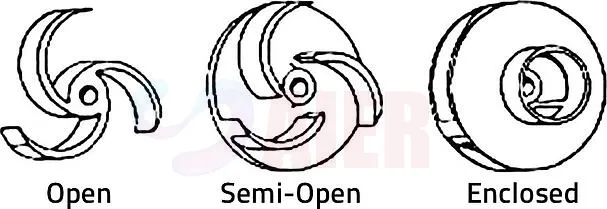
E nwere atọ dị iche iche nke slurry mgbapụta impellers; mepere emepe, mechiri emechi na ọkara mepere emepe. Onye ọ bụla nwere ike na adịghị ike nke ya, dabere na ngwa ahụ. Ụfọdụ dị mma maka njikwa ihe siri ike, ndị ọzọ dị mma maka ịrụ ọrụ dị elu.
Any type of impeller can be used in slurry applications, but closed slurry pump impellers are more common because they are high efficient and abrasion Resistance,. Open slurry pump impellers are usually used well for high concentration solids as they are less likely to clog. For example, the small fibers in paper stock which, in high densities, may have a tendency to clog the impeller. Pumping slurry can be difficult.
2. Slurry Pump Impeller Size
The size of slurry pump impeller must be considered to ensure it holds up against abrasive wear. Slurry pump impellers are generally larger in size when compared to slurry pumps for less abrasive liquids. The more “meat” the impeller has, the better it will hold up to the task of pumping harsh slurry mixtures. Just think of slurry pump impeller as a football team’s offensive line. These players are usually large and slow. Throughout the whole game they are beaten up, over and over again, but expected to withstand the abuse. You wouldn’t want small players in this position, just like you wouldn’t want a small impeller on your slurry pumps.
3. Slurry Pump Speed
Process speed doesn’t have anything to do with choosing slurry pump impeller, but it does have an effect on the life of slurry pump impeller. It is important to find the sweet spot that allows the slurry pump to run as slow as possible, but fast enough to keep solids from settling and clogging. If pumping too fast, the slurry can quickly erode the impeller due to its abrasive nature. This is why it is important to select a larger impeller if possible.
When dealing with slurry, you generally want to go bigger and slower. The thicker the impeller, the better it will hold up. The slower the pump, the less erosion will inflict on the impeller. However, the impeller isn’t the only thing to worry in slurry pump when dealing with slurry. Tough, durable materials of construction are necessary most of the time. Metal slurry pump liners and wear plates are common in slurry applications.
Ntinye nke Slurry Pump
Nwụnye mgbapụta Slurry kwụ ọtọ
The mounting and installation of horizontal slurry pumps are generally subject to a number of considerations, including floor space, overhead space for lifting and the likelihood of flooding from spills. Pumps in critical services are often paired in duty/standby mode so that maintenance can be carried out on one pump while the other is running.
Large slurry pumps with high-energy motors - and perhaps with speed reduction gearboxes - would generally be mounted with the shaft axes in the same horizontal plane for ease of maintenance access.
A slurry pump with a belt drive may have the motor mounted beside it if there is sufficient floor space. However, if floor space is limited or there is a risk of flooding, the motor can be mounted above it either directly overhead (also known as “C drive”) or to its rear (reverse overhead mounting or “Z drive”).
Vertical Slurry Pump Installation
Vertical cantilever shaft sump pumps should be selected so that the suction inlet is close to the sump floor. If shaft length is limited by the required running speed and power to be transmitted, a suction pipe (generally two meters long) may be fitted to the suction branch to ensure the sump can be emptied.
Understanding Heavy Duty Slurry Pumps and Their Industrial Applications
A heavy duty slurry pump is a specialized pumping solution designed to handle highly abrasive and dense slurries in demanding industrial applications. Unlike standard pumps, these heavy-duty units are engineered to provide durability, high efficiency, and long operational life in challenging conditions. The structural design of a heavy duty slurry pump includes robust casings, wear-resistant impellers, and reinforced shafts that allow it to manage slurries containing coarse particles, sand, gravel, and mineral residues without excessive wear.
The industrial slurry pump is widely used across multiple sectors, including mining, coal preparation, metallurgical processing, and chemical industries. In mining operations, it efficiently transports slurry from excavation sites to processing facilities, managing high particle loads without compromising flow rates. In coal washing and processing plants, heavy duty slurry pumps handle thick mixtures of coal and water, maintaining continuous operation under severe abrasion conditions.
Metallurgical plants benefit from heavy duty slurry pumps by moving corrosive and abrasive process fluids such as tailings, smelting residues, and acidic solutions. The pump’s materials, typically high-chrome alloys or specialized metals, provide excellent wear resistance and corrosion protection. This ensures consistent operation and reduces downtime, which is crucial for industrial processes with tight production schedules.
A reliable slurry pump supplier will offer pumps with modular designs, allowing for easy replacement of wear parts like impellers and liners. This minimizes maintenance costs and downtime, enhancing productivity in demanding industrial environments. Furthermore, many industrial slurry pumps come in different configurations, including horizontal, vertical, and high-capacity models, enabling customization for specific applications.
In addition to industrial use, heavy duty slurry pumps are critical in water treatment and dredging operations where solid-laden fluids need to be transported efficiently. Their robust construction, combined with advanced hydraulic design, allows them to handle large flow volumes and high concentrations of solids, ensuring reliable performance across all applications.
In summary, a heavy duty slurry pump is a durable, efficient, and versatile solution for handling abrasive and corrosive slurries in various industrial sectors. Partnering with a professional slurry pump supplier ensures access to high-quality pumps that meet operational demands and provide long-term reliability.
Key Advantages of Heavy Duty Slurry Pumps in Abrasive Environments
Heavy duty slurry pumps are specifically designed to withstand the challenges posed by abrasive and corrosive industrial fluids. Their key advantage lies in their ability to operate efficiently under extreme wear conditions while maintaining high flow and pressure. Unlike standard pumps, heavy duty models use wear-resistant materials such as high-chrome iron or stainless steel alloys, which dramatically reduce the effects of erosion from solid particles in slurries.
In highly abrasive environments, such as mining and mineral processing, these pumps can handle slurries with high solids content and large particle sizes. This ensures consistent flow rates without frequent repairs or maintenance shutdowns. Choosing a heavy duty slurry pump from a reputable slurry pump supplier guarantees enhanced durability and reliability in these challenging conditions.
Another advantage is the robust structural design. Industrial slurry pumps are reinforced with thick casings, optimized impeller geometry, and heavy-duty shafts that resist bending and wear. This allows for continuous operation in industrial environments with abrasive fluids, reducing downtime and maintenance costs. Additionally, many pumps are designed with modular components, enabling easy replacement of worn parts such as liners and impellers, which extends the pump’s operational lifespan.
The adaptability of heavy duty slurry pumps also sets them apart. They are available in horizontal and vertical configurations and can be customized for specific flow rates, head requirements, and slurry characteristics. This flexibility makes them suitable for a wide range of applications, from transporting tailings in mining operations to moving chemical slurries in metallurgical plants.
Energy efficiency is another significant advantage. The optimized hydraulic design of these pumps ensures high efficiency even under abrasive conditions, reducing power consumption and operational costs. Industrial facilities that rely on industrial slurry pumps can achieve long-term savings while maintaining reliable performance.
In conclusion, heavy duty slurry pumps offer unmatched durability, wear resistance, and operational efficiency in abrasive environments. By sourcing from a qualified slurry pump supplier, industries can ensure reliable performance, reduced maintenance, and cost-effective operation over extended periods.
Comparing Heavy Duty Slurry Pumps vs Standard Slurry Pumps
When selecting a pump for industrial slurry applications, understanding the differences between heavy duty slurry pumps and standard slurry pumps is essential. Heavy duty pumps are engineered for extreme conditions, whereas standard pumps are suitable for less abrasive and lower solids concentration environments.
A heavy duty slurry pump typically features reinforced casings, high-strength shafts, and wear-resistant impellers made from high-chrome alloys or stainless steel. In contrast, standard slurry pumps often use less durable materials that are prone to rapid erosion when handling abrasive slurries. This material difference directly impacts the lifespan and reliability of the pump in demanding applications.
Another critical difference is the capacity to handle high solids content. Heavy duty pumps can transport slurries containing large particles, high concentrations of solids, and abrasive mixtures, making them ideal for mining, mineral processing, and coal preparation. Standard pumps are limited in this regard and may experience frequent clogging or wear if used beyond their specifications.
Maintenance requirements also vary. A heavy duty slurry pump is designed for modular replacement of wear components such as liners, impellers, and bearings, which reduces downtime and simplifies servicing. Standard pumps may require more frequent overhauls or complete replacements, increasing operational costs and reducing productivity. Partnering with a professional slurry pump supplier ensures access to high-quality heavy duty pumps and replacement parts, optimizing long-term performance.
Finally, heavy duty pumps are often optimized for higher flow rates and pressures, allowing them to handle more demanding industrial processes efficiently. Standard pumps, while sufficient for lighter applications, may struggle under extended operation in high-load environments.
centrifugal submersible mgbapụta emeputa
china submersible mgbapụta emeputa
eletriki submersible mgbapụta emeputa
emeputa nke submersible mgbapụta
submersible mgbapụta akụkụ emeputa
submersible mgbapụta aro emeputa
submersible pump spares emeputa
submersible sewage mgbapụta emeputa
submersible mmiri mgbapụta emeputa
submersible olulu mmiri emeputa
Ụdị ngwaahịa
-
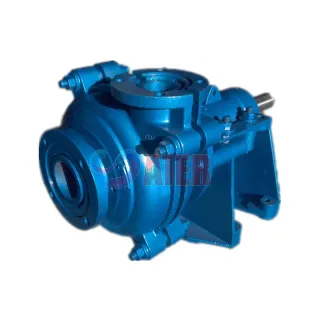
WA Slurry Pump dị arọ
-
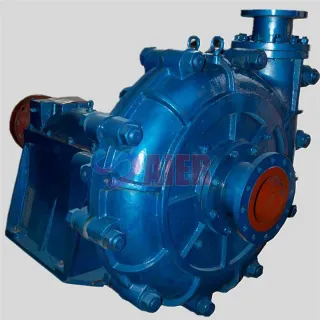
WG High Head Slurry Pump
-
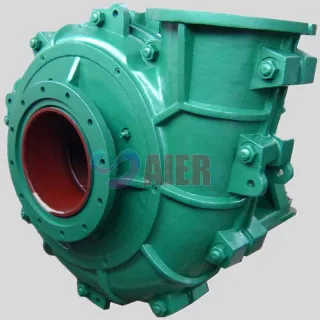
WL Light-ọrụ Slurry Pump
-
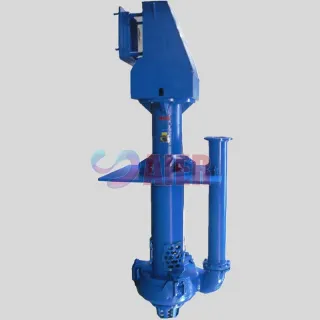
WY Sump Pump
-
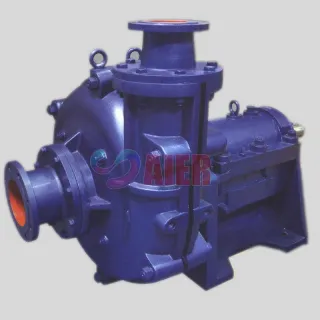
WZ Pump Pump arụmọrụ dị elu
-
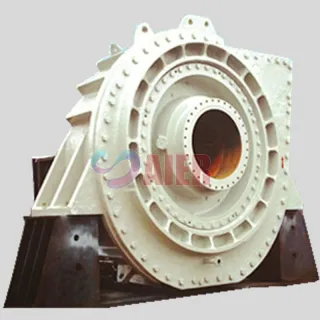
WN Dredge Pump
-
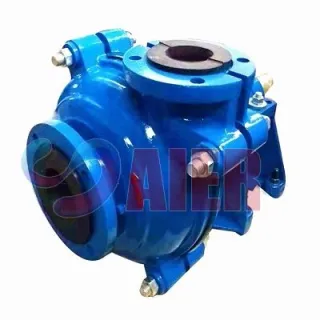
WAJ Rubber Slurry Pump
-
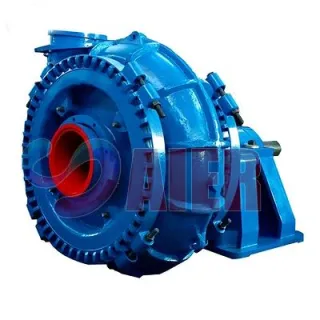
WS, WSG gravel ájá mgbapụta
-
WS, WSH Ngwọta Mgbapụta
-
WY Sump Pump
-
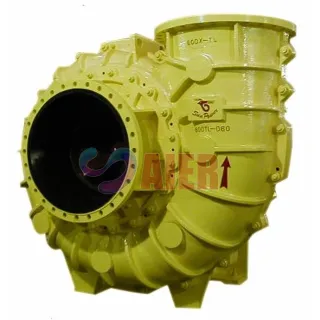
TL, TLR FGD mgbapụta
-
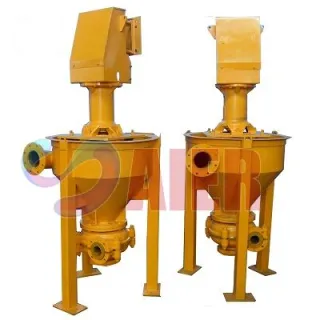
Mgbapụta Froth kwụ ọtọ WP
-
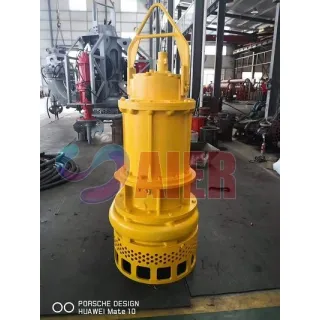
Nfuli mgbapụta ZJQ Submersible Slurry
-
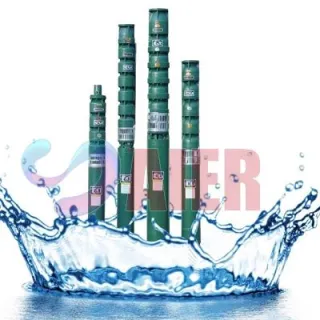
QJ PuMP nwere ike ime
-
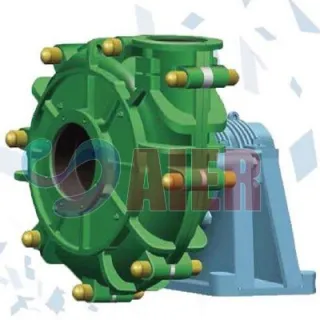
ACT (ZCT) nfuli mmiri mmiri seramiiki
-
BCT Ceramic Slurry Pumps