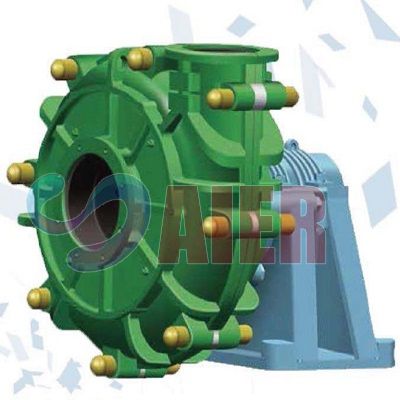
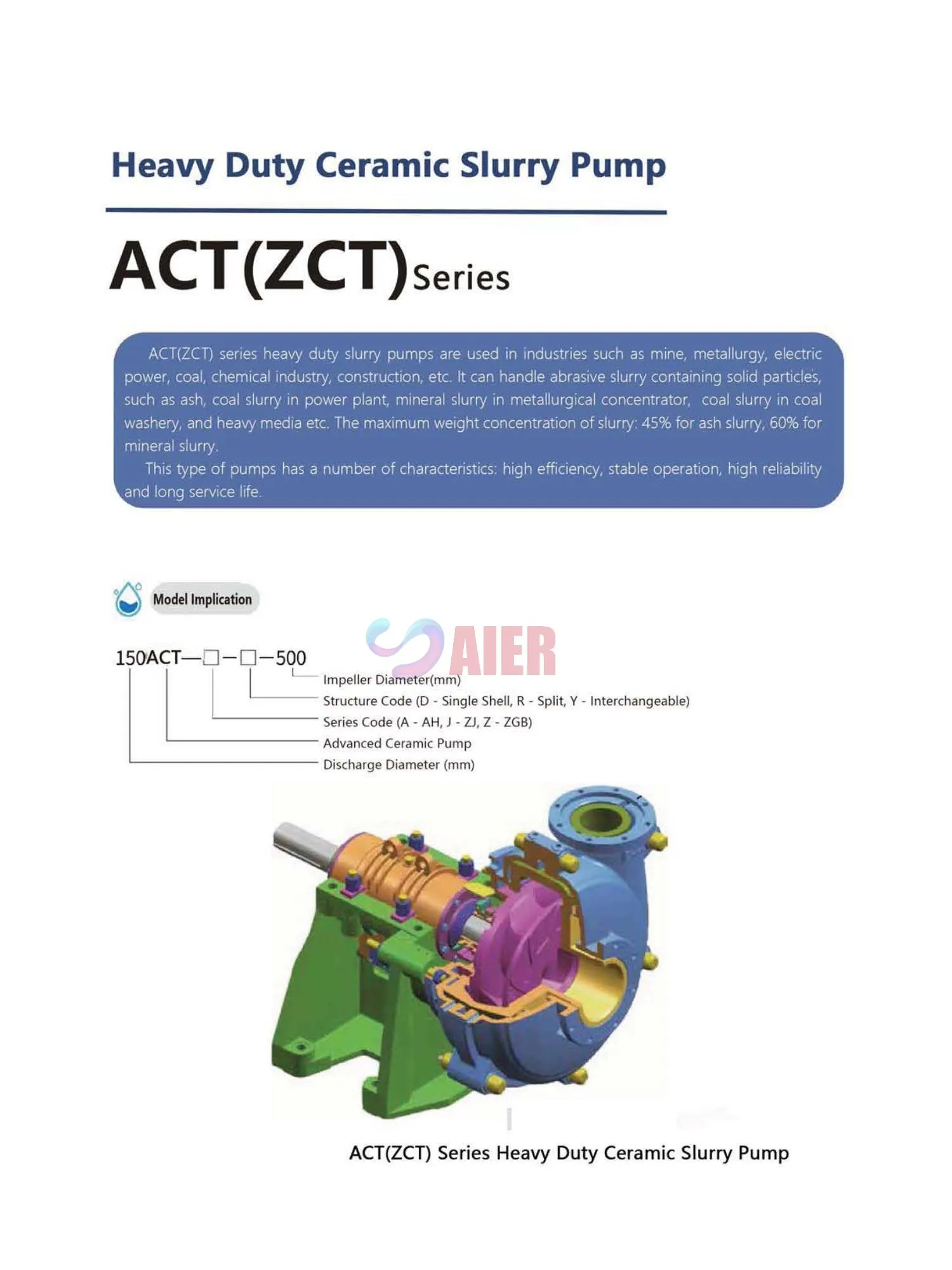
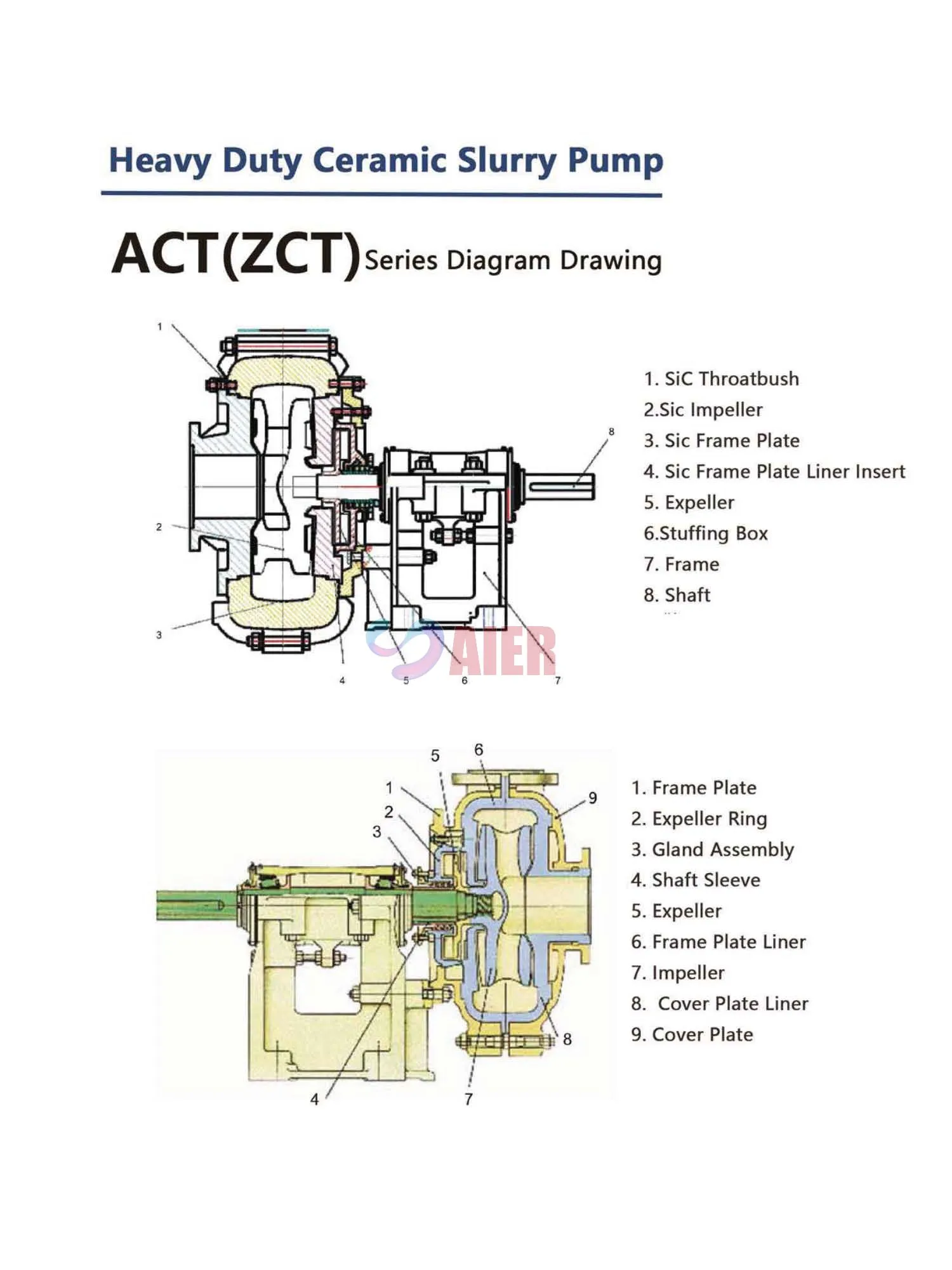
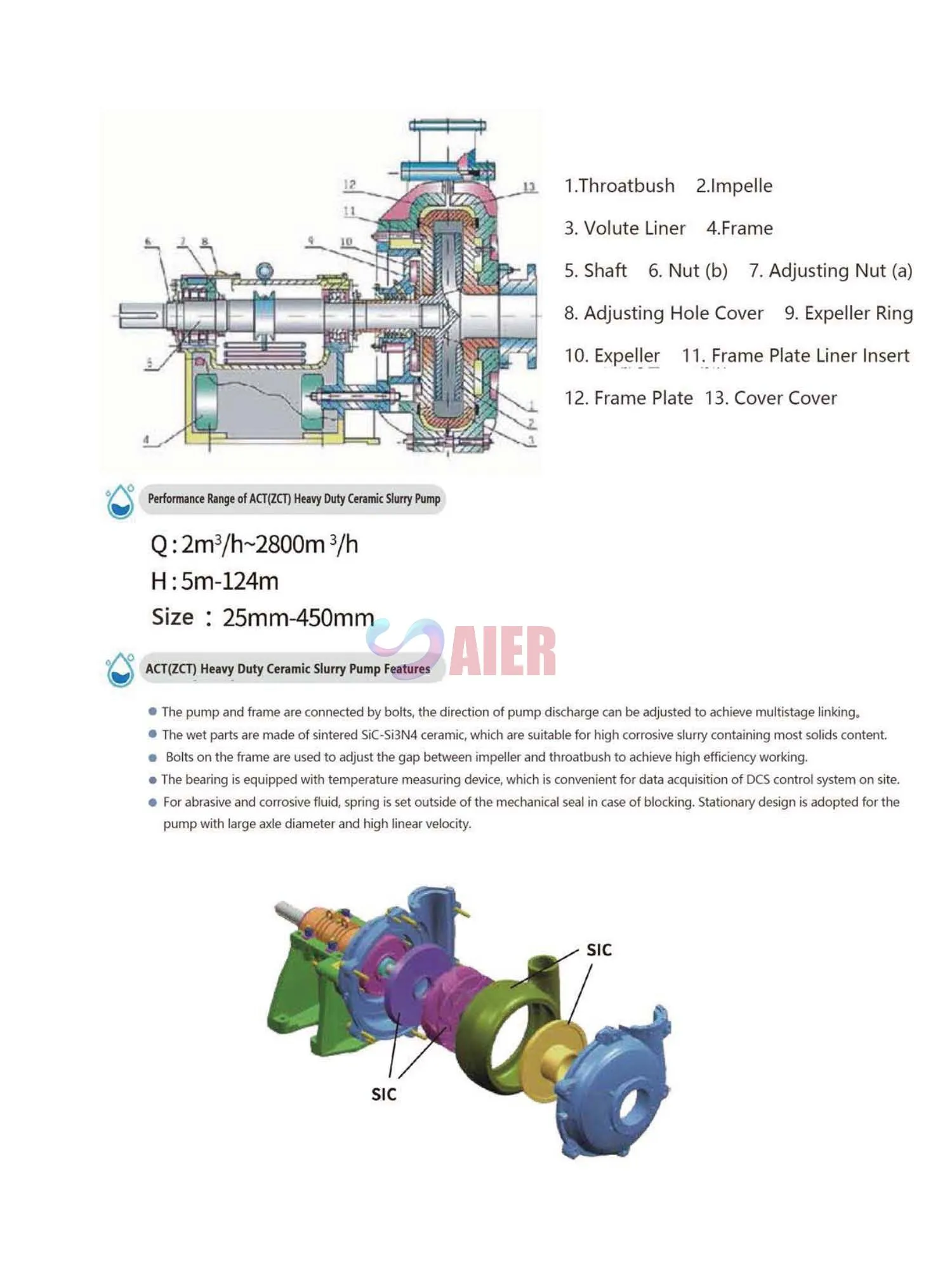
ACT (ZCT) nfuli mmiri mmiri seramiiki
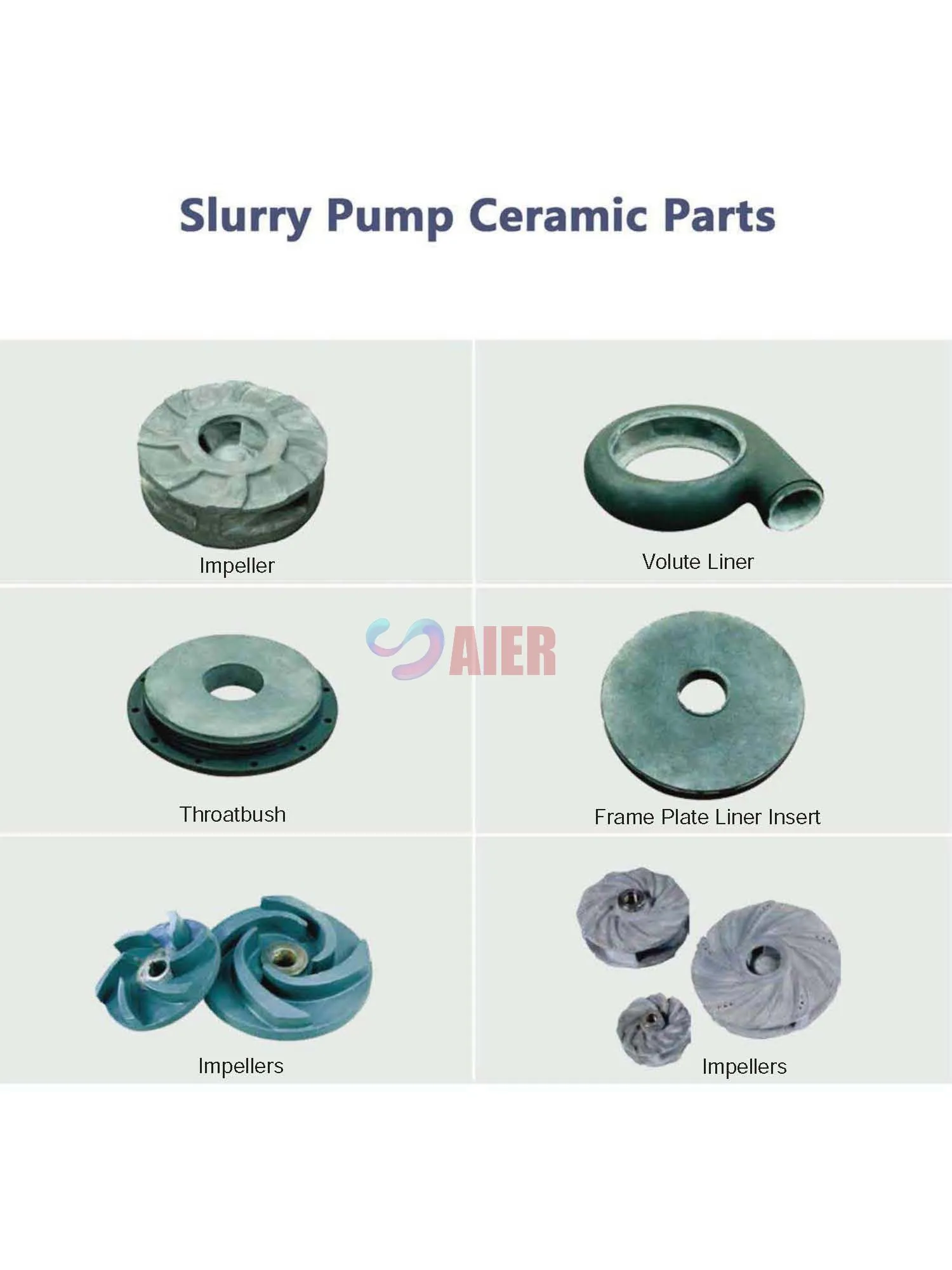
Uru nke ceramic Slurry Pumps
NKWUO:
Size: 1" ruo 18"
Ike: 2-2800 m3 / h
Isi: 5-124 m
Aka siri ike: 0-110mm
Ntinye uche: 0%-70%
Akụrụngwa: Ceramic
AIER® ACZ (ZCT) Heavy Duty Ceramic Slurry Pump
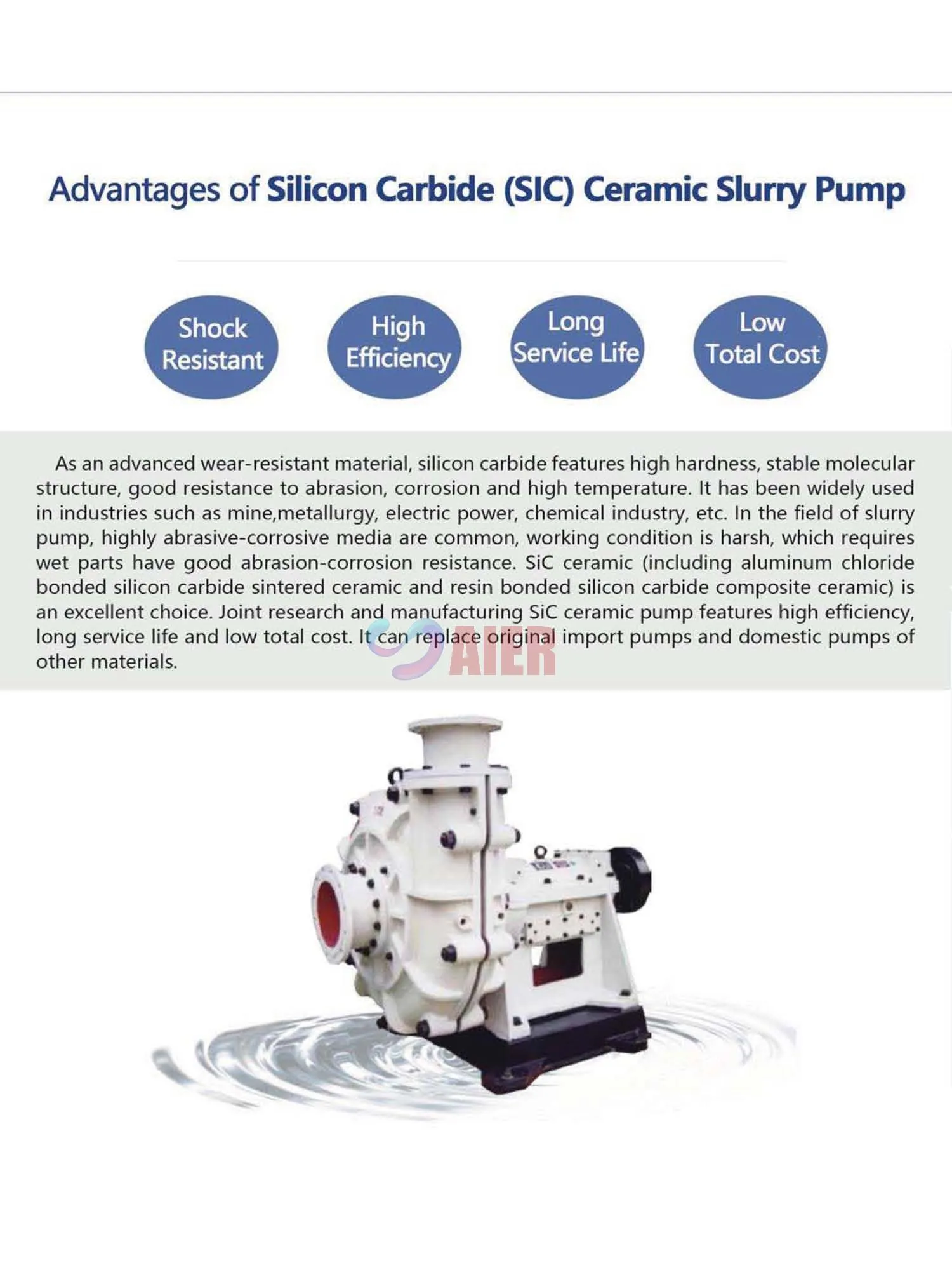
Uru nke Silicon Carbide (SIC) Slurry Pump
Ujo na-eguzogide ọgwụ
Ịrụ ọrụ dị elu
Ogologo oge ọrụ
Ọnụ ego dị ala
Dị ka ihe dị elu na-eguzogide iyi, silicon carbide nwere atụmatụ isi ike dị elu, usoro ihe ọkụkụ kwụsiri ike, ezigbo iguzogide abrasion, corrosion, na okpomọkụ dị elu. A na-ejikarị ya eme ihe na ụlọ ọrụ ndị dị ka Ngwuputa, metallurgy, ọkụ eletrik, ụlọ ọrụ kemịkalụ, wdg N'ọhịa nke mgbapụta slurry, mgbasa ozi na-emerụ ahụ nke ukwuu bụ ihe na-adịghị mma, na ọnọdụ ọrụ dị njọ, nke na-achọ akụkụ mmiri iji nwee ezigbo abrasion. -eguzogide corrosion. SiC seramiiki (gụnyere aluminom chloride-bonded silicon carbide sintered seramiiki na resin-bonded silicon carbide composite seramiiki) bụ ezigbo nhọrọ. Nnyocha nkwonkwo na imepụta nfuli seramiiki SiC nwere arụmọrụ dị elu, ogologo oge ọrụ yana ọnụ ala dị ala. Ọ nwere ike dochie nfuli mbubata mbụ na nfuli ụlọ nke ihe ndị ọzọ.
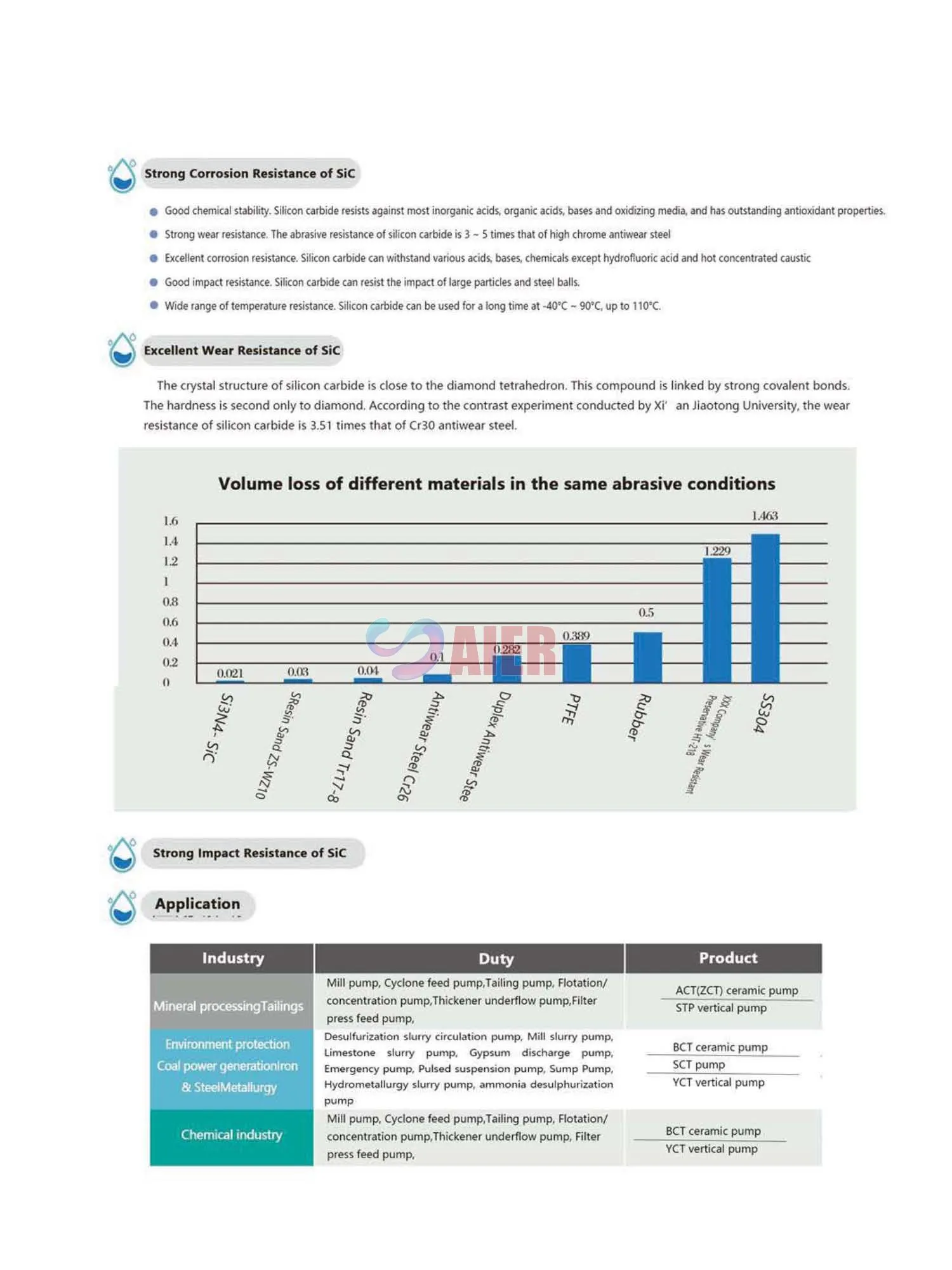
Nguzogide corrosion siri ike nke SiC
Nkwụsi ike kemịkalụ dị mma. Silicon carbide na-eguzogide ọtụtụ acid inorganic, organic acids, bases na oxidizing media.
Nguzogide iyi siri ike. Nguzogide abrasive nke silicon carbide bụ 3 ~ 5 ugboro karịa ígwè antiwear chrome dị elu
Nguzogide corrosion mara mma. Silicon carbide nwere ike iguzo acid dị iche iche, ntọala, kemịkalụ ma e wezụga hydrofluoric acid na caustic na-ekpo ọkụ.
Mmetụta mmetụta dị mma. Silicon carbide nwere ike iguzogide mmetụta nke nnukwu irighiri ihe na bọọlụ nchara.
Wide range of temperature resistance. Silicon carbide can be used for a long time at -40°C ~ 90°C, up to 110°
Nguzogide iyi kacha mma nke SiC
The crystal structure of silicon carbide is close to the diamond tetrahedron. This compound is linked by strong covalent bonds. The hardness is second only to diamond. According to the contrast experiment conducted by Xi’an Jiaotong University, the wear resistance of silicon carbide is 3.51 times more than Cr30 antiwear steel.
Mmetụta mmetụta siri ike nke SiC
Ngwa
|
Ụlọ ọrụ mmepụta ihe |
ọdụ ọdụ |
Ngwaahịa |
|
Nhazi mineral
Odụ ọdụ |
Mgbapụta igwe ihe, Mgbapụta nri Cyclone, Mgbapụta Tailing, Mgbapụta flotation / ịta ahụhụ, Thickener underflow pump, Filer press feed pump |
ACT (ZCT) mgbapụta seramiiki STP mgbapụta kwụ ọtọ |
|
Nchekwa gburugburu ebe obibi Nrụpụta ike ọkụ Ịme igwe Metallurgy |
Mgbapụta mgbapụta slurry-circling, igwe igwe slurry, mgbapụta ịgba ígwè lime seriflux, mgbapụta mgbapụta gypsum, mgbapụta mberede, mgbapụta mmiri na-ekpo ọkụ Hydrometallurgy |
BCT seramiiki mgbapụta SCT mgbapụta YCT mgbapụta kwụ ọtọ |
|
Ụlọ ọrụ kemịkalụ |
Injinia kemịkalụ nnu, mgbapụta usoro maka mineral kemịkalụ na-emebi emebi |
BCT seramiiki mgbapụta YCT mgbapụta kwụ ọtọ |
Nkọwa izugbe
Ịse eserese
Atụmatụ imewe
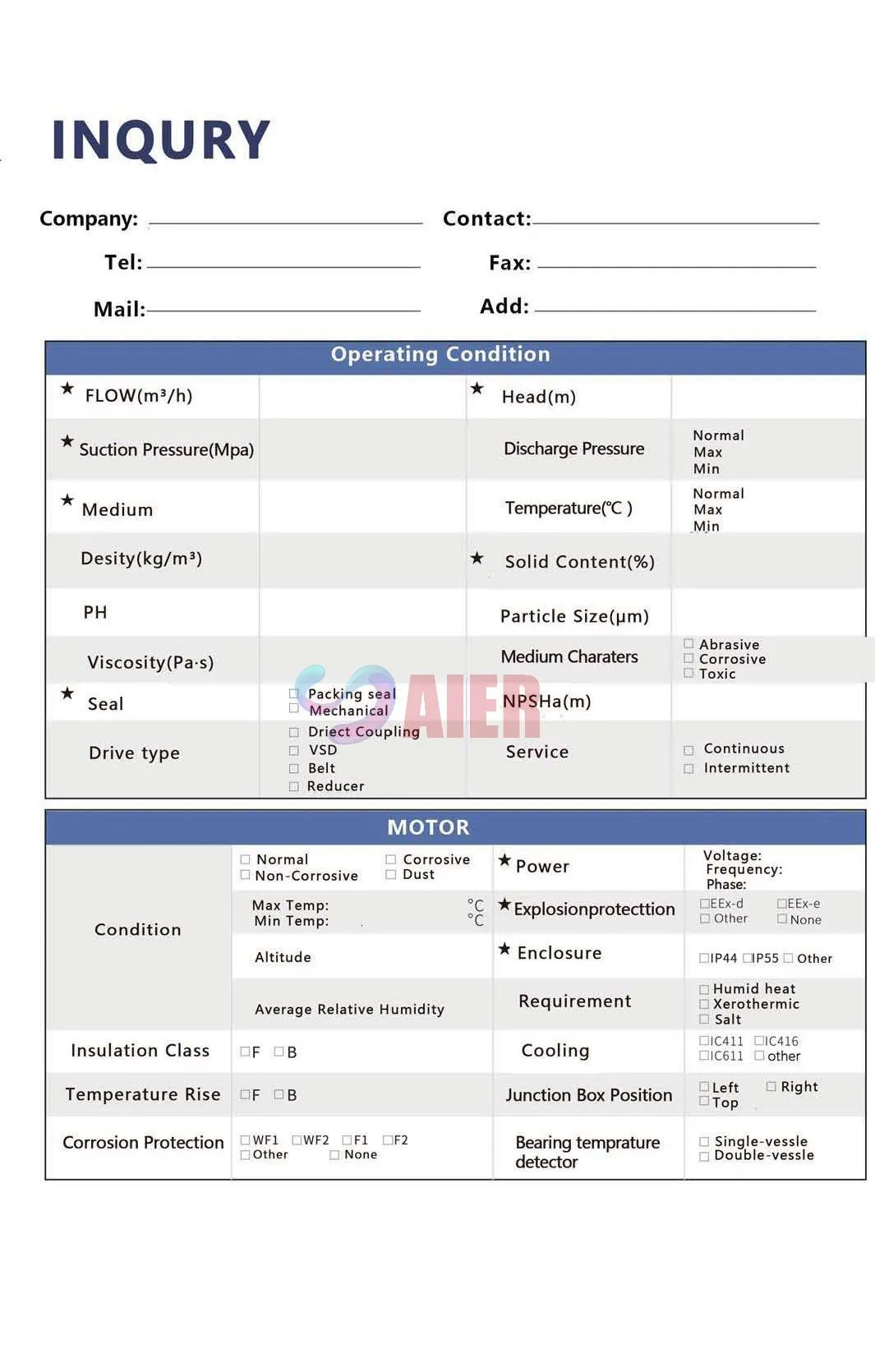
Ụdị ajụjụ
Comparing Ceramic Slurry Pumps with Rubber and Metal Lined Pumps
Selecting the right type of slurry pump is crucial for optimizing efficiency and reducing operational costs. Understanding the differences between a ceramic slurry pump vs rubber pump and metal lined slurry pump can help industries make informed decisions. Each type has its own advantages, limitations, and suitable applications depending on the slurry’s abrasiveness, chemical properties, and operational conditions.
A ceramic slurry pump is ideal for highly abrasive and corrosive slurries. Its ceramic components, such as alumina or zirconia liners and impellers, provide exceptional wear resistance and chemical stability. These pumps excel in mining, metallurgy, chemical processing, and power plant desulfurization, where slurries often contain sharp or dense particles. The smooth ceramic surface reduces friction and energy loss, maintaining pump efficiency over long periods, and extending service life compared with traditional pumps.
In contrast, a rubber lined slurry pump is more suitable for moderately abrasive slurries with lower chemical aggressiveness. Rubber liners provide good corrosion resistance and absorb impact from larger particles, which helps reduce damage to the pump structure. Rubber pumps are generally more flexible and lighter than ceramic models, but they wear faster when handling highly abrasive slurries, leading to more frequent maintenance.
A metal lined slurry pump, typically made from high-chrome alloys or stainless steel, combines strength with moderate wear resistance. Metal pumps are suitable for slurries that are less abrasive but may contain corrosive chemicals. They can handle higher pressures and flow rates than rubber pumps but tend to wear faster than ceramic pumps under extreme abrasion. Industrial slurry pump comparison often highlights that metal pumps offer a balance between cost and durability but may not perform as well as ceramics in very harsh conditions.
When deciding among these options, factors such as slurry composition, operating temperature, flow rate, head, and maintenance requirements must be considered. While ceramic slurry pumps deliver maximum wear and corrosion resistance, rubber pumps offer flexibility and impact resistance, and metal lined slurry pumps provide strength and moderate durability. Choosing the correct type ensures optimal performance, lower total cost of ownership, and longer service life in industrial applications.
Ceramic Slurry Pumps in Mining: Tailings and Ore Slurry Transportation
In the mining industry, handling abrasive slurries is a major challenge that requires robust and reliable equipment. A ceramic slurry pump for mining provides an ideal solution for transporting highly abrasive ore slurries and tailings efficiently. Unlike conventional metal or rubber-lined pumps, ore slurry pumps equipped with ceramic components such as impellers, liners, and throat bushes exhibit exceptional wear resistance and durability. These properties allow mining operations to handle slurries containing coarse particles or high concentrations of solids with minimal maintenance.
Tailings transportation is one of the most demanding tasks in a mining operation. A tailings pump must withstand constant exposure to sharp and dense mineral particles, which can quickly erode traditional pump materials. Ceramic linings, made from high-purity alumina or zirconia, maintain structural integrity under these conditions, reducing downtime and replacement costs. The smooth surface of ceramic components also minimizes friction losses, maintaining high hydraulic efficiency and ensuring consistent flow rates even under heavy loads.
In addition to wear resistance, ceramic slurry pumps for mining are highly adaptable to different flow and head requirements. Manufacturers can customize impeller design, casing configuration, and ceramic thickness to match site-specific slurry conditions. For example, high-volume tailings pipelines may require pumps with larger impellers and reinforced liners, while ore concentration circuits benefit from optimized impeller geometry for improved solids handling. These customized solutions ensure maximum efficiency, reduced energy consumption, and longer service life.
Another advantage of ore slurry pumps in mining is their ability to operate under variable pH and chemical environments. Some slurries contain acidic or alkaline components due to ore processing chemicals, and ceramic linings provide superior corrosion resistance compared to metal or rubber alternatives. This combination of wear and corrosion resistance makes ceramic slurry pumps a cost-effective and reliable choice for continuous mining operations.
Overall, the use of ceramic slurry pumps in mining enhances operational reliability, reduces maintenance costs, and ensures efficient handling of abrasive ore slurries and tailings. With proper selection, installation, and routine maintenance, these pumps can deliver years of consistent performance, making them a critical component in modern mining infrastructure.
Ceramic Slurry Pumps in Chemical Industry: Handling Corrosive Liquids
In the chemical industry, pumping corrosive and abrasive slurries requires equipment that combines durability, chemical resistance, and high efficiency. A ceramic slurry pump for chemical industry meets these requirements by using advanced ceramic materials such as alumina, zirconia, or silicon carbide for critical components like impellers, liners, and wear rings. These materials ensure that the pump can handle acidic, alkaline, or chemically aggressive fluids without suffering premature wear or corrosion.
An acid slurry pump is particularly valuable in processes where strong acids or highly corrosive slurries must be transported continuously. Metal pumps often degrade quickly under these conditions, resulting in downtime and costly replacements. Ceramic linings, however, are chemically inert and maintain structural integrity, providing long-term reliability and protecting the pump casing and shaft from chemical attack. This significantly extends the service life of the pump and reduces maintenance costs for chemical plants.
In addition to chemical resistance, corrosion resistant slurry pumps offer excellent wear resistance against abrasive particles often found in industrial chemical processes. Slurries containing catalysts, precipitates, or suspended solids can erode traditional pump components, but ceramic-lined pumps retain their performance due to the high hardness and smooth surface of the ceramic material. This combination of abrasion and corrosion resistance ensures stable hydraulic efficiency over long operational periods.
Customization is another important feature of ceramic slurry pumps for the chemical industry. Manufacturers can adjust impeller design, lining thickness, and casing configuration to match specific flow rates, slurry densities, and operating temperatures. Modular designs allow easy replacement of wear parts, minimizing downtime and simplifying maintenance. By selecting the right acid slurry pump, chemical plants can optimize process efficiency while ensuring safe and reliable transport of corrosive fluids.
Overall, the use of ceramic slurry pumps in chemical industry applications enhances operational reliability, reduces maintenance costs, and improves overall process efficiency. These pumps provide a durable, high-performance solution for transporting corrosive and abrasive liquids, making them an essential component in modern chemical manufacturing and processing facilities.
Ụdị ngwaahịa
-
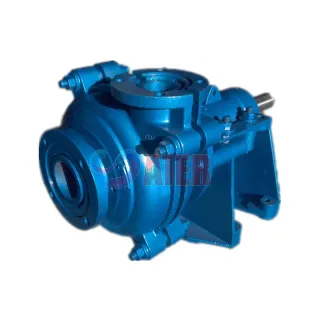
WA Slurry Pump dị arọ
-
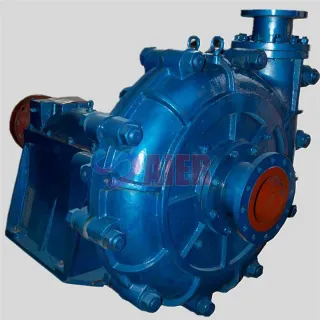
WG High Head Slurry Pump
-
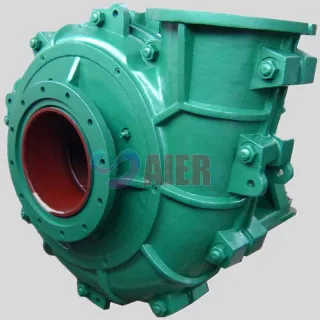
WL Light-ọrụ Slurry Pump
-
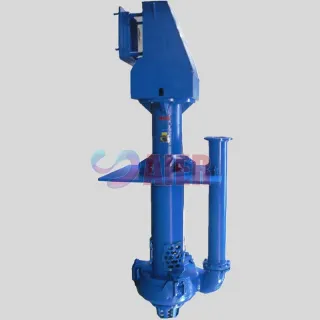
WY Sump Pump
-
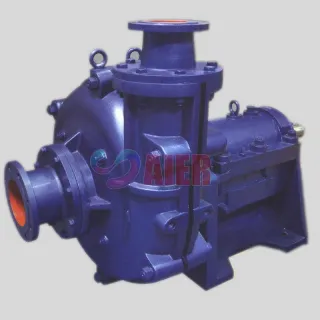
WZ Pump Pump arụmọrụ dị elu
-
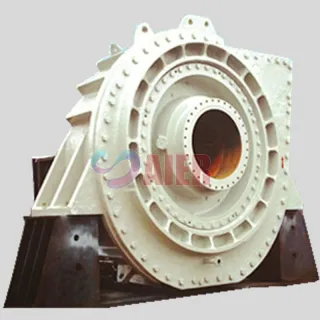
WN Dredge Pump
-
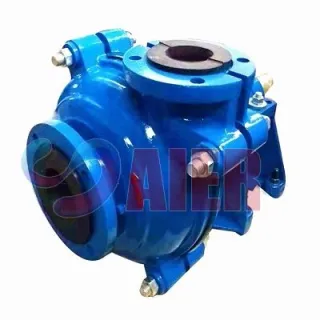
WAJ Rubber Slurry Pump
-
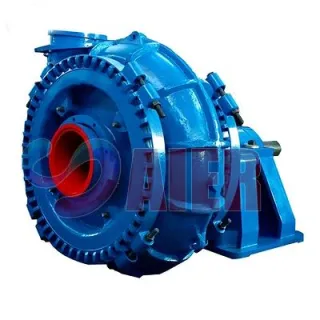
WS, WSG gravel ájá mgbapụta
-
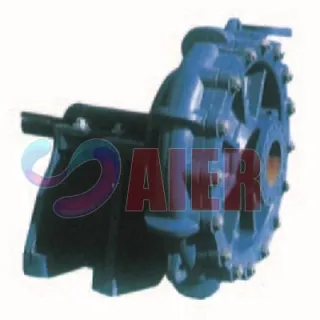
WS, WSH Ngwọta Mgbapụta
-
WY Sump Pump
-
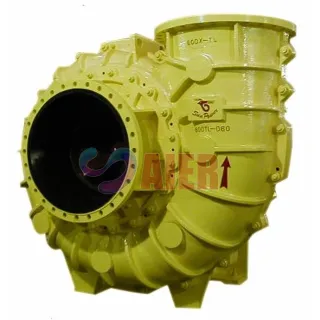
TL, TLR FGD mgbapụta
-
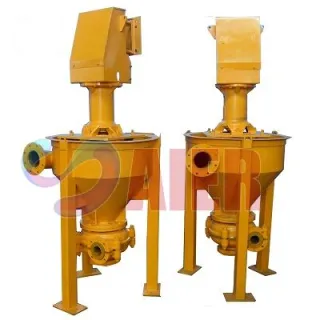
Mgbapụta Froth kwụ ọtọ WP
-
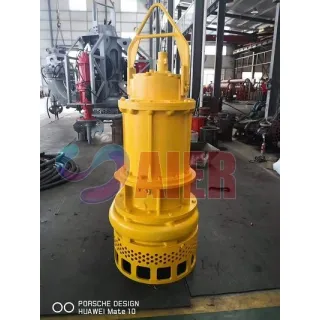
Nfuli mgbapụta ZJQ Submersible Slurry
-
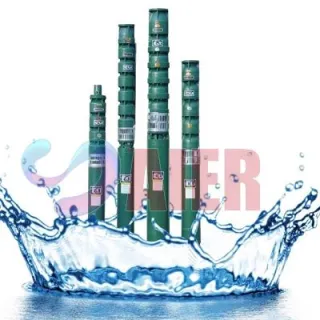
QJ PuMP nwere ike ime
-
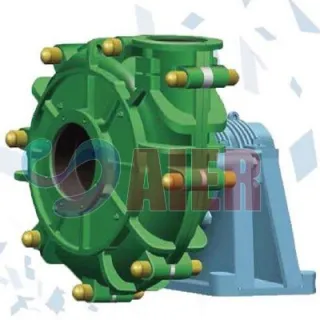
ACT (ZCT) nfuli mmiri mmiri seramiiki
-
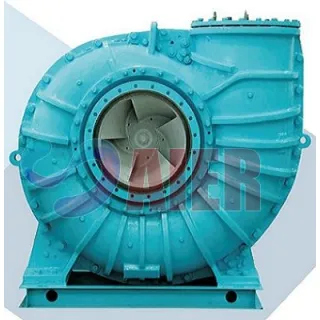
BCT Ceramic Slurry Pumps