
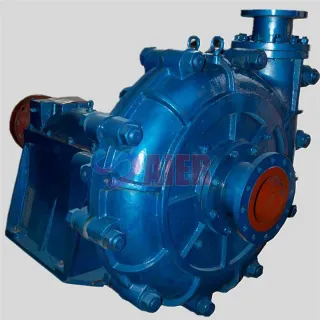
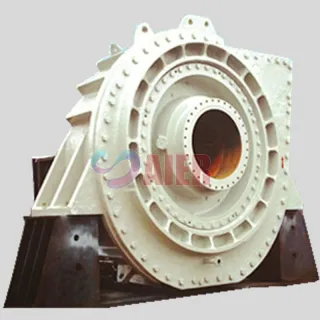
WG højhovedet gyllepumpe
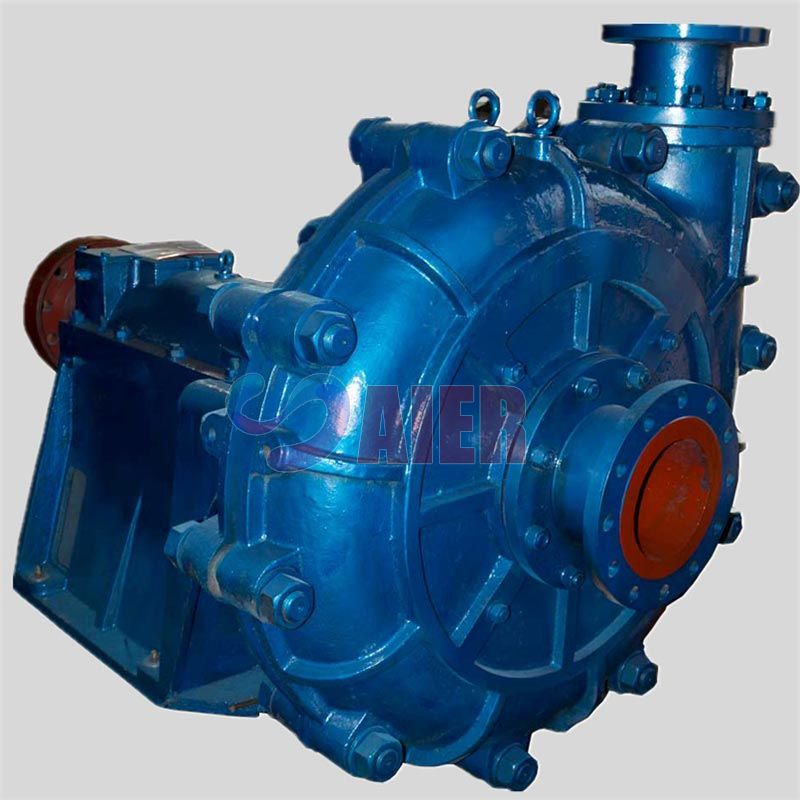
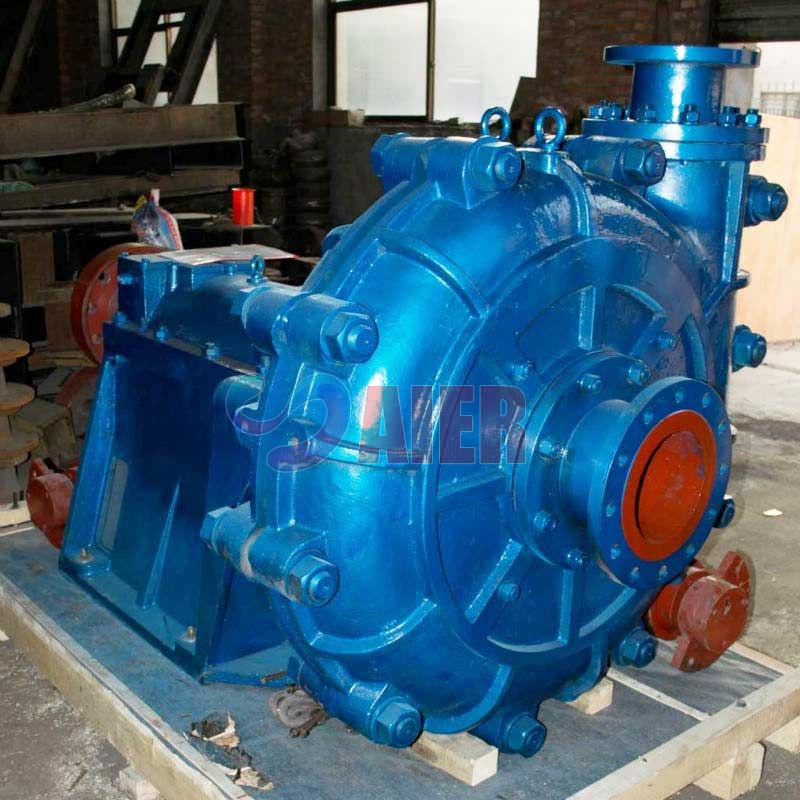
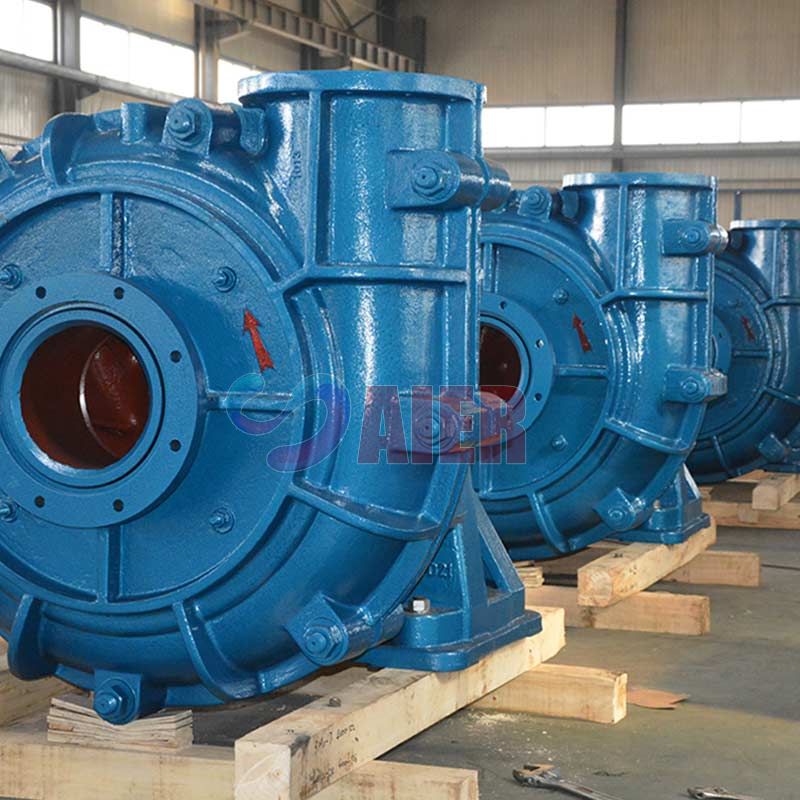
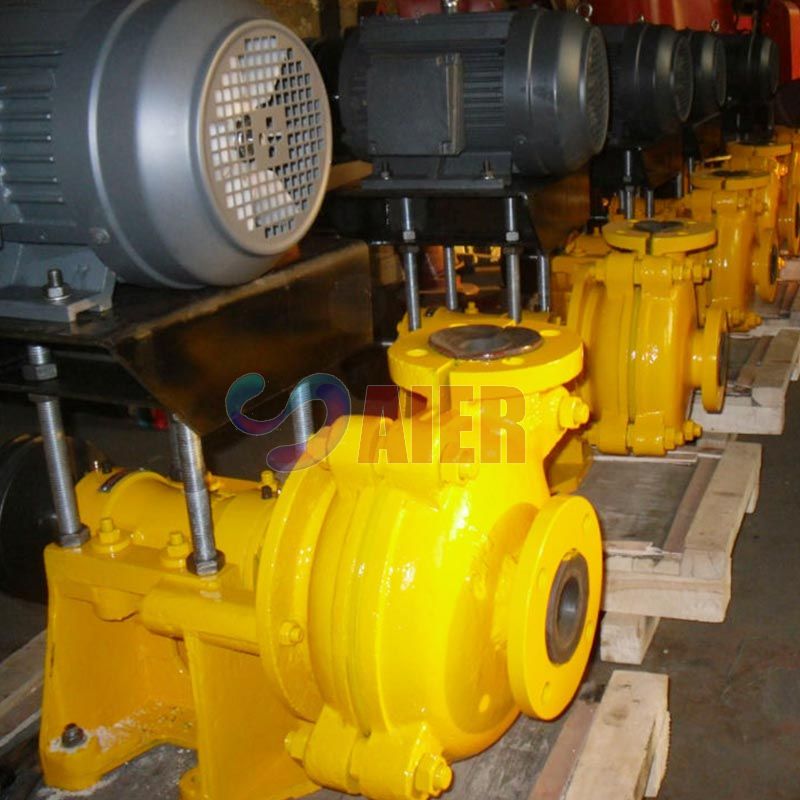
Pumpe introduktion
SPECIFIKATIONER:
Størrelse: 65-300 mm
Kapacitet: 37-1919m3/t
Hoved: 5-94m
Håndtering af faste stoffer: 0-90 mm
Koncentration: Max.70 %
Maks.tryk: Maks.4,5mpa
Materialer: Hyper krom legering mm.
AIER® WG High Efficiency Slurry Pump
In order to meet the requirements on the development of the electric power, metallurgy and coal industries, our company has designed and developed WG(P) Series up-to-date general slurry pump with large capacity, high head, multi-stages in series to remove ash & sludge and to deliver liquid-solids mixture, based on the experience of slurry pump design and manufacture for many years, and abstracting the research results of advanced technology from home and abroad.
Funktioner
CAD moderne design, super hydraulisk ydeevne, høj effektivitet og lavere slidhastighed;
Bred passage, ikke-tilstopning og god ydeevne af NPSH;
Uddrivningstætning kombineret med pakningsforsegling og mekanisk tætning er blevet vedtaget for at sikre, at gyllen ikke lækker;
Pålidelighedsdesign sikrer lang MTBF (middeltid mellem begivenheder);
Det metriske leje med oliesmøring, rimelige smøre- og kølesystemer sikrer, at lejet drives under lav temperatur;
Materialerne i våde dele har en god ydeevne af anti-slid og anti-korrosion;
Pumpen kan bruges til at fjerne havvandsaske for at forhindre korrosion af havvand, salt og tåge og elektrokemisk korrosion;
Pumpen kan køres i serie med flertrins inden for tilladt tryk.
Pumpen har fordelene ved rimelig konstruktion, høj effektivitet, pålidelig drift og nem vedligeholdelse. Det kan bruges i vid udstrækning til håndtering af blandingen indeholdt af slibende og ætsende faste stoffer i afdelinger for elektrisk kraft, metallurgi, mine, kul, byggematerialer og kemisk industri, især til fjernelse af aske og slam i elektriske kraftværker.
Pumpenotation
100WG(P):
100: Udløbsdiameter (mm)
WG: Højtryksgyllepumpe
P: Flertrinspumper (1-2 trin uden mærket)
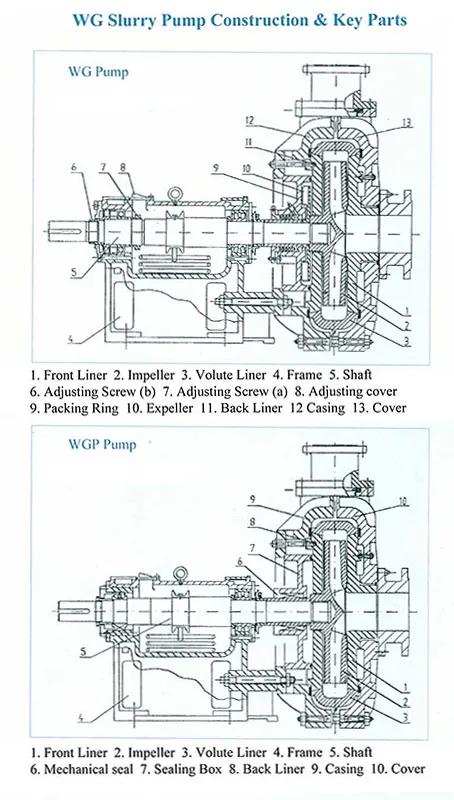
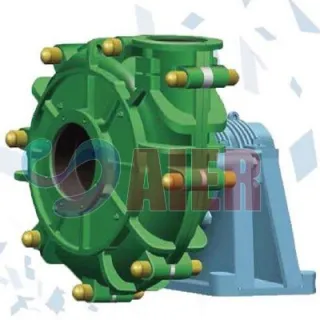
WG gyllepumpe er af vandret, enkelttrins, enkelt suge, udkraget, dobbelt hus, centrifugal gyllepumpe. Pumpen roterer med uret set fra drevenden.
De våde dele af WG og WGP pumpen med samme udløbsdiameter kan være udskiftelige. Deres konturinstallationsdimensioner er også de samme. Til drivdelen af WG(P) gyllepumpen er den vandrette delte ramme med oliesmøring og to sæt vandkølesystemer indvendigt og udvendigt blevet vedtaget. Om nødvendigt kan der tilføres kølevand. Den forberedte samling til kølevand og trykket af kølevandet kan ses i tabel 1.
Two kinds of shaft seal – expeller seal combined with packing and mechanical seal.
Den mekaniske tætning forsynet med højtryksforseglingsvand anbefales, når pumpen køres i serie, og uddrivningstætningen kombineret med pakning anvendes i en-trins pumpe.
Vandtrykket og mængden af alle slags akseltætninger er som følger:
1) Tætningsvandtryk
For et-trins pumpe med uddrivningstætning kombineret med pakning er vandtrykket i akseltætningen 0,2-0,3 Mpa.
For flertrins i seriedrift med uddrivningsforseglingen kombineret med pakning, skal forseglingsvandtrykket være: Det laveste forseglingsvandtryk på n trin = Hi + 0.7Hn Where: n ≥2.
For mekanisk tætning er tætningsvandtrykket i hvert pumpetrin højere 0,1Mpa end trykket ved pumpens udløb
2) Tætningsvandtryk (se tabel 1)
Tabel 1: Tætningsvandsparametre
| Pumpetype | Ramme | Forsegling af vand (l/s) |
Tætningsvandfuge | Kølevandsfuge På ramme |
Kølevandstryk |
| 65WG | 320 | 0.5 | 1/4" | 1/2", 3/8" | 0,05 til 0,2 MPa |
| 80 WG | 406 | 0.7 | 1/2" | 3/4", 1/2" | |
| 100WG | |||||
| 80WGP | 406A | ||||
| 100WGP | |||||
| 150WG | 565 | 1.2 | 1/2" | 3/4", 3/4" | |
| 200WG | |||||
| 150WGP | 565A | ||||
| 200WGP | |||||
| 250WG | 743 | 1" | |||
| 300WG | |||||
| 250WGP | 743A |
Konstruktionsdesign
Materiale til pumpedel
| Del navn | Materiale | Specifikation | HRC | Ansøgning | OEM kode |
| Liners & Impeller | Metal | AB27: 23%-30% krom hvidt jern | ≥56 | Anvendes til højere slidforhold med pH mellem 5 og 12 | A05 |
| AB15: 14%-18% krom hvidt jern | ≥59 | Brugt til højere slidforhold | A07 | ||
| AB29: 27%-29% krom hvidt jern | 43 | Anvendes til lavere pH-forhold, især til FGD. Det kan også bruges til lav-sur tilstand og afsvovlingsinstallation med pH ikke mindre end 4 | A49 | ||
| AB33: 33%-37% krom hvidt jern | Det kan transportere iltet gylle med pH ikke mindre end 1 såsom phospor-gips, salpetersyre, vitriol, phosphat osv. | A33 | |||
| Uddrivnings- og uddrivningsring | Metal | B27: 23%-30% krom hvidt jern | ≥56 | Anvendes til højere slidforhold med pH mellem 5 og 12 | A05 |
| Grå jern | G01 | ||||
| Pakdåse | Metal | AB27: 23%-30% krom hvidt jern | ≥56 | Anvendes til højere slidforhold med pH mellem 5 og 12 | A05 |
| Grå jern | G01 | ||||
| Ramme/Dækplade, lejehus & sokkel | Metal | Grå jern | G01 | ||
| Duktilt jern | D21 | ||||
| Aksel | Metal | Kulstofstål | E05 | ||
| Skaftbøsning, lanternering/indsnævrering, halsring, forskruningsbolt | Rustfrit stål | 4Cr13 | C21 | ||
| 304 SS | C22 | ||||
| 316 SS | C23 | ||||
| Fugeringe & tætninger | Gummi | Butyl | S21 | ||
| EPDM gummi | S01 | ||||
| Nitril | S10 | ||||
| Hypalon | S31 | ||||
| Neopren | S44/S42 | ||||
| Viton | S50 |
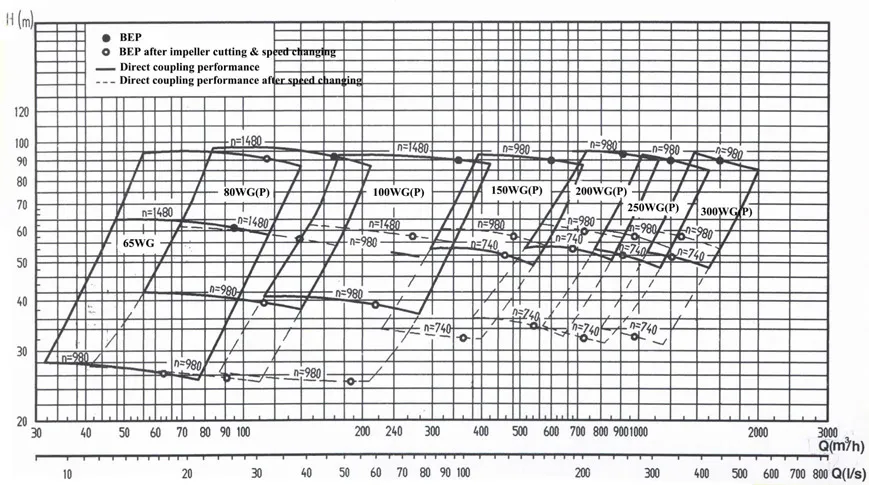
Præstationskurve
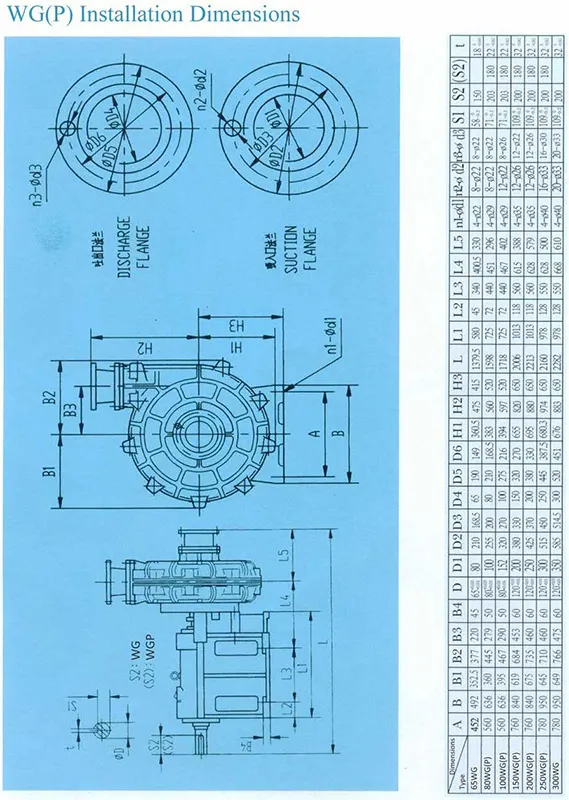
Installationsdimensioner
The Role of High Head Slurry Pumps in Long-Distance Slurry Transport Systems
A high head slurry pump plays a pivotal role in transporting abrasive and dense slurries over long distances and significant vertical heights. Unlike standard industrial slurry pumps, high head pumps are specifically engineered to provide the increased pressure necessary for long pipeline systems, ensuring the efficient and consistent movement of solids-laden fluids.
In industries such as mining, mineral processing, coal preparation, and dredging, materials often need to be transported through extended pipelines, sometimes spanning hundreds of meters. The combination of high solids content, abrasive particles, and long transport distances makes conventional pumps unsuitable, as they may fail under high head conditions or suffer from excessive wear. A high head slurry pump addresses these challenges by delivering reliable performance while maintaining operational efficiency.
The design of a high head slurry pump emphasizes durability and resistance to wear. Casings and impellers are often made of high-chrome alloys or wear-resistant metals, allowing the pump to handle abrasive slurries with minimal erosion. Many slurry pump manufacturers also offer customizable options, such as modular impellers and liners, enabling easy maintenance and replacement, thereby reducing downtime and maintenance costs.
Additionally, high head slurry pumps are engineered for optimal hydraulic performance. Their impeller and volute designs minimize energy loss, allowing slurries to be transported at higher pressures without overloading the motor or increasing operational costs. This energy-efficient design is particularly important in industrial settings, where large volumes of slurry must be moved continuously over extended distances.
Applications of high head slurry pumps include tailings disposal, long-distance slurry transport from mines to processing plants, and chemical slurry movement in metallurgical operations. Their ability to sustain high pressures and manage abrasive fluids reliably makes them a critical component in industrial processes.
In conclusion, a high head slurry pump is essential for long-distance slurry transport systems, offering high pressure, durability, and efficiency. Selecting a reliable slurry pump manufacturer ensures that your plant receives a customized, high-performance solution tailored to demanding industrial applications.
How High Head Slurry Pumps Improve Efficiency in Mining and Processing Plants
Mining and mineral processing plants require robust equipment capable of handling abrasive slurries with high solids content. A high head slurry pump is integral in these facilities, enhancing efficiency, reducing energy consumption, and minimizing maintenance needs. By delivering high pressure and flow over long distances, these pumps streamline material handling and improve overall plant productivity.
In mining operations, tailings and ore slurries often need to be transported from extraction sites to processing plants or storage areas. A high head slurry pump is specifically designed to handle this workload, maintaining consistent flow rates even with challenging slurry compositions. This ensures that production lines run smoothly without bottlenecks or downtime caused by pump failure.
The efficiency of a high head slurry pump also translates to energy savings. Advanced impeller designs and optimized hydraulic profiles reduce friction losses and pump energy requirements. Many industrial slurry pumps from reputable slurry pump manufacturers are designed with high efficiency in mind, allowing plants to lower operational costs while maintaining the required throughput.
Maintenance is another area where high head slurry pumps provide advantages. These pumps are constructed with wear-resistant materials such as high-chrome alloys or alloy steels, minimizing erosion from abrasive particles. Replaceable liners and impellers allow maintenance teams to perform targeted repairs without dismantling the entire pump system, reducing downtime and labor costs.
Furthermore, these pumps are available in various configurations, including horizontal and vertical designs, enabling flexible installation in confined or challenging spaces. The modular construction also supports scalability, allowing mining and processing plants to adjust pump capacity as operational needs evolve.
In summary, using a high head slurry pump in mining and processing plants improves slurry transport efficiency, reduces energy consumption, and minimizes maintenance costs. Partnering with a reliable slurry pump manufacturer ensures access to high-quality, durable pumps capable of withstanding abrasive industrial conditions while delivering long-term performance.
Material Selection for High Head Slurry Pumps: Metal vs Alloy
Selecting the appropriate material for a high head slurry pump is crucial to maximize performance, wear resistance, and operational lifespan. Industrial applications often involve abrasive and corrosive slurries, which can quickly erode or damage pumps made from unsuitable materials. Choosing between metal and alloy construction depends on the specific process requirements and the slurry’s characteristics.
Traditional metal slurry pumps are typically made of ductile iron or stainless steel, offering robust structural strength and corrosion resistance. These materials are suitable for moderate abrasiveness and provide reliable long-term service. However, in highly abrasive conditions, such as those found in mining or mineral processing, standard metals may wear quickly, leading to reduced efficiency and increased maintenance costs.
Alloy construction, especially high-chrome or nickel-chrome alloys, offers superior wear resistance and hardness, making them ideal for heavy-duty industrial slurry transport. A high head slurry pump made from these materials can handle slurries with high solids concentrations and large particle sizes without rapid erosion. The enhanced durability ensures continuous operation with minimal downtime, which is essential for high-capacity industrial processes.
Many slurry pump manufacturers offer modular designs that allow clients to choose between metal or alloy liners and impellers based on operational needs. This flexibility enables plants to optimize pump longevity and reduce maintenance frequency. Additionally, alloy materials can improve hydraulic performance by maintaining smooth surfaces within the pump, reducing energy losses and improving overall efficiency.
The selection of materials also impacts cost-effectiveness. While alloy pumps may have higher initial investment costs compared to standard metals, their extended service life and reduced maintenance requirements often result in lower total operational costs over time. Industrial facilities that prioritize reliability and efficiency benefit significantly from investing in high-quality alloy high head slurry pumps.
In conclusion, material selection for a high head slurry pump plays a decisive role in durability, efficiency, and cost-effectiveness. Whether using metal or alloy construction, choosing a reliable slurry pump manufacturer ensures that the pump is tailored to handle demanding industrial slurries while providing long-term operational performance.
Produktkategorier
-
WA Kraftig gyllepumpe
-
WG højhovedet gyllepumpe
-
WL Let gyllepumpe
-
WY sump pumpe
-
WZ højeffektiv gyllepumpe
-
WN mudderpumpe
-
WAJ Gummi gyllepumpe
-
WS, WSG Grussandpumpe
-
WS, WSH Løsningspumpe
-
WY sump pumpe
-
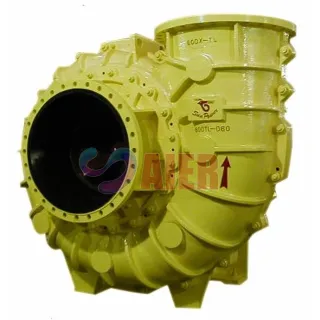
TL, TLR FGD Pumpe
-
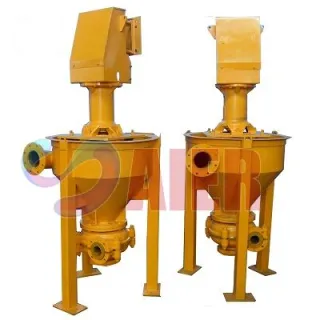
WP vertikal skumpumpe
-
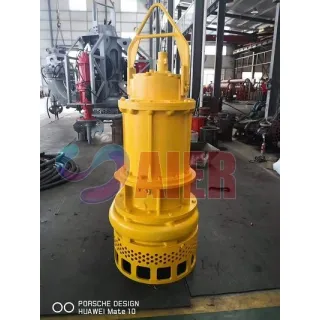
ZJQ dyk-gyllepumper
-
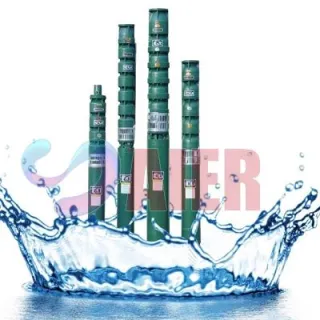
QJ Dykpumpe
-
ACT (ZCT) Keramiske gyllepumper
-
BCT Keramiske gyllepumper