
QJ Dykpumpe
Produkt beskrivelse
Generel beskrivelse
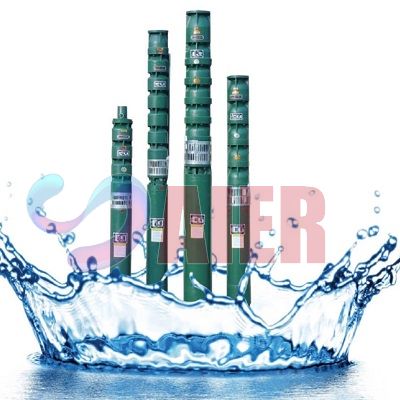
QJ-sænkepumpen bruges hovedsageligt til at transportere vand fra en dyb brønd og boosting og er meget udbredt til kunstvanding af landbrugsjord, vanddræning i by- og landområder og miner og industrivirksomheder og vandbeskyttelsesarbejder, herunder reservoir, springvand, kølesystem og spa osv. De vigtigste funktioner er som følger: Med nem at bruge, nem installation, nem vedligeholdelse, miljøbeskyttelse osv. Fordele, den elektriske dykkerpumpe, som samler motoren og vandpumpen, kunne fungere i vandet, og den er praktisk at bruge og reparere.
Producenter af dykvandspumper
Vi er en professionel producent af dykpumper i Kina. Udover vandpumper leverer vi også forskellige gyllepumper, gruspumper, afsvovlingspumper osv. Efter forskellige ønsker kunne vi levere produkter med forskellige materialer som støbning af rustfrit stål, rustfri pressesvejsning, bronzestøbning, almindelig jernstøbning, korrosionsbestandigt specialmateriale støbning. Pumpen skal være streng med udvendig diameter, så situationer som motortætningslækager og vandforurening vil ikke forekomme.
specifikationer
Størrelse (udledning): 4" til 16"
Kapacitet: 2-500m3/t
Højde: 10m-500m
Huseffekt: 0,75-450kw
Materiale: Støbejern, bronze, rustfrit stål osv
AIER® QJ Submersible Pump
Betingelser for brug
① Strøm: 380V/3-faset AC, 50Hz
②Vandkvalitet:
A. Vandets temperatur er under 20 ℃ (høj temperaturmodstand 80 ℃)
B. Faststofindholdet er mindre end 0,01% (afhænger af kvaliteten)
C. PH 6,5-8,5
D. Indholdet af svovlbrinte er mindre end 1,15 mg/l
E. Indholdet af oxidion er mindre end 400mg/l
③Den indvendige del af dykmotoren skal være fuld af rent vand, og dykpumpen skal nedsænkes sikkert for at arbejde.
④Monteringsdybden må ikke overstige 20 % af vandpumpens nominelle hovedhøjde, og brøndfladen skal være glat og lige.
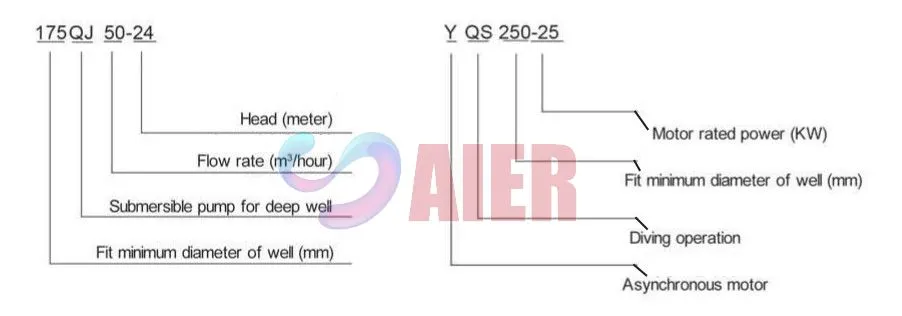
Type notation
Hovedtræk
1. Motoren er en våd dykmotor. Motorkammeret skal fyldes med rent vand, som bruges til køling af motor og smøring af lejer. Spændingsregulerende film på basen eller motoren bruges til justering af trykforskel og udvidelse af vand i den indre del af motoren forårsaget af motortemperaturændringer.
2. For at forhindre sandkornene fra en brønd i at trænge ind i den indvendige del af motoren, monteres øvre skal forlængelse to tætningsolier, som installeres bagud, og en afsandring er installeret.
3. For at forhindre vandpumpens aksel i at springe, er vandpumpens aksel og motoraksel forbundet med kobling, og et trykleje skal installeres i de underste dele af motoren.
4. Vandet smører motoren og vandpumpelejet.
5. De dykmotorviklinger bruges til statorviklingen. Så den isolerer godt
6. Centrifugalhjulet og det lodrette blæserindløbshus bruges til target="_blank">vandpumpen, og strukturen er enkel.
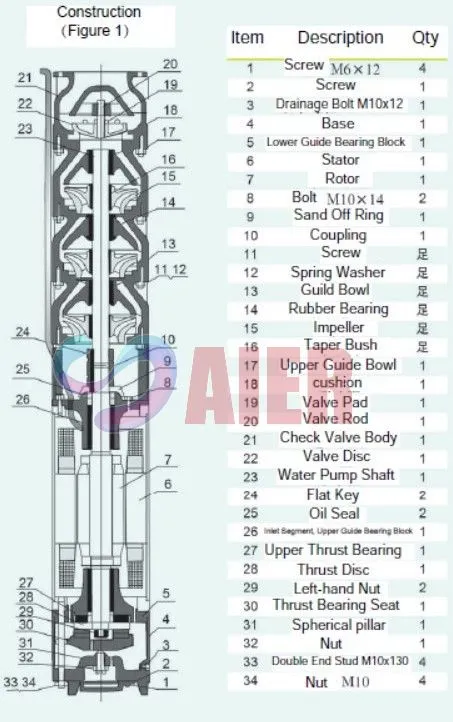
Konstruktionsdiagram
QJ dykpumpe består hovedsageligt af fødepunkt, vandpumpeaksel, pumpehjul, blæserindløbshus, gummileje, kontraventil (ekstraudstyr) osv. Dykmotoren består af basis, spændingsregulerende film, trykleje, trykskive, nedre styrelejeblok , stator, statorvikling, rotor, øvre føring, lejeblok, afslibningsring, udtagskabel mv.
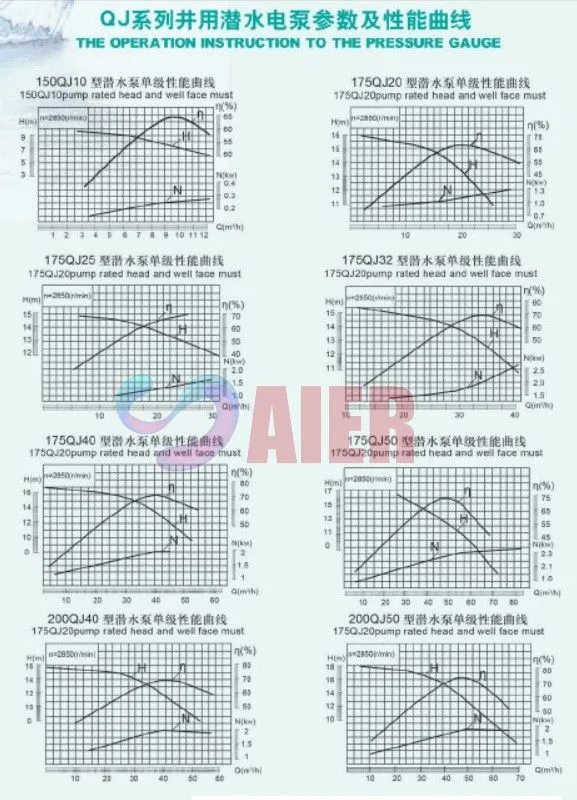
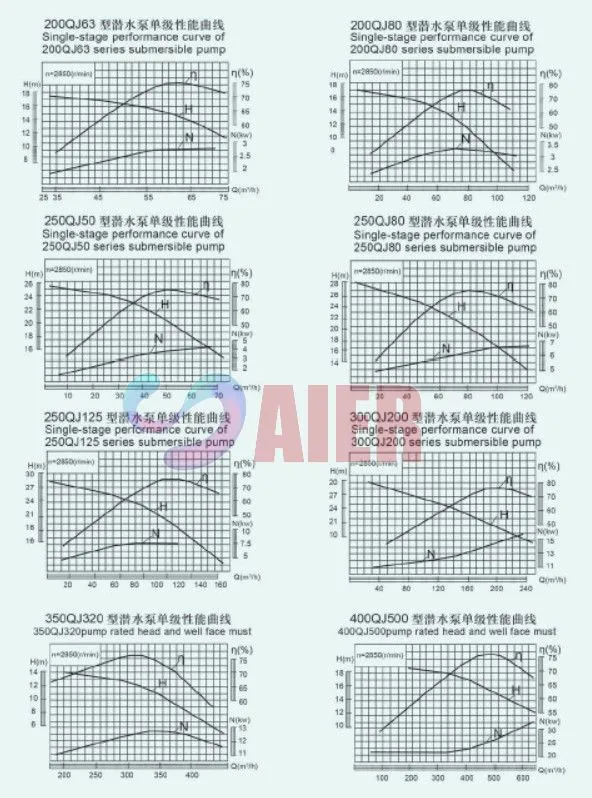
Præstationskurve
Advantages of Using Submersible Water Pumps for Continuous Operation
A submersible water pump is a highly efficient and durable pumping solution designed to work entirely underwater, making it ideal for applications requiring continuous operation. Unlike surface-mounted pumps that rely on suction, a submersible pump pushes water upward through direct contact with the liquid, resulting in higher efficiency, less energy loss, and better performance in harsh environments.
One of the most significant advantages of submersible water pumps is their energy efficiency. Because they operate directly in the fluid, there is no air leakage or suction head loss, which means the pump converts more motor energy into hydraulic power. This makes submersible pumps extremely effective in deep wells, reservoirs, and dewatering systems where long-term operation is essential. Leading submersible water pump manufacturers often equip their pumps with advanced motors featuring high-efficiency windings and low energy consumption for round-the-clock operation.
Another major benefit is the quiet and vibration-free operation. Since the entire pump is submerged underwater, the surrounding fluid dampens sound and vibration. This makes submersible pumps suitable for residential, municipal, and industrial applications where noise control is important—such as building basements, urban drainage systems, and cooling water circulation.
In addition, submersible water pumps are known for their excellent anti-cavitation properties. Because they operate below the water surface, the risk of air bubbles forming at the impeller is greatly reduced. This prevents vapor lock, improves hydraulic stability, and minimizes wear on internal components. The constant immersion of the pump also ensures natural cooling for the motor, extending its service life even during extended operation.
Finally, submersible pumps are easy to install and maintain. Most modern models are designed with modular components, corrosion-resistant casings, and advanced sealing systems. This ensures long-lasting reliability in environments such as wastewater treatment, agriculture, mining, and chemical processing. When you choose a product from a reputable submersible water pump manufacturer, you can expect superior performance, reduced maintenance costs, and reliable operation—day after day.
Maintenance and Troubleshooting Tips for Submersible Water Pumps
Proper maintenance of a submersible water pump is essential for ensuring consistent performance, preventing failures, and maximizing operational lifespan. Since these pumps work entirely underwater, they must endure high pressure, varying temperatures, and possible contact with sediments or chemicals. Following a proactive maintenance plan can significantly extend the efficiency and reliability of your system.
The first step is routine inspection. Regularly check the power cable for cracks, fraying, or water ingress, as damaged insulation can cause short circuits. Next, examine the pump’s exterior for corrosion or debris buildup. Sediment accumulation can restrict water flow and reduce pump efficiency. Cleaning the suction strainer and impeller housing every few months helps maintain optimal performance.
A common issue in submersible pumps is reduced discharge flow. This can be caused by impeller wear, clogged intake screens, or partial blockage in the discharge line. If this happens, disconnect the pump, clean the impeller, and inspect for wear or imbalance. Replacing worn impellers or seals promptly prevents more serious mechanical damage.
The mechanical seal is one of the most critical components of a submersible water pump. It prevents water from entering the motor housing. Any leakage or oil contamination in the seal area indicates the need for immediate replacement. Additionally, monitor the bearing temperature and listen for unusual noises—these can signal excessive friction or bearing wear.
Leading submersible water pump manufacturers recommend checking motor insulation resistance periodically to prevent electrical faults. For pumps used in wastewater or industrial environments, schedule quarterly performance tests to track flow, head, and power consumption. If overheating occurs, it could be due to low voltage or excessive solids in the fluid; cleaning the pump and verifying electrical connections typically resolves these problems.
By maintaining your submersible water pump properly—keeping it clean, well-lubricated, and regularly inspected—you can reduce downtime, prevent costly repairs, and ensure reliable operation for years, even in continuous-use applications.
Key Features of High Quality Submersible Water Pumps
A high-quality submersible water pump is engineered for durability, efficiency, and versatility, making it suitable for use in various industries including construction, mining, agriculture, and wastewater management. Understanding the key features that define a superior submersible pump can help users select the best equipment for long-term operation.
The most important feature is robust material construction. Reputable submersible water pump manufacturers use stainless steel, cast iron, or high-chrome alloys to ensure resistance to corrosion, abrasion, and chemical attack. These materials protect the pump body and impeller from harsh conditions such as sewage, slurry, or seawater exposure. A well-built submersible pump can operate continuously even in environments with high sediment or chemical content.
Another key aspect is the advanced mechanical sealing system. Double mechanical seals made of silicon carbide or tungsten carbide prevent leakage and protect the electric motor from water intrusion. Combined with oil-filled motor chambers for cooling and lubrication, these systems ensure long-lasting reliability and smooth operation.
Efficiency is also a hallmark of a top-tier submersible water pump. Precision-engineered impellers and high-efficiency motors minimize energy consumption while delivering consistent flow and head performance. Built-in overload protection and thermal sensors help prevent damage from overheating or voltage fluctuations, ensuring safety in continuous-use environments.
In addition, modern submersible pumps feature modular and service-friendly designs. Easy-to-remove components allow for quick maintenance without dismantling the entire system, reducing downtime. Anti-clog impeller designs and self-cleaning flow channels further enhance reliability, especially in wastewater or industrial slurry applications.
Finally, certified submersible water pump manufacturers perform rigorous quality control and performance testing to guarantee every unit meets global efficiency and safety standards. When you choose a high-quality submersible pump, you’re investing in a machine that provides stable output, reduced maintenance costs, and decades of dependable operation across multiple industries.
Produktkategorier
-
WA Kraftig gyllepumpe
-
WG højhovedet gyllepumpe
-
WL Let gyllepumpe
-
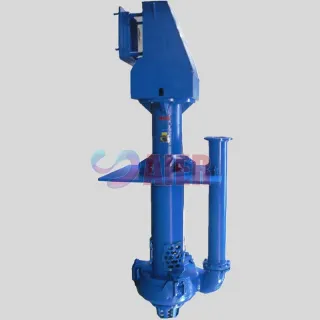
WY sump pumpe
-
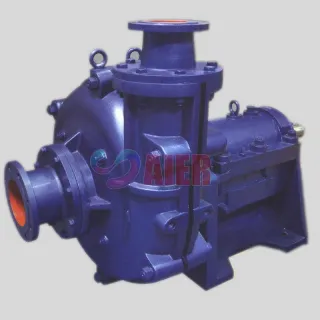
WZ højeffektiv gyllepumpe
-
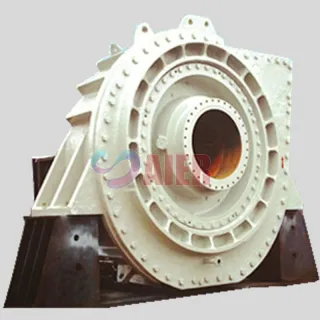
WN mudderpumpe
-
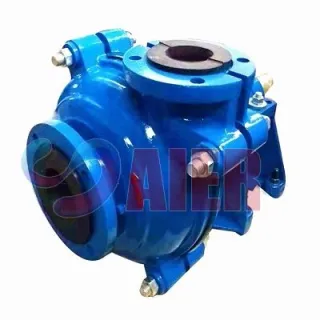
WAJ Gummi gyllepumpe
-
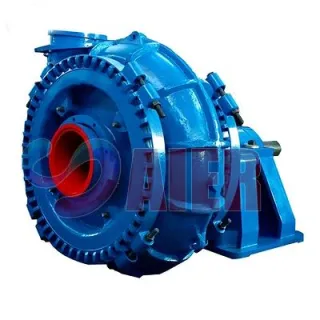
WS, WSG Grussandpumpe
-
WS, WSH Løsningspumpe
-
WY sump pumpe
-
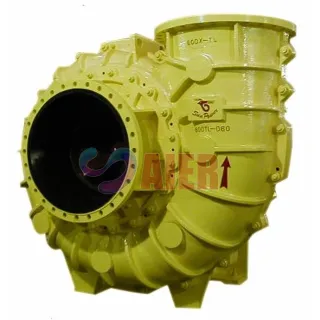
TL, TLR FGD Pumpe
-
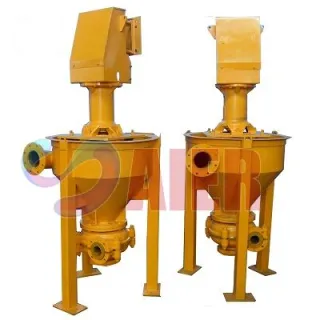
WP vertikal skumpumpe
-
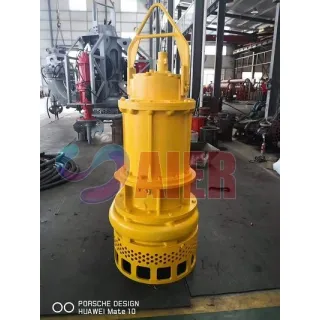
ZJQ dyk-gyllepumper
-
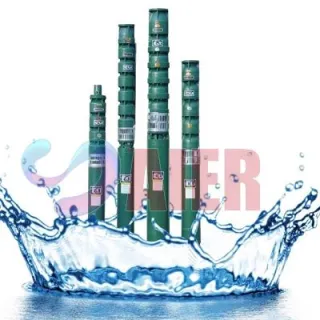
QJ Dykpumpe
-
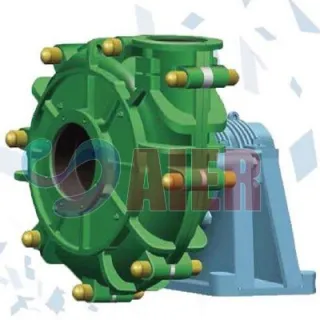
ACT (ZCT) Keramiske gyllepumper
-
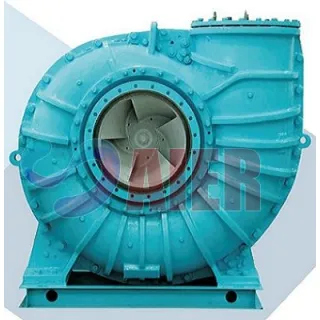
BCT Keramiske gyllepumper