
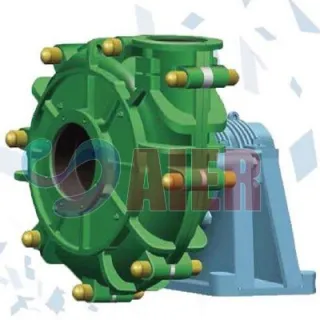
WG vysokotlaké kalové čerpadlo
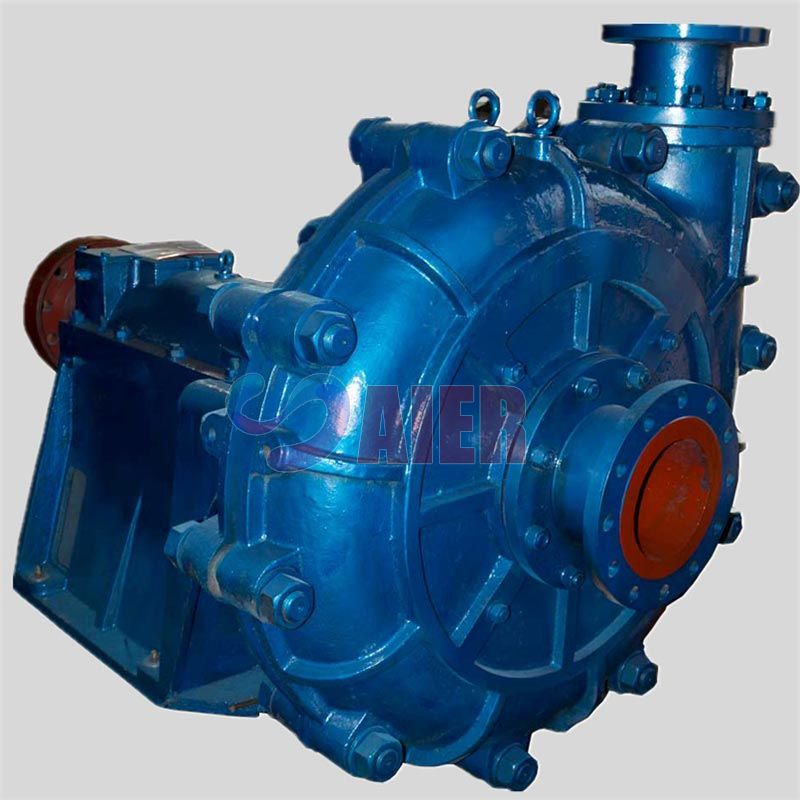
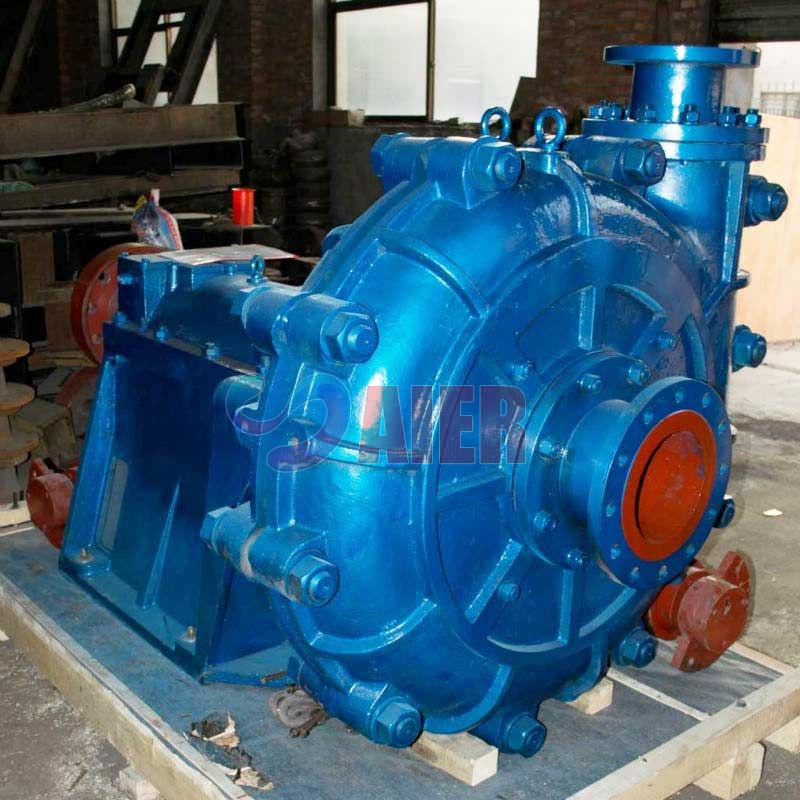
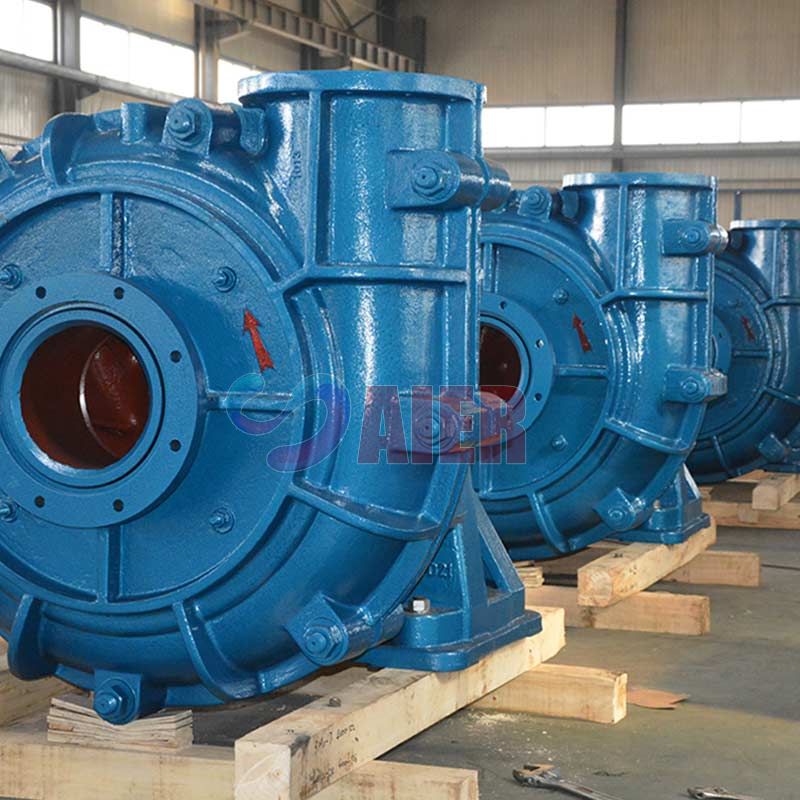
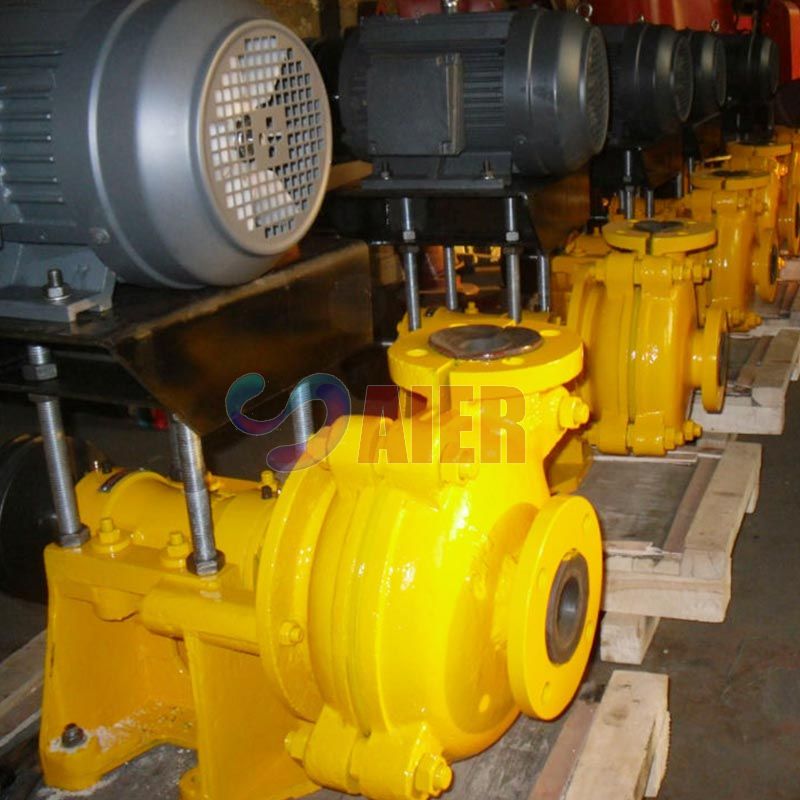
Úvod do čerpadla
SPECIFIKACE:
Velikost: 65-300 mm
Výkon: 37-1919m3/h
Hlava: 5-94m
Manipulace pevných látek: 0-90 mm
Koncentrace: Max.70 %
Max.tlak:Max.4,5mpa
Materiály: Hyperchromová slitina atd.
AIER® WG High Efficiency Slurry Pump
In order to meet the requirements on the development of the electric power, metallurgy and coal industries, our company has designed and developed WG(P) Series up-to-date general slurry pump with large capacity, high head, multi-stages in series to remove ash & sludge and to deliver liquid-solids mixture, based on the experience of slurry pump design and manufacture for many years, and abstracting the research results of advanced technology from home and abroad.
Funkce
CAD moderní design, super hydraulický výkon, vysoká účinnost a nižší míra oděru;
Široký průchod, neucpávání a dobrý výkon NPSH;
Těsnění expeleru kombinované s těsněním ucpávky a mechanickou ucpávkou bylo použito, aby se zabránilo úniku kalu;
Spolehlivý design zajišťuje dlouhou MTBF (střední dobu mezi událostmi);
Metrické ložisko s olejovým mazáním, rozumné mazací a chladicí systémy zajišťují provoz ložiska při nízkých teplotách;
Materiály mokrých dílů mají dobrý výkon proti opotřebení a korozi;
Čerpadlo lze použít k odstraňování popela z mořské vody, aby se zabránilo korozi mořské vody, soli a mlhy a elektrochemické korozi;
Čerpadlo může být provozováno v sérii s vícestupňovým provozem v rámci povoleného tlaku.
Čerpadlo má přednosti rozumné konstrukce, vysoké účinnosti, spolehlivého provozu a snadné údržby. Najde široké uplatnění pro manipulaci se směsí abrazivních a korozivních pevných látek v elektroenergetice, hutnictví, dole, uhelném, stavebním a chemickém průmyslu, zejména pro odstraňování popela a kalů v elektrárnách.
Pump Notation
100WG(P):
100: Průměr výstupu (mm)
WG: Vysokotlaké kalové čerpadlo
P: Vícestupňová čerpadla (1-2 stupňová bez značky)
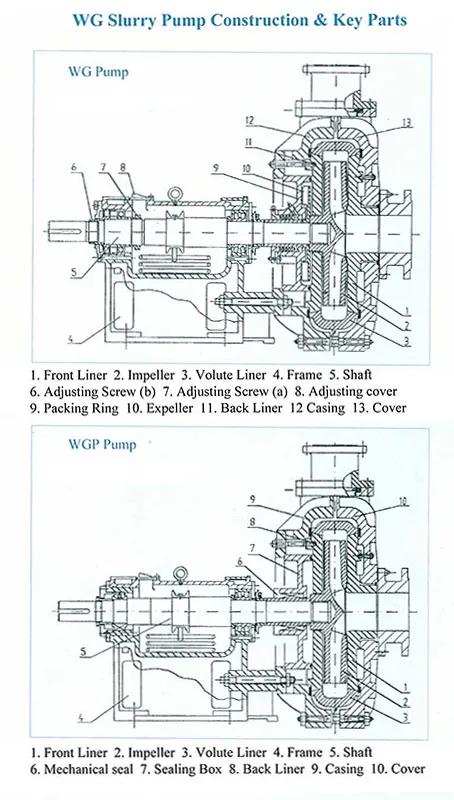
Kalové čerpadlo WG je horizontální, jednostupňové, jednosací, konzolové, dvouplášťové, odstředivé kalové čerpadlo. Čerpadlo se otáčí ve směru hodinových ručiček při pohledu od hnacího konce.
Mokré části čerpadla WG a WGP se stejným výstupním průměrem mohou být zaměnitelné. Jejich obrysové instalační rozměry jsou také stejné. Pro hnací část kalového čerpadla WG(P) byl použit horizontální dělený rám s olejovým mazáním a dvěma sadami vodních chladicích systémů uvnitř a vně. V případě potřeby lze dodat chladicí vodu. Připravený spoj pro chladicí vodu a tlak chladicí vody je vidět v tabulce 1.
Two kinds of shaft seal – expeller seal combined with packing and mechanical seal.
Mechanická ucpávka dodávaná s vysokotlakou těsnící vodou se doporučuje, když je čerpadlo provozováno v sérii, a expelerová ucpávka kombinovaná s ucpávkou se používá v jednostupňovém čerpadle.
Tlak vody a množství všech druhů hřídelových ucpávek je následující:
1) Tlak těsnící vody
U jednostupňového čerpadla s výtlačnou ucpávkou v kombinaci s ucpávkou je tlak vody v hřídelové ucpávce 0,2-0,3 MPa.
Pro vícestupňový sériový provoz s těsněním expeleru v kombinaci s ucpávkou by tlak těsnicí vody měl být: Nejnižší tlak těsnicí vody n stupně = Hi + 0.7Hn Where: n ≥2.
U mechanické ucpávky je tlak těsnící vody každého stupně čerpadla o 0,1 MPa vyšší než tlak na výstupu z čerpadla
2) Tlak těsnící vody (viz tabulka 1)
Tabulka 1: parametry těsnicí vody
| Typ čerpadla | Rám | Těsnicí voda (l/s) |
Těsnící vodní spára | Chladicí vodní spoj Na rámu |
Tlak chladicí vody |
| 65WG | 320 | 0.5 | 1/4" | 1/2", 3/8" | 0,05 až 0,2 MPa |
| 80 WG | 406 | 0.7 | 1/2" | 3/4", 1/2" | |
| 100 WG | |||||
| 80 WGP | 406A | ||||
| 100 WGP | |||||
| 150 WG | 565 | 1.2 | 1/2" | 3/4", 3/4" | |
| 200 WG | |||||
| 150 WGP | 565A | ||||
| 200 WGP | |||||
| 250 WG | 743 | 1" | |||
| 300 WG | |||||
| 250 WGP | 743A |
Konstrukce
Materiál součásti čerpadla
| Název dílu | Materiál | Specifikace | HRC | aplikace | OEM kód |
| Vložky a oběžné kolo | Kov | AB27: 23%-30% chromové bílé železo | ≥56 | Používá se pro podmínky vyššího opotřebení s pH mezi 5 a 12 | A05 |
| AB15: 14%-18% chromové bílé železo | ≥59 | Používá se pro stav vyššího opotřebení | A07 | ||
| AB29: 27%-29% chromové bílé železo | 43 | Používá se pro podmínky s nižším pH, zejména pro FGD. Může být také použit pro nízkokyselé podmínky a odsiřovací instalace s pH ne nižším než 4 | A49 | ||
| AB33: 33%-37% chromové bílé železo | Může transportovat okysličenou kaši s pH ne nižším než 1, jako je fosforová sádra, kyselina dusičná, vitriol, fosfát atd. | A33 | |||
| Expeler & expelerový kroužek | Kov | B27: 23%-30% chromové bílé železo | ≥56 | Používá se pro podmínky vyššího opotřebení s pH mezi 5 a 12 | A05 |
| Šedé železo | G01 | ||||
| Vycpávka | Kov | AB27: 23%-30% chromové bílé železo | ≥56 | Používá se pro podmínky vyššího opotřebení s pH mezi 5 a 12 | A05 |
| Šedé železo | G01 | ||||
| Rám/krycí deska, ložisko a základna | Kov | Šedé železo | G01 | ||
| Tvárná litina | D21 | ||||
| Hřídel | Kov | Uhlíková ocel | E05 | ||
| Objímka hřídele, lucernový kroužek/omezovač, krční kroužek, ucpávkový šroub | Nerezová ocel | 4Cr13 | C21 | ||
| 304 SS | C22 | ||||
| 316 SS | C23 | ||||
| Kloubové kroužky a těsnění | Guma | Butyl | S21 | ||
| EPDM pryž | S01 | ||||
| Nitril | S10 | ||||
| Hypalon | S31 | ||||
| Neopren | S44/S42 | ||||
| Viton | S50 |
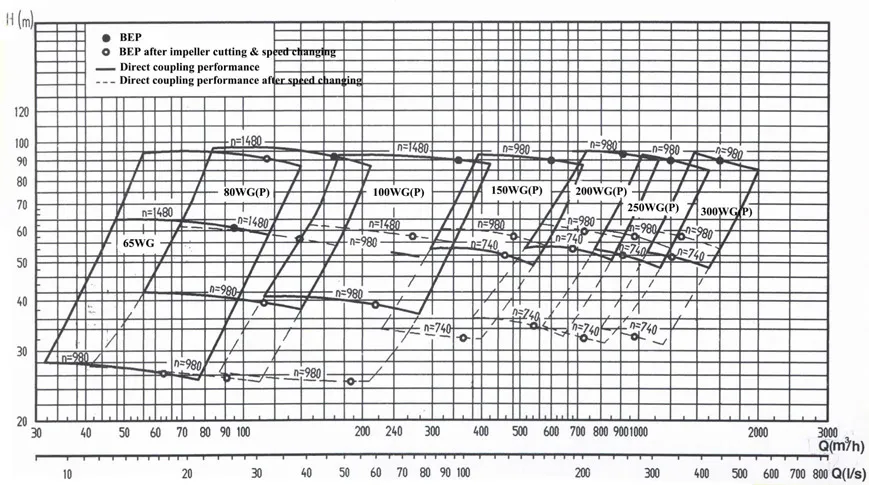
Výkonová křivka
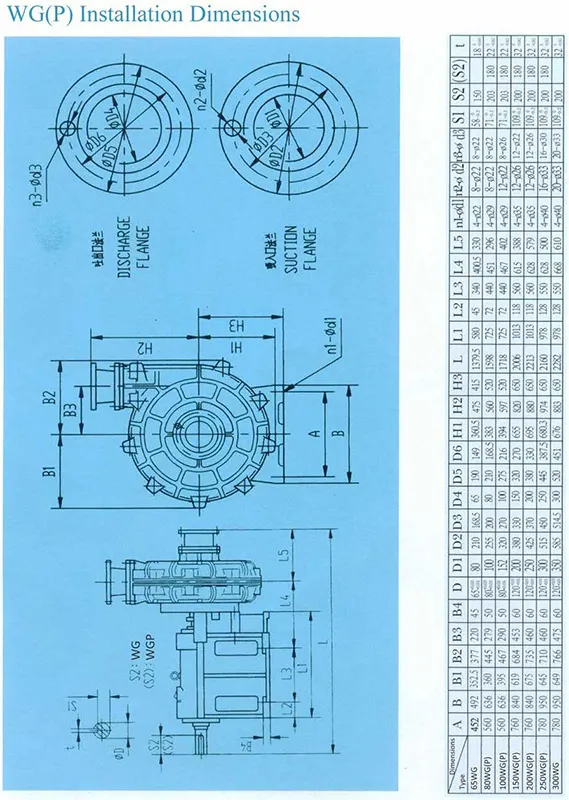
Montážní rozměry
The Role of High Head Slurry Pumps in Long-Distance Slurry Transport Systems
A high head slurry pump plays a pivotal role in transporting abrasive and dense slurries over long distances and significant vertical heights. Unlike standard industrial slurry pumps, high head pumps are specifically engineered to provide the increased pressure necessary for long pipeline systems, ensuring the efficient and consistent movement of solids-laden fluids.
In industries such as mining, mineral processing, coal preparation, and dredging, materials often need to be transported through extended pipelines, sometimes spanning hundreds of meters. The combination of high solids content, abrasive particles, and long transport distances makes conventional pumps unsuitable, as they may fail under high head conditions or suffer from excessive wear. A high head slurry pump addresses these challenges by delivering reliable performance while maintaining operational efficiency.
The design of a high head slurry pump emphasizes durability and resistance to wear. Casings and impellers are often made of high-chrome alloys or wear-resistant metals, allowing the pump to handle abrasive slurries with minimal erosion. Many slurry pump manufacturers also offer customizable options, such as modular impellers and liners, enabling easy maintenance and replacement, thereby reducing downtime and maintenance costs.
Additionally, high head slurry pumps are engineered for optimal hydraulic performance. Their impeller and volute designs minimize energy loss, allowing slurries to be transported at higher pressures without overloading the motor or increasing operational costs. This energy-efficient design is particularly important in industrial settings, where large volumes of slurry must be moved continuously over extended distances.
Applications of high head slurry pumps include tailings disposal, long-distance slurry transport from mines to processing plants, and chemical slurry movement in metallurgical operations. Their ability to sustain high pressures and manage abrasive fluids reliably makes them a critical component in industrial processes.
In conclusion, a high head slurry pump is essential for long-distance slurry transport systems, offering high pressure, durability, and efficiency. Selecting a reliable slurry pump manufacturer ensures that your plant receives a customized, high-performance solution tailored to demanding industrial applications.
How High Head Slurry Pumps Improve Efficiency in Mining and Processing Plants
Mining and mineral processing plants require robust equipment capable of handling abrasive slurries with high solids content. A high head slurry pump is integral in these facilities, enhancing efficiency, reducing energy consumption, and minimizing maintenance needs. By delivering high pressure and flow over long distances, these pumps streamline material handling and improve overall plant productivity.
In mining operations, tailings and ore slurries often need to be transported from extraction sites to processing plants or storage areas. A high head slurry pump is specifically designed to handle this workload, maintaining consistent flow rates even with challenging slurry compositions. This ensures that production lines run smoothly without bottlenecks or downtime caused by pump failure.
The efficiency of a high head slurry pump also translates to energy savings. Advanced impeller designs and optimized hydraulic profiles reduce friction losses and pump energy requirements. Many industrial slurry pumps from reputable slurry pump manufacturers are designed with high efficiency in mind, allowing plants to lower operational costs while maintaining the required throughput.
Maintenance is another area where high head slurry pumps provide advantages. These pumps are constructed with wear-resistant materials such as high-chrome alloys or alloy steels, minimizing erosion from abrasive particles. Replaceable liners and impellers allow maintenance teams to perform targeted repairs without dismantling the entire pump system, reducing downtime and labor costs.
Furthermore, these pumps are available in various configurations, including horizontal and vertical designs, enabling flexible installation in confined or challenging spaces. The modular construction also supports scalability, allowing mining and processing plants to adjust pump capacity as operational needs evolve.
In summary, using a high head slurry pump in mining and processing plants improves slurry transport efficiency, reduces energy consumption, and minimizes maintenance costs. Partnering with a reliable slurry pump manufacturer ensures access to high-quality, durable pumps capable of withstanding abrasive industrial conditions while delivering long-term performance.
Material Selection for High Head Slurry Pumps: Metal vs Alloy
Selecting the appropriate material for a high head slurry pump is crucial to maximize performance, wear resistance, and operational lifespan. Industrial applications often involve abrasive and corrosive slurries, which can quickly erode or damage pumps made from unsuitable materials. Choosing between metal and alloy construction depends on the specific process requirements and the slurry’s characteristics.
Traditional metal slurry pumps are typically made of ductile iron or stainless steel, offering robust structural strength and corrosion resistance. These materials are suitable for moderate abrasiveness and provide reliable long-term service. However, in highly abrasive conditions, such as those found in mining or mineral processing, standard metals may wear quickly, leading to reduced efficiency and increased maintenance costs.
Alloy construction, especially high-chrome or nickel-chrome alloys, offers superior wear resistance and hardness, making them ideal for heavy-duty industrial slurry transport. A high head slurry pump made from these materials can handle slurries with high solids concentrations and large particle sizes without rapid erosion. The enhanced durability ensures continuous operation with minimal downtime, which is essential for high-capacity industrial processes.
Many slurry pump manufacturers offer modular designs that allow clients to choose between metal or alloy liners and impellers based on operational needs. This flexibility enables plants to optimize pump longevity and reduce maintenance frequency. Additionally, alloy materials can improve hydraulic performance by maintaining smooth surfaces within the pump, reducing energy losses and improving overall efficiency.
The selection of materials also impacts cost-effectiveness. While alloy pumps may have higher initial investment costs compared to standard metals, their extended service life and reduced maintenance requirements often result in lower total operational costs over time. Industrial facilities that prioritize reliability and efficiency benefit significantly from investing in high-quality alloy high head slurry pumps.
In conclusion, material selection for a high head slurry pump plays a decisive role in durability, efficiency, and cost-effectiveness. Whether using metal or alloy construction, choosing a reliable slurry pump manufacturer ensures that the pump is tailored to handle demanding industrial slurries while providing long-term operational performance.
Kategorie produktů
-
WA Silné kalové čerpadlo
-
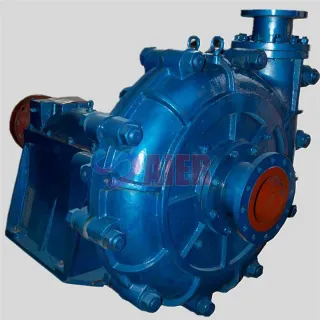
WG vysokotlaké kalové čerpadlo
-
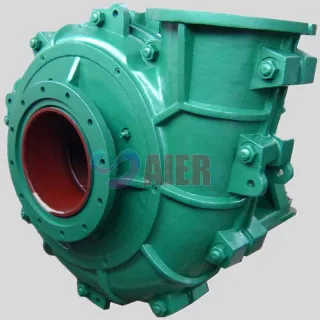
WL Lehké kalové čerpadlo
-
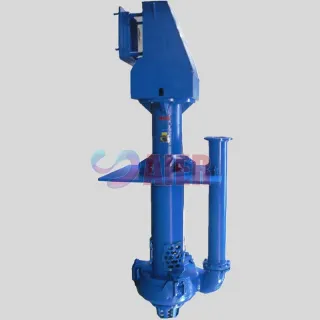
Kalové čerpadlo WY
-
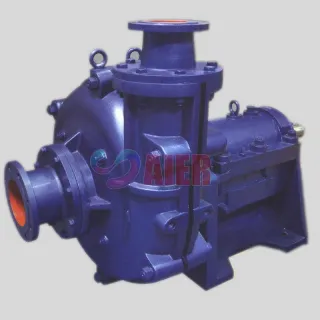
WZ vysoce účinné kalové čerpadlo
-
Dredge Pump WN
-
Gumové kalové čerpadlo WAJ
-
Čerpadlo štěrkopísku WS, WSG
-
WS, čerpadlo roztoku WSH
-
Kalové čerpadlo WY
-
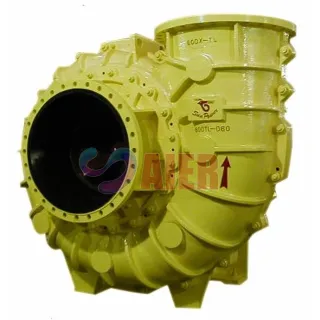
TL, TLR FGD čerpadlo
-
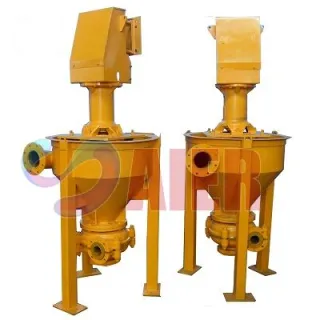
Vertikální pěnové čerpadlo WP
-
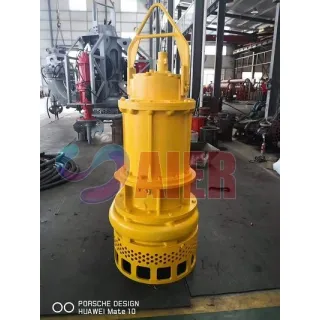
Ponorná kalová čerpadla ZJQ
-
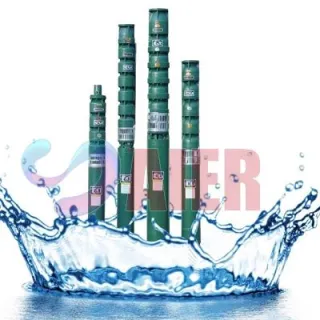
QJ ponorné ČERPADLO
-
Keramická kalová čerpadla ACT (ZCT).
-
BCT keramická kalová čerpadla