KWP Neucpávající čerpadlo na odpadní vodu
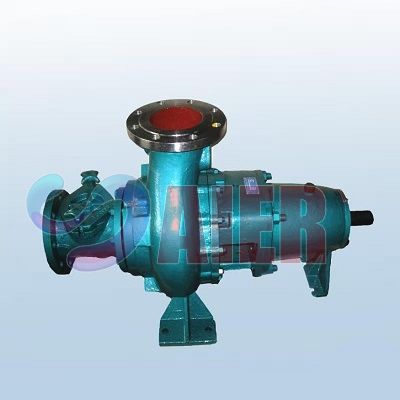
Popis výrobku
SPECIFIKACE:
Velikost čerpadla: DN 40 až 500 mm
Průtok: až 5500 m3/h
Výtlačná hlava: až 100m
Fluid temperature: -40 to +120°C
Materiály: litina, tvárná litina, litá ocel, nerezová ocel, duplexní nerezová ocel, vysoký chrom atd.
VZDUCH® KWP Non-clogging Sewage Pump
Všeobecné
Řada neucpávajících se odstředivých čerpadel KWP je nový typ vysoce účinného, energeticky úsporného neucpávajícího čerpadla s technologií představenou od KSB Co.
Neucpávané čerpadlo KWP není ucpané čerpadlo na odpadní vodu, které se speciálně používá pro zásobování městskou vodou, čištění odpadních vod a odpadních vod, chemický, železářský a ocelářský průmysl a papírenský, cukrovarnický a konzervárenský průmysl.
Funkce
KWP sewage pump is characterized by high-efficiency, non clogging and back pull-out design which can allow the rotor to be removed from the pump casing without disturbing the piping or dismantling the casing. This not only simplifies maintenance but also allows fast inter change of the impellers and wear plate of suction side, thereby permitting the pump to be rapidly modified to suit different operating conditions.
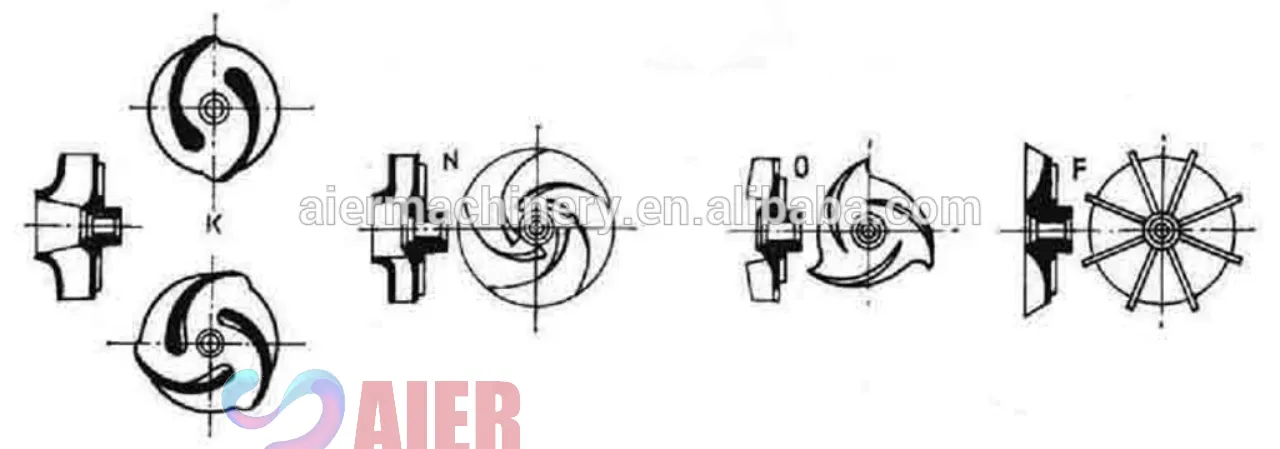
Typy oběžného kola KWP bez ucpání kalového čerpadla
Oběžné kolo "K": Uzavřené neucpávající oběžné kolo
Pro čistou vodu, odpadní vody, kapaliny obsahující pevné látky a kaly, které neuvolňují plyn.
Oběžné kolo "N": Uzavřené vícelopatkové oběžné kolo
Pro čistou vodu, tekutiny obsahující mírnou suspenzi, jako je upravená odpadní voda, sítová voda, dužina, cukrové šťávy atd.
Oběžné kolo "O": Otevřené oběžné kolo
Stejné aplikace jako "N" oběžné kolo, ale také včetně kapalin obsahujících vzduch.
Oběžné kolo "F": Oběžné kolo s volným průtokem
Pro kapaliny obsahující hrubé pevné látky náchylné ke shlukování nebo pletení (jako jsou příměsi dlouhých vláken, lepkavé částice atd.) a kapaliny obsahující vzduch.
Aplikace KWP bez ucpání kalového čerpadla
Lze je aplikovat v městském vodovodu, vodárnách, pivovarech, chemickém průmyslu, stavebnictví, hornictví, hutnictví, papírenském, cukrovarnickém a konzervárenském průmyslu, zejména v čistírnách odpadních vod; mezitím jsou některá z oběžných kol vhodná pro dopravu předmětu, který obsahuje pevné látky nebo dlouhovláknité neotěruvzdorné směsi pevná látka-kapalina.
Jsou široce používány při bezztrátové přepravě ovoce, brambor, cukrové řepy, ryb, obilí a dalších potravin.
Čerpadlo typu KWP je normálně vhodné pro čerpání neutrálního média (hodnota PH: asi 6-8). Pro aplikaci korozivní kapaliny a další speciální požadavky jsou k dispozici materiály odolné proti korozi a otěru.
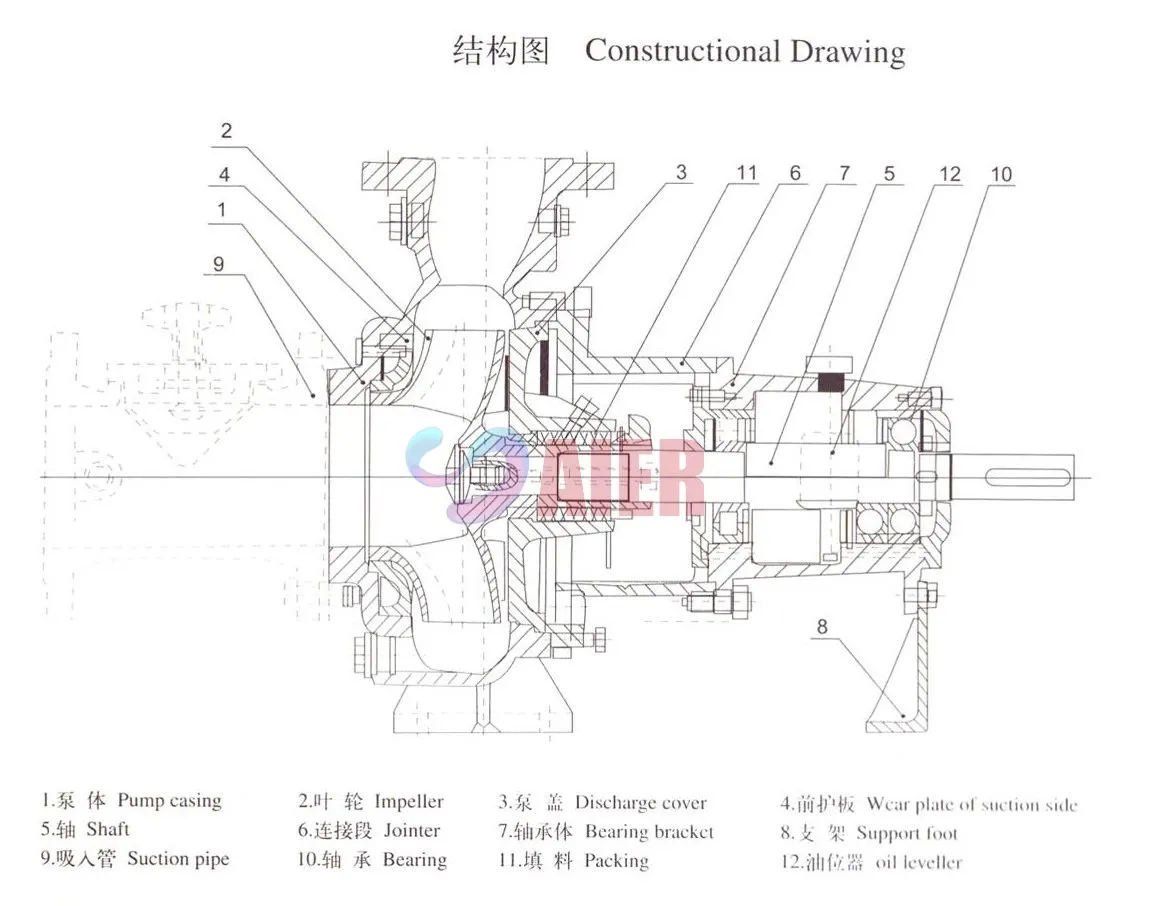
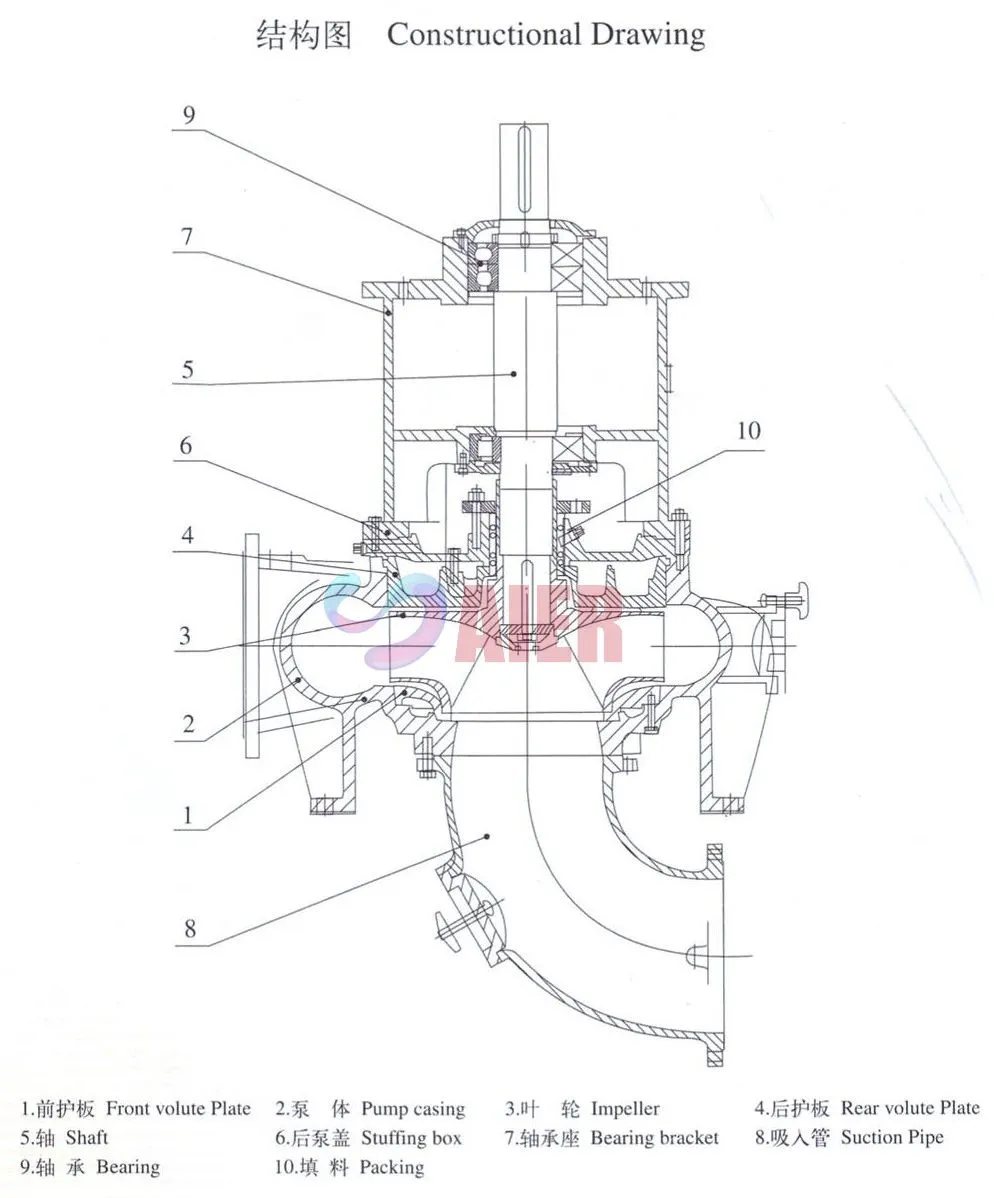
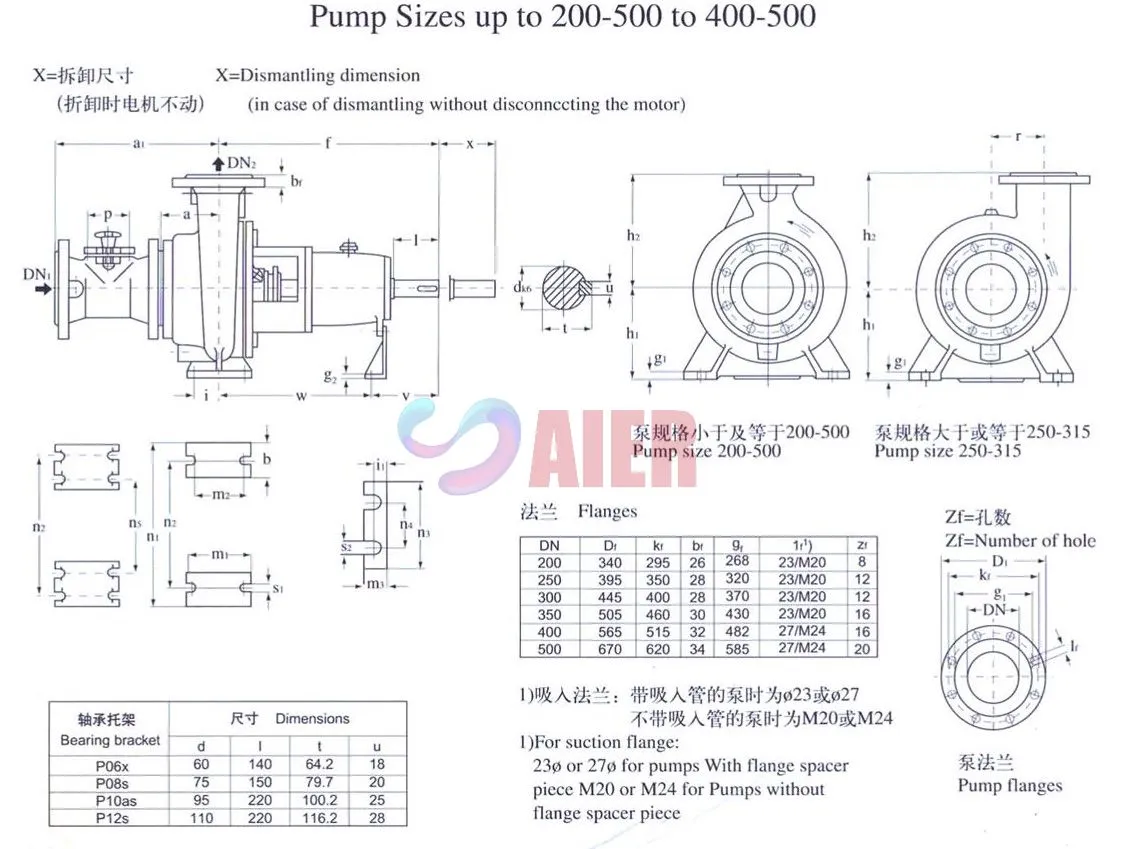
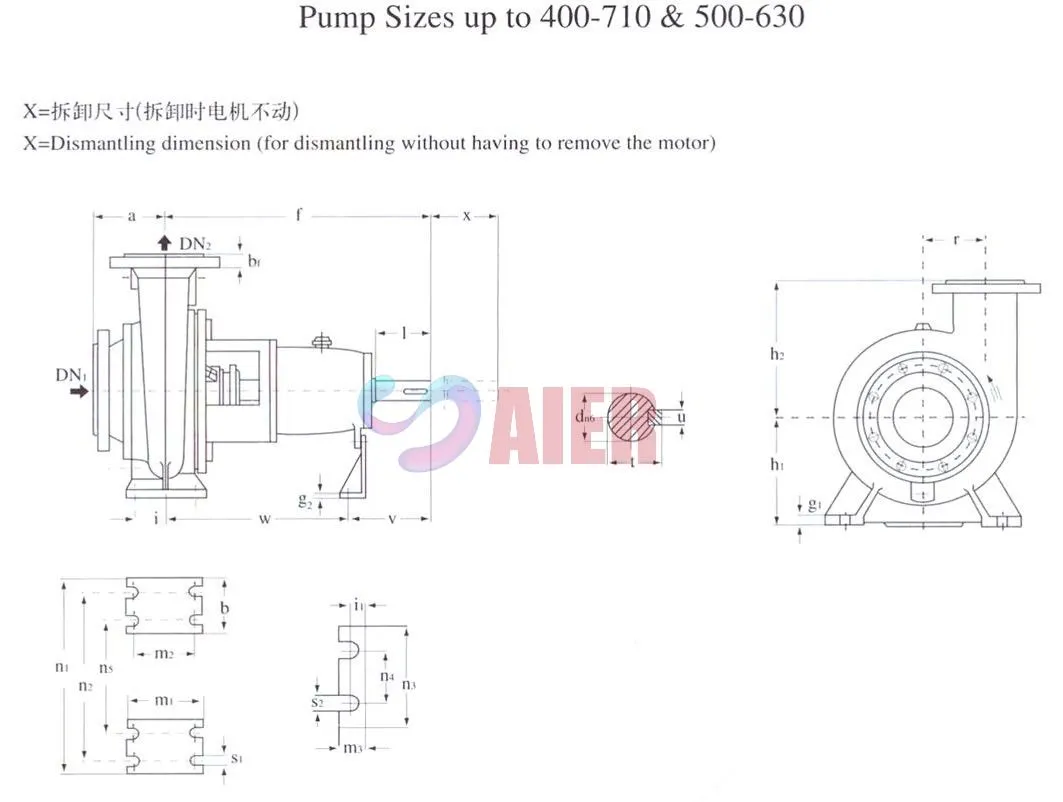
Stavební výkres
Konstrukční výkres KWP Neucpávající se kalové čerpadlo
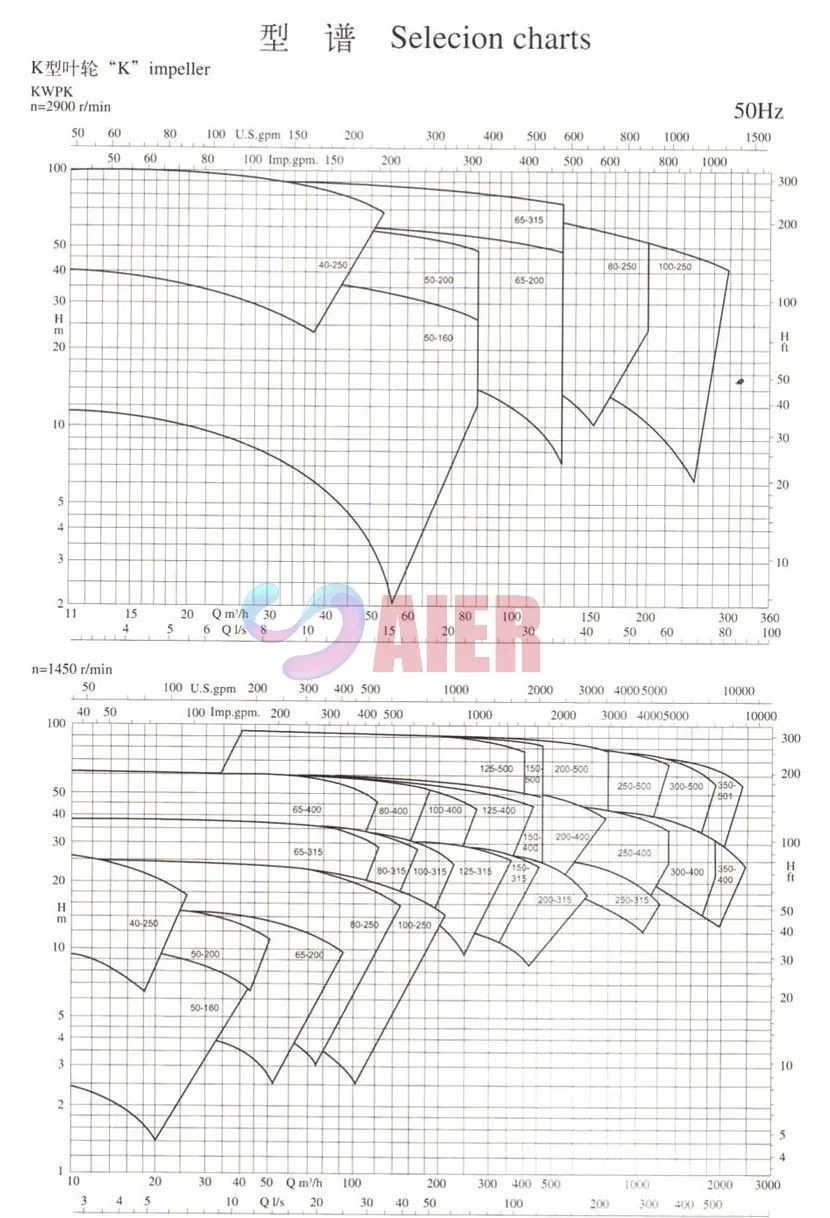
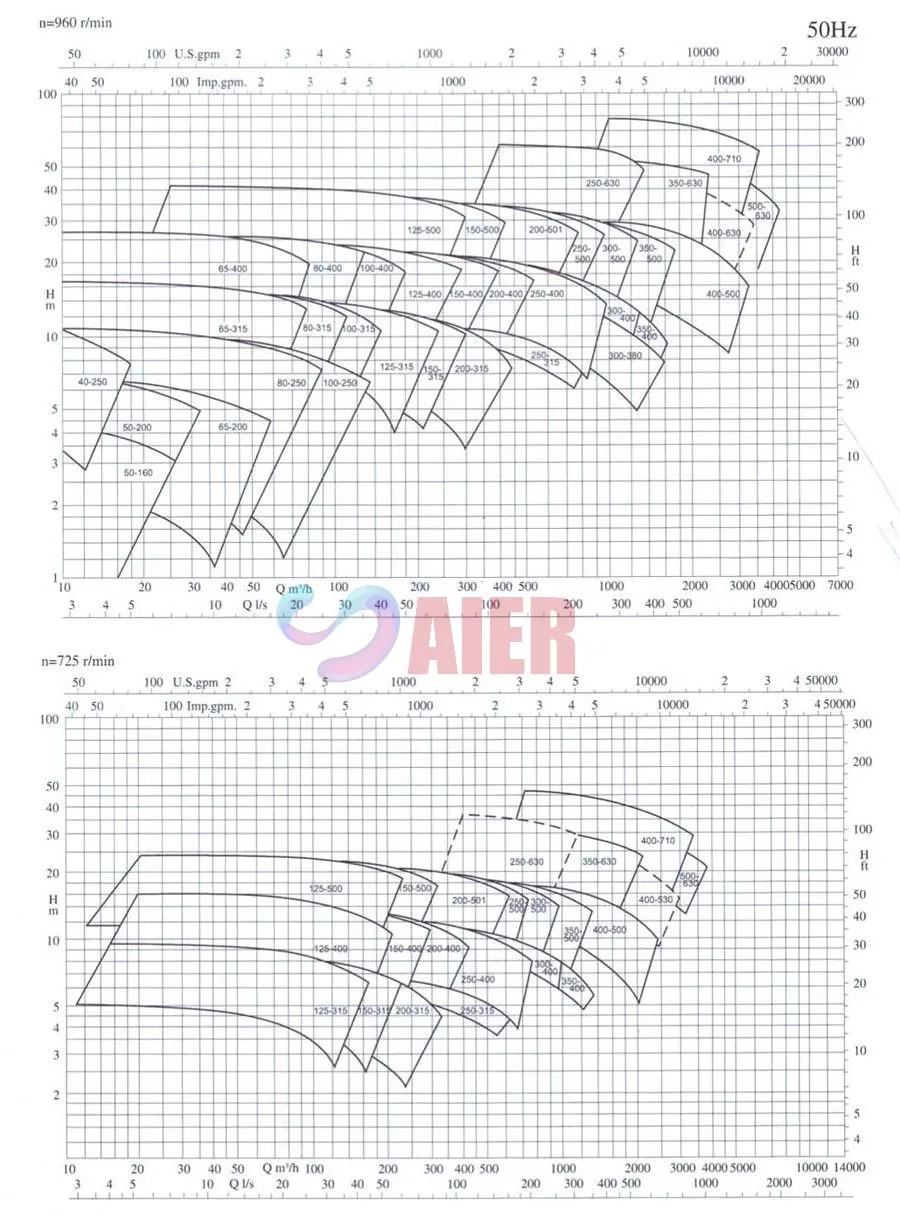
Výběrová tabulka
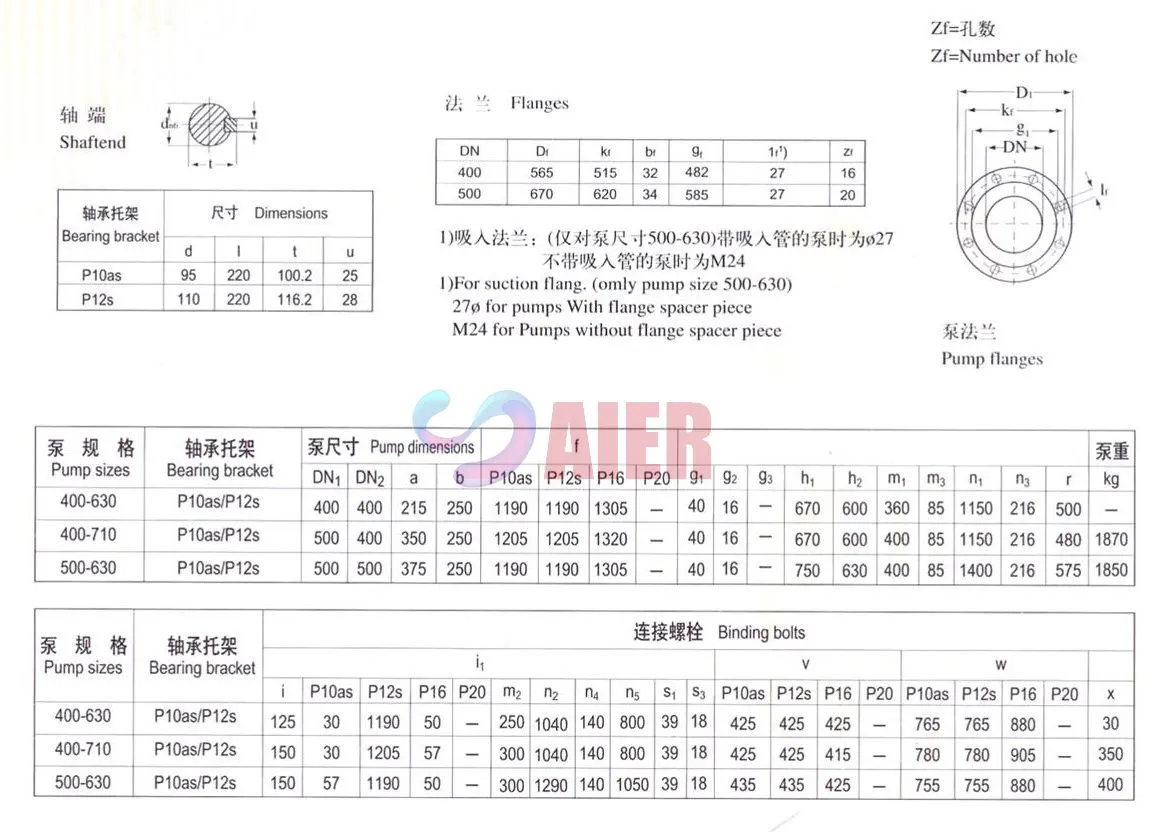
Výběrová tabulka čerpadel KWPk bez ucpání
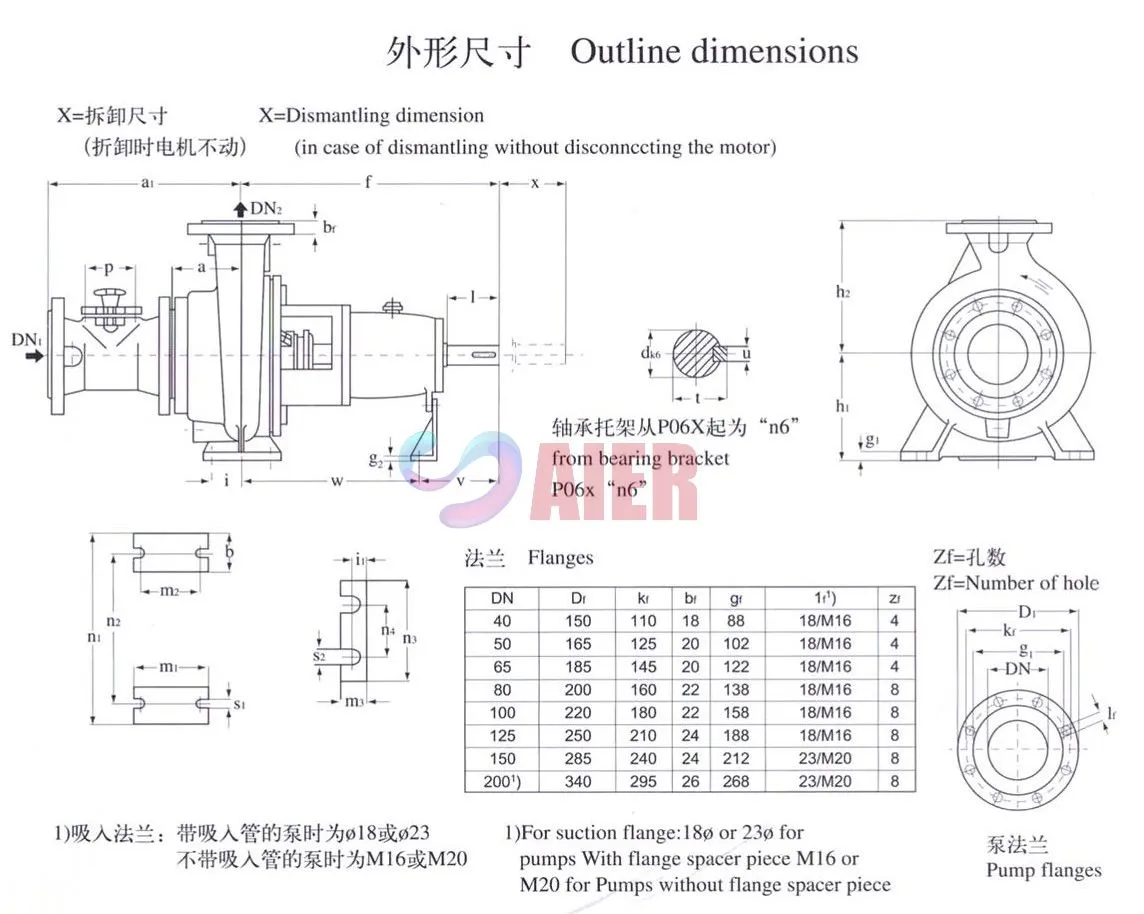
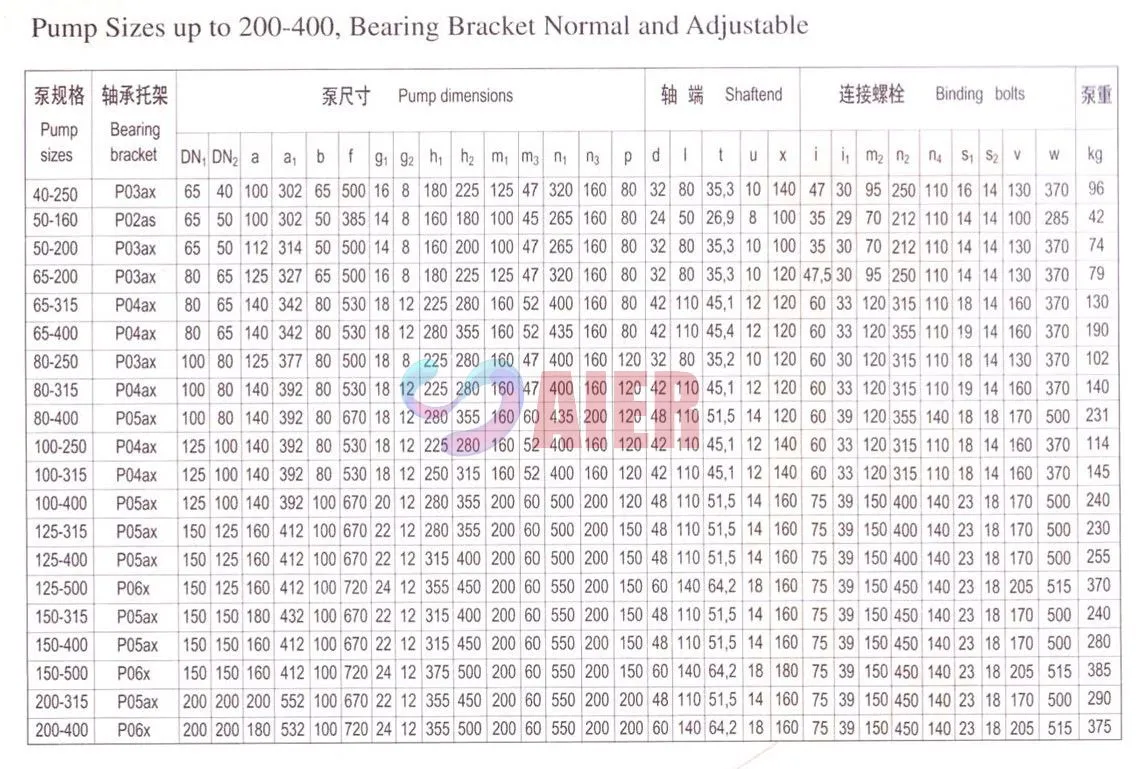
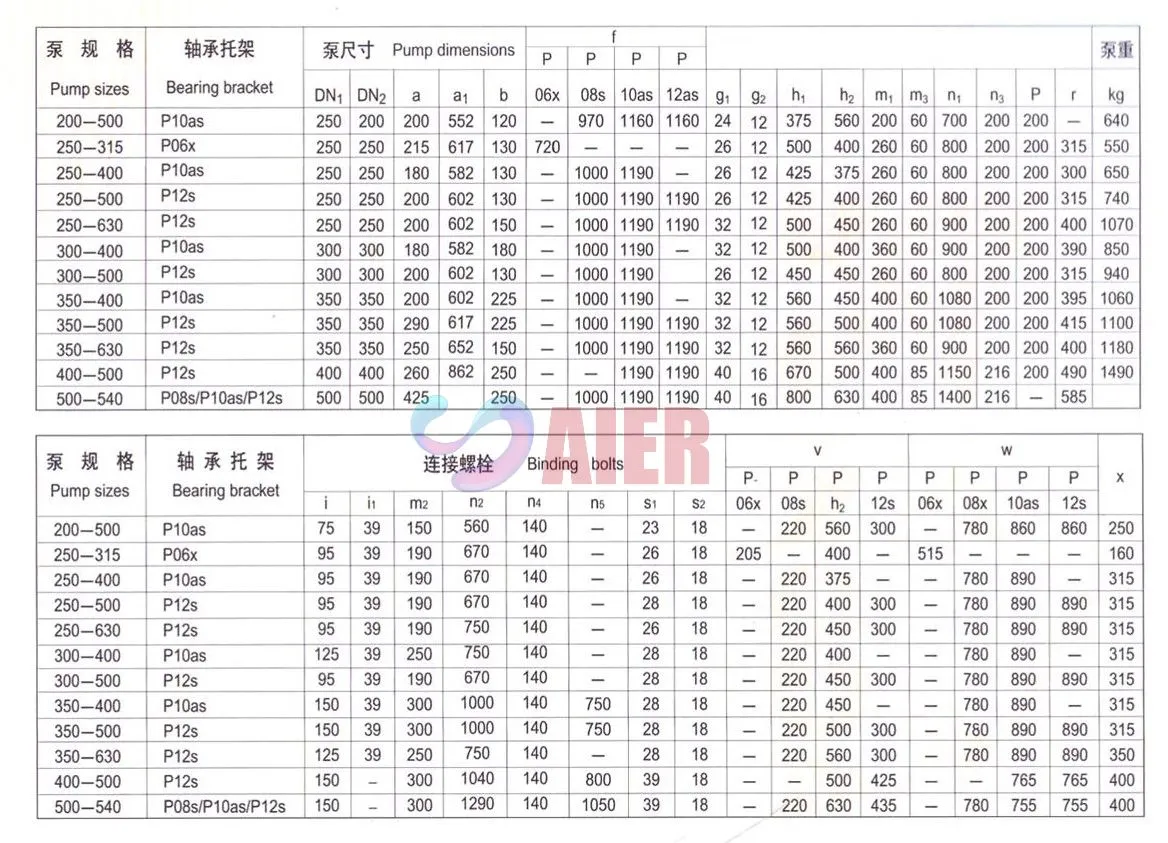
Rozměry obrysu
Obrysové rozměry KWP neucpávajících se kalových čerpadel
How Centrifugal Sewage Pump Factories Ensure Efficiency and Durability
A professional centrifugal sewage pump factory plays an essential role in delivering reliable and long-lasting wastewater transfer solutions. In both municipal and industrial sectors, a sewage pump manufacturer must focus on innovation, material excellence, and precision engineering to ensure every sewage pump meets global standards for efficiency and durability.
The manufacturing process begins with material selection—one of the most critical stages in ensuring performance. Premium factories typically use high-chromium cast iron, stainless steel, or duplex alloys for pump casings and impellers. These materials provide excellent wear and corrosion resistance, which is vital when the heavy duty sewage pump is exposed to slurry, sand, chemicals, or fibrous waste in treatment facilities. Each component is machined using CNC equipment for accuracy, ensuring perfect balance and alignment.
In terms of efficiency, centrifugal sewage pump factories often employ advanced fluid simulation technologies, such as Computational Fluid Dynamics (CFD), to design impeller and volute geometries that optimize flow while minimizing energy loss. This engineering precision improves hydraulic efficiency and reduces clogging risks, which is particularly important for large municipal drainage systems.
Durability is guaranteed through strict quality control at every stage. Every high quality sewage pump undergoes pressure, flow, and seal integrity tests before leaving the factory. Pumps are tested under simulated field conditions to verify performance stability. Anti-wear coatings, double mechanical seals, and reinforced bearings extend the pump’s operational lifespan even under demanding conditions.
Additionally, reliable sewage pump manufacturers provide modular designs for easier maintenance and part replacement. They may also incorporate smart monitoring systems to detect temperature, vibration, and leakage changes in real time—preventing costly breakdowns.
In summary, a reputable centrifugal sewage pump factory combines high-grade materials, fluid engineering, and intelligent quality management to produce heavy duty sewage pumps that ensure excellent hydraulic performance, low maintenance costs, and long-term reliability in wastewater and industrial applications.
Maintenance and Troubleshooting Tips for Sewage Pump Systems
To keep a high quality sewage pump operating at peak efficiency, regular maintenance and systematic troubleshooting are vital. Whether used in municipal wastewater plants, factories, or flood control systems, a well-maintained sewage pump can prevent costly downtime and significantly extend its lifespan.
Routine inspection starts with the external components. Operators should check for leaks, unusual vibrations, or noise. For heavy duty sewage pumps, frequent inspection of the pump casing and impeller is critical since abrasive particles can cause erosion or imbalance. Cleaning the suction and impeller areas regularly helps maintain smooth flow and prevents blockages.
Lubrication plays another important role. Bearings and seals in a sewage pump require periodic lubrication to reduce friction and wear. Over-lubrication can cause overheating, while lack of lubrication can result in bearing seizure. Always follow the sewage pump manufacturer’s lubrication schedule and recommended grease type.
Electrical systems also require attention. Loose connections, damaged insulation, or unstable voltage can lead to motor failure. For submersible types, ensuring cable sealing integrity prevents water ingress and short-circuiting.
When troubleshooting performance issues, start with flow rate and discharge pressure. If output drops, inspect for clogged impellers or suction lines. Excessive noise or vibration may indicate cavitation, misalignment, or worn bearings. Professional centrifugal sewage pump factories often recommend vibration analysis tools or temperature sensors to identify issues early before they escalate.
Preventive maintenance schedules, such as quarterly performance testing and yearly overhauls, can dramatically extend service life. Proper record-keeping of maintenance history helps operators predict wear patterns and replace parts before failure occurs.
By following these steps, users can ensure that their high quality sewage pump continues to operate efficiently, reducing energy costs and avoiding unexpected breakdowns in both municipal and industrial wastewater systems.
Comparing Submersible vs Centrifugal Sewage Pumps: Which is Better for You?
Choosing between a submersible sewage pump and a centrifugal sewage pump can greatly impact system efficiency, installation convenience, and maintenance requirements. Both pump types, designed by experienced sewage pump manufacturers, serve distinct operational needs and environments.
A submersible sewage pump is installed directly inside the wastewater, fully submerged during operation. Its sealed motor prevents water entry, making it ideal for applications with limited space such as residential basements, sewage pits, and municipal collection tanks. Because it operates underwater, it offers quiet operation and efficient priming without the need for external suction lines.
On the other hand, a centrifugal sewage pump factory typically produces dry-installed pumps, where the motor and impeller housing remain outside the fluid. This configuration allows for easy maintenance and access, which is highly beneficial in large-scale industrial applications such as chemical processing, paper mills, or mining operations. Heavy duty sewage pumps in this category can handle high flow rates, large solids, and corrosive fluids with minimal wear.
When comparing performance, high quality sewage pumps in submersible form tend to excel in space-saving installations and automatic operation. However, they can be harder to service since removal from the sump is necessary for inspection. Centrifugal pumps, in contrast, offer easier maintenance, durability, and flexibility in handling different fluid viscosities and temperatures.
For facilities that require continuous, high-volume wastewater transfer with easy access for inspection, the centrifugal sewage pump from a trusted sewage pump manufacturer is typically the better choice. Meanwhile, for underground or remote drainage systems where noise and space are concerns, submersible sewage pumps provide the ideal balance of efficiency and compactness.
Ultimately, the best pump depends on your system design, installation space, and maintenance resources. Consulting a reputable centrifugal sewage pump factory ensures you select a pump that provides long-term reliability, minimal energy consumption, and maximum performance tailored to your specific wastewater handling requirements.
Kategorie produktů
-
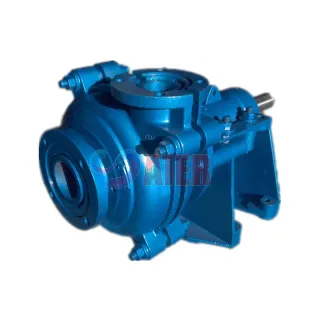
WA Silné kalové čerpadlo
-
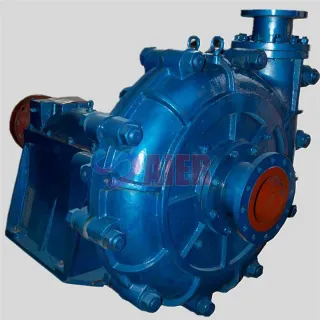
WG vysokotlaké kalové čerpadlo
-
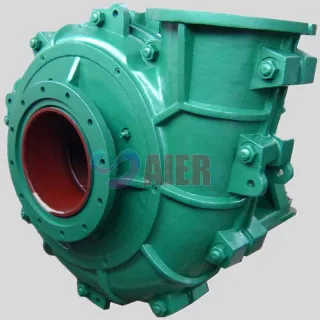
WL Lehké kalové čerpadlo
-
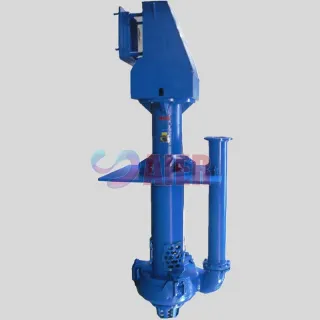
Kalové čerpadlo WY
-
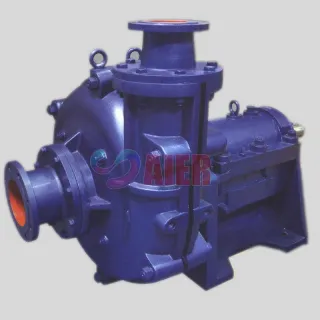
WZ vysoce účinné kalové čerpadlo
-
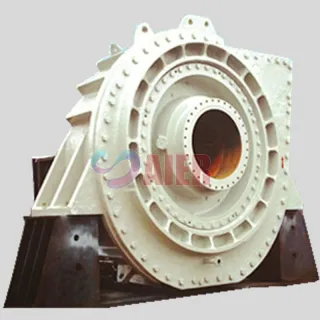
Dredge Pump WN
-
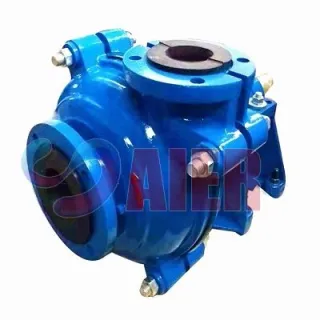
Gumové kalové čerpadlo WAJ
-
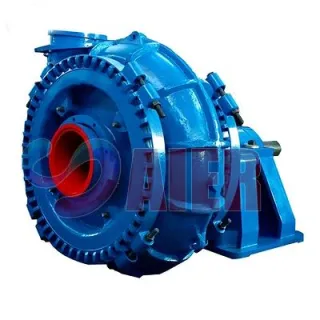
Čerpadlo štěrkopísku WS, WSG
-
WS, čerpadlo roztoku WSH
-
Kalové čerpadlo WY
-
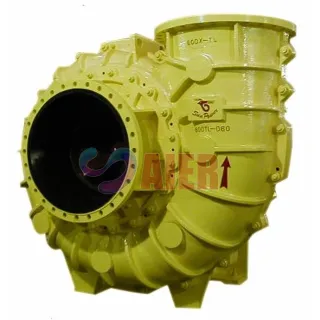
TL, TLR FGD čerpadlo
-
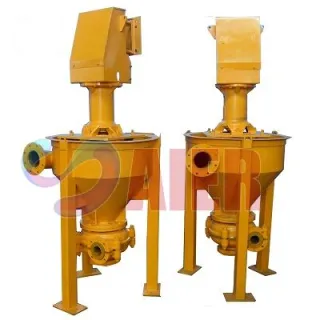
Vertikální pěnové čerpadlo WP
-
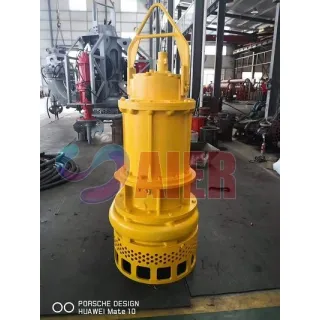
Ponorná kalová čerpadla ZJQ
-
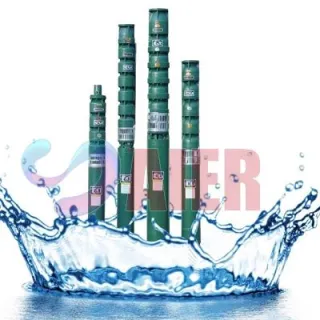
QJ ponorné ČERPADLO
-
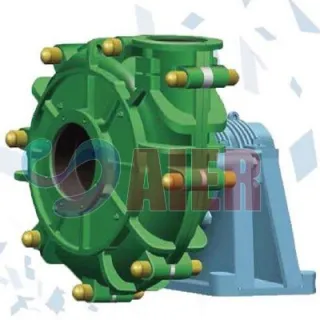
Keramická kalová čerpadla ACT (ZCT).
-
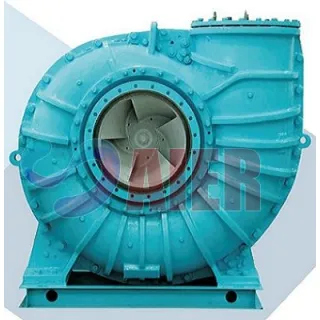
BCT keramická kalová čerpadla