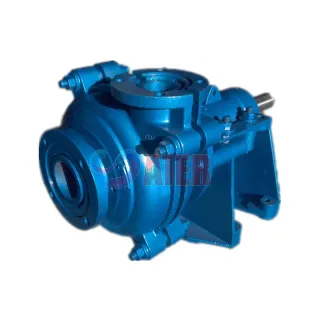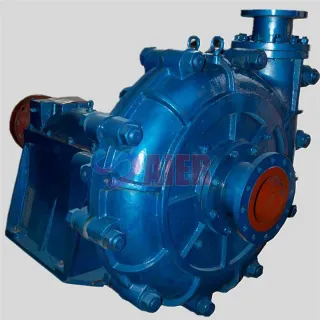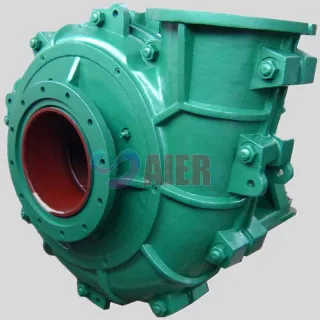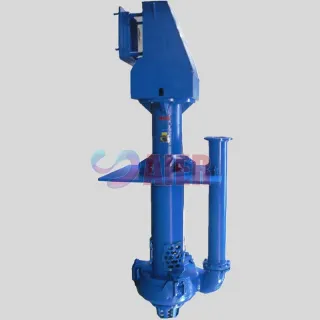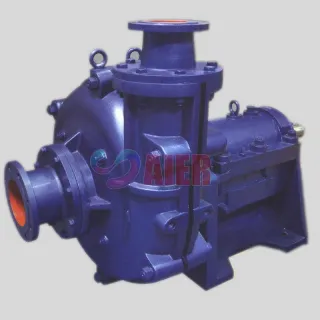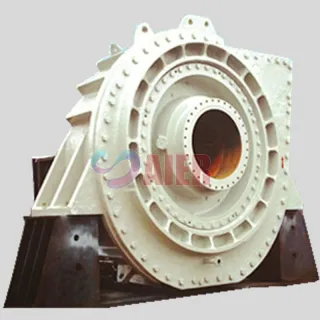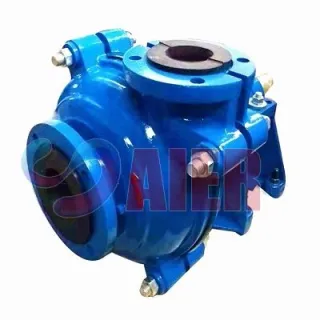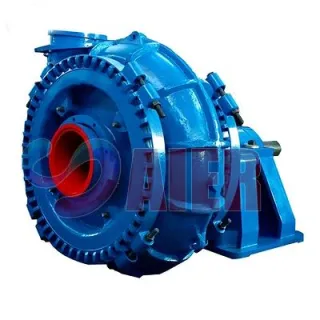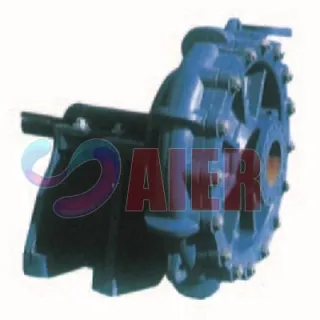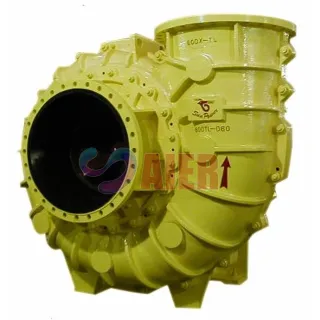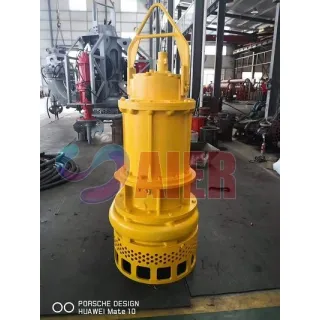
TL、TLR烟气脱硫泵
产品描述
规格:
尺寸:350-1000mm
处理能力:1500-14000m3/h
扬程:10-33m
最大颗粒:180mm
Temperature Range: ≤80°C
Materials: Hyperchrome, Natural Rubber, etc
A伊尔® TL、TLR烟气脱硫泵
一般的
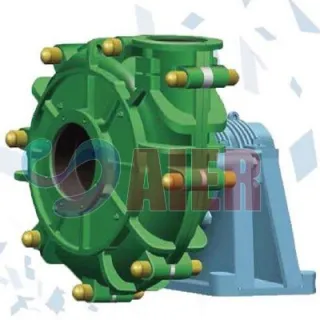
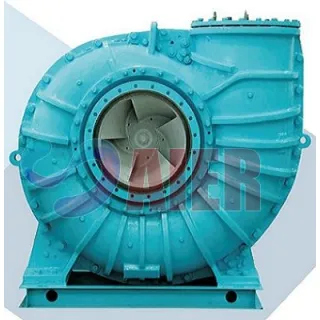
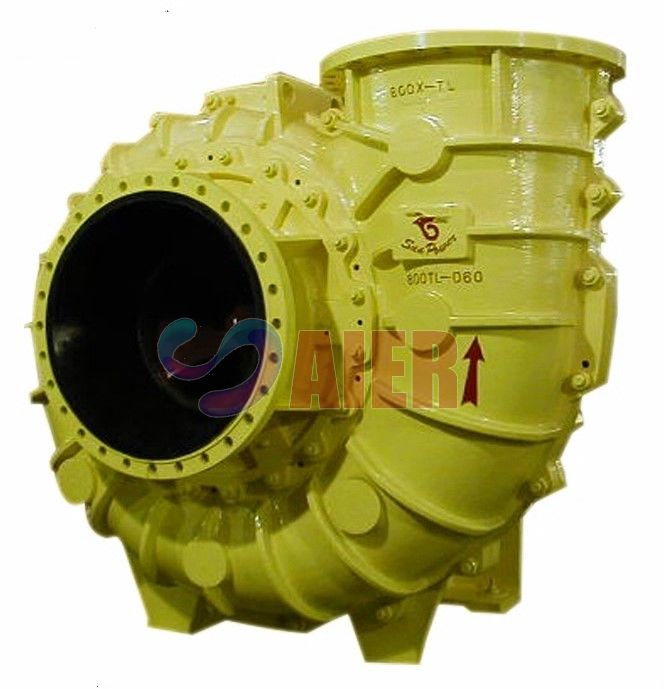
TL系列烟气脱硫泵为单级单吸卧式离心泵。它主要用作烟气脱硫应用中吸收塔的循环泵。具有通流范围宽、效率高、省电省电等特点。该系列泵配有结构紧凑的X型支架,可大大节省空间。同时我公司针对烟气脱硫泵开发了多种材料。
技术特点
泵过流部件采用先进的CFD流动模拟分析技术进行设计,确保设计可靠、工作有效。
可更换叶轮’通过调整轴承组件来调整泵在泵壳中的位置,使泵始终保持高效工作。
该泵采用后拉式结构,施工方便,维护方便。它没有’无需拆卸进出口管道。
泵端固定有两组圆锥滚子轴承,驱动端装有圆柱滚子轴承。轴承采用油润滑。这些都可以改善轴承的工作条件,大大提高轴承的使用寿命。
采用专门针对FGD技术的集成机械密封,确保其运行。
材质选择
艾尔开发出一种具有双相不锈钢特性的新型专用抗磨防腐材料’s 防腐性能与高铬白口铸铁’FGD 工艺中的抗磨损性能。
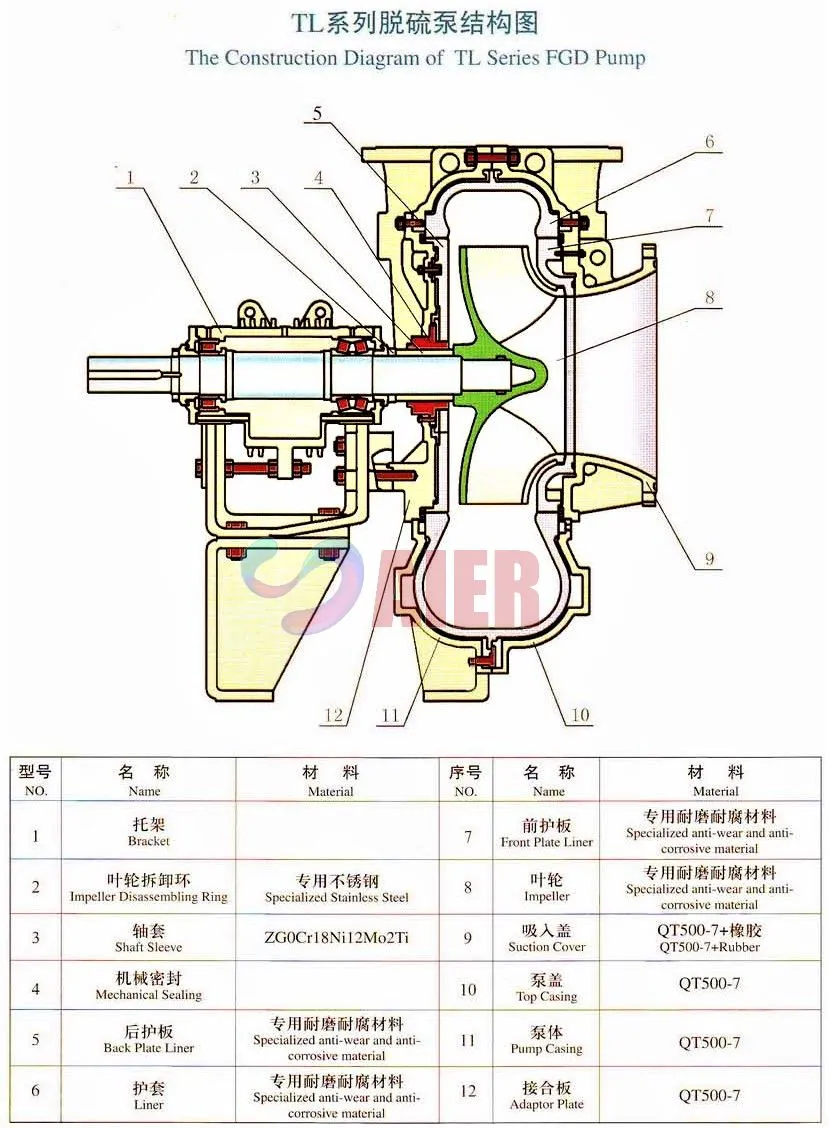
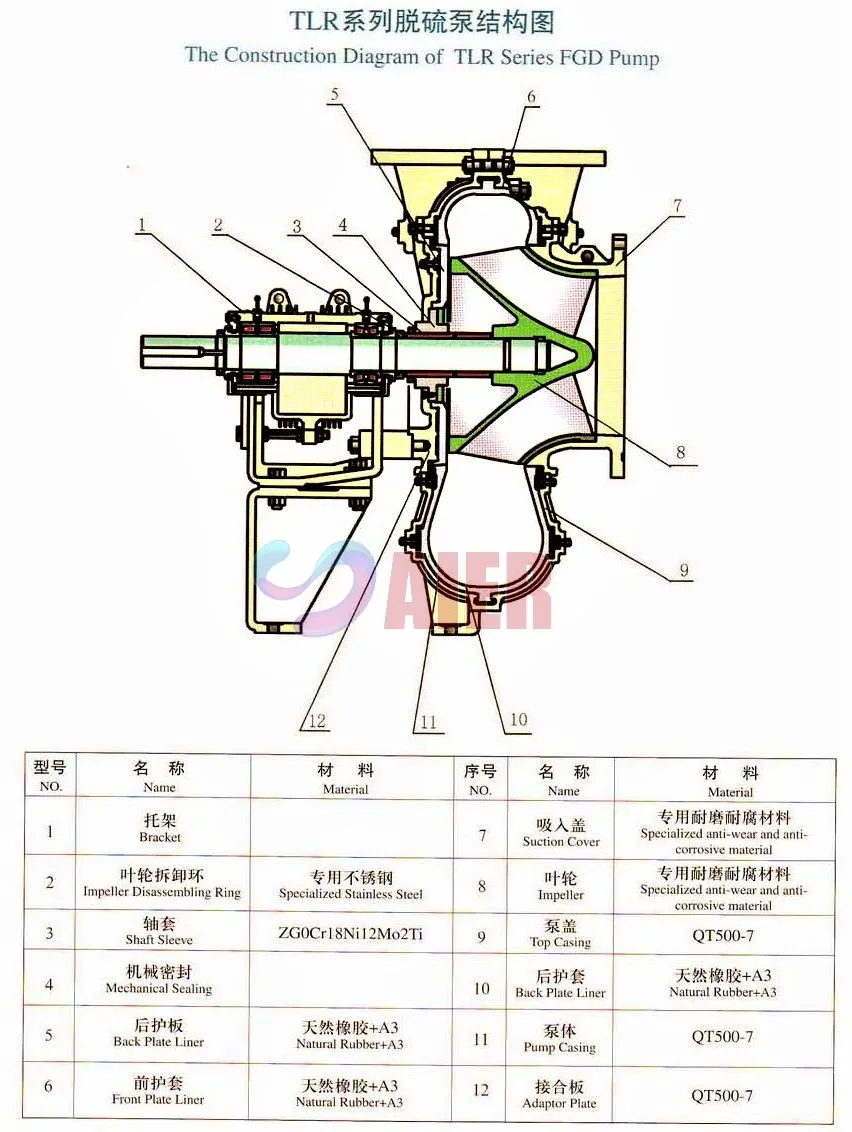
橡胶泵壳内叶轮、吸入盖/盖板均采用专用耐磨、耐腐蚀材料制成;前衬、后衬、后衬镶片材质为天然橡胶,重量轻,防腐性能优良,成本低。
金属泵壳内,叶轮、蜗壳、吸水板、背板均采用专用耐磨、耐腐蚀材料制成,吸水盖采用球墨铸铁加橡胶制成。
施工图
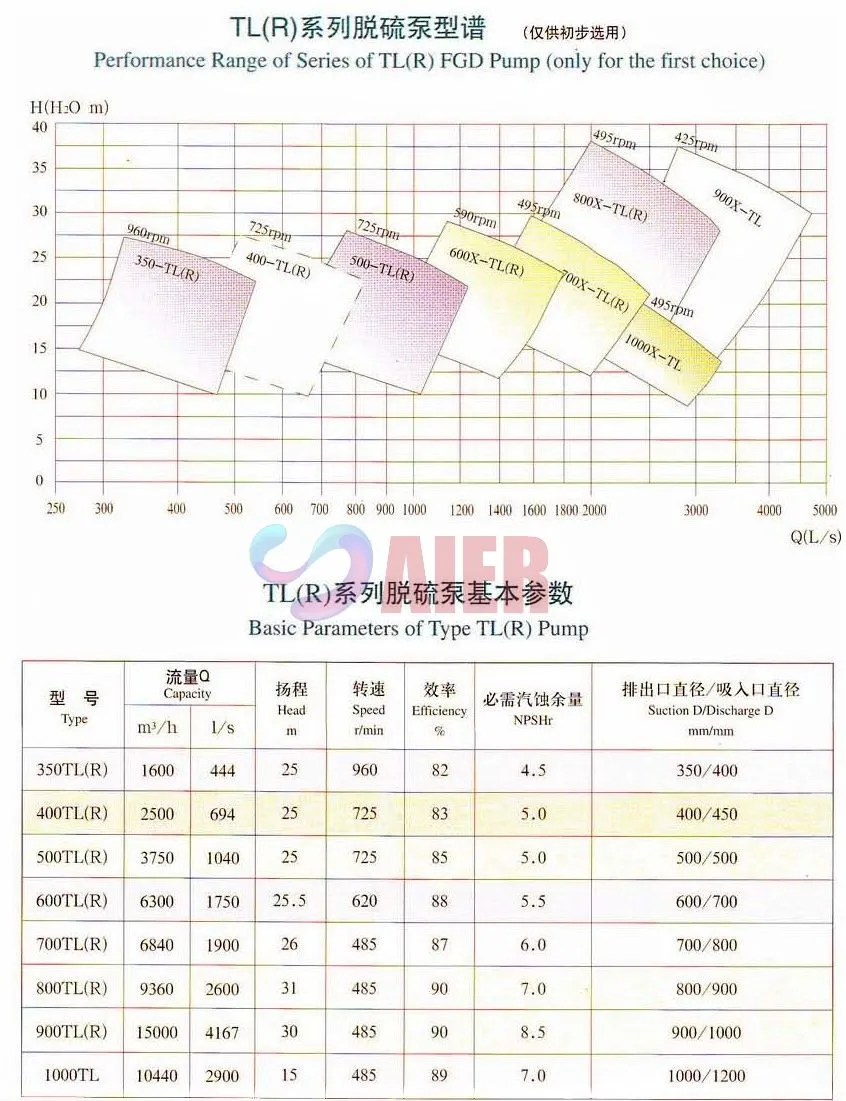
性能范围及主要参数
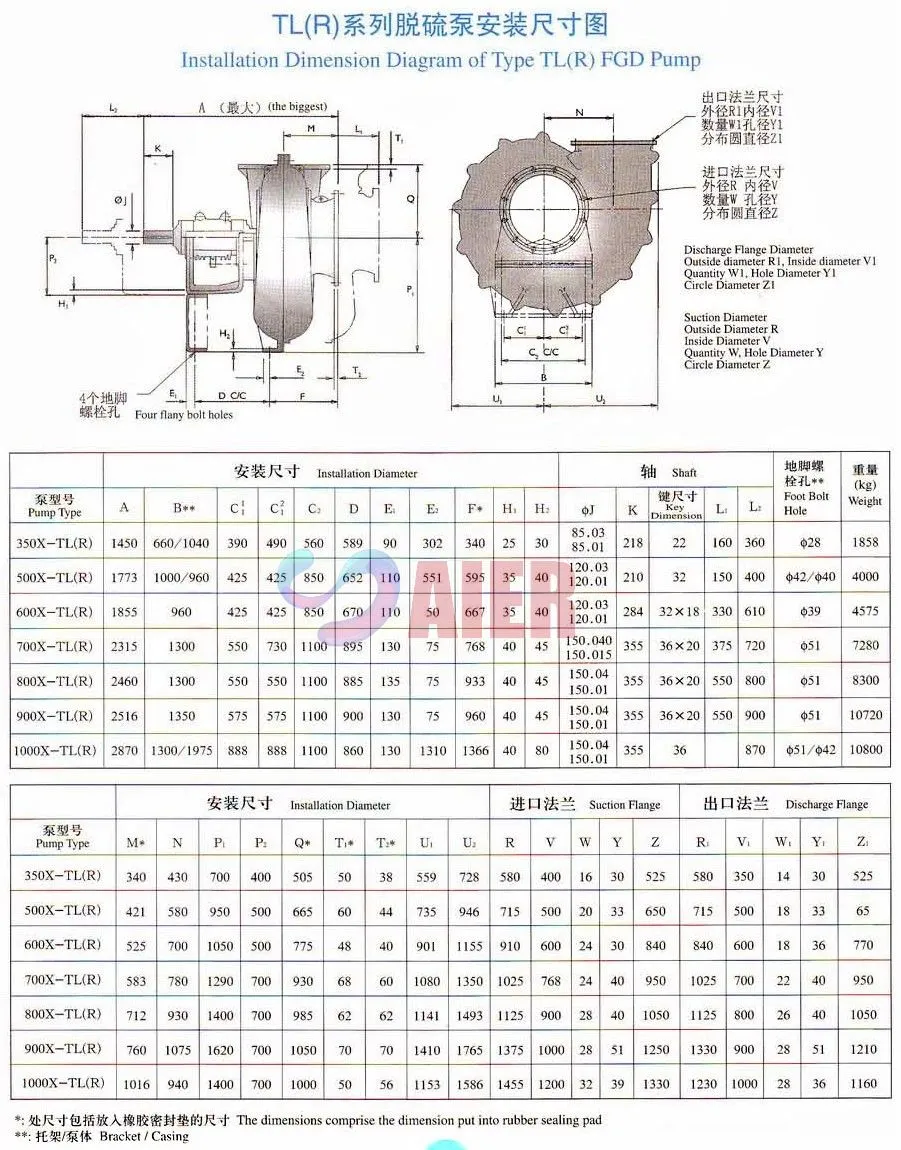
外形尺寸
How to Choose the Right FGD Pump Manufacturer for Your Project
Selecting the right FGD pump manufacturer is a critical step for ensuring the success of flue gas desulfurization projects. An FGD pump is a highly specialized piece of equipment, designed to handle abrasive and corrosive slurries efficiently. Choosing a reliable manufacturer guarantees long-term performance, minimal maintenance, and compliance with environmental standards.
First, consider the experience and expertise of the manufacturer. Leading FGD pump manufacturers like Aier Machinery Hebei Co., Ltd. have decades of experience producing pumps for industrial and power plant applications. Their knowledge of slurry characteristics, materials engineering, and hydraulic design ensures that every high quality FGD pump is optimized for both durability and efficiency.
Next, examine the product range and customization capabilities. Different FGD systems have unique requirements in terms of flow rate, head, and slurry composition. A reputable OEM FGD pump manufacturer can provide tailored solutions, from horizontal to vertical designs, and can adjust material composition, impeller design, and wear-resistant linings according to project demands. This customization ensures optimal performance in specific industrial conditions.
Another key factor is quality assurance and testing procedures. High-quality FGD pumps must withstand continuous operation with abrasive and corrosive materials. Look for manufacturers who implement rigorous quality control at every stage, including casting, machining, assembly, and performance testing. Certifications and adherence to international standards indicate a manufacturer’s commitment to reliability.
After-sales support is equally important. A trusted FGD pump manufacturer should offer technical guidance, spare parts availability, and maintenance support. This ensures minimal downtime and quick troubleshooting in case of operational issues.
Finally, consider global experience and references. Companies like Aier Machinery, a renowned OEM FGD pump manufacturer, have delivered pumps worldwide, providing solutions for thermal power plants and industrial projects across different environments. Their proven track record demonstrates reliability and technical competence.
In summary, choosing the right FGD pump manufacturer involves evaluating experience, product range, customization capabilities, quality assurance, and after-sales support. Partnering with a reputable OEM FGD pump manufacturer ensures that your project benefits from a high quality FGD pump that is efficient, durable, and reliable under demanding conditions.
Maintenance and Troubleshooting Tips for FGD Pumps
Proper maintenance is essential for ensuring the longevity and performance of an FGD pump. As these pumps handle abrasive and corrosive slurries in flue gas desulfurization systems, regular inspection and maintenance can prevent downtime and reduce operational costs. Aier Machinery Hebei Co., Ltd., a leading FGD pump manufacturer, offers solutions and guidance for extending pump life.
The first maintenance tip is regular inspection of wear parts. Impellers, casings, liners, and seals are constantly exposed to abrasive slurry. Using high-quality materials, as found in a high quality FGD pump, reduces wear, but regular visual inspections are still necessary. Replace worn parts promptly to avoid damage to other components.
Next, monitor pump performance parameters, including flow rate, pressure, vibration, and noise. Any deviation from normal operating conditions may indicate impeller erosion, blockage, or misalignment. Addressing these issues early prevents further damage. Working with an OEM FGD pump manufacturer ensures that spare parts and technical support are readily available for troubleshooting.
Lubrication and bearing maintenance are also critical. Bearings support the pump shaft and impeller, and insufficient lubrication can lead to overheating or failure. Follow manufacturer recommendations for lubrication intervals and types of lubricants. High-quality pumps from experienced FGD pump manufacturers often include advanced bearing assemblies designed for extended service life.
For chemical corrosion protection, check the integrity of lining and coatings. Acidic or chemically aggressive slurries can degrade the pump over time. Maintaining the lining and promptly repairing any damage ensures consistent operation of your FGD pump.
Finally, implement a preventive maintenance schedule. Document inspections, part replacements, and performance checks. An organized maintenance program, supported by guidance from a trusted OEM FGD pump manufacturer, significantly improves reliability and reduces unexpected downtime.
In conclusion, proper maintenance of an FGD pump includes monitoring wear parts, performance parameters, lubrication, and corrosion protection. Partnering with a reputable FGD pump manufacturer ensures access to high-quality pumps, spare parts, and technical support, keeping operations safe, efficient, and uninterrupted.
Comparing Horizontal and Vertical FGD Pumps for Power Plants
In power plants, FGD pumps are critical for transporting abrasive slurries in flue gas desulfurization systems. Selecting between horizontal and vertical pump designs impacts efficiency, maintenance, and overall operational performance. Aier Machinery Hebei Co., Ltd., a leading FGD pump manufacturer, provides both types, tailored to specific industrial requirements.
Horizontal FGD pumps are widely used for their simplicity, ease of installation, and maintenance accessibility. Their shaft and bearings are typically easier to service, and the modular design allows for quick replacement of wear parts. A high quality FGD pump in horizontal configuration is ideal for applications with moderate suction lift and space availability. Horizontal pumps are especially suitable when continuous monitoring and maintenance access are important.
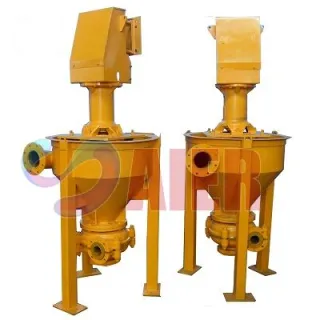
In contrast, vertical FGD pumps are preferred in deep sump or confined-space installations. The vertical design allows the pump to operate directly from a slurry sump, reducing the need for a long suction pipeline. Vertical pumps from an experienced OEM FGD pump manufacturer like Aier Machinery are engineered to handle high head and abrasive slurries efficiently. They are often more compact and better suited for deep installations, although they may require specialized maintenance procedures.
Both horizontal and vertical FGD pumps feature wear-resistant materials, including high chrome alloys and stainless steel, ensuring long service life in corrosive and abrasive environments. Advanced hydraulic design optimizes flow efficiency and reduces energy consumption, providing cost-effective operation for power plants.
Another consideration is installation and space constraints. Horizontal pumps need more floor space but allow easier maintenance, while vertical pumps save space but may require overhead access for certain servicing tasks. A trusted FGD pump manufacturer can help determine the best configuration based on site layout and operational requirements.
In summary, both horizontal and vertical FGD pumps have distinct advantages. Horizontal pumps offer accessibility and simplicity, while vertical pumps are ideal for deep or confined installations. Partnering with a reputable FGD pump manufacturer ensures you receive a high quality FGD pump designed to meet your plant’s specific operational demands