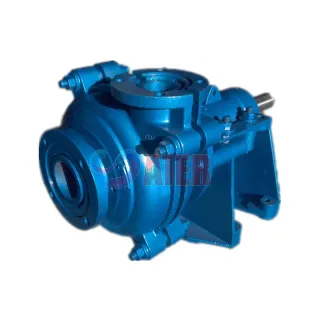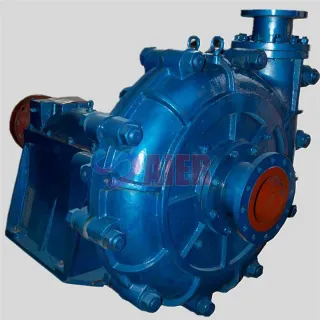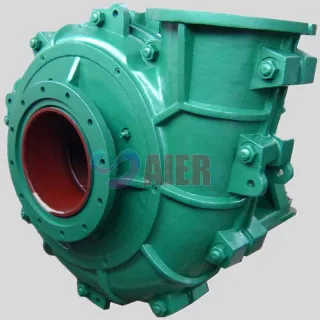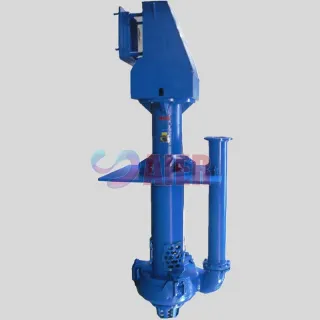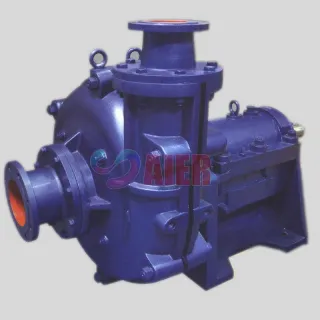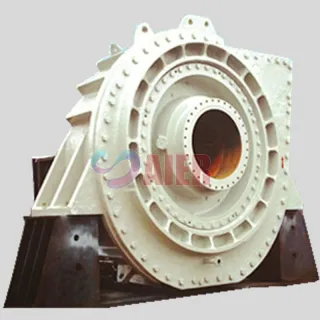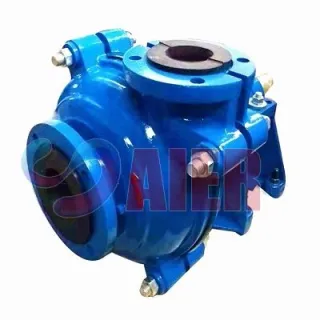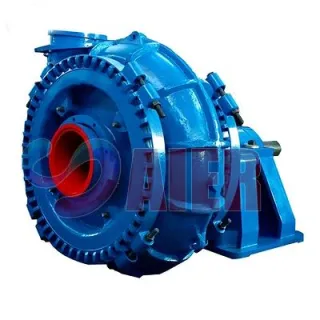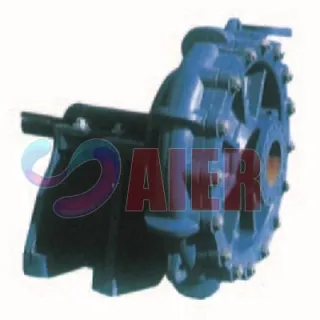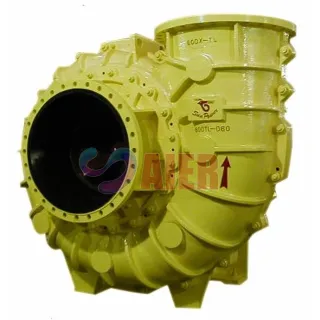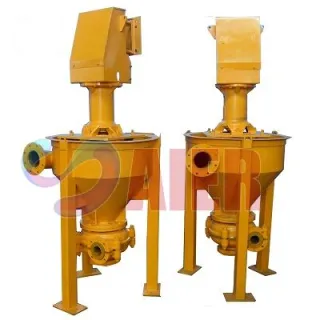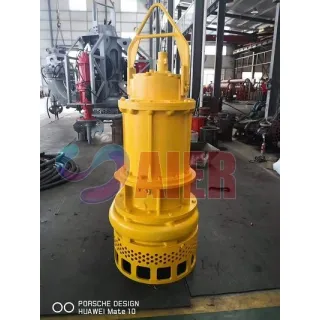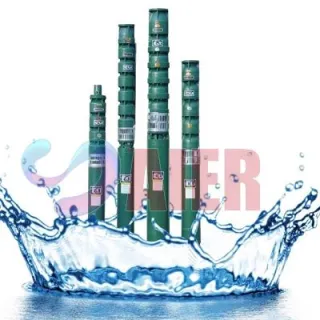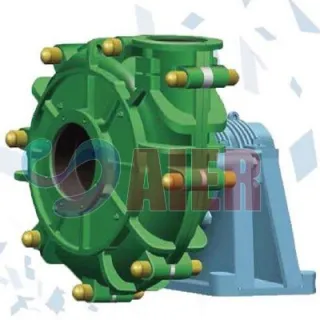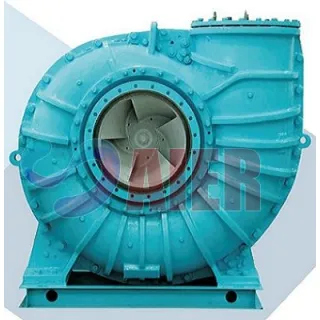
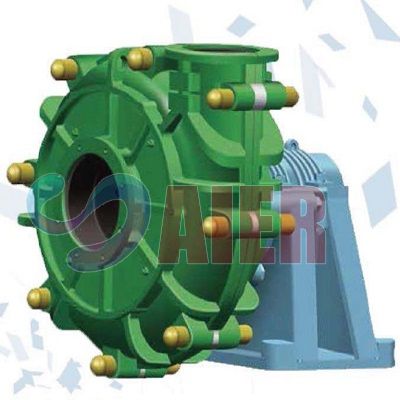
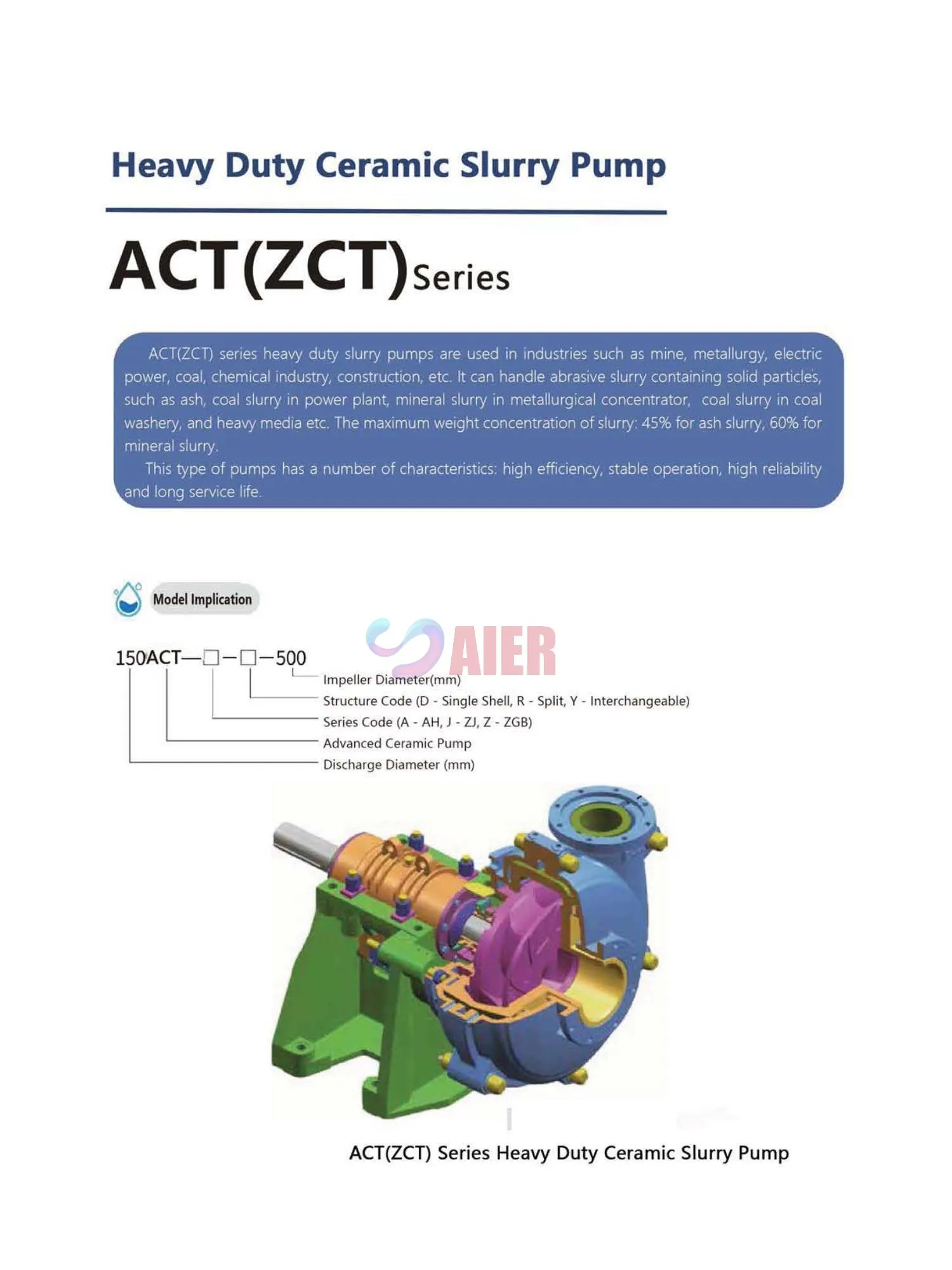
ACT(ZCT)陶瓷渣浆泵
陶瓷渣浆泵的优点
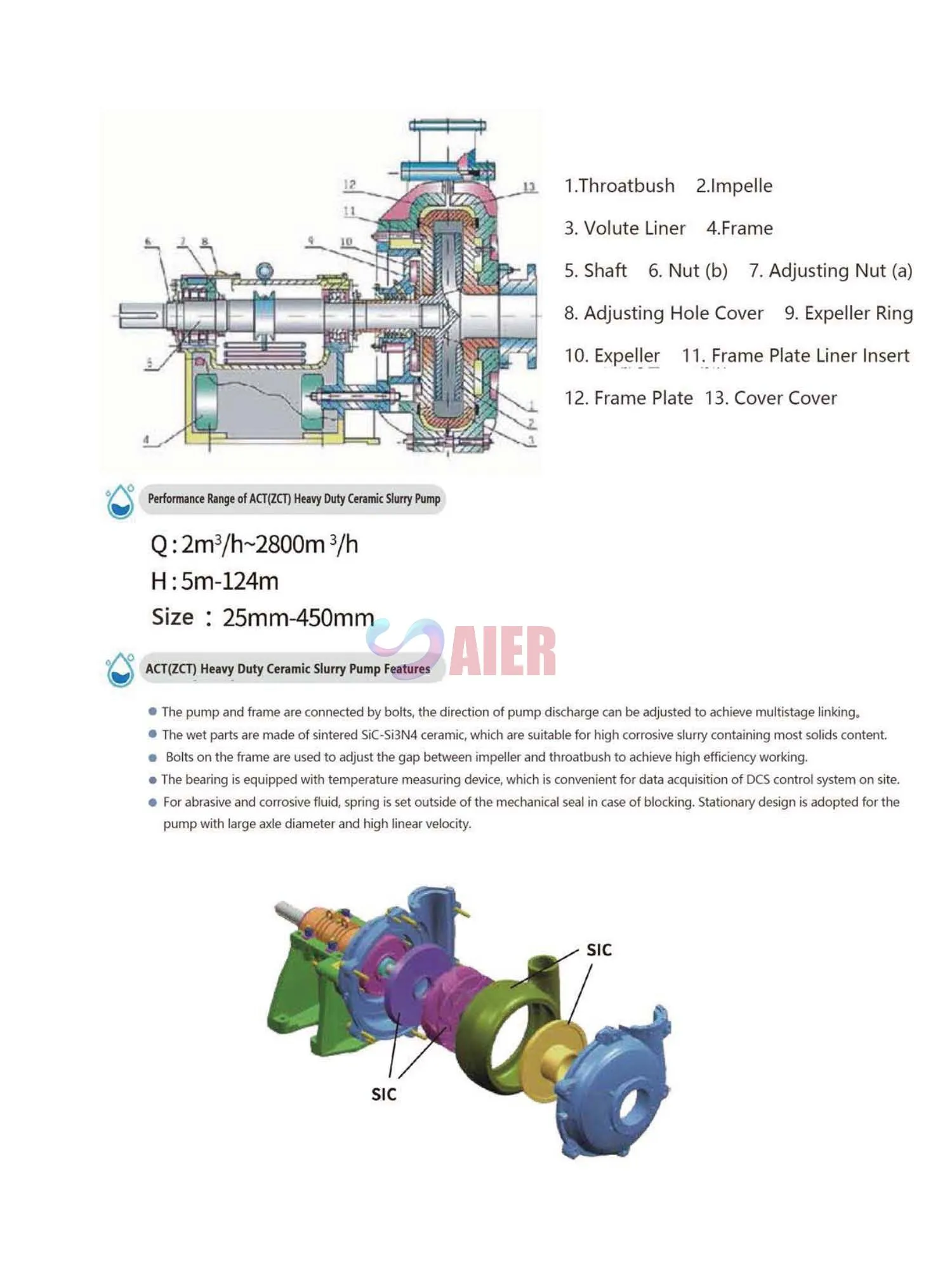
规格:
尺寸:1 英寸至 18 英寸
处理能力:2-2800立方米/小时
扬程:5-124 m
处理固体:0-110mm
浓度:0%-70%
材质:陶瓷
爱尔® ACZ (ZCT) Heavy Duty Ceramic Slurry Pump
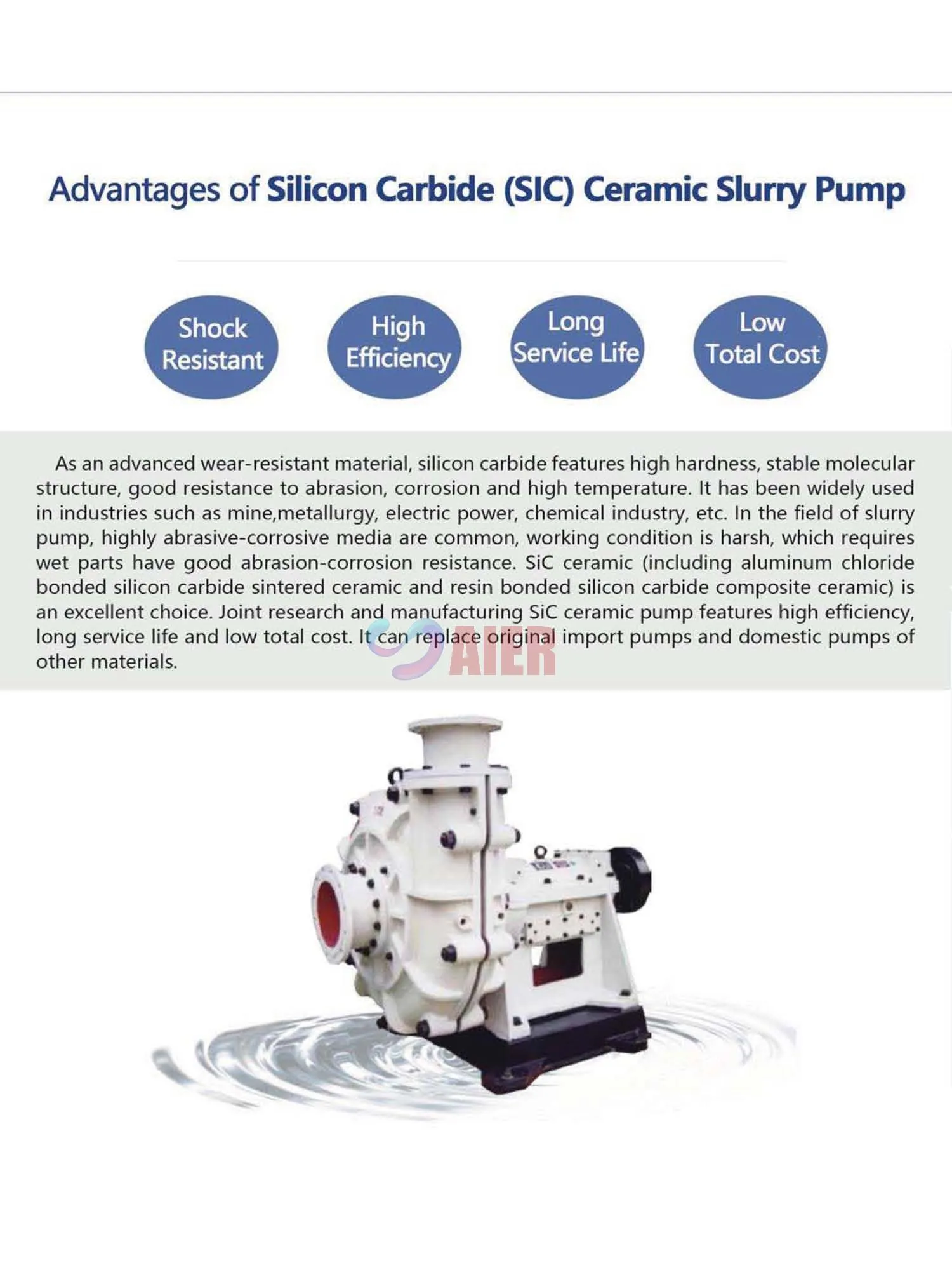
碳化硅(SIC)陶瓷浆料泵的优点
耐冲击
高效率
使用时间长
总成本低
碳化硅作为一种先进的耐磨材料,具有硬度高、分子结构稳定、耐磨、耐腐蚀、耐高温等特点。已广泛应用于矿山、冶金、电力、化工等行业。渣浆泵领域普遍存在强磨蚀性介质,工况条件恶劣,要求湿件具有良好的耐磨性-耐腐蚀性能。 SiC陶瓷(包括氯化铝结合碳化硅烧结陶瓷和树脂结合碳化硅复合陶瓷)是一个很好的选择。联合研发制造碳化硅陶瓷泵,具有效率高、使用寿命长、总成本低的特点。可替代原装进口泵及国产其他材质泵。
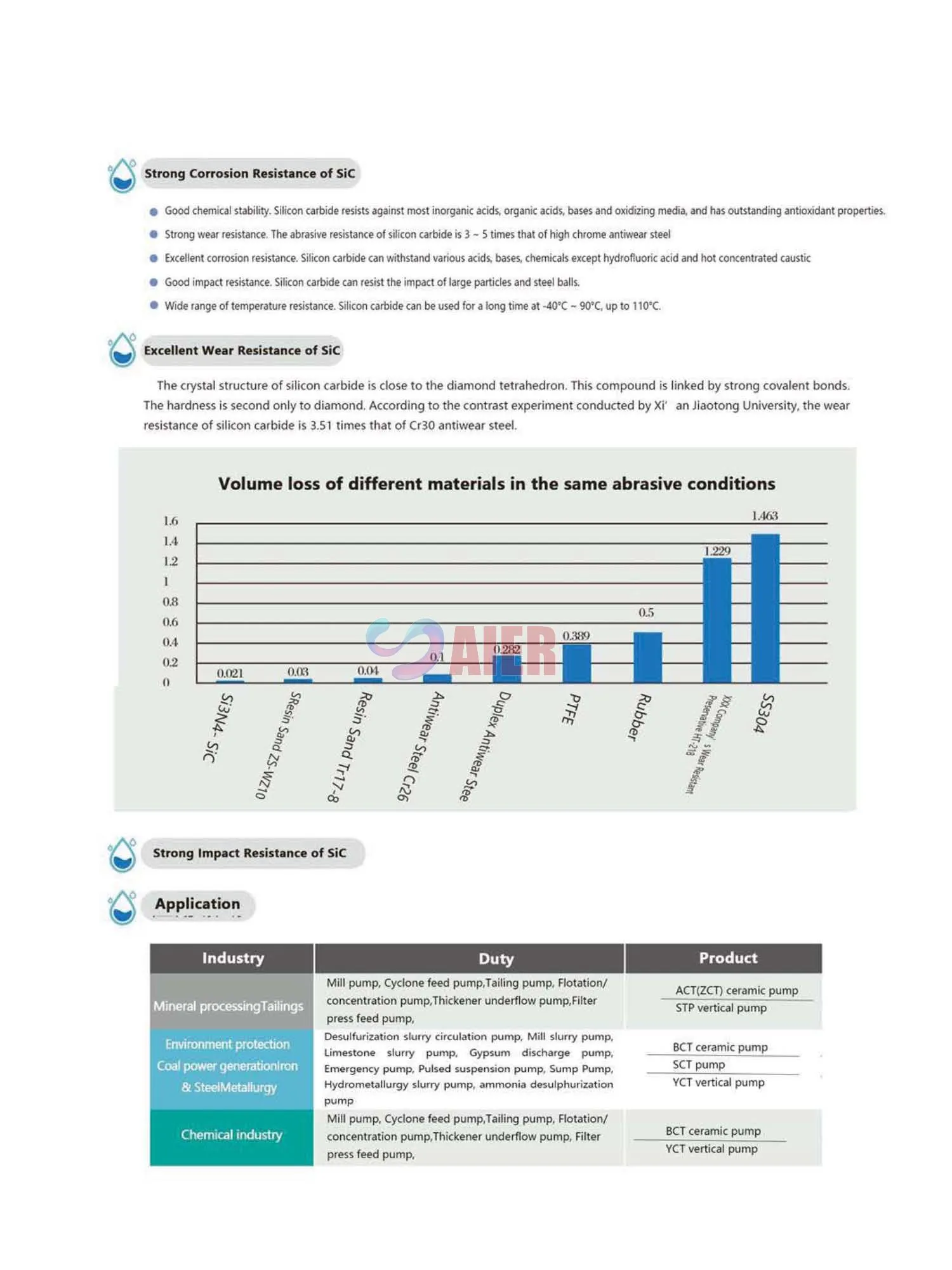
SiC耐腐蚀性强
化学稳定性好。碳化硅耐大多数无机酸、有机酸、碱和氧化介质。
耐磨性强。碳化硅的耐磨性是高铬抗磨钢的3~5倍
优良的耐腐蚀性能。碳化硅能耐除氢氟酸和热浓碱以外的各种酸、碱、化学品。
抗冲击性好。碳化硅可以抵抗大颗粒和钢球的冲击。
Wide range of temperature resistance. Silicon carbide can be used for a long time at -40°C ~ 90°C, up to 110°
SiC优异的耐磨性
The crystal structure of silicon carbide is close to the diamond tetrahedron. This compound is linked by strong covalent bonds. The hardness is second only to diamond. According to the contrast experiment conducted by Xi’an Jiaotong University, the wear resistance of silicon carbide is 3.51 times more than Cr30 antiwear steel.
SiC抗冲击能力强
应用
|
行业 |
车站 |
产品 |
|
选矿
尾矿 |
磨机泵、旋流给料泵、尾矿泵、浮选/浓缩泵、浓缩机底流泵、过滤器压榨给料泵 |
ACT(ZCT)陶瓷泵 STP立式泵 |
|
环境保护 燃煤发电 炼钢 冶金 |
脱硫浆液循环泵、磨机浆液泵、石灰浆液循环泵、石膏排出泵、应急泵、湿法冶金浆液泵 |
BCT陶瓷泵 SCT泵 YCT立式泵 |
|
化学工业 |
盐化工、高腐蚀性化学矿物流程泵 |
BCT陶瓷泵 YCT立式泵 |
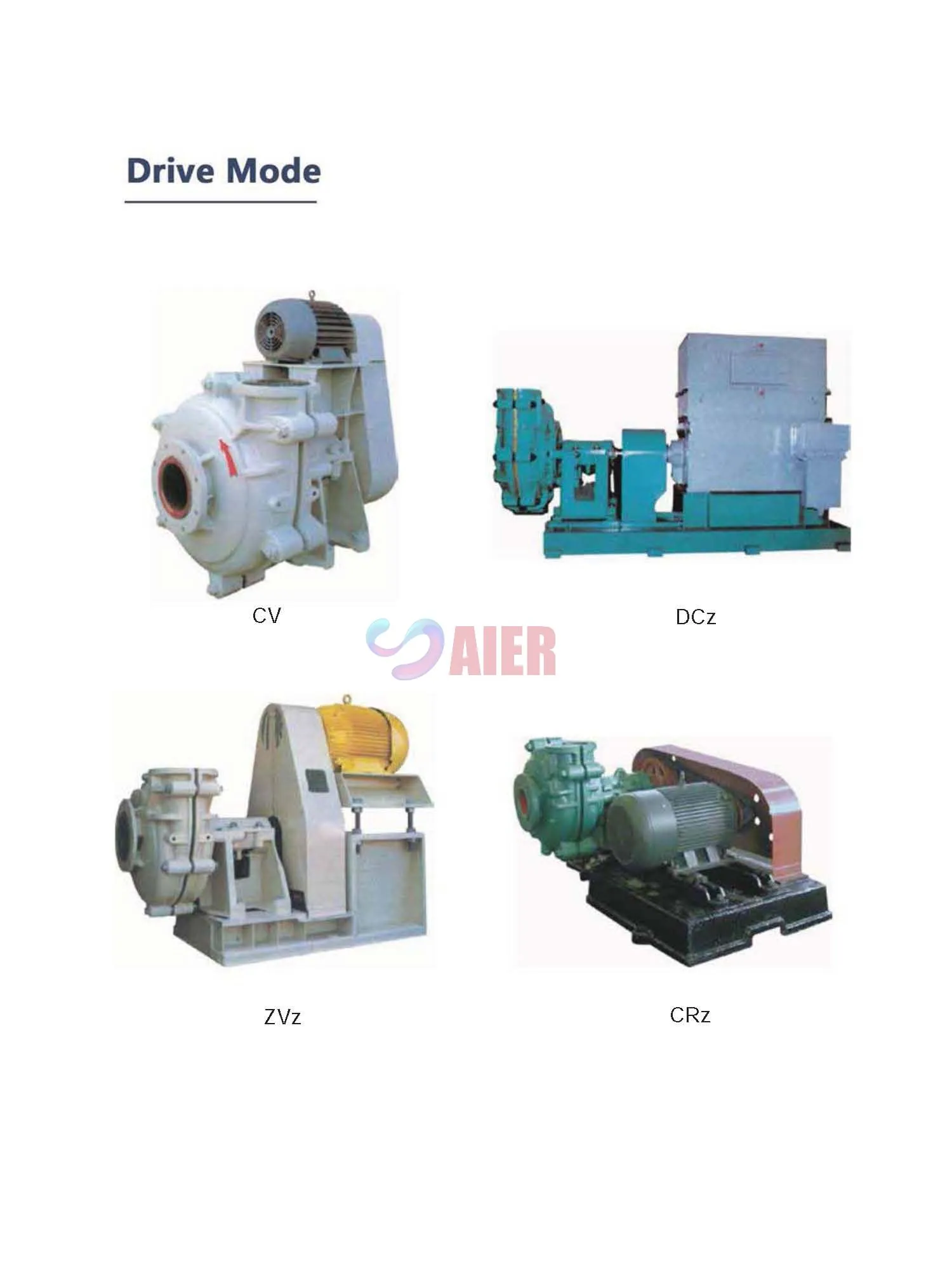
一般说明
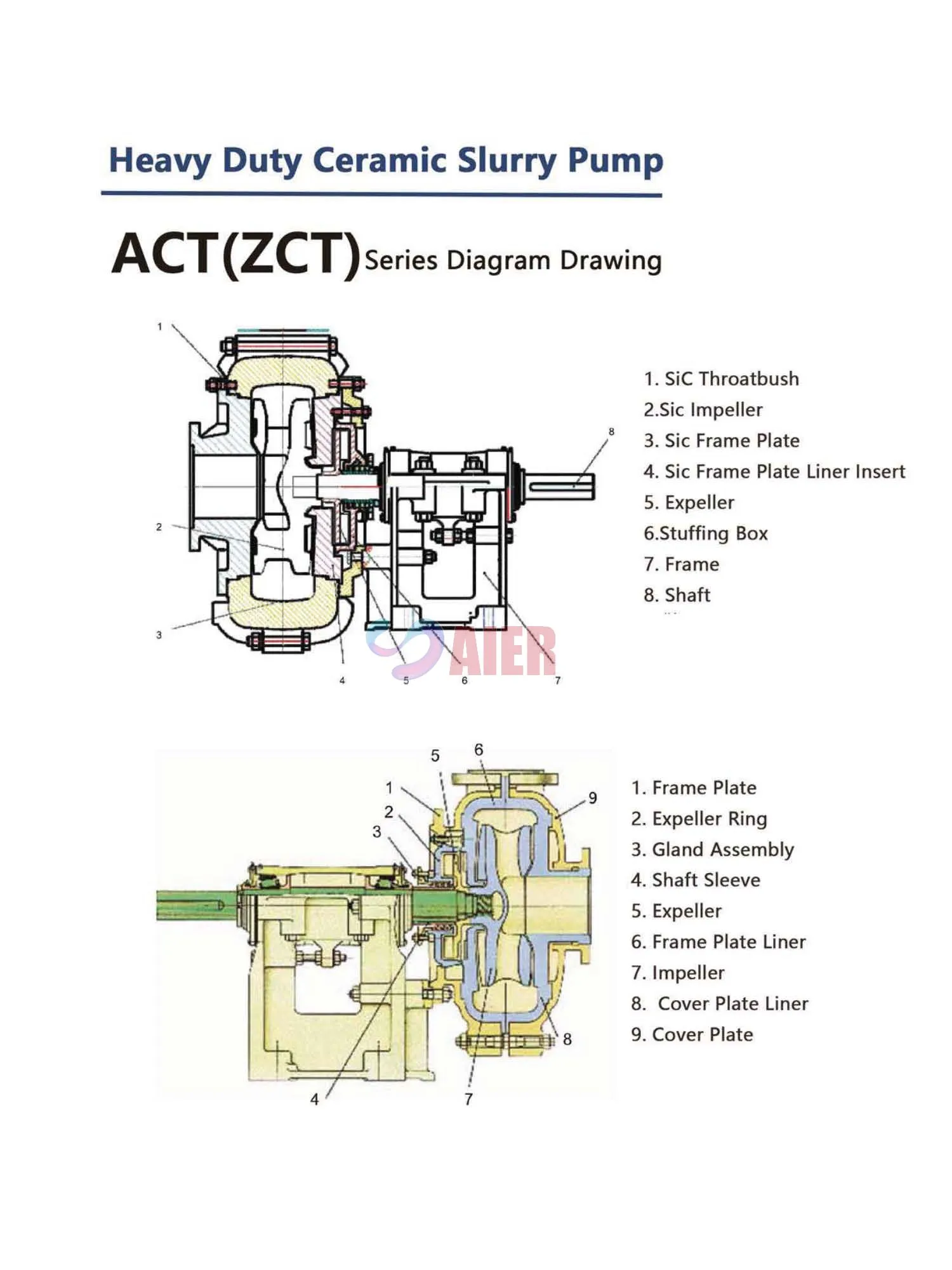
图表绘制
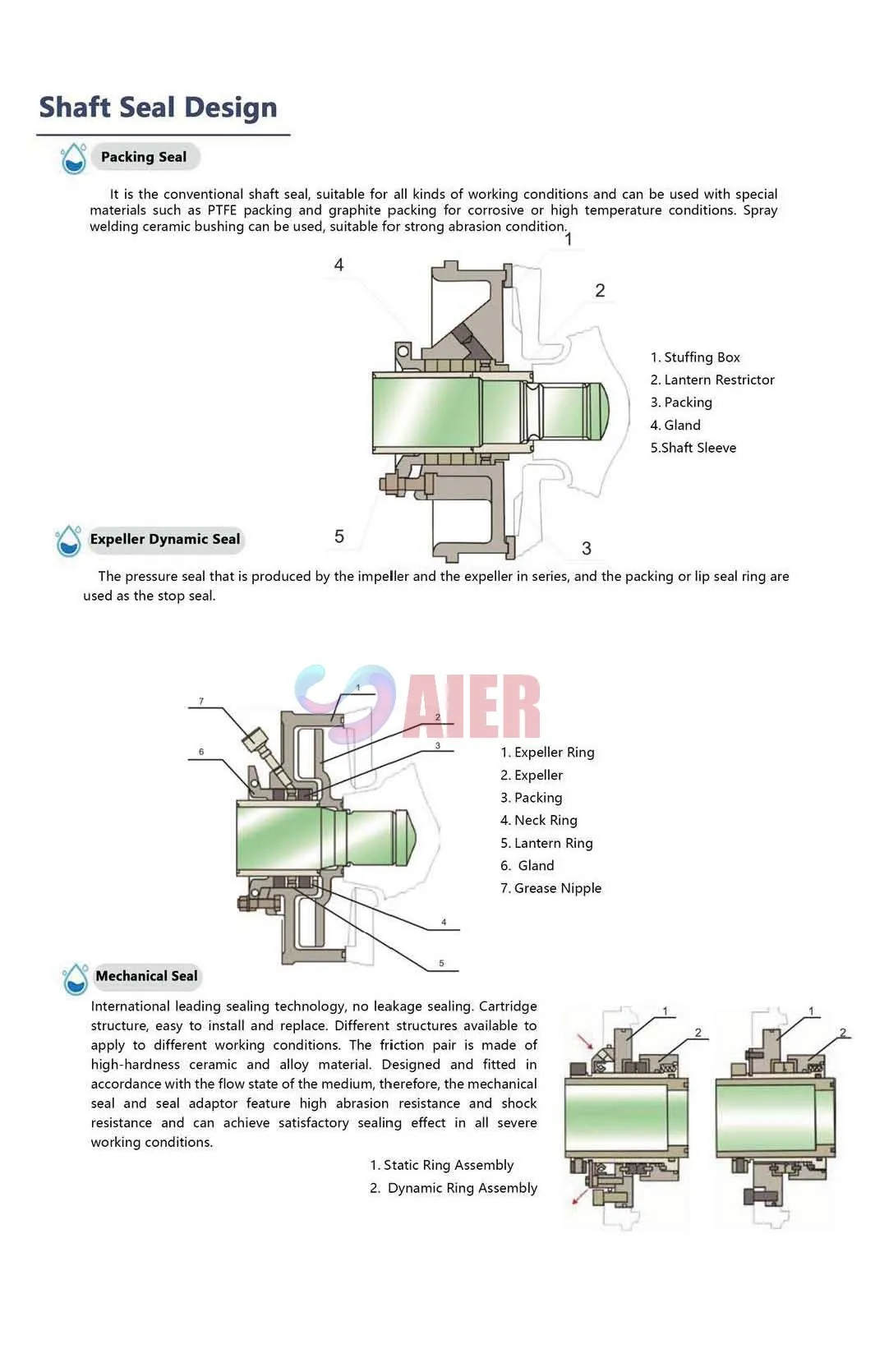
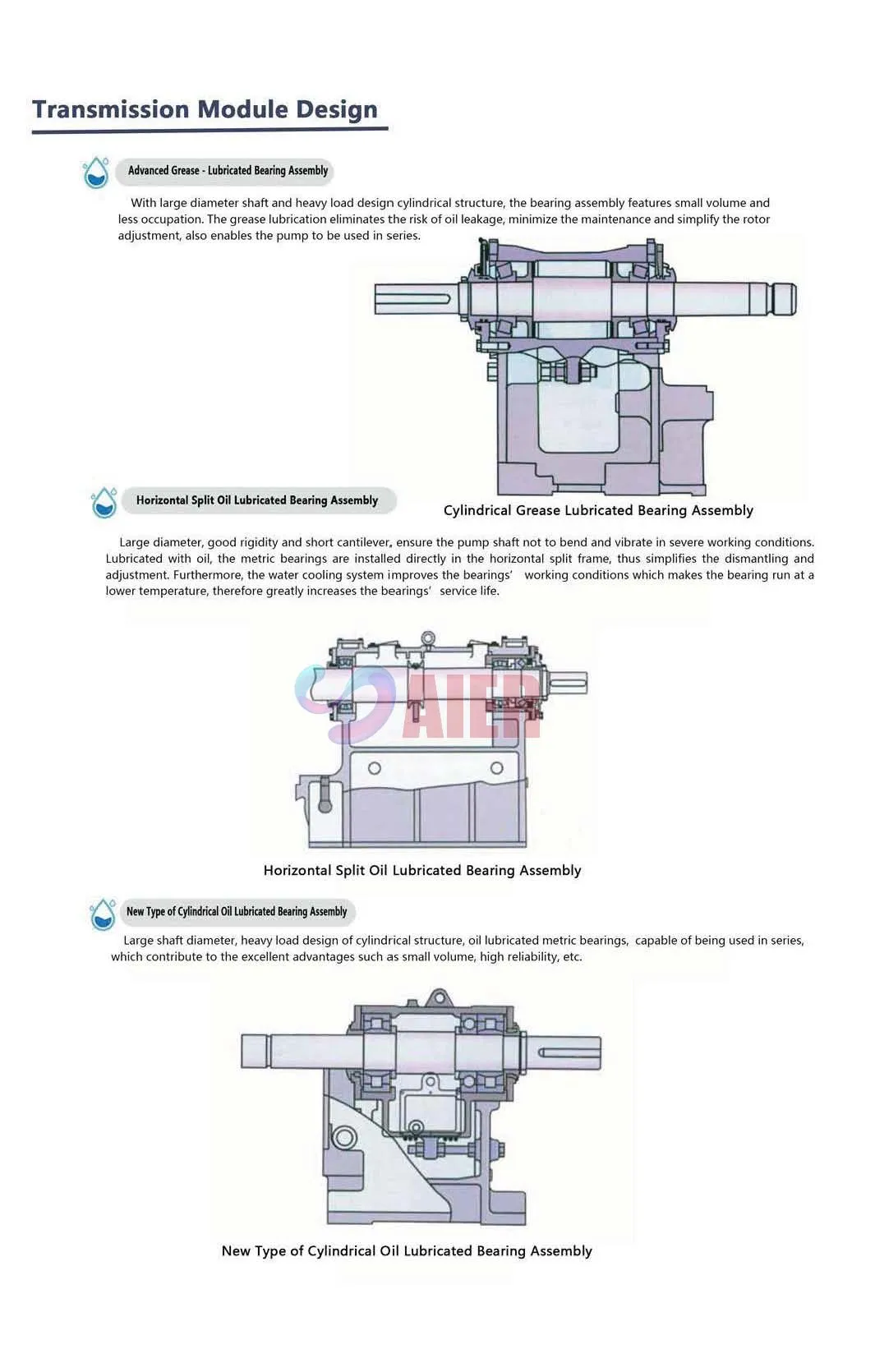
设计特点
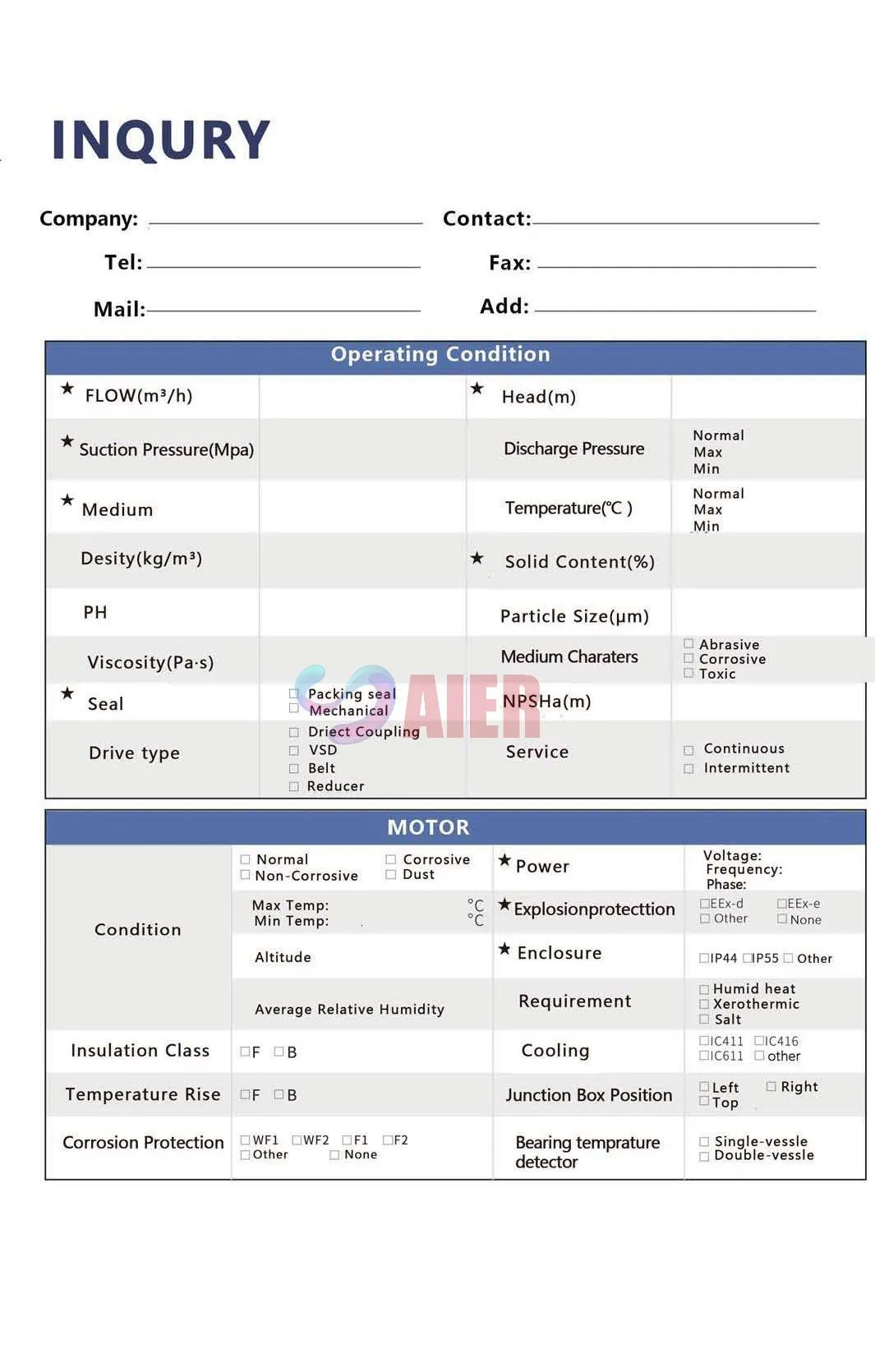
调查表
Comparing Ceramic Slurry Pumps with Rubber and Metal Lined Pumps
Selecting the right type of slurry pump is crucial for optimizing efficiency and reducing operational costs. Understanding the differences between a ceramic slurry pump vs rubber pump and metal lined slurry pump can help industries make informed decisions. Each type has its own advantages, limitations, and suitable applications depending on the slurry’s abrasiveness, chemical properties, and operational conditions.
A ceramic slurry pump is ideal for highly abrasive and corrosive slurries. Its ceramic components, such as alumina or zirconia liners and impellers, provide exceptional wear resistance and chemical stability. These pumps excel in mining, metallurgy, chemical processing, and power plant desulfurization, where slurries often contain sharp or dense particles. The smooth ceramic surface reduces friction and energy loss, maintaining pump efficiency over long periods, and extending service life compared with traditional pumps.
In contrast, a rubber lined slurry pump is more suitable for moderately abrasive slurries with lower chemical aggressiveness. Rubber liners provide good corrosion resistance and absorb impact from larger particles, which helps reduce damage to the pump structure. Rubber pumps are generally more flexible and lighter than ceramic models, but they wear faster when handling highly abrasive slurries, leading to more frequent maintenance.
A metal lined slurry pump, typically made from high-chrome alloys or stainless steel, combines strength with moderate wear resistance. Metal pumps are suitable for slurries that are less abrasive but may contain corrosive chemicals. They can handle higher pressures and flow rates than rubber pumps but tend to wear faster than ceramic pumps under extreme abrasion. Industrial slurry pump comparison often highlights that metal pumps offer a balance between cost and durability but may not perform as well as ceramics in very harsh conditions.
When deciding among these options, factors such as slurry composition, operating temperature, flow rate, head, and maintenance requirements must be considered. While ceramic slurry pumps deliver maximum wear and corrosion resistance, rubber pumps offer flexibility and impact resistance, and metal lined slurry pumps provide strength and moderate durability. Choosing the correct type ensures optimal performance, lower total cost of ownership, and longer service life in industrial applications.
Ceramic Slurry Pumps in Mining: Tailings and Ore Slurry Transportation
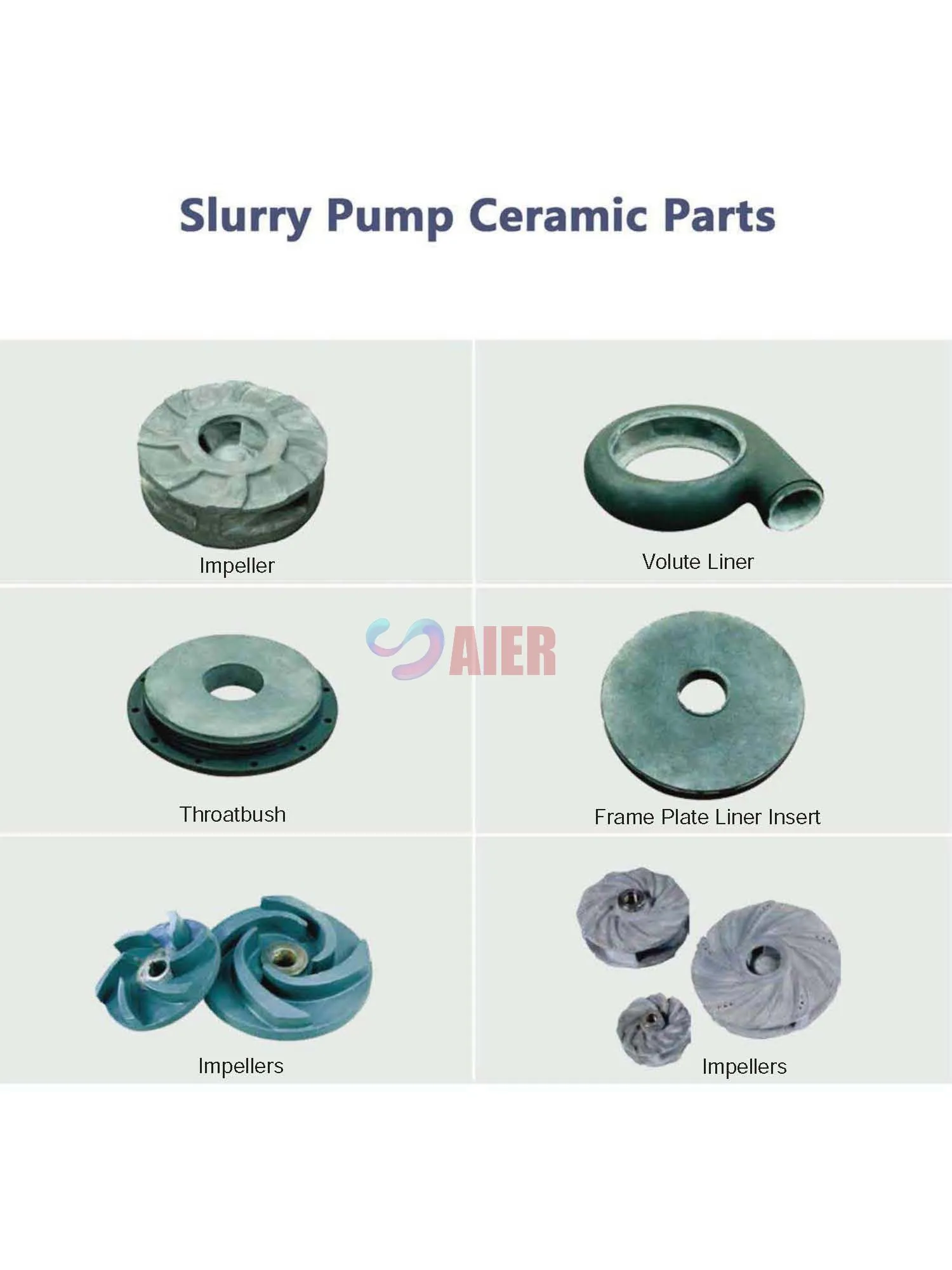
In the mining industry, handling abrasive slurries is a major challenge that requires robust and reliable equipment. A ceramic slurry pump for mining provides an ideal solution for transporting highly abrasive ore slurries and tailings efficiently. Unlike conventional metal or rubber-lined pumps, ore slurry pumps equipped with ceramic components such as impellers, liners, and throat bushes exhibit exceptional wear resistance and durability. These properties allow mining operations to handle slurries containing coarse particles or high concentrations of solids with minimal maintenance.
Tailings transportation is one of the most demanding tasks in a mining operation. A tailings pump must withstand constant exposure to sharp and dense mineral particles, which can quickly erode traditional pump materials. Ceramic linings, made from high-purity alumina or zirconia, maintain structural integrity under these conditions, reducing downtime and replacement costs. The smooth surface of ceramic components also minimizes friction losses, maintaining high hydraulic efficiency and ensuring consistent flow rates even under heavy loads.
In addition to wear resistance, ceramic slurry pumps for mining are highly adaptable to different flow and head requirements. Manufacturers can customize impeller design, casing configuration, and ceramic thickness to match site-specific slurry conditions. For example, high-volume tailings pipelines may require pumps with larger impellers and reinforced liners, while ore concentration circuits benefit from optimized impeller geometry for improved solids handling. These customized solutions ensure maximum efficiency, reduced energy consumption, and longer service life.
Another advantage of ore slurry pumps in mining is their ability to operate under variable pH and chemical environments. Some slurries contain acidic or alkaline components due to ore processing chemicals, and ceramic linings provide superior corrosion resistance compared to metal or rubber alternatives. This combination of wear and corrosion resistance makes ceramic slurry pumps a cost-effective and reliable choice for continuous mining operations.
Overall, the use of ceramic slurry pumps in mining enhances operational reliability, reduces maintenance costs, and ensures efficient handling of abrasive ore slurries and tailings. With proper selection, installation, and routine maintenance, these pumps can deliver years of consistent performance, making them a critical component in modern mining infrastructure.
Ceramic Slurry Pumps in Chemical Industry: Handling Corrosive Liquids
In the chemical industry, pumping corrosive and abrasive slurries requires equipment that combines durability, chemical resistance, and high efficiency. A ceramic slurry pump for chemical industry meets these requirements by using advanced ceramic materials such as alumina, zirconia, or silicon carbide for critical components like impellers, liners, and wear rings. These materials ensure that the pump can handle acidic, alkaline, or chemically aggressive fluids without suffering premature wear or corrosion.
An acid slurry pump is particularly valuable in processes where strong acids or highly corrosive slurries must be transported continuously. Metal pumps often degrade quickly under these conditions, resulting in downtime and costly replacements. Ceramic linings, however, are chemically inert and maintain structural integrity, providing long-term reliability and protecting the pump casing and shaft from chemical attack. This significantly extends the service life of the pump and reduces maintenance costs for chemical plants.
In addition to chemical resistance, corrosion resistant slurry pumps offer excellent wear resistance against abrasive particles often found in industrial chemical processes. Slurries containing catalysts, precipitates, or suspended solids can erode traditional pump components, but ceramic-lined pumps retain their performance due to the high hardness and smooth surface of the ceramic material. This combination of abrasion and corrosion resistance ensures stable hydraulic efficiency over long operational periods.
Customization is another important feature of ceramic slurry pumps for the chemical industry. Manufacturers can adjust impeller design, lining thickness, and casing configuration to match specific flow rates, slurry densities, and operating temperatures. Modular designs allow easy replacement of wear parts, minimizing downtime and simplifying maintenance. By selecting the right acid slurry pump, chemical plants can optimize process efficiency while ensuring safe and reliable transport of corrosive fluids.
Overall, the use of ceramic slurry pumps in chemical industry applications enhances operational reliability, reduces maintenance costs, and improves overall process efficiency. These pumps provide a durable, high-performance solution for transporting corrosive and abrasive liquids, making them an essential component in modern chemical manufacturing and processing facilities.