
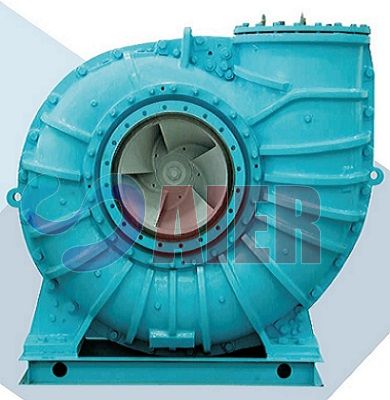
ปั๊มสารละลายเซรามิก BCT
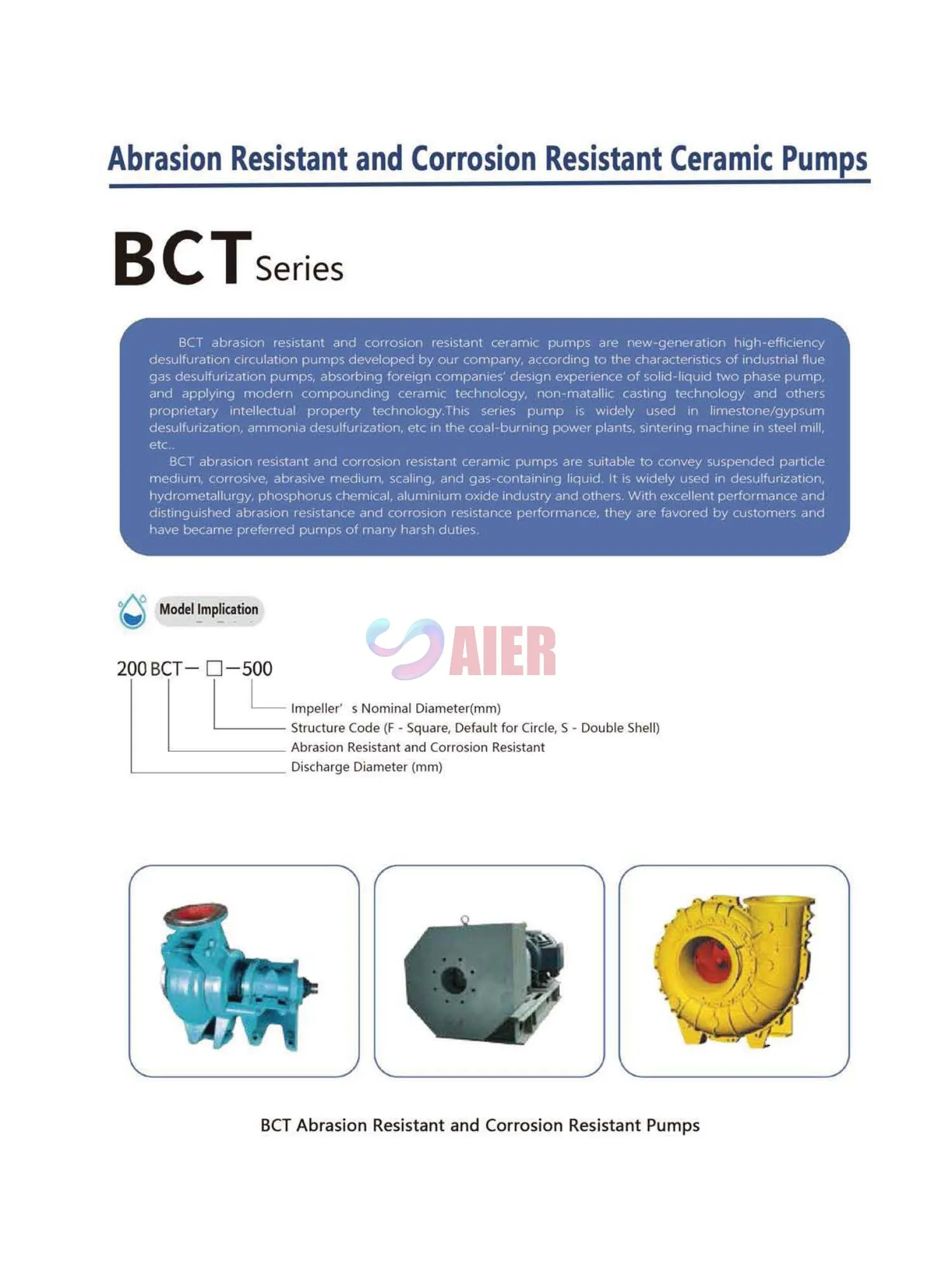
ข้อดีของปั๊มเซรามิค
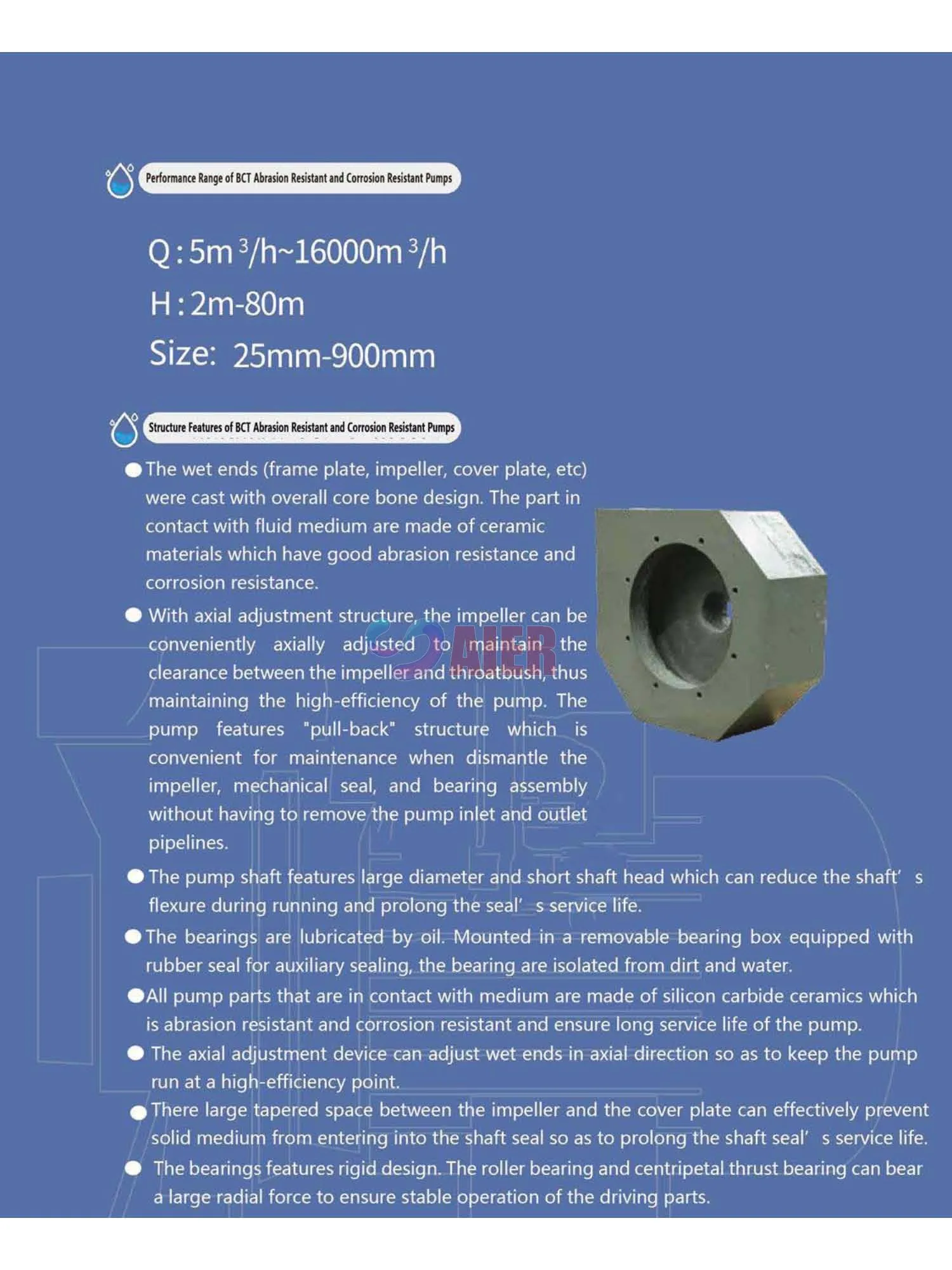
ข้อมูลจำเพาะ:
ขนาด: 4" ถึง 24"
ความจุ: 50-6,000 ลบ.ม./ชม
ส่วนหัว : 5-45 ม
มอบของแข็ง: 0-130 มม
ความเข้มข้น: 0%-70%
วัสดุ: เซรามิค
เอไอเออร์® BCT Abrasion Resistant, Corrosion Reistant Ceramic Slurry Pump
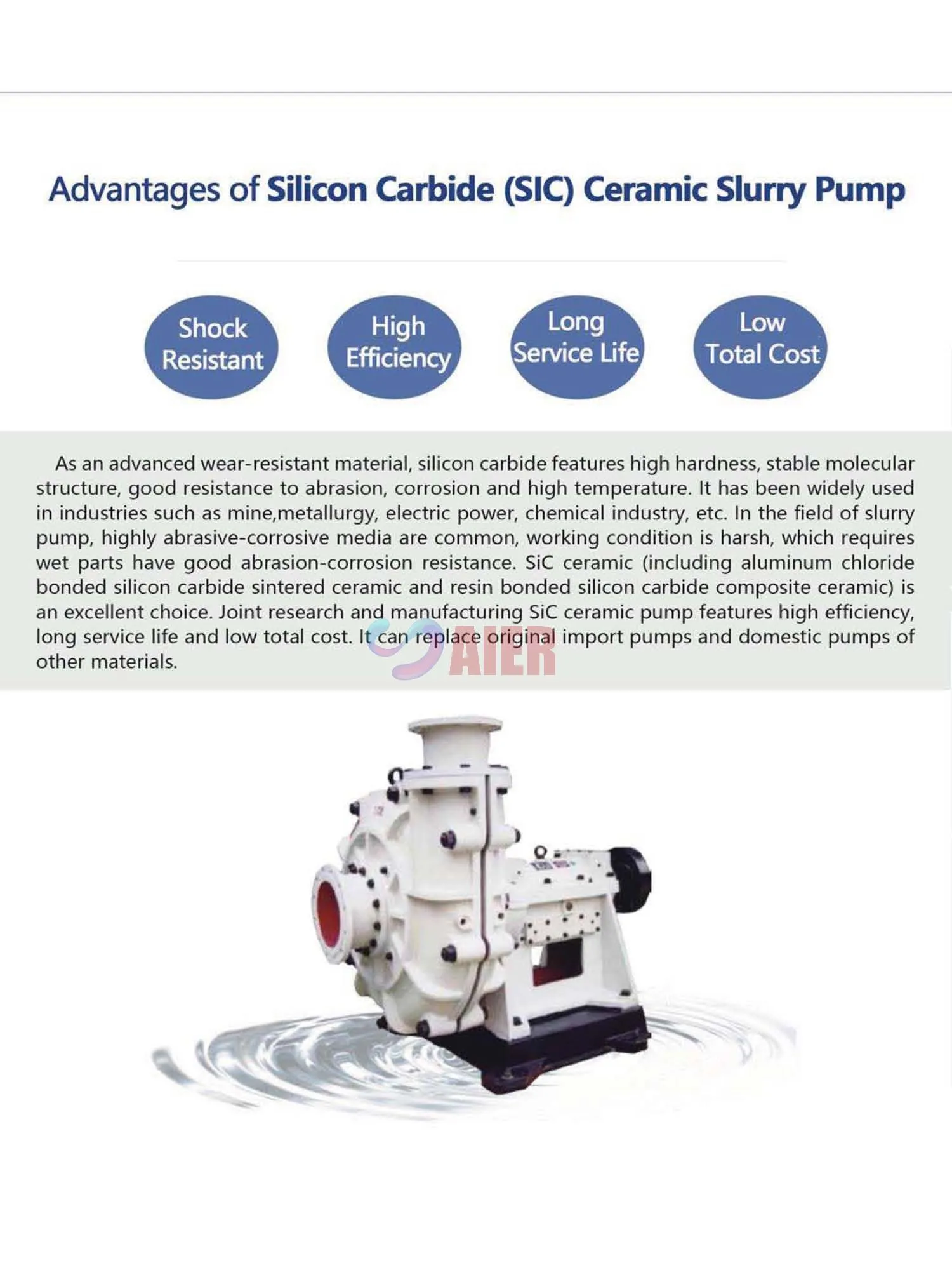
ข้อดีของปั๊มสารละลายเซรามิกซิลิคอนคาร์ไบด์ (SIC)
ทนต่อแรงกระแทก
ประสิทธิภาพสูง
เวลาให้บริการนาน
ต้นทุนรวมต่ำ
ซิลิคอนคาร์ไบด์เป็นวัสดุที่ทนต่อการสึกหรอขั้นสูง จึงมีความแข็งสูง โครงสร้างโมเลกุลที่มั่นคง ทนทานต่อการเสียดสี การกัดกร่อน และอุณหภูมิสูงได้ดี มีการใช้กันอย่างแพร่หลายในอุตสาหกรรมต่างๆ เช่น เหมืองแร่ โลหะ พลังงานไฟฟ้า อุตสาหกรรมเคมี ฯลฯ ในด้านปั๊มสารละลาย สารที่มีฤทธิ์กัดกร่อนสูงเป็นเรื่องปกติ และสภาพการทำงานไม่ดี ซึ่งต้องใช้ชิ้นส่วนที่เปียกจึงจะมีการเสียดสีที่ดี - ความต้านทานการกัดกร่อน เซรามิก SiC (รวมถึงเซรามิกเผาผนึกซิลิกอนคาร์ไบด์พันธะอะลูมิเนียมคลอไรด์และเซรามิกคอมโพสิตซิลิกอนคาร์ไบด์พันธะเรซิน) เป็นตัวเลือกที่ยอดเยี่ยม การวิจัยและการผลิตร่วมกันของปั๊มเซรามิก SiC มีประสิทธิภาพสูง อายุการใช้งานยาวนาน และต้นทุนรวมต่ำ สามารถทดแทนปั๊มนำเข้าเดิมและปั๊มในประเทศที่ทำจากวัสดุอื่น ๆ
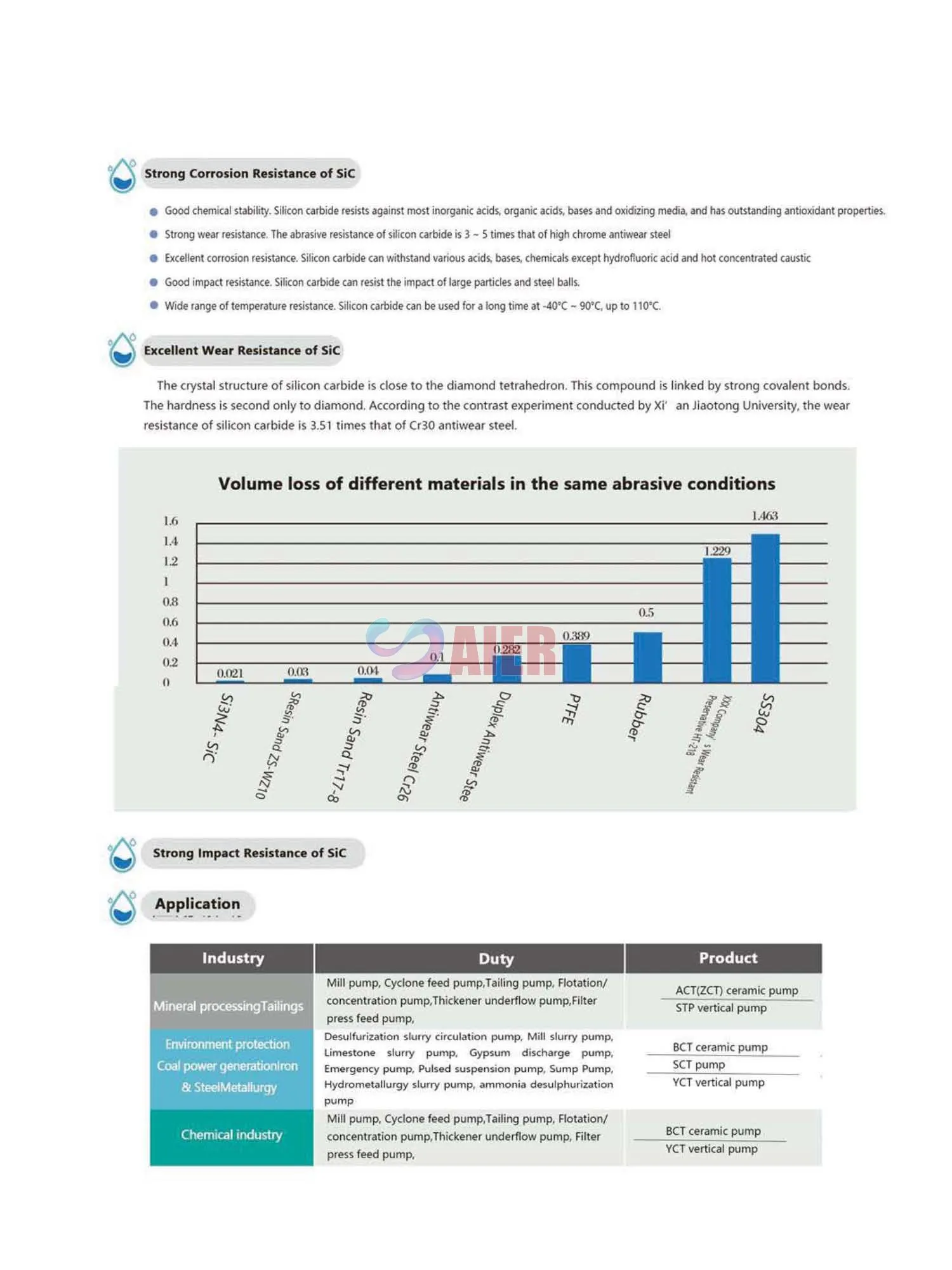
ความต้านทานการกัดกร่อนที่แข็งแกร่งของ SiC
มีเสถียรภาพทางเคมีที่ดี ซิลิคอนคาร์ไบด์ต้านทานกรดอนินทรีย์ กรดอินทรีย์ เบส และตัวกลางออกซิไดซ์ส่วนใหญ่
ทนต่อการสึกหรอได้ดี ความต้านทานการกัดกร่อนของซิลิคอนคาร์ไบด์มีค่ามากกว่าเหล็กต้านทานการสึกหรอโครเมียมสูง 3 ~ 5 เท่า
ทนต่อการกัดกร่อนได้ดีเยี่ยม ซิลิคอนคาร์ไบด์สามารถทนต่อกรด เบส สารเคมีต่างๆ ยกเว้นกรดไฮโดรฟลูออริกและสารกัดกร่อนเข้มข้นที่ร้อน
ทนต่อแรงกระแทกได้ดี ซิลิคอนคาร์ไบด์สามารถต้านทานแรงกระแทกของอนุภาคขนาดใหญ่และลูกเหล็กได้
Wide range of temperature resistance. Silicon carbide can be used for a long time at -40°C ~ 90°C, up to 110°
ทนต่อการสึกหรอของ SiC ได้ดีเยี่ยม
The crystal structure of silicon carbide is close to the diamond tetrahedron. This compound is linked by strong covalent bonds. The hardness is second only to diamond. According to the contrast experiment conducted by Xi’an Jiaotong University, the wear resistance of silicon carbide is 3.51 times more than Cr30 antiwear steel.
ทนต่อแรงกระแทกของ SiC ได้ดี
แอปพลิเคชัน
|
อุตสาหกรรม |
สถานี |
ผลิตภัณฑ์ |
|
การแปรรูปแร่ หางแร่ |
Mill pump, Cyclone feed pump, Tailing pump, Flotation/ concentration pump, Thickener underflow pump, Filer press feed pump |
ACT(ZCT) ปั๊มเซรามิค ปั๊มแนวตั้ง STP |
|
การคุ้มครองสิ่งแวดล้อม การผลิตไฟฟ้าจากถ่านหิน การทำเหล็ก โลหะวิทยา |
ปั๊มหมุนเวียนสารละลายซัลเฟต, ปั๊มสารละลายมิลล์, ปั๊มปั่นจักรยาน Lime seriflux, ปั๊มปล่อยยิปซั่ม, ปั๊มฉุกเฉิน, ปั๊มสารละลายไฮโดรเมทัลโลหกรรม |
ปั๊มเซรามิก BCT ปั๊มเอสซีที YCT ปั๊มแนวตั้ง |
|
อุตสาหกรรมเคมีภัณฑ์ |
วิศวกรรมเคมีเกลือ ปั๊มกระบวนการสำหรับแร่ธาตุเคมีที่มีฤทธิ์กัดกร่อนสูง |
ปั๊มเซรามิก BCT YCT ปั๊มแนวตั้ง |
รายละเอียดสินค้า
คุณสมบัติ
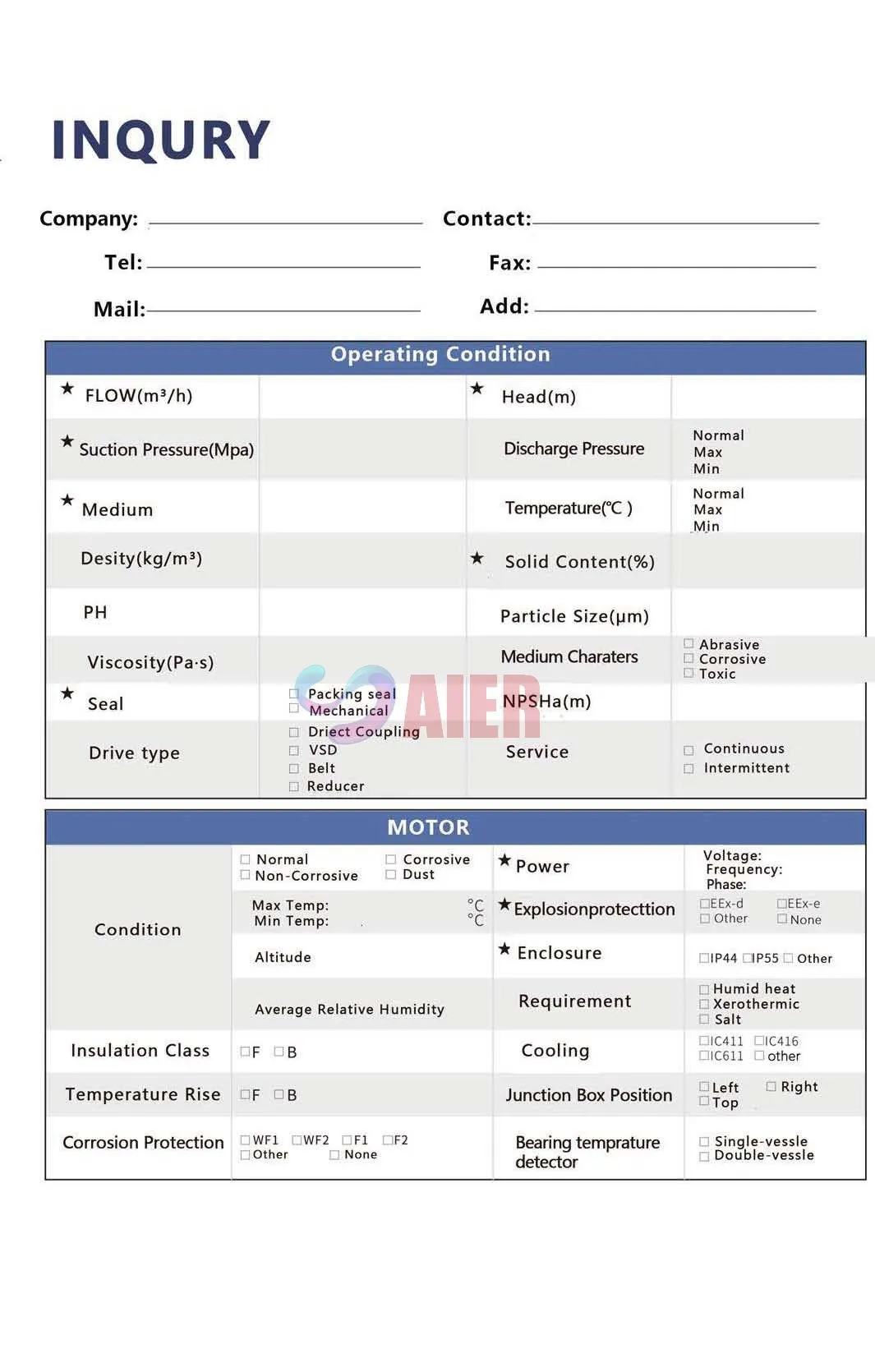
แบบฟอร์มสอบถาม
Energy Efficiency of Ceramic Slurry Pumps in Large-Scale Operations
Energy efficiency is a major concern for industrial operations, and ceramic slurry pumps offer significant advantages in this area. By reducing friction and maintaining optimal hydraulic performance, a high efficiency ceramic slurry pump can lower energy consumption while handling abrasive and corrosive slurries. This is particularly important in large-scale operations such as mining, metallurgical plants, chemical processing, and wastewater treatment, where pumps often operate continuously under demanding conditions.
The smooth, hard surfaces of ceramic components minimize internal resistance and allow slurry to flow more easily through the pump. Compared with metal or rubber-lined pumps, an energy saving ceramic slurry pump can operate at a lower power requirement without compromising flow rate or pressure. In addition, superior wear resistance reduces efficiency loss over time, as ceramic linings maintain their shape and hydraulic characteristics even after prolonged use.
Optimizing industrial slurry pump performance also involves selecting the right pump size, impeller design, and operational parameters. A well-matched pump ensures that the system operates near its best efficiency point, reducing excess energy use. Many china ceramic slurry pump manufacturers now provide computational fluid dynamics (CFD) simulations to predict hydraulic performance and energy consumption, enabling clients to choose pumps that maximize efficiency while maintaining durability.
Another factor contributing to energy savings is reduced maintenance downtime. Durable ceramic materials minimize erosion and corrosion, decreasing the frequency of repairs or replacements. Less downtime translates into continuous operation, further improving overall energy efficiency and productivity. Additionally, improved pump reliability helps industrial operators avoid overcompensation with multiple pumps running simultaneously, reducing unnecessary energy usage.
In conclusion, high efficiency ceramic slurry pumps provide an excellent solution for large-scale industrial operations looking to reduce energy costs while maintaining reliable slurry transport. By choosing an energy saving ceramic slurry pump designed to fit specific operational conditions, industries can achieve sustainable, cost-effective, and long-term operational benefits, making these pumps a preferred choice for demanding slurry handling applications.
Troubleshooting Common Issues in Ceramic Slurry Pumps
Despite their durability and high performance, ceramic slurry pumps can experience operational problems if not properly maintained or operated. Understanding ceramic slurry pump troubleshooting techniques helps industrial operators identify and resolve issues quickly, minimizing downtime and preventing costly damage. Common slurry pump problems include seal leaks, excessive vibration, reduced flow, cavitation, and unusual noise. Each of these issues can indicate underlying problems with installation, alignment, or operational conditions.
Seal leakage is one of the most frequent concerns in ceramic slurry pumps. Mechanical seals can wear due to abrasive slurry particles, misalignment, or excessive pressure. Regular inspection and timely replacement of seals and gaskets are essential. Using genuine ceramic pump spare parts ensures compatibility and prevents premature failure.
Excessive vibration and noise often indicate bearing wear, misaligned shafts, or an imbalance in the impeller. Proper installation, alignment, and lubrication of bearings are crucial. Checking for buildup in the pump casing and discharge lines can also resolve vibration issues. Reduced flow or head may result from clogged suction lines, worn impellers, or air entrainment. Periodically cleaning the pump and monitoring slurry concentration can prevent performance decline.
Another common problem is cavitation, which occurs when local pressure drops below the slurry vapor pressure. This can cause pitting on ceramic surfaces and reduce pump efficiency. Ensuring proper suction conditions and operating within design parameters can mitigate cavitation risks. Ceramic slurry pump maintenance tips include regular inspection of wear parts, monitoring operating conditions, flushing the pump after use, and maintaining correct alignment and lubrication.
By following systematic ceramic slurry pump troubleshooting and preventive maintenance practices, industrial operators can extend pump life, reduce repair costs, and maintain consistent performance. Partnering with a knowledgeable ceramic slurry pump manufacturer or supplier also ensures access to technical support, spare parts, and expert advice, enhancing overall reliability in mining, chemical, and metallurgical applications.
Innovations in Ceramic Slurry Pump Materials: Improving Wear and Corrosion Resistance
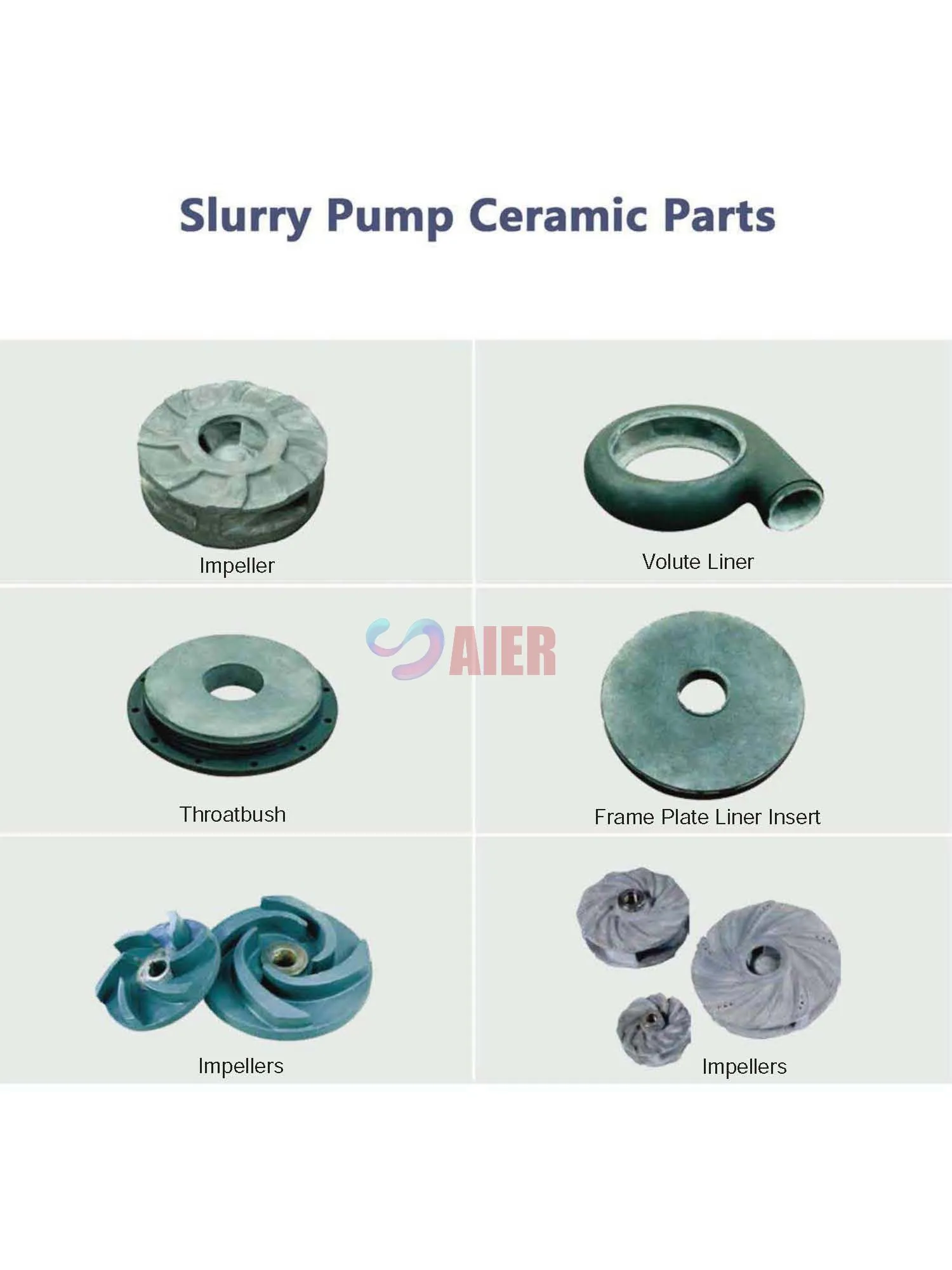
In modern industrial operations, the choice of pump materials directly impacts the efficiency, reliability, and longevity of slurry handling systems. Ceramic slurry pump materials have undergone significant innovations in recent years, enabling pumps to operate in increasingly harsh conditions. Advanced materials such as high-purity alumina, zirconia, and silicon carbide are now commonly used for critical components like impellers, liners, and throat bushes. These materials provide exceptional wear resistance and chemical stability, making them ideal for applications in mining, chemical processing, metallurgy, and wastewater treatment.
A wear resistant ceramic slurry pump offers several advantages over traditional metal or rubber-lined pumps. The high hardness of ceramic components ensures minimal abrasion when pumping slurries containing sharp or coarse particles. This reduces the frequency of replacement parts, minimizes downtime, and lowers maintenance costs. In addition, ceramic materials are chemically inert, meaning they can handle acidic, alkaline, or otherwise corrosive slurries without degradation. This combination of mechanical strength and chemical stability makes advanced ceramics a superior choice for long-term industrial applications.
Technological improvements in advanced ceramic pump technology have also enhanced the bonding and sintering processes, ensuring stronger adhesion between ceramic liners and metal pump bodies. This prevents cracking or detachment under high-pressure or high-velocity operations. Modern manufacturing techniques also allow for precision shaping of ceramic components, optimizing hydraulic performance and reducing energy losses. By maintaining smooth surfaces and tight tolerances, these pumps operate more efficiently and quietly while extending service life.
Moreover, manufacturers can now customize ceramic slurry pump materials to match specific operational conditions. For example, silicon carbide can be selected for extremely abrasive slurries, while zirconia is ideal for applications involving strong chemical corrosion. By leveraging these material innovations, industrial operators can improve pump reliability, reduce operating costs, and maintain consistent performance even in highly challenging environments.
In summary, innovations in ceramic slurry pump materials have revolutionized industrial slurry handling. Through the use of high-quality alumina, zirconia, and silicon carbide, combined with precision manufacturing and advanced sintering techniques, wear resistant ceramic slurry pumps deliver enhanced durability, chemical resistance, and efficiency. These advancements ensure that industries can meet operational demands while minimizing maintenance, downtime, and overall costs.
หมวดหมู่สินค้า
-
WA ปั๊มถนนลาดยางสำหรับงานหนัก
-
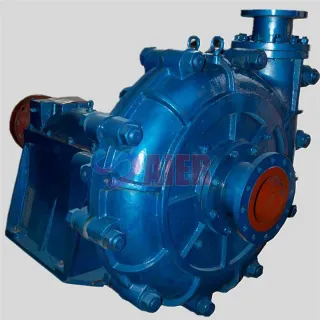
ปั๊มบ่อโคลนสูง WG
-
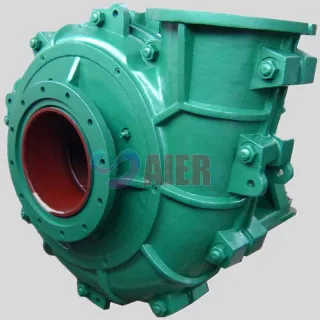
WL ปั๊มถนนลาดยางสำหรับงานเบา
-
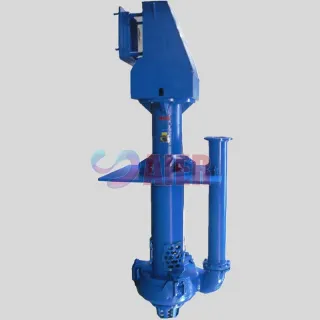
WY ปั๊มจุ่ม
-
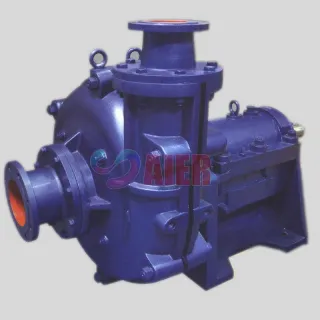
ปั๊มบ่อโคลนประสิทธิภาพสูง WZ
-
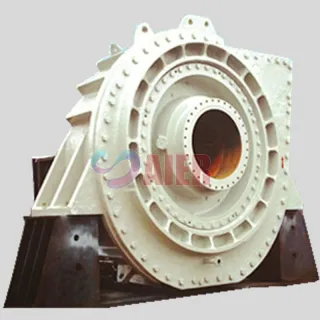
ปั๊มขุด WN
-
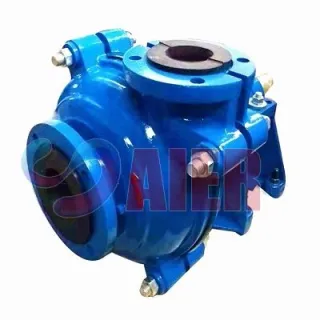
ปั๊มบ่อยาง WAJ
-
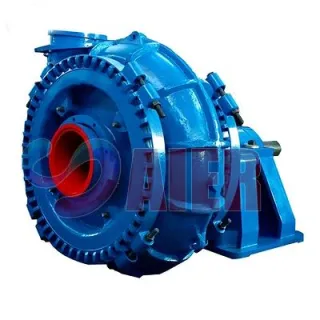
WS, WSG ปั๊มทรายกรวด
-
WS, ปั๊มสารละลาย WSH
-
WY ปั๊มจุ่ม
-
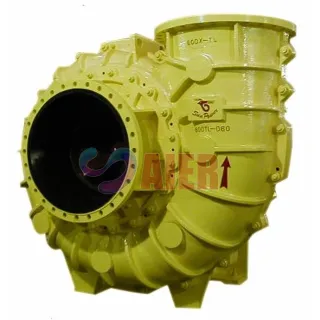
ปั๊ม TL, TLR FGD
-
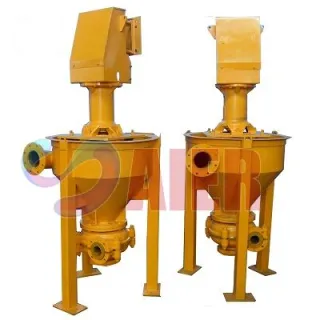
WP ปั๊มฟองแนวตั้ง
-
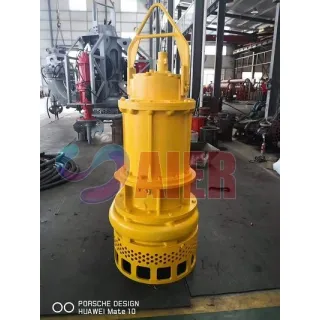
ZJQ ปั๊มถนนลาดยางใต้น้ำ
-
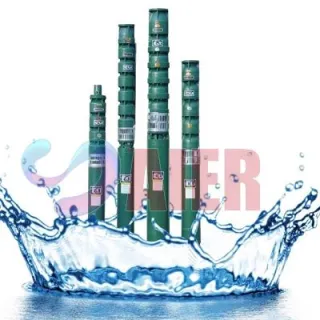
คิวเจ ปั๊มจุ่ม
-
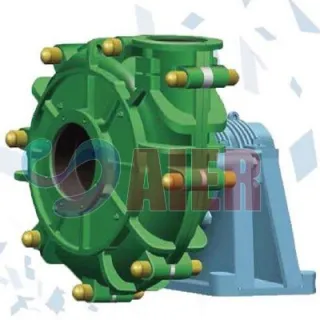
ACT (ZCT) ปั๊มสารละลายเซรามิก
-
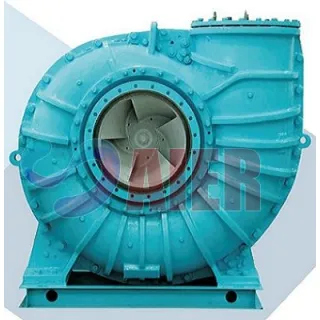
ปั๊มสารละลายเซรามิก BCT