QJ ponorné ČERPADLO
Popis produktu
Všeobecný popis
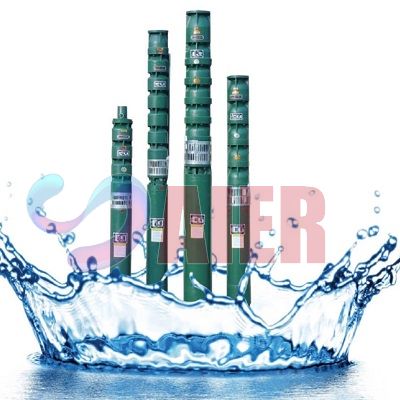
Ponorné čerpadlo QJ sa používa hlavne na čerpanie vody z hlbokej studne a čerpanie a je široko používané pri zavlažovaní poľnohospodárskej pôdy, odvádzaní vody v mestských a vidieckych oblastiach a baniach a priemyselných podnikoch a prácach na ochranu vody vrátane nádrží, fontán, chladiacich systémov a kúpeľov atď. Hlavné vlastnosti sú nasledovné: S jednoduchým používaním, jednoduchou inštaláciou, jednoduchou údržbou, ochranou životného prostredia atď. Výhody, elektrické potápačské čerpadlo, ktoré zhromažďuje motor a vodné čerpadlo, môže pracovať vo vode a je vhodné ho používať a opravovať.
Výrobcovia ponorných vodných čerpadiel
Sme profesionálny výrobca ponorných čerpadiel v Číne. Okrem vodných čerpadiel dodávame aj rôzne kalové čerpadlá, štrkové čerpadlá, odsírovacie čerpadlá atď. Podľa rôznych požiadaviek vieme dodať výrobky z rôznych materiálov ako nerezové odliatky, nerezové lisovacie zváranie, bronzové odliatky, odliatky z obyčajnej liatiny, odlievanie zo špeciálneho materiálu odolného voči korózii. Čerpadlo musí mať presný vonkajší priemer, aby nenastali situácie, ako je netesnosť tesnenia motora a znečistenie vody.
technické údaje
Veľkosť (vybíjanie): 4" až 16"
Kapacita: 2-500 m3/hod
Dosah: 10m-500m
Domáca sila: 0,75-450kw
Materiál: liatina, bronz, nehrdzavejúca oceľ atď
AIER® QJ Submersible Pump
Podmienky používania
①Napájanie: 380V/3-fázový striedavý prúd, 50Hz
②Kvalita vody:
A. Teplota vody je nižšia ako 20 ℃ (odolnosť voči vysokej teplote 80 ℃)
B. Obsah pevných látok je menší ako 0,01 % (závisí od kvality)
C. PH 6,5-8,5
D. Obsah sírovodíka je nižší ako 1,15 mg/l
E. Obsah oxidových iónov je nižší ako 400 mg/l
③Vnútorná časť ponorného motora musí byť plná čistej vody a ponorné čerpadlo sa musí bezpečne ponoriť, aby fungovalo.
④Hĺbka montáže nesmie presiahnuť 20 % menovitého výtlaku vodného čerpadla a čelo studne musí byť hladké a rovné.
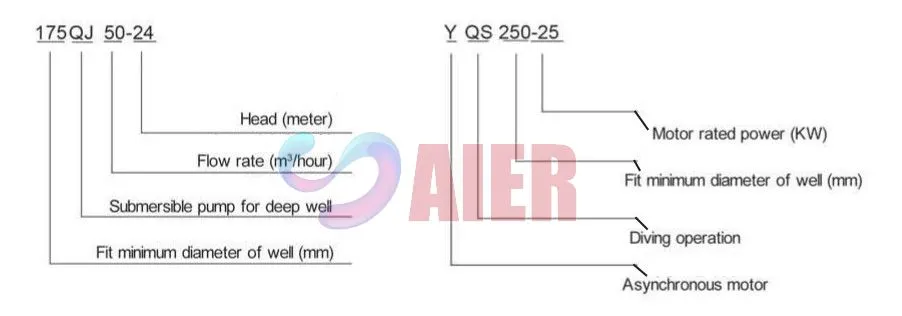
Typ zápisu
Hlavné rysy
1. Motor je mokrý ponorný motor. Priestor motora musí byť naplnený čistou vodou, ktorá sa používa na chladenie motora a mazanie ložísk. Napäťová regulačná fólia na podstavci alebo motore slúži na nastavenie tlakového rozdielu a dilatácie vody vo vnútornej časti motora spôsobenej teplotnými zmenami motora.
2. Aby sa zrnká piesku zo studne nedostali do vnútornej časti motora, na hornom nástavci sú nainštalované dva tesniace oleje, ktoré sú inštalované dozadu a jeden pieskový krúžok.
3. Aby ste zabránili skákaniu hriadeľa vodného čerpadla, hriadeľ vodného čerpadla a hriadeľ motora sú spojené spojkou a v spodnej časti motora by malo byť nainštalované axiálne ložisko.
4. Voda maže motor a ložisko vodného čerpadla.
5. Drôty vinutia ponorného motora sa používajú na vinutie statora. Takže dobre izoluje
6. Odstredivé obežné koleso a zvislý vstupný kryt dúchadla sa používajú pre vodné čerpadlo a konštrukcia je jednoduchá.
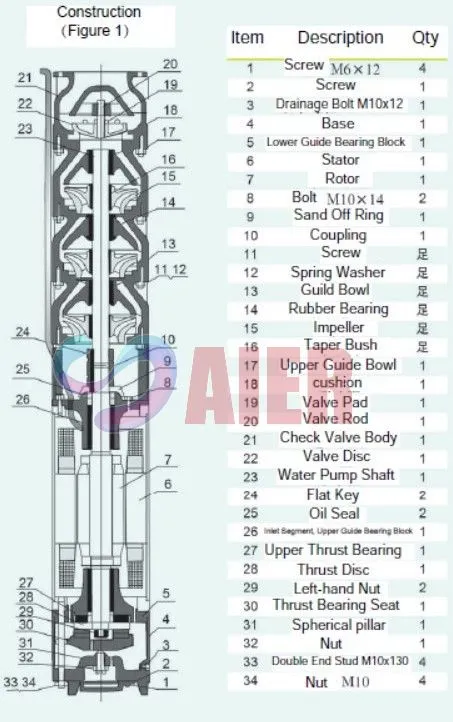
Konštrukčný diagram
Ponorné čerpadlo QJ sa skladá hlavne z prívodného bodu, hriadeľa vodného čerpadla, obežného kolesa, sacieho puzdra dúchadla, gumeného ložiska, spätného ventilu (voliteľné) atď. Ponorný motor pozostáva zo základne, fólie na reguláciu napätia, axiálneho ložiska, prítlačného kotúča, spodného bloku vodiaceho ložiska , stator, vinutie statora, rotor, horné vedenie, ložiskový blok, pieskovací krúžok, výstupný kábel atď.
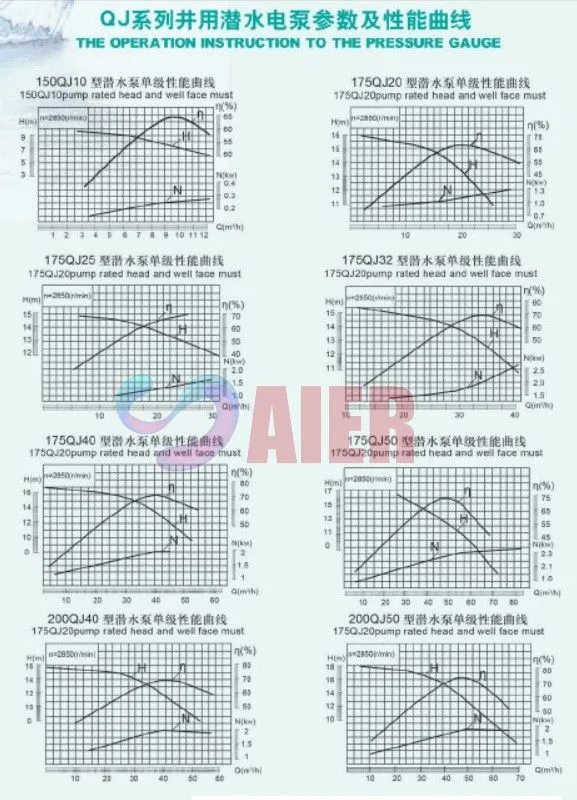
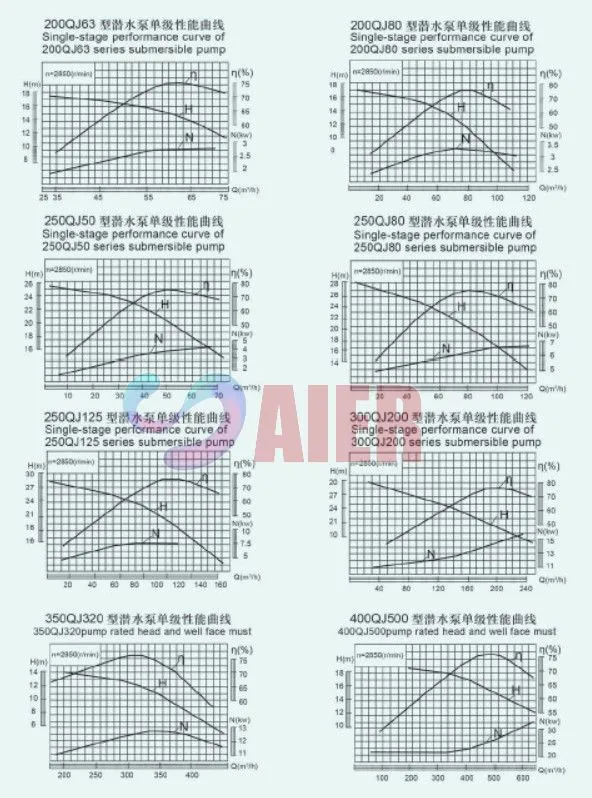
Výkonová krivka
Advantages of Using Submersible Water Pumps for Continuous Operation
A submersible water pump is a highly efficient and durable pumping solution designed to work entirely underwater, making it ideal for applications requiring continuous operation. Unlike surface-mounted pumps that rely on suction, a submersible pump pushes water upward through direct contact with the liquid, resulting in higher efficiency, less energy loss, and better performance in harsh environments.
One of the most significant advantages of submersible water pumps is their energy efficiency. Because they operate directly in the fluid, there is no air leakage or suction head loss, which means the pump converts more motor energy into hydraulic power. This makes submersible pumps extremely effective in deep wells, reservoirs, and dewatering systems where long-term operation is essential. Leading submersible water pump manufacturers often equip their pumps with advanced motors featuring high-efficiency windings and low energy consumption for round-the-clock operation.
Another major benefit is the quiet and vibration-free operation. Since the entire pump is submerged underwater, the surrounding fluid dampens sound and vibration. This makes submersible pumps suitable for residential, municipal, and industrial applications where noise control is important—such as building basements, urban drainage systems, and cooling water circulation.
In addition, submersible water pumps are known for their excellent anti-cavitation properties. Because they operate below the water surface, the risk of air bubbles forming at the impeller is greatly reduced. This prevents vapor lock, improves hydraulic stability, and minimizes wear on internal components. The constant immersion of the pump also ensures natural cooling for the motor, extending its service life even during extended operation.
Finally, submersible pumps are easy to install and maintain. Most modern models are designed with modular components, corrosion-resistant casings, and advanced sealing systems. This ensures long-lasting reliability in environments such as wastewater treatment, agriculture, mining, and chemical processing. When you choose a product from a reputable submersible water pump manufacturer, you can expect superior performance, reduced maintenance costs, and reliable operation—day after day.
Maintenance and Troubleshooting Tips for Submersible Water Pumps
Proper maintenance of a submersible water pump is essential for ensuring consistent performance, preventing failures, and maximizing operational lifespan. Since these pumps work entirely underwater, they must endure high pressure, varying temperatures, and possible contact with sediments or chemicals. Following a proactive maintenance plan can significantly extend the efficiency and reliability of your system.
The first step is routine inspection. Regularly check the power cable for cracks, fraying, or water ingress, as damaged insulation can cause short circuits. Next, examine the pump’s exterior for corrosion or debris buildup. Sediment accumulation can restrict water flow and reduce pump efficiency. Cleaning the suction strainer and impeller housing every few months helps maintain optimal performance.
A common issue in submersible pumps is reduced discharge flow. This can be caused by impeller wear, clogged intake screens, or partial blockage in the discharge line. If this happens, disconnect the pump, clean the impeller, and inspect for wear or imbalance. Replacing worn impellers or seals promptly prevents more serious mechanical damage.
The mechanical seal is one of the most critical components of a submersible water pump. It prevents water from entering the motor housing. Any leakage or oil contamination in the seal area indicates the need for immediate replacement. Additionally, monitor the bearing temperature and listen for unusual noises—these can signal excessive friction or bearing wear.
Leading submersible water pump manufacturers recommend checking motor insulation resistance periodically to prevent electrical faults. For pumps used in wastewater or industrial environments, schedule quarterly performance tests to track flow, head, and power consumption. If overheating occurs, it could be due to low voltage or excessive solids in the fluid; cleaning the pump and verifying electrical connections typically resolves these problems.
By maintaining your submersible water pump properly—keeping it clean, well-lubricated, and regularly inspected—you can reduce downtime, prevent costly repairs, and ensure reliable operation for years, even in continuous-use applications.
Key Features of High Quality Submersible Water Pumps
A high-quality submersible water pump is engineered for durability, efficiency, and versatility, making it suitable for use in various industries including construction, mining, agriculture, and wastewater management. Understanding the key features that define a superior submersible pump can help users select the best equipment for long-term operation.
The most important feature is robust material construction. Reputable submersible water pump manufacturers use stainless steel, cast iron, or high-chrome alloys to ensure resistance to corrosion, abrasion, and chemical attack. These materials protect the pump body and impeller from harsh conditions such as sewage, slurry, or seawater exposure. A well-built submersible pump can operate continuously even in environments with high sediment or chemical content.
Another key aspect is the advanced mechanical sealing system. Double mechanical seals made of silicon carbide or tungsten carbide prevent leakage and protect the electric motor from water intrusion. Combined with oil-filled motor chambers for cooling and lubrication, these systems ensure long-lasting reliability and smooth operation.
Efficiency is also a hallmark of a top-tier submersible water pump. Precision-engineered impellers and high-efficiency motors minimize energy consumption while delivering consistent flow and head performance. Built-in overload protection and thermal sensors help prevent damage from overheating or voltage fluctuations, ensuring safety in continuous-use environments.
In addition, modern submersible pumps feature modular and service-friendly designs. Easy-to-remove components allow for quick maintenance without dismantling the entire system, reducing downtime. Anti-clog impeller designs and self-cleaning flow channels further enhance reliability, especially in wastewater or industrial slurry applications.
Finally, certified submersible water pump manufacturers perform rigorous quality control and performance testing to guarantee every unit meets global efficiency and safety standards. When you choose a high-quality submersible pump, you’re investing in a machine that provides stable output, reduced maintenance costs, and decades of dependable operation across multiple industries.
Kategórie produktov
-
WA Vysokovýkonné kalové čerpadlo
-
WG vysokotlakové kalové čerpadlo
-
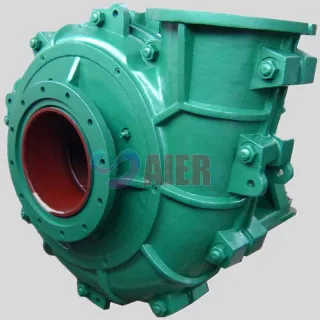
Odľahčené kalové čerpadlo WL
-
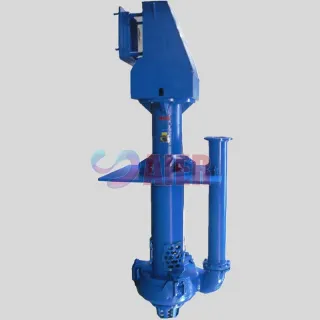
WY kalové čerpadlo
-
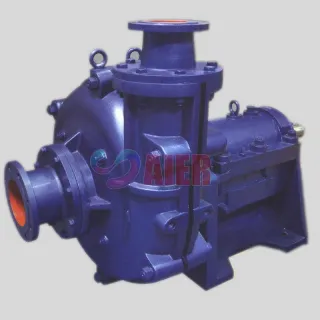
Vysokoúčinné kalové čerpadlo WZ
-
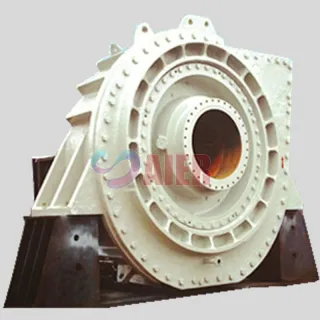
Dredge Pump WN
-
Gumové kalové čerpadlo WAJ
-
Čerpadlo na štrkopiesok WS, WSG
-
WS, čerpadlo na roztok WSH
-
WY kalové čerpadlo
-
TL, TLR FGD čerpadlo
-
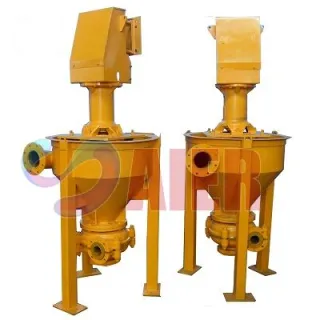
Vertikálne penové čerpadlo WP
-
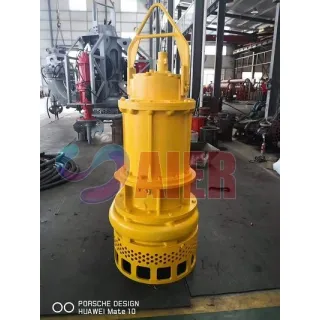
Ponorné kalové čerpadlá ZJQ
-
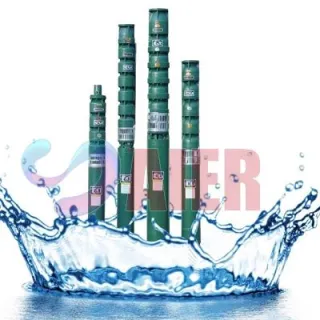
QJ ponorné ČERPADLO
-
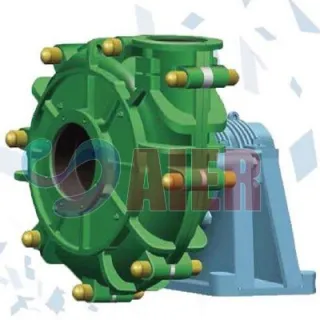
ACT (ZCT) keramické kalové čerpadlá
-
BCT keramické kalové čerpadlá