• Дом
  • WY водоотливной насос

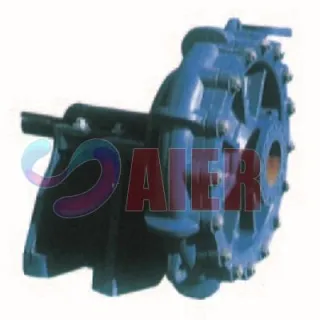
WY водоотливной насос
Краткое описание:

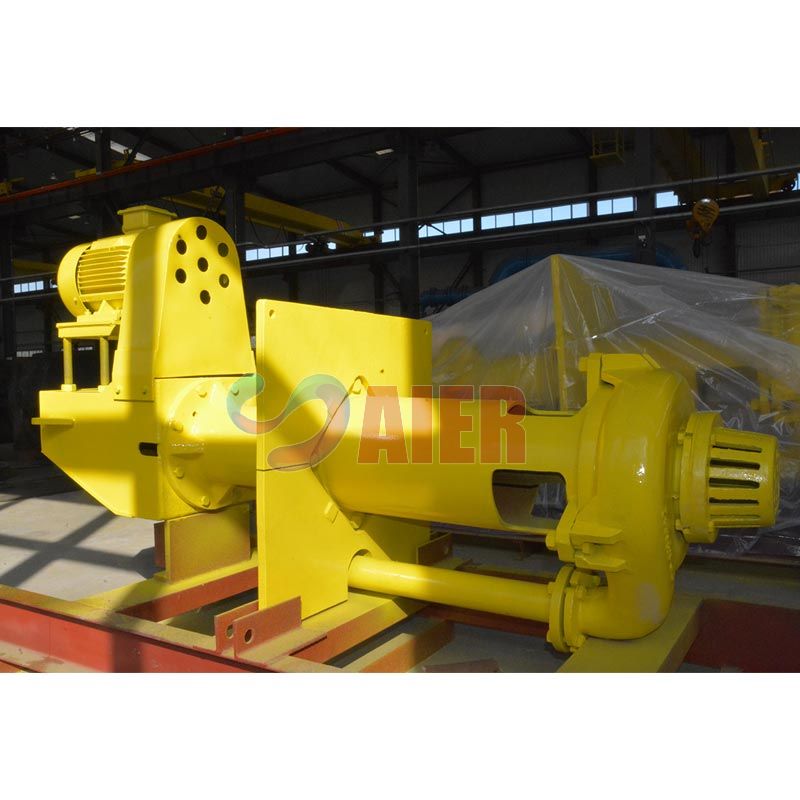
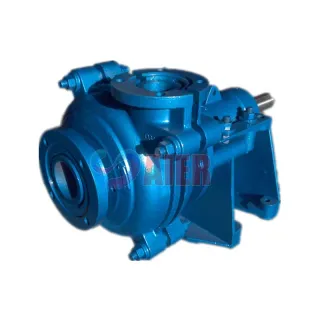
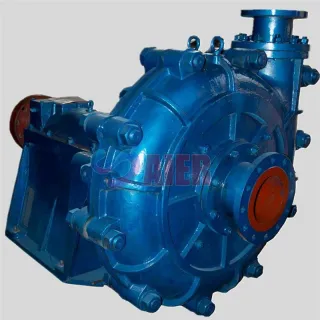
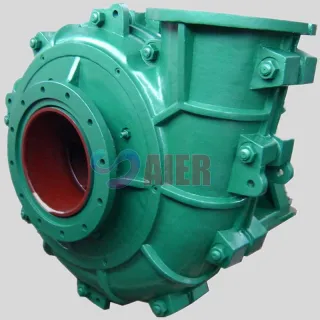
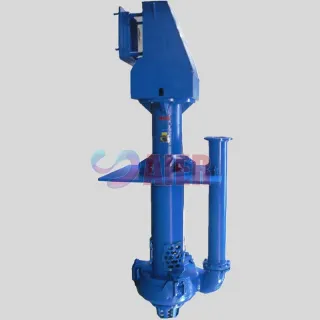
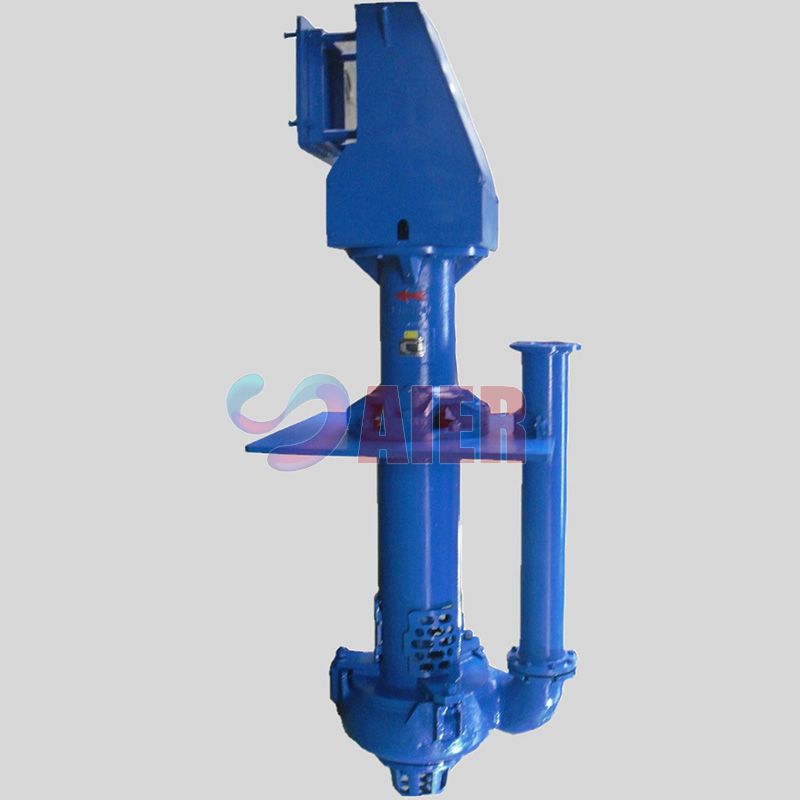
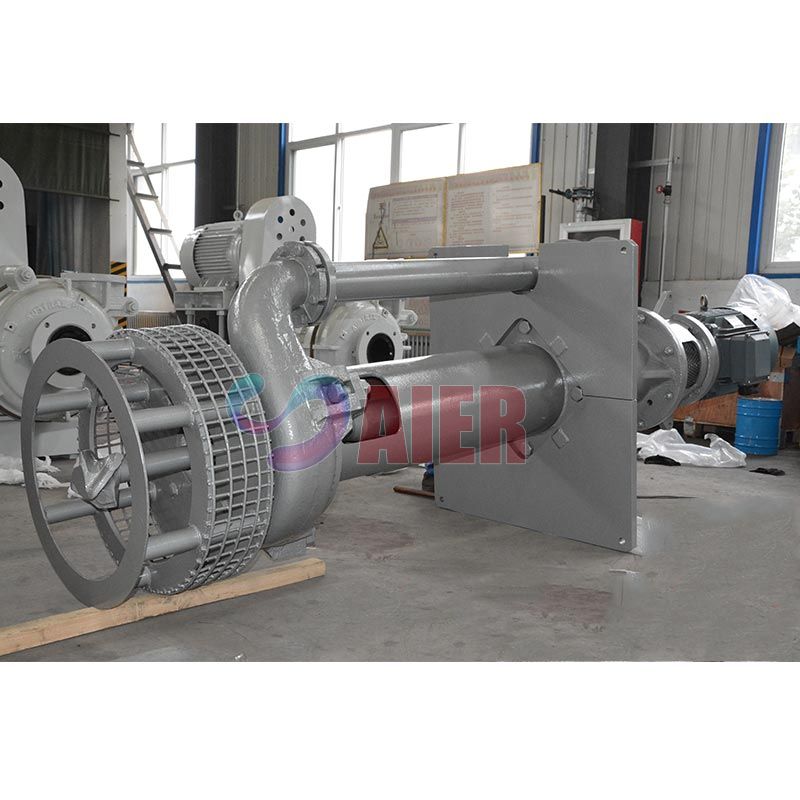
Отстойные насосы WY и WYJ — это вертикальные центробежные шламовые насосы, погружные для перекачки абразива, крупных частиц и шлама высокой плотности. При работе не требуется уплотнительная вода или какое-либо уплотнение. Он также может хорошо работать, когда объема всасывания недостаточно.


Информация о продукте

Теги продукта

Описание продукта


Описание продукта

ТЕХНИЧЕСКИЕ ХАРАКТЕРИСТИКИ:

Размер (разряд): от 40 мм до 300 мм.
Производительность: 7,28-1300 м3/ч
Высота: 3–45 м.
Передача твердых тел: 0-79 мм
Концентрация: 0%-70%
Материалы: сплав с высоким содержанием хрома, резина,

Полиуретан, керамика, нержавеющая сталь и т. д.

AIER® WY Sump Pump


Отстойные насосы WY и WYJ — это вертикальные центробежные шламовые насосы, погружные для перекачки абразива, крупных частиц и шлама высокой плотности. При работе не требуется уплотнительная вода или какое-либо уплотнение. Он также может хорошо работать, когда объема всасывания недостаточно.


Типичные области применения

Осушение или промывка поддона

Дренаж пола

Мельничный отстойник

Перенос углерода

Мониторинг

Магнетитовое смешивание


Функции

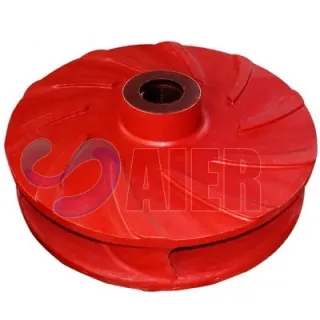
Корпус насоса типа WY изготовлен из износостойкого металла, материал рабочего колеса может быть из износостойкого металла или резины.

Все погружённые части WYJ покрыты резиной для переноса агрессивных суспензий.


Обозначение насоса


150WY-S:

150: Диаметр выхода: мм

WY: Тип насоса: Отстойный насос с футеровкой из высокохромистого сплава.

S: Тип рамной пластины


150WYJ-S:

150: Диаметр выхода: мм

WYJ: Тип насоса: Отстойный насос с резиновой футеровкой.

S: Тип рамной пластины

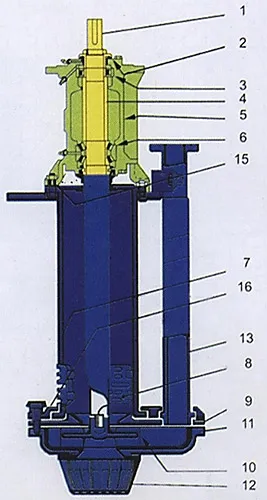
Строительный Проект

WY с облицовкой из сплава с высоким содержанием хрома

WY Sump Pump

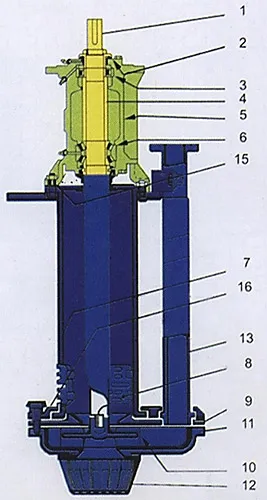
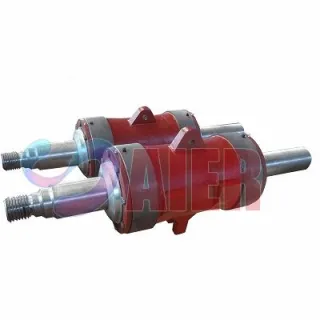
1. Вал

2. Лабиринт

3. Подшипник

4. Прокладка подшипника

5. Корпус подшипника

6. Подшипник

7. Колонка

8. Фильтр

9. Подкладка спинки

10. Рабочее колесо

11. Корпус насоса

12. Нижний сетчатый фильтр

13. Выпускная труба

14. Разъемный выпускной фланец

1. Вал

2. Лабиринт

3. Подшипник

4. Прокладка подшипника

5. Корпус подшипника

6. Подшипник

7. Колонка

8. Фильтр

9. Подкладка спинки

10. Рабочее колесо

11. Корпус насоса

12. Нижний сетчатый фильтр

13. Выпускная труба

15. Болт и гайка колонны

16. Болт колонки

WY Sump Pump

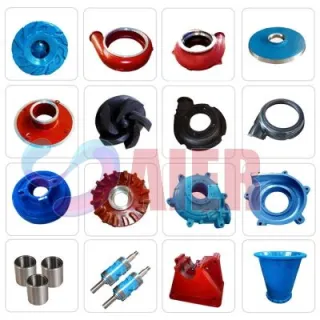
Материал детали насоса

Наименование Материал Спецификация СПЧ Приложение OEM-код
Корпус, задняя облицовка и рабочее колесо Твердый металл AB8: KmTBCr8 ≥55 Используется для бурового насоса А01
Утро: КмТБМнМо 38-42 Используется в условиях легкого износа с мелким зерном. А11
AB27: 23%-30% хромированного белого железа. ≥56 Используется в условиях повышенного износа с pH от 5 до 12. А05
AB15: 14–18 % хромированного белого железа. ≥59 Используется в условиях повышенного износа. А07
AB29: 27%-29% хромированного белого железа. 43 Используется при более низком уровне pH, особенно для ДДГ. Также может использоваться для низкокислотных условий и установок сероочистки с pH не менее 4. А49
AB33: 33%-37% хромированного белого железа.   Он может транспортировать насыщенную кислородом суспензию с pH не менее 1, например фосфорнокислый гипс, азотную кислоту, купорос, фосфат и т. д. А33
Резина       Р08
      Р26
      Р33
      55 рэндов
Вал Металл Углеродистая сталь     Е05
Соединительные кольца и уплотнения Резина Бутил     S21
резина EPDM     S01
Нитрил     С10
Гипалон     S31
Неопрен     С44/С42
Витон     С50


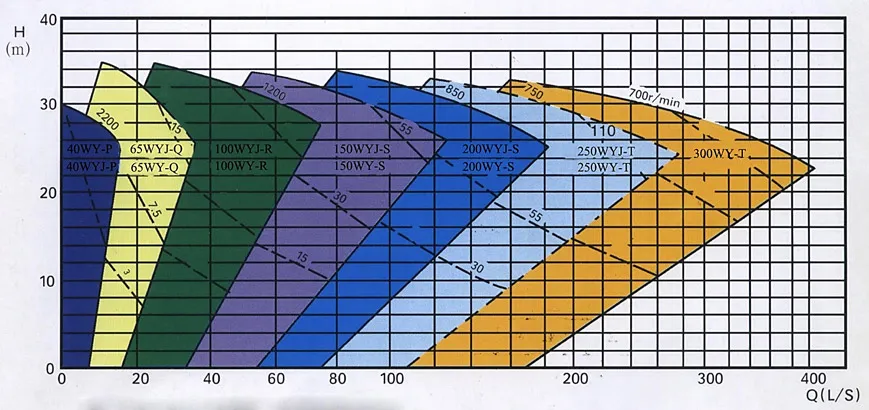
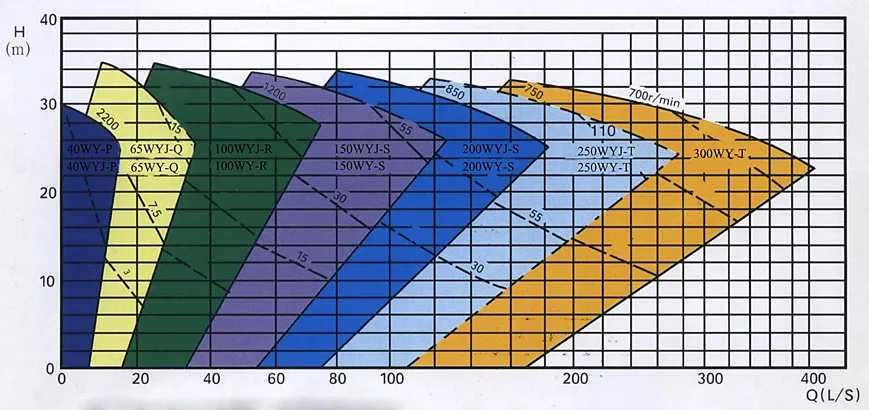
Производительность чистой воды

1WY Sump Pump

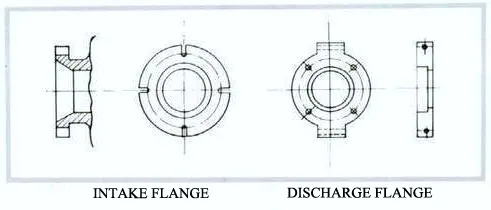
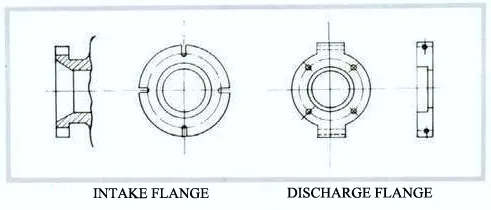
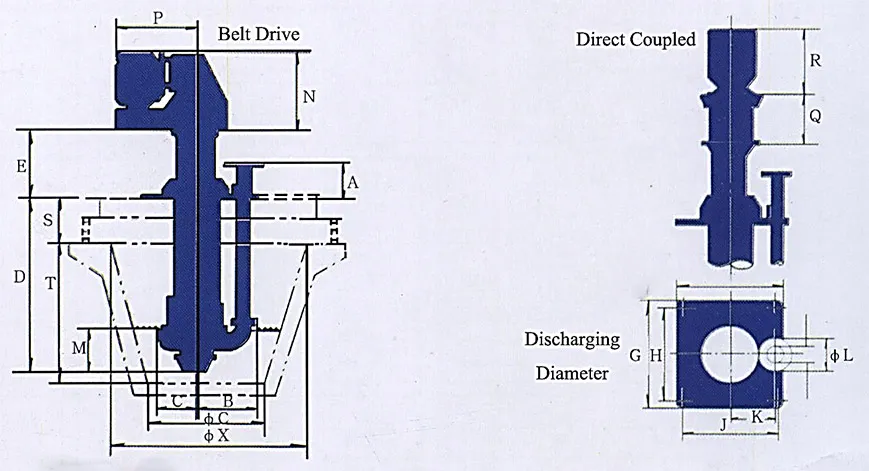
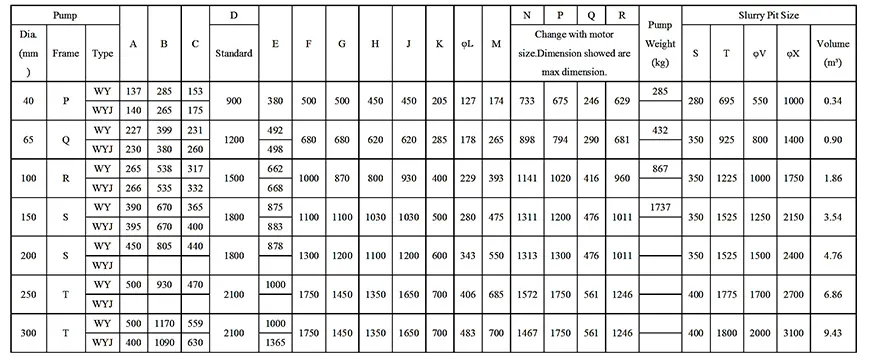
Установочные размеры

WY Sump Pump

Тип Впускной фланец Выпускной фланец
ОД ИДЕНТИФИКАТОР К/К
Для
Дыры
Дыра ОД ИДЕНТИФИКАТОР К/К
Для
Дыры
Дыра
40WY-П φ170 φ81 φ140 4-φ14 φ127 φ40 φ98 4-φ16
40WYJ-П
65WY-Q φ240 φ104 φ215 4-φ14 φ178 φ65 φ140 4-φ19
65WYJ-Q
100WY-R φ380 φ175 φ325 4-φ24 φ229 φ100 φ191 8-φ19
100WYJ-Р
150WY-С         φ280 φ150 φ241 8-φ22
150WYJ-С
200WY-С         φ343 φ200 φ298 8-φ22
200WYJ-С
250WY-С         φ406 φ250 φ362 12-φ25
250WYJ-С
300WY-С         φ483 φ300 φ432 12-φ25
300WYJ-С

WY Sump Pump

WY Sump Pump


Applications and Advantages of Industrial Vertical Sump Pumps in Wastewater Management 


Industrial vertical sump pumps are specialized pumps designed to efficiently handle liquids in deep sumps, pits, or tanks, making them ideal for sump pump for wastewater applications in industrial settings. These pumps are widely used in wastewater treatment plants, chemical processing, mining, and municipal facilities to transport wastewater, slurry, or corrosive liquids safely and reliably.
A key application of an industrial vertical sump pump is in wastewater management systems where liquids collect in deep sumps or tanks. Unlike conventional horizontal pumps, vertical pumps can operate directly from the bottom of a sump, eliminating the need for long suction pipelines. This design minimizes the risk of clogging and reduces hydraulic losses, ensuring smooth, uninterrupted flow of wastewater. For slurry-laden liquids, partnering with a reputable slurry sump pump supplier ensures that the pump materials and impeller design can handle abrasive and high-density mixtures efficiently.


The advantages of an industrial vertical sump pump include durability, ease of installation, and adaptability to harsh conditions. These pumps are built from high-quality materials such as stainless steel or corrosion-resistant alloys, which enhance their lifespan in aggressive wastewater environments. Additionally, vertical pumps are designed with modular components, making maintenance and replacement of wear parts straightforward. This modularity is particularly beneficial in industrial plants where downtime can be costly.


Another advantage of vertical sump pumps in wastewater management is their high hydraulic efficiency. Optimized impeller and volute designs reduce energy consumption while maintaining consistent flow rates. A high quality sump pump from a trusted vertical sump pump manufacturer ensures both operational efficiency and reliability, even when handling highly aerated or chemically aggressive wastewater.


Furthermore, vertical sump pumps are suitable for both continuous and intermittent operation, making them versatile for varying wastewater loads. They can be integrated with level sensors and automated control systems, providing a reliable and low-maintenance solution for industrial wastewater systems.


In summary, industrial vertical sump pumps are essential for efficient wastewater management. They provide reliable pumping from deep sumps, handle abrasive or aerated slurries effectively, and offer durability, modular maintenance, and energy efficiency. Collaborating with professional vertical sump pump manufacturers ensures access to pumps that meet specific industrial requirements, delivering long-term performance and operational safety.


Vertical Sump Pump vs Submersible Sump Pump: Which is Right for Your Facility?


Choosing between an industrial vertical sump pump and an industrial submersible sump pump depends on installation requirements, maintenance considerations, and the type of liquid being handled. Both types are designed for pumping liquids from sumps, pits, or tanks, but they have distinct operational and design characteristics.


Industrial vertical sump pumps are installed above the sump, with the pump shaft extending down into the liquid. This configuration is ideal for deep sump applications and allows the pump to handle abrasive or slurry-laden liquids without risk of clogging. Vertical pumps are generally easier to monitor, and modular designs facilitate the replacement of wear parts. Professional vertical sump pump manufacturers provide pumps with high-quality materials and custom designs, ensuring optimal performance in demanding industrial environments.


In contrast, industrial submersible sump pumps are fully submerged in the liquid, which eliminates the need for priming. These pumps are highly efficient for shallow or moderately deep sumps and are commonly used in wastewater pumping or flood control applications. Submersible pumps reduce footprint requirements and can be quieter in operation, but maintenance may require lifting the pump from the sump, which can be challenging in large industrial facilities.


Another difference is adaptability to liquids. Vertical pumps are suitable for highly aerated, abrasive, or corrosive slurries, while submersible pumps are better suited for clean or lightly contaminated wastewater. Proper selection ensures long-term reliability and efficiency.


In conclusion, the choice between an industrial vertical sump pump and an industrial submersible sump pump should be based on sump depth, liquid characteristics, maintenance accessibility, and operational requirements. Collaborating with experienced vertical sump pump manufacturers ensures the pump is optimized for performance, durability, and industrial reliability.


Maintenance Tips and Common Troubleshooting for Sump Pumps in Industrial Settings 


Effective maintenance is essential for ensuring the longevity and reliability of any sump pump, particularly in industrial settings where it may handle abrasive or corrosive liquids. Whether using an industrial vertical sump pump or a sump pump for wastewater, adhering to regular maintenance practices reduces downtime, extends service life, and ensures efficient operation.


The first step in maintenance is regular inspection of wear parts. Impellers, liners, and casings are prone to erosion in slurry or wastewater applications. A high quality sump pump supplied by reputable vertical sump pump manufacturers or a slurry sump pump supplier is built from wear-resistant materials, but routine checks and timely replacement of worn components are critical to prevent pump failure.


Monitoring pump performance is equally important. Any abnormal vibration, noise, or fluctuation in flow rate can indicate impeller wear, clogging, or misalignment. Addressing these issues early prevents further damage and ensures continuous operation. Industrial sump pumps often include monitoring systems to detect performance deviations automatically.


Lubrication and bearing maintenance are crucial for pumps operating continuously. Bearings support the shaft and impeller, and inadequate lubrication can lead to overheating and mechanical failure. Vertical sump pumps are typically designed for easier bearing access, while submersible pumps require careful handling during maintenance.


In wastewater or slurry applications, chemical and abrasive exposure can accelerate wear. Regular cleaning of pump components and inspection of liners or coatings ensures the sump pump for wastewater continues to operate efficiently. Consulting a trusted slurry sump pump supplier helps in selecting the right replacement parts and wear materials.


Preventive maintenance scheduling, including inspections, part replacements, and performance checks, is essential. Documenting maintenance procedures not only extends the life of the pump but also helps in troubleshooting recurring issues.


Если вы заинтересованы в нашей продукции, вы можете оставить здесь свою информацию, и мы свяжемся с вами в ближайшее время.


Напишите свое сообщение здесь и отправьте его нам

Категории товаров

WY водоотливной насос

Краткое описание:

Отстойные насосы WY и WYJ — это вертикальные центробежные шламовые насосы, погружные для перекачки абразива, крупных частиц и шлама высокой плотности. При работе не требуется уплотнительная вода или какое-либо уплотнение. Он также может хорошо работать, когда объема всасывания недостаточно.


Информация о продукте

Теги продукта

Описание продукта


Описание продукта

ТЕХНИЧЕСКИЕ ХАРАКТЕРИСТИКИ:

Размер (разряд): от 40 мм до 300 мм.
Производительность: 7,28-1300 м3/ч
Высота: 3–45 м.
Передача твердых тел: 0-79 мм
Концентрация: 0%-70%
Материалы: сплав с высоким содержанием хрома, резина,

Полиуретан, керамика, нержавеющая сталь и т. д.

Отстойный насос AIER® WY


Отстойные насосы WY и WYJ — это вертикальные центробежные шламовые насосы, погружные для перекачки абразива, крупных частиц и шлама высокой плотности. При работе не требуется уплотнительная вода или какое-либо уплотнение. Он также может хорошо работать, когда объема всасывания недостаточно.


Типичные области применения

Осушение или промывка поддона

Дренаж пола

Мельничный отстойник

Перенос углерода

Мониторинг

Магнетитовое смешивание


Функции

Корпус насоса типа WY изготовлен из износостойкого металла, материал рабочего колеса может быть из износостойкого металла или резины.

Все погружённые части WYJ покрыты резиной для переноса агрессивных суспензий.


Обозначение насоса


150WY-S:

150: Диаметр выхода: мм

WY: Тип насоса: Отстойный насос с футеровкой из высокохромистого сплава.

S: Тип рамной пластины


150WYJ-S:

150: Диаметр выхода: мм

WYJ: Тип насоса: Отстойный насос с резиновой футеровкой.

S: Тип рамной пластины

Строительный Проект

WY с облицовкой из сплава с высоким содержанием хрома
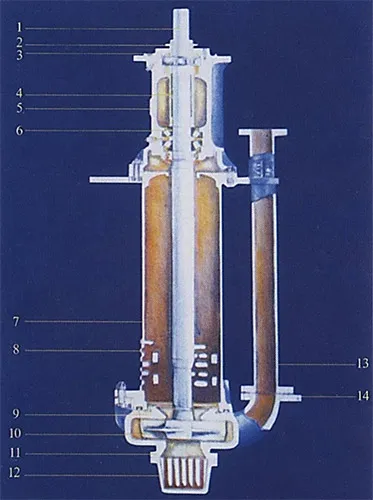
WY Sump Pump

1. Вал

2. Лабиринт

3. Подшипник

4. Прокладка подшипника

5. Корпус подшипника

6. Подшипник

7. Колонка

8. Фильтр

9. Подкладка спинки

10. Рабочее колесо

11. Корпус насоса

12. Нижний сетчатый фильтр

13. Выпускная труба

14. Разъемный выпускной фланец

1. Вал

2. Лабиринт

3. Подшипник

4. Прокладка подшипника

5. Корпус подшипника

6. Подшипник

7. Колонка

8. Фильтр

9. Подкладка спинки

10. Рабочее колесо

11. Корпус насоса

12. Нижний сетчатый фильтр

13. Выпускная труба

15. Болт и гайка колонны

16. Болт колонки

WY Sump Pump

Материал детали насоса

Наименование Материал Спецификация СПЧ Приложение OEM-код
Корпус, задняя облицовка и рабочее колесо Твердый металл AB8: KmTBCr8 ≥55 Используется для бурового насоса А01
Утро: КмТБМнМо 38-42 Используется в условиях легкого износа с мелким зерном. А11
AB27: 23%-30% хромированного белого железа. ≥56 Используется в условиях повышенного износа с pH от 5 до 12. А05
AB15: 14–18 % хромированного белого железа. ≥59 Используется в условиях повышенного износа. А07
AB29: 27%-29% хромированного белого железа. 43 Используется при более низком уровне pH, особенно для ДДГ. Также может использоваться для низкокислотных условий и установок сероочистки с pH не менее 4. А49
AB33: 33%-37% хромированного белого железа.   Он может транспортировать насыщенную кислородом суспензию с pH не менее 1, например фосфорнокислый гипс, азотную кислоту, купорос, фосфат и т. д. А33
Резина       Р08
      Р26
      Р33
      55 рэндов
Вал Металл Углеродистая сталь     Е05
Соединительные кольца и уплотнения Резина Бутил     S21
резина EPDM     S01
Нитрил     С10
Гипалон     S31
Неопрен     С44/С42
Витон     С50


Производительность чистой воды

1WY Sump Pump

Установочные размеры

WY Sump Pump

Тип Впускной фланец Выпускной фланец
ОД ИДЕНТИФИКАТОР К/К
Для
Дыры
Дыра ОД ИДЕНТИФИКАТОР К/К
Для
Дыры
Дыра
40WY-П φ170 φ81 φ140 4-φ14 φ127 φ40 φ98 4-φ16
40WYJ-П
65WY-Q φ240 φ104 φ215 4-φ14 φ178 φ65 φ140 4-φ19
65WYJ-Q
100WY-R φ380 φ175 φ325 4-φ24 φ229 φ100 φ191 8-φ19
100WYJ-Р
150WY-С         φ280 φ150 φ241 8-φ22
150WYJ-С
200WY-С         φ343 φ200 φ298 8-φ22
200WYJ-С
250WY-С         φ406 φ250 φ362 12-φ25
250WYJ-С
300WY-С         φ483 φ300 φ432 12-φ25
300WYJ-С


WY Sump Pump

WY Sump Pump


Vertical Slurry Pumps for Mining Applications 


Mining operations demand robust and reliable pumping equipment to handle highly abrasive slurries and tailings. A vertical slurry pump for mining is designed to meet these rigorous requirements, offering long service life, minimal maintenance, and efficient transport of ore and tailings. These pumps are widely used in tailings pipelines, concentrator circuits, and thickener underflow systems, where high reliability and durability are essential.


Ore slurry pumps in mining facilities are exposed to coarse particles and heavy solids that can quickly erode conventional pump components. Vertical slurry pumps address this challenge through submerged impeller designs and wear-resistant materials, such as high-chrome alloys or ceramic liners. By placing the impeller directly in the slurry sump, vertical pumps minimize suction lift issues, improve solids handling, and reduce the risk of cavitation. This ensures continuous operation and maximizes efficiency in mining applications.


Tailings management is another critical area where tailings vertical pumps excel. Tailings often consist of fine particles in high-density slurry, which can settle quickly and cause blockages in horizontal pumps. Vertical pumps allow slurry to enter axially from the sump, ensuring smooth flow into the impeller and preventing sediment buildup. This design improves hydraulic performance and reduces maintenance requirements, making vertical pumps a reliable solution for long-distance tailings transport.


In addition to handling abrasive slurries, vertical pumps are also advantageous in confined spaces typical of mining operations. The vertical configuration reduces the footprint of pumping stations, allowing installation in tight areas without compromising flow capacity. Modular construction further enables quick replacement of wear parts, reducing downtime and maintaining productivity.
Moreover, vertical slurry pumps for mining can be customized to meet specific site requirements, including flow rate, head, slurry density, and particle size. Manufacturers provide tailored solutions that optimize energy efficiency while maintaining reliability and durability, even under extreme operating conditions.


Overall, the use of vertical slurry pumps in mining applications ensures efficient, durable, and low-maintenance handling of ore slurries and tailings. With robust wear resistance, high reliability, and the ability to handle challenging slurry characteristics, these pumps are indispensable for modern mining operations seeking to maximize productivity and reduce operating costs.


Energy-Efficient Vertical Slurry Pumps for Industrial Operations 


In modern industrial operations, reducing energy consumption while maintaining reliable slurry handling is a major priority. Energy saving vertical slurry pumps provide an effective solution for industries that require continuous transport of abrasive or corrosive slurries. These pumps are engineered to optimize hydraulic efficiency, reduce wear, and lower operating costs, making them ideal for mining, chemical processing, metallurgy, and wastewater treatment facilities.


One of the main advantages of a high efficiency vertical pump is its ability to operate near the best efficiency point (BEP) for extended periods. By designing impellers and pump casings with advanced hydraulic principles, manufacturers can minimize energy losses due to turbulence and friction. This not only reduces electricity consumption but also prolongs the lifespan of pump components. In industrial applications, where pumps often run 24/7, even small improvements in energy efficiency can lead to significant cost savings over time.


Another key factor in the efficiency of industrial vertical slurry pumps is the vertical submerged design. The impeller is positioned directly in the slurry sump, reducing suction lift and eliminating the need for additional priming equipment. This design ensures consistent flow, minimizes the risk of cavitation, and allows the pump to handle high concentrations of solids without clogging. As a result, industries benefit from uninterrupted operation, reduced maintenance, and optimized energy usage.


Material selection also plays a critical role in energy-efficient operation. Wear-resistant alloys, ceramics, and lined surfaces reduce friction and maintain hydraulic performance even under abrasive conditions. By maintaining smooth flow passages and minimizing energy losses, vertical slurry pumps achieve higher efficiency while handling dense or corrosive slurries. Additionally, modular designs allow easy replacement of wear parts without dismantling the entire pump, further improving operational efficiency and reducing downtime.


Overall, investing in an energy saving vertical slurry pump enables industrial operators to combine reliability, high performance, and energy efficiency. These pumps not only reduce operational costs but also support sustainable industrial practices by minimizing energy consumption. For any facility dealing with abrasive, corrosive, or high-density slurries, a high efficiency vertical pump provides a cost-effective and durable solution that enhances productivity while lowering long-term expenses.


Vertical Slurry Pumps for Power Plant Applications 


Power plants face significant challenges when handling slurries such as coal slurry, ash, and flue gas desulfurization (FGD) byproducts. Vertical slurry pumps for power plant applications are specifically designed to meet these demanding conditions, providing long-lasting performance, high reliability, and efficient solids handling. These pumps are commonly used in FGD systems, coal slurry transport, and waste ash disposal, where both wear resistance and hydraulic efficiency are essential.


A FGD slurry pump plays a critical role in flue gas desulfurization systems by transporting limestone slurry to scrubbers or pumping desulfurized sludge to disposal areas. The vertical design ensures smooth axial flow, preventing sedimentation and reducing energy consumption. This allows plants to maintain high operational efficiency while minimizing downtime caused by pump blockages or component wear. Advanced materials and wear-resistant liners further enhance the durability of coal slurry vertical pumps, making them capable of handling abrasive particles and high-density slurries without frequent replacement.


The vertical configuration also provides significant space-saving advantages in power plants. Unlike horizontal pumps, vertical slurry pumps occupy less floor space, allowing easier integration into compact pumping stations or sump installations. Maintenance is simplified as many vertical pumps are designed for modular component replacement, including impellers, liners, and bearings. This reduces downtime and ensures continuous operation in critical power generation processes.


In addition to wear and space considerations, vertical slurry pumps for power plant applications are engineered to withstand varying slurry concentrations, temperatures, and chemical compositions. This versatility allows the same pump model to handle multiple tasks, from coal slurry transport to FGD sludge discharge, providing operators with a flexible and cost-effective solution.
Overall, using vertical slurry pumps in power plants enhances operational reliability, reduces maintenance costs, and ensures efficient transport of abrasive and corrosive slurries. By selecting a FGD slurry pump or coal slurry vertical pump optimized for high solids and wear resistance, power plants can achieve long-term efficiency, lower energy consumption, and uninterrupted operation, making these pumps indispensable in modern power generation facilities.


Если вы заинтересованы в нашей продукции, вы можете оставить здесь свою информацию, и мы свяжемся с вами в ближайшее время.


Напишите свое сообщение здесь и отправьте его нам

Категории товаров

Если вы заинтересованы в нашей продукции, вы можете оставить здесь свою информацию, и мы свяжемся с вами в ближайшее время.