
Oct . 12, 2024 11:49 Back to list
Top Manufacturers of Stainless Steel Sewage Pumps for Reliable Wastewater Management
The Role of Stainless Steel Sewage Pumps in Modern Waste Management
In the realm of waste management, the importance of reliable and efficient sewage pumps cannot be overstated. Among various materials used for pump construction, stainless steel has emerged as a top choice for sewage pumps, particularly in industries where durability and corrosion resistance are paramount. This article explores the significance of stainless steel sewage pump factories, the benefits of stainless steel in pump manufacturing, and the future of sewage pumping technology.
Understanding Stainless Steel Sewage Pumps
Sewage pumps are designed to transport wastewater from one location to another, ensuring that it is processed and disposed of properly. In many cases, these pumps are submerged in sewage systems, subject to harsh conditions that can include corrosive substances, varying temperatures, and the presence of solid waste. Stainless steel, with its robust properties, offers an excellent solution to the challenges faced by these pumps.
Advantages of Stainless Steel in Sewage Pumps
1. Corrosion Resistance One of the most significant benefits of stainless steel is its resistance to rust and corrosion. In sewage applications, exposure to various chemicals and sewage byproducts can quickly degrade other materials. Stainless steel pumps maintain their integrity over time, thus extending their lifespan and reducing maintenance costs.
2. Durability and Strength Stainless steel is renowned for its strength and durability. This makes it an ideal material for sewage pumps that must withstand continuous operation and the physical stresses associated with moving heavy wastewater. The robust construction of stainless steel pumps helps prevent failures that can lead to costly repairs and environmental hazards.
3. Hygienic Properties The smooth surface of stainless steel is not only aesthetically pleasing but also promotes hygiene. The non-porous surface minimizes bacterial growth, which is crucial in waste management applications where sanitation is a top priority.
4. Versatility Stainless steel pumps can be used in a wide range of applications, from municipal sewage treatment facilities to industrial sites and even residential settings. The adaptability of stainless steel allows manufacturers to cater to various demands, producing pumps tailored for specific use cases.
5. Environmental Resistance Pumps made from stainless steel are less likely to react with the corrosive substances found in sewage, contributing to more sustainable waste management practices. Their durability helps minimize waste and the energy associated with manufacturing and disposing of less resilient pumps.
stainless steel sewage pump factories
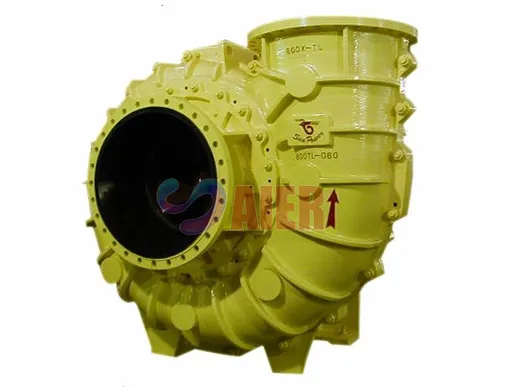
The Role of Factories in the Manufacturing Process
The production of stainless steel sewage pumps relies on specialized factories equipped with advanced technology and skilled personnel. These facilities adhere to stringent quality control standards to ensure that every pump meets industry specifications and performance benchmarks.
1. Research and Development Leading factories invest in research and development to innovate their designs and incorporate the latest technologies. This focus on R&D allows them to improve pump efficiency, reduce energy consumption, and enhance overall performance.
2. Quality Assurance Quality control is critical in the manufacturing process. Factories typically conduct rigorous testing of materials and finished products to ensure that each pump can perform reliably under extreme conditions.
3. Customization Many stainless steel sewage pump factories offer customization options. They can tailor pumps to meet specific requirements based on the client’s needs, such as size, power, and additional features like automated controls.
The Future of Sewage Pump Technology
As the global population grows and urbanization continues, the demand for efficient waste management solutions will only increase. The future of sewage pumping technology lies in the development of smarter, more energy-efficient systems that can handle larger volumes of wastewater while minimizing environmental impact.
The integration of IoT (Internet of Things) technology into sewage pumps is already starting to take shape, enabling real-time monitoring and data analysis. This advancement can lead to predictive maintenance, allowing operators to address issues before they become critical problems.
Conclusion
Stainless steel sewage pump factories play a vital role in advancing waste management technologies. The inherent properties of stainless steel—corrosion resistance, durability, hygiene, and versatility—make it an excellent choice for sewage pump manufacturing. As technology continues to evolve, the collaboration between manufacturers and technology innovators will be crucial in developing sustainable and efficient solutions for wastewater management that accommodate the needs of society and the environment for generations to come.
-
Wholesale Slurry Pump Spare Part Impeller - Rubber & Metal
NewsAug.27,2025
-
Submersible Well Pump Manufacturer: Quality Water & Sewage Pumps
NewsAug.26,2025
-
Manufacturer of Submersible Pumps & Slurry Impellers - Factory Direct
NewsAug.25,2025
-
Submersible Well Pump Manufacturer | Quality Water, Sewage & ESP
NewsAug.24,2025
-
Wholesale Slurry Pump Spare Part Impeller | Durable & High-Performance
NewsAug.23,2025
-
China Wear-Resistant Slurry Pump | Durable, Efficient Industrial Solutions
NewsAug.22,2025