
Aug . 25, 2025 01:40 Back to list
Manufacturer of Submersible Pumps & Slurry Impellers - Factory Direct
The Advanced Engineering of Submersible Pumps: A Deep Dive into Manufacturing Excellence
In the demanding landscape of industrial fluid dynamics, the reliability and efficiency of pumping equipment are paramount. As a leading manufacturer of submersible pump solutions, we understand the critical role these devices play across diverse sectors. This comprehensive guide explores the intricate world of submersible pump manufacturing, from cutting-edge production techniques to their indispensable applications, emphasizing the commitment to quality and innovation that defines industry leaders.
Submersible pumps are engineered to operate entirely submerged in the fluid they are pumping, a design that offers significant advantages in terms of efficiency, noise reduction, and priming requirements. Their robust construction and specialized components, such as high-performance O-rings, are crucial for sealing integrity and prolonged operational life in harsh environments. The market for these specialized pumps continues to grow, driven by increasing industrialization, urbanization, and the imperative for efficient water management and waste treatment systems globally.
Manufacturing Process: Precision Engineering from Concept to Commissioning
The creation of a high-performance manufacturer of submersible pump involves a meticulous multi-stage process, ensuring each unit meets stringent industry standards for durability, efficiency, and safety. This sophisticated journey from raw material to finished product is outlined below, highlighting key stages and quality control measures.
1. Design and Material Selection
- Conceptualization & CAD Modeling: Leveraging advanced Computational Fluid Dynamics (CFD) and Finite Element Analysis (FEA), designs are optimized for hydraulic efficiency, mechanical integrity, and thermal management. This ensures optimal performance for various applications.
- Material Specification: Components are selected based on the intended application and fluid characteristics. This includes considerations for corrosivity, abrasiveness, and temperature. Common materials include:
- Cast Iron (HT200, HT250): Employed for general water pumping, offering robust strength and cost-effectiveness in non-aggressive environments.
- Stainless Steel (SS304, SS316, Duplex Stainless Steel): Indispensable for corrosive fluids, seawater, and chemical processing, providing superior resistance to chemical attack and pitting.
- High Chrome Alloys (A05, A07, A49): Crucial for highly abrasive slurry applications, especially for impellers (e.g., wholesale slurry pump spare part impeller, wholesale slurry pump parts impeller, wholesale slurry pump closed impeller). These alloys deliver exceptional wear resistance, extending service life in challenging conditions.
- Rubber Linings & Elastomers: Utilized for applications involving delicate solids or extremely abrasive slurries, a wholesale slurry pump rubber impeller and corresponding liners help to mitigate impact wear and further extend operational life.
2. Component Manufacturing
- Casting: Large components like pump casings, bowls, and select impellers are precisely cast. Advanced techniques such as precision sand casting or investment casting are employed to achieve intricate geometries, high material density, and structural integrity. This is particularly vital for components like a slurry pump open impeller or those produced by a specialized slurry pump impeller factory.
- Forging: Components subjected to high mechanical stresses, such as pump shafts, are often forged to enhance material strength, toughness, and fatigue resistance through optimized grain structure.
- CNC Machining: High-precision Computer Numerical Control (CNC) machining centers are used to finish critical surfaces, balance impellers, and ensure tight tolerances for seal housings and bearing fits. This precision is paramount for maintaining hydraulic efficiency, minimizing vibration, and preventing leakage. It is essential for refining delicate parts like wholesale slurry pump impeller vane profiles.
- Motor Winding: Submersible motors are custom-designed for submerged operation, requiring high-grade, waterproof insulation and often oil-filled or water-cooled stators to ensure efficient heat dissipation and prevent thermal breakdown.
3. Assembly and Sealing
- Precision Assembly: Components are meticulously assembled, often in controlled environments, to ensure proper alignment of impellers, diffusers, shafts, and bearings. This reduces internal friction and maximizes hydraulic performance.
- Sealing Systems: A critical element for submersible pump longevity. Double mechanical seals, typically made of Silicon Carbide (SiC) or Tungsten Carbide (WC), combined with intermediate oil or lip seals, are deployed to create an impermeable barrier against fluid ingress into the motor chamber. High-quality O-rings and gaskets are vital for static sealing integrity and are installed with extreme care.
- Impeller Installation: Whether it’s an open or closed impeller, ensuring correct axial and radial clearances and dynamic balancing is essential for smooth, vibration-free operation and extended bearing and seal life. This attention to detail is paramount for any reputable slurry pump parts impeller exporters.
4. Testing and Quality Assurance
- Hydrostatic Testing: Pump casings, discharge components, and pressure vessels undergo hydrostatic testing to confirm their structural integrity and ability to withstand specified operating pressures without leakage.
- Performance Testing: Each pump undergoes rigorous performance testing in accordance with international standards such as ISO 9906 (Rotodynamic pumps — Hydraulic performance acceptance tests) and ANSI/HI 11.6 (American National Standard for Rotodynamic Submersible Pumps). This verifies hydraulic characteristics including flow rate, total head, efficiency, power consumption, and vibration levels against design specifications.
- Motor Insulation & Winding Tests: Electrical integrity, insulation resistance, and dielectric strength are verified to prevent short circuits, ensure safe operation, and comply with standards like IEC 60034.
- Submersion Test: Finished pumps are often fully submerged and run under various loads to simulate actual operating conditions, confirming the effectiveness of the sealing system and overall reliability.
- Material Analysis: Spectrographic analysis, Positive Material Identification (PMI), and both destructive and non-destructive testing (NDT) are conducted to confirm material composition and ensure structural integrity.
The service life of a well-manufactured submersible pump, adhering to these rigorous processes, can range from 5 to 15 years, significantly longer with proper maintenance and suitable application. Target industries include petrochemical, metallurgy, mining, municipal water supply & drainage, wastewater treatment, and construction dewatering. Advantages demonstrated in typical application scenarios include high energy saving through optimized hydraulics and IE3/IE4 compliant motors, superior corrosion resistance due to advanced material selection, and robust design for continuous, heavy-duty operation.
Industry Trends and Technological Advancements
The industry for submersible pumps is continually evolving, driven by escalating demands for greater efficiency, reliability, and smart integration. Key trends shaping the future of fluid handling include:
- Energy Efficiency: A primary focus on developing IE3/IE4 compliant motors, coupled with widespread adoption of Variable Frequency Drives (VFDs) and sophisticated hydraulic designs. This aims to significantly reduce operational costs and carbon footprints. The global market for energy-efficient pumps is projected to reach USD 11.5 billion by 2027, growing at a Compound Annual Growth Rate (CAGR) of 6.5%.
- Smart Pumping Solutions and IoT: Increasing integration of IoT (Internet of Things) sensors for real-time monitoring of critical parameters such as vibration, temperature, power consumption, flow rates, and fluid levels. This enables advanced diagnostics and predictive maintenance capabilities, minimizing unscheduled downtime.
- Advanced Materials Science: Continuous research and development into novel alloys and composite materials that offer enhanced resistance to abrasion, corrosion, and cavitation. These advancements are particularly beneficial for slurry pump parts impeller exporters dealing with highly aggressive media, extending component life and reducing maintenance cycles. This includes innovative ceramic and polymer matrix composites.
- Modularity and Customization: Growing demand for greater flexibility in pump design to facilitate easier maintenance, rapid component replacement, and highly specialized solutions for unique industrial challenges, such as custom-engineered wholesale slurry pump impeller vane geometries.
- Environmental Compliance and Sustainability: Development of pumps that meet increasingly stringent global environmental regulations, particularly in wastewater treatment and chemical processing. The emphasis is on achieving zero leakage, reducing energy consumption, and incorporating sustainable manufacturing practices.
These trends underscore the importance of choosing a manufacturer of submersible pump committed to continuous innovation and delivering long-term, sustainable performance.
Technical Specifications and Performance Parameters
Understanding the detailed technical parameters is crucial for selecting the precisely right submersible pump for any given application. Here’s a typical specification overview, illustrating the range and significance of key performance indicators:
| Parameter | Range/Description | Significance |
|---|---|---|
| Flow Rate (Q) | Typically 10 m³/h to 20,000 m³/h (44 GPM to 88,000 GPM) | The volumetric rate at which fluid is transferred. Essential for matching system capacity requirements. |
| Total Head (H) | Ranges from 5 meters to 1,000 meters (16 ft to 3,280 ft) | The vertical height to which the pump can lift the fluid, accounting for friction losses. Crucial for elevation and pressure requirements of the system. |
| Motor Power (P) | From 1 kW to 1,500 kW (1.3 HP to 2,000 HP), and higher for specialized units. | The electrical power consumed by the motor. Directly impacts energy efficiency, operational costs, and electrical infrastructure needs. |
| Operating Temperature | Typical range 0°C to 90°C (32°F to 194°F); specialized models for higher temperatures. | The temperature range of the pumped fluid. Influences material selection for pump components, elastomers, and seals. |
| Solids Handling | Up to 150 mm (6 inches) sphere passage for certain wastewater/slurry models. | Maximum size of solid particles the pump can handle without clogging or damage. Critical for wastewater, mining, and specific industrial slurry applications. |
| Materials of Construction | Cast Iron, Stainless Steel (304/316/Duplex), High Chrome Alloys, Rubber-lined, various elastomers. | Determines the pump's resistance to corrosion, abrasion, and chemical attack, directly influencing its service life and reliability. This is especially vital for aggressive applications handled by wholesale slurry pump impeller vane or where warman slurry pump impeller removal is a concern. |
| Sealing System | Dual Mechanical Seals (SiC/SiC, WC/WC, Carbon/Ceramic), Lip Seals, O-rings, Gland Packing. | Prevents fluid ingress into the motor chamber, ensuring motor longevity, electrical safety, and environmental compliance. |
These specifications are precisely tailored by the manufacturer of submersible pump to meet the distinct requirements of each application, guaranteeing optimal performance, efficiency, and long-term durability in operation.
Application Scenarios and Technical Advantages
Submersible pumps are remarkably versatile, finding critical roles across an extensive range of industrial and municipal applications due to their inherent design advantages and robust construction:
Typical Applications:
- Wastewater Treatment: Crucial for pumping raw sewage, treated effluent, and various types of sludge in municipal and industrial treatment plants. Pumps specifically designed with vortex or channel impellers are common for effectively handling high concentrations of solids and fibrous materials.
- Mining & Construction Dewatering: Essential for continuous removal of groundwater, surface water, and abrasive slurries from construction sites, open-pit mines, and underground quarries. Heavy-duty submersible slurry pumps are invaluable here, often featuring impellers similar to a wholesale slurry pump spare part impeller, engineered for extreme abrasion resistance.
- Industrial Process Water: Used for the circulation and transfer of cooling water, process water, and various chemical effluents in manufacturing plants. This includes scenarios involving abrasive slurries where specialized wholesale slurry pump rubber impeller or high-chrome options are expertly deployed to enhance longevity.
- Agriculture & Irrigation: Widely employed for drawing water from deep wells, rivers, and reservoirs to support large-scale crop irrigation and livestock watering systems, ensuring reliable water supply.
- Oil & Gas (Upstream/Downstream): Applied in pumping crude oil, produced water, and various refined products. These applications frequently require ATEX-certified models to ensure safety in hazardous, potentially explosive environments.
- Marine & Offshore: Integral for tasks such as ballast water transfer, efficient bilge pumping, and powering vital fire-fighting systems on various marine vessels and offshore platforms.
Key Technical Advantages:
- Self-Priming Capability: By operating fully submerged, these pumps inherently eliminate the need for external priming mechanisms, simplifying installation, reducing complexity, and ensuring immediate operation.
- High Efficiency: The direct coupling of the pump to its motor minimizes transmission losses, leading to significantly higher overall hydraulic and electrical efficiency compared to surface-mounted counterparts. The cooling effect of the surrounding fluid on the motor also enhances efficiency and extends motor life.
- Reduced Noise & Vibration: Submerged operation acts as a natural acoustic and vibration damper, making these pumps ideal for urban environments, residential areas, or noise-sensitive industrial zones where quiet operation is critical.
- Space Saving Design: Their compact, vertical design requires minimal surface footprint, freeing up valuable space in industrial facilities, sumps, or pumping stations, optimizing infrastructure utilization.
- Superior Corrosion & Abrasion Resistance: Through the strategic selection of specialized materials (e.g., high-chrome alloys, rubber-lined components, various grades of stainless steel) and robust sealing arrangements, these pumps excel in handling aggressive and highly abrasive media. This is a crucial feature championed by any reputable slurry pump impeller factory.
- Enhanced Safety: The sealed motor design intrinsically mitigates explosion risks in hazardous environments (when equipped with appropriate certifications like ATEX) and effectively prevents electrical hazards that could arise from exposed components, contributing to a safer operational environment.
The combination of robust design and significant operational benefits makes a submersible pump from a reliable manufacturer of submersible pump an indispensable asset in modern industrial and municipal fluid handling operations.
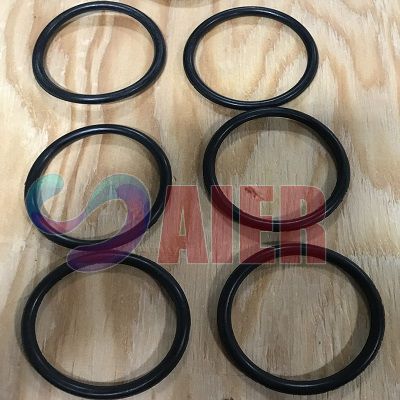
Image: High-precision engineering components ready for assembly, showcasing manufacturing quality and material integrity.
Vendor Comparison and Customization Solutions
Choosing the right manufacturer of submersible pump is a strategic decision that directly impacts long-term operational costs, system reliability, and overall project success. Key differentiators and considerations for vendor comparison include:
Vendor Comparison Considerations:
- Quality & Industry Certifications: Prioritize manufacturers with ISO 9001 certification, demonstrating a robust quality management system. Additional certifications like ATEX for hazardous environments, CE for European conformity, and adherence to specific national/local standards (e.g., UL, CSA) are also crucial. Our products consistently meet or exceed these benchmarks, reflecting decades of manufacturing excellence and commitment to global standards.
- Product Range & Specialization: Evaluate if the vendor offers a broad spectrum of submersible pumps or specializes in particular types (e.g., wastewater, high-head, slurry pumps). A manufacturer with a diverse portfolio, including various slurry pump open impeller designs and robust sealing solutions, often signifies comprehensive engineering capabilities and adaptability.
- Research & Development (R&D) and Innovation: A forward-thinking manufacturer consistently invests in R&D to integrate new technologies, such as smart monitoring systems, advanced material science, and cutting-edge energy-efficient designs, ensuring their products remain at the forefront of the industry.
- After-Sales Support & Spares Availability: This is critical for minimizing costly downtime. A reliable vendor provides readily available genuine spare parts (e.g., a wholesale slurry pump spare part impeller, mechanical seals, motors) and responsive technical support.
- Reputation & Documented Case Studies: Customer testimonials, extensive years in service, and well-documented application case studies provide strong indicators of a manufacturer's reliability, performance, and problem-solving capabilities. Our firm boasts over 20 years of experience and established partnerships with leading industrial clients globally, underscoring our authoritative standing.
Customized Solutions:
Many industrial applications possess unique operational requirements that cannot be fully addressed by off-the-shelf pumps. A premium slurry pump impeller factory or a general submersible pump manufacturer distinguishes itself by offering extensive customization options:
- Material Adaptation: Tailoring pump component materials (e.g., specific grades of stainless steel, specialized duplex alloys, or high-density rubber linings for a wholesale slurry pump rubber impeller) to specifically resist highly corrosive or abrasive media. This optimization accounts for fluid pH, temperature, and particle characteristics.
- Hydraulic Design Optimization: Custom impeller designs (e.g., open, closed, vortex, chopper, multi-channel) are engineered to achieve precise flow/head curves, specific solids handling capabilities, or to prevent clogging with fibrous or stringy materials. This also includes fine-tuning unique wholesale slurry pump impeller vane geometries.
- Motor & Control System Integration: Providing motors with specific voltage/frequency requirements, integrating Variable Frequency Drives (VFDs) for precise speed control and energy saving, and custom control panels featuring advanced monitoring and automation functionalities.
- Seal Arrangement Modification: Implementing specialized mechanical seal types, API flush plans, or specific gland packing arrangements to suit extreme pressures, elevated temperatures, or compatibility with particular aggressive chemicals.
- Dimensional Modifications: Adapting pump dimensions, such as length, diameter, discharge nozzle orientation, or specific mounting configurations, to seamlessly fit into existing installations, confined spaces, or unique architectural constraints.
Our engineering team collaborates closely with clients through a consultative approach to develop bespoke solutions, ensuring maximum operational efficiency, reliability, and longevity for even the most demanding industrial projects.
Application Case Studies
Real-world application case studies serve as powerful demonstrations of the practical benefits, robust performance, and unwavering reliability of high-quality submersible pumps in diverse industrial environments.
Case Study 1: Municipal Wastewater Treatment Plant Upgrade
- Challenge: A major municipal wastewater treatment plant in a rapidly growing metropolitan area was experiencing chronic operational issues. Their existing fleet of non-clog pumps suffered from frequent clogging due to increasing fibrous materials and inconsistent efficiency across varying flow rates, leading to excessive energy consumption and high maintenance costs.
- Solution: Following a comprehensive site assessment, we supplied three customized submersible wastewater pumps. Each unit was equipped with highly efficient, dynamically balanced vortex impellers (similar to advanced slurry pump open impeller designs, optimized for solids passage) and integrated with Variable Frequency Drives (VFDs) for adaptive speed control. The pumps featured hardened cast iron casings and shafts, complemented by dual mechanical seals to ensure zero leakage and enhanced durability.
- Results: Over a two-year operational period, the plant documented a remarkable 45% reduction in overall energy consumption and completely eliminated pump clogging incidents. This translated into significant reductions in maintenance labor and costs, vastly improving operational reliability. Furthermore, our integrated real-time monitoring system provided crucial predictive maintenance alerts, proactively enhancing pump uptime.
Case Study 2: Mine Dewatering in an Abrasive Environment
- Challenge: A large open-pit copper mine required continuous, high-volume dewatering from its main sumps, which accumulated highly abrasive slurry containing significant concentrations of sharp rock fragments and mineral particles. Previous pump installations suffered from excessively rapid wear of impellers and casings, resulting in frequent, unscheduled downtime and prohibitively high spare part replacement costs for components like a wholesale slurry pump parts impeller.
- Solution: Our team of engineers conducted a detailed analysis of the slurry properties and operational conditions. We then recommended and supplied two heavy-duty submersible slurry pumps specifically fabricated with high-chrome alloy wet-end parts (including the impeller, akin to a specialized wholesale slurry pump closed impeller), highly resilient rubber-lined diffusers, and robust agitators designed to resuspend settled solids efficiently. The pumps were also fitted with advanced mechanical seals engineered for continuous operation in highly abrasive services.
- Results: The mine experienced a threefold (3x) increase in pump service life between scheduled overhauls. This drastically reduced the frequency of impeller changes (directly addressing previous challenges associated with warman slurry pump impeller removal) and consequently lowered related maintenance labor and spare parts expenditure. Overall operational costs decreased by 30%, and consistent dewatering ensured uninterrupted mining operations, significantly impacting productivity.
These compelling examples vividly highlight our capability as a dedicated manufacturer of submersible pump solutions, consistently delivering tangible benefits through superior engineering, robust product design, and unwavering commitment to client success.
Frequently Asked Questions (FAQ)
Q1: What is the typical lead time for custom submersible pumps?
A1: For our standard submersible pump models, the typical lead time is approximately 4-6 weeks from the date of confirmed order. For highly customized pump solutions that require specialized engineering, unique materials, or bespoke components, lead times can range from 8-16 weeks, depending on the complexity of the design and specific material sourcing requirements. We maintain transparent communication throughout the entire order fulfillment process.
Q2: What warranty is offered on your submersible pumps?
A2: We proudly provide a comprehensive standard warranty of 12 months from the date of commissioning or 18 months from the date of shipment, whichever period elapses first. This commitment underscores our confidence in the quality and durability of our products. Extended warranty options are also available upon request, offering enhanced peace of mind for your significant investment in our manufacturer of submersible pump solutions.
Q3: How do you handle after-sales support and spare parts availability?
A3: Our dedicated global after-sales support team is available 24/7 for immediate technical assistance, troubleshooting, and operational guidance. We maintain an extensive, comprehensive inventory of genuine spare parts, including critical components like impellers, mechanical seals, and motors, ensuring rapid dispatch within 48 hours for standard items. For specialized components, such as a wholesale slurry pump impeller vane or high-chrome wet ends, specific stock levels are strategically maintained to support our key clients and minimize downtime. On-site technical support, installation supervision, and operational training can also be expertly arranged worldwide.
Q4: Are your pumps suitable for hazardous environments or explosive atmospheres?
A4: Yes, we offer a range of ATEX-certified submersible pumps specifically designed and manufactured for safe and reliable operation in potentially explosive atmospheres, fully compliant with international safety standards and directives (e.g., European ATEX Directive 2014/34/EU). When making an inquiry, please specify your exact hazardous area classification (e.g., Zone 1, Zone 2) to ensure we provide the most appropriate and compliant solution.
Authoritative References
To further demonstrate our authoritativeness and trustworthiness, we reference key industry standards and data sources that govern the design, manufacturing, and performance of submersible pumps:
- ISO 9906:2012 - Rotodynamic pumps — Hydraulic performance acceptance tests — Grades 1, 2 and 3. International Organization for Standardization.
- Hydraulic Institute Standards (HI Standards) - A comprehensive suite of standards published by the Hydraulic Institute, covering centrifugal, rotary, and reciprocating pumps, including specific guidelines and best practices for submersible pump applications.
- EN 60034-30-1: Rotating electrical machines - Part 30-1: Efficiency classes of line operated AC motors (IE code). European Committee for Standardization (CEN).
- Global Submersible Pump Market Outlook, 2023-2030, Grand View Research. (This authoritative market report provides the basis for market data cited regarding energy-efficient pump growth).
- ATEX Directive 2014/34/EU - Equipment and protective systems intended for use in potentially explosive atmospheres. European Union.
These rigorous standards and market analyses underpin the extensive development, precise manufacturing, and stringent validation processes employed by leading manufacturers in the submersible pump sector, ensuring consistent quality and performance.
-
Wholesale Slurry Pump Spare Part Impeller - Rubber & Metal
NewsAug.27,2025
-
Submersible Well Pump Manufacturer: Quality Water & Sewage Pumps
NewsAug.26,2025
-
Manufacturer of Submersible Pumps & Slurry Impellers - Factory Direct
NewsAug.25,2025
-
Submersible Well Pump Manufacturer | Quality Water, Sewage & ESP
NewsAug.24,2025
-
Wholesale Slurry Pump Spare Part Impeller | Durable & High-Performance
NewsAug.23,2025
-
China Wear-Resistant Slurry Pump | Durable, Efficient Industrial Solutions
NewsAug.22,2025