
Oct . 19, 2024 07:59 Back to list
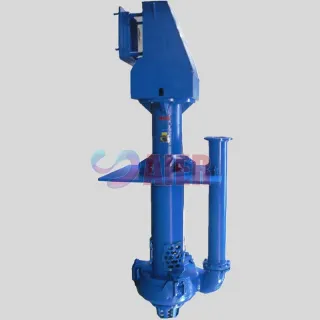
high quality dredge pump casing
High-Quality Dredge Pump Casting Essential for Efficient Dredging Operations
Dredging plays a crucial role in various industrial and environmental applications, from maintaining navigational channels in rivers and harbors to extracting valuable minerals from the seabed. At the heart of any dredging operation lies the dredge pump, which serves the critical function of moving water and sediment. The efficiency and durability of these pumps are largely determined by their casings, making high-quality dredge pump casting an essential component of successful dredging operations.
What is Dredge Pump Casting?
Dredge pump casting refers to the process of manufacturing the outer casing of a dredge pump, typically made from high-strength materials like cast iron, stainless steel, or specialized alloys. The pump casing must withstand harsh conditions, including abrasive sediments, corrosive environments, and high operational pressures. Consequently, the casting process must ensure that the final product meets rigorous standards for strength, wear resistance, and corrosion resistance.
Importance of High-Quality Casting
1. Durability The dredging environment is notoriously tough. Pump casings that are poorly cast or made from inferior materials can lead to frequent breakdowns, increased maintenance costs, and reduced operational efficiency. High-quality casings are engineered to provide longevity, minimizing unexpected downtimes during critical operations.
2. Performance Efficiency The design of a dredge pump casing directly influences its hydraulic performance. High-quality castings ensure smooth internal surfaces, which reduce turbulence and energy losses during operation. This results in higher flow rates and efficient sediment transport, critical for optimizing dredging operations.
3. Wear Resistance Dredge pumps come in contact with a variety of abrasive materials, especially when dealing with sand, gravel, and other particulate matter. High-quality castings incorporate advanced metallurgy and surface treatments that enhance wear resistance, significantly extending the lifespan of the pump casing.
high quality dredge pump casing
4. Corrosion Resistance Exposure to water and fluctuating temperatures can lead to corrosion over time. High-quality pump casings made from corrosion-resistant materials safeguard against degradation. This is particularly vital in marine dredging applications, where seawater and salt can severely impact equipment longevity.
5. Cost-Effectiveness While the upfront investment in high-quality dredge pump casings may be higher, the long-term savings outweigh the initial costs. Reduced maintenance, fewer replacements, and improved operational efficiency translate into lower total ownership costs over time. Additionally, reliable pumps ensure that dredging operations can be completed on schedule, minimizing the risk of economic losses associated with downtime.
Innovations in Dredge Pump Casting
Recent advancements in casting technologies have led to the development of more sophisticated dredge pump casings. Techniques such as lost foam casting and precision casting allow for intricate designs and faster production times without sacrificing quality. Furthermore, incorporating computational fluid dynamics (CFD) in the design phase helps engineers optimize pump performance characteristics, resulting in enhanced efficiency and reliability.
Environmental Impact
High-quality dredge pump casings also contribute positively to environmental sustainability. Efficient dredging operations reduce the time spent in sensitive areas, minimizing disturbances to marine ecosystems. Moreover, better-performing pumps require less energy, leading to lower carbon emissions associated with dredging activities.
Conclusion
Investing in high-quality dredge pump casting is a strategic decision that yields significant benefits. From enhanced durability and performance to cost savings and environmental advantages, the importance of a well-manufactured pump casing cannot be overstated. As the dredging industry continues to evolve, embracing innovations in casting technology and materials will be key to meeting the demands of modern dredging operations. Therefore, stakeholders must prioritize quality in dredge pump production, ensuring they can tackle the challenges of today’s dredging environments efficiently and sustainably.
-
Wholesale Slurry Pump Spare Part Impeller - Rubber & Metal
NewsAug.27,2025
-
Submersible Well Pump Manufacturer: Quality Water & Sewage Pumps
NewsAug.26,2025
-
Manufacturer of Submersible Pumps & Slurry Impellers - Factory Direct
NewsAug.25,2025
-
Submersible Well Pump Manufacturer | Quality Water, Sewage & ESP
NewsAug.24,2025
-
Wholesale Slurry Pump Spare Part Impeller | Durable & High-Performance
NewsAug.23,2025
-
China Wear-Resistant Slurry Pump | Durable, Efficient Industrial Solutions
NewsAug.22,2025