QJ წყალქვეშა ტუმბო
პროდუქტის აღწერა
Ზოგადი აღწერა
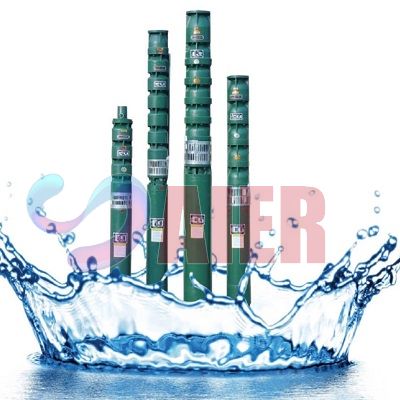
QJ წყალქვეშა ტუმბო ძირითადად გამოიყენება ღრმა ჭაბურღილიდან წყლის გადასატანად და გასაძლიერებლად და ფართოდ გამოიყენება სასოფლო-სამეურნეო მიწების სარწყავად, წყლის დრენაჟში ქალაქსა და სოფლად, მაღაროებში და სამრეწველო საწარმოებში და წყლის დაზოგვის სამუშაოებში, მათ შორის წყალსაცავის, შადრევანი, გაგრილების სისტემა და სპა და ა.შ. ძირითადი მახასიათებლები შემდეგია: მარტივი გამოყენება, მარტივი ინსტალაცია, მარტივი მოვლა, გარემოს დაცვა და ა.შ. უპირატესობები, ელექტრო მყვინთავის ტუმბო, რომელიც აგროვებს ძრავას და წყლის ტუმბოს, შეიძლება მუშაობდეს წყალში და მოსახერხებელია გამოსაყენებლად და შეკეთებაში.
წყალქვეშა ტუმბოს მწარმოებლები
ჩვენ ვართ წყალქვეშა ტუმბოების პროფესიონალი მწარმოებელი ჩინეთში. წყლის ტუმბოების გარდა, ჩვენ ასევე ვაწვდით სხვადასხვა ტუმბოებს, ხრეშის ტუმბოებს, გოგირდის ტუმბოებს და ა.შ. სხვადასხვა მოთხოვნის მიხედვით, ჩვენ შეგვიძლია მივაწოდოთ პროდუქტები სხვადასხვა მასალებით, როგორიცაა უჟანგავი ფოლადის ჩამოსხმა, უჟანგავი პრეს-შედუღება, ბრინჯაოს ჩამოსხმა, უბრალო რკინის ჩამოსხმა, კოროზიის მდგრადი სპეციალური მასალის ჩამოსხმა. ტუმბო უნდა იყოს მკაცრი გარე დიამეტრით, ასე რომ, ისეთი სიტუაციები, როგორიცაა ძრავის დალუქვის გაჟონვა და წყლის დაბინძურება არ მოხდება.
სპეციფიკაციები
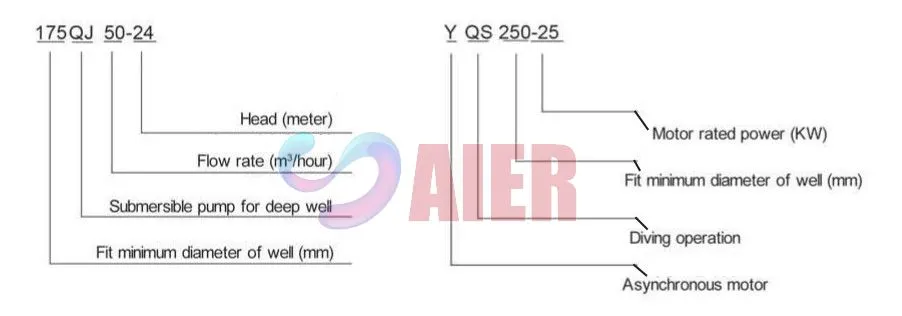
ზომა (გამონადენი): 4"-დან 16"-მდე
მოცულობა: 2-500მ3/სთ
თავი: 10მ-500მ
სახლის სიმძლავრე: 0,75-450კვტ
მასალა: თუჯის, ბრინჯაოს, უჟანგავი ფოლადი და ა.შ
AIER® QJ Submersible Pump
გამოყენების პირობები
① სიმძლავრე: 380V/3-ფაზა AC, 50Hz
②წყლის ხარისხი:
ა. წყლის ტემპერატურა 20℃-ზე დაბალია (მაღალი ტემპერატურის წინააღმდეგობა 80℃)
ბ. მყარი შემცველობა 0,01%-ზე ნაკლებია (დამოკიდებულია ხარისხზე)
C. PH 6.5-8.5
დ. წყალბადის სულფიდის შემცველობა 1,15მგ/ლ-ზე ნაკლებია
E. ოქსიდის იონის შემცველობა 400მგ/ლ-ზე ნაკლებია
③ წყალქვეშა ძრავის შიდა ნაწილი უნდა იყოს სავსე სუფთა წყლით და წყალქვეშა ტუმბო უნდა იყოს კარგად ჩაძირული სამუშაოდ.
④ დამონტაჟების სიღრმე არ უნდა აღემატებოდეს წყლის ტუმბოს 20%-ს, ხოლო ჭაბურღილის სახე უნდა იყოს გლუვი და სწორი.
აკრიფეთ ნოტაცია
Ძირითადი მახასიათებლები
1. ძრავა არის სველი წყალქვეშა ძრავა. საავტომობილო კამერა უნდა იყოს სავსე სუფთა წყლით, რომელიც გამოიყენება ძრავის გაგრილებისთვის და საკისრების საპოხი. ძაბვის მარეგულირებელი ფილმი ბაზაზე ან ძრავზე გამოიყენება წნევის სხვაობის დასარეგულირებლად და წყლის დილატაციისთვის ძრავის შიდა ნაწილში, რომელიც გამოწვეულია ძრავის ზომიერი ცვლილებებით.
2. ჭაბურღილიდან ქვიშის მარცვლების ძრავის შიდა ნაწილში შეღწევის თავიდან ასაცილებლად, ზედა ჭურჭლის გაფართოება დამონტაჟებულია ორი ლუქის ზეთი, რომლებიც დამონტაჟებულია უკან და დამონტაჟებულია ერთი ქვიშის რგოლი.
3. წყლის ტუმბოს ლილვის გადახტომის თავიდან ასაცილებლად, წყლის ტუმბოს ლილვი და ძრავის ლილვი დაკავშირებულია შეერთებით და ძრავის ქვედა ნაწილებში უნდა დამონტაჟდეს ბიძგების საკისარი.
4. წყალი ატენიანებს ძრავას და წყლის ტუმბოს საკისარს.
5. სტატორის გრაგნილისთვის გამოიყენება წყალქვეშა ძრავის გრაგნილი მავთულები. ასე რომ, ის კარგად იზოლირებულია
6. წყლის ტუმბოსთვის გამოიყენება ცენტრიდანული იმპულარი და ვერტიკალური აფეთქების გარსაცმები და სტრუქტურა მარტივია.
მშენებლობის დიაგრამა
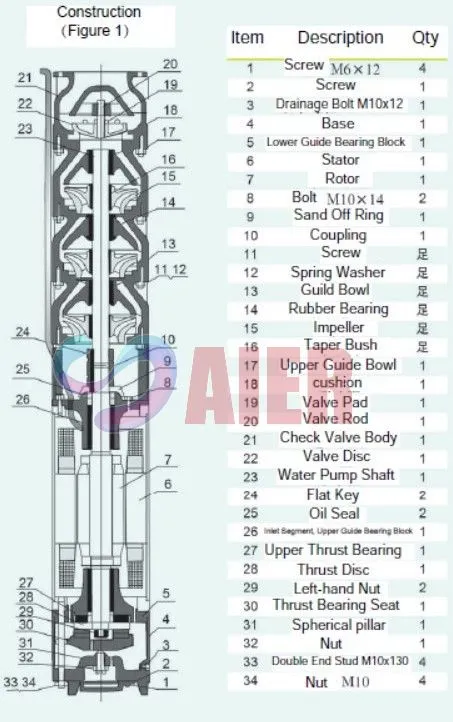
QJ წყალქვეშა ტუმბო ძირითადად შედგება კვების წერტილისგან, წყლის ტუმბოს ლილვისგან, იმპერატორისგან, აფეთქების შესასვლელი გარსაცმისგან, რეზინის საკისარისაგან, გამშვები სარქველისაგან (ვარიანტი) და სხვა. , სტატორი, სტატორის გრაგნილი, როტორი, ზედა სახელმძღვანელო, საყრდენი ბლოკი, ქვიშის რგოლი, გამოსასვლელი კაბელი და ა.შ.
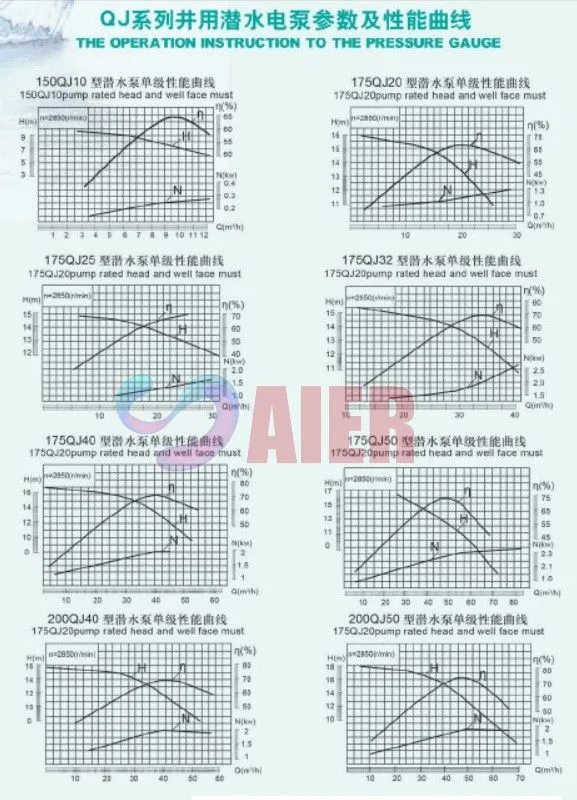
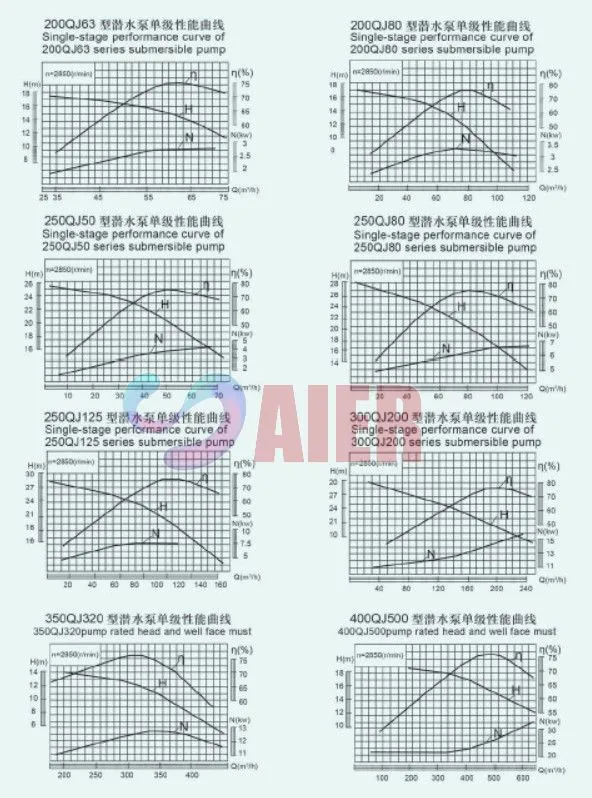
შესრულების მრუდი
Advantages of Using Submersible Water Pumps for Continuous Operation
A submersible water pump is a highly efficient and durable pumping solution designed to work entirely underwater, making it ideal for applications requiring continuous operation. Unlike surface-mounted pumps that rely on suction, a submersible pump pushes water upward through direct contact with the liquid, resulting in higher efficiency, less energy loss, and better performance in harsh environments.
One of the most significant advantages of submersible water pumps is their energy efficiency. Because they operate directly in the fluid, there is no air leakage or suction head loss, which means the pump converts more motor energy into hydraulic power. This makes submersible pumps extremely effective in deep wells, reservoirs, and dewatering systems where long-term operation is essential. Leading submersible water pump manufacturers often equip their pumps with advanced motors featuring high-efficiency windings and low energy consumption for round-the-clock operation.
Another major benefit is the quiet and vibration-free operation. Since the entire pump is submerged underwater, the surrounding fluid dampens sound and vibration. This makes submersible pumps suitable for residential, municipal, and industrial applications where noise control is important—such as building basements, urban drainage systems, and cooling water circulation.
In addition, submersible water pumps are known for their excellent anti-cavitation properties. Because they operate below the water surface, the risk of air bubbles forming at the impeller is greatly reduced. This prevents vapor lock, improves hydraulic stability, and minimizes wear on internal components. The constant immersion of the pump also ensures natural cooling for the motor, extending its service life even during extended operation.
Finally, submersible pumps are easy to install and maintain. Most modern models are designed with modular components, corrosion-resistant casings, and advanced sealing systems. This ensures long-lasting reliability in environments such as wastewater treatment, agriculture, mining, and chemical processing. When you choose a product from a reputable submersible water pump manufacturer, you can expect superior performance, reduced maintenance costs, and reliable operation—day after day.
Maintenance and Troubleshooting Tips for Submersible Water Pumps
Proper maintenance of a submersible water pump is essential for ensuring consistent performance, preventing failures, and maximizing operational lifespan. Since these pumps work entirely underwater, they must endure high pressure, varying temperatures, and possible contact with sediments or chemicals. Following a proactive maintenance plan can significantly extend the efficiency and reliability of your system.
The first step is routine inspection. Regularly check the power cable for cracks, fraying, or water ingress, as damaged insulation can cause short circuits. Next, examine the pump’s exterior for corrosion or debris buildup. Sediment accumulation can restrict water flow and reduce pump efficiency. Cleaning the suction strainer and impeller housing every few months helps maintain optimal performance.
A common issue in submersible pumps is reduced discharge flow. This can be caused by impeller wear, clogged intake screens, or partial blockage in the discharge line. If this happens, disconnect the pump, clean the impeller, and inspect for wear or imbalance. Replacing worn impellers or seals promptly prevents more serious mechanical damage.
The mechanical seal is one of the most critical components of a submersible water pump. It prevents water from entering the motor housing. Any leakage or oil contamination in the seal area indicates the need for immediate replacement. Additionally, monitor the bearing temperature and listen for unusual noises—these can signal excessive friction or bearing wear.
Leading submersible water pump manufacturers recommend checking motor insulation resistance periodically to prevent electrical faults. For pumps used in wastewater or industrial environments, schedule quarterly performance tests to track flow, head, and power consumption. If overheating occurs, it could be due to low voltage or excessive solids in the fluid; cleaning the pump and verifying electrical connections typically resolves these problems.
By maintaining your submersible water pump properly—keeping it clean, well-lubricated, and regularly inspected—you can reduce downtime, prevent costly repairs, and ensure reliable operation for years, even in continuous-use applications.
Key Features of High Quality Submersible Water Pumps
A high-quality submersible water pump is engineered for durability, efficiency, and versatility, making it suitable for use in various industries including construction, mining, agriculture, and wastewater management. Understanding the key features that define a superior submersible pump can help users select the best equipment for long-term operation.
The most important feature is robust material construction. Reputable submersible water pump manufacturers use stainless steel, cast iron, or high-chrome alloys to ensure resistance to corrosion, abrasion, and chemical attack. These materials protect the pump body and impeller from harsh conditions such as sewage, slurry, or seawater exposure. A well-built submersible pump can operate continuously even in environments with high sediment or chemical content.
Another key aspect is the advanced mechanical sealing system. Double mechanical seals made of silicon carbide or tungsten carbide prevent leakage and protect the electric motor from water intrusion. Combined with oil-filled motor chambers for cooling and lubrication, these systems ensure long-lasting reliability and smooth operation.
Efficiency is also a hallmark of a top-tier submersible water pump. Precision-engineered impellers and high-efficiency motors minimize energy consumption while delivering consistent flow and head performance. Built-in overload protection and thermal sensors help prevent damage from overheating or voltage fluctuations, ensuring safety in continuous-use environments.
In addition, modern submersible pumps feature modular and service-friendly designs. Easy-to-remove components allow for quick maintenance without dismantling the entire system, reducing downtime. Anti-clog impeller designs and self-cleaning flow channels further enhance reliability, especially in wastewater or industrial slurry applications.
Finally, certified submersible water pump manufacturers perform rigorous quality control and performance testing to guarantee every unit meets global efficiency and safety standards. When you choose a high-quality submersible pump, you’re investing in a machine that provides stable output, reduced maintenance costs, and decades of dependable operation across multiple industries.
პროდუქტების კატეგორიები
-
WA მძიმე მომუშავე ტუმბო
-
WG მაღალი თავიანი ტუმბო
-
WL მსუბუქი მომუშავე ტუმბო
-
WY Sump Pump
-
WZ მაღალი ეფექტურობის ტუმბო
-
WN დრეჯის ტუმბო
-
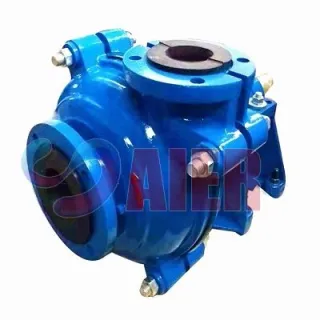
WAJ რეზინის ტუმბო
-
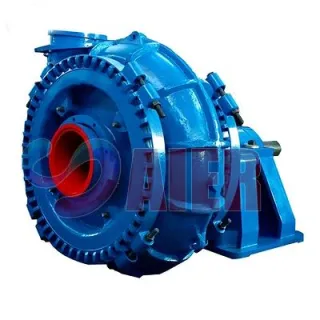
WS, WSG ხრეშის ქვიშის ტუმბო
-
WS, WSH ხსნარის ტუმბო
-
WY Sump Pump
-
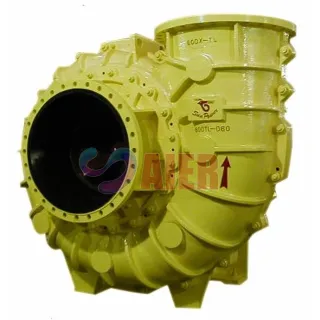
TL, TLR FGD ტუმბო
-
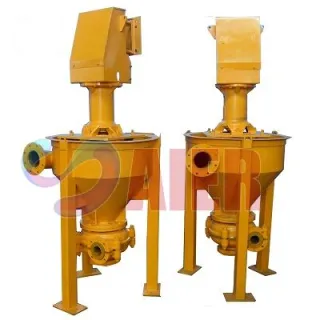
WP ვერტიკალური ქაფის ტუმბო
-
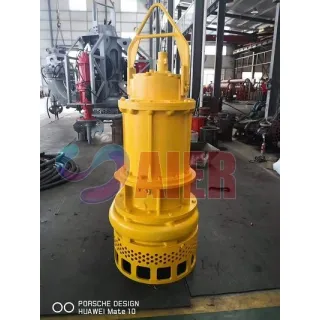
ZJQ წყალქვეშა ტუმბოები
-
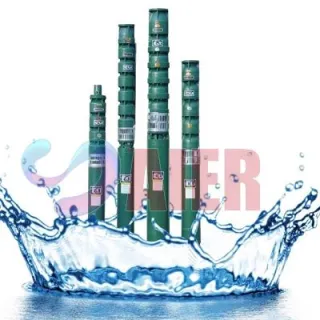
QJ წყალქვეშა ტუმბო
-
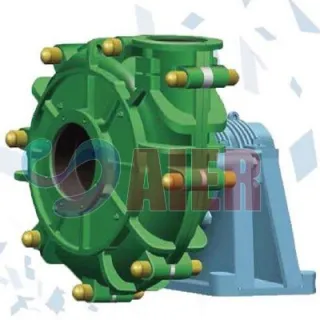
ACT (ZCT) კერამიკული ტუმბოები
-
BCT კერამიკული ტუმბოები