
POMPA celup QJ
Deskripsi Produk
Gambaran umum
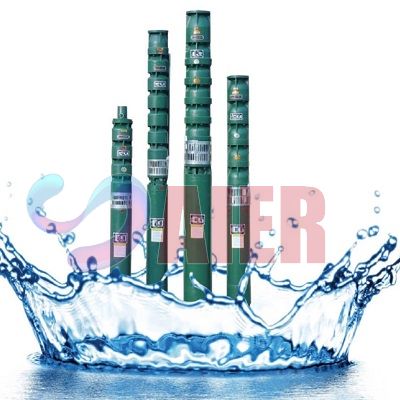
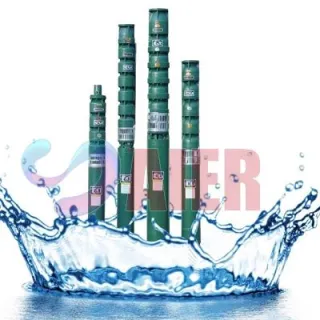
Pompa submersible QJ terutama digunakan untuk mengalirkan air dari sumur dalam dan meningkatkan air serta banyak digunakan dalam irigasi lahan pertanian, pengeringan air di daerah perkotaan dan pedesaan serta pertambangan dan perusahaan industri serta pekerjaan pemeliharaan air termasuk waduk, air mancur, sistem pendingin dan spa dll. Fitur utamanya adalah sebagai berikut: Dengan penggunaan yang mudah, pemasangan yang mudah, perawatan yang mudah, perlindungan lingkungan, dll. Keuntungannya, pompa selam listrik yang mengumpulkan motor dan pompa air dapat bekerja di dalam air dan nyaman untuk digunakan dan diperbaiki.
Produsen Pompa Air Submersible
Kami adalah produsen profesional pompa submersible di Cina. Selain pompa air, kami juga menyediakan berbagai pompa lumpur, pompa kerikil, pompa desulfurisasi, dll. Sesuai dengan permintaan yang berbeda, kami dapat menyediakan produk dengan bahan berbeda seperti pengecoran baja tahan karat, pengelasan tekan tahan karat, pengecoran perunggu, pengecoran besi polos, pengecoran bahan khusus tahan korosi. Pompa harus ketat dengan diameter luar, sehingga situasi seperti kebocoran segel motor dan pencemaran air tidak akan terjadi.
Spesifikasi
Ukuran (pengosongan): 4" hingga 16"
Kapasitas: 2-500m3/jam
Kepala: 10m-500 m
Tenaga rumah tangga: 0,75-450kw
Bahan: Besi Cor, Perunggu, Baja tahan karat dll
AIER® QJ Submersible Pump
Ketentuan Penggunaan
①Daya: 380V/AC 3 fase, 50Hz
②Kualitas air:
A. Suhu air di bawah 20℃(tahan suhu tinggi 80℃)
B. Kandungan padatnya kurang dari 0,01% (tergantung kualitasnya)
C.PH 6.5-8.5
D. Kandungan hidrogen sulfida kurang dari 1,15mg/l
E. Kandungan ion oksida kurang dari 400mg/l
③Bagian dalam motor submersible harus penuh dengan air bersih dan pompa submersible harus terendam dengan aman agar dapat bekerja.
④Kedalaman pemasangan tidak boleh melebihi 20% dari tinggi pompa air dan permukaan sumur harus halus dan lurus.
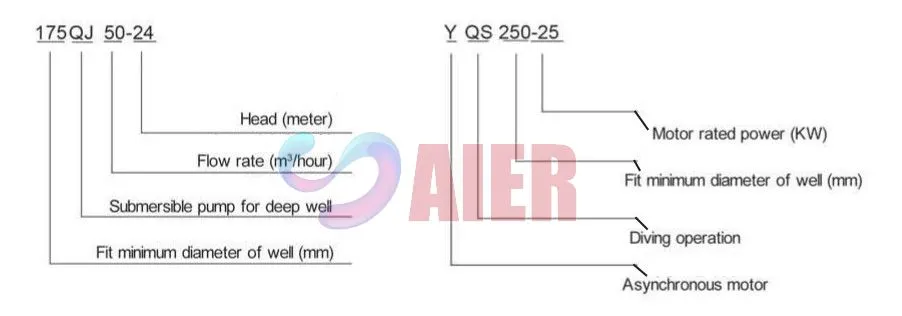
Ketik Notasi
Fitur utama
1. Motor adalah motor submersible basah. Ruang motor harus diisi dengan air bersih yang digunakan untuk mendinginkan motor dan melumasi bantalan. Film pengatur tegangan pada alas atau motor digunakan untuk mengatur perbedaan tekanan dan pelebaran air di bagian dalam motor yang disebabkan oleh perubahan suhu motor.
2. Untuk mencegah butiran pasir dari sumur masuk ke bagian dalam motor, bagian atas harus dipasang dua buah seal oil yang dipasang kebelakang dan satu buah sand off ring dipasang.
3. Untuk mencegah poros pompa air melompat, poros pompa air dan poros motor dihubungkan dengan kopling dan bantalan dorong harus dipasang di bagian bawah motor.
4. Air melumasi motor dan bantalan pompa air.
5. Kabel belitan motor submersible digunakan untuk belitan stator. Jadi itu terisolasi dengan baik
6. Impeler sentrifugal dan selubung saluran masuk blower vertikal digunakan untuk pompa air target="_blank">dan strukturnya sederhana.
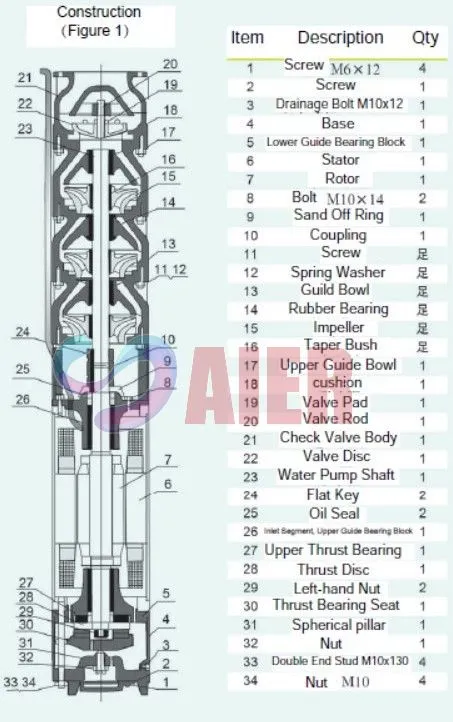
Diagram Konstruksi
Pompa submersible QJ terutama terdiri dari titik umpan, poros pompa air, impeller, casing saluran masuk blower, bantalan karet, katup periksa (opsi), dll. Motor submersible terdiri dari alas, film pengatur tegangan, bantalan dorong, cakram dorong, blok bantalan pemandu bawah , stator, belitan stator, rotor, pemandu atas, blok bantalan, cincin pasir, kabel stopkontak, dll.
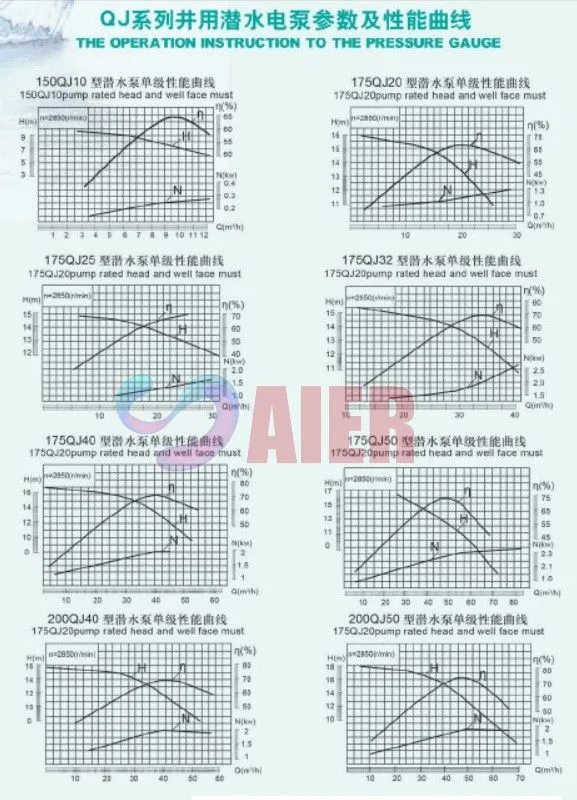
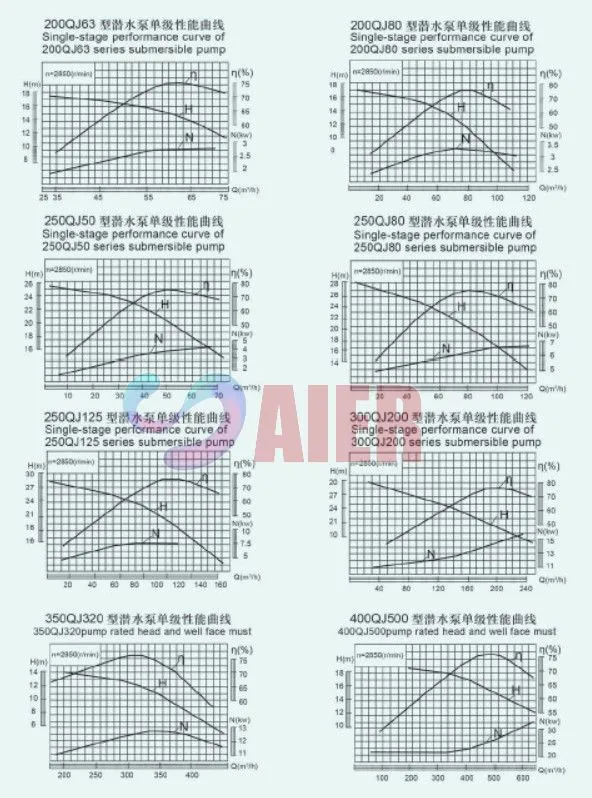
Kurva Kinerja
Advantages of Using Submersible Water Pumps for Continuous Operation
A submersible water pump is a highly efficient and durable pumping solution designed to work entirely underwater, making it ideal for applications requiring continuous operation. Unlike surface-mounted pumps that rely on suction, a submersible pump pushes water upward through direct contact with the liquid, resulting in higher efficiency, less energy loss, and better performance in harsh environments.
One of the most significant advantages of submersible water pumps is their energy efficiency. Because they operate directly in the fluid, there is no air leakage or suction head loss, which means the pump converts more motor energy into hydraulic power. This makes submersible pumps extremely effective in deep wells, reservoirs, and dewatering systems where long-term operation is essential. Leading submersible water pump manufacturers often equip their pumps with advanced motors featuring high-efficiency windings and low energy consumption for round-the-clock operation.
Another major benefit is the quiet and vibration-free operation. Since the entire pump is submerged underwater, the surrounding fluid dampens sound and vibration. This makes submersible pumps suitable for residential, municipal, and industrial applications where noise control is important—such as building basements, urban drainage systems, and cooling water circulation.
In addition, submersible water pumps are known for their excellent anti-cavitation properties. Because they operate below the water surface, the risk of air bubbles forming at the impeller is greatly reduced. This prevents vapor lock, improves hydraulic stability, and minimizes wear on internal components. The constant immersion of the pump also ensures natural cooling for the motor, extending its service life even during extended operation.
Finally, submersible pumps are easy to install and maintain. Most modern models are designed with modular components, corrosion-resistant casings, and advanced sealing systems. This ensures long-lasting reliability in environments such as wastewater treatment, agriculture, mining, and chemical processing. When you choose a product from a reputable submersible water pump manufacturer, you can expect superior performance, reduced maintenance costs, and reliable operation—day after day.
Maintenance and Troubleshooting Tips for Submersible Water Pumps
Proper maintenance of a submersible water pump is essential for ensuring consistent performance, preventing failures, and maximizing operational lifespan. Since these pumps work entirely underwater, they must endure high pressure, varying temperatures, and possible contact with sediments or chemicals. Following a proactive maintenance plan can significantly extend the efficiency and reliability of your system.
The first step is routine inspection. Regularly check the power cable for cracks, fraying, or water ingress, as damaged insulation can cause short circuits. Next, examine the pump’s exterior for corrosion or debris buildup. Sediment accumulation can restrict water flow and reduce pump efficiency. Cleaning the suction strainer and impeller housing every few months helps maintain optimal performance.
A common issue in submersible pumps is reduced discharge flow. This can be caused by impeller wear, clogged intake screens, or partial blockage in the discharge line. If this happens, disconnect the pump, clean the impeller, and inspect for wear or imbalance. Replacing worn impellers or seals promptly prevents more serious mechanical damage.
The mechanical seal is one of the most critical components of a submersible water pump. It prevents water from entering the motor housing. Any leakage or oil contamination in the seal area indicates the need for immediate replacement. Additionally, monitor the bearing temperature and listen for unusual noises—these can signal excessive friction or bearing wear.
Leading submersible water pump manufacturers recommend checking motor insulation resistance periodically to prevent electrical faults. For pumps used in wastewater or industrial environments, schedule quarterly performance tests to track flow, head, and power consumption. If overheating occurs, it could be due to low voltage or excessive solids in the fluid; cleaning the pump and verifying electrical connections typically resolves these problems.
By maintaining your submersible water pump properly—keeping it clean, well-lubricated, and regularly inspected—you can reduce downtime, prevent costly repairs, and ensure reliable operation for years, even in continuous-use applications.
Key Features of High Quality Submersible Water Pumps
A high-quality submersible water pump is engineered for durability, efficiency, and versatility, making it suitable for use in various industries including construction, mining, agriculture, and wastewater management. Understanding the key features that define a superior submersible pump can help users select the best equipment for long-term operation.
The most important feature is robust material construction. Reputable submersible water pump manufacturers use stainless steel, cast iron, or high-chrome alloys to ensure resistance to corrosion, abrasion, and chemical attack. These materials protect the pump body and impeller from harsh conditions such as sewage, slurry, or seawater exposure. A well-built submersible pump can operate continuously even in environments with high sediment or chemical content.
Another key aspect is the advanced mechanical sealing system. Double mechanical seals made of silicon carbide or tungsten carbide prevent leakage and protect the electric motor from water intrusion. Combined with oil-filled motor chambers for cooling and lubrication, these systems ensure long-lasting reliability and smooth operation.
Efficiency is also a hallmark of a top-tier submersible water pump. Precision-engineered impellers and high-efficiency motors minimize energy consumption while delivering consistent flow and head performance. Built-in overload protection and thermal sensors help prevent damage from overheating or voltage fluctuations, ensuring safety in continuous-use environments.
In addition, modern submersible pumps feature modular and service-friendly designs. Easy-to-remove components allow for quick maintenance without dismantling the entire system, reducing downtime. Anti-clog impeller designs and self-cleaning flow channels further enhance reliability, especially in wastewater or industrial slurry applications.
Finally, certified submersible water pump manufacturers perform rigorous quality control and performance testing to guarantee every unit meets global efficiency and safety standards. When you choose a high-quality submersible pump, you’re investing in a machine that provides stable output, reduced maintenance costs, and decades of dependable operation across multiple industries.
Kategori produk
-
Pompa Lumpur Tugas Berat WA
-
Pompa Lumpur Kepala Tinggi WG
-
Pompa Lumpur Tugas Ringan WL
-
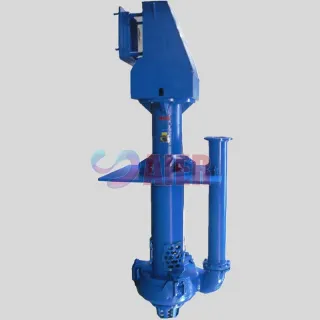
Pompa Bah WY
-
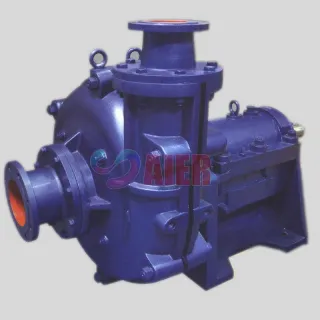
Pompa Lumpur Efisiensi Tinggi WZ
-
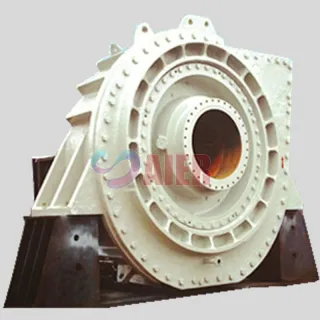
Pompa Pengerukan WN
-
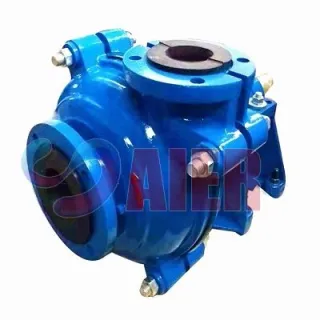
Pompa Lumpur Karet WAJ
-
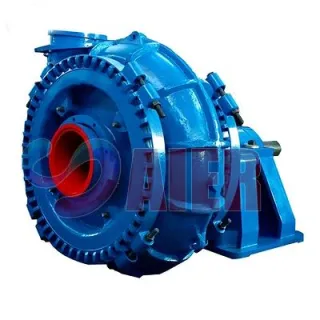
WS, Pompa Pasir Kerikil WSG
-
WS, Pompa Solusi WSH
-
Pompa Bah WY
-
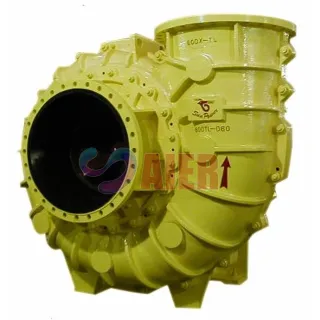
TL, Pompa FGD TLR
-
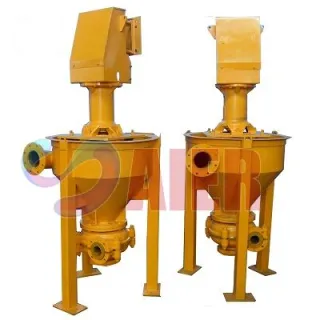
Pompa Buih Vertikal WP
-
Pompa Lumpur Submersible ZJQ
-
POMPA celup QJ
-
Pompa Lumpur Keramik ACT (ZCT).
-
Pompa Lumpur Keramik BCT